Using a Gap Year for Health Advocacy to Strengthen Your Residency Application
In today’s competitive residency landscape, strong board scores and excellent clerkship evaluations are no longer enough on their own. Programs increasingly look for applicants who demonstrate a deep understanding of health systems, a commitment to underserved populations, and the ability to lead change. A thoughtfully planned gap year focused on Health Advocacy and Public Health can help you develop exactly those qualities—while making a real difference in patients’ lives.
This guide explores how to use a gap year between medical school and residency (or between pre-clinical and clinical years, or even pre-med and medical school) to build a meaningful health advocacy portfolio that enhances your residency applications and prepares you for a career in patient-centered, socially accountable medicine.
Understanding Health Advocacy in the Context of Medical Education
What Is Health Advocacy?
Health advocacy refers to actions taken by individuals or groups to:
- Improve access to care
- Promote health equity
- Address social determinants of health
- Influence health policy and systems
- Empower patients and communities to participate in their own care
In the context of medical education and residency preparation, health advocacy can include:
Policy and Legislative Work
- Meeting with legislators about Medicaid expansion or scope-of-practice laws
- Supporting bills that address housing, food insecurity, or mental health funding
- Writing policy briefs, op-eds, or testimony on health-related issues
Community- and Public Health–Focused Initiatives
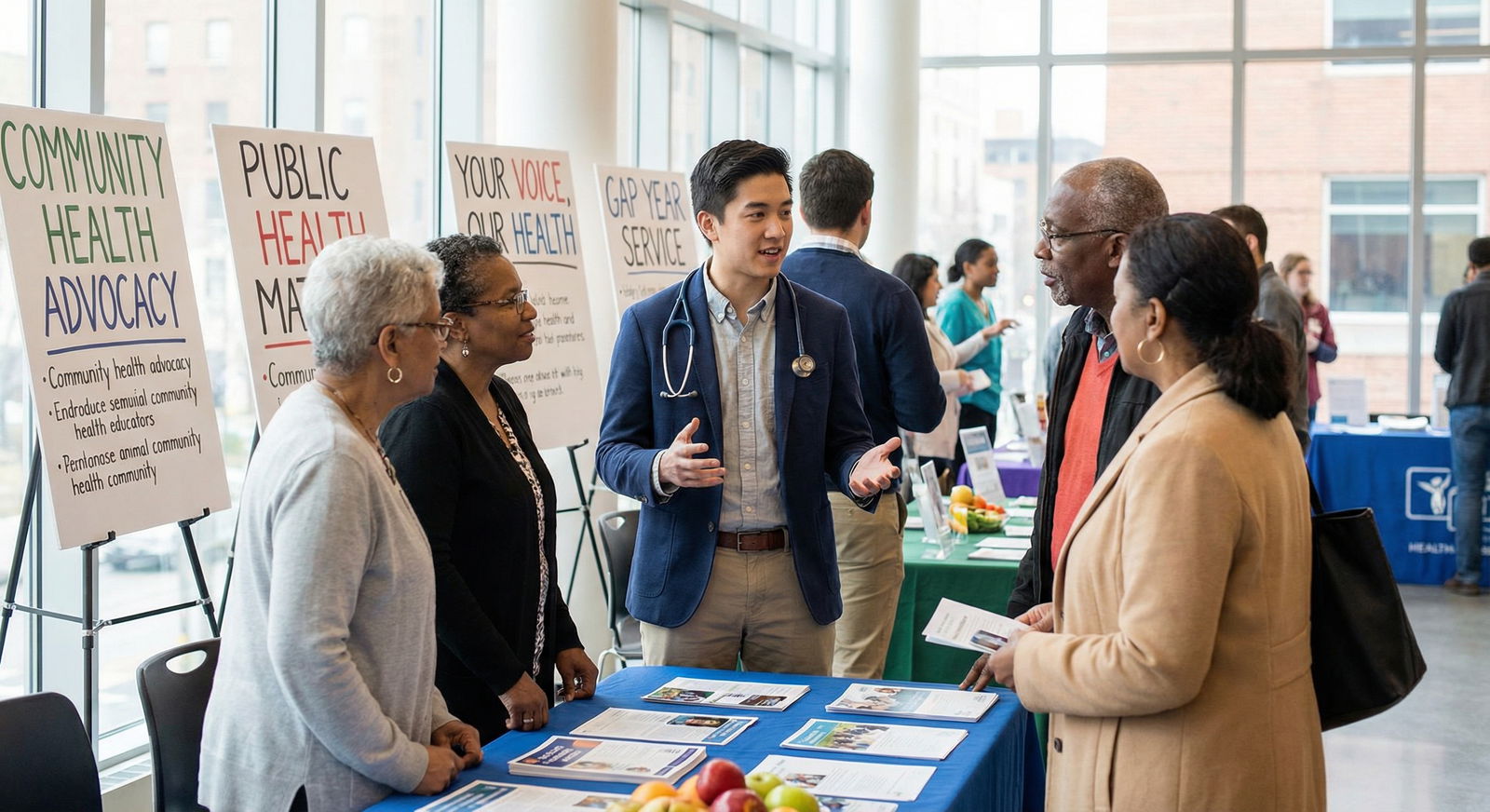
- Designing or assisting with community-based Public Health campaigns (e.g., vaccination drives, smoking cessation, HIV prevention)
- Working with local health departments to improve screening rates or chronic disease management
- Participating in school-based health education programs
Clinical and Community Engagement
- Volunteering in free clinics, mobile clinics, or shelter-based care programs
- Developing resources for patients with limited English proficiency or low health literacy
- Partnering with community organizations addressing specific needs (e.g., maternal health, refugee health, addiction services)
At its core, health advocacy is about seeing beyond individual patient encounters to the structural and social forces that shape health—and then doing something about them.
Why Health Advocacy Matters for Residency Applications
Residency programs repeatedly emphasize the importance of:
- Empathy and cultural humility
- Leadership and initiative
- Systems-based practice and quality improvement
- Commitment to underserved and marginalized populations
Experiences in health advocacy allow you to demonstrate these competencies in a concrete, compelling way. When framed thoughtfully, a gap year focused on advocacy becomes more than a “break” from training—it becomes a strategic phase of professional development that strengthens your candidacy and your future practice.
Why Consider a Health Advocacy Gap Year Before Residency?
1. Gain Unique, High-Impact Experiences You Can’t Get in the Classroom
A structured advocacy gap year lets you immerse yourself in work that is difficult to balance alongside full-time coursework or clinical rotations.
Examples of what you might do:
- Join a national or local health advocacy organization working on insurance access, immigrant health, or reproductive rights.
- Work full-time on a targeted Public Health project, such as improving vaccination rates in a rural county.
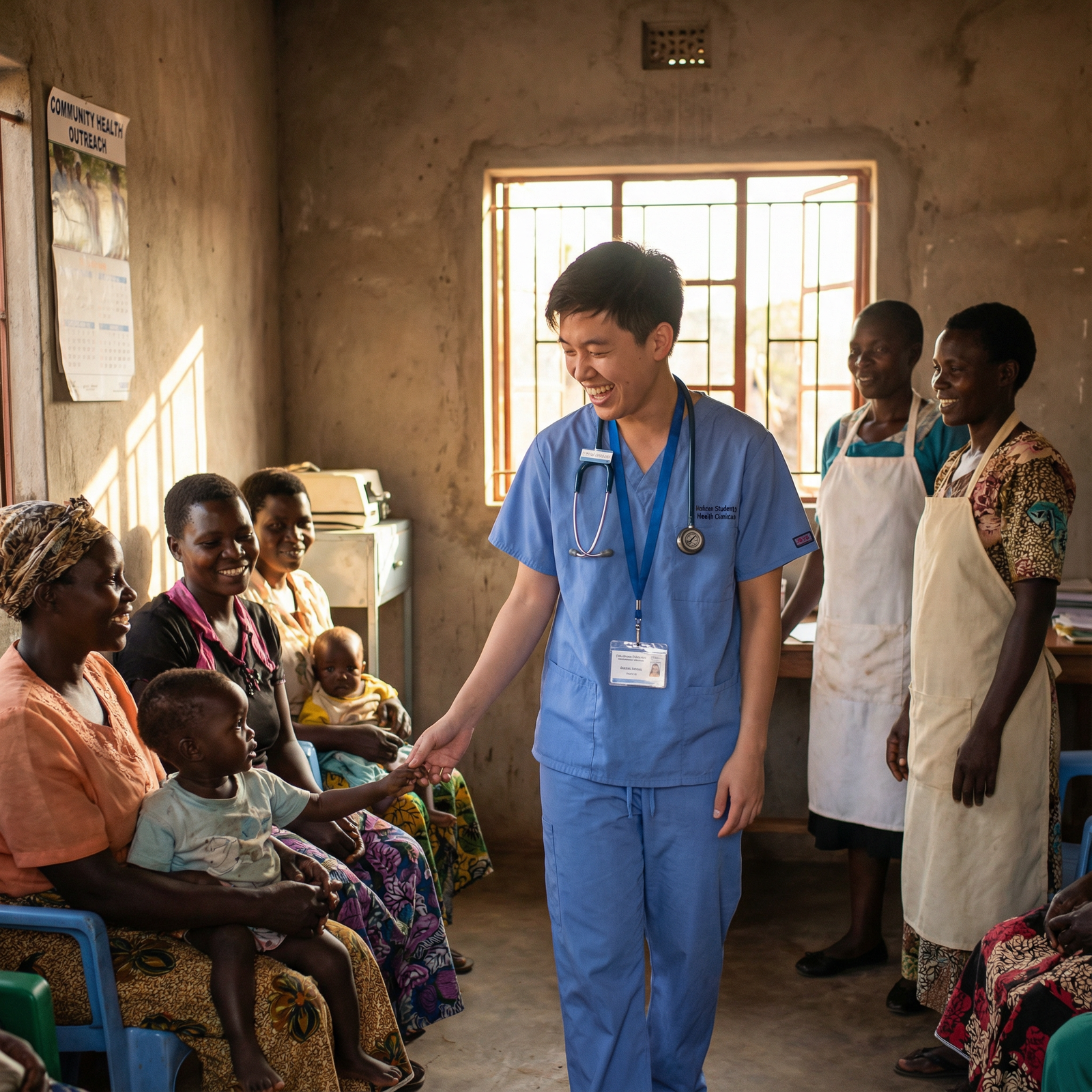
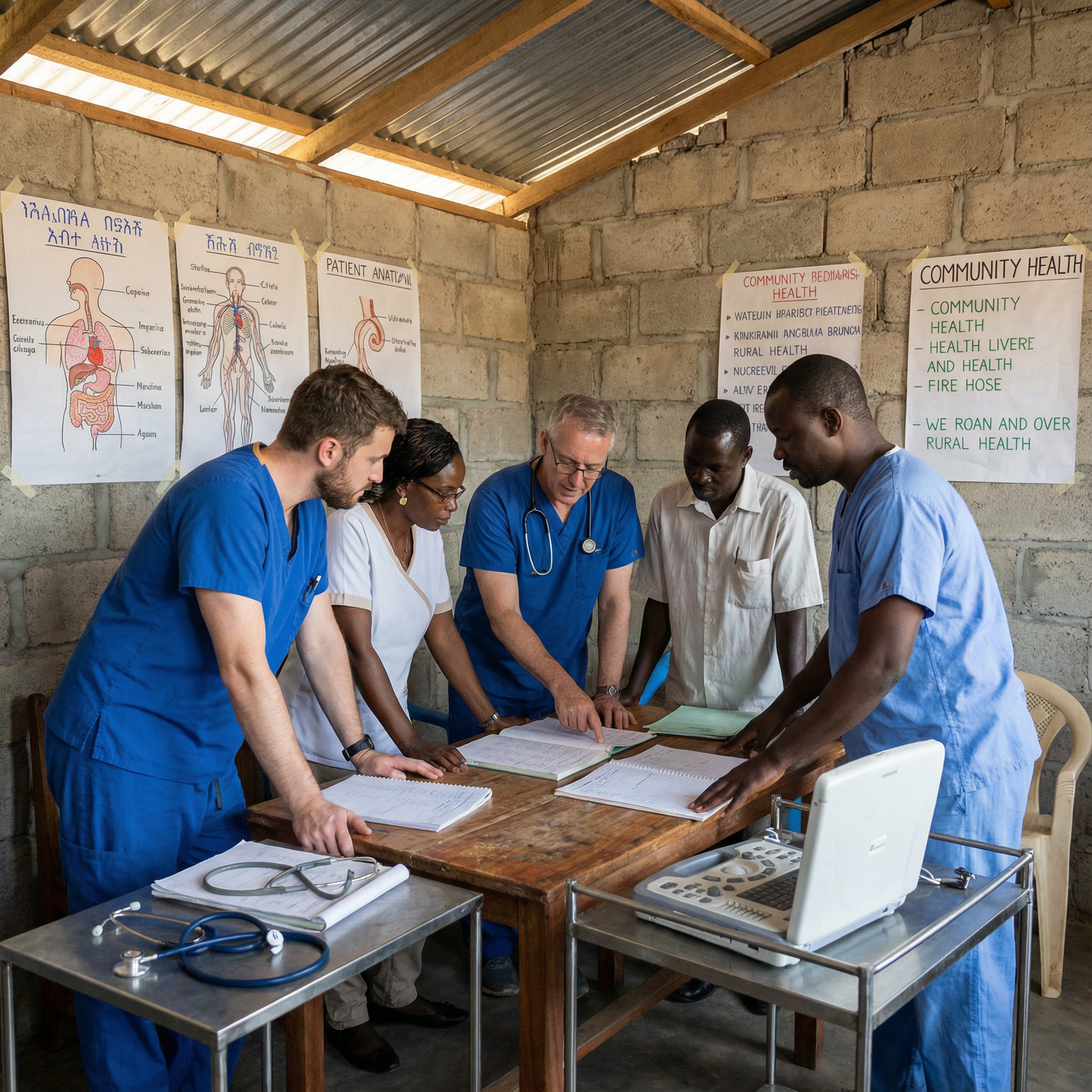
- Participate in global health advocacy, focusing on issues like access to essential medications, non-communicable disease prevention, or maternal mortality in low-resource settings.
These experiences deepen your understanding of:
- How health systems function (and fail)
- How policy decisions directly affect patient outcomes
- The barriers faced by specific populations (e.g., rural communities, LGBTQ+ individuals, undocumented patients, people experiencing homelessness)
You’ll return to clinical training with context for why your patients struggle with medication adherence, transportation, insurance, and follow-up—a perspective that directly improves your care and interviews well in residency selection.
Short Example
Consider a medical graduate who spends a year collaborating with a local health department to reduce uncontrolled diabetes rates in a community with high food insecurity. They help design a screening program, coordinate with food banks, and build an EHR alert system for at-risk patients. In residency interviews, they can clearly connect this experience to their interest in primary care, quality improvement, and community medicine—far more powerful than a generic statement about “wanting to help underserved patients.”
2. Bolster Your Residency Application with Distinctive Achievements
A health advocacy gap year can substantially enhance your CV, personal statement, and interviews.
Ways your advocacy year can stand out:
Leadership Roles
- Coordinating a campaign, supervising volunteers, or leading community meetings
- Serving as a liaison between community organizations and medical institutions
Measurable Outcomes
- Increasing screening, vaccination, or follow-up rates
- Contributing to policy changes (even local ones, like municipal health ordinances)
- Developing a toolkit, curriculum, or resource that continues to be used after you leave
Scholarly Products
- Publishing a paper or commentary in a medical or public health journal
- Presenting posters or talks at conferences
- Co-authoring policy briefs or white papers
Residency programs value advocacy experiences when they are:
- Clearly described
- Linked to specific skills (e.g., problem-solving, leadership, communication, cultural humility)
- Connected to your future specialty and career goals
For example, a student pursuing OB/GYN might focus on reproductive justice or maternal morbidity; someone interested in psychiatry might engage in mental health policy or harm reduction initiatives.
3. Build Powerful Professional Networks in Public Health and Advocacy
Health advocacy is inherently collaborative. During a gap year, you can form relationships with:
- Physicians involved in health policy, community medicine, and academic advocacy
- Leaders at nonprofits, health departments, think tanks, or community organizations
- Interdisciplinary colleagues: social workers, community health workers, public health professionals, policymakers
These contacts can:
- Provide strong letters of recommendation highlighting unique strengths
- Connect you to research projects, quality improvement initiatives, or future jobs
- Offer mentorship for careers in academic medicine, public health leadership, or policy
Practical networking tips:
- Maintain a professional and up-to-date LinkedIn profile highlighting your advocacy and Public Health work.
- Attend relevant conferences (e.g., American Public Health Association, state medical society advocacy days).
- Ask supervisors if you can co-present at institutional meetings or community forums.

4. Foster Deep Personal and Professional Growth
Beyond the lines on a CV, a health advocacy gap year often transforms how you see medicine and your role as a physician.
Key areas of growth include:
Advanced Communication Skills
- Explaining complex medical or policy concepts in accessible language
- Speaking confidently to community groups, the media, or policymakers
- Negotiating and collaborating across disciplines and sectors
Cultural Humility and Structural Awareness
- Understanding how racism, classism, sexism, and xenophobia shape health
- Learning to listen to community voices and share power
- Recognizing your own assumptions and biases
Resilience and Adaptability
- Working in resource-limited environments
- Managing uncertainty and slow progress in policy or systems change
- Balancing idealism with practical realities
These are the same attributes programs seek in residents who can navigate complex health systems and advocate effectively for their patients.
Planning a High-Impact Health Advocacy Gap Year
A successful gap year is intentional, structured, and clearly aligned with your long-term goals in medicine.
Step 1: Clarify Your Advocacy Interests and Career Goals
Start with focused self-reflection:
- Which patient populations moved you most during clinical rotations?
- Which public health or health equity issues do you feel strongly about?
- How does advocacy connect with your target specialty (e.g., internal medicine, pediatrics, psychiatry, surgery)?
Common themes to consider:
- Maternal and reproductive health
- Mental health and addiction
- Immigrant and refugee health
- Rural and frontier medicine
- LGBTQ+ health
- Environmental and climate-related health
- Incarcerated populations and criminal-legal system health
Defining your core interests will help you choose projects that feel meaningful and coherent with your narrative in residency applications.
Step 2: Explore Domestic and International Opportunities
You don’t have to go abroad to do significant Health Advocacy work; many impactful options exist close to home.
Domestic Opportunities
Community Health Centers and Free Clinics
- Help develop patient education materials in multiple languages
- Assist with quality improvement projects or outreach programs
Local or State Health Departments
- Work on data analysis, program evaluation, or community outreach
- Participate in campaigns around vaccination, chronic disease, or emergency preparedness
Nonprofits and Advocacy Organizations
- Organizations focused on housing, food insecurity, gender-based violence, or disability rights often seek health-trained volunteers or staff
- Medical societies’ advocacy branches (e.g., state medical associations) frequently welcome trainees
International and Global Health Opportunities
If considering an international experience:
- Look for ethically grounded, sustainable programs with strong local partnerships (e.g., Partners In Health and similar models).
- Avoid short-term “voluntourism” that displaces local providers or offers services beyond your training level.
- Aim for roles that emphasize capacity-building, education, or systems work, rather than purely clinical care if you’re not licensed locally.
Always consider safety, supervision, and cultural and ethical implications when choosing global health roles.
Step 3: Decide on the Structure of Your Gap Year
Your gap year can take different forms:
Full-Time Position
- e.g., Paid fellowship in health policy or global health
- AmeriCorps or service year with a health-focused organization
Part-Time or Mixed Model
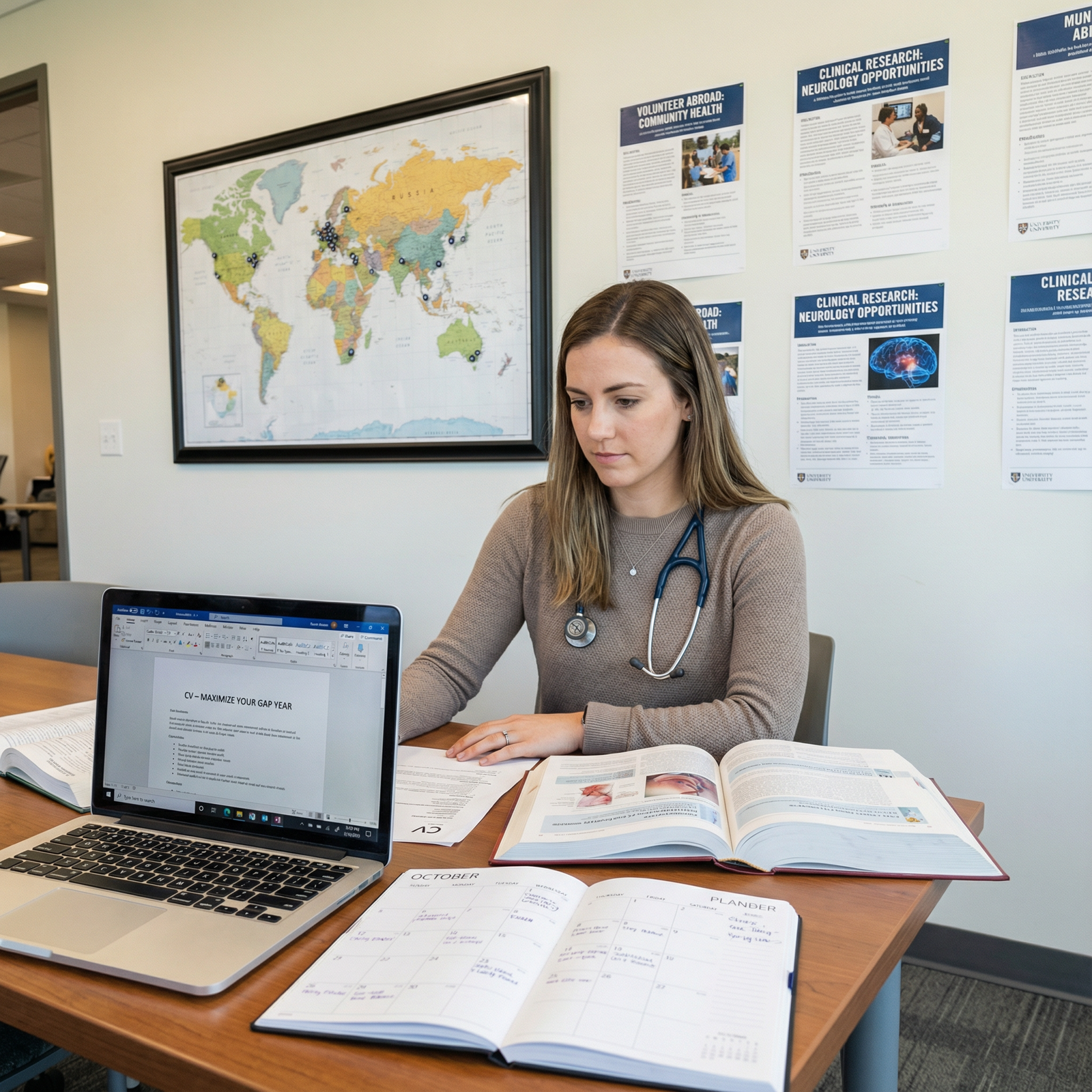
- Combining part-time advocacy work with research, exam preparation, or clinical moonlighting (if licensed)
- Balancing online coursework (e.g., MPH classes) with on-the-ground advocacy
Formal Training Programs
- One-year fellowships for graduates interested in health policy, medical education, or quality improvement
- Enrollment in a Master of Public Health (MPH) or related degree with a strong advocacy component
Whichever structure you choose, ensure that:
- Your responsibilities are clearly defined
- There is meaningful supervision or mentorship
- You have opportunities for independent initiative and visible outcomes
Step 4: Set Specific, Measurable Goals
Treat your gap year like a major project in your medical education.
Examples of concrete goals:
- “Develop and implement a hypertension education program at a community center, reaching at least 150 participants and collecting pre- and post-intervention data.”
- “Contribute to at least one peer-reviewed publication or national conference presentation on a Public Health or advocacy topic.”
- “Organize two community health forums with local leaders and health professionals on access to mental health services.”
Include both process goals (what you will do) and outcome goals (what will change as a result).
Step 5: Document and Reflect on Your Journey
Keep thorough records of your work and learning:
Maintain a journal or reflection log
- Note key experiences, challenges, and lessons
- Capture stories of patients or community members (de-identified) that illustrate system issues
Archive products and outputs
- Flyers, curricula, slides, reports, policy briefs
- Data summaries, dashboards, and evaluation results
Track metrics
- Number of patients reached, events held, policies influenced
- Changes in clinical or Public Health indicators (where applicable)
These materials will feed directly into:
- Your ERAS application activities descriptions
- Your personal statement, where you can illustrate your commitment with concrete examples
- Your interview answers, when asked about challenges, leadership, or health equity
Case Study: A Successful Health Advocacy Gap Year in Action
To illustrate how this can play out, consider an expanded version of Sarah’s story.
Sarah’s Focus: Maternal Health Advocacy
Sarah graduated from medical school with a strong interest in OB/GYN but felt her CV lacked clear differentiation. She decided to take a gap year focused on maternal health disparities in a predominantly rural, low-income region.
During her year, she:
Joined a Community-Based Organization
- The nonprofit focused on improving prenatal care access and postpartum follow-up.
- Sarah helped map “maternity care deserts” where patients had to travel hours for care.
Led Community Workshops
- She developed culturally sensitive sessions on prenatal nutrition, warning signs in pregnancy, and postpartum mental health.
- To increase accessibility, workshops were held in churches, community centers, and schools, with childcare and transportation vouchers provided.
Conducted Community-Engaged Research
- Working with a university mentor, she helped design a survey on barriers to prenatal care.
- The team identified key issues: lack of transportation, limited clinic hours, childcare challenges, and mistrust of the health system.
Engaged in Policy Advocacy
- Sarah helped prepare testimony for state legislators about extending Medicaid coverage from 60 days to 12 months postpartum.
- She participated in a maternal health coalition that included nurses, doulas, social workers, and community leaders.
Produced Tangible Outputs
- Co-authored a conference poster on maternal health disparities presented at a regional OB/GYN meeting.
- Contributed to a policy brief that was cited in local news coverage of maternal health legislation.
When Sarah applied for residency:
- Her personal statement told a coherent story about her commitment to maternal health, grounded in specific experiences and outcomes.
- Her letters of recommendation from advocacy supervisors highlighted her leadership, cultural humility, and ability to work with communities.
- In interviews, she seamlessly linked her gap year work to her future goals in OB/GYN and health policy.
She received offers from several competitive programs that emphasized women’s health, community medicine, and advocacy training tracks.

Translating Your Advocacy Gap Year into a Strong Residency Application
To capture the full value of your gap year, be deliberate in how you present it.
Highlighting Advocacy in ERAS and Your CV
When listing your experiences:
- Use action verbs and specific outcomes
- “Coordinated,” “led,” “evaluated,” “implemented,” “advocated,” “analyzed”
- Include quantitative data where possible
- “Reached 500+ community members across 12 events”
- “Helped increase colorectal cancer screening rates from 45% to 60% in one clinic”
Integrating Advocacy Into Your Personal Statement
Rather than merely stating “I am passionate about health equity,” show it:
- Describe a specific problem you worked on (e.g., opioid overdose deaths in your community).
- Explain your role, the challenges faced, and what you learned about patients, systems, and yourself.
- Tie these lessons directly to what you hope to do in residency and beyond.
Discussing Your Gap Year in Interviews
Be prepared to answer:
- Why did you choose to take a gap year?
- What did you actually do—day-to-day?
- How did this experience change your view of medicine or your specialty?
- How will you bring this advocacy mindset into our residency program?
Frame your gap year as:
- A deliberate, mission-driven choice, not a fallback or delay
- Evidence of your resilience, initiative, and long-term vision
- A source of skills that will benefit your patients and your residency program
Common Pitfalls and How to Avoid Them
When planning a health advocacy gap year, watch out for:
Lack of Structure
- Avoid vague plans to “volunteer somewhere.” Secure a defined role before you step away from training.
Overcommitting Without Support
- Ensure you have adequate supervision, mentorship, and institutional backing, especially for policy and research work.
Ethical Missteps in Global Health
- Avoid roles that ask you to provide care beyond your scope or displace local providers.
Weak Documentation
- If you don’t track what you did and what changed, it will be hard to convey your impact later.
By anticipating these issues early, you can maximize both your contribution to communities and the benefit to your professional trajectory.
FAQs: Health Advocacy Gap Years and Residency Applications
1. Will a gap year focused on health advocacy hurt my chances of matching into residency?
No—if planned and explained well, it can significantly enhance your application. Programs often view a well-structured gap year as evidence of maturity, commitment, and focused interests. The key is to:
- Demonstrate continuity in your engagement with medicine and Public Health
- Show clear, concrete outcomes from your work
- Explain how your experiences will make you a better resident and teammate
2. Can I get paid while doing health advocacy during my gap year?
Yes. While many positions are volunteer, there are options for paid work:
- Full-time positions with nonprofits, health systems, or health departments
- Service programs (e.g., AmeriCorps) with living stipends and benefits
- Research assistant or program coordinator roles in academic centers
- Some advocacy fellowships that offer stipends or modest salaries
Clarify financial realities early so your plan is sustainable.
3. How do I find reputable health advocacy or Public Health opportunities?
Start with:
- Your medical school’s office of community engagement, global health, or Public Health
- Faculty mentors known for advocacy, health equity, or community-based research
- Professional organizations (e.g., American Public Health Association, specialty-specific advocacy groups)
- Local health departments and established community organizations
Ask specifically about supervision, scope of work, expected outputs, and prior experience working with trainees.
4. How do I make sure my advocacy work is actually impactful, not just a résumé line?
Focus on:
- Joining or building upon existing local efforts, rather than starting “from scratch” without context
- Setting measurable goals and tracking outcomes
- Centering community voices and needs, not just your personal interests
- Seeking continual feedback from supervisors and community partners
Impact can be small and local—such as improving services at a single clinic—but should be real and sustainable whenever possible.
5. How should I frame my gap year if my board scores or academic record are not ideal?
A strong health advocacy gap year can help contextualize academic challenges. Emphasize:
- How you developed resilience, discipline, and time-management during the year
- Concrete evidence that you can succeed in complex, high-responsibility roles
- Growth in maturity, professionalism, and clarity about your career goals
Be honest but forward-looking: acknowledge academic challenges briefly, then focus on how your gap year prepared you to thrive in residency.
A gap year dedicated to Health Advocacy and Public Health is not simply time away from clinical training; it is an investment in becoming the kind of physician modern healthcare needs—one who can care for both individual patients and the systems that shape their lives. With intentional planning, structured goals, and thoughtful reflection, your advocacy gap year can be both deeply impactful for communities and a powerful asset in your residency applications and long-term medical career.