Introduction: Turning a Gap Year into a Strategic Career Move
Taking a Gap Year before residency is no longer unusual—it's increasingly strategic. As residency applications grow more competitive, many medical students and international medical graduates are choosing to step back for a year to strengthen their profile, clarify their career goals, and build the kind of Volunteer Work, Research Opportunities, and Clinical Experience that residency programs consistently value.
Used wisely, a gap year is not “time off”; it’s “time invested.” It can:
- Make your residency application measurably stronger
- Help you refine specialty choice through real-world exposure
- Provide concrete stories and projects to discuss in personal statements and interviews
- Allow for personal growth and burnout recovery while still moving your career forward
This guide walks through the most impactful gap year activities—from volunteer work to research and clinical roles—and explains how to choose, structure, and present them so they genuinely impress residency selection committees.
Why Consider a Gap Year Before Residency?
Not everyone needs a gap year. But for many, it can transform an average application into a compelling one. Understanding why you’re taking this year is the first step to using it well.
Common Reasons for a Residency Gap Year
Academic Strengthening
- Improve exam performance (USMLE/COMLEX/PLAB, etc.)
- Address academic gaps or remediation
- Take advanced electives or certifications
Application Enhancement
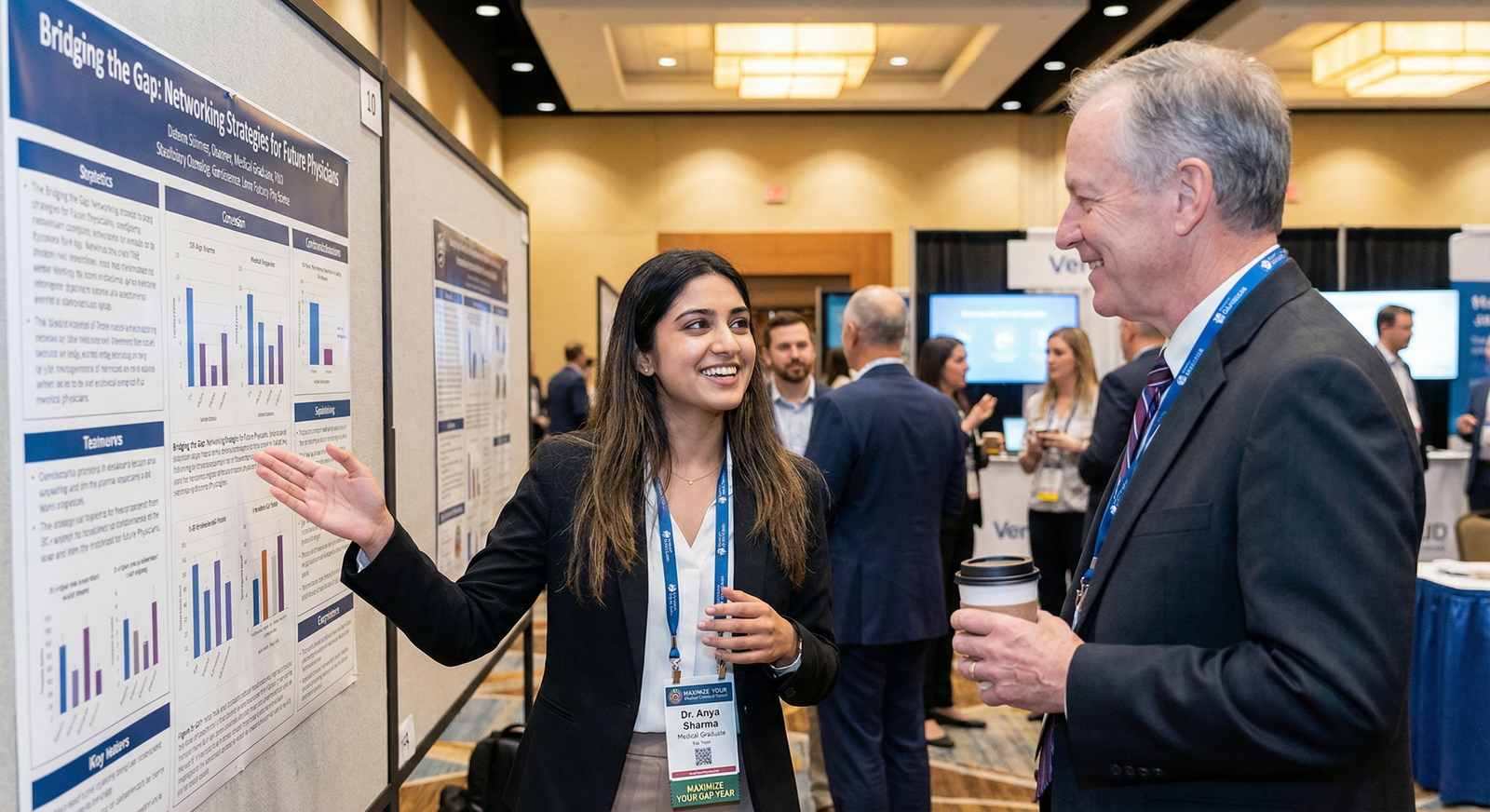
- Build a stronger Research portfolio with abstracts, posters, or publications
- Gain significant Clinical Experience, especially if you’re an IMG
- Develop longitudinal Volunteer Work that demonstrates commitment
Career Clarification
- Explore different specialties in real settings
- Test whether academic medicine, global health, public health, or private practice aligns with your interests
- Identify mentors who can guide your career decisions
Personal and Professional Resilience
- Recover from burnout or personal challenges
- Address family responsibilities or health needs
- Re-center your motivation and values before long residency years
How Residency Programs View a Gap Year
Residency programs generally do not penalize a well-explained, productive gap year. What raises concerns is:
- Time unaccounted for in your application
- Long periods without clear professional or personal development
- Activities that seem disconnected from your stated goals
Programs appreciate a gap year when:
- You can clearly articulate your goals for the year
- Your activities are aligned with your specialty and career interests
- You can demonstrate growth, impact, and reflection
Think of your gap year as a 12-month narrative arc: where you started, what you intentionally pursued, and how it changed you as a future resident.
Volunteering: Building Empathy, Service, and Leadership
Volunteer Work is one of the most versatile and accessible gap year activities. It allows you to serve communities, deepen your understanding of social determinants of health, and demonstrate sustained commitment beyond the minimum requirements of medical school.
Why Volunteering Stands Out in Residency Applications
Residency programs look for:
- Evidence of empathy and service orientation
- Understanding of underserved and vulnerable populations
- Leadership and initiative (not just “showing up”)
- Longevity—ongoing engagement is stronger than one-off events
Volunteering can be especially powerful if your academic metrics are average; it gives you another dimension to shine.
High-Impact Types of Volunteer Work
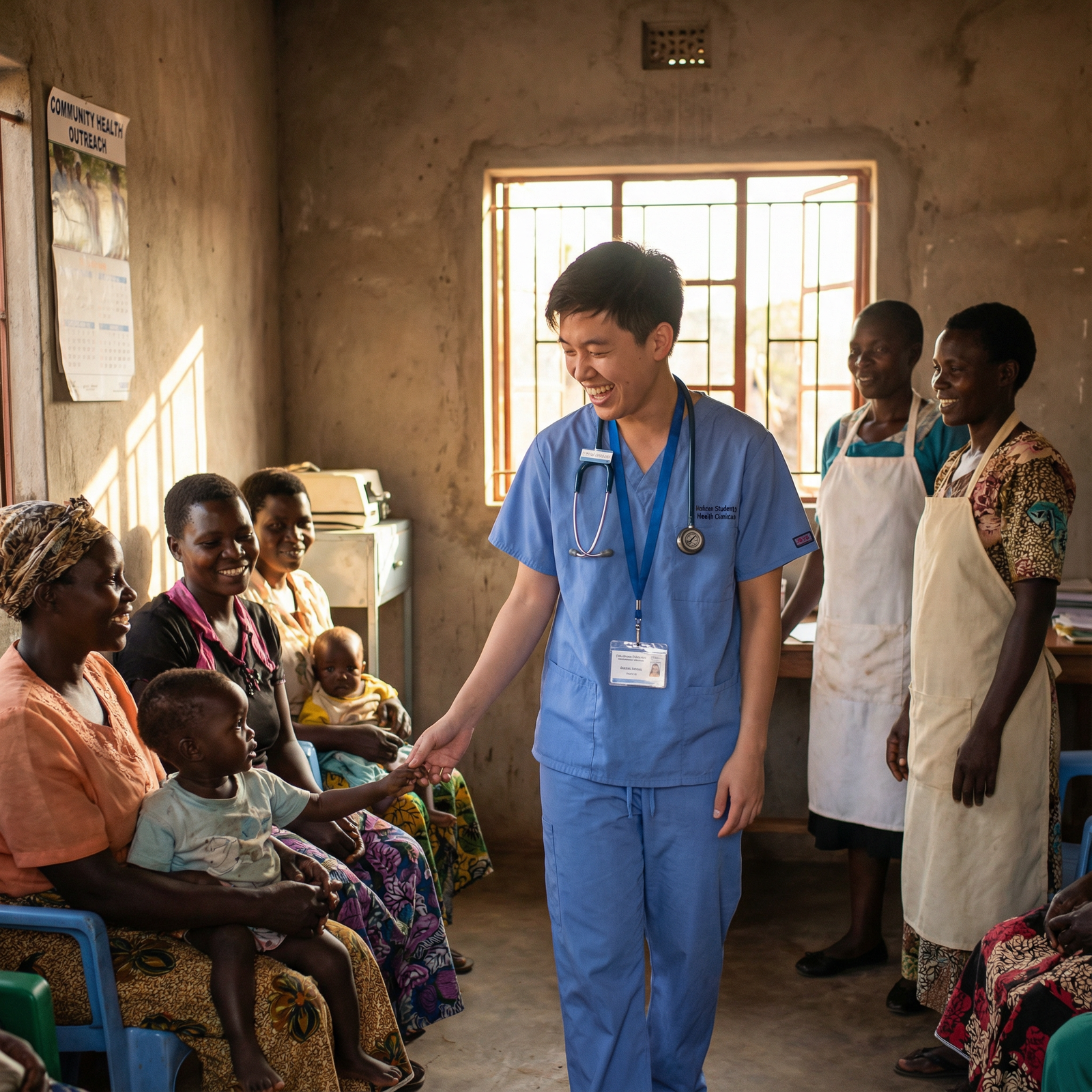
Community Health and Free Clinics
- Roles: Patient intake, health education, basic vitals under supervision, care coordination
- Skills gained: Communication, cultural humility, teamwork, exposure to primary care and chronic disease management
- Example: Helping organize a hypertension screening and follow-up program at a community center
Hospital-Based Volunteering
- Roles: Patient liaison, visitor guidance, support in outpatient clinics, comfort rounding
- Skills gained: Understanding hospital workflow, interdisciplinary communication, patient-centered care
- Example: Serving as a volunteer navigator, helping non-English-speaking patients move through the system
Public Health and Community Outreach
- Roles: Health fairs, vaccination drives, school-based health education, mobile clinics
- Skills gained: Population-level thinking, program planning, data collection, advocacy
- Example: Assisting a local health department in a smoking cessation initiative
Global Health and International Volunteering
- Roles: Working with NGOs, rural clinics, longitudinal projects with ethical oversight
- Skills gained: Cross-cultural communication, systems-level thinking, resource-limited medicine
- Caveat: Avoid “voluntourism.” Prioritize sustainable, supervised programs where your role is appropriate to your training level.
Non-Clinical Service
- Roles: Homeless shelters, food banks, crisis hotlines, refugee support services
- Skills gained: Trauma-informed communication, empathy, understanding social and economic barriers to health
How to Make Volunteer Work Count
Be consistent and longitudinal
Aim for at least several months in 1–2 main roles rather than many short, disconnected activities.Take on responsibility
Move from “participant” to “coordinator” or “leader” where possible—run a project, train new volunteers, or help evaluate impact.Track outcomes
Keep notes on:- Number of clients served
- Programs improved
- Materials created (handouts, teaching modules) This data becomes powerful when writing your CV and personal statement.
Reflect intentionally
After major events or projects, jot down:- What you saw
- What challenged you
- How it changed your understanding of medicine
These reflections will fuel strong interview answers.
Case Study: Transformational Volunteering
Maya, an MS4, chose to spend her gap year at a community health center in a medically underserved area. Initially a general volunteer, she gradually took on more responsibilities:
- Coordinated a diabetes education group
- Helped develop bilingual educational materials
- Collaborated with a social worker to connect patients with food and housing resources
When she applied to family medicine programs, she could describe:
- Concrete patient stories (de-identified)
- Specific systems barriers she saw
- How these experiences shaped her desire to work in community-based primary care
Interviewers repeatedly commented on her depth of insight and clear service orientation—key reasons she matched at a strong, community-focused program.
Research Opportunities: Demonstrating Curiosity, Rigor, and Academic Potential
Research is one of the most impactful gap year activities, particularly if you are applying to competitive specialties or academic programs. It signals that you are intellectually curious, comfortable with data, and able to contribute to the advancement of your field.
Why Research Matters in Residency Applications
Programs value research because it:
- Demonstrates critical thinking and analytical skills
- Shows you can manage long-term projects and deadlines
- Supports your interest in a given specialty through scholarly work
- Can lead to tangible academic output: abstracts, posters, presentations, and publications
Even if you don’t plan an academic career, research experience suggests you’re capable of evidence-based practice and quality improvement.
Types of Research Experience to Consider
Basic Science Research
- Setting: Wet labs, molecular biology, genetics, immunology
- Activities: Bench experiments, animal models, lab techniques, data analysis
- Best for: Those considering highly academic careers, physician-scientist tracks, or research-heavy specialties
Clinical Research
- Setting: Hospitals, specialty clinics, academic medical centers
- Activities: Chart reviews, patient recruitment, clinical trials, database management, outcomes research
- Best for: Most residency applicants; easier to connect directly with patient care and specialty interests
Translational Research
- Bridge between basic science and clinical applications
- Activities: Biomarker studies, device development, early-phase clinical trials
Public Health, Outcomes, and Health Services Research
- Setting: Schools of public health, health systems, NGOs, government agencies
- Activities: Epidemiologic studies, health policy analysis, quality improvement, population-level data analysis
- Best for: Applicants interested in primary care, public health, systems-based practice
Medical Education and Curriculum Research
- Activities: Studying educational outcomes, developing learning tools, evaluating teaching methods
- Best for: Future educators and those drawn to academic medicine
Finding and Securing a Research Position
Start early (6–12 months before your gap year)
Email potential mentors with:- A concise introduction
- Your CV
- Specific reasons you’re interested in their work
- Clear time commitment (e.g., “I can commit full time for 12 months starting July.”)
Target mentors who publish regularly
Look for:- Consistent recent publications
- Experience with trainees
- Projects at a stage where you can contribute meaningfully
Clarify expectations up front
Discuss:- Typical workweek
- Opportunities for authorship
- Chance to present at conferences
- Possibility of letters of recommendation
Making Your Research Year High-Yield
Aim for concrete deliverables
- Abstracts and posters (regional/national meetings)
- Manuscripts (submitted, in revision, or published)
- Quality improvement projects tied to clinical care
Diversify your skill set
Learn:- Basic statistics (R, SPSS, Stata)
- Reference management (EndNote, Zotero)
- Common study designs and bias reduction strategies
Connect research to your target specialty
For example:- Emergency medicine: trauma outcomes, ED crowding, toxicology
- Internal medicine: chronic disease management, health disparities
- Surgery: perioperative outcomes, surgical techniques
Case Study: Research That Opened Doors
John dedicated his gap year to clinical research in oncology, joining a lab focused on cancer biomarkers. Over 12 months, he:
- Screened and enrolled patients into trials
- Managed a database and performed data cleaning
- Co-authored two abstracts presented at a national conference
- Contributed sufficiently to become co-author on a publication
When he applied to internal medicine with a plan to pursue oncology fellowship, he could clearly describe:
- The scientific rationale behind his project
- Specific contributions he made
- How the experience deepened his interest in hematology/oncology
Competitive programs took note of his sustained research commitment and academic potential, resulting in multiple interview invitations and a successful match at a top-tier program.
Clinical Experience: Bridging Theory and Real-World Practice
Working in clinical settings during your gap year is invaluable, particularly if you’re an international medical graduate or someone who wants more hands-on exposure before residency.
Why Clinical Experience Is So Valuable
- Reinforces clinical reasoning and practical skills
- Helps you understand workflow, documentation, and team dynamics
- Provides concrete patient-care stories for your personal statement and interviews
- Can lead to strong, clinically focused letters of recommendation
For IMGs, U.S.-based Clinical Experience (USCE) is often essential to demonstrate familiarity with the U.S. healthcare system.
Common Clinical Roles During a Gap Year
Medical Assistant (MA)
- Duties: Vitals, rooming patients, EKGs, basic procedures under supervision, administrative tasks
- Benefits: Direct patient contact, procedural familiarity, improved efficiency in clinic settings
Medical Scribe
- Duties: Real-time documentation of physician-patient encounters, order entry under supervision, note preparation
- Benefits: Deep exposure to clinical reasoning, documentation skills, and EMR systems; rapid learning of medical terminology
Clinical Research Coordinator (CRC)
- Duties: Managing clinical trials, patient recruitment, informed consent, scheduling, data entry
- Benefits: Hybrid of patient interaction and research; strong preparation for academic medicine
Care Coordinator or Case Manager Assistant
- Duties: Discharge planning, follow-up calls, linkage to community resources
- Benefits: Systems-based practice, transitions of care, interprofessional collaboration
Externships/Observerships (especially for IMGs)
- Duties: Shadowing, case discussions, limited or no direct patient contact depending on regulations
- Benefits: Exposure to U.S.-style rounds, charting, and patient discussions; potential letters of recommendation
Maximizing the Impact of Your Clinical Experience
Choose settings aligned with your target specialty
- Interested in pediatrics? Look for pediatric clinics or children’s hospitals.
- Considering EM? Work as a scribe in an emergency department.
- Eyeing psychiatry? Seek roles in mental health clinics or inpatient psych units.
Be proactive, not passive
- Ask to attend teaching conferences or grand rounds
- Volunteer for additional responsibilities when appropriate
- Seek feedback on your performance
Document your contributions
Track:- Patient volume you help manage
- Specific quality improvements (e.g., reduced no-show rates, improved documentation processes)
- Skills gained (e.g., EMR systems, procedures, communication in high-stress environments)
Real-World Application: Expanding Clinical Horizons
Lisa spent her gap year as a full-time clinical research coordinator in an internal medicine department. During that year, she:
- Coordinated multiple clinical trials for heart failure and diabetes
- Interacted regularly with patients, explaining study protocols and following them longitudinally
- Collaborated daily with attendings, fellows, nurses, and pharmacists
When she applied to internal medicine, she could confidently:
- Discuss specific patient cases and how they influenced her thinking
- Explain trial design and ethical considerations
- Describe how working with a multidisciplinary team shaped her approach to patient care
Interviewers consistently commented on her maturity, systems thinking, and clear fit for internal medicine, contributing to strong match outcomes.
Additional High-Value Gap Year Activities: Think Creatively and Strategically
Beyond the “big three” (Volunteer Work, Research, Clinical Experience), there are other gap year options that can meaningfully enhance your residency application if you’re thoughtful about how you frame them.
Advanced Certifications and Formal Training
Clinical Certifications
- BLS, ACLS, PALS, ATLS
- Phlebotomy, EKG technician, EMT
These can boost your readiness for acute care and expand employment options.
Public Health Degrees or Certificates
- MPH, MHS, or short courses in epidemiology, biostatistics, health policy
Particularly valuable for those interested in primary care, preventive medicine, global health, or academic careers.
- MPH, MHS, or short courses in epidemiology, biostatistics, health policy
Medical Education or Leadership Training
- Workshops or certificates in teaching, curriculum design, or leadership
Ideal if you plan to be involved in residency education or administration.
- Workshops or certificates in teaching, curriculum design, or leadership
Language Skills and Cultural Competence
- Formal language classes (e.g., Spanish, Mandarin, Arabic)
- Medical language courses focused on clinical communication
- Immersive experiences in communities where the language is predominantly spoken
Residency programs serving diverse populations highly value applicants who can communicate effectively with non-English-speaking patients.
Healthcare Innovation, Startups, and Technology
- Working with digital health startups, telemedicine platforms, or health-tech companies
- Contributing to app development, clinical content, or user interface design
- Participating in hackathons focused on healthcare challenges
These experiences highlight adaptability, problem-solving, and comfort with evolving healthcare technologies.
Teaching, Tutoring, and Mentoring
- Tutoring for MCAT, USMLE/COMLEX, or basic sciences
- Teaching assistant roles in anatomy, physiology, or clinical skills
- Mentoring pre-med or junior medical students, particularly from underrepresented backgrounds
These activities demonstrate communication skills, patience, and a commitment to education—traits valued across all specialties.
Strategic Tips for Planning and Presenting Your Gap Year
A strong gap year is not just about what you do but how you structure it and how you tell the story.
1. Set Clear, Written Goals at the Start
Ask yourself:
- What are my top 2–3 priorities? (e.g., publications, USCE, service, exam improvement)
- Which weaknesses in my application am I trying to address?
- Which specialty am I aiming for, and what do typical matched applicants in that field have?
Write these goals down and revisit them every 2–3 months.
2. Build a Coherent Narrative
Even if you do multiple activities, try to connect them around a theme:
- Commitment to underserved populations
- Interest in academic medicine
- Focus on quality improvement and systems of care
- Long-standing concern about mental health, chronic disease, or global health
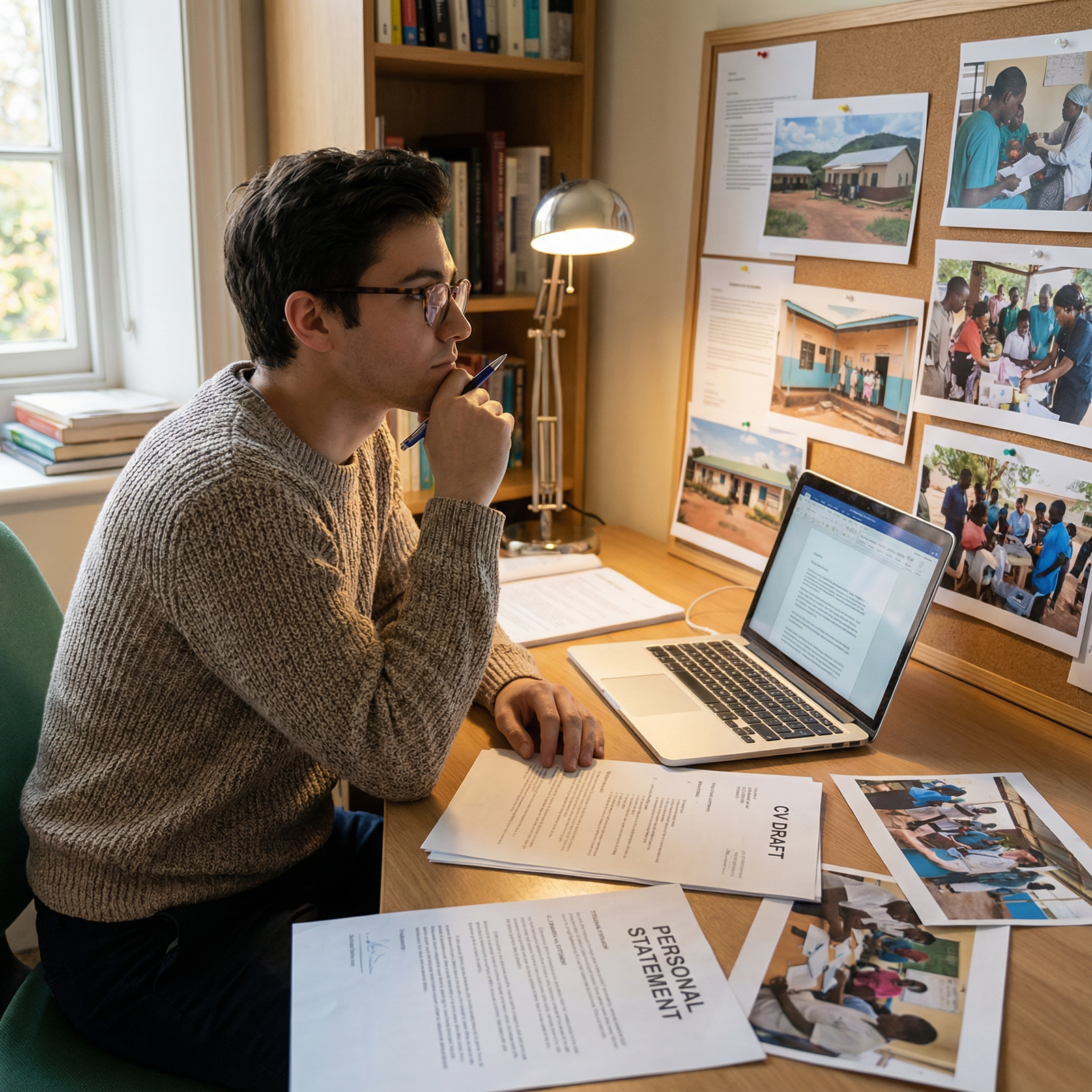
When it’s time to write your personal statement and ERAS entries, this coherence helps programs see you as focused and intentional.
3. Track Your Work in Real Time
Keep a simple log with:
- Dates and time commitment
- Supervisors/mentors and contact information
- Roles and responsibilities
- Quantifiable outcomes (patients served, data collected, events organized)
- Reflections on what you learned
This will save you immense time and stress when you complete ERAS or equivalent applications.
4. Cultivate Strong Relationships and Mentors
- Show up reliably and do high-quality work
- Ask for feedback and act on it
- Express your career interests and ask for advice
Too many applicants finish a gap year with weak or generic letters because they didn’t invest in mentorship. Make it easy for mentors to write you detailed, enthusiastic recommendations.
5. Be Prepared to Explain Gaps Honestly
If part of your year involves personal or family responsibilities, that is valid—but be ready to:
- Briefly describe the situation
- Highlight any ways you stayed connected to medicine or learning
- Emphasize how you are now ready and committed to training
Programs appreciate candor and resilience.

FAQs: Planning a Gap Year Before Residency Applications
Q1: Is a gap year necessary to match into residency?
No. Many applicants match successfully without a gap year. A gap year is most useful if you need to strengthen specific parts of your application (scores, research, USCE), clarify your specialty choice, or recover from burnout or personal challenges. The key is whether the year adds meaningful value, not whether you take one.
Q2: What is the “best” activity during a gap year—volunteer work, research, or clinical experience?
There is no single “best” activity. The most impactful choice depends on your situation and goals:
- Low research output, aiming for a competitive specialty → prioritize research opportunities
- IMG needing U.S. exposure → prioritize clinical experience (USCE)
- Strong academic metrics but limited service/leadership → prioritize longitudinal volunteer work
Many successful applicants blend 2–3 activities in a complementary way.
Q3: How should I list and describe my gap year activities on my residency application (e.g., ERAS)?
On ERAS or similar platforms:
- Use separate entries for distinct roles (e.g., “Clinical Research Coordinator,” “Volunteer, Free Clinic”)
- Include:
- Dates and approximate hours/week
- Setting and supervisor
- Specific responsibilities (“Conducted chart reviews for 200+ patients…”)
- Quantifiable accomplishments (abstracts, projects, programs launched)
- In your personal statement and interviews, connect these experiences to:
- Why you chose your specialty
- Skills you gained that make you a stronger resident
- How they shaped your professional values
Q4: Can I work a non-medical job during my gap year? Will that hurt my application?
You can, and it doesn’t automatically hurt your application—especially if:
- You have clear reasons (financial needs, family responsibilities)
- You can still demonstrate some ongoing connection to medicine (e.g., part-time volunteering, short research project, exam preparation)
- You can articulate transferrable skills (leadership, teamwork, communication, time management)
Be transparent and frame your choices thoughtfully during interviews.
Q5: How do residency programs view multiple gap years or longer breaks from clinical work?
Longer gaps raise more questions but are not automatically disqualifying. Programs will want to know:
- What you did during that time
- How you maintained or updated your clinical knowledge
- Why now is the right time to enter residency
If you have extended time away from direct patient care, it becomes even more important to gain recent Clinical Experience (e.g., observerships, clinical roles) before applying, and to secure current letters from supervising physicians.
A well-designed gap year—whether focused on Volunteer Work, Research Opportunities, Clinical Experience, or a blend of all three—can significantly strengthen your residency application and clarify your professional identity. By being intentional, reflective, and strategic, you can turn this time into a powerful foundation for your future training and your career in medicine.