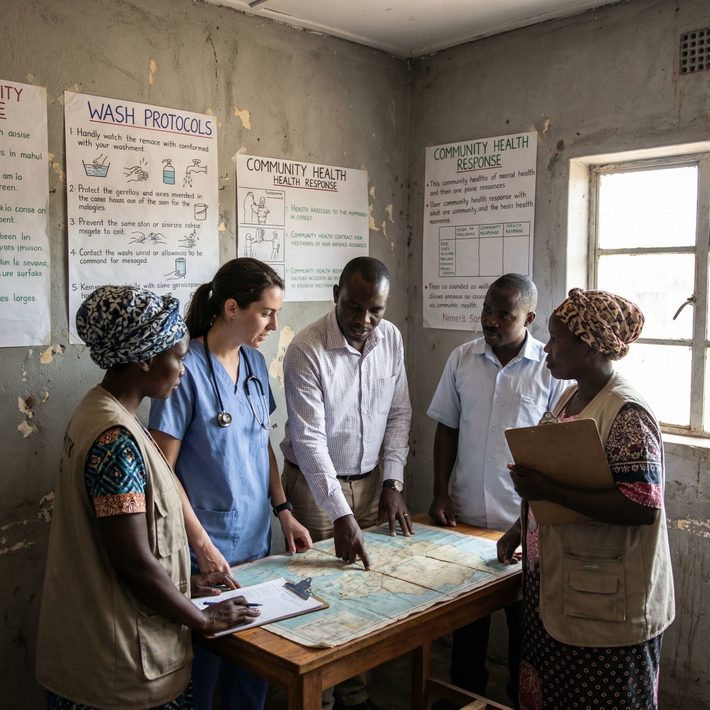
It's 3 AM. You're staring at the ceiling. Your heart is pounding out of your chest. What if I kill someone on my first global health mission?
It's the ultimate midnight spiral. You picture the lawsuit, the medical board hearing, the disgraced return home. Total career ruin. Or so your brain tells you. This fear is practically a rite of passage for first-time global health volunteers. We all feel it. I've been there, obsessively refreshing malpractice forums until my eyes bled.
This article won't give you toxic positivity. It won't tell you "everything will be fine." What it will do is look at the actual, brutal, legal and professional realities of a bad outcome. Because knowing the real worst-case scenario is the only way to stop imagining a fake one.
Please note that the following information is for educational purposes only. It is not financial advice, not legal advice, and not tax advice. Because malpractice laws and institutional policies differ wildly, figures vary, and you should always consult a qualified professional regarding your specific liability and career risks.
Defining a 'Bad Outcome' in Global Health Settings
Let's get one thing straight. Not every bad outcome is medical malpractice. My anxiety brain always conflates "the patient died" with "I am a criminal." That's just wrong. We have to separate complications, adverse events, and actual negligence.
A complication is a known risk of a disease or procedure. An adverse event is harm resulting from medical management, not the underlying disease. Negligence is a direct breach of the standard of care.
And here is the massive catch that actually protects you: resource-limited settings completely change the legal definition of "standard of care." You aren't expected to have a fully stocked trauma bay in a rural clinic in Madagascar. The law contextualizes your environment.
Look at the data. Complication rates are inherently higher in mission settings. A post-op infection in a dusty, humid clinic with limited antibiotics is an adverse event. It feels like a massive personal failure. But legally and professionally? It's an expected statistical reality of the environment, not proof of your incompetence.
What Actually Happens to Your Career: The Legal & Professional Reality
So, what actually happens if the worst occurs? First, the truth about malpractice liability on short-term missions. It is incredibly rare for a volunteer to be personally sued, let alone found liable.
Why? Credentialing and supervision structures. You aren't operating in a vacuum. You're under the legal and clinical umbrella of an organization. State licensing boards do have reporting requirements, yes. But they are almost never triggered by a single, non-negligent adverse event in a foreign country. Boards look for patterns of misconduct, not isolated tragedies in austere environments.
There is also a massive difference between being named in a suit and actually being found liable. Anyone can file a piece of paper. Winning requires proving you deviated from the contextualized standard of care.
Most reputable organizations have robust malpractice insurance that covers you. They have your back because their institutional reputation is on the line, too. Overconfident attendings who think they can fix a complex cleft palate with a headlamp and a prayer are the real liability. Not you.
The Emotional Aftermath: Processing What Happened
Even when you know logically it wasn't your fault, the guilt is crushing. This is universal. It's called "second victim syndrome." The patient is the first victim; you are the second.
You feel sick. You doubt every clinical decision you've ever made. You have to actively work to separate personal grief from professional responsibility. Talking about it is the only way out. Destigmatize the emotional response. If you can't sleep, seek professional support. It doesn't make you weak. It makes you a human being processing trauma.
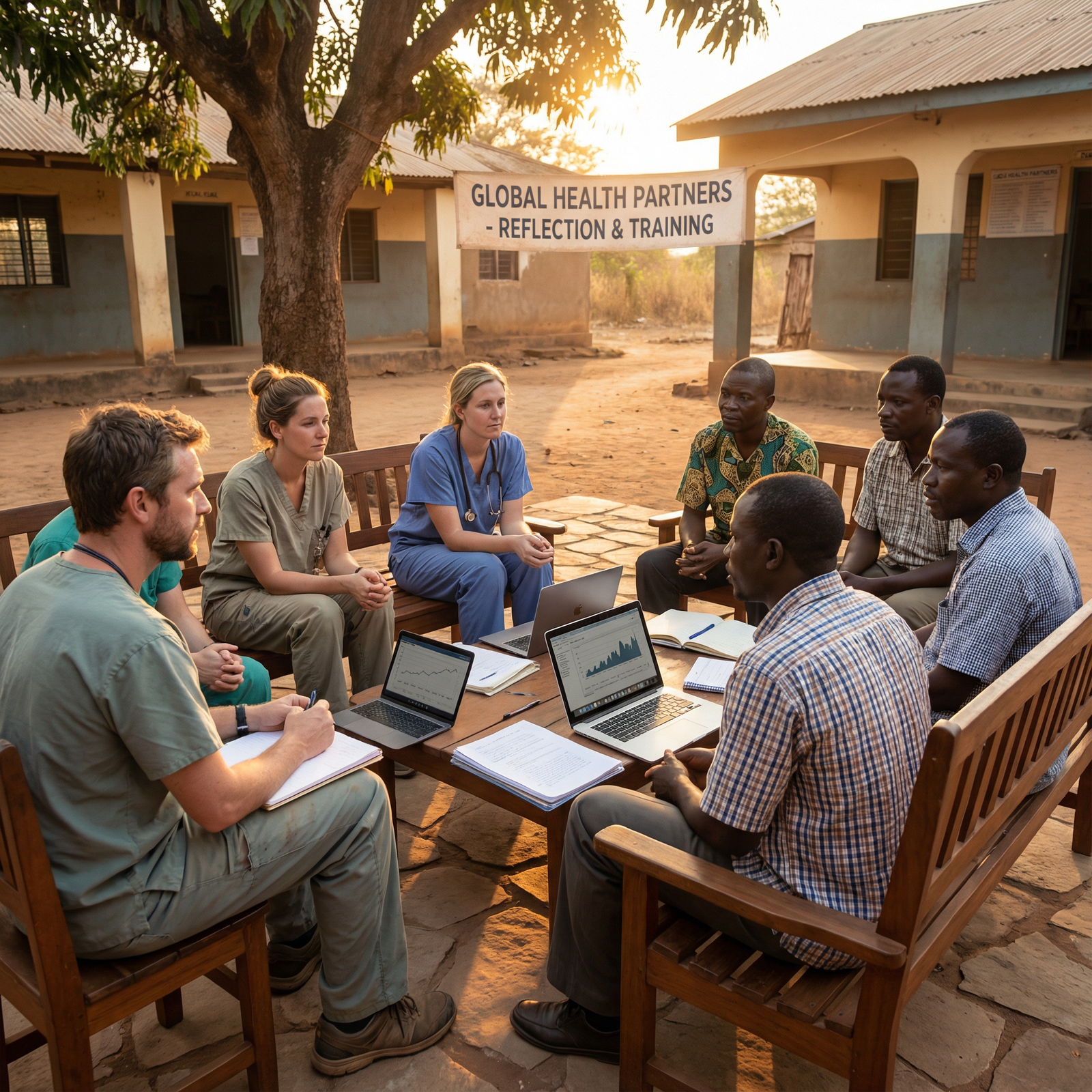
Immediate Actions: What To Do In The First 24 Hours
The first 24 hours are a blur. Panic sets in. You need a rigid protocol to fall back on when your brain short-circuits. Remember the 3 Ds: Document, disclose, debrief.
Document everything factually. No emotional rambling in the medical chart. Communicate with your supervising physician in real-time. Do not hide. Use the organization's incident reporting system immediately.
When it comes to disclosing to the family, be compassionate but careful. Do not admit legal fault on the spot. Say you are deeply sorry this happened and you are investigating. And please, sleep on big decisions. Your brain is fried.
<chart-data-api config='{"type":"hbar","title":"Timeline: Critical First Steps After Adverse Event","labels":["0-2 hrs: Stabilize","2-6 hrs: Document","6-12 hrs: Report","12-24 hrs: Debrief"],"values":[2,4,6,12],"yAxisLabel":"Hours Elapsed"}
Long-Term Career Impact: Does This Define You?
Does this one event define you? No. Look at the actual career outcomes for clinicians with single adverse events. The vast majority go on to have long, highly successful careers.
Boards track patterns, not isolated incidents. Honestly, going through this makes you a stronger, more cautious clinician. It builds a growth mindset. You aren't ruined. You're just experienced. The clinicians who get in trouble are the ones who refuse to learn from their errors, not the ones who make them.
Prevention for Future Missions: Turning Fear Into Preparation
How do we stop this from happening again? Pre-departure training actually works if you take it seriously. Simulation and case-based prep are gold. Build a personal "red flag" checklist for mission safety.
Choose organizations that don't just throw you to the wolves. Look for strong support structures. Honestly, your anxiety is your greatest asset here. It keeps you vigilant. It stops you from taking shortcuts.
You Are Not Alone: The Bottom Line
You are not alone in this fear. Adverse events do not automatically end careers. The fear is normal, but you have tools to manage it. Keep pursuing global health. The patients in need are absolutely worth the risk of service. Courage isn't the absence of fear; it's packing your bags and going anyway.