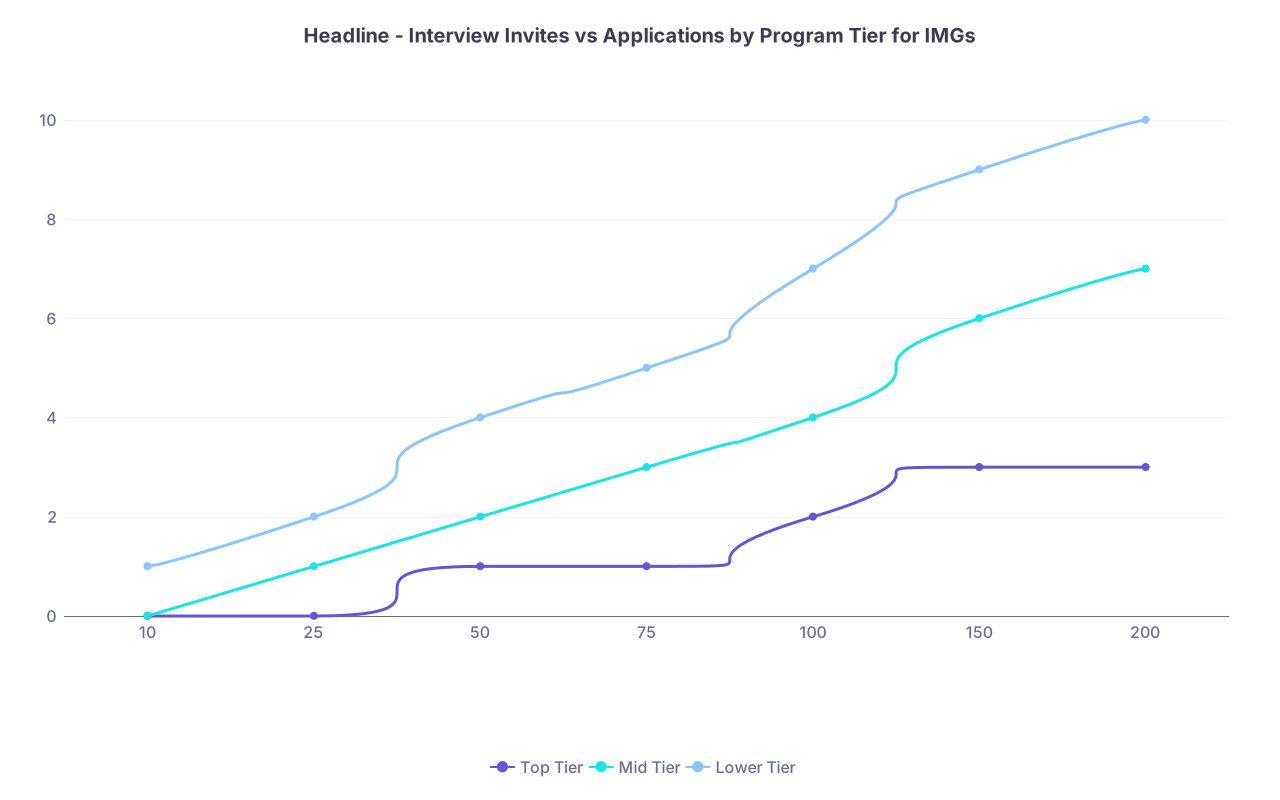
Opening Statement: The Timing Mistake That Quietly Kills Interviews
Here’s the mistake. It’s common, it’s avoidable, and it ruins otherwise solid IMG applications every year.
A lot of IMGs don’t lose interviews because they’re weak candidates. They lose interviews because they misunderstand timing. They treat the Match and SOAP like they’re two versions of the same process, just at different moments. Wrong. That confusion is expensive.
The most dangerous version of this mistake is assuming SOAP is a backup plan you can build later, after Match results come out. You can’t. By the time you’re thinking, “If I don’t match, I’ll figure out SOAP then,” you’re already behind the applicants who prepared for both tracks early.
I’ve seen this play out in painfully predictable ways:
- USMLE scores arrive too late
- ECFMG certification is still pending
- Letters aren’t uploaded
- The personal statement is still being “polished”
- Visa paperwork questions are unanswered
- Backup program lists don’t exist
And then Match Week hits. Panic. Scrambling. Missed chances.
A viable application can die quietly from timing errors long before anyone reads your strengths. That’s the part applicants miss. The cycle doesn’t always punish the least qualified person. It often punishes the least ready.
Why Match and SOAP Are Not the Same Timeline
Stop treating Match and SOAP as interchangeable. They aren’t.
The Match timeline is long, front-loaded, and unforgiving. Programs begin reviewing applications early. Interview offers often go out faster than applicants expect. If your file is incomplete when programs first screen candidates, many won’t circle back later. That’s the brutal truth.
SOAP, on the other hand, is compressed chaos. It happens after unmatched status is known, but success in SOAP depends on work you should have finished long before that week starts. SOAP is not “extra time.” It’s pressure-filled decision-making with almost no room for delay.
Here’s the plain-language difference:
- Match rewards early readiness.
- SOAP rewards emergency readiness.
- Both punish procrastination.
The IMG error I see over and over is this: applicants wait for Match results before organizing backup documents, contacting references, or identifying alternative programs. That’s backwards. You should never build your parachute while falling.
Another hard truth: some programs have effectively decided whether your application is worth attention long before you realize you’re in trouble. If your Step score is pending, your certification is delayed, or your letters haven’t landed, your application may be screened out in the first wave. No phone call. No warning. Just silence.
That silence tricks people. They think, “Maybe interviews are still coming.” Sometimes they aren’t. Sometimes the problem happened months earlier.
The Most Costly IMG Timing Errors Before Match
Let’s get specific. These are the timing mistakes that quietly wreck interview chances.
1. Taking USMLE exams too close to application deadlines
This is one of the dumbest self-inflicted wounds in the process. A strong score that arrives late is still late. If programs are reviewing in September and your score posts after screening has already happened, you may miss the window where attention is highest.
Don’t tell yourself, “But my score is competitive.” Competitive compared to whom? The people whose scores were already available when programs downloaded applications.
2. Delayed ECFMG certification
IMGs underestimate this constantly. They assume the process will move quickly, or that “almost certified” is good enough. For many programs, it isn’t. Delays in credential verification can make your application look unfinished, risky, or administratively annoying. Programs have plenty of files to review. They don’t have to gamble on yours.
3. Missing or late Letters of Recommendation
A half-built application gets filtered out all the time. Programs may not wait for your final letter. They may not re-open your file. They may not care that your chair letter came in a week later. Harsh? Yes. Real? Also yes.
4. Last-minute personal statement revisions
Perfectionism is another trap. I’ve watched applicants waste precious time revising the same paragraph while bigger deadlines burn. A good personal statement submitted on time beats a “better” one submitted after programs have already moved on.
5. Assuming transcripts, MSPE, or other credentials can be fixed later
That phrase — I’ll fix it later — destroys cycles. If there’s a transcript issue, a credential release problem, a document mismatch, or a processing delay, “later” tends to become “too late.”
6. Ignoring visa-related timing questions
This one is especially dangerous for IMGs. If your visa status, sponsorship needs, or documentation path is unclear, don’t assume you’ll explain it later in an interview. You may never get the interview.
Here’s the pattern you need to recognize:
- Programs often filter incomplete applications immediately
- Many do not come back for a second review
- Delays don’t just slow you down — they can erase you from consideration
That’s the trap. Not dramatic failure. Quiet disappearance.
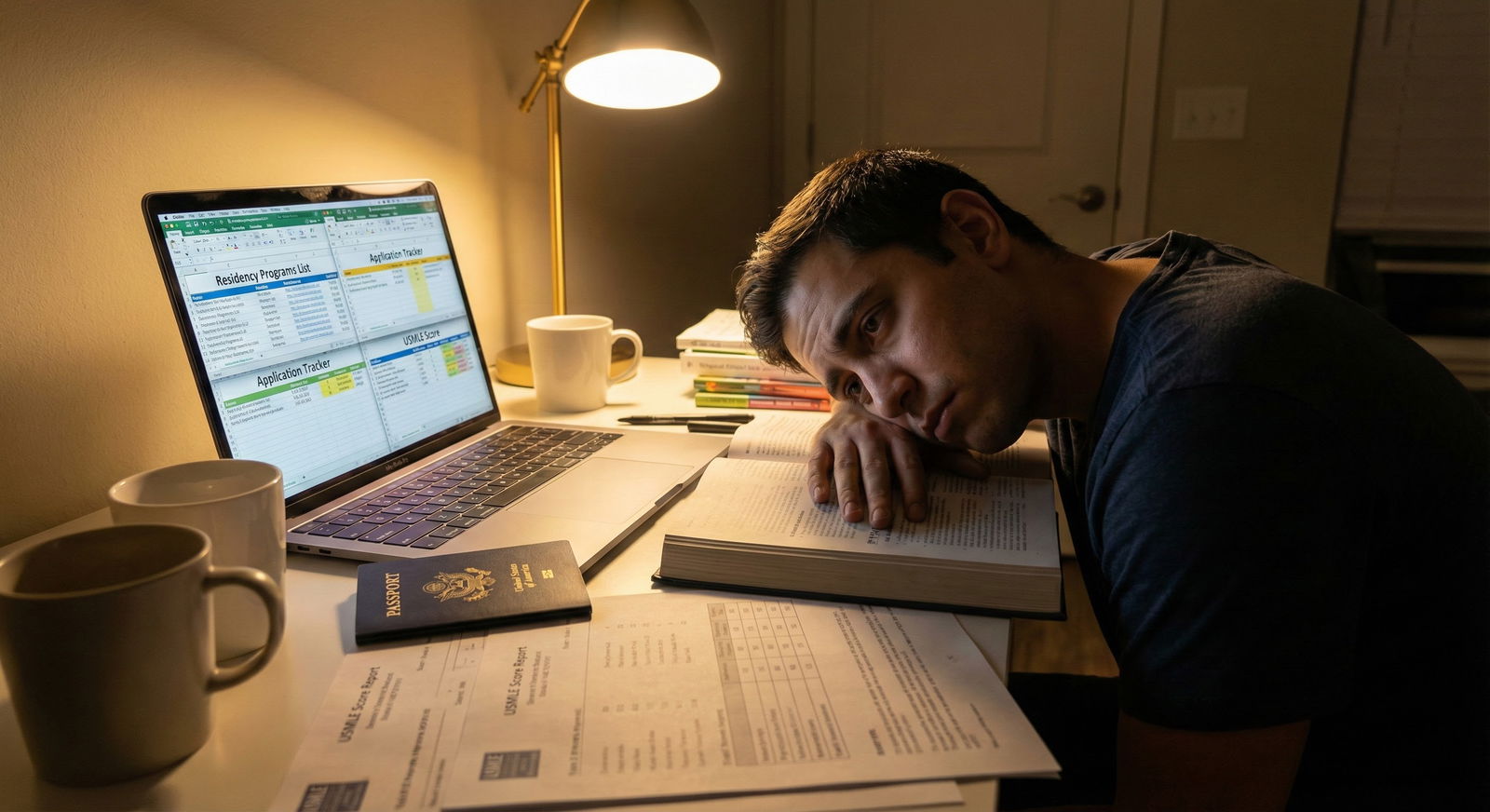
Why Waiting for SOAP Is a Dangerous Strategy
Let me be blunt: SOAP is not a relaxed second chance. It is not a comfortable safety net. It is a compressed, high-stakes, emotionally draining process that rewards people who prepared before they knew they would need it.
Applicants who do well in SOAP usually aren’t magically faster thinkers. They’re just less disorganized.
They already have:
- updated documents ready to send
- a realistic backup specialty or program list
- references who can respond quickly
- interview talking points prepared
- a clear explanation of red flags
- the emotional discipline to move fast without unraveling
Applicants who wait until Match Week to think about backups are trying to do all of that under maximum stress. That’s a terrible plan.
A major red flag is this sentence: “If I don’t match, I’ll start looking into SOAP programs then.” No. By then, you are reacting, not competing.
And programs can feel that difference. An applicant who sounds scattered, hasn’t thought through specialty fit, can’t explain geographic flexibility, and is still hunting for documents does not look prepared. They look desperate. Programs notice.
I’ve seen candidates with decent profiles lose ground in SOAP because they needed hours they didn’t have:
- to rewrite personal statements
- to find old supervisors
- to figure out which programs sponsor visas
- to decide whether they’d even accept a certain specialty
- to rehearse answers to obvious questions like “Why this field now?”
Those hours matter. In SOAP, delays compound fast. A prepared applicant moves. An unprepared applicant freezes.
How to Build a Timing Plan That Protects Your Interview Chances
This is how you stop making the timing mistake. Not with wishful thinking. With a calendar and a buffer.
Step 1: Work backward from the Match cycle
Pick your target Match cycle and map every major requirement backward:
- ERAS submission target
- USMLE completion
- ECFMG certification milestones
- Letter request deadlines
- Personal statement completion
- MSPE and transcript release checks
- Visa documentation review
Do not plan around the official last possible date. That’s amateur thinking. Plan around an early-ready date.
Step 2: Build in a real buffer
You need margin because things go wrong:
- score release delays
- letter writers who disappear
- document processing bottlenecks
- credential verification slowdowns
- exam rescheduling problems
If your whole plan works only if nothing goes wrong, your plan is bad.
Step 3: Finish the big items early
Priority order matters. Protect these first:
- USMLE exams
- ECFMG certification path
- Letters of Recommendation
- Personal statement draft
- Transcript and credential verification
- Visa-related clarity
A polished application with one missing critical piece is still an incomplete application.
Step 4: Create a SOAP-ready folder before Match results
This is the move people skip. Don’t.
Your SOAP folder should contain:
- updated CV
- polished personal statement versions if needed
- list of backup programs
- specialty-specific talking points
- contact list for references/mentors
- explanation for any application red flags
- notes on visa sponsorship and geographic flexibility
You’re not “expecting failure” by doing this. You’re protecting yourself from chaos.
Step 5: Prepare your backup strategy in parallel
Parallel. Not later.
That means asking yourself now:
- Which specialties are realistic backups?
- Which geographic areas are acceptable?
- Which programs are IMG-friendly?
- Which programs may consider visa-needing applicants?
- What will I say if asked why I’m pivoting?
If you haven’t answered those questions before Match Week, you’ve waited too long.
Step 6: Rehearse under pressure
SOAP interviews can be brief and pointed. Practice concise answers to:
- Tell me about yourself.
- Why this specialty?
- Why didn’t you match?
- What strengths would you bring immediately?
- Are you ready to commit if offered?
Do this before you need it. Nervous improvisation is not a strategy.
Closing CTA: Don’t Let a Timing Error Cancel a Strong Application
Here’s the truth I want you to remember: strong credentials do not rescue a late, incomplete, or reactive application. Good scores can be ignored if they arrive too late. Strong clinical experience won’t help if your file is incomplete when programs screen. And SOAP won’t save you if you treat it like an afterthought.
Audit your timeline now. Not next month. Not after one more exam. Now.
Check for the weak points:
- pending exam dates
- delayed certification steps
- missing letters
- unfinished documents
- unclear visa planning
- zero SOAP preparation
Then fix them early.
Prepare for Match and SOAP together. That’s the protective move. That’s how you avoid being the applicant who says, after the fact, “I was qualified, I just ran out of time.”
Don’t run out of time.
Key takeaways
- The biggest timing mistake for IMGs is treating SOAP like a casual backup instead of preparing for it early.
- Match rewards early, complete applications; SOAP rewards applicants who already built a rapid-response plan.
- Delayed exams, missing documents, and last-minute preparation can cost interviews even when you’re otherwise competitive.