
At 2:13 a.m., you administer the wrong IV medication. Three minutes later, you notice that the drug doesn't match the order. Your stomach drops. Your first impulse is to fix it quietly before anyone else sees.
That impulse is exactly when judgment matters most.
I've watched capable interns freeze after a mistake because they believe one error will define them. It won't. Concealing it can. The difference between a harmful event and a recoverable one often comes down to what you do during the next hour: stabilize the patient, bring in the senior clinician, tell the truth, and document the facts.
This is your 72-hour roadmap.
This guide is for educational purposes only and is not legal advice, not financial advice, or not tax advice. Hospital policy, local law, and the figures vary by institution; consult a qualified professional for case-specific guidance.
Hour 0: The First 60 Minutes, Immediate Action & Disclosure
At this point, you should stabilize the patient before you manage your own reaction.
- Assess immediate harm. Check the patient, review vital signs and symptoms, and involve the nurse. If the situation is urgent, activate the appropriate emergency response.
- Stop further exposure or harm when this can be done safely.
- Notify the senior resident or attending immediately. Don't wait until you understand every detail. Use a direct script: "I need you. A mistake happened."
- State observable facts. Give the time, what you did, what you noticed, and what action you have taken. Avoid speculation and self-condemnation.
- Let the attending lead patient and family disclosure, according to hospital policy. If you are asked to participate, explain only what you personally did and observed.
- Do not minimize, hide, delay, or independently promise compensation. That is not your role during the first hour.
A useful factual framework is:
"At 0210, I administered [medication] instead of [ordered medication]. I recognized the error at 0213. The patient was [specific status]. I notified [role] at 0214, and [intervention] was initiated."
No "probably." No "I think everything is fine." No story about how busy the night shift was. Busy shifts explain conditions; they do not change what happened.
Hour 0-6: The Golden Hours of Accurate Documentation
Learning the unwritten rules of calling for help on overnight intern shifts can prevent dangerous delays in similar situations.
At this point, you should create a factual record while the events are still fresh.
- Document promptly. Record when you recognized the event, the patient's condition, whom you notified, what interventions occurred, and the current plan.
- Never alter or delete an earlier chart entry. If something is missing or incorrect, add a new, timestamped note explaining the correction.
- Separate facts from interpretation. Write "At 0218, repeat assessment showed..." rather than "The patient seemed more stable."
- Avoid self-judgment. "I should have double-checked" and "I messed up" belong in personal reflection, not the clinical record.
- Keep the record focused on patient care. Do not debate fault, intent, or discipline in the note.
A suitable factual note might read:
At 0213, I identified that the wrong medication had been administered. I assessed the patient and notified the senior resident at 0214. The senior resident attended the bedside, and the treatment team initiated [corrective measures] at 0217. Repeat assessment at 0225 documented [specific findings]. Monitoring and follow-up were continued per the attending's plan.
Do not write "No harm occurred" unless the clinical findings support that conclusion. "No apparent harm" is often more accurate, but even that requires evidence rather than reassurance.
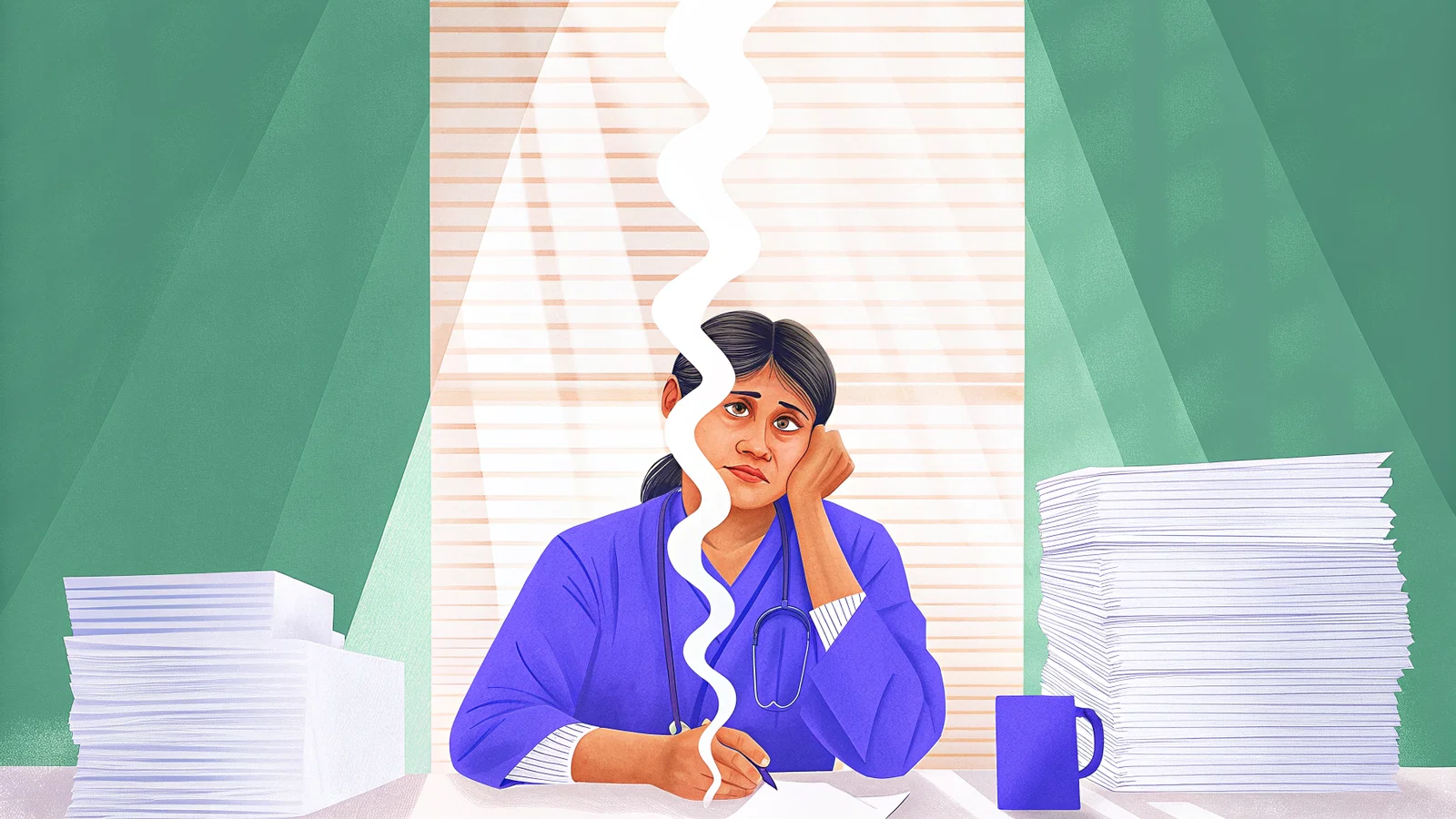
Treat the medical record as a document that may be reviewed in a legal or quality context. Your note is evidence of what you saw and did, not a defense brief. Filling in missing information later may look worse than the original mistake, even if the intent was innocent.
Hour 6-24: Expanding the Circle, Team & Risk Notification
At this point, you should protect continuity of care and bring the right people into the response.
- Personally inform the charge nurse, pharmacist, or other directly involved staff as directed by the attending.
- Confirm that the wrong medication or treatment has been accounted for and that no further doses will be given.
- Share only what the next clinician needs: what happened, the patient's response, interventions completed, and pending monitoring or tests.
- With your attending, contact risk management and the hospital legal or patient-safety team according to institutional policy.
- Review the incident-report process. The report and the medical record serve different purposes, so complete each accurately.
- Keep the event confidential. Do not discuss identifiable details in social media, group chats, or informal conversations.
Now begin classifying the event. Ask which factors contributed:
- Knowledge gap: You did not know essential information or expected the pharmacology differently.
- Skill deficit: You understood the principle but could not perform the task reliably.
- Communication breakdown: The order, handoff, or verification process was unclear.
- System failure: The workflow made the mistake easy, hard to detect, or difficult to report.
These categories can overlap. Calling an event "human error" and moving on is lazy analysis. Human error often sits on top of weak safeguards.
The chart is a teaching illustration, not a universal benchmark. Your actual event may involve several categories.
Prepare a concise verbal handoff for morning rounds:
"One medication error occurred at 0210. The patient was treated under the attending's direction and is currently [status]. Pending items are [monitoring, labs, or repeat assessment]. Risk management has been notified."
Keep it clinical, brief, and focused on information the care team needs.
Hour 24-48: The Debrief, Understanding the Root Cause
At this point, you should learn from the event without letting shame run the process.
Attend any scheduled debrief or informal case review. Come ready to examine the system, not to defend yourself. Useful questions include:
- What signals were present before the error?
- Which barrier should have stopped it?
- Was the unsafe condition created by one person or by several workflow steps?
- What would have caught the mistake earlier?
- Which fix is realistic and testable?
A good debrief separates three things: what happened, why it happened, and what will change. It should not become a ritual of public humiliation. If the meeting shifts into formal performance review, ask the attending or program director to clarify the process and your support.
Then address the "second victim" effect. After a serious error, physicians commonly experience shame, intrusive thoughts, anxiety, fear of being labeled, and the urge to isolate. This reaction is common. It is not evidence that you are a bad physician.
At this point, you should:
- Contact your program director, trusted mentor, senior resident, peer-support resource, or wellness service.
- Tell someone if you cannot sleep, cannot function, are drinking or using substances to cope, or are avoiding work.
- Seek urgent professional help if distress becomes severe or includes thoughts of self-harm.
- Eat, hydrate, and protect sleep before your next shift. Coffee is not a substitute for food or rest.
- Ask whether you are medically and emotionally fit to return to clinical duties. If you are not, say so clearly.
Hour 48-72: Building the Safer Path Forward
At this point, you should turn the event into a specific change in how you practice.
Write a one-page reflection using five questions:
- What was the factual sequence of events?
- Where did the process break down?
- What did I contribute without turning the page into blame?
- What is the one behavior I will change every time?
- What system change would have reduced the chance or severity of this error?
A good personal change might be:
- Reading every medication back independently.
- Requiring a complete handoff before leaving the team.
- Slowing down during high-risk transitions.
- Asking one clarifying question when an order seems inconsistent.
- Using a forcing function, such as a required second-person check for high-alert medications.
Then propose one practical system fix. Keep it specific enough to test. "Be more careful" is useless. A stronger proposal might be a medication administration checklist, standardized verbal confirmation of allergies, a clearer handoff template, or a visual reminder in the medication room.

Understanding why over-prepping and over-documenting can sink your intern year may help you avoid future errors driven by excessive caution.
Before returning to full duties, clarify any monitoring, retraining, or workflow changes directed by your supervising physician. Return with humility, not shame. If asked about the event, say something truthful and forward-facing:
"I made an error. I recognized it promptly, disclosed it, supported the response, and participated in the review. I've identified specific changes I will make and one system improvement we can test."
Do not conceal the event on future applications or rounds because someone else already knows. There is no honor in protecting a false image. Your credibility comes from showing what you learned and making the next mistake less likely.
Your 72-Hour Recovery Reminder
At hour 72, you should be able to answer four questions:
- Did I keep the patient safe?
- Did I tell the truth promptly?
- Did I document the facts without altering them?
- Did I convert the mistake into a concrete improvement?
If the answer is yes, you did the hardest part: you turned an error into professional growth.
The goal is not to become someone who never makes mistakes. That physician does not exist. The goal is to become someone who recognizes errors early, speaks clearly, supports patients honestly, and builds systems that make everyone safer.
Disclosure is not a confession of incompetence. It is evidence of integrity. Carry the lesson forward; don't carry the shame.