
Understanding the Role of Step Scores for Caribbean IMGs in Addiction Medicine
For Caribbean international medical graduates (IMGs), USMLE Step scores are more than just numbers. They influence who reads your application, whether your file gets ranked, and how programs perceive your clinical readiness. In addiction medicine–a field that often attracts applicants with non‑traditional paths and powerful personal stories—there is real room to overcome a low Step score and still match, but only with a deliberate, methodical strategy.
This guide focuses on Step score strategy for a Caribbean IMG interested in addiction medicine, from your first Caribbean medical school residency plan through internal medicine or psychiatry training and into an addiction medicine fellowship. You’ll learn how to:
- Interpret your Step 1 and Step 2 CK scores realistically as a Caribbean IMG
- Build a Step 2 CK strategy that strengthens a weak Step 1
- Position yourself for core residency programs that lead to addiction medicine
- Use targeted substance abuse training and research to offset weaker scores
- Craft an application and interview narrative tailored to addiction medicine
Throughout, keep this in mind: addiction medicine programs care deeply about commitment to vulnerable populations, longitudinal clinical experience, and professionalism. Scores open doors, but your story and sustained actions keep them open.
1. How Programs View Caribbean IMGs and Step Scores
1.1 The Caribbean IMG Reality
Coming from a Caribbean medical school, you are already in a more scrutinized category compared with US MD/DO applicants. Program directors often use Step scores as an initial filter to manage volume and risk:
- Some community programs are IMG-friendly but still apply hard cutoffs.
- Some academic centers are open to IMGs but demand stronger scores and research.
- A few specialized or elite programs rarely consider Caribbean graduates unless there is an exceptional profile.
This means your Step score strategy must be more deliberate than that of many US graduates. You cannot rely on “average” performance and hope for the best; you must plan from the beginning for how your scores will support both initial residency and eventual addiction medicine fellowship admission.
1.2 Why Addiction Medicine Is Accessible—but Not “Easy”
Addiction medicine is usually pursued after a primary residency (often internal medicine, family medicine, or psychiatry). It is relatively new as a recognized subspecialty and has several favorable characteristics for Caribbean IMGs:
- Many programs are mission-driven and value applicants who’ve worked with underserved or high‑risk populations.
- There is nationwide need; not all fellowship positions fill.
- Programs often appreciate nontraditional backgrounds, lived experience (if shared appropriately), and strong advocacy.
But there is a catch: to reach addiction medicine, you first need to match into a core residency. And that’s where your Step 1 score residency implications and Step 2 CK strategy become critical.
1.3 How Addiction Medicine Programs Interpret Scores
When addiction medicine fellowship directors review your application, they primarily look at:
- Completion of an ACGME-accredited residency (IM, FM, psych, etc.)
- Good standing, no professionalism or patient safety concerns
- Evidence of substance abuse training and a clear interest in addiction medicine
- USMLE performance, with greater attention to Step 2 CK and knowledge trajectory than to Step 1 alone
They often use scores to gauge whether you can handle fellowship-level cognitive demands and board exams, but they are usually less score-obsessed than competitive procedural subspecialties (e.g., cardiology, GI, dermatology). This creates an opportunity for a low Step score match pathway if you are strategic and consistent.
2. Interpreting Your Step Scores as a Caribbean IMG
2.1 Step 1 (Now Pass/Fail but Still Influential)
For current and future applicants, Step 1 is pass/fail, but as a Caribbean IMG:
- A first‑attempt pass on time still matters as a basic competency signal.
- A fail or delayed attempt can be a serious red flag that must be offset with stronger subsequent performance and supporting evidence (e.g., remediation, course grades, Step 2 CK).
Programs may not see a number anymore, but they will react strongly to failure patterns. Addiction medicine programs, however, may be more willing to look beyond a rocky start if you demonstrate growth and resilience.
Strategy if you passed Step 1 but not strongly (older numeric era):
- Treat Step 1 as a baseline; do not highlight the score, but do not hide it either.
- Show clear improvement with Step 2 CK and clinical evaluations.
- Use personal statement and MSPE comments to emphasize perseverance, adaptation, and clinical development.
Strategy if you failed Step 1 at least once:
- You absolutely need a strong Step 2 CK (often 230+ as an IMG to reassure programs, though lower can still match with the right context and targeting).
- Secure detailed faculty letters that attest to current competence, reliability, and clinical judgment.
- In your personal statement, briefly acknowledge the setback, explain in terms of process (not excuses), and focus on concrete changes that led to later success.
2.2 Step 2 CK: Your Primary Tool for Recovery
For a Caribbean IMG, Step 2 CK is now the most influential standardized metric for residency, and indirectly, for your addiction medicine path.
Programs use Step 2 CK to:
- Predict performance on in‑training and board exams
- Validate your clinical reasoning and knowledge of management
- Differentiate you from the large pool of IMGs
From an addiction medicine perspective, strong Step 2 CK performance also indicates you’ll grasp comorbid medical and psychiatric issues common in substance use disorders: liver disease, infectious diseases, mood disorders, psychosis, chronic pain, and more.
2.3 What Counts as “Low” Scores for Caribbean IMGs?
Exact thresholds vary, but broadly:
- Step 2 CK < 220: Typically “low” for a Caribbean IMG, especially for competitive metro or academic programs. You will need a very targeted list of IMG‑friendly programs, robust clinical performance, and a compelling addiction-centered profile.
- 220–230: Borderline to acceptable depending on the program; you must strengthen every other aspect of your application and apply broadly.
- 230–240: Solid for many community and some academic programs, especially if combined with research, US clinical experience (USCE), and strong letters.
- >240: Competitive for a broad spectrum of programs, including some academic centers, provided the rest of your application aligns.
These are not fixed cutoffs; they’re a framework. There are many examples of low Step score match success stories—especially when applicants are flexible in geography, program tier, and specialty (e.g., family medicine vs. categorical internal medicine vs. psychiatry).
3. Building a Step 2 CK Strategy that Supports an Addiction Medicine Path
Your Step 2 CK plan should do two things simultaneously:
- Maximize your exam score to counterbalance any Step 1 weaknesses.
- Deepen your understanding of conditions you’ll encounter in addiction medicine.
3.1 Timing Step 2 CK for Caribbean Students
As a Caribbean IMG, timing is especially important:
- Aim to take Step 2 CK by late spring or early summer of the year before your desired Match, so that:
- You have your score in time for ERAS submission.
- If things go poorly, you have time to adjust your application strategy (e.g., add more community/IMG-heavy programs or consider SOAP backup planning).
Avoid taking Step 2 CK too early (before you’ve seen enough clinical medicine) or too late (score not available when programs first review applications).
3.2 Study Strategy Tailored to Addiction Medicine
Your Step 2 CK strategy should integrate both score optimization and addiction-relevant content.
Core elements:
High-yield Qbanks (e.g., UWorld) with meticulous review of explanations—focus heavily on:
- Psychiatry (substance use disorders, mood/anxiety, psychosis, emergency psychiatry)
- Internal medicine (infectious disease, hepatology, cardiology, pulmonary)
- Neurology (seizures, neurocognitive effects of substances, withdrawal syndromes)
- Pain management and safe prescribing
Dedicated addiction-focused review:
- Create a personal mini‑syllabus on alcohol, opioids, stimulants, sedative–hypnotics, cannabis, and behavioral addictions.
- Emphasize withdrawal/overdose recognition, medication-assisted treatment (MAT), and harm-reduction principles.
Clinical integration: On your psychiatry, internal medicine, and emergency medicine rotations, deliberately seek patients with substance use disorders and discuss them with attendings to deepen your understanding beyond the Qbank.
3.3 Day-to-Day Tactical Plan
An example 8–10 week Step 2 CK plan for a Caribbean IMG aiming for a score boost:
Weeks 1–4:
- 40–60 UWorld questions/day (timed, random or system-based).
- Annotate key learning points into a streamlined note system.
- 1–2 hours/day of review focusing on missed questions.
- Set aside at least 2 half-days/week for psychiatry and addiction content.
Weeks 5–7:
- Increase to 60–80 questions/day.
- Take an NBME or UWorld self‑assessment every 1–2 weeks.
- Identify consistent weak domains; pair them with focused reading (e.g., guidelines on opioid use disorder, alcohol withdrawal protocols).
Weeks 8–10:
- Final self‑assessment 10–14 days before exam; delay only if truly underperforming and you can afford to reschedule.
- Prioritize high‑yield review of notes and Qbank bookmarks.
- Practice stamina: do full-length timed blocks.
This structure strengthens your Step 2 CK score residency prospects and builds the cognitive framework you’ll later apply clinically in addiction medicine.
3.4 What If Practice Scores Stay Low?
If your NBME/UWorld practice scores consistently predict a Step 2 CK <220:
- Consider a longer dedicated period (e.g., 12–14 weeks instead of 8–10).
- Get an honest appraisal from a mentor or advisor familiar with Caribbean IMG outcomes.
- Use targeted remediation:
- Short, focused tutoring (peer tutor, faculty, or commercial) for weakest systems.
- Structured Anki decks to maintain retention.
- Accept that you may need to:
- Apply more broadly to family medicine or psychiatry, which may have slightly more flexibility for low Step score match applicants.
- Be very flexible geographically (smaller cities, rural programs, IMG-heavy institutions).

4. Choosing and Targeting Core Residency Programs for an Addiction Medicine Future
Addiction medicine fellowships accept applicants from multiple primary specialties. As a Caribbean IMG, choose a path that optimizes both match probability and alignment with your interests.
4.1 Best Primary Residencies for Addiction Medicine
Most common routes:
Internal Medicine (IM)
- Pros: Strong training in medical comorbidities, hospital‑based addiction consult services, HIV/hepatitis care, chronic disease management.
- Cons: Some IM programs are more score‑sensitive for Caribbean applicants.
Psychiatry
- Pros: Direct focus on mental health and substance use; many addiction medicine and addiction psychiatry leaders are psychiatrists.
- Cons: Psychiatry has grown more competitive; some programs now have higher score expectations.
Family Medicine (FM)
- Pros: Broad outpatient and community exposure; many FM clinics integrate buprenorphine and other addiction treatments.
- Cons: Some addiction medicine fellowships still “prefer” IM or psych, but many accept FM.
Emergency Medicine (EM)
- Pros: High exposure to overdose, withdrawal, acute crises; opportunities for ED-based addiction interventions.
- Cons: EM has become more competitive and sometimes wary of IMGs.
For a Caribbean IMG with average or low Steps, family medicine and community psychiatry programs often provide the best balance between match feasibility and addiction‑relevant training.
4.2 Aligning Program Selection with Your Scores
Your Step 1 score residency and Step 2 CK strategy should inform your ERAS program list:
With Step 2 CK < 220:
- Emphasize community FM and IM programs that clearly state they are IMG‑friendly.
- Include programs with addiction or substance use tracks if possible, but don’t be too narrow.
- Consider using services that aggregate IMG-friendly data or research by manually checking program websites and FREIDA.
With Step 2 CK 220–230:
- Mix of IMG-friendly IM, FM, and psychiatry.
- Target programs in smaller cities, Midwest/South, and less saturated markets.
- Look for mentions of “integrated behavioral health,” “MAT,” “substance use clinic,” or “addiction consult service” as bonus factors.
With Step 2 CK > 230:
- You can reach for some university-affiliated or academic community programs, particularly those with addiction electives or fellowships on site.
- Don’t under‑apply: addiction medicine is still best approached with a broad net.
4.3 Application Content Tailored to Addiction Medicine
To translate your interest into a compelling narrative, your ERAS and interview preparation must align:
Personal Statement
- Lead with a clinical vignette or trajectory that highlights your interest in patients with substance use disorders.
- Mention relevant research, QI, or advocacy (e.g., naloxone distribution, harm-reduction outreach, prison medicine, community health).
- Explicitly connect your motivations to the chosen primary specialty: why IM/psych/FM is your vehicle toward addiction medicine.
Experiences Section
- Highlight any substance abuse training, detox unit experience, methadone/buprenorphine clinic, or psychiatry/addiction electives, even if short.
- Include community work such as volunteering at shelters, needle exchanges, or sober housing programs.
Letters of Recommendation
- At least one letter from a supervisor who has seen you care for patients with substance use disorders and can attest to your empathy, patience, and clinical reasoning.
- If possible, a letter from an addiction medicine, psychiatry, or behavioral health faculty member.
4.4 Overcoming Low Step Scores in Your Narrative
If your Step scores are lower than you’d like, you cannot pretend they don’t exist—but you also shouldn’t dwell on them:
- Briefly acknowledge challenges (e.g., initial adaptation to US-style exams, personal or health events) only when appropriate and truthful.
- Emphasize trajectory: show how your performance improved over time (better clerkship grades, solid Step 2 CK, strong evaluations).
- Focus heavily on what you’ve done since those scores: teaching, clinical excellence, quality improvement, community work in addiction.
Programs that are open to Caribbean graduates will often interpret a “comeback story” positively, especially in a field like addiction medicine where resilience and growth are central themes.
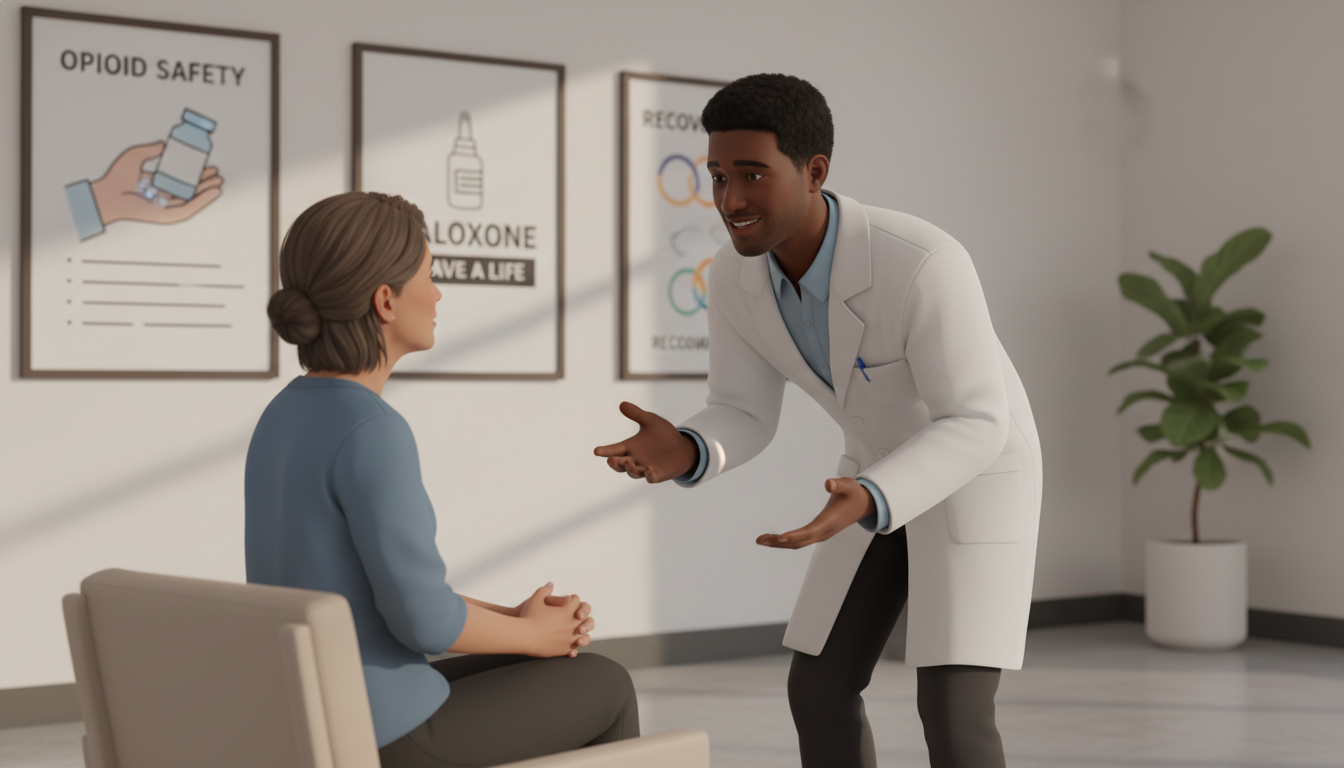
5. Strengthening Your Addiction Medicine Profile Beyond Scores
Because addiction medicine is mission-driven, your credibility in the field is built as much on your experiences as on your scores. For a Caribbean IMG with less‑than‑ideal numbers, this is where you can powerfully differentiate yourself.
5.1 Substance Abuse Training During Medical School and Residency
Wherever you are in your training:
During Caribbean medical school:
- Seek electives at hospitals or clinics with addiction services in the US or Canada.
- Participate in student interest groups focused on psychiatry, addiction, or global health.
- If your school has limited options, use online certificate courses in addiction medicine, motivational interviewing, or MAT as supplemental proof of engagement.
During residency (IM/FM/psych):
- Request rotations with addiction consult teams, inpatient detox units, or integrated behavioral health clinics.
- Be proactive about assisting with buprenorphine inductions, alcohol withdrawal protocols, or complex dual-diagnosis patients.
- Join or help create a curriculum or journal club on addiction topics if none exists.
This targeted substance abuse training shows a consistent line from medical school to residency to fellowship.
5.2 Research and Scholarly Work in Addiction
You don’t need high‑impact, multi‑center trials to be competitive for addiction medicine fellowship. However, any scholarly activity that shows curiosity and follow‑through is valuable:
- Case reports of unusual withdrawal presentations, polysubstance overdoses, or multi-organ complications of substance use.
- Quality improvement projects: improving screening (AUDIT‑C, DAST), increasing naloxone prescribing, or standardizing alcohol withdrawal protocols.
- Educational projects: designing resident education modules, patient handouts, or community presentations on addiction-related topics.
Attach these outputs to your ERAS and fellowship applications. A single well‑executed project in addiction can carry more weight than generic research unrelated to your intended field.
5.3 Advocacy and Lived Experience (Handled Thoughtfully)
Addiction medicine honors lived experience, but sharing personal or family histories requires professionalism and boundaries:
If you have personal or family experience with addiction, you may choose to reference it briefly to explain your motivation—but only if:
- You can present it in a stable, reflective way.
- It’s not the sole explanation for your interest.
- You also show professional and educational engagement with the field.
Advocacy opportunities include:
- Volunteering at harm-reduction centers, sober living facilities, or outreach programs.
- Participating in local advocacy for improved treatment access, naloxone distribution, or destigmatizing language.
These activities help fellowship directors see that your interest is not theoretical; it’s lived and active.
6. Transitioning from Residency to Addiction Medicine Fellowship
Once you’ve matched into residency and have established yourself clinically, your earlier Step score story fades somewhat—but it still matters, particularly for programs that review your earlier USMLE performance.
6.1 How Fellowship Directors View Step Scores
When evaluating fellowship candidates, addiction medicine program directors consider:
- Residency performance: in‑training exam results, rotation evaluations, chief or leadership roles.
- USMLE trajectory: they’ll see Step 1 and Step 2 CK, but are more interested in whether you are now consistent and dependable.
- Fit with program mission: focus on underserved populations, research, policy, or clinical innovation.
A low Step score match history is not a dealbreaker if:
- You have strong residency letters emphasizing growth and reliability.
- You’ve developed a clear addiction medicine portfolio (rotations, research, advocacy).
- Your in‑training exams and board pass status demonstrate current competence.
6.2 Concrete Steps in PGY‑1 to PGY‑3 (or Longer)
During residency, your addiction-focused pathway should include:
- Identifying one or two faculty mentors in addiction medicine or psychiatry.
- Choosing electives that maximize exposure to substance use disorders (addiction consult services, methadone/buprenorphine clinics, integrated primary care–behavioral health).
- Presenting at local or national meetings when possible (ASAM, AAAP, AAFP addiction tracks, etc.).
- Gaining certification or training (e.g., buprenorphine waiver training, even as a resident, depending on regulations) to show initiative.
By the time you apply for an addiction medicine fellowship, your application should read as a coherent story of sustained interest, not as a last-minute add‑on.
FAQs: Step Scores and Addiction Medicine for Caribbean IMGs
1. Can I still pursue addiction medicine if my Step 1 or Step 2 CK score is low as a Caribbean IMG?
Yes, it is possible, but you must be strategic. Focus on matching into an IMG‑friendly primary residency (IM, FM, or psych), ideally in a setting with addiction-related resources. Strengthen your Step 2 CK performance as much as you can, then offset low scores with strong clinical work, substance abuse training, addiction-related electives, and meaningful scholarly or advocacy efforts. Many addiction medicine fellowships value commitment and growth over perfect scores.
2. Which primary residency is best for a Caribbean IMG aiming for addiction medicine with modest Step scores?
There is no single “best” path, but for applicants with modest scores, family medicine and community psychiatry tend to offer a good balance of match probability and addiction relevance. Internal medicine can also be an excellent route, especially if the program has addiction consult services or hepatology/infectious disease strengths. Choose the specialty where you can realistically match and where you can get sustained exposure to patients with substance use disorders.
3. How can I improve my chances of matching with a low Step score?
Key steps include:
- Maximizing Step 2 CK with a disciplined, clinically focused study plan.
- Applying broadly to IMG-friendly programs and being flexible geographically.
- Prioritizing strong letters from US supervisors, especially those who can speak to your work with patients who use substances.
- Building a clear addiction-centered profile: electives, research, quality improvement, and community work.
- Presenting a coherent story in your personal statement and interviews that explains your trajectory and growth without dwelling on the low score.
4. Do addiction medicine fellowship directors care about my SGU or other Caribbean school background and Step scores?
They care primarily that you have successfully completed an ACGME-accredited residency, passed all relevant board exams, and demonstrated consistent professionalism and competence. Being from SGU or another Caribbean school is not inherently negative, especially if your SGU residency match or equivalent shows you performed well in residency. Earlier low Step scores may be noted, but if you have strong evaluations, addiction-focused training, and solid in‑training exam performance, they are much less likely to block your fellowship aspirations.
By understanding how your Caribbean medical school residency pathway intersects with Step scores, and by deliberately building an addiction-focused profile, you can create a realistic, powerful strategy that leads from Caribbean IMG status to a fulfilling career in addiction medicine—regardless of a less-than-perfect score report.