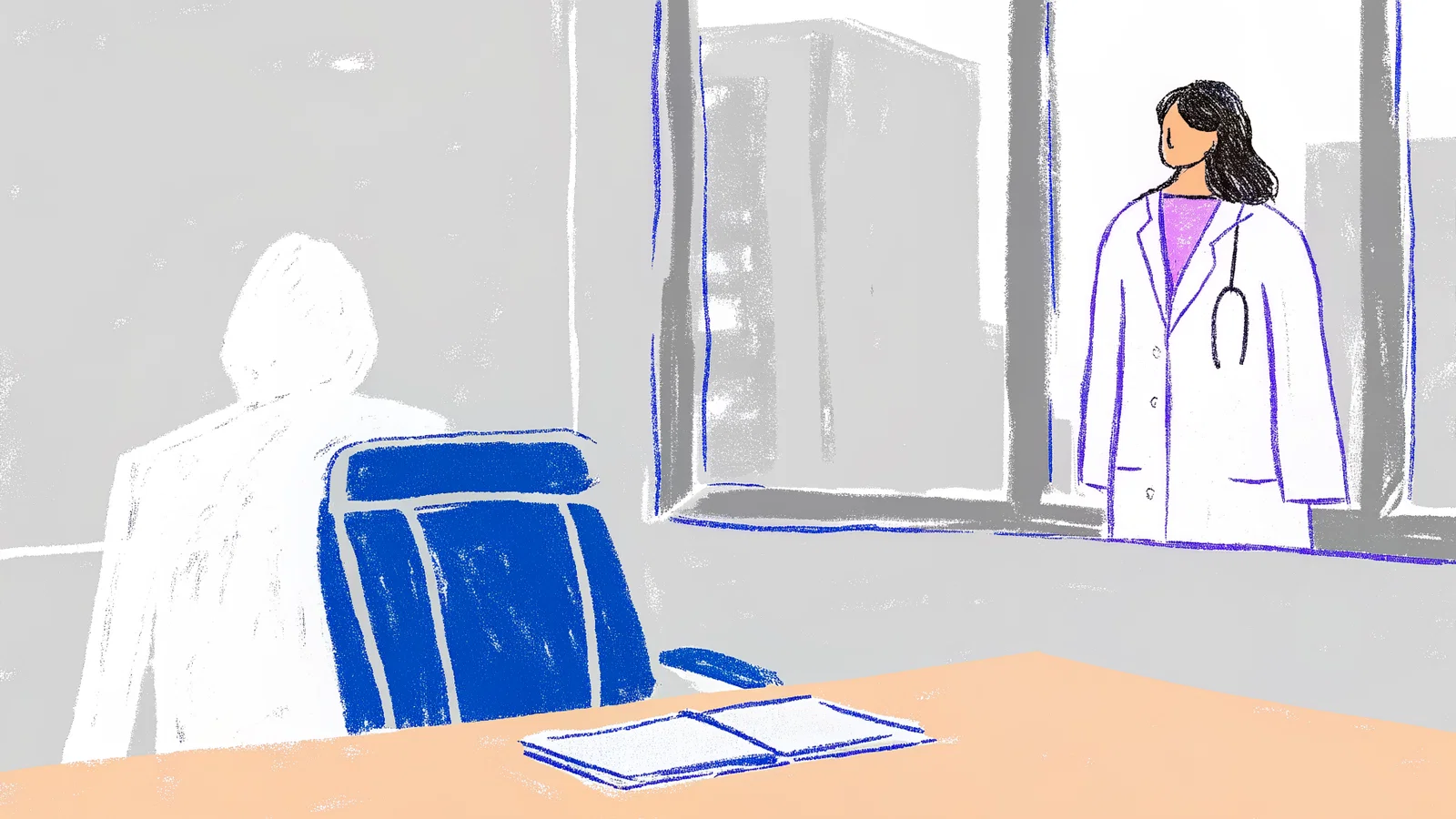
Introduction: The Phantom Faculty Problem
Are you choosing a program because of a reputation that exists only on paper?
I've seen too many bright residents make this exact mistake. They match at a shiny new program because the website lists big names from big institutions. Harvard. Mayo. Cleveland Clinic. Looks fantastic. Until you show up in July and realize those names don't have offices. They don't have clinic days. They have plane tickets.
Before you commit, it is critical to evaluate the core faculty requirements in new programs: what serious applicants check for long-term stability: https://residencyadvisor.com/resources/new-residency-programs/core-faculty-requirements-in-new-programs-what-serious-applicants-check
Before finalizing your list, understand how faculty turnover shapes new programs in the first 3 match cycles.
That's what I call Visiting Faculty. And in a new program, it's not an academic resource. It's a structural weakness.
A visiting professor who flies in for grand rounds once a month cannot mentor you. Cannot watch your hands in the OR. Cannot fix your note at 2 a.m. Cannot pick up the phone when you're drowning on call. Mentorship requires presence. Long-term, boring, everyday presence.
Warning: If you cannot find a permanent mentor during your interview day, someone who is actually there, you are already behind. Don't ignore that feeling.
The Illusion of Prestige: Why Programs Rent Their Reputation
New programs have a problem. They need to look legitimate fast to get accredited and to attract applicants. The easiest shortcut? Rent a reputation.
They call it "Academic Tourism." I call it renting.
The program pays a well-known academic from another state to be listed on their website, give two lectures a year, and maybe co-author a review paper. That person holds the name but not the responsibility. They won't be signing your Clinical Competency Committee evaluations. They won't fight for your fellowship.
If you are concerned about your future prospects, read more on: afraid of weak fellowship prospects from a new program? reality check.
Be diligent with your research, as no alumni, no track record: building your own due diligence dossier is essential for high-stakes decision making.
Here are the red flags I've learned to spot from the inside:
- Faculty who live in a different time zone. If your "core" GI attending lives in Boston and your program is in Florida, he's not core. He's a tourist.
- The quarterly visitor. "Dr. Smith comes every quarter for a week." Translation: Dr. Smith is absent for 11 weeks out of 12.
- The CV stuffer. The website lists 20 faculty, but when you ask residents who they see daily, they name 3.
Don't fall for the Name Drop. This is the biggest trap.
Research output from visiting faculty rarely translates to clinical success for you. They might have an R01 and 200 publications. Great for them. But you won't finish your project because they'll disappear mid-data collection. Your manuscript will sit in their inbox for six months while they're busy with their real job, at their real institution. And that letter of recommendation? It'll be generic, late, and it will say "I worked briefly with..." Fellowship directors can smell that from a mile away.
That 65% drop isn't an accident. Completion requires follow-through. Transient faculty don't follow through. You do the work, they get the credit, you get the incomplete.
The Lifecycle of a Mentorship Void
Let me walk you through what this actually feels like. Day-to-day.
Monday: You admit a complex patient. A visiting attending sees them with you for 15 minutes on Tuesday. Wednesday, that attending flies home. Thursday, a different visiting attending covers. He doesn't know the plan. He changes everything. Friday, a third person. You are the only continuity. You.
That's not training. That's survival mode.
Constant hand-offs create knowledge gaps. Gaps become errors. I've watched residents get blamed for a "communication error" that was actually a system designed to fail, three different supervisors in three days, none of whom owned the patient.
This is what I call the Mentorship Void lifecycle. It repeats on loop:
When you're in survival mode, you stop learning how to be excellent. You learn how to not get caught. You learn how to keep the patient alive until the next hand-off. That's the opposite of thriving.
Protecting your future means demanding that your formative years are spent under the gaze of someone who is invested in your graduation. Someone who will be there in month 1 and month 36. Someone whose job depends on you becoming good, not just looking good on a brochure.
A program is supposed to shape you. How can it shape you if no one's hands are actually on the clay?
Vetting Your Future: A Strategy for Self-Protection
So how do you avoid matching into a revolving door? You ask the questions other applicants are too scared to ask.
1. Ask who signs your competency evaluations. Point blank. "Who is on my CCC and are they full-time, on-site faculty?" If they hesitate, if they say "we have a collaborative model with our visiting experts," that's your answer. Run.
2. Run the Three-Month Test. Ask any resident: "Who precepted you last Tuesday? Who will precept you next Tuesday? And who precepted you three months ago?" If you get three different names, you have your answer. Stability leaves a pattern. Transience leaves chaos.
3. Listen to how residents talk about their mentors. This is subtle. Do they say "Dr. Johnson taught me how to do this block last week"? Or do they say "Dr. Johnson is amazing, I've read all his papers"? One is a mentor they know. The other is a legend they've heard of. You need the first. Badly.

4. Demand numbers. Before you rank, email and ask: "What is your current ratio of permanent core faculty to visiting/adjunct faculty? What was your faculty retention rate over the last two years?" A solid program will answer proudly. A shaky one will get defensive.
Final warning, and I mean this: Do not accept a match at a program where the faculty roster is a revolving door. I've seen residents stuck for three years with no real advocate when they needed remediation, needed maternity leave support, needed someone to fight for an OR slot. The visiting faculty were gone. The program director was scrambling to find coverage. The resident paid the price.
You only get one residency. Don't waste it being taught by ghosts.
If you're interviewing now, make a list. Permanent faces vs. visiting names. If the transit visas outnumber the permanent addresses, walk away. There are stable programs that actually want to train you. Go find them.