
Disclaimer: The figures and ranges cited in this article are estimates drawn from publicly available compensation reports, physician survey data, and industry benchmarks. This content is for educational purposes only, not financial advice, not legal advice, and not tax advice. Individual outcomes vary significantly based on specialty, geography, credentialing, and time investment. Consult a qualified professional before making financial or career decisions.
Bottom Line: Which Physician Side Hustles Actually Deliver the Best Return?
The data tells a blunt story. Most physician side hustles look appealing in headline form and disappoint in actual return. The ones that genuinely pay off share three traits: they monetize scarce expertise, they require minimal unpaid prep time, and they scale without doubling the physician's workload. Generic gig work does not do this. Specialized clinical, legal, or advisory work does.
When I evaluate a side hustle, I do not start with the marketing pitch. I start with five numbers: effective hourly rate, annual ceiling, startup cost, scheduling flexibility, and burnout risk. A side hustle that pays $400 an hour but eats 12 hours of weekend chart review each week is not actually a winner. A side hustle that pays $120 an hour, fits inside a lunch break, and repeats weekly often is.
The pattern across the data is consistent. Side hustles that leverage specialization and credentialing outperform generic extra work. Telemedicine, locum tenens, expert witness engagements, procedure-based moonlighting, and niche consulting occupy the top of the earnings distribution. Rideshare, reselling, and "passive" content creation cluster at the bottom. The market rewards physicians who treat their side hustle as a strategic extension of their clinical identity, not a random side project.
The Ranking Framework: How We Judge Whether a Side Hustle Is Worth It
A $250/hour gig is not automatically better than a $120/hour gig. The first might require credentialing, travel, deposition prep, and a one-hour commute each way. The second might be a 30-minute telehealth block booked in pajamas. After subtracting friction, the second often wins.
Here is the scoring logic I apply:
- Effective hourly pay: Gross earnings divided by total time spent, including prep, charting, travel, and admin.
- Scalability: Can the work grow without proportionally growing your hours?
- Credential barrier: Higher barriers protect pricing. A board-certified dermatologist has a defensible niche that a generalist does not.
- Income variability: Predictable monthly income is worth more than the same dollars in unpredictable bursts.
- Non-billable overhead: Tax impact, malpractice considerations, platform fees, and licensure costs all reduce take-home pay.
Run any opportunity through this filter before committing. Most fail on friction before they fail on rate.
Highest-Paying Physician Side Hustles by the Data
The top of the physician side hustle market looks like this, based on a synthesis of Medscape compensation data, industry salary surveys, locums agency benchmarks, and expert witness fee schedules:
A few observations from these numbers:
- Expert witness work sits at the top. Hourly rates between $300 and $600 are common for chart review and depositions. The catch: volume is low. Most physicians take on only a handful of cases per year.
- Consulting and advisory work covers a wide range. Pharma advisory boards, startup consulting, and expert legal opinions can hit $200 to $500 per hour. This work also tends to be low-volume.
- Locum tenens delivers strong total income. Hourly rates often run $180 to $350 with travel premiums, and many physicians stack multiple shifts per month. Total annual income from locums routinely exceeds six figures for full-time moonlighting.
- Procedure-based moonlighting is the sleeper hit for procedural specialists. A nocturnist hospitalist covers shifts at $150 to $200 per hour. A GI attending doing weekend endoscopy coverage can earn more.
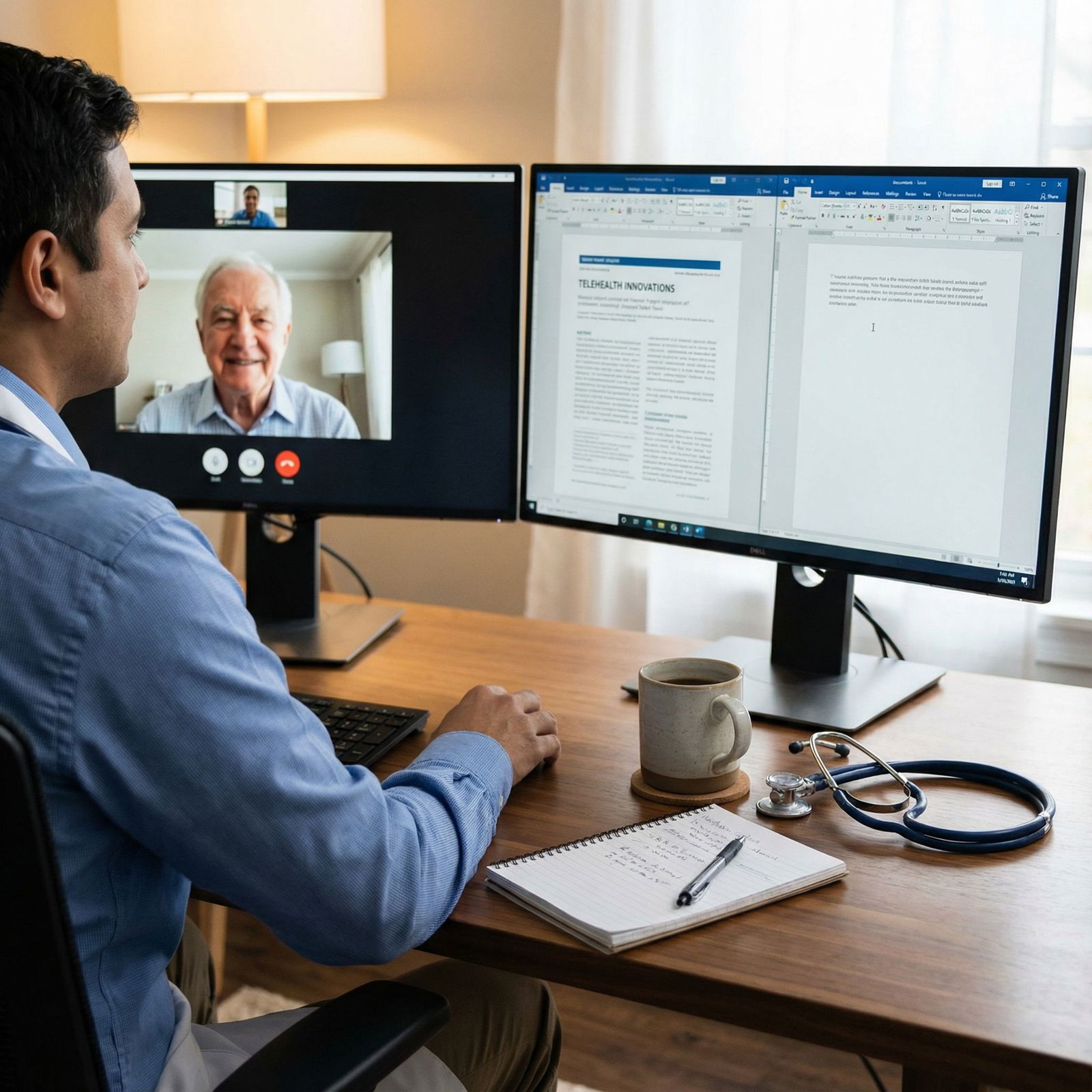
- Telemedicine sits in the middle. Hourly rates between $100 and $200 are realistic, but the real value is repeatability and zero commute. The data favors it as a flexibility play, not a top-dollar play.
- Chart review, use work, and teaching form the middle tier. Useful, predictable, but rarely life-changing.
- Non-medical gigs are the floor. They pay $25 to $75 per hour and rarely justify the time for a licensed physician.
The single most important takeaway: hourly pay correlates with scarcity. The rarer the skill, the higher the rate.
The Hidden Variable: Time Cost, Burnout Risk, and Income Reliability
Here is where most side hustle analyses fall apart. The headline number ignores the most expensive input a physician has: attention.
Three hidden variables that wreck ROI:
- Prep and admin time. Expert witness work that looks like $500/hour might require 4 hours of unpaid record review for every hour billed. The effective rate drops fast.
- Travel and scheduling friction. Locums work pays well, but the unpaid hours between flights, credentialing at new facilities, and license-by-state paperwork can quietly consume a week per assignment.
- Burnout economics. If a side hustle cuts into sleep or clinical performance, the downstream cost in error rate, patient satisfaction, and career longevity can make the entire venture net-negative.
Reliability also matters more than the data acknowledges. A telemedicine contract that delivers $2,000 per month, every month, is more valuable than an expert witness check that arrives once a year. Steady income compounds. Lump-sum income looks impressive but does not smooth a budget.
Most physician side hustles remain heavily time-dependent. The truly passive income streams (digital courses, books, royalties) require front-loaded effort and rarely scale without marketing skill. Treat "passive income" claims with skepticism.
Which Side Hustles Make Sense for Different Physicians?
The right side hustle depends on three personal inputs: career stage, specialty, and energy budget. Generic recommendations are useless here. Match matters more than hype.
Residents and fellows: Your time is scarce and your licensing is limited. The best options are moonlighting shifts at your own institution (if allowed), paid tutoring for board prep companies, and content creation that builds a long-term asset. Avoid anything requiring independent credentialing.
Early-career attendings (0 to 5 years): You are building clinical reputation. The smart play is locums, telemedicine, and procedure-based moonlighting that reinforce your specialty. Skip expert witness work until you have enough malpractice history and case volume to be credible.
Mid-career physicians (5 to 20 years): This is peak earning for side hustles. You have a track record, a network, and credibility. Consulting, expert witness work, advisory boards, and selective locums all open up. Income from these channels can rival or exceed your clinical salary without additional hours.
Late-career physicians: Time flexibility matters most. Telemedicine, chart review, and teaching roles dominate. Many late-career physicians shift toward part-time clinical work plus advisory income.
By specialty fit:
- Procedural specialists (GI, cardiology, ortho, derm, anesthesia): procedure-based moonlighting and procedural locums dominate.
- Primary care: telemedicine, direct primary care add-ons, and use review are the strongest fits.
- Psychiatry: telepsychiatry is the single best side hustle in medicine right now, full stop. Demand is high, scheduling is flexible, and the work is sustainable.
- Radiology: remote reads and teleradiology moonlight shifts offer premium pay for high-volume specialists.
- Hospitalists: nocturnist moonlighting and weekend coverage are reliable, repeatable income.
- Surgeons: expert witness work pays extraordinarily well because plaintiff attorneys prize surgical credibility.
Two practical decision rules:
- Choose high-pay, low-volume work if time is your binding constraint.
- Choose moderate-pay, high-repeat work if scheduling flexibility matters more than headline rate.
A Practical Playbook: How to Maximize ROI and Avoid Low-Value Work
Most physicians fail at side hustles for predictable reasons. They chase hype, skip measurement, and never renegotiate. Here is the operating loop I recommend:
- Pick one side hustle that fits your specialty and schedule.
- Track the actual time spent, including prep, charting, travel, and admin.
- Compute the effective hourly rate after taxes and platform fees.
- Cut the lowest-value tasks. Outsource, batch, or eliminate them.
- Negotiate rates or scale volume only after the unit economics are positive.
- Reassess monthly. Drop what does not pencil out.
The best side hustle is the one that preserves clinical energy while adding meaningful income. If you are exhausted on Monday because of weekend side work, the gig is too expensive regardless of the gross number.
Forward Look: What the Market Is Likely to Reward Next
The physician side hustle market is maturing. As more physicians enter the space, commodity work will compress. Telemedicine rates have already drifted down from their 2020 peaks. Chart review platforms are saturated. What should retain pricing power is work that requires demonstrated expertise: expert witness engagements, niche consulting, advisory roles for health tech and pharma, and specialized telehealth in psychiatry and obesity medicine.
The forward-looking winners share three traits:
- Digital scalability. Telehealth, asynchronous consults, and AI-assisted documentation will keep lowering friction.
- Specialty leverage. As more physicians enter generalist side hustles, the value of scarce specialty work rises.
- Credibility premium. Legal and consulting work that requires physician authority will continue to pay premiums because the buyer cannot substitute a non-physician.
The data ultimately rewards a specific strategy: choose side hustles that combine high hourly rate, low friction, and specialty leverage. Skip the ones sold in Facebook groups. Track your numbers. Reassess quarterly.

The physician who treats a side hustle as a financial instrument instead of a hobby will outperform the one who chases trends. Build the dashboard. Run the numbers. Pick what pays.