
This article is for educational purposes only. It is not financial advice, not legal advice, and not tax advice. Figures vary by individual circumstances, so consult a qualified professional before acting.
The Crossroads: You've Matched Into a Prelim Year, Now Which One Do You Choose?
Match day. You checked the NRMP site. You matched. But not into your dream categorical spot. You matched into a preliminary year.
Take a breath. You have a job. You have a foot in the door. But the clock is already ticking on your reapplication.
Here is the core dilemma you face right now: do you take the research-heavy prelim or the clinical-heavy one? I've watched brilliant applicants tank their reapplication cycle because they chose the wrong path. They picked the clinical route because it felt like "real medicine," only to get rejected again because their CV was still barren. Or they hid in a research lab, let their clinical skills rust, and bombed their reapplication interviews.
Each path carries vastly different reapplication power. The right choice depends entirely on your specific weaknesses. If your application lacked research output, you need to go heavy on the lab. If your clinical evaluations or Step scores were the black hole in your ERAS application, you need to be on the wards.
For a deeper breakdown, see how program directors view this choice in "What PDs Discuss When You Reapply After a Preliminary-Only Year."
Stop looking at what your friends are doing. Look at your own application. Let's break down exactly how to choose the prelim year that will actually get you matched next cycle.
What Exactly Is a Prelim Year? A Quick Refresher for the Reapplicant
Let's get the definitions straight. A preliminary year is a one-year clinical internship, typically in internal medicine or general surgery. It does not guarantee continued training in that specialty.
Categorical positions are the whole package, you match, you stay for the full three to five years. Prelim is temporary. It is a stepping stone. You must reapply for advanced PGY-2 positions while simultaneously surviving your intern year.
Let's be honest about the reality here. Most students doing a prelim year are reapplying to highly competitive advanced specialties. Dermatology, radiology, ophthalmology, anesthesiology. In these fields, an unmatched cycle is incredibly common. You are not a failure; you are in a highly competitive arena. But because the arena is so competitive, your prelim year cannot just be a placeholder. It must be a strategic weapon.
The Classic Research-Heavy Prelim: What It Looks Like and Who It Helps
A research-heavy prelim gives you protected time. Often 50% to 80% of your year is dedicated to the lab, clinical trials, or retrospective chart reviews. Your clinical load is light. You get dedicated mentorship, and the explicit expectation is that you will churn out publications and abstract presentations.
Who is this for? You. If your biggest gap was research productivity. If you applied to dermatology with zero first-author papers, no poster presentations, and weak letters of recommendation from researchers, this is your lifeline.
The potential downside is real, though. Clinical skills atrophy when you aren't using them daily. When interview season rolls around, you might feel rusty answering clinical management questions. Some old-school program directors view a research-heavy prelim as "taking a year off from medicine." You have to frame it perfectly. You didn't hide in the lab; you actively contributed to the academic mission of the department.
If you take this path, you must be aggressive. Seek first-authorship. Get your name on grant applications. Present at the major national meetings for your target specialty, AAD for dermatology, RSNA for radiology, AAO for ophthalmology.
For a timeline of when to submit your reapplication, check out "PGY-1 Calendar: Key Deadlines for Reapplying While in a Prelim Program."
The Classic Clinical-Heavy Prelim: What It Looks Like and Who It Helps
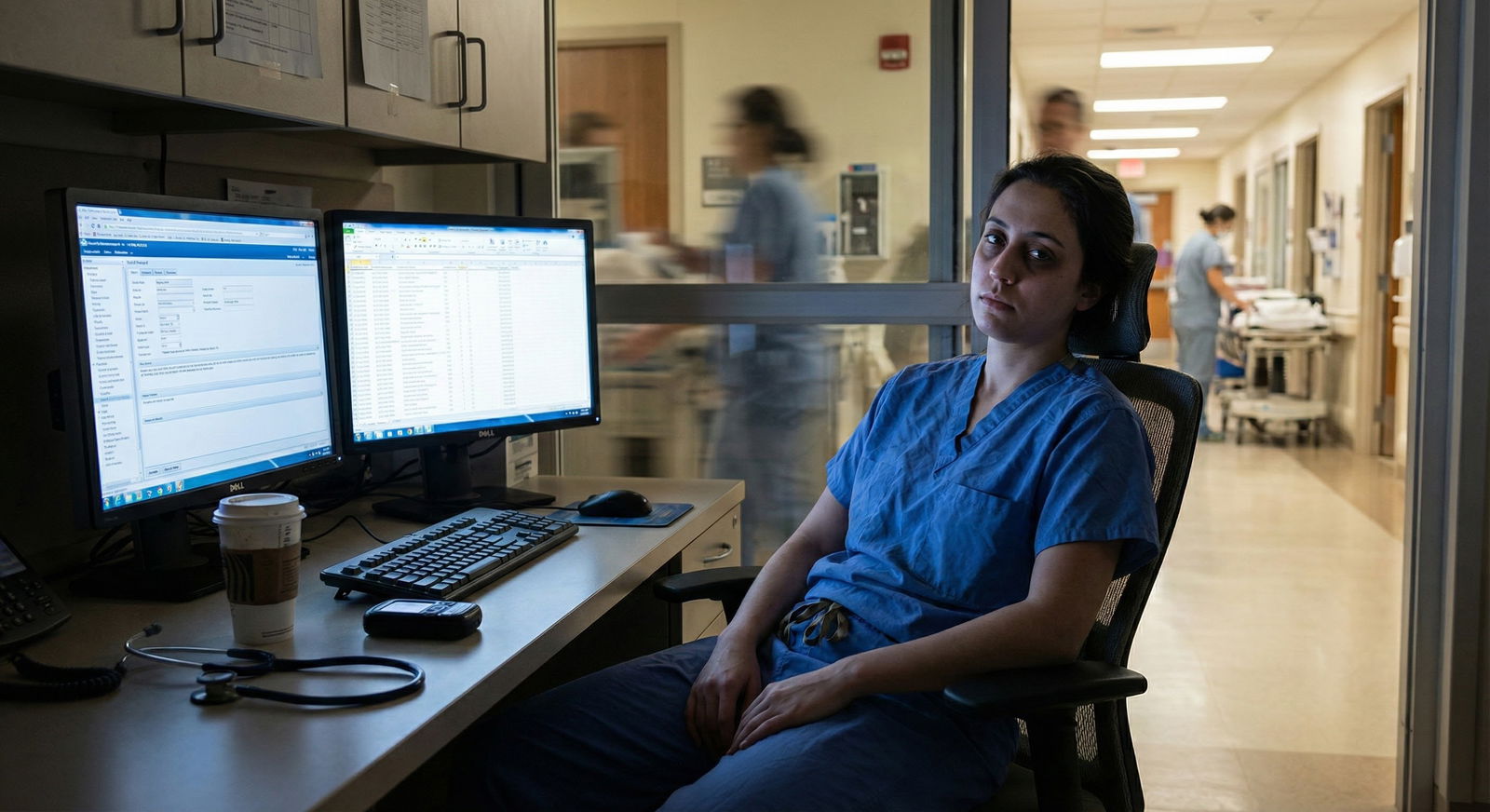
The clinical-heavy prelim is the traditional intern experience. You are on the inpatient service full-time. Wards, nights, ICU rotations, cross-cover. You get minimal to zero protected research time. You are working 80-hour weeks, and you are expected to function as a core part of the hospital's frontline workforce.
Who needs this? The applicant whose weakness was clinical performance. If your MSPE (Dean's Letter) had lukewarm comments, if you bombed your shelf exams, or if you had a red flag during your clinical year, you need to prove you can handle the grind.
This path is also incredibly strong for those who need new clinical letters of recommendation. If your home program letters were mediocre or you didn't get a strong chair's letter, a clinical-heavy prelim at a prestigious institution allows you to earn glowing, in-the-trenches evaluations from a new set of attendings.
The downside? Burnout. The time squeeze is brutal. If you need to publish, you will be pumping out case reports and literature reviews on your days off or at 2 AM in the call room. You have to be relentlessly organized, or you will end the year with great clinical evals and zero new CV lines.

How to Diagnose Your Own Gaps: The "Reapplication Audit" You Must Do Before Choosing
Do not pick a prelim based on which one sounds more impressive at a dinner party. Pick it based on data. Run this 5-question self-audit right now:
- How many publications do I have? (Count first-author vs. middle-author. Quality matters).
- What do my MS3/MS4 clinical evals actually say? (Read the narrative comments, not just the grades).
- Do my LOR writers have national reputations in my target specialty?
- What specialty am I targeting, and how heavily does it weight research vs. clinical grit?
- Did I have a red flag? (Step fail, leave of absence, professionalism citation).
Match the gap to the prelim. Research gap? Go research-heavy. Clinical performance gap? Go clinical-heavy. If both are weak, you might need to do a dedicated research year before starting a clinical prelim.
Scenario-Specific Advice: Derm, Radiology, Ophthalmology, and Anesthesia Reapplicants
Let's get specific. The "best" prelim changes depending on where you are trying to go.
Dermatology: This field is heavily, almost ruthlessly, research-dependent. You need 4 to 6+ high-quality publications to be competitive at most academic programs. A research-heavy prelim is strongly preferred unless you already have a massive research portfolio and just need to polish your clinical letters. If you lack pubs, take the lab time.
Radiology: Research is a great tiebreaker, but clinical competence is paramount. A clinical-heavy prelim with dedicated radiology elective exposure can be highly effective. The goal here is to secure a stellar radiology LOR from your prelim program. If you can negotiate a month of rads electives during a clinical prelim, do it.
Ophthalmology: This requires a delicate balance. Vision science research is highly valued, but so are surgical evals. Ophtho PDs want to know you have the hands and the stamina for the OR. A balanced approach or a clinical-heavy prelim with a strong research mentor on the side is often the sweet spot. You need that second set of surgery eval comments to prove you can operate.
Anesthesiology: Forget the lab. Anesthesia program directors want to see you handle critical care, manage airways, and stay calm when a patient is crashing. A clinical-heavy prelim, especially one with heavy medicine or surgery ICU rotations, is incredibly competitive. Research is far less critical for the anesthesia match than proven clinical grit.
Real Talk: Can You Do Both? The "Hybrid" Option
Everyone wants the hybrid. You want the clinical street cred and the first-author publications.
Some prelim programs will let you negotiate dedicated research blocks, say, one or two months of protected time, within a clinical-heavy schedule. If you can get this in writing before you rank, take it.
Alternatively, you can choose a brutal clinical-heavy prelim and just do research on the side. But understand what you are signing up for. You will be working 60 to 70-hour weeks on the wards, and then spending your weekends writing manuscripts.
Here is a career advisor secret: if your clinical-heavy program has a strong, established research mentorship culture, you can still yield 1 or 2 publications. But you must start a project on day one. Do not wait until October to ask for a project.
Beware of overpromising yourself. I have seen countless reapplicants burn out and produce absolutely nothing because they arrogantly assumed they could "do both" without a concrete plan. If you lack the discipline to manage your time, pick one lane and own it.
The Bottom Line: One Year, One Strategy, Maximize Your Weakness
Reapplication is a targeted rebuild. Do not choose a prelim type because it's "easier" or because it sounds more prestigious to your family. Choose it because it directly fills the hole that caused your unmatched status.
Research-heavy prelims build the CV. Clinical-heavy prelims build the reputation. Both work beautifully, but only if they are aligned with your specific gap.
Your success depends far less on the label of the prelim and much more on what you actually produce during those twelve months. Publications, powerful connections, and a polished, confident interview narrative. That is what gets you matched.
Stop guessing. Pull up your ERAS application from last cycle today. Highlight your weakest sections in red. Then, go find the prelim year that fixes them.
Key Takeaways
- A research-heavy prelim is best when your primary weakness is a lack of publications, abstracts, and academic connections.
- A clinical-heavy prelim is best when your clinical performance, MSPE evals, or letters of recommendation need a massive boost.
- Do a ruthless self-audit before choosing: match the prelim type to your specific application gap, not to what sounds impressive.
- Hybrid options exist but require intense discipline and an honest self-assessment of your capacity to avoid burnout.
- Regardless of the path, you must produce. Whether that's peer-reviewed papers or glowing clinical praise, the reapplication committee will heavily scrutinize your prelim year output.