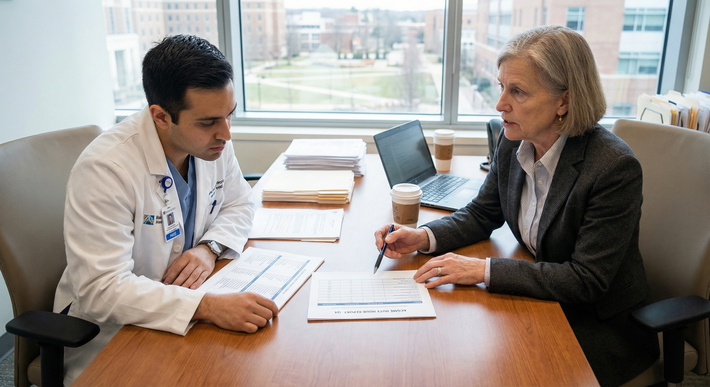
Introduction: Duty Hours and the Foundation of Resident Wellbeing
Residency is one of the most demanding stages of medical training. It is where the transition from student to practicing physician truly begins, and where clinical judgment is honed under real pressure. Yet the same training environment that builds competence can also strain Resident Wellbeing if not carefully structured—particularly around Duty Hours.
Long shifts, overnight calls, and high patient acuity are often seen as “part of the job.” But we now have compelling evidence that excessive work hours can undermine both Mental Health and patient safety. Burnout, depression, anxiety, medical errors, and attrition from training are all associated with poorly managed Duty Hours and work environments.
This article examines how residency Duty Hours influence Resident Wellbeing, explores the evolving evidence and regulations, and offers concrete strategies for residents, faculty, and institutions to promote sustainable, high-quality Medical Training. The goal is not merely to comply with work-hour rules, but to build training programs that protect mental, physical, and emotional health—while still producing excellent physicians.
Understanding Residency Duty Hours: What They Are and Why They Matter
Defining Duty Hours in Medical Training
Duty Hours generally refer to all clinical and educational activities related to a residency program, including:
- In-hospital patient care
- Outpatient clinics
- Night float and call shifts
- Conferences, didactics, and academic half-days
- In-house “homework” such as notes, orders, and chart review
- Certain at-home clinical responsibilities (e.g., taking patient calls, telemedicine) if counted by the program
In the United States, the Accreditation Council for Graduate Medical Education (ACGME) sets national Duty Hours standards. Key elements include:
- 80-hour weekly cap, averaged over four weeks, including all in-house call and moonlighting
- Minimum 1 day off in 7, free of all clinical and educational responsibilities, averaged over four weeks
- 10 hours off between duty periods (or reasonable alternatives depending on specialty and role)
- Maximum shift lengths, which may vary slightly by specialty and level, typically:
- Up to 24 hours of continuous in-house duty for most residents, with up to 4 additional hours for handoffs and transitions
- Shorter limits for first-year residents (PGY-1) in many programs
Individual specialties and programs may adopt stricter limits in response to well-being concerns or specialty-specific risks.
Historical Context: From Endless Call to Regulated Duty Hours
For decades, medicine accepted marathon shifts and 100+ hour weeks as rites of passage. The culture prized “toughness” and availability over rest and self-care. Stories of 36-hour call shifts with minimal supervision were commonplace.
Several events prompted a shift toward regulation:
- High-profile patient safety cases highlighted how fatigue could contribute to medical error.
- Research on sleep deprivation in residents showed impaired psychomotor performance, slower reaction times, and decreased diagnostic accuracy—comparable to alcohol intoxication at certain thresholds.
- Rising data on burnout and depression among trainees challenged the idea that extreme hours were benign or educationally necessary.
In response, the ACGME introduced formal Duty Hours standards in 2003, followed by more stringent regulations in 2011, particularly for interns. Since then, additional refinements have emphasized flexibility, supervision, and Resident Wellbeing as core program responsibilities.
While these regulations improved some aspects of training, they also introduced new challenges—such as increased handoffs and compressed workloads. Understanding these trade-offs is key to designing systems that truly support Resident Wellbeing and prevent burnout.
How Long Duty Hours Affect Resident Wellbeing and Mental Health
Extended Duty Hours influence nearly every dimension of Resident Wellbeing—cognitive, emotional, physical, and relational. The following sections unpack the main domains of impact and highlight where Burnout Prevention efforts can be targeted.

Burnout: The Central Threat to Resident Wellbeing
Burnout is characterized by three core components:
- Emotional exhaustion – feeling drained and depleted by work
- Depersonalization – developing a detached or cynical attitude toward patients or colleagues
- Reduced sense of personal accomplishment – feeling ineffective, inadequate, or like one’s work doesn’t matter
Among residents, burnout rates often exceed 40–60%, with some specialties reporting even higher levels.
How Duty Hours Fuel Burnout
Sheer workload and time pressure
Trying to manage a full census, admissions, cross-cover responsibilities, notes, and pages within a limited window can feel unrelenting. When heavy clinical expectations are packed into fewer hours (to comply with Duty Hours), residents may feel they are doing more in less time—with little rest.Loss of autonomy and control
Rigid schedules, unpredictable call, and limited control over days off can contribute to a sense of helplessness, a major driver of burnout.Chronic sleep debt
Even when Duty Hours comply with regulations, shift work, rotating nights, and early-morning conferences can erode sleep quality and quantity. Sleep deprivation amplifies emotional exhaustion, irritability, and cognitive failures.Moral distress
When residents are too stretched to provide the level of care they believe patients deserve—or must leave at the end of their Duty Hours while sick patients still need attention—they can experience guilt and moral injury, further compounding burnout.
Physical Health: Sleep, Fatigue, and Beyond
Resident Wellbeing is not just about mood and mindset; it also involves concrete physical risks.
Sleep Disruption and Disorders
Residents often experience:
- Erratic sleep timing from switching between day, evening, and night shifts
- Insomnia or fragmented sleep due to call pages, adrenaline after intense events, or difficulty “shutting off” mentally
- Cumulative sleep debt that is not fully repaired during off days or post-call time
Over months to years, these patterns can predispose residents to:
- Chronic insomnia
- Circadian rhythm disturbances
- Headaches, gastrointestinal issues, and metabolic dysregulation
Chronic Fatigue and Medical Risks
Persistent fatigue is associated with:
- Increased risk of hypertension, cardiovascular disease, and obesity
- Impaired immune function, leading to more frequent infections
- Slower reaction times and reduced fine motor coordination—critical in procedural specialties
Fatigue also affects safety outside the hospital. Numerous studies document elevated rates of motor vehicle accidents and near-misses among post-call residents driving home after extended shifts.
Mental Health Strain: Depression, Anxiety, and Substance Use
Duty Hours and the associated stressors of Medical Training can significantly strain Mental Health.
Anxiety and Depression in Residency
Compared to age-matched peers in the general population, residents have substantially higher rates of:
- Major depressive symptoms
- Generalized anxiety
- Suicidal ideation in some cohorts
Contributors include:
- High-stakes responsibilities and fear of making mistakes
- Exposure to suffering and death, especially without structured debriefing
- Isolation from non-medical support systems due to long hours and frequent moves
- Perfectionism and impostor syndrome, common traits among high-achieving trainees
Untreated depression and anxiety can lead to impaired functioning, higher error rates, and even program attrition.
Substance Misuse and Maladaptive Coping
Some residents turn to unhealthy coping strategies:
- Alcohol or sedative use to fall asleep after call
- Stimulants to stay awake or boost performance
- Misuse of prescription medications
This may be driven by stigma around seeking mental health care, time constraints, or fear of professional repercussions. Programs must recognize these risks and foster cultures where help-seeking is normalized, not penalized.
System-Level Strategies: How Programs Can Support Resident Wellbeing
Improving Resident Wellbeing in relation to Duty Hours requires more than just counting hours. It demands thoughtful design of rotations, culture, and support systems.
1. Creating a Culture of Wellbeing and Psychological Safety
A healthy culture is the foundation of Burnout Prevention.
Normalize Discussions About Mental Health
- Build formal opportunities into the curriculum for residents to discuss stress, fatigue, and Mental Health (e.g., wellness conferences, Balint groups, reflection rounds).
- Encourage leaders (program directors, chiefs, faculty) to share their own experiences with burnout and recovery, signaling that vulnerability is acceptable.
Train Supervisors to Recognize Distress
- Educate attending physicians and senior residents to recognize early signs of burnout, depression, and impaired performance.
- Provide clear pathways for confidential referral to mental health support.
2. Thoughtful Scheduling: Beyond Hour Caps
Duty Hours rules are the floor, not the ceiling, for Resident Wellbeing.
Design Rotations to Minimize Harmful Patterns
- Avoid excessive “flip-flopping” between days and nights without adequate recovery time.
- Limit sequences of multiple consecutive long shifts or overnight calls.
- Use night float systems to reduce 24+ hour call, when appropriate for the specialty and setting.
Protect True Days Off
- Enforce at least one full day off in seven, free from clinical duties, required emails, or “optional” work that feels mandatory.
- Ensure that post-call time is genuinely protected and not eroded by lingering tasks or expectations to attend conferences.
3. Workload Management and Support Systems
Simply shortening Duty Hours without adjusting workload can paradoxically increase stress.
Optimize Team Structure and Handoffs
- Use multidisciplinary teams (nurses, pharmacists, social workers, case managers) to distribute non-physician tasks appropriately.
- Standardize handoff processes to prevent errors and reduce cognitive load.
- Employ electronic tools or templates to streamline documentation and order entry.
Monitor Work Intensity, Not Just Hours
- Track patient loads, admission volumes, and cross-coverage demands across rotations.
- Identify “hot spots” where resident workload is consistently excessive and redesign rotations or staffing.
4. Accessible Mental Health and Wellness Resources
Institutional support is crucial for sustainable Resident Wellbeing.
Confidential Counseling and Therapy
- Provide free or low-cost, confidential counseling through employee assistance programs or external providers not involved in evaluation or promotion.
- Offer flexible appointment times (including evenings or telehealth) to accommodate demanding schedules.
Formal Wellness Programs
Examples include:
- Mindfulness or stress-reduction workshops
- Peer support groups facilitated by trained moderators
- Fitness subsidies or on-site exercise facilities
- Nutrition support (healthy food options overnight, protected meal breaks where feasible)
Personal Strategies: What Residents Can Do to Protect Their Wellbeing
While system-level changes are essential, individual strategies also matter. Residents have limited control over Duty Hours, but they can influence how they respond and recover.

1. Sleep Hygiene for Residents on Irregular Schedules
Perfect sleep is unrealistic in residency, but small adjustments help:
- Prioritize sleep quantity whenever you safely can; consider it part of patient safety, not a luxury.
- Use dark, quiet, cool environments for sleep; blackout curtains and white noise machines can be helpful if sleeping during the day.
- Establish pre-sleep routines (no screens, short wind-down rituals) to help your brain shift from adrenaline to rest, even post-call.
- Use naps strategically—20–30 minutes before or during night shifts can reduce fatigue without causing sleep inertia.
2. Intentional Recovery and Boundary-Setting
- Schedule at least one meaningful non-medical activity each week (e.g., time with friends or family, hobbies, religious or community engagement).
- Set micro-boundaries where possible:
- Don’t check work emails constantly on days off unless required.
- Agree on clear norms with your team about non-urgent communications.
- Learn to say “I don’t think I can safely add that on right now” when your plate is already overflowing, especially if patient safety could be compromised.
3. Building a Support Network
- Cultivate peer support within your program—fellow residents often understand your experience best.
- Maintain connections with non-medical friends and family; they provide perspective and a life outside the hospital.
- Seek out mentors who are both clinically skilled and invested in wellbeing; they can help you navigate difficult rotations and career decisions.
4. Practical Stress-Management Techniques
Even brief, evidence-based tools can make a difference:
- Brief mindfulness exercises (1–5 minutes of focusing on the breath between tasks or before difficult conversations)
- Grounding techniques for moments of acute stress (e.g., 5-4-3-2-1 sensory check-in)
- Physical activity in small, frequent doses—walking between buildings, taking stairs, brief stretching in call rooms
- Journaling or reflection after particularly emotional cases, which helps process experiences and reduce rumination
5. When to Seek Professional Help
Residents should seek support promptly when they:
- Experience persistent sadness, loss of interest, or anxiety that interferes with daily function
- Notice thoughts of self-harm or suicide
- Rely on substances to cope with work stress or to sleep
- Feel unable to meet academic or clinical expectations despite sincere effort
Early intervention—through counseling, therapy, medication, or a combination—often leads to better outcomes and can protect both your career and your life.
Frequently Asked Questions About Duty Hours and Resident Wellbeing
Q1: Do shorter Duty Hours always improve Resident Wellbeing and patient care?
Not always. Shorter hours can reduce fatigue and some safety risks, but if workloads are not adjusted, residents may feel pressured to complete the same amount of work in less time, which can worsen stress and burnout. The most effective approaches combine reasonable Duty Hours with attention to workload, team support, supervision, and culture.
Q2: How can residents advocate for changes in Duty Hours or workload without fear of retaliation?
Residents can:
- Use established channels such as Program Evaluation Committees, resident forums, or anonymous surveys.
- Bring specific data (e.g., call logs, patient counts, near-miss incidents) to discussions with chief residents or program leadership.
- Involve resident wellness committees or GME offices that have a mandate to address wellbeing.
- If local efforts fail and safety or Duty Hours violations persist, residents may contact the ACGME Resident Portal to report concerns confidentially.
Programs committed to education and safety will generally welcome constructive feedback and collaboration.
Q3: What are some concrete signs that my wellbeing is being compromised by Duty Hours?
Warning signs include:
- Constant exhaustion, even after days off
- Emotional numbness or irritability toward patients or colleagues
- Frequent mistakes or difficulty concentrating
- Loss of interest in activities you used to enjoy
- Increased use of alcohol, sedatives, or stimulants
- Thoughts like “I don’t care anymore” or “It would be better if I weren’t here”
If you notice these patterns, consider talking with a trusted colleague, mentor, or mental health professional as soon as possible.
Q4: What responsibilities do residency programs have regarding Resident Wellbeing and Mental Health?
Accredited programs are expected to:
- Comply with ACGME Duty Hours standards
- Monitor Resident Wellbeing regularly and respond to concerns
- Provide access to confidential mental health services
- Foster a culture that discourages mistreatment and stigma around help-seeking
- Ensure residents can safely raise concerns about workload, supervision, and patient safety without fear of retaliation
These expectations are increasingly explicit in accreditation standards and are central to high-quality Medical Training.
Q5: How can I prepare for the transition into an intense rotation with longer Duty Hours (e.g., ICU, wards, surgical services)?
Practical steps include:
- Plan logistics in advance: meals, transportation, childcare, pet care, and bill payments to reduce decision fatigue.
- Communicate with your support system so they understand your upcoming schedule and can check in periodically.
- Review clinical material (common protocols, emergencies) beforehand so you’re not learning everything during the busiest moments.
- Set realistic expectations for yourself: this may not be the time for major personal projects, but small wellbeing habits (brief walks, quick check-ins with loved ones) are still crucial.
Conclusion: Toward Sustainable, High-Quality Medical Training
Duty Hours are more than a regulatory checkbox; they are a fundamental determinant of Resident Wellbeing, Mental Health, and patient safety. When hours are excessive, poorly structured, or misaligned with realistic workloads, residents pay the price through burnout, fatigue, and distress—and patients may experience more errors and less compassionate care.
Yet with thoughtful design and collaboration, residency can be both rigorous and humane. Programs that integrate evidence-based Duty Hours policies, robust wellness infrastructures, and a culture of open communication are better positioned to train skilled, resilient physicians.
For residents, learning to recognize personal limits, building support networks, and seeking help early are essential professional skills—just as critical as mastering physical exam maneuvers or interpreting lab results. For institutions, investing in Resident Wellbeing is not an optional “extra”; it is a core component of safe, effective Medical Training and long-term workforce sustainability.
Balancing the demands of residency with the health of its learners is an ongoing process. By prioritizing both educational excellence and humane working conditions, the medical community can cultivate physicians who are not only clinically competent, but also mentally healthy, engaged, and capable of providing the highest standard of patient care over the course of their careers.