Introduction: Why Residency Work Hours Need More Than Just a Headcount
Residency training is the bridge between medical school and independent practice. It is where medical knowledge is translated into clinical judgment, procedural skill, and professional identity. For decades, that bridge was built on long, unrelenting shifts and an assumption that more hours automatically meant better training.
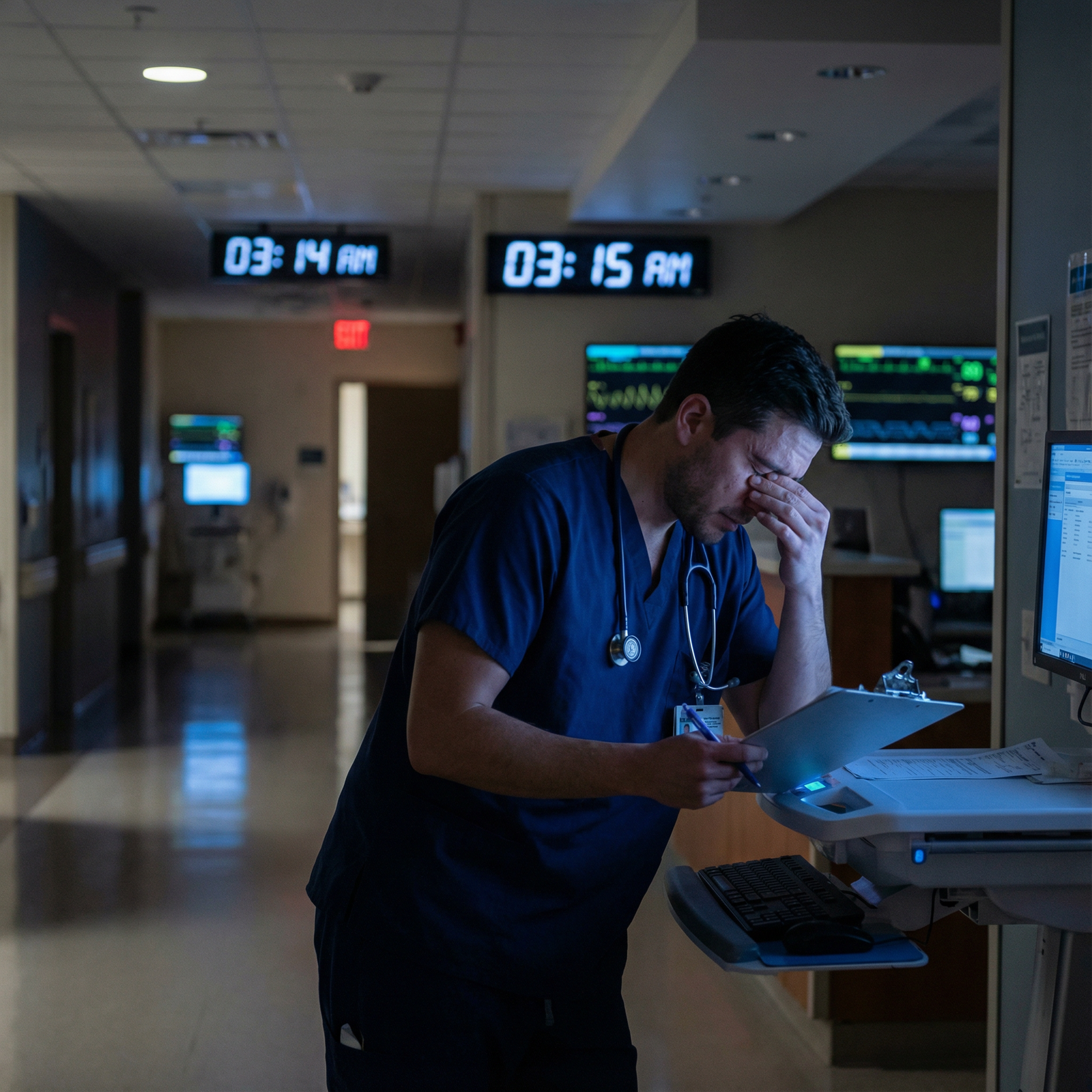
Today, conversations about Residency Training often focus on how many hours residents work. But limiting the discussion to sheer quantity misses a critical reality: not all hours are equal. Ten hours spent actively learning at the bedside with strong supervision is very different from ten hours of non-educational scutwork while exhausted.
To truly improve Medical Education, Physician Well-Being, and Patient Care, the question is no longer just “How many hours are residents working?” but “What is the quality of those hours?”
This article explores:
- The historical evolution of Work Hour Regulations in residency
- How to define and measure the quality of residency work hours
- The dual nature of night shifts as both essential training and a risk to well-being
- Innovations in scheduling and team structure that can transform resident experience
- The role of mentorship and institutional culture in supporting residents
By the end, you’ll have a more nuanced framework for evaluating residency schedules—not just by the clock, but by their educational value, safety, and sustainability.
From Marathon Shifts to Duty Hour Rules: How We Got Here
Pre-Regulation Era: Training by Endurance
Before formal Work Hour Regulations, it was common for residents to work 100+ hours per week, including 36-hour or longer continuous calls. This “see everything, survive everything” model was justified by several assumptions:
- More hours = more experience
- Constant availability = better continuity of care
- Endurance = professionalism and dedication
Over time, data and lived experience challenged these beliefs. Studies linked extreme fatigue with:
- Increased medical errors and near misses
- Impaired psychomotor performance comparable to alcohol intoxication
- Lower job satisfaction and higher burnout rates
- Long-term effects on Physician Well-Being, including depression and attrition from clinical careers
Stories from that era often included residents falling asleep at the wheel, missing key clinical changes overnight, or struggling to retain information after call. As patient safety and wellness entered the national conversation, the culture of “brutal hours as a badge of honor” began to shift.
The ACGME Steps In: Work Hour Regulations and Patient Safety
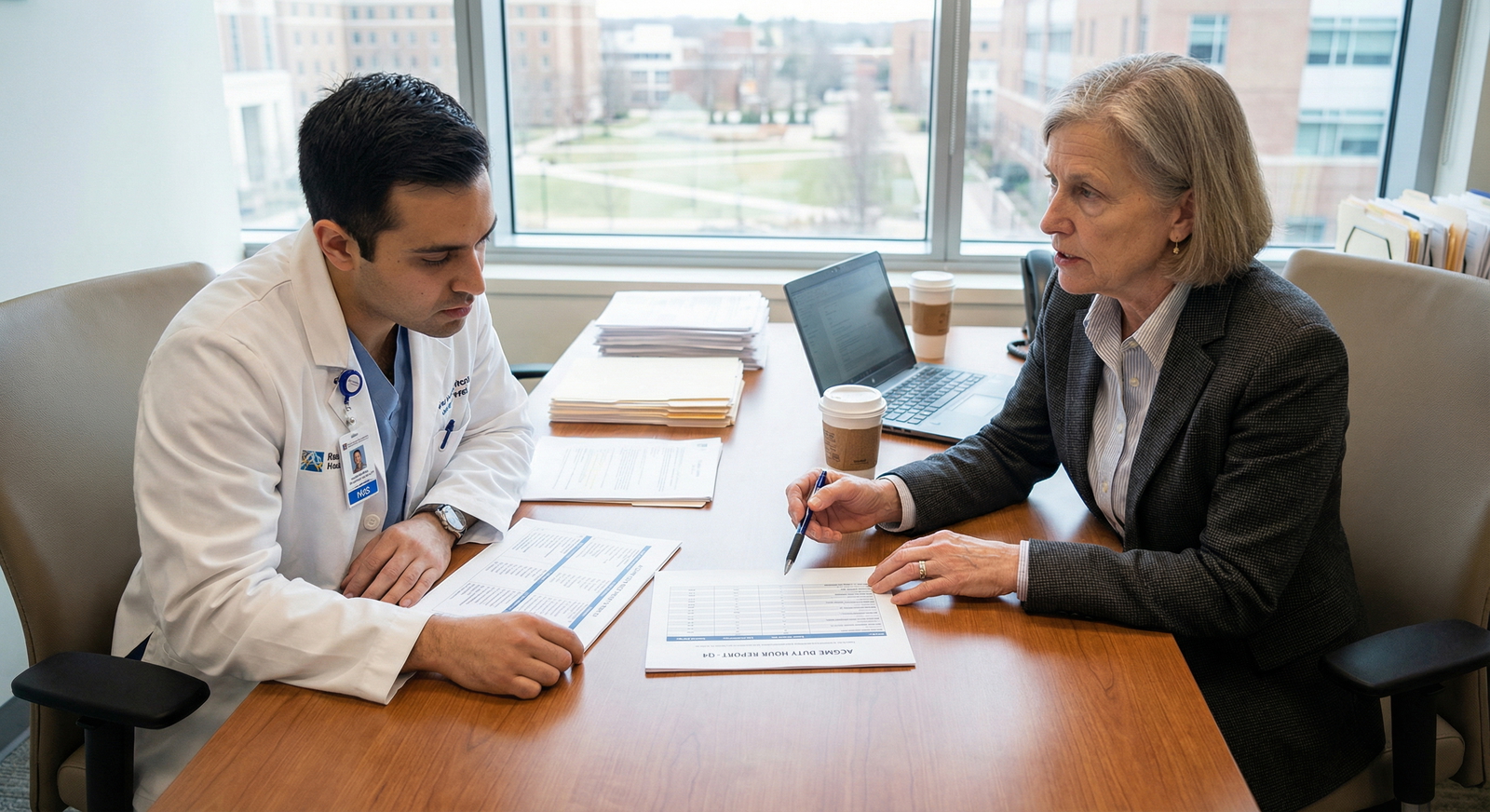
In 2003, the Accreditation Council for Graduate Medical Education (ACGME) instituted national duty hour standards across U.S. residency programs, including:
- 80-hour work week, averaged over 4 weeks
- 24+6 rule: No more than 24 hours of continuous clinical duty, with up to 6 additional hours for transitions and education
- Minimum rest periods between shifts
- In-house call no more frequently than every third night
Subsequent modifications—especially for interns—attempted to refine the balance between Resident Education and safety. The goals were to:
- Reduce fatigue-related medical errors
- Promote safer Patient Care
- Improve the training environment and resident quality of life
These changes clearly altered the landscape of Residency Training. But they also surfaced new challenges:
- Shorter shifts sometimes meant more hand-offs, increasing fragmentation of care.
- Programs could “meet” duty hours on paper while still overloading residents with inefficient workflows and non-educational tasks.
- Residents occasionally felt pressured to underreport work hours to protect their program.
This raised a crucial next question: If duty hours are regulated, why are residents still burned out?
The answer lies in shifting attention from quantity to quality of work hours.
Beyond Counting Hours: What Makes a “High-Quality” Residency Shift?
Quantitative vs. Qualitative Metrics in Residency Work
The easiest thing to track in residency is hours worked. But that metric alone tells you little about what those hours actually contain. High-quality residency work hours typically have three key features:
1. Rich Learning Opportunities
Ask: During these hours…
- Is the resident making active clinical decisions, not just passively following orders?
- Are they getting exposure to a breadth and depth of cases aligned with their specialty training?
- Do they have access to didactics, case discussions, and bedside teaching, or are those frequently interrupted by paperwork and paging?
Example:
Two residents both log a 12-hour shift. Resident A spends most of it tracking down lab results, waiting on consult callbacks, and fixing EMR errors. Resident B spends that time doing admissions, presenting plans, observing procedures, and getting feedback from an attending. Same number of hours—vastly different educational value.
2. Strong, Accessible Supervision
Supervision quality dramatically shapes both learning and patient safety:
- Are attendings and senior residents physically available and approachable?
- Do they provide real-time feedback on decision-making and communication?
- Is the environment one where asking questions is seen as responsible, not weak?
Programs with high-quality hours often have:
- Structured bedside teaching on rounds
- Pre/post-call debriefs focused on clinical reasoning
- Simulation sessions integrated into clinical rotations
3. Protection of Resident Well-Being
The quality of work hours is inseparable from Physician Well-Being:
- Are there predictable opportunities for rest and recovery?
- Is the volume of work during a shift humanly manageable without skipping meals or breaks?
- Are residents supported in accessing mental health or wellness resources without stigma?
Signs of high-quality work hours include:
- Scheduled (and respected) time for meals and brief rest
- Coverage systems when volumes spike dramatically
- Leadership that takes burnout reports seriously and adjusts workflows when needed
Simply put, a 60-hour week of high-quality, supported learning can be more educational—and safer—than an 80-hour week of chaotic, unsupported work.

Fatigue, Safety, and the Hidden Costs of “Just One More Hour”
How Fatigue Erodes Clinical Performance
Cognitive fatigue undermines nearly every aspect of safe Patient Care:
- Slower reaction times and impaired vigilance
- Poorer diagnostic reasoning and problem-solving
- Reduced empathy and communication quality
- Increased risk of lapses in hand hygiene and protocol adherence
Research in The New England Journal of Medicine and other major journals has shown:
- Residents working extended shifts (e.g., 24+ hours without adequate rest) are significantly more likely to make serious medical errors.
- They are more prone to needle-stick injuries, motor vehicle collisions, and other personal safety risks.
Importantly, residents may underestimate their level of impairment. Just as with sleep-deprived drivers, subjective confidence doesn’t always reflect actual performance.
System-Level Strategies to Reduce Fatigue-Related Risk
Programs that take Work Hour Regulations seriously often go beyond mere compliance:
- Designing call systems (e.g., night float, short call) that minimize extreme sleep deprivation
- Implementing fatigue management education, where residents learn to recognize impairment and advocate for themselves and patients
- Creating a culture where speaking up about being unsafe to work is supported, not punished
Examples of actionable practices:
- Providing quiet, accessible call rooms with blackout shades and minimal interruptions
- Encouraging 20–30 minute “power naps” during long call periods when workload allows
- Monitoring night shift lengths and frequency to prevent cumulative sleep debt
These changes acknowledge that safeguarding Physician Well-Being is not just a personal responsibility—it is a patient safety strategy.
The Double-Edged Sword of Night Shifts in Residency Training
Why Night Shifts Still Matter in Medical Education
Despite their challenges, night shifts remain a crucial part of Residency Training. After all, hospitals never close, and acutely ill patients do not confine their emergencies to business hours.
Night shifts provide:
- Exposure to high-acuity events: codes, rapid responses, decompensations
- A chance to develop independent clinical judgment, often with fewer layers of personnel present
- Opportunities to practice triage, prioritization, and crisis management
For many residents, night shifts are where they first feel the weight of being “the doctor in the hospital” and begin to grow into that responsibility.
Balancing Night Work with Health and Sustainability
The key is not to eliminate nights, but to design them thoughtfully:
- Predictable scheduling so residents can plan rest, nutrition, and personal obligations
- Reasonable block lengths (e.g., 3–5 consecutive nights rather than extended runs that disrupt circadian rhythm for weeks)
- Guaranteed post-call recovery time, ideally with true days off following demanding night rotations
Programs can also:
- Offer education on sleep hygiene, circadian rhythm, and strategic caffeine use
- Provide access to safe transportation after long or exhausting shifts
- Monitor for signs of shift-work disorder or persistent insomnia, referring affected residents for support
A well-structured night rotation can be one of the highest-yield experiences in residency—provided it is not built on a culture of chronic, unaddressed sleep deprivation.
Rethinking Schedules: Innovations to Improve the Quality of Residency Work Hours
Flexible Scheduling and Shift Design
Rigid, one-size-fits-all scheduling is increasingly being replaced by more thoughtful models that optimize Resident Education, workload, and wellness.
Some innovations include:
- Staggered shifts to better match peak admission times and distribute workload
- Shift-based systems (days, evenings, nights) with clear caps on admissions
- Protected time for didactics, with coverage built into the schedule so residents can consistently attend
Benefits of flexible design:
- Reduced “crunch periods” where residents are overwhelmed by simultaneous admissions and cross-cover issues
- Clearer boundaries between clinical duty and personal time
- More equitable distribution of nights, weekends, and holidays
From a resident’s perspective, flexible scheduling is high-quality when it:
- Is transparent and predictable
- Takes into account major life events when possible
- Includes mechanisms to swap shifts or request changes without retaliation or guilt
Collaborative Work Models and Team-Based Care
Residency has always been team-based, but deliberate design of team structure can significantly elevate the quality of work hours.
High-functioning teams:
- Use structured handoffs (e.g., I-PASS) to minimize errors during transitions
- Share workloads transparently, avoiding situations where one resident consistently bears a disproportionate burden
- Incorporate interprofessional collaboration with nurses, pharmacists, and other allied health professionals
Collaborative models can include:
- Admitting teams with clear role definitions (primary, procedure resident, cross-cover)
- Use of advanced practice providers (APPs) to offload lower-yield administrative tasks while preserving resident learning opportunities
- Float or backup systems that can be activated on high-volume days to prevent unsafe overload
In these environments, residents report not just fewer hours of exhaustion, but more hours that feel educational, supported, and meaningful.
The Critical Role of Mentorship and Culture in Shaping Work Hour Quality
Mentorship as a Buffer Against Burnout
Mentorship is not a “nice extra”—it is central to navigating the intensity of residency. Effective mentors:
- Normalize the challenges of long and demanding work hours
- Help residents triage competing priorities (career development, research, wellness, family)
- Share practical strategies for balancing high-intensity Patient Care with sustainable self-care
Formal and informal mentorship can address:
- How to handle feelings of guilt when leaving post-call
- How to set boundaries while still being a team player
- When and how to seek help for burnout, depression, or anxiety
Residents who have at least one trusted mentor often report:
- Higher satisfaction with training
- Greater resilience during demanding rotations
- A stronger sense of professional identity and purpose
Culture: The Invisible Curriculum of Work Hours
Beyond official policies, the “hidden curriculum” powerfully shapes how work hours are experienced:
- Do faculty and leaders model healthy behaviors, like going home post-call, taking vacation, and using wellness days?
- Are residents who speak up about safety or fatigue supported or dismissed?
- Is there an expectation that “real dedication” means staying late every day, even when not needed for patient care or education?
Programs serious about improving the quality of residency hours:
- Explicitly reject the glorification of “suffering for its own sake”
- Celebrate efficiency, collaboration, and high-value care—not just long hours and heroic individualism
- Integrate resiliency curricula, peer support groups, and confidential counseling into the training environment
Mentorship and culture turn Work Hour Regulations from a checklist into a lived experience that meaningfully supports both Physician Well-Being and Patient Care.
Case Examples: Institutional Approaches to High-Quality Work Hours
Institutional Success Stories and Emerging Models
Several major academic centers have experimented with creative approaches to improve work hour quality:
Brigham and Women’s Hospital
- Shortened certain night shifts and introduced “shadow shifts” that allow gradual exposure to nights with structured supervision.
- Implemented formal sign-out systems and recovery time after intense nights to protect both learning and safety.
Mayo Clinic
- Developed a resiliency curriculum tailored to residents, focusing on coping strategies, meaning in work, and managing high-exhaustion scenarios.
- Integrated wellness check-ins into program leadership meetings to monitor resident experience and proactively adjust rotations.
Elsewhere, programs have piloted:
- Night float systems with clear admission caps and strong attending presence
- Protected wellness half-days during selected rotations
- Quality improvement (QI) projects led by residents to streamline inefficient workflows that undermine their time and energy
The common thread: these institutions recognize that simply meeting the 80-hour rule is not the endpoint. The real goal is a program where residents can say, “I’m working hard, but the work feels meaningful, sustainable, and educational.”

FAQs: Residency Work Hours, Quality, and Well-Being
1. What are the current typical work-hour regulations for residents?
In the United States, ACGME duty hour standards generally include:
- A maximum of 80 hours per week, averaged over four weeks
- At least one day in seven free of clinical duties, averaged over four weeks
- No more than 24 hours of continuous clinical work, with up to 4–6 additional hours for transitions and education
- Adequate time off between shifts, particularly after in-house call or night float
However, implementation details vary by specialty and institution, and some countries have different regulations (e.g., the European Working Time Directive limiting work to 48 hours/week).
2. How can residents practically manage fatigue during long or night shifts?
Residents can use several evidence-informed strategies:
- Prioritize sleep before call: Aim for a solid pre-call night’s sleep and a short nap before an overnight shift if possible.
- Use structured breaks: Even 10–15 minutes to hydrate, eat, and stretch can improve alertness.
- Be strategic with caffeine: Use small, regular doses and avoid large amounts in the last few hours of a night shift to protect post-shift sleep.
- Nap when safe and feasible: Brief, planned naps during slower periods can restore alertness without excessive sleep inertia.
- Plan a post-call routine: Go straight home, avoid screens, keep the room dark and cool, and aim for a consolidated block of sleep.
Equally important is speaking with chiefs or program leadership when fatigue feels unsafe or unmanageable; this is a safety issue, not a personal failing.
3. Why does the quality of residency work hours matter so much for patient care?
High-quality work hours:
- Reduce cognitive fatigue, which directly impacts diagnostic accuracy, procedural safety, and communication
- Enhance supervision and feedback, leading to more competent and confident physicians
- Support resident well-being, reducing burnout, which has been linked to lower patient satisfaction and higher error rates
In other words, when residents’ hours are structured to promote learning, rest, and support, patients benefit from more attentive, thoughtful, and effective care.
4. What can residency programs do immediately to improve work hour quality?
Programs can start with concrete steps such as:
- Audit the actual content of residents’ shifts: How much time is educational vs. administrative?
- Implement or strengthen structured handoff protocols to reduce errors and resident anxiety at transitions.
- Protect teaching conferences and didactics from routine clinical interruptions by providing coverage.
- Establish clear, non-punitive channels for residents to report duty hour violations, burnout, or unsafe workloads.
- Support mentors in having explicit conversations about well-being, boundaries, and sustainable work habits.
Even small changes—like optimizing EMR templates or adding ancillary support for transport or phlebotomy—can free up residents’ time for higher-value activities.
5. How can residents advocate for better quality work hours without jeopardizing evaluations?
Approach advocacy as a patient safety and education issue, not a personal complaint:
- Use specific examples: “Over the past month, our night team consistently has 12–15 admissions, which leaves us unable to safely round on existing patients.”
- Propose solutions, not just problems: “Could we trial an admission cap or float resident on high-volume nights?”
- Involve resident leadership (chief residents, program reps) who can aggregate feedback and present it systematically.
- Document patterns (e.g., repeated missed didactics, frequent duty hour overages) to support conversations.
Most program directors appreciate thoughtful, data-based feedback focused on improving Resident Education and Patient Care.
By looking beyond the clock and examining what actually fills residency work hours, the medical community can move toward training environments that are rigorous yet humane, demanding yet sustainable. When Residency Training aligns educational value, Physician Well-Being, and patient safety, everyone—residents, attendings, institutions, and patients—ultimately benefits.