From Fatigue to Alertness: Overcoming Long Hours in Residency
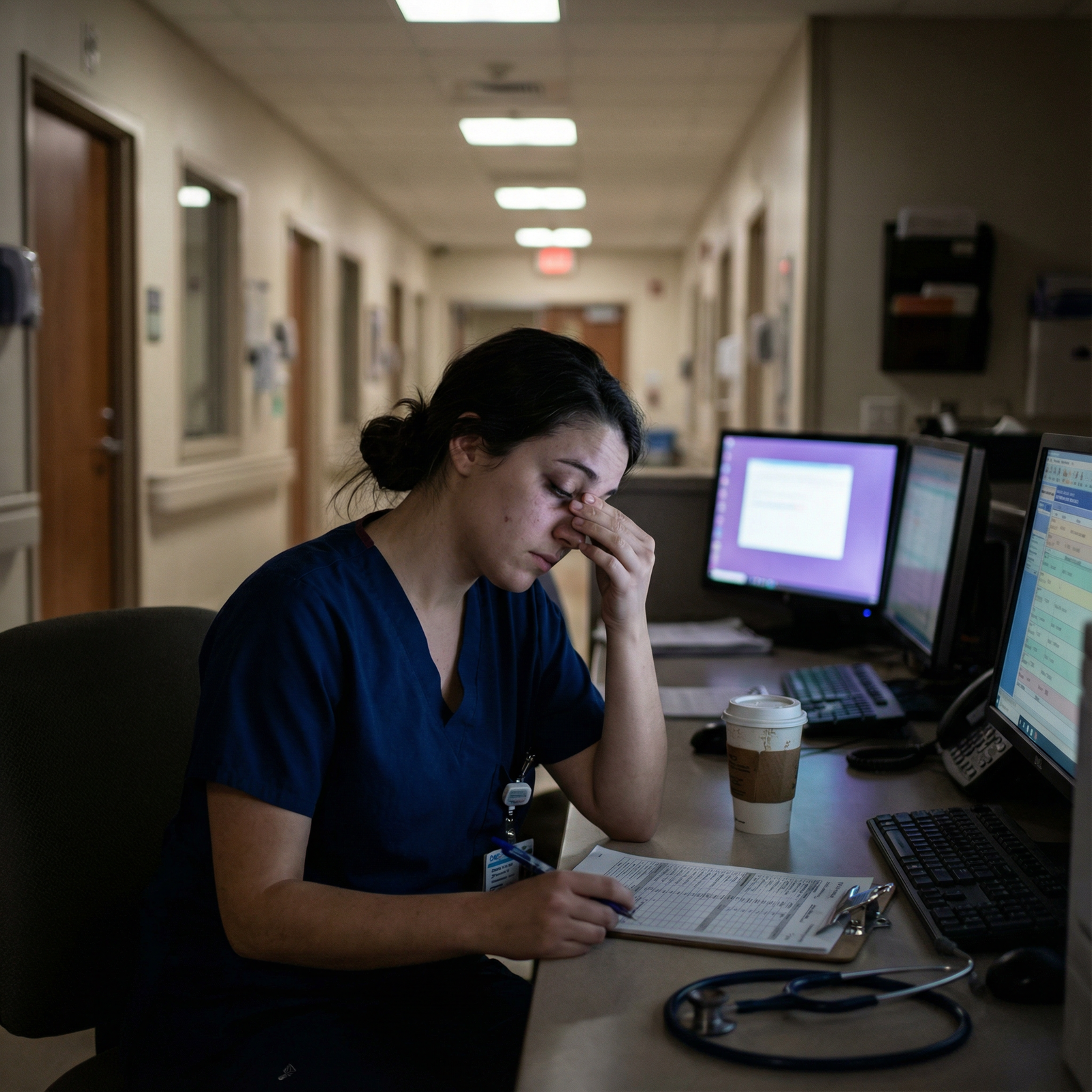
Residency is one of the most intense phases in a medical professional’s training. The combination of long work hours, overnight call, emotionally charged clinical situations, and steep learning curves can rapidly deplete your physical and mental reserves. Fatigue is not just “feeling tired”—it’s a complex state that affects your cognition, mood, performance, and ultimately, patient safety.
Learning practical, evidence-informed fatigue management strategies is now an essential competency for every resident. This guide explores how to manage long hours in residency with a focus on sleep, nutrition, exercise, time management, mental health, and systemic support, so you can protect your health and wellness while delivering safe, high-quality care.
The Reality of Residency Work Hours and Fatigue
Understanding Residency Schedules
Residency schedules vary widely by specialty and institution, but several patterns are common across programs:
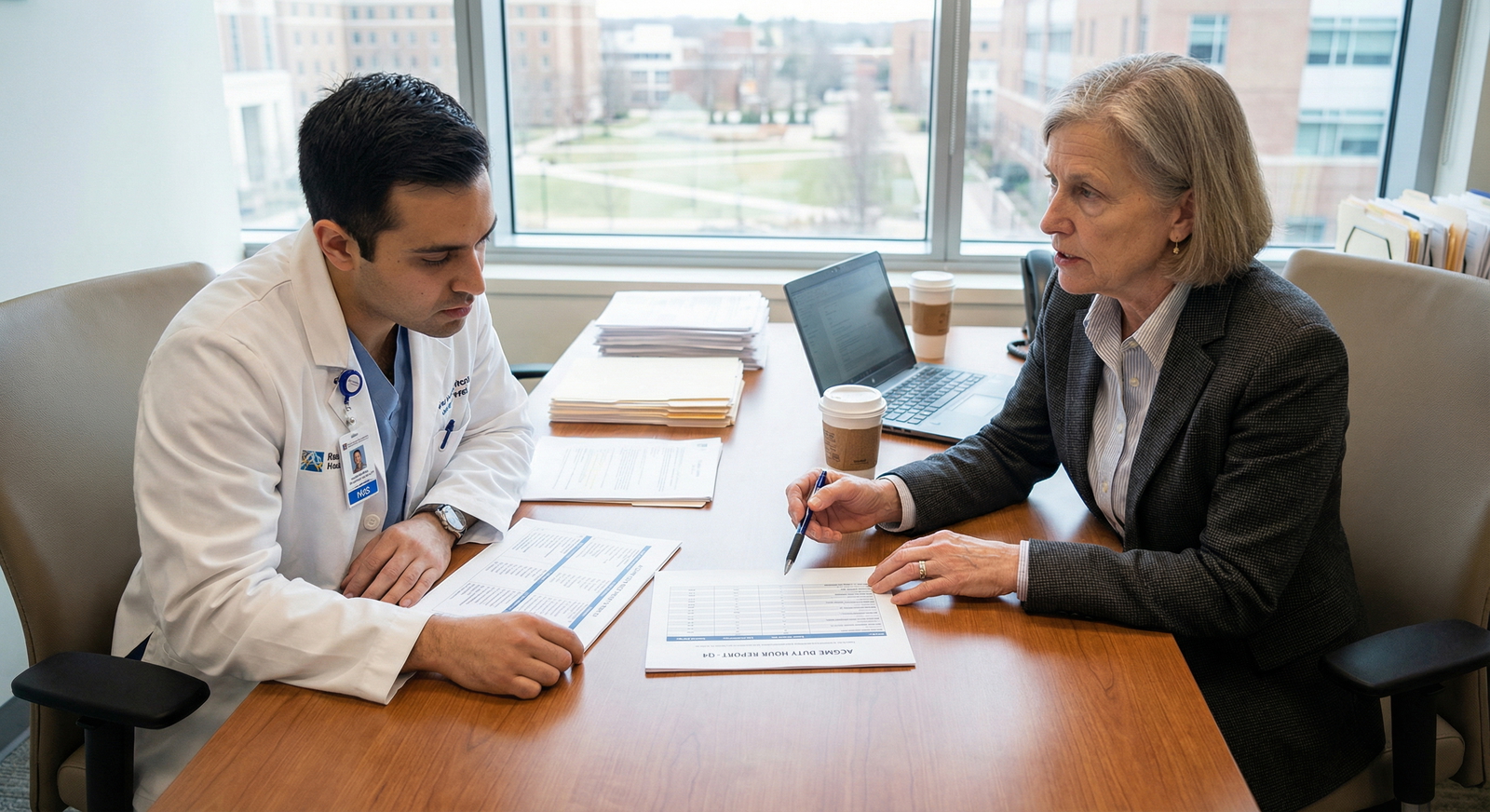
- Workload expectations: Many residents approach the 80-hour workweek cap set by ACGME (averaged over 4 weeks).
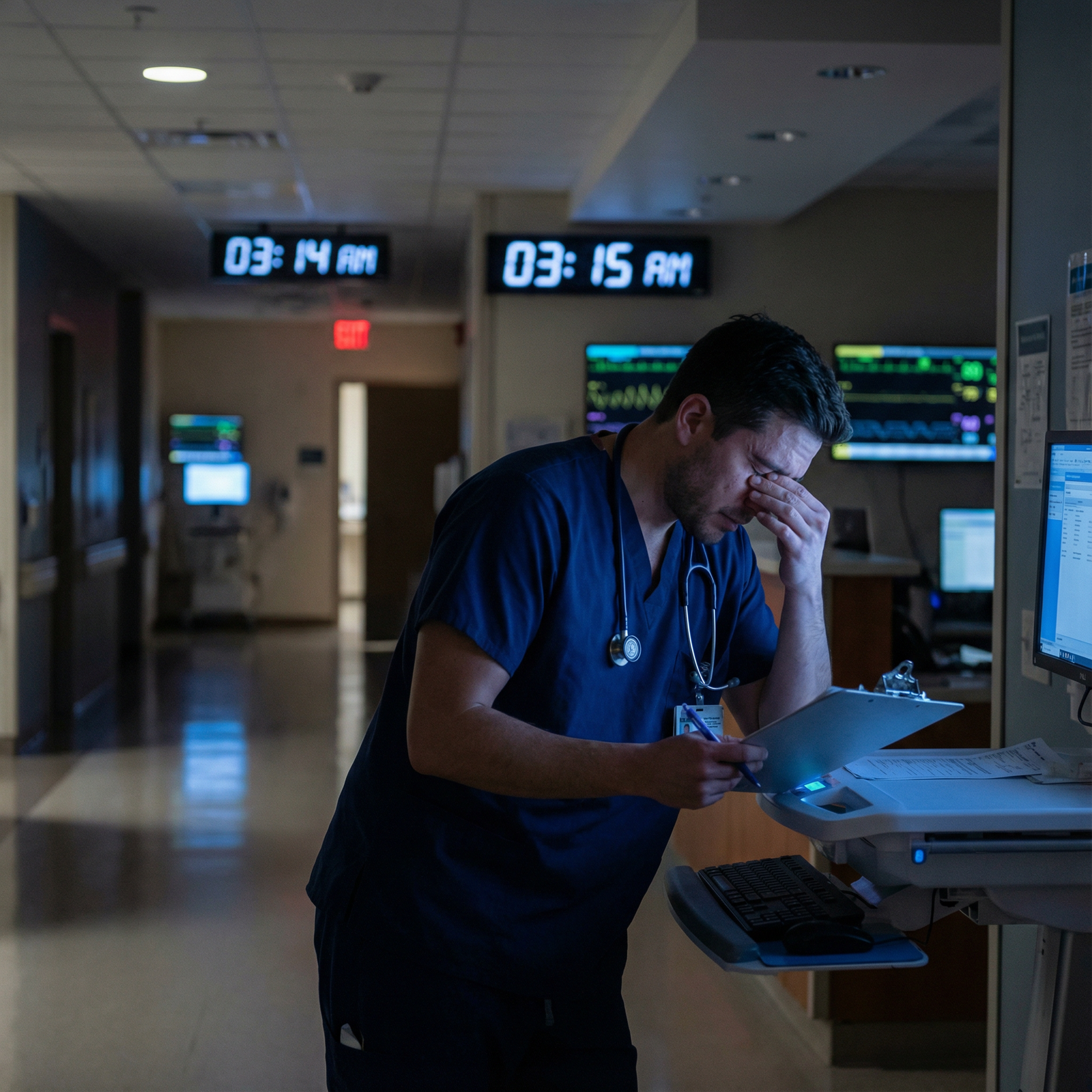
- Extended shifts: Overnight call and 24–28 hour shifts, especially in surgical, ICU, and obstetric rotations.
- Circadian disruption: Rotating day and night shifts, frequent transitions between early mornings and late evenings.
- Unpredictability: Admissions surges, codes, and emergencies that stretch even “lighter” shifts.
Even within duty-hour regulations, the subjective experience can feel overwhelming. Your body and brain are not designed for chronic sleep restriction and frequent circadian disruption, yet that is the reality of much of residency.
Impact on Health, Performance, and Patient Safety
Fatigue in residency is more than inconvenience—it’s a patient safety and health and wellness issue.
Physical consequences:
- Chronic sleep deprivation
- Increased risk of weight gain, hypertension, and metabolic disturbances
- Weakened immune function (more frequent infections)
- Gastrointestinal disturbances from irregular meals and stress
Cognitive and performance effects:
- Slower reaction times and reduced vigilance
- Impaired memory, reasoning, and decision-making
- Higher risk of diagnostic errors and medication mistakes
- Difficulty with multitasking and complex procedures, especially at night
Emotional and social impact:
- Irritability and lower frustration tolerance
- Reduced empathy and compassion fatigue
- Strain on relationships and decreased social engagement
- Increased risk of burnout, depression, and anxiety
Recognizing that fatigue is expected in residency—yet modifiable—is the first step. You may not be able to fully control your schedule, but you can influence how you prepare, respond, and recover.
Core Strategies for Combating Fatigue in Residency
1. Prioritizing Sleep in an Imperfect World
Sleep is the single most powerful fatigue management tool you have. You cannot “power through” chronic sleep deprivation without consequences. The goal is not perfection, but optimization within real-world constraints.
Optimize Sleep Quality (Even When Quantity Is Limited)
When you only have 4–6 hours, the quality of that sleep matters enormously:
- Create a sleep-conducive environment:
- Use blackout curtains or an eye mask to block daylight after night shifts.
- Keep your bedroom cool (around 65–68°F / 18–20°C).
- Use earplugs or white noise apps to reduce environmental noise.
- Establish a brief pre-sleep routine (even 5–10 minutes):
- Gentle stretching, diaphragmatic breathing, or progressive muscle relaxation.
- A warm shower to cue your body that it’s time to wind down.
- Avoid checking your pager or email in bed.
Even in rotating schedules, repeating a simple routine helps train your brain that “this is sleep time now,” regardless of the hour.
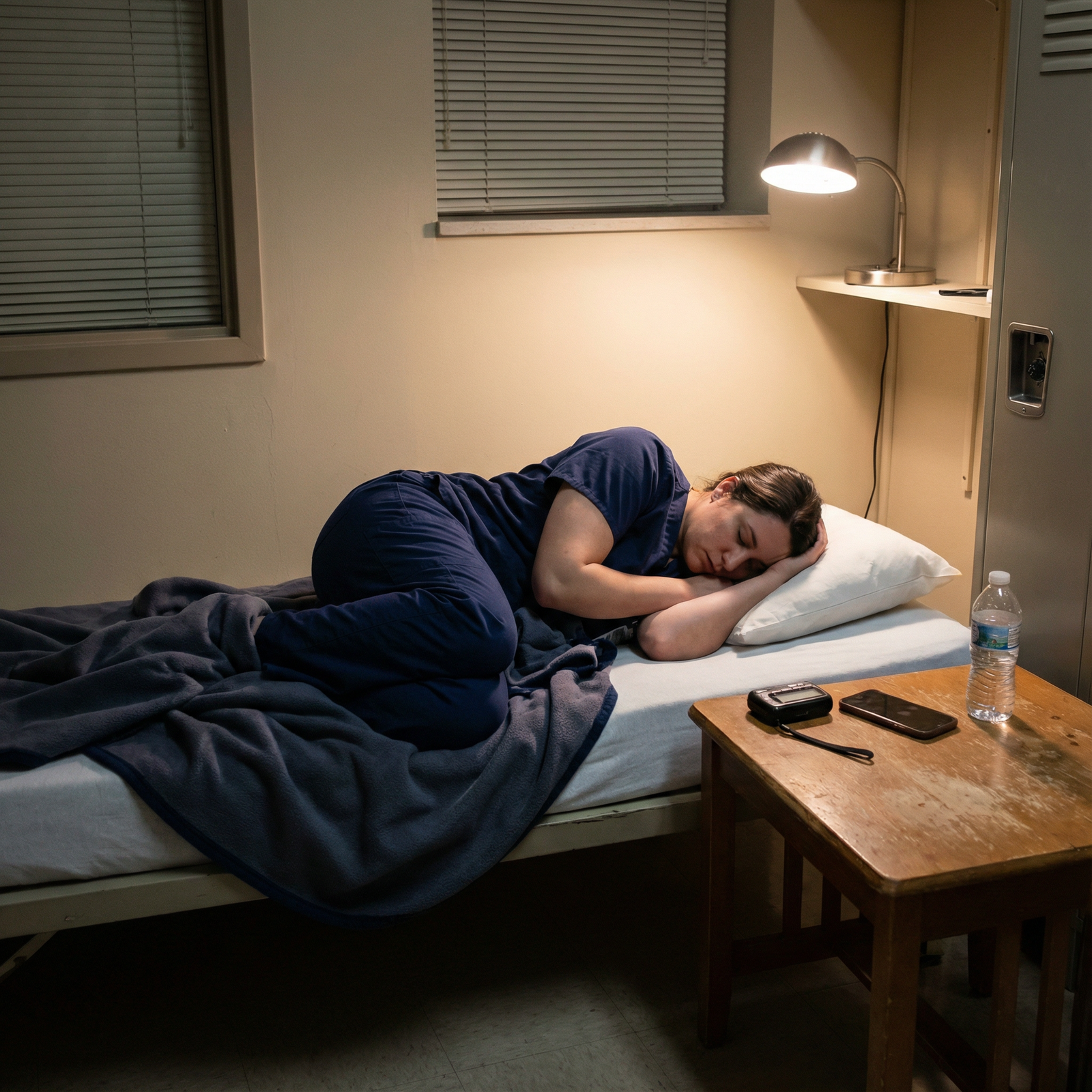
Strategic Napping: Your Residency Superpower
Short, intentional naps can dramatically improve alertness and cognitive performance:
- Ideal nap length:
- 15–30 minutes: boosts alertness with minimal sleep inertia.
- 90 minutes: a full sleep cycle if you have more time (before night shift).
- When to nap:
- Before a night shift: a 60–90 minute nap in the late afternoon or early evening.
- During call: a 15–20 minute “power nap” if patient volume allows and coverage is available.
- Where and how:
- Identify designated nap rooms or quiet spaces in your hospital.
- Use an eye mask and earplugs; set multiple alarms and ask a colleague to page you if needed.
Napping is not a sign of weakness—it is an evidence-based fatigue management strategy used in aviation, transportation, and other safety-critical fields.
Sleep Hygiene for Residents
While ideal sleep hygiene is hard in residency, a few consistent practices help:
- Limit caffeine in the 6 hours before you plan to sleep (especially after night shifts).
- Minimize screen exposure (phone, tablet, laptop) in the 30–60 minutes prior to bed.
- Avoid large meals or heavy exercise right before sleeping.
- Protect your sleep opportunity:
- Ask family/roommates not to disturb you during post-call sleep.
- Silence non-urgent notifications.
You cannot fully “catch up” on chronic sleep loss, but using days off to get closer to 7–9 hours helps restore cognitive function and mood.
2. Nutrition and Hydration: Fueling Performance Under Pressure
What and when you eat significantly affects energy levels, mental clarity, and mood. Residency makes regular, healthy eating challenging, but small changes can pay large dividends.
Build a Practical, Resident-Friendly Eating Plan
Instead of aiming for “perfect” nutrition, aim for consistent, decent choices you can sustain:
- Anchor your day with 1–2 reliable meals (even if they’re at odd hours):
- Example: A substantial breakfast before a long day shift and a lighter meal mid-shift.
- Example: A solid pre-shift meal before a night shift to avoid heavy cafeteria food at 2 a.m.
- Prefer complex carbs + protein + healthy fats:
- Complex carbs: oats, brown rice, quinoa, whole-grain bread.
- Proteins: Greek yogurt, boiled eggs, lean meats, tofu, lentils.
- Healthy fats: nuts, seeds, avocado, olive oil.
- Limit frequent spikes and crashes:
- Minimize reliance on sugary snacks, energy drinks, and soda.
- Replace with nuts, yogurt, fruit, hummus and veggies, or whole-grain crackers.
Master Meal Prep for Residency
Time on a post-call day is precious, but even 1–2 hours of basic prep can set you up for the week:
- Easy batch-cook ideas:
- Sheet-pan roasted vegetables and chicken or tofu.
- Large pot of chili, lentil soup, or curry divided into containers.
- Overnight oats in jars with nuts and fruit for grab-and-go breakfasts.
- Snack strategy:
- Keep a “residency survival stash” in your bag or locker:
- Mixed nuts or trail mix
- Protein bars with simple ingredients
- Shelf-stable milk or soy milk
- Tuna packets or nut butter packets
- Keep a “residency survival stash” in your bag or locker:
- Label containers with dates to avoid waste and make choices easier when exhausted.
Hydration: A Simple but Overlooked Tool
Mild dehydration can mimic or worsen fatigue, headaches, and poor concentration:
- Keep a refillable water bottle at your workstation and in conference rooms.
- Aim to drink a glass of water with each patient care block or between cases.
- Use flavor enhancers like slices of lemon, cucumber, or sugar-free flavor drops if plain water is unappealing.
- Be mindful with caffeine:
- Use it strategically early in your shift to enhance alertness.
- Avoid continuous intake all day or night to prevent jitters and insomnia later.
3. Exercise and Movement: Boosting Alertness and Mood
In residency, “exercise” does not have to mean an hour at the gym. Think movement snacks: brief bouts of activity that improve alertness, mood, and physical resilience.
Short, High-Impact Movement Breaks
Even 5–15 minutes of movement can reset your energy:
- Brisk walks around the hospital during a lull.
- Stair intervals: walk or jog up several flights between tasks.
- Desk exercises: calf raises, seated leg extensions, shoulder rolls while on hold or reviewing charts.
- Simple resistance exercises: squats, lunges, wall pushups in a call room.
These micro-workouts stimulate circulation, release endorphins, and reduce muscle stiffness from standing or sitting for hours.
Building Exercise into Your Routine
When your schedule allows, aim for at least 2–3 longer sessions per week:
- Time-efficient options:
- 20–30 minutes of high-intensity interval training (HIIT).
- A short run, stationary bike session, or brisk walk.
- Yoga or Pilates videos at home for flexibility and core strength.
- Commuter fitness:
- Walk or bike part of your commute if safe and feasible.
- Get off public transport one stop earlier and walk the remainder.
Exercising with co-residents can also provide accountability and social support, which are vital for overall wellness.
4. Time Management and Workflow: Working Smarter, Not Just Longer
Good time management doesn’t eliminate long hours, but it can reduce chaos, decision fatigue, and unnecessary stress.
Prioritize Ruthlessly
Start each day (or shift) by identifying:
- High-priority tasks: critical labs, sickest patients, time-sensitive orders.
- Medium-priority: routine follow-up, documentation that must be completed by end of shift.
- Low-priority: non-urgent messages, nonessential tasks that can be batched or delegated.
Use tools like:
- A small pocket notebook or digital to-do list.
- Structured rounding templates and sign-out checklists.
- EMR “favorites” for commonly used orders and note templates.
Batch and Streamline Tasks
To reduce cognitive switching costs:
- Batch similar tasks (e.g., write all consult notes together; return several calls at once).
- Pre-chart on patients before rounds to reduce scattered note-writing later.
- Use standardized phrases or macros for recurrent documentation elements while maintaining accuracy and personalization.
Set Boundaries and Protect Recovery Time
Work-life balance in residency is imperfect, but boundaries still matter:
- When post-call, truly be off: limit responding to non-urgent work messages.
- Be intentional about off-duty time:
- Schedule specific times for errands, exercise, socializing, and true rest.
- Say no to additional obligations when your fatigue is high or mental health is strained.
- Learn to ask for help:
- Inform your senior or attending if your workload is truly unsafe or unmanageable.
- Share tasks and support each other as a team instead of silently struggling.
Efficient workflow is a form of fatigue management—it reduces the time and energy wasted on disorganization.
The Psychological Side of Fatigue: Mindset, Mental Health, and Resilience
Fatigue is not only physical; it strongly influences your thoughts, emotions, and sense of self-efficacy. Addressing the psychological dimensions of residency is critical for health and long-term sustainability in the medical profession.
Recognizing the Emotional Toll of Long Hours
Common emotional reactions during residency include:
- Feeling overwhelmed, inadequate, or like an “imposter”
- Emotional blunting or depersonalization toward patients
- Irritability with colleagues, staff, or loved ones
- Worry about making mistakes, followed by rumination after shifts
Many of these intensify with sleep deprivation. Recognizing the role of fatigue can help you respond with self-compassion rather than harsh self-criticism.
Practical Mental Skills for High-Stress Clinical Environments
Mindfulness and Brief Reset Techniques
You do not need long meditation sessions to benefit:
- One-minute breathing reset:
- Inhale for 4 seconds, hold for 4, exhale for 6–8 seconds.
- Repeat 4–6 times while washing hands, walking between rooms, or waiting for labs.
- Five Senses Grounding:
- Notice 5 things you can see, 4 you can touch, 3 you can hear, 2 you can smell, 1 you can taste.
- Helpful after a difficult code, bad outcome, or distressing interaction.
These micro-practices reduce sympathetic overdrive, improve focus, and can be woven into your clinical day without interrupting patient care.
Cognitive Restructuring: Challenging Unhelpful Thoughts
Cognitive Behavioral Therapy (CBT) tools can help when you’re caught in negative mental loops:
- Notice thoughts like:
- “I’m a terrible doctor.”
- “Everyone else is coping better than me.”
- “If I ask for help, they’ll think I’m incompetent.”
- Gently challenge and reframe:
- “I am a learning physician, and learning involves making and correcting mistakes.”
- “Most residents feel overwhelmed at times; I’m not alone.”
- “Asking for help is a patient safety behavior, not a weakness.”
Writing these reflections in a small journal or notes app can reinforce healthier thinking patterns.
Reflection and Meaning-Making
Keeping a brief reflective journal can help you:
- Process challenging cases and emotional experiences.
- Record small wins and moments of connection with patients.
- Track patterns in your energy, mood, and triggers for fatigue.
Reflective practice strengthens resilience and professional identity, especially during tough rotations.
Seek Support Early and Often
Mental health is as important as clinical competence:
- Utilize counseling and wellness services if you are:
- Struggling with persistent low mood, anxiety, or intrusive thoughts.
- Not enjoying anything outside of work.
- Having thoughts of self-harm or feeling hopeless.
- Peer and mentor support:
- Talk openly with trusted co-residents about shared challenges.
- Seek mentors who model healthy boundaries and wellness strategies.
- Normalize the idea that taking care of your mental health is part of being a safe physician, not a detour from it.
System-Level Support: Partnering With Your Residency Program
Individual strategies are crucial, but structural factors also matter. Programs play a vital role in promoting health and wellness and safe Fatigue Management systems.
Communicate About Workload and Fatigue
Residents are key data sources about:
- Rotations where duty hours or workload regularly exceed safe levels.
- Call systems that discourage rest or breaks.
- Cultural barriers to asking for help or taking a brief nap.
When safe to do so, raise concerns through:
- Chief residents or class representatives.
- Program leadership meetings.
- Anonymous surveys or feedback forms.
Frame concerns in terms of patient safety, education quality, and long-term sustainability.
Engage in Wellness and Fatigue-Management Initiatives
Many programs are developing structured wellness efforts such as:
- Protected wellness didactics on sleep, burnout, and coping skills.
- Peer support groups and debriefing sessions after critical incidents.
- Access to gym facilities, relaxation rooms, or meditation spaces.
- Formal fatigue risk management policies (e.g., post-call transport support, nap policies).
Participate actively and share feedback on what is genuinely helpful versus performative.
Advocate for a Culture That Supports Health and Work-Life Balance
Culture is shaped by daily behaviors and unspoken norms:
- Support peers who take breaks, use days off, or seek help.
- Avoid glorifying extreme sleep deprivation as a badge of honor.
- Role model appropriate boundaries when you become a senior resident or fellow.
A residency environment that acknowledges human limits and protects health is not only more humane—it’s safer for patients and better for the medical profession as a whole.

FAQs: Fatigue Management and Wellness in Residency
Q1: How many hours of sleep should residents realistically aim for during busy rotations?
Most adults function best with 7–9 hours per 24-hour period, but residency often makes this difficult. Aim to:
- Maximize sleep on off days and lighter rotations.
- Get at least 5–6 hours uninterrupted sleep whenever possible during heavy stretches.
- Use strategic napping to supplement shorter sleep periods.
Think of sleep across a 72-hour window—if you have a particularly bad on-call night, prioritize catching up over the next 1–2 days.
Q2: What are early warning signs that my fatigue is becoming unsafe—for me or my patients?
Warning signs include:
- Difficulty maintaining attention during sign-out or rounds.
- Re-reading the same order or note repeatedly without processing it.
- Increased irritability or emotional lability.
- Slowed reaction time (e.g., delayed response to alarms or pages).
- Near-misses or small errors in orders, prescriptions, or procedures.
- Microsleeps (brief moments of nodding off) at the computer or in conferences.
If you notice these, immediately: - Take a brief break if possible (walk, hydrate, 10–15 minute nap).
- Ask a colleague to double-check high-risk tasks or orders.
- Inform your senior if you are truly not safe to perform a specific task.
Q3: Are there specific foods and drinks that help maintain alertness during night shifts?
Yes—focus on steady energy, not quick spikes:
- Choose:
- Complex carbs (oatmeal, whole-grain toast, brown rice)
- Lean protein (eggs, yogurt, beans, grilled chicken)
- Hydrating foods (fruit, soups)
- Avoid:
- Heavy, greasy meals (burgers, fries, large pizza) that cause sluggishness.
- Excessive sugar and energy drinks that lead to crashes.
For caffeine:
- Use in moderate doses earlier in the shift.
- Avoid high doses in the last 4–6 hours before you plan to sleep after the shift.
Q4: How can I fit exercise into residency without burning myself out more?
Think “minimum effective dose”:
- Target 2–3 short sessions (20–30 minutes) per week of more intentional activity.
- Use movement snacks:
- Take stairs between floors.
- Do 5–10 minutes of stretching after sign-out.
- Walk briskly during phone calls (when clinically appropriate).
Choose forms of movement that genuinely feel good—yoga, walking, short runs, dancing at home—rather than forcing activities you dread. If you’re severely sleep-deprived, prioritize sleep first; then reintroduce exercise as your rest improves.
Q5: What should I do if I feel that my residency program’s culture discourages rest or wellness?
This is a common and challenging situation. Possible steps:
- Start with peer conversations to see if others share your concerns.
- Bring specific, concrete examples to chief residents or wellness committees.
- Emphasize patient safety, education quality, and alignment with ACGME requirements when discussing changes.
- Utilize anonymous feedback mechanisms if you fear retaliation.
- If the environment is consistently unsafe or hostile to wellness, consider discussing options with a trusted mentor, GME office, or national resident support organizations.
Long hours in residency will always be demanding, but they do not have to be destructive. By combining personal strategies—sleep, nutrition, movement, time management, and mental skills—with active engagement in program-level wellness efforts, you can move from constant exhaustion toward a more sustainable, alert, and fulfilling residency experience. The habits you build now will support not only your current performance, but your entire future in the medical profession.