
Finishing "just a few tasks" after handoff is constantly framed as the pinnacle of medical professionalism. You stay late to dot the I's, cross the T's, and make sure the night team doesn't drown. But here is the cold, hard audit reality: compliance systems do not care about your noble intentions. They care about timestamps. The pervasive myth in residency is that these post-handoff tasks are "small," "unavoidable," and "not really residency work." That is fiction. Let's look at what the data actually shows, how ACGME-style concepts translate into brutal compliance audits, and what you need to do instead to protect yourself and your program.
This article is for educational purposes only and is not legal advice. Institutional compliance rules and figures vary, so consult a qualified professional for your specific situation.
Myth #1: "It's Only a Few Tasks" (So It Doesn't Count)
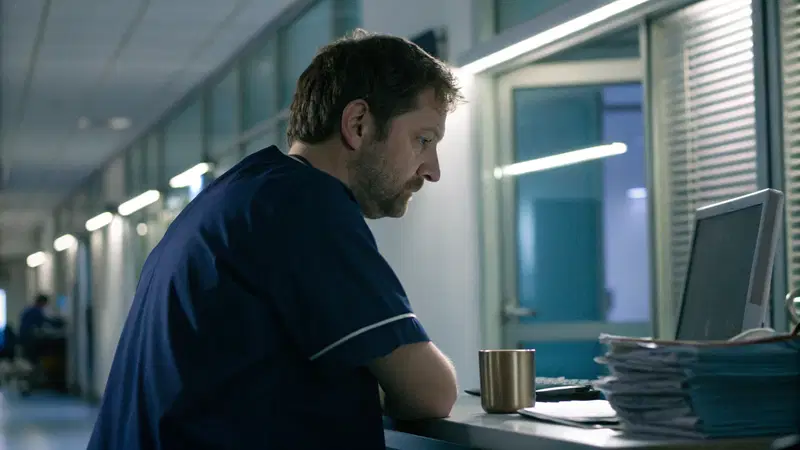
Let's dismantle the time-minimization narrative. When you tell yourself, "It's only a few tasks," you are relying on perception, not reality. Audits look strictly at work performed after official duty handoffs. They do not grade your intentions. What feels like a "quick update" rarely stays quick. You log in to check one lab, which prompts a medication adjustment, which requires a nursing call, which necessitates a progress note addendum. The "few tasks" snowball.
From an audit lens, the total duration and frequency of these sessions matter far more than the raw task count. A pattern of logging in for "just ten minutes" five days a week creates a massive, undocumented footprint. Compliance algorithms flag patterns. If your EMR login timestamps consistently show activity 20 minutes post-handoff, you aren't doing "a few tasks." You are working off the clock. The system doesn't see a dedicated resident tying up loose ends; it sees an unlogged shift extension.
What the Data (and Systems) Actually Measure: Time, Frequency, and Work Character
Compliance bodies and program audits infer duty-hours violations from documented time-on-task and reported behavioral patterns. They aren't guessing; they are pulling metadata. Let's clarify "work character." Reviewing labs, responding to secure messages, placing orders, and preparing care plans are not "administrative fluff." They are clinical care activities. Institutional reporting systems treat this documentation and clinical follow-through as core care delivery.
Here is the contrarian truth that makes residents uncomfortable: even if the work feels like "continuity of care," it still triggers hours accounting concerns. You might argue that checking a critical troponin at 7:15 PM is just being a good doctor. The audit algorithm just sees an EMR interaction outside your logged shift. When you aggregate those "small" additions, the weekly minutes explode. Ten minutes a day is nearly an hour of unlogged work a week. Twenty-five minutes a day pushes you deep into the audit attention zone. The data doesn't care about your moral compass; it cares about the math.
Myth #2: "I'll Finish Now So the Next Person Doesn't Suffer"
I hear this all the time: "I just want to finish this so the night float doesn't get slammed." It sounds noble. It's actually a systemic failure disguised as a moral obligation. Good handoff design should transfer responsibility, not create a hidden after-hours debt. The reality of hospital systems is that the next team inherits the work either way. The only thing that changes is when and how it gets performed and documented.
Look at the contrast in behaviors. Staying late to finish discretionary tasks breeds a culture of extended off-hours completion. It masks systemic understaffing and ruins your own sleep hygiene. Evidence-based professionalism dictates that you can provide a complete, highly detailed sign-out without staying to execute every single item yourself. If you are doing the night team's job before they even clock in, you aren't helping them; you are enabling a broken workflow. Transfer the baton cleanly.
Myth #3: "Documentation Doesn't Count" (Or 'It's Just Administrative')

There is a bizarre, persistent rumor in residency that "charting doesn't count" as work if you're just sitting at a desk typing. Let's kill this myth right now. Documentation that reflects clinical work, updates, order rationales, progress notes, discharge summaries, falls squarely under the umbrella of duty-related activity.
Here is the audit reality: time spent typing orders or notes after handoff is still time spent working. Many modern institutions correlate pager activity, secure chat timestamps, and badge swipes with your EMR documentation timestamps. If you badge out at 6:00 PM but your progress note is signed at 6:45 PM, the system flags the discrepancy. It's that simple. If a clinical event is meaningful enough to chart, it is meaningful enough to be counted as duty hours. Stop treating documentation like off-hours freelancing. It is the legal record of your clinical labor.
Audit-Ready Alternatives: How to Be Thorough Without Working Off-Hours
So, how do you actually be thorough without torpedoing your duty hours? You need a systematic approach to task triage. Doing the "right amount" during duty hours means ruthlessly prioritizing high-risk items, ensuring actionable next steps, and documenting only what absolutely must be completed before sign-out.
First, use structured handoff tools. A messy sign-out forces you to stay late to answer clarifying questions. Build a rigid framework: problem list, contingency plan, what you have already checked (labs, imaging), and explicit ownership for pending items. When the night team knows exactly what to look for and when, they don't need you hovering over your laptop at 7:30 PM.
Second, set explicit boundaries. You must define what can safely wait until the next shift versus what requires immediate escalation. Not every abnormal lab requires a 6:55 PM page to the attending. Know your clinical thresholds. If a task crosses the line into urgent territory, that is an escalation, not a "quick task."
Third, communicate early. This is where most residents fail. If you are drowning and tasks genuinely cannot be finished, escalate to your supervising team during coverage. Do not wait until 5:55 PM to realize you are three hours behind. Ask for help at 3:00 PM. Request task redistribution while you still have backup. Self-assigning after-hours work is a failure of communication, not a badge of honor.
Finally, keep your workflow audit-consistent. Minimize ambiguous off-hours activity. If you must log in for a true emergency, document the time and ensure it is captured in your duty hours log. But for routine continuity? Carry that via handoff, not personal overtime. Your program's compliance officer isn't going to thank you for hiding your hours; they are going to cite the program for a violation. Protect yourself by making your work visible, bounded, and properly transferred.