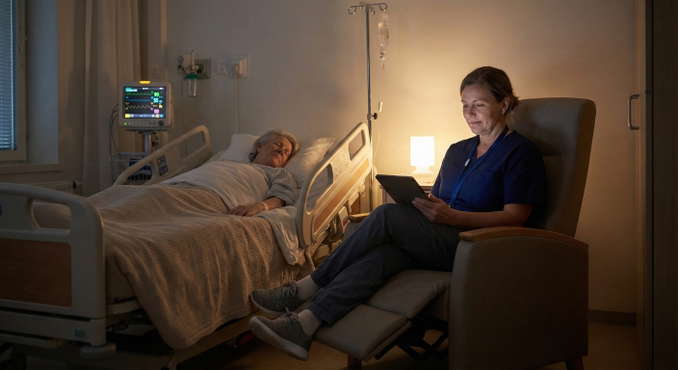
Learn how 18+ hours awake affects resident cognition, diagnostic accuracy, and error rates, and use data-driven strategies to stay safe on call.
47 articles found in 0.89s
Learn how 18+ hours awake affects resident cognition, diagnostic accuracy, and error rates, and use data-driven strategies to stay safe on call.
How resident sleep deprivation (hours slept, hours awake, sleep debt) predicts specific on-call mistakes and medication errors - actionable steps to cut harm.
Does 24-hour call impact patient safety? Data shows intern medication errors increase 2.2x after 20 hours awake. Learn how fatigue affects residency performance.
Discover how weak clinical volunteering impacts med school applications and whether strong stats can make a difference. Get actionable insights now!
Step-by-step workflow blueprint for high-volume telemedicine clinics: optimize scheduling, intake, and templates to boost efficiency and cut after-hours charting
Discover how virtual social hours shape residency ranking decisions, what residents notice, subtle red flags, and how to make a stronger impression.
Prepare for your ICU rotation with a step-by-step sleep plan: shift wake times, control light and caffeine, and reduce fatigue on nights and 24-hr calls.
Spot residency red flags and avoid a bad match: evaluate program culture, workload, and resident insights before finalizing your rank list.
Use these interview-day questions to expose hidden residency workload and burnout. Learn what to ask residents and what answers should make you walk away.
Discover how to assess work-life balance in medical genetics residency. Strategies for a sustainable lifestyle and insights into the genetics match await.