Recognize and manage pager anxiety in physicians: practical strategies to reduce anticipatory stress, improve sleep, and regain off-duty control and resilience.
12 articles found in 5.78s
Recognize and manage pager anxiety in physicians: practical strategies to reduce anticipatory stress, improve sleep, and regain off-duty control and resilience.
Debunk the 'selling out' myth: how pharma jobs - clinical development, medical affairs, and safety - advance patient care and evidence-based decisions.
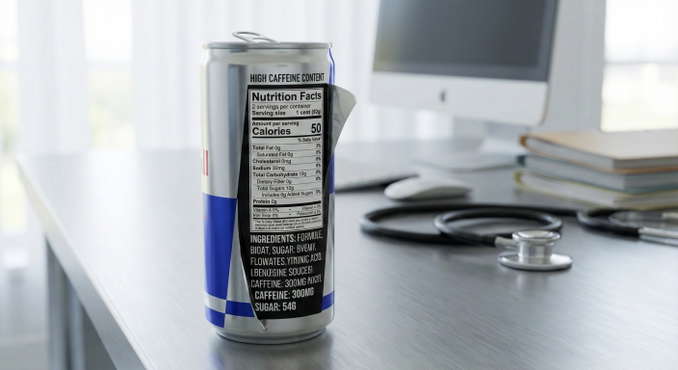
Optimize caffeine timing and dosing for night-shift performance - evidence-based schedules to boost vigilance, reduce errors, and protect post-call sleep.
Explore the day-to-day role of a pharmacovigilance physician: drug safety, signal detection, case review, and regulatory risk management for clinical careers.
Master regulatory medical writing for FDA and EMA submissions: CTD/CSR essentials, FDA vs EMA differences, and realistic career steps for clinicians.
Land your first pharma role in 6 months: a practical roadmap for clinicians to translate experience, build skills, network, and ace interviews.
Decide whether pharma is right for medical students and residents: explore roles, culture fit, timelines, and how to transition into industry.
Night float vs traditional call: how schedules alter resident cognitive performance, vigilance, decision-making, memory, and procedural error risk. Practical tips.
Evidence review of protected nap programs on night shifts: see how scheduled naps improve resident sleep, reaction time, and short-term safety.
Debunk the myth that USMLE Step scores drive pharma hiring. Learn what recruiters prioritize, writing, trials, interviews, and role competencies.