The data on protected night-float naps is not nearly as glowing as people like to claim.
Protected nap programs sound elegant: carve out a guaranteed sleep window, improve performance, reduce errors. The reality from the literature is messier. Some benefits are real, but they are narrower, smaller, and more context‑dependent than most hospital wellness committees admit.
Let’s walk through what the numbers actually show.
What “Protected Nap Programs” Really Are
Before talking outcomes, define the intervention. Studies do not all mean the same thing by “nap.”
Most structured resident nap programs share a few core elements:
- Night shifts, usually 12–16 hours, often in ED, ICU, or wards
- One or two scheduled nap periods, typically:
- Start: between 00:00 and 03:00
- Duration: 20–40 minutes (short nap) or 90 minutes (full sleep cycle)
- Someone explicitly covers your pager or clinical duties
- A designated, darkened nap room
Where they differ:
- Shift length: 12 vs 24+ hours
- Nap duration: “power nap” 20–30 minutes vs 2‑hour blocks
- Frequency: nightly vs a few nights per week
- Basic workload: busy urban trauma center vs lighter community service
That heterogeneity matters. A 30‑minute ED nap during a 12‑hour night is not the same intervention as a 2‑hour call-room block on a 28‑hour ICU shift.
What Outcomes Should We Care About?
If we treat this like a real intervention, there are four outcome buckets that matter:
Objective performance
- Psychomotor vigilance (reaction time)
- Error rates in simulated tasks
- Medication ordering or prescribing errors
Patient safety and clinical outcomes
- Documented medical errors or adverse events
- Near-miss events
- Mortality or ICU transfers (very rare endpoints in these studies)
Physician factors
- Sleep time and sleep efficiency
- Subjective fatigue and sleepiness scales
- Burnout, mood, depressive symptoms
System outcomes
- Coverage gaps
- Handoffs and communication failures
- Resident satisfaction and program feasibility
When you read “nap programs work,” ask: which category? A 20% improvement in psychomotor vigilance is very different from “fewer patient deaths.” The literature rarely reaches that last step.
The Core Data: What Do Controlled Studies Show?
Across randomized and quasi-experimental studies in residents and nurses, three quantitative patterns keep showing up.
1. Naps Increase Actual Sleep Time
This sounds obvious, but it is not trivial. Many “protected” naps get eaten by pages, admissions, or consults if coverage is not real.
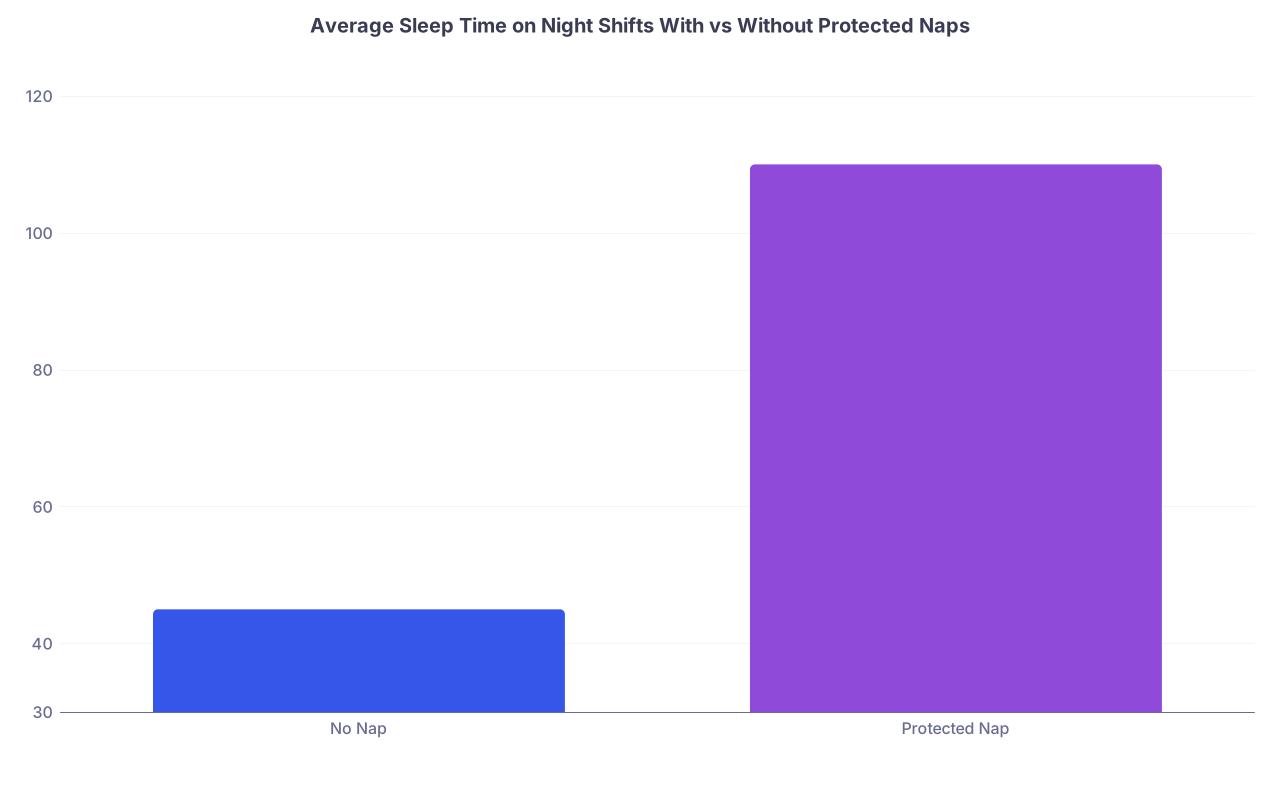
In the better-implemented studies, objective sleep (actigraphy, EEG) or self‑reported sleep looks like this:
| Category | Value |
|---|---|
| No Nap | 45 |
| Protected Nap | 110 |
Residents on traditional 24–28 hour call typically report:
- 30–60 minutes of fragmented sleep, often not in one block
When a true protected 2‑hour block is implemented:
- Total sleep per call night increases to around 90–150 minutes
- Sleep efficiency (time asleep / time in bed) also rises, often >80%
Nurse night-shift data with 20–30 minute naps show smaller but consistent gains:
- No-nap nights: 0–10 minutes sleep
- With structured naps: 20–40 minutes sleep on average
So yes: if the program is enforced, protected naps do what they are supposed to at the basic physiological level. They give you meaningfully more sleep.
2. Reaction Time and Vigilance Improve — A Lot
The cleanest signal in the dataset is on psychomotor vigilance tests (PVT). This is a standard neurobehavioral measure of sustained attention and reaction time. Boring but telling.
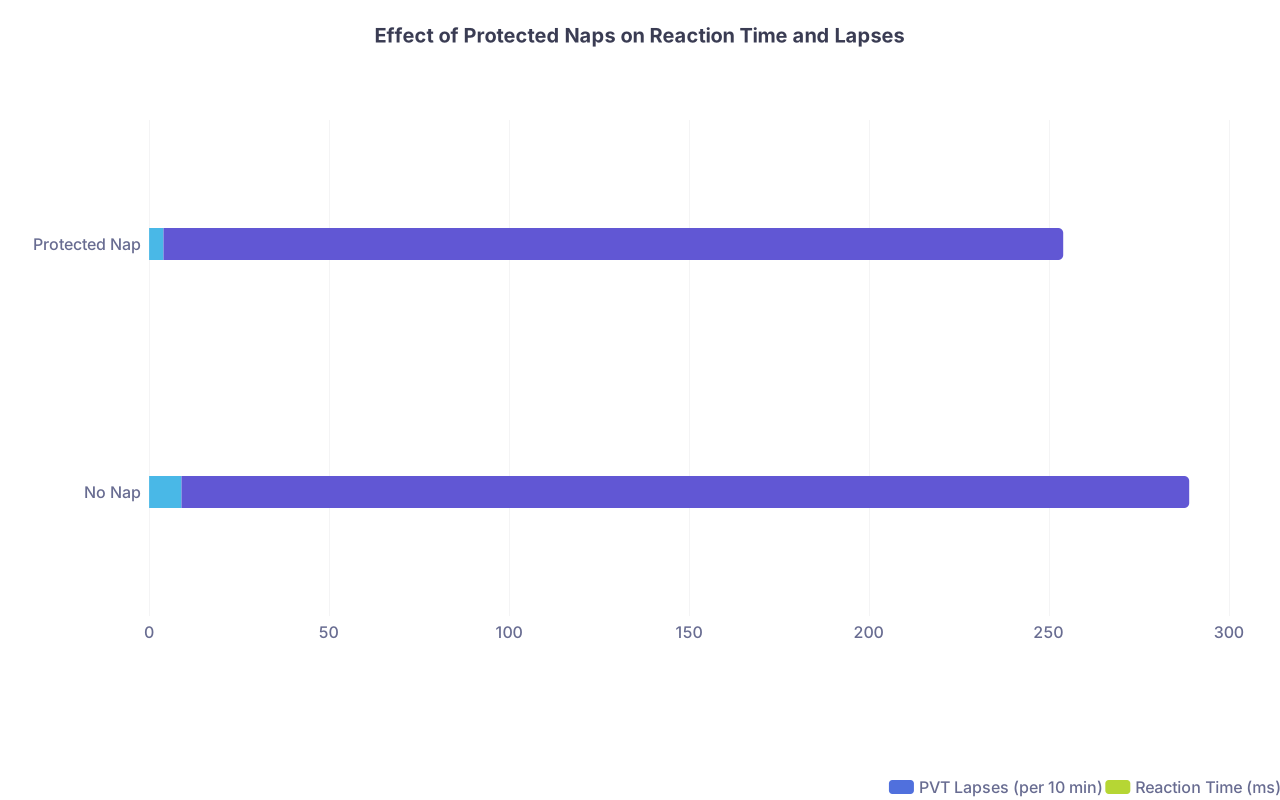
Typical pattern in resident or nurse studies:
- Post‑night PVT lapses (missed responses)
- Post‑night reaction time (ms)
| Category | PVT Lapses (per 10 min) | Reaction Time (ms) |
|---|---|---|
| No Nap | 9 | 280 |
| Protected Nap | 4 | 250 |
Translated:
- Lapses often cut by 40–60%
- Mean reaction times drop by ~20–40 ms
On paper this is roughly equivalent to rolling back the cognitive impact of several hours of wakefulness. That is not trivial. You will catch more alarms, respond faster to a suddenly hypotensive patient, and be less likely to stare blankly at the screen for 3 seconds before clicking “sign.”
However, most of this benefit is acutely time‑locked:
- Best performance gains are seen within ~1–3 hours of the nap
- Beyond that, your performance sinks back as sleep pressure builds
So a 02:00 nap might protect your 03:00–05:00 function, but it will not magically fix a 06:30 pre‑rounding haze after 20 hours awake.
3. Self‑Reported Sleepiness Drops, But Not to “Rested”
Subjective scales (Stanford Sleepiness Scale, Karolinska Sleepiness Scale, Likert-based fatigue measures) show consistent but modest reductions in sleepiness post‑nap.
In broad strokes:
- Residents without naps often rate late‑night or early‑morning sleepiness as 7–8/9
- With a nap, that might drop to 4–5/9 for a few hours
So you will still feel tired. You just will not feel annihilated. That distinction matters when you are about to consent a patient for an urgent procedure.
Protected nap nights also tend to score slightly better on:
- Mood / irritability
- “Ability to concentrate” self‑ratings
- Perceived workload tolerance
This is the least surprising and most internally consistent part of the literature.
The Hard Question: Do Naps Reduce Patient Harm?
This is where the data get thin and the optimism falls apart.
Most resident/physician nap studies are powered for performance and sleep outcomes, not events like wrong-site surgery or unexpected deaths. Those are statistically rare. You would need thousands of shifts across many institutions to detect small differences.
Here is what we see in the limited safety data:
Medication and ordering errors (chart review)
- A few small pre/post implementation studies show non‑significant trends toward fewer errors on nap nights
- Effect sizes are usually in the 10–20% relative reduction range, but confidence intervals cross zero
- Heavy confounding: parallel changes in EMR, staffing, and duty-hours policy
Self‑reported near-miss events
- Surveys of nurses report lower rates of “almost made a serious error” on nights with naps vs nights without
- Again, self-report, recall bias, and culture effects muddy this
Major adverse events (ICU transfers, mortality)
- No high‑quality data showing clear differences attributable solely to nap programs
- When duty hours were changed in large national reforms (e.g., ACGME 80‑hour standards, 16‑hour cap experiments), outcomes were basically flat; naps are a smaller tweak than those
From an analytic standpoint: the absence of evidence is not evidence of absence. But if nap programs were a massive, game‑changing safety intervention, we would expect at least some strong signal to have emerged by now. We do not see that.
The data support this stronger statement instead:
Protected naps clearly improve operator performance metrics and reduce subjective fatigue. The impact on hard patient outcomes is likely positive but modest and currently unproven.
Where Nap Programs Work Best — And Where They Fail
You cannot evaluate “do they work?” without specifying the implementation environment.
High‑Yield Settings
Patterns from the more successful pilots:
True coverage, not fake coverage
- Dedicated cross‑covering resident or nocturnist
- Clear policy that the napper is not to be paged except for life‑threatening emergencies
Predictable workload
- Night admission volume relatively stable
- Few unpredictable “code everything everywhere” nights
12‑ to 16‑hour shifts, not 28‑hour marathons
- Easier to create a 20–40 minute off‑duty window
- Less total sleep debt
In those environments, adherence to the nap protocol is often >70–80% of nights, and you see the cleanest improvements in sleep time and PVT.
Low‑Yield or Failing Settings
You have probably experienced at least one of these:
- “Protected nap” is on paper only; pager still goes off constantly
- No one formally responsible for covering admissions or cross‑cover
- High-acuity unit (e.g., busy MICU) where crises are highly clustered around 01:00–04:00
- One resident covering an entire hospital medicine service; nap means nothing gets done or someone else gets overloaded
Result: adherence plummets to 20–30%. Residents “nap” in theory, but the objective sleep data show they actually fall asleep for <10 minutes or not at all. In those implementations, effect sizes vanish.
This is often the buried finding in the methods and discussion sections: the benefits are proportional to how much real sleep the nap window delivers. No surprise there, but administrators often treat any scheduled block as success.
Trade‑offs: Handoffs, Coverage, and System Risk
Protected naps are not free. You are trading off continuous coverage for rest. The data show specific risks and frictions.
1. Increased Handoffs
Each nap window usually requires:
- One pre‑nap handoff (“I am going to sleep; here is what is active”)
- One post‑nap update
Every handoff is a chance to drop a critical lab, forget a pending result, or miscommunicate code status. Most small studies have not seen large spikes in errors from this, but the risk is intuitive and real.
| Factor | Directional Effect with Naps |
|---|---|
| Resident sleep time | Increases |
| Reaction time | Improves |
| Subjective fatigue | Decreases |
| Handoffs per night | Increases |
| Coverage continuity | Decreases |
2. Coverage Gaps (If Poorly Designed)
A sloppy program creates “soft gaps”:
- Cross-cover resident suddenly looking after double the usual patient load
- ED holds or delays while the only available admitting resident sleeps
- Delayed responses to non‑emergent pages and orders
The data here are mostly qualitative and from workflow audits rather than quantitative outcome measures, but they are consistent: coverage design determines safety more than nap duration.
What the Evidence Means For You As a Resident
Strip away the policy jargon. Here is the honest interpretation for someone working nights:
If your program runs a real protected nap (pager covered, someone else owns admissions for that block), you are likely to get an extra 30–90 minutes of sleep. That will reliably sharpen your attention for a few hours afterwards.
You will still feel tired. You will not turn into a day‑shift version of yourself. But your odds of staring through alarms or missing a subtle change in vitals should drop.
There is no strong evidence that nap programs dramatically reduce major adverse events. The main benefit is to you: your performance, your immediate safety (e.g., post‑shift driving), and probably your long‑term burnout risk.
A “fake” protected nap—no coverage, constant interruptions—is almost pointless. The data mirror experience: no added sleep, no performance gain.
In blunt terms: fight for quality of implementation, not for the existence of a policy PDF.
How to Make a Nap Program Actually Work (Data‑Driven Tactics)
Now the practical side. From the evidence and the operational studies, several design features repeatedly correlate with success.

| Step | Description |
|---|---|
| Step 1 | Start Night Shift |
| Step 2 | Stabilize Admissions |
| Step 3 | Handoff to Covering Resident |
| Step 4 | Nap in Dark Room |
| Step 5 | Wake Up and Brief Sleep Inertia Period |
| Step 6 | Post-nap Handoff |
| Step 7 | Resume Regular Duties |
| Step 8 | Nap Window Open? |
1. Choose Evidence‑Supported Nap Lengths
Data from sleep physiology and field studies converge on two workable approaches:
20–30 minute “power nap”
- Minimizes deep sleep, keeps sleep inertia brief
- Best suited for ED, floor coverage, high-interruption environments
90–120 minute full cycle
- Allows progression through deep and REM sleep
- Heavier sleep inertia but greater total restorative effect
- Works only if you have robust coverage
The worst design is a 45–60 minute nap. Long enough to drop into deep sleep, short enough to wake you in the middle of it. That is where sleep inertia crushes you.
2. Time the Nap Strategically
Performance dips at circadian lows – roughly 02:00–05:00.
Studies suggest that:
- A nap around 00:00–02:00 can blunt the worst of the 03:00–05:00 trough
- A second shorter nap later in the night (e.g., ~04:30) may help for ultra‑long shifts, but implementation in residency is rare
Your aim is to position the highest alertness period where your service’s risk is highest. That might be post‑rounding in some ICUs or around 03:00 in ED resuscitations.
3. Control Sleep Inertia
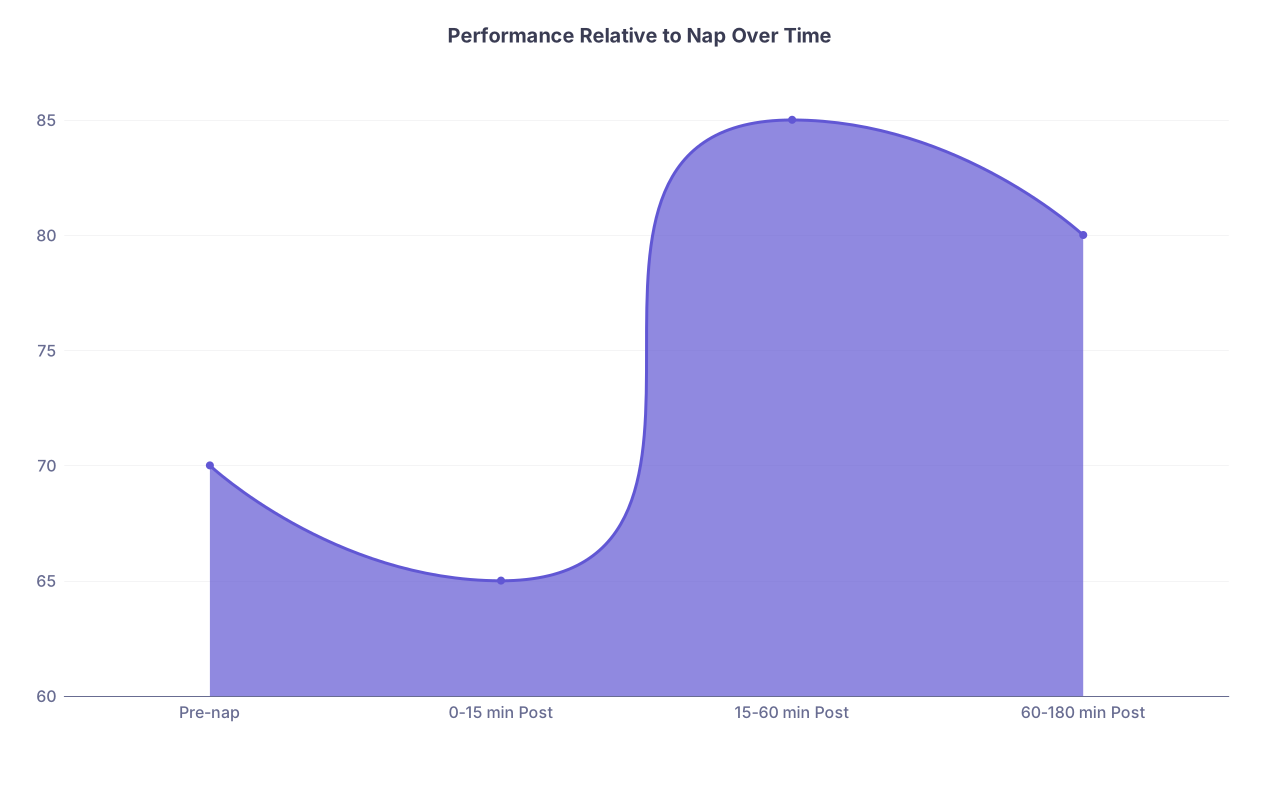
Many nap studies, especially with nurses, note a short window post‑nap where performance can actually dip before surging back up. This is sleep inertia.
Most data put serious inertia at around 15–30 minutes after waking from deep sleep.
Practical implication:
- Protect a 10–15 minute “ramp‑up” period after waking before you do the most safety‑critical tasks
- Use bright light, caffeine, brief movement to accelerate clear‑headedness
- Avoid immediately starting a central line or leading a code 1 minute post‑nap if at all possible
| Category | Value |
|---|---|
| Pre-nap | 70 |
| 0-15 min Post | 65 |
| 15-60 min Post | 85 |
| 60-180 min Post | 80 |
(Values are relative performance index, baseline 70; typical pattern inferred from psychomotor vigilance literature.)
4. Protect the Environment
Several actigraphy studies show that “nap opportunity” does not equal sleep unless the environment is controlled.
Critical elements:
- Dark room (or at least eye mask)
- Limited noise—no blaring codes overhead if avoidable
- Pager handed off, not just on vibrate by your head
- Simple, comfortable surface; this is not a hotel, but a cot > chair
I have seen programs do all the paperwork right and then locate the “nap room” next to the main ED resuscitation bay. Predictably, actigraphy later showed that residents barely slept.
What About Long‑Term Health and Burnout?
This is where the evidence turns speculative but still interesting.
Longitudinal studies of night-shift workers (nurses, industrial workers, airline staff) show:
- Increased risk of cardiovascular disease
- Metabolic syndrome, obesity
- Depression and burnout
Protected naps have not been directly tested as modifiers of these long‑term outcomes over years. No one is following cohorts of residents for a decade with and without nap programs.
However:
- Higher total sleep time on nights generally correlates with lower acute stress biomarkers and better mood
- Short 20–40 minute daytime naps in other populations are associated with better mood, cognitive performance, and maybe reduced cardiovascular risk, as long as they are not excessively long
So the most defensible position: nap programs probably nudge risk in the right direction but are not a magic shield against the chronic damage of circadian disruption. They are necessary but not sufficient.
Driving Home: Post‑Shift Safety
One of the more practical and under‑discussed findings: night-shift naps reduce post‑shift driving risk.
Simulated driving studies and real‑world data (nurses leaving night shifts) show that:
- Subjects who napped during the night demonstrate fewer lane deviations and off‑road events in simulators
- Self‑reported “almost fell asleep at the wheel” events decline
Given the number of residents who have white‑knuckled their way home at 09:30 after a 28‑hour call, this might be one of the strongest real‑world safety arguments for protected naps.
If your program is unwilling to shorten shifts but is open to naps, you should absolutely anchor your advocacy on post‑shift driving data. Administrators understand liability risk.
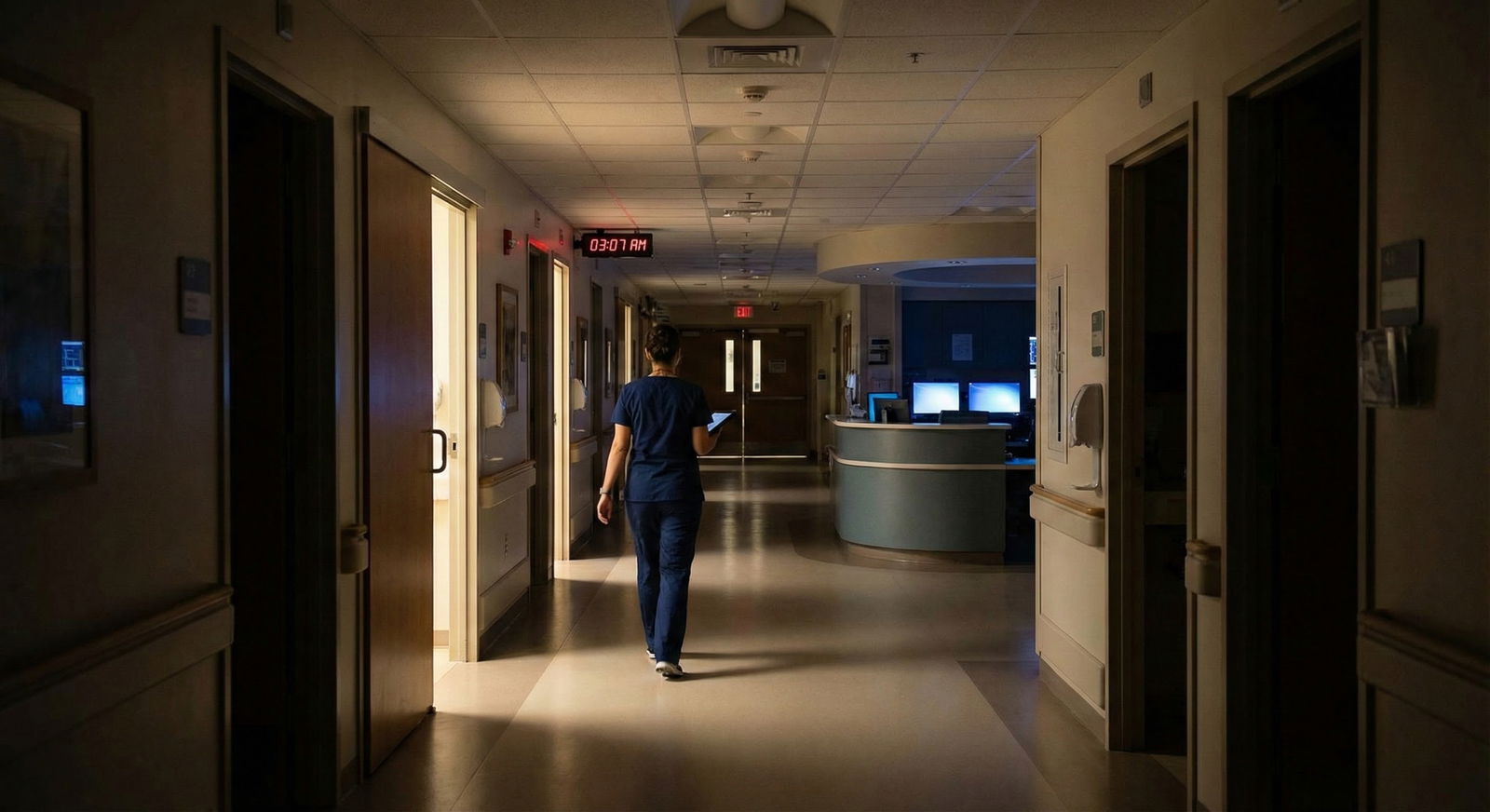
Where I Land on the Core Question
If you force me to boil the evidence down to a single sentence:
Protected nap programs “work” on nights for improving resident performance and reducing acute fatigue, but there is no solid proof they dramatically improve patient-level outcomes, and their value depends heavily on rigorous implementation.
In other words:
- As an individual resident, you are better off with a well‑run protected nap than without one.
- As a hospital, you should not pretend a nap policy alone solves night-shift safety or wellness. It is one small part of a larger system redesign.

FAQs
1. Is a short “power nap” or a longer 1–2 hour nap better for night shifts?
Data show both can help, but they serve different purposes. A 20–30 minute nap is easier to fit into busy shifts and carries less sleep inertia, so performance rebounds quickly. A 90–120 minute nap gives more total restorative sleep and better cognitive recovery but requires robust coverage and careful handling of the groggy period right after waking.
2. Do protected nap programs reduce medical errors?
The evidence is suggestive but not definitive. Small studies show improved psychomotor vigilance and fewer self‑reported near misses, but chart‑reviewed error reductions are modest and often not statistically significant. There is no large, multi-center trial proving a strong reduction in major adverse events purely from nap programs.
3. How much sleep do residents actually get on call with a protected nap?
In well‑implemented 24–28 hour call systems, residents often move from roughly 30–60 minutes of fragmented sleep to around 90–150 minutes of more consolidated sleep during a night with a protected nap block. In 12–16 hour night-float systems using 20–30 minute naps, actual extra sleep is usually in the 20–40 minute range.
4. Does a nap during nights make it harder to sleep after the shift?
Most studies in residents and nurses do not report major post-shift insomnia from short or moderate naps during the night. Your overall sleep debt is usually large enough that you fall asleep after the shift without much difficulty. Extremely long naps near the end of the shift could theoretically push back daytime sleep onset, but that pattern is not common in the structured programs studied.
5. If my institution has a “fake” nap program with no real coverage, is it still worth trying to nap?
The data say probably not. When pagers continue to go off and residents cannot disengage from clinical duties, objective sleep during the “nap” window is often minimal or absent, and performance benefits disappear. In that scenario, your energy is better spent pushing for real coverage and environmental controls so that any scheduled nap time translates into actual sleep.
Key points: Protected naps increase real sleep and sharpen performance for a few hours, they have unclear but probably modest benefits on patient outcomes, and their effectiveness lives or dies on implementation details—coverage, timing, and environmental control.