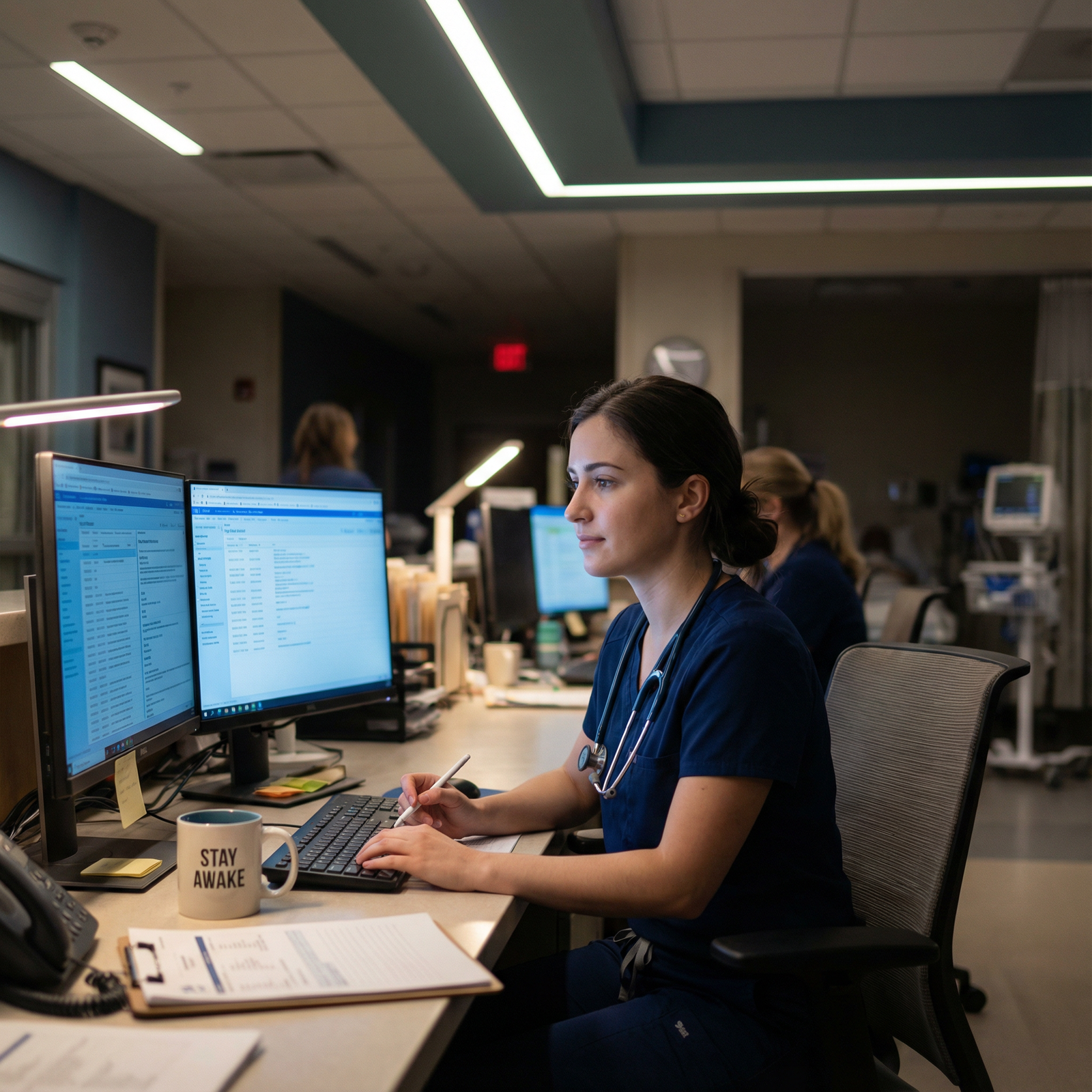
Night Owls Unite: Advanced Strategies to Thrive on the Night Shift
Working the Night Shift is a reality for many professionals—especially in healthcare, law enforcement, transportation, emergency services, and essential industries. For residents and medical students, night float and overnight calls become defining parts of training. The night shift can impact Health and Wellness, Sleep Optimization, and Work-Life Balance in profound ways, but with the right strategies, you can protect your body, mind, and relationships—and even learn to enjoy nocturnal work.
This guide expands on core principles from sleep medicine, occupational health, and real-world experience from shift workers. It’s designed especially for healthcare trainees but applies to anyone navigating life after dark.
The Unique Challenges of the Night Shift: What You’re Really Up Against
Night work is more than just “being awake at a different time.” It fundamentally shifts how your brain and body function.
1. Circadian Rhythm Disruption
Your circadian rhythm is your internal 24-hour clock, synchronized mainly by light. It influences:
- Sleep–wake patterns
- Hormone release (melatonin, cortisol)
- Metabolism and appetite
- Body temperature
- Cognitive performance
Night Shift schedules fight this internal clock. At 3:00 AM, your brain is wired for deep sleep, not critical decision-making in a resuscitation bay or ICU. Chronically working against your circadian rhythm can lead to:
- Difficulty falling or staying asleep after a shift
- “Jet lag” symptoms—headache, irritability, brain fog
- Impaired attention, memory, and reaction times
For residents, this means higher risk for fatigue-related errors, slower learning, and emotional burnout if not actively managed.
2. Social Isolation and Relationship Strain
When your “day” starts at sunset, everyday routines become harder:
- Missing dinners, holidays, or morning school runs
- Being asleep when friends and family are awake
- Not overlapping with day-shift colleagues and faculty
This can lead to loneliness, feeling “out of sync” with the rest of the world, or guilt about not being as present at home. For trainees, it may feel like your non-medical life is on pause.
3. Health Risks of Long-Term Night Work
Research links chronic Night Shift work (especially rotating shifts) with increased risks of:
- Metabolic issues: weight gain, insulin resistance, diabetes
- Cardiovascular disease: hypertension, coronary artery disease
- Gastrointestinal problems: reflux, irritable bowel symptoms, poor appetite regulation
- Mood disorders: anxiety, depression, burnout
These risks are modifiable. While you can’t fully eliminate them, Sleep Optimization, Nutrition, activity, and stress management make a measurable difference.
4. Sleep Disorders and Chronic Fatigue
Common sleep-related consequences of Night Shift work:
- Insomnia symptoms: difficulty initiating or maintaining daytime sleep
- Shift Work Sleep Disorder (SWSD): excessive sleepiness on shift + insomnia when trying to sleep
- Fragmented sleep secondary to noise, light, family demands, or call-backs
Chronic fatigue doesn’t just affect your mood—it directly impairs performance, empathy, and safety (including driving home post-call).
5. Operational and Workplace Challenges
Overnight work often means:
- Reduced staffing and fewer support services
- Delayed consults or imaging options
- Higher responsibility with fewer supervisors physically present
- Fewer hands during acute events (codes, traumas, emergencies)
For residents, this is often where autonomy accelerates—but also where stress and error risk can climb.
Understanding these challenges is the first step. The goal isn’t just to “get through” nights—it’s to develop a sustainable Night Shift survival plan that protects your Health and Wellness now and long term.
Optimize Your Sleep Environment: Build a Daytime Sleep Sanctuary
You cannot thrive on nights if your sleep is consistently poor. High-quality, well-protected sleep is your primary protective factor.
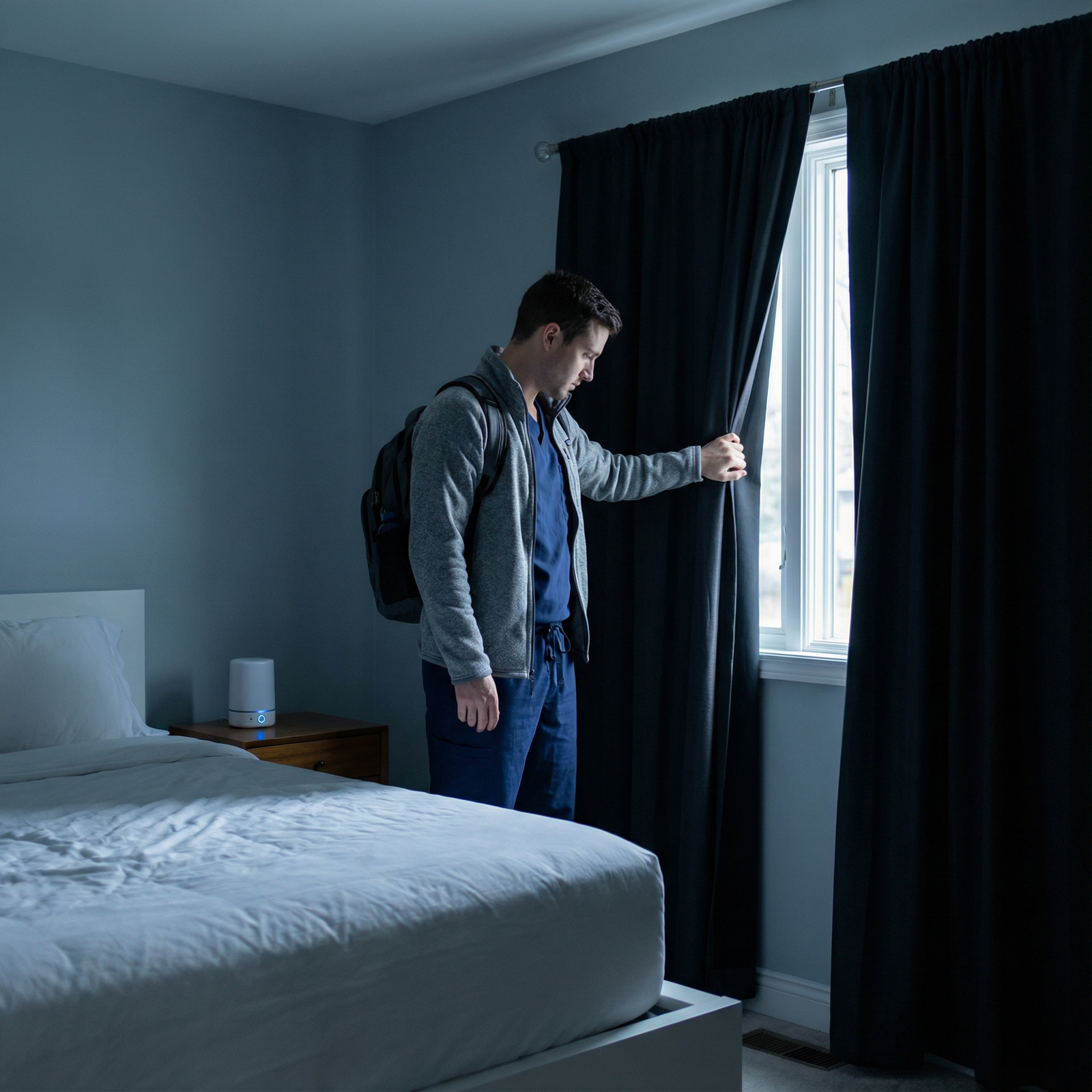
1. Make Your Bedroom a Cave
To align your daytime sleep with your biology, mimic nighttime conditions:
Block all light
- Install blackout curtains or use a sleep mask
- Cover LED lights (chargers, electronics) with opaque tape
- Avoid checking your phone in bed—blue light suppresses melatonin
Control temperature
- Aim for a cool room (about 60–67°F / 15–19°C)
- Use breathable bedding and moisture-wicking sheets
Minimize noise
- Use white noise or fan apps to mask daytime traffic or household sounds
- Consider foam earplugs if safe and comfortable
- Communicate clear “quiet hours” with roommates or family
Invest in comfort
- A supportive mattress and pillows matter even more when sleep is limited
- Keep a consistent, relaxing scent (e.g., lavender, eucalyptus) if you find aromatherapy helpful
2. Protect Your Sleep Like a Procedure
Approach sleep the way you would a time-sensitive consult or procedure:
- Silence non-urgent notifications during your core sleep block
- Create a visible signal (door sign, text to family) that you are sleeping
- Batch errands and tasks outside of your protected sleep time
Treating your sleep as negotiable quickly leads to accumulating sleep debt, which is especially dangerous in clinical work.
Build a Consistent Night Shift Routine: Align Your Internal Clock
1. Keep a Stable Sleep–Wake Schedule When Possible
The more your schedule bounces, the harder it is for your body to adapt.
On blocks of nights (3+ in a row)
- Try to keep a consistent sleep time (e.g., 8:30 AM–2:30 PM + nap)
- Avoid fully “flipping back” to day schedule on short days off
On sporadic or rotating nights
- Use strategic naps and partial shifts in timing rather than full reversals
- For example, on an off day between nights, sleep from 3:00 AM–10:00 AM instead of 11:00 PM–7:00 AM
Even imperfect consistency is better than constantly swinging between full day and night patterns.
2. Use a Pre-Shift and Post-Shift Ritual
Rituals help your brain understand, “Now we’re working” or “Now we’re winding down.”
Pre-Shift (60–90 minutes before work):
- Light, balanced meal or snack
- Brief movement (walk, stairs, light stretching)
- Bright light exposure (sunlight or a 10,000 lux lightbox for 20–30 minutes)
- Review your plan for the shift (pending tasks, sign-out priorities, personal goals like “drink water every 2 hours”)
Post-Shift (the first hour after leaving):
- Use sunglasses outdoors to reduce bright light exposure on your commute
- Avoid heavy meals, intense workouts, and emotionally charged conversations
- Develop a short relaxing routine when you arrive home: shower, light snack, stretch, then into your dark, cool bedroom
3. Coordinate Meals, Exercise, and Social Life
Try to stabilize other daily anchors:
- Meals: Eat at roughly the same “times” relative to your shift (e.g., main meal before shift, lighter snacks overnight, small meal before bed).
- Exercise: Set consistent days/times for workouts (e.g., short sessions after waking up, not right before sleep).
- Social Time: Plan recurring calls, breakfasts, or brief meetups so relationships don’t become entirely ad hoc.
Routine builds predictability, which your body and brain both appreciate during Night Shift rotations.
Nutrition and Hydration: Smart Fueling for Overnight Performance
The Night Shift disrupts normal hunger cues and metabolism. Mindful Nutrition can improve alertness, digestion, and long-term Health and Wellness.
1. Plan Your “Night Shift Eating Map”
Think of your shift in phases:
Before shift (1–2 hours prior)
- Eat a balanced meal with complex carbs, lean protein, and healthy fats
- Examples:
- Brown rice, grilled chicken, veggies
- Whole-grain wrap with hummus, turkey, greens, and avocado
Early shift (first 2–4 hours)
- Small snack if needed: Greek yogurt, fruit, nuts, cheese stick, or veggie sticks with hummus
Circadian low (around 2:00–5:00 AM)
- Avoid heavy, greasy foods that worsen sleepiness and GI upset
- Choose light, protein-rich snacks like boiled eggs, cottage cheese, a small handful of nuts, or an apple with peanut butter
End of shift
- If you’re very hungry, take a light, simple snack before bed (e.g., small bowl of oatmeal, banana, or toast with nut butter) to avoid sleeping on an uncomfortably full stomach
2. Hydration Without Overdoing Caffeine
Hydrate steadily
- Aim for regular sips of water; consider a 1–2 liter bottle per shift
- Electrolyte packets may help if your shift is long or physically demanding
Use caffeine strategically
- Front-load caffeine in the first half of your shift
- Avoid caffeine in the last 4–6 hours before planned sleep
- Swap late-shift coffee for water or herbal tea
3. Avoid the Common Pitfalls
Try to limit:
- Large, greasy meals from fast-food runs at 2:00 AM
- Constant grazing on sweets from the break room
- Energy drinks loaded with sugar and excessive caffeine
Even small, consistent Nutrition improvements can stabilize energy and reduce post-shift crashes.
Nap Like a Pro: Using Sleep Bites to Protect Performance
Strategic napping can dramatically improve alertness and cognitive performance on Night Shift—even if your total sleep hours aren’t perfect.
1. Types of Helpful Naps
Pre-Shift Nap (20–90 minutes)
- Especially useful before your first night in a series
- Short (20–30 minutes) if you need to wake up sharp
- Longer (60–90 minutes) if you have time to complete a sleep cycle
Mid-Shift Power Nap (10–20 minutes)
- If your department allows, a brief nap on break during your circadian low (2:00–4:00 AM) can restore alertness
- Set an alarm and keep it short to avoid sleep inertia
2. Nap Hygiene in a Busy Clinical Environment
- Keep a small sleep kit: eye mask, earplugs, light blanket or jacket
- Find a designated call room or quiet space if available
- Communicate with colleagues so patient care is covered and you’re reachable for emergencies
Naps are a performance tool, not a sign of weakness. They are widely recommended in safety-sensitive industries such as aviation and transportation—and medicine is no less safety-critical.
Stay Physically Active: Movement as a Buffer Against Night Work
Regular physical activity supports Sleep Optimization, mood stability, metabolic Health and Wellness, and resilience—all of which are stressed by the Night Shift.
1. Micro-Movement During Shifts
- Take the stairs for 1–2 floors when time allows
- Use brief lulls to walk the hall or do gentle stretches
- Do shoulder rolls, neck stretches, or calf raises at the workstation
Small episodes of movement increase circulation, reduce stiffness, and can help keep you awake during slower parts of the night.
2. Exercise Timing and Intensity
Right after waking:
- Light-to-moderate exercise (e.g., brisk walk, short run, yoga) helps you feel more alert as you head into shift
Avoid right before bed:
- Intense workouts within 2–3 hours of planned sleep can make it harder to wind down
Be realistic in residency:
- Aim for 2–4 shorter sessions per week rather than an all-or-nothing approach
- Even 15–20 minutes of resistance bands or bodyweight exercises at home is meaningful
Over time, regular activity improves sleep depth and quality, making you more resilient to circadian disruption.
Protect Your Mental Health and Social Life: Surviving and Connecting as a Night Owl
Emotional Health and Work-Life Balance can erode quietly during repeated night blocks. Intentionally nurturing your mental health and relationships is as important as managing sleep and Nutrition.
1. Build Your “Night Owl” Community
- Connect intentionally with other Night Shift colleagues
- Share strategies, snacks, and a sense of camaraderie
- For residents, debrief difficult cases and emotional events with peers or senior residents
Feeling like part of a team reduces isolation and burnout.
2. Maintain Key Relationships on a Different Schedule
Plan standing “touch points” with loved ones
- Breakfast with a partner after your shift before bed
- Quick video calls after you wake up and before you head in
- Weekly scheduled calls with family or friends
Clearly communicate your schedule
- Let people know when you’re reliably awake and available
- Share your night block calendar in advance
3. Incorporate Mindfulness and Stress Management
Brief practices on shift:
- 2–5 minutes of slow breathing (e.g., inhale 4 seconds, exhale 6 seconds)
- Grounding exercises between difficult cases
Off-shift decompression:
- Journaling, reading, light stretching, or a warm shower before sleep
- Regular mental health check-ins: “How am I really doing?”
Professional support:
- If you notice persistent anxiety, depressed mood, irritability, or emotional exhaustion, seek counseling or faculty/mentor support early rather than waiting for a crisis
Mindfulness and emotional hygiene are not luxuries; they’re protective tools in demanding training environments.

Use Technology Intentionally: Tools That Support, Not Sabotage
Technology can either support your Night Shift survival or quietly impair your Sleep Optimization.
1. Apps and Tools That Help
- Task management
- Simple to-do apps or electronic sticky notes for cross-cover calls, pending labs, and to-remember items
- Hydration and movement reminders
- Timers or smartwatch alerts every 60–90 minutes to drink water or stretch
- Sleep tracking (with caution)
- Wearables or sleep apps can provide trends, but don’t obsess over exact numbers
- Focus on how you feel, not just data metrics
2. Manage Screens and Blue Light Exposure
- On shift:
- Use blue light filters at night to reduce eye strain
- Off shift:
- After work, minimize screen time before bed
- If you use your phone in bed, activate night mode and keep brightness low
Your goal is to leverage technology to support safety, organization, and health—without letting it erode your ability to disconnect and rest.
Special Considerations for Residents and Trainees
Night Shift work in residency adds extra layers of complexity.
1. Learning During Nights
- Set 1–2 realistic learning goals per shift (e.g., “Review sepsis guidelines,” “Practice interpreting chest X-rays”).
- Use quiet moments to read quick summaries or guidelines rather than starting dense chapters.
- Ask senior residents or attendings to debrief interesting or challenging cases—this anchors learning to real experiences.
2. Safety: Commuting After Nights
- If you feel drowsy driving home:
- Take a 15–20 minute nap at the hospital before leaving
- Consider carpooling or using public transport/ride-share if possible
- Watch for microsleeps, drifting, or trouble focusing—these are red flags.
3. Advocating for Yourself
- If you are consistently unsafe-level fatigued, talk with your program leadership or wellness team.
- Document patterns (e.g., multiple 28-hour calls with inadequate recovery) if they’re affecting your performance or health.
- Use institutional resources: resident wellness programs, occupational health, or sleep medicine referrals when needed.
Frequently Asked Questions (FAQ)
1. How many hours of sleep should I aim for when working Night Shift?
Aim for at least 7 hours of total sleep within a 24-hour period, even if it’s split. Many shift workers use:
- One main sleep block (4–6 hours) after the shift
- Plus a shorter nap (60–90 minutes) before or during the shift
If you are regularly getting fewer than 6 hours, monitor for daytime sleepiness, mood changes, and performance issues, and adjust your schedule or seek help.
2. Is it better to completely switch back to a day schedule on days off?
It depends on your schedule:
For long stretches of nights (≥1–2 weeks):
- Many people do better maintaining a partial night schedule to avoid constant circadian flipping.
For sporadic nights or short blocks:
- Use strategic naps and moderate schedule shifts instead of fully flipping both ways.
Experiment and see what leaves you feeling most rested and functional. Consistency, even partial, generally helps.
3. Are there medications or supplements that help with Night Shift sleep?
Some people use:
- Melatonin: Low doses (0.5–3 mg) taken 1–2 hours before daytime sleep can help in some cases.
- Caffeine: Used early in the shift only.
However:
- Avoid self-prescribing sedatives or stimulants.
- If you’re considering melatonin, sleep aids, or wake-promoting agents (e.g., modafinil), discuss with a physician or sleep specialist—especially in training, where licensing and safety are critical.
- Focus first on behavioral strategies and environment optimization.
4. How can I tell if I might have Shift Work Sleep Disorder?
You may have Shift Work Sleep Disorder (SWSD) if, for at least a month:
- You experience excessive sleepiness during work (e.g., struggling to stay awake, microsleeps)
- AND insomnia or difficulty sleeping when you have the chance to sleep (daytime for night workers),
- AND these symptoms impair work performance, mood, or safety.
If this sounds like you, seek evaluation from occupational health, a sleep medicine clinic, or your primary care clinician. Treatment may involve schedule adjustments, behavioral strategies, light therapy, and sometimes medications under supervision.
5. How can I maintain Work-Life Balance when most of my life is work and sleep?
For Night Shift workers—especially residents—Work-Life Balance rarely means equal time. Instead, aim for intentional time:
- Protect a few hours per week for something that is only for you (hobbies, exercise, creative outlets).
- Schedule small but consistent relational moments (shared breakfast, walks, short calls).
- Set boundaries: it’s okay to say no to non-essential obligations during demanding night blocks.
Balance across a week or month—not every day—often feels more realistic and sustainable.
Thriving on the Night Shift is absolutely possible. With deliberate Sleep Optimization, smart Nutrition, thoughtful routines, and intentional attention to your mental health and relationships, you can turn night work from a drain into a manageable—sometimes even rewarding—part of your professional journey.