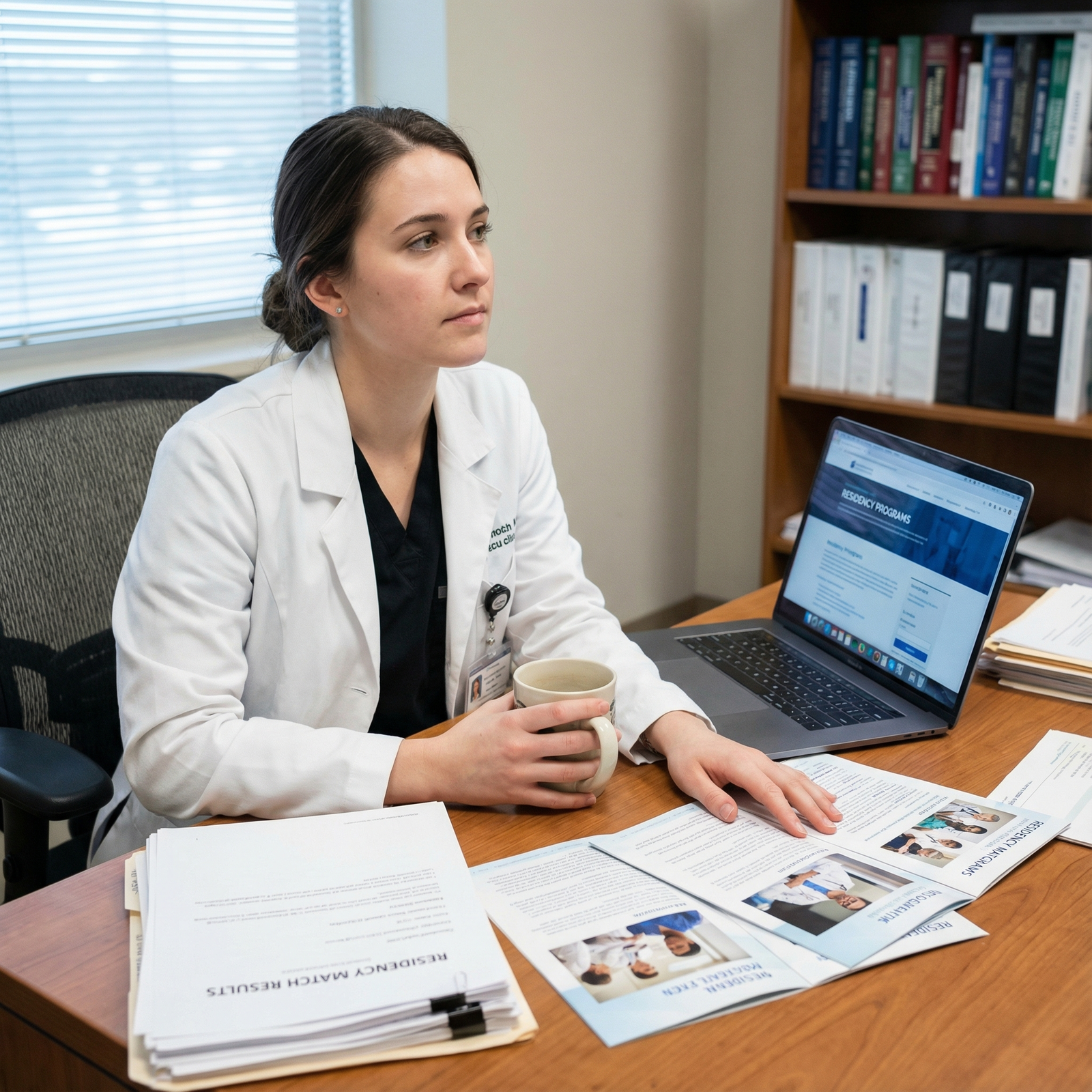
Should You Take a Gap Year Before Residency? A Comprehensive Guide to Pros, Cons, and Smart Planning
Embarking on residency is one of the biggest transitions in medical education. After years of exams, clerkships, and applications, it can feel like the natural next step is to move straight into training. Yet more and more graduating medical students are asking: Should I take a gap year before residency?
In recent years, gap years have become increasingly common in medicine. The Association of American Medical Colleges (AAMC) reports that roughly a quarter of U.S. medical students take at least one year off at some point in their medical education. Some delay graduation, others postpone residency start, and some re-enter the Match after a prior attempt.
This decision is deeply personal and can significantly impact your mental health, career development, and long-term satisfaction in medicine. This guide walks through the advantages, disadvantages, and practical considerations—so you can make a deliberate, informed residency decision that fits your goals and circumstances.
Understanding a Gap Year in the Context of Medical Education
Before weighing pros and cons, it helps to define what a “gap year” looks like in medical training.
What Is a Gap Year Before Residency?
In this context, a gap year typically means:
- Taking one or more years between graduating medical school and starting residency, or
- Intentionally delaying your application to residency (e.g., graduating in May but applying in a future Match cycle), or
- Taking a break after an unsuccessful Match cycle to strengthen your next application.
This is different from:
- Time off between undergrad and medical school
- Planned research years embedded within medical school (often not technically “gaps” but formal parts of training)
Why Medical Students Consider a Gap Year
Common reasons include:
- Burnout or mental fatigue after intense years of training
- Desire to improve residency competitiveness (research, additional degrees, clinical experience)
- Uncertainty about specialty choice or long-term career path
- Personal or family needs (caregiving, health, parenting, relocation)
- Interest in public health, global health, policy, or business experiences
- Financial or visa-related reasons
A gap year is not automatically good or bad—it’s a tool. Used thoughtfully, it can significantly enhance your career development and well-being. Used without structure, it can create challenges you’ll need to explain later.
The Benefits of a Gap Year: How Time Away Can Help Your Career and Well-Being

1. Enhanced Life Experience and Perspective
A well-designed gap year can broaden your perspective in ways that traditional medical education may not.
You might:
- Work in a rural or resource-limited clinic (domestic or abroad)
- Volunteer with organizations focused on health equity or community outreach
- Participate in global health projects
- Engage with public health or policy organizations
- Explore other industries (health tech, consulting, medical education, startups)
These experiences can:
- Build cultural humility and communication skills
- Deepen your understanding of health systems, policy, and social determinants of health
- Make you more adaptable and empathetic with diverse patient populations
- Provide rich stories and insights for residency interviews and future leadership roles
Example: A student spends a year working with a mobile health clinic serving people experiencing homelessness. They gain hands-on experience with addiction medicine, mental health, and interprofessional teamwork. When interviewing for internal medicine and psychiatry programs, they can clearly articulate their passion for underserved care and how it shapes their career goals.
2. Improved Self-Care and Mental Health Recovery
Residency is demanding—emotionally, cognitively, and physically. Many students reach the end of medical school already exhausted. A well-planned gap year can be a critical investment in your mental health.
Potential benefits include:
- Time to address burnout, depression, anxiety, or trauma
- Space to build healthier routines: sleep, exercise, therapy, hobbies
- Opportunity to rebuild or strengthen personal relationships
- Time to process difficult clinical experiences and re-anchor your “why” in medicine
Mental health is a serious concern in medical education. Taking a structured break to recover and develop coping strategies can ultimately make you a more resilient resident and physician. Residency program directors increasingly recognize the importance of mental health and often view honest, thoughtful self-care as a sign of maturity.
Actionable tip: If mental health is a primary driver for your gap year, consider:
- Establishing care with a therapist early in the year
- Setting consistent routines (e.g., scheduled time for exercise, meditation, or creative outlets)
- Limiting isolation by engaging in community activities, volunteering, or part-time work
3. Gaining Valuable Professional Skills and Credentials
A gap year can be a powerful time for targeted career development. Depending on your goals, you can:
- Join a clinical research team and work toward publications or presentations
- Pursue a master’s degree (e.g., MPH, MBA, MEd, MS in Clinical Research or Health Informatics)
- Work as a clinical researcher, scribe, or teaching fellow
- Gain experience in healthcare administration, quality improvement, or health policy
- Contribute to medical education through curriculum development or tutoring
These activities can:
- Strengthen your residency application, especially for competitive specialties
- Clarify whether a research-heavy or academic career suits you
- Build marketable skills outside of traditional clinical care (data analysis, leadership, teaching, management)
Case Study (Expanded):
Sarah, a graduating student unsure between family medicine and internal medicine, decides on a structured gap year. She:
- Volunteers in a rural health clinic several days a week, managing chronic diseases and acute complaints under supervision
- Works part-time with a community health organization on a diabetes prevention program
- Completes an online certificate in quality improvement
By the time she reapplies, she has concrete community health project outcomes, stronger letters of recommendation, and clarity that family medicine aligns with her long-term goals in primary care and community advocacy.
4. Time for Deep Career Reflection and Better Residency Decisions
Rushing into residency with uncertainty about your specialty can lead to regret, switching programs, or even leaving training altogether. A gap year can be invaluable if you:
- Feel torn between multiple specialties
- Realize late in MS4 that your chosen specialty doesn’t fit
- Are considering highly competitive fields and want to realistically assess your chances and alternatives
During a gap year, you can:
- Arrange observerships or sub-internships in different specialties
- Shadow physicians in varied practice settings (academic, private practice, community hospital)
- Conduct informational interviews with residents and attendings
- Attend specialty-specific conferences or virtual sessions
This reflection often leads to more intentional, confident residency decisions and stronger, more authentic personal statements.
5. Strengthening Residency Competitiveness and Applications
Used strategically, a gap year can significantly boost your residency application, especially if:
- Your USMLE/COMLEX scores are below target for your desired specialty
- You had interruptions in training, failed exams, or academic concerns
- You lack research or leadership experience in your specialty of interest
- You did not match and need to reapply more competitively
Concrete ways a gap year can enhance your application:
- Research productivity: Aim for meaningful involvement leading to abstracts, posters, or publications, ideally tied to your specialty of interest.
- Letters of recommendation: Time in a research lab, clinic, or teaching role can yield strong, detailed letters.
- Clear narrative: Your activities can help you explain your journey, growth, and why you’re a strong fit for your chosen specialty.
- Clinical currency: Continued clinical exposure reassures programs that your skills and knowledge remain fresh.
Program directors consistently emphasize that how you use the gap year matters more than the simple fact that you took one.
The Drawbacks of a Gap Year: Risks and Challenges to Consider
While a gap year can be valuable, it isn’t without downsides. Understanding these risks helps you plan proactively.
1. Loss of Academic and Clinical Momentum
Medical training builds on continuity: you’re used to studying, rotating, and being in a clinical environment. Stepping away can lead to:
- Rusty clinical skills and slower recall of medical knowledge
- Difficulty restarting intense study habits
- Feeling “out of sync” with your graduating class and peer cohort
This doesn’t mean you can’t succeed after a gap year, but it does mean you should:
- Stay engaged with medicine through part-time clinical work, research, or teaching
- Schedule regular board-style question practice or case reviews
- Consider refreshers or review courses as you approach residency start
2. Financial Implications and Long-Term Earnings
From a financial perspective, delaying residency has trade-offs:
- Delayed salary: You postpone earning a resident physician’s income and later, an attending salary. Over a lifetime, this can affect total earnings.
- Ongoing loan interest: Student loans continue to accrue interest; depending on your loan type, this can compound.
- Cost of activities: Degrees, unpaid internships, or international work may require additional funding.
To mitigate financial strain:
- Explore paid positions (research assistant, clinical roles, telehealth scribing, teaching)
- Investigate scholarships or stipends for research, MPH programs, or fellowships
- Speak with a financial advisor about loan repayment options, deferment, or income-driven plans
- Create a realistic budget for the year and stick to it
3. Emotional Challenges and Second-Guessing
Watching your classmates start residency while you take a different path can trigger mixed emotions:
- Feeling behind or “off track” compared to peers
- Questioning whether you made the right decision
- Experiencing isolation if your social circle moves away for training
These feelings are common and do not mean you made the wrong choice. Strategies to cope:
- Stay connected with friends and mentors via regular check-ins
- Build community where you are—through work, volunteering, or local groups
- Remind yourself of your reasons for the gap year and the goals you’re working toward
4. Program Perceptions and Accreditation Considerations
Residency programs will almost always ask about any significant gaps in training. Potential concerns include:
- “Red flags” if the gap year was unstructured or poorly explained
- Questions about your commitment to medicine if activities seem unrelated or aimless
- Accreditation issues if you’re away from clinical practice for multiple years without clear educational value
To address this:
- Keep detailed documentation of your activities, responsibilities, and accomplishments
- Make sure at least some of your work remains clearly connected to medicine or healthcare
- Be prepared to explain succinctly and positively:
- Why you took the gap year
- What you did
- How it made you a stronger future resident
Check with your medical school’s dean’s office, advisor, or GME office regarding:
- Maximum allowable time between graduation and residency for certain programs or states
- Any required documentation or letters to verify ongoing clinical engagement
5. Risk of Losing Connection with Medical Knowledge and Community
Without intentional planning, a gap year can distance you from:
- Day-to-day clinical reasoning and decision-making
- Evolving guidelines and best practices
- The professional identity and support system you built in medical school
Mitigation strategies:
- Participate in journal clubs, CME activities, or online medical education platforms
- Join professional organizations in your specialty of interest at a trainee or student rate
- Attend local grand rounds or virtual conferences
- Continue some form of supervised clinical involvement if possible
How to Decide if a Gap Year Is Right for You

A good gap year doesn’t happen by accident—it’s the result of honest reflection and deliberate planning.
1. Deep Personal Reflection: Goals, Values, and Well-Being
Ask yourself:
How am I doing mentally and emotionally?
- Am I burned out, depressed, or anxious?
- Do I feel capable of starting residency now, or do I need time to recover?
What are my long-term career goals?
- Academic vs community practice?
- Research-intensive vs clinically focused?
- Interest in leadership, administration, global health, or policy?
What do I hope to gain from a gap year that I cannot realistically gain during residency?
Write down your answers. If your primary reasons are vague (“I just don’t feel like starting”), push yourself to clarify. Sometimes anxiety about the unknown is normal and may be better addressed by support rather than a delay.
2. Honest Financial Assessment
Consider:
- Your current debt load and interest rates
- Your expected income during the gap year (if any)
- Living costs in the location where you plan to spend the year
- Additional costs (degrees, travel, exam fees, visa fees, etc.)
Talk with:
- Your school’s financial aid office
- A financial advisor familiar with medical trainees
- Recent graduates who took similar paths
Make a clear budget and consider contingency plans if income is lower than expected.
3. Clarifying Your Specialty and Career Development Goals
Especially if you’re uncertain about your specialty, ask:
- Am I using this year to explore options in a structured, intentional way?
- Are there specific experiences (research, observerships, advanced electives) that would clarify my choices?
- How will this year make my residency decisions more confident and aligned with my values?
If you already know your specialty:
- How can I use this year to strengthen my application in that field?
- What skills (research, leadership, QI, ultrasound, language proficiency) would help me excel in that residency?
4. Building a Structured, Purposeful Plan
Residency programs—and your future self—will look more favorably on a gap year that was clearly structured. Consider building your year around 2–3 pillars, such as:
- Clinical exposure: Part-time clinic work, scribing, telehealth support, or clinical volunteering
- Scholarly output: Research projects, QI initiatives, publications, presentations
- Education and skills: Courses, degrees, certifications (e.g., ultrasound, teaching certificates, public health)
- Personal well-being: Therapy, fitness, creative projects, family time
Create a rough timeline:
- Months 1–3: Start research position, set up mental health care, begin board review maintenance
- Months 4–6: Submit abstracts, increase clinical hours, attend a conference
- Months 7–9: Prepare residency applications, finalize letters of recommendation
- Months 10–12: Interview season, continue ongoing commitments, plan transition back into training
Share this plan with a mentor or advisor for feedback.
5. Seeking Mentorship and Input from Key Stakeholders
You don’t have to make this decision alone. Talk to:
- Faculty mentors in your specialty of interest
- Program directors or associate program directors (informational conversations)
- Your medical school’s deans or career advisors
- Recent graduates who have taken gap years—both those who recommend it and those who don’t
Ask specific questions:
- How would programs in [your specialty] view a well-structured gap year?
- What types of activities would be most valuable for my goals?
- Are there any red flags or pitfalls I should avoid?
Their insights can help you refine your plan and anticipate how your decision will be perceived in the residency selection process.
Frequently Asked Questions About Gap Years and Residency Decisions
Q1: Will taking a gap year hurt my chances of matching into residency?
In most cases, a gap year does not hurt your chances if it is structured, purposeful, and clearly connected to your career development. Program directors are used to seeing non-linear paths. Problems arise when the gap year appears unstructured, is poorly explained, or there are long periods with no apparent professional activity. Be ready to succinctly describe what you did, why you did it, and how it makes you a stronger resident.
Q2: What are high-yield activities to pursue during a gap year?
High-yield activities typically:
- Strengthen your residency application (research, leadership, teaching, QI projects)
- Maintain or enhance your clinical skills (part-time clinical work, scribing, supervised volunteering)
- Support your mental health and sustainability in medicine (therapy, healthy routines)
- Provide clear, concrete accomplishments (publications, presentations, certificates, degrees)
Choose activities that align with your specialty, demonstrate commitment to medicine, and support your long-term career development.
Q3: How can I keep my medical knowledge and skills fresh during a gap year?
You can stay current by:
- Doing regular board-style questions (e.g., a set number per week)
- Reviewing key guidelines and core topics in your specialty of interest
- Participating in clinical work under supervision if possible
- Attending grand rounds, conferences, or virtual teaching sessions
- Joining online study groups or journal clubs
Aim for consistent, moderate engagement rather than cramming right before residency starts.
Q4: How do I explain a gap year in my personal statement or interviews?
Be honest, concise, and focused on growth. A strong explanation typically includes:
- Reason: Why you chose a gap year (e.g., to pursue research, address burnout, clarify specialty interests).
- Activities: What you did specifically (projects, roles, outcomes).
- Impact: How the experience made you more prepared and mature as a future resident.
Avoid overly apologetic language. Frame it as a deliberate, thoughtful decision to become a better physician.
Q5: Is a gap year right for me if I’m just feeling scared or uncertain about residency?
Some anxiety about starting residency is normal. If fear is your main reason:
- Talk with mentors, residents, and mental health professionals first
- Explore whether support, counseling, or coaching could help you transition without delaying
- Clarify whether your concerns are about a specific specialty, a particular program, or residency in general
A gap year can help when it addresses a clear need—such as burnout, unclear career goals, or a weak application. If fear alone is driving the decision, you might benefit more from support and preparation rather than postponement.
By approaching a gap year as a strategic decision rather than a default escape, you can align your residency path with your mental health, values, and long-term career development. Whether you choose to transition directly into residency or intentionally pause, what matters most is that your decision is informed, reflective, and grounded in your vision for your future in medicine.