Virtual Shadowing: How to Adapt in a Changing Medical Landscape
The Rise of Virtual Shadowing in Modern Medical Education
The landscape of medical education and pre-med preparation has shifted dramatically over the past decade, accelerated by the COVID-19 pandemic and the rapid expansion of telehealth. Traditional in-person shadowing—once the gold standard for pre-med experience—became limited or inaccessible in many settings, pushing students and educators to rethink how to explore healthcare careers and gain clinical exposure.
Out of this challenge emerged Virtual Shadowing: a flexible, technology-driven way for pre-med and early medical students to observe healthcare professionals, learn about patient care, and explore specialties—without needing to be physically present in hospitals or clinics.
Virtual shadowing is no longer just a temporary solution. It has become a lasting part of medical education and pre-med experience, complementing traditional shadowing and aligning with how real-world healthcare increasingly incorporates telehealth and digital tools.
In this guide, you’ll learn:
- What virtual shadowing is and what it is not
- Why it matters for aspiring physicians and other healthcare careers
- Key elements of a high-yield virtual shadowing program
- Where to find reputable virtual shadowing opportunities
- How to prepare, participate, and reflect to maximize your learning
- Strategies to address the limitations and challenges of virtual shadowing
- How to document and discuss these experiences on applications and interviews
Understanding Virtual Shadowing in the Context of Healthcare Careers
What Is Virtual Shadowing?
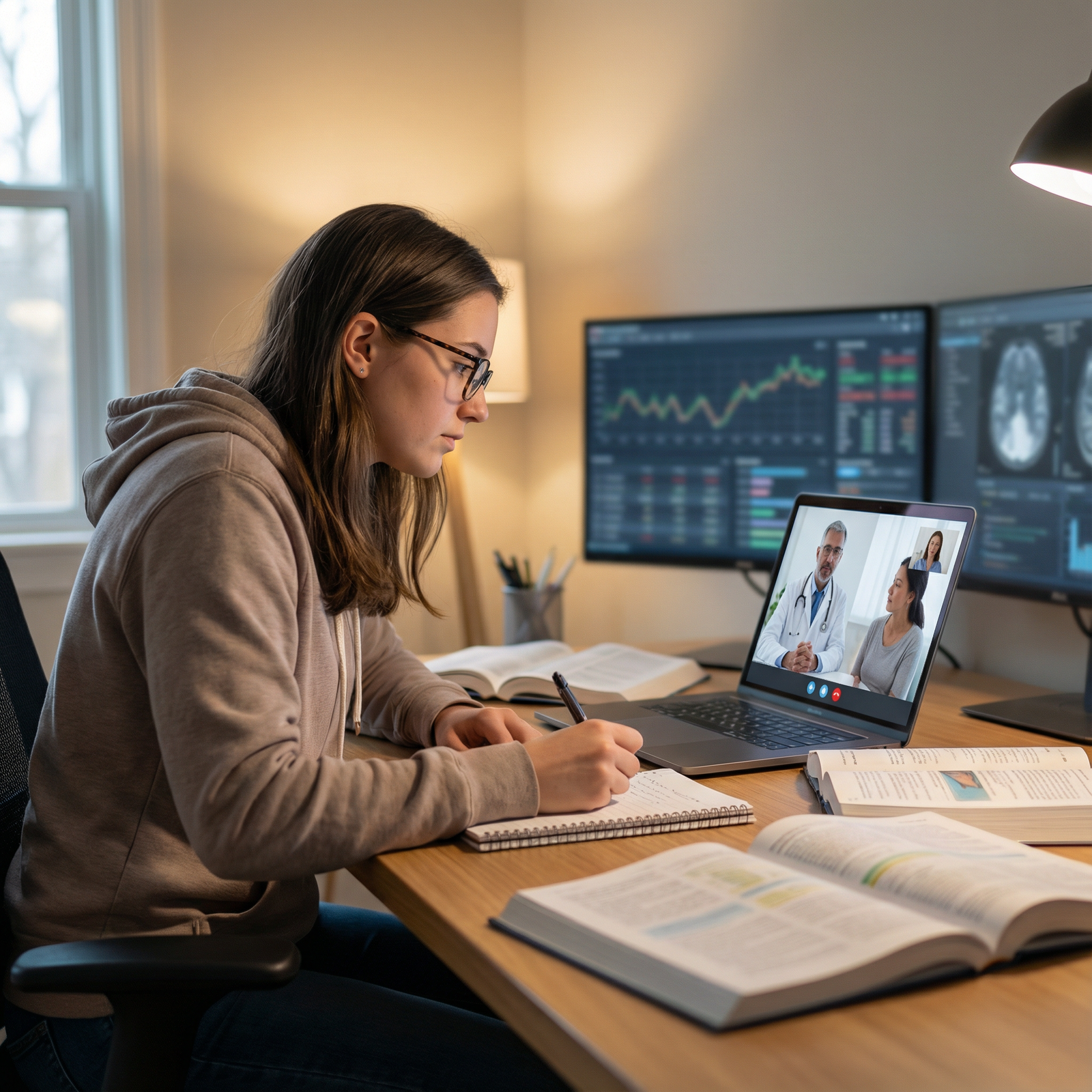
Virtual shadowing is a structured, online observational experience in which students watch healthcare professionals in real time (or via recorded sessions) as they discuss cases, demonstrate clinical reasoning, and sometimes conduct telehealth visits. It attempts to replicate the cognitive and observational aspects of traditional shadowing through digital platforms.
Depending on the program, virtual shadowing may include:
- Live or recorded telehealth visits (with strict patient privacy protections)
- Real-time or asynchronous case discussions with physicians or other clinicians
- Virtual rounds or simulated rounds on inpatient or outpatient cases
- Specialty-specific sessions (e.g., surgery, emergency medicine, psychiatry)
- Physician-led presentations on workflow, lifestyle, and career paths
- Interactive Q&A sessions where students can ask questions
It’s important to understand that virtual shadowing is primarily about observation and education, not about performing procedures or directly interacting with patients.
How Virtual Shadowing Fits into the Bigger Picture
For most pre-med and early medical students, building a strong application now includes a combination of:
- In-person shadowing (when available)
- Virtual shadowing and online case-based learning
- Volunteering and community health work
- Clinical employment (e.g., scribe, EMT, CNA, medical assistant)
- Research, leadership, and service activities
Admissions committees increasingly recognize that students may have faced limited access to hospitals and clinics—especially during the pandemic—and they often view high-quality virtual shadowing as a legitimate part of your exposure to medicine, particularly when you:
- Engage actively, not passively
- Reflect deeply on what you learned
- Connect experiences to your motivations and insights about healthcare
Why Virtual Shadowing Matters for Aspiring Healthcare Professionals
Virtual shadowing isn’t just a backup plan when you can’t be in a clinic. It offers distinct advantages that can actually broaden and enrich your pre-med experience.
1. Accessibility and Equity
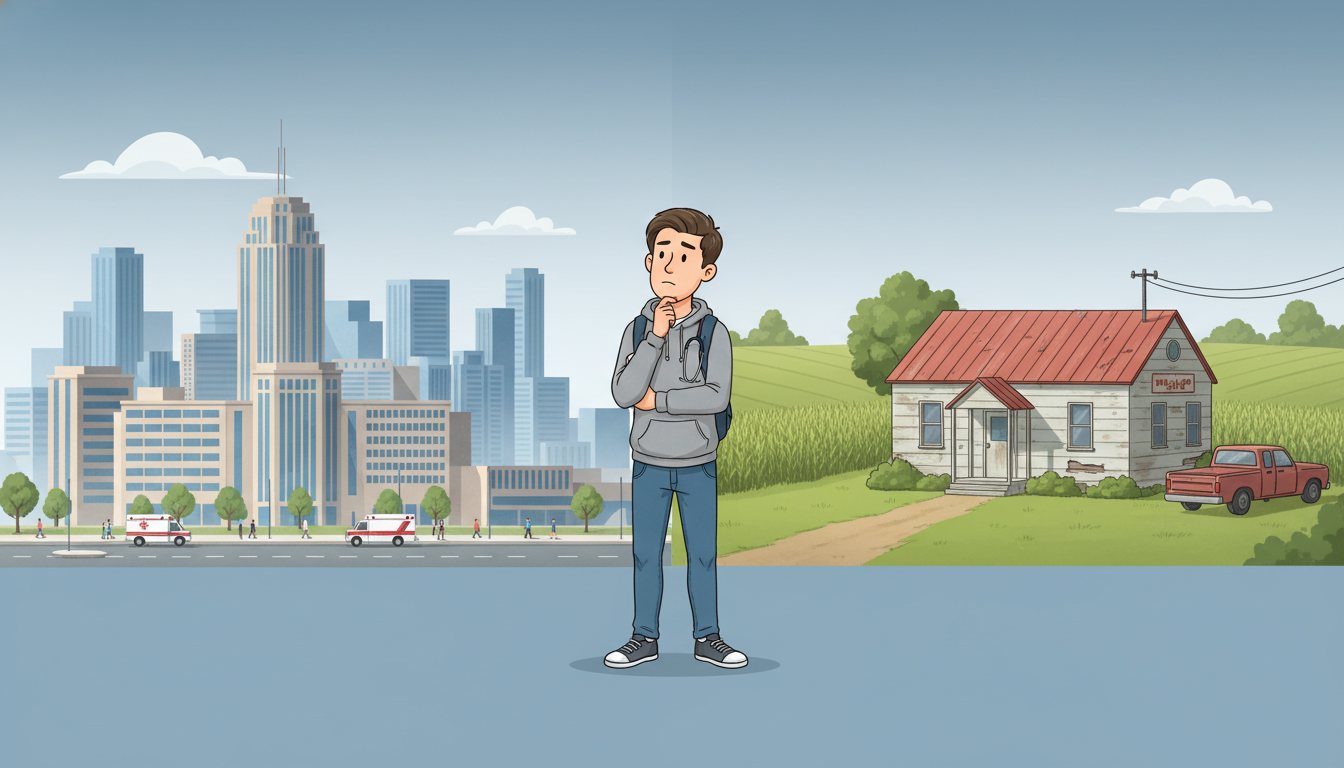
- Geographic flexibility: Students from rural areas or regions without large academic medical centers can now access physicians at top institutions across the country—and even internationally.
- Reduced financial barriers: No commuting, parking, scrubs, or relocation costs. All you need is a stable internet connection and a device.
- Inclusion for non-traditional students: Those balancing work, caregiving, or other responsibilities can attend sessions at times that fit their schedule.
This increased accessibility makes the pathway to healthcare careers more equitable, especially for students from underserved or first-generation backgrounds.
2. Schedule Flexibility and Volume of Exposure
Virtual shadowing:
- Allows you to attend sessions across multiple time zones
- Makes it easier to accumulate many hours across several specialties
- Simplifies attending one-off or specialty-focused events (e.g., a single session with a pediatric cardiologist or trauma surgeon)
For students who must carefully juggle coursework, part-time jobs, and family responsibilities, this flexibility is invaluable.
3. Early Exposure to Telehealth and Digital Medicine
Telehealth is now a core component of healthcare delivery. Through virtual shadowing, you can see:
- How clinicians conduct telehealth visits and maintain rapport without physical presence
- How sensitive topics are handled over video or phone
- How digital tools (EHRs, remote monitoring, patient portals) integrate with clinical workflows
This familiarity with telehealth and digital communication makes you more prepared for future training and practice, where virtual care will remain a key component of medicine.
4. Networking and Mentorship Opportunities
Many virtual shadowing programs incorporate:
- Live Q&A sessions
- Small-group breakout rooms with residents or medical students
- Contact options (email, LinkedIn, professional social media)
These can lead to:
- Ongoing mentorship relationships
- Opportunities to ask for advice on specialties, course planning, and application strategy
- Potential letters of recommendation in some cases (especially if you engage consistently over time)
5. Bridging Experience Gaps and Demonstrating Resilience
Students who faced canceled internships, restricted hospital access, or personal disruptions can use virtual shadowing to:
- Fill gaps in clinical exposure
- Show adaptability and persistence in pursuing medical education
- Demonstrate that they remained engaged in healthcare careers even during challenging times
Medical schools value resilience and resourcefulness; using virtual shadowing strategically is one way to showcase these qualities.

Essential Components of a High-Quality Virtual Shadowing Experience
Not all online sessions that mention “medicine” qualify as true virtual shadowing. Look for programs that intentionally incorporate several of the elements below.
Interactive Discussions with Clinicians
Interactivity is what distinguishes high-value virtual shadowing from passive lecture-watching.
Look for programs that offer:
- Live Q&A periods at the end of each case or session
- Polls, chat-based questions, or small breakout room discussions
- Opportunities to respond to “What would you do next?” clinical reasoning prompts
These interactions allow you to:
- Clarify confusing points in real time
- Learn how clinicians think through diagnostic and treatment decisions
- Practice articulating your questions and professional communication
Exposure to Diverse Medical Specialties and Roles
A strong foundation in medical education includes exploring:
- Core specialties: internal medicine, family medicine, pediatrics, surgery, psychiatry, OB/GYN, emergency medicine
- Subspecialties: cardiology, oncology, neurology, orthopedics, radiology, anesthesiology, etc.
- Other healthcare careers: physician assistants, nurse practitioners, physical therapists, pharmacists, public health professionals
Virtual shadowing often makes it easier to attend specialty-specific sessions that might be hard to access in person. This helps you:
- Compare different daily workflows and lifestyles
- Understand the breadth of team-based care
- Refine your evolving interests (while staying open-minded)
Real or Simulated Case-Based Learning
The most educational virtual shadowing programs integrate real or carefully simulated cases that mirror actual patient encounters. These may include:
- Presentations starting with a chief complaint (“shortness of breath,” “chest pain,” “fever and rash”)
- Stepwise reasoning: history, physical exam findings, differential diagnosis, diagnostic tests, and management
- Discussions of psychosocial, ethical, and health systems factors
Through these cases, you learn:
- How clinicians organize their thinking
- How social determinants of health influence care
- How to weigh risks and benefits when choosing between options
Safe and Ethical Use of Clinical Content
High-quality virtual shadowing strictly protects:
- Patient privacy and confidentiality (e.g., de-identified cases, no visible faces without consent, HIPAA-compliant platforms)
- Professional standards of conduct for all participants
Be cautious of unofficial “shadowing” situations that:
- Show non-consented patient encounters
- Ask students to record or share confidential content
- Do not come from a reputable organization, institution, or verified clinician
Opportunities for Applied or Hands-On Learning (When Possible)
While virtual shadowing is mostly observational, some programs creatively supplement experiences with:
- Online simulations of clinical decision-making
- Interactive diagnostic reasoning platforms
- Workshops on reading basic lab results, imaging, or EKGs
- Simple at-home skills practice (e.g., measuring pulse, blood pressure with consumer devices)
These help you start developing a “clinical mindset,” even before you step into a hospital as a medical student.
Platforms and Resources for Virtual Shadowing and Pre-Med Experience
Virtual shadowing opportunities can be found through a mix of formal programs, institutional offerings, and independent content. Always confirm that the experience is legitimate and aligns with ethical standards.
1. Med School Insiders and Similar Organizations
Med School Insiders is one of several organizations offering recurring virtual shadowing:
- Sessions led by physicians across various specialties
- Live chat and Q&A
- Often recorded for later viewing
- Occasional certificates of participation
Other organizations and pre-med support groups may offer similar structured experiences. Look for:
- Regularly scheduled events
- Clear learning objectives
- Documentation or attendance tracking
2. Dedicated Virtual Shadowing Programs
Formal virtual shadowing programs may be run by:
- Nonprofits focused on medical education
- University-affiliated pipeline or enrichment programs
- Student-run organizations partnering with physicians
Many such programs arose during the pandemic and have continued due to strong student demand. Common features include:
- Weekly or monthly live sessions
- Specialty spotlights (e.g., “Night in the ER” or “Careers in Psychiatry”)
- Certificates or letters confirming your participation and total hours
3. Medical Schools and Pre-Health Offices
Some medical schools and academic health centers offer:
- Admissions office-sponsored virtual shadowing panels
- Specialty exploration workshops
- Virtual rounds or grand rounds open to pre-med students
Your undergraduate pre-health advising office may also organize:
- Interactive “Day in the Life” sessions with alumni clinicians
- Virtual panels and Q&As with current residents and fellows
These institution-based experiences can carry particular weight, as they are often structured with admissions expectations in mind.
4. Carefully Curated Online Video Content
While simply watching medical videos on YouTube is not equivalent to formal virtual shadowing, it can meaningfully supplement your understanding if approached correctly.
Look for:
- “Day in the Life” videos from physicians in different specialties
- Case discussions by academic physicians or medical educators
- Ethical, de-identified clinical case reviews
Treat these as adjunct educational material, and log them separately from formal shadowing if your advisors recommend doing so.
How to Maximize Your Virtual Shadowing Experience
Virtual shadowing can be transformative—but only if you approach it intentionally.
Step 1: Prepare Before Each Session
Research the specialty and speaker:
- Read a brief overview of the specialty (e.g., from AAMC, specialty societies)
- Check the physician’s bio (training, institution, clinical interests)
Set learning goals:
- What do you want to understand? (e.g., daily workflow, patient population, common ethical dilemmas)
- What questions do you hope to ask if time permits?
Prepare professional questions, such as:
- “What aspects of your specialty do you find most rewarding or challenging?”
- “How has telehealth changed your practice, and what skills do you think future physicians will need in this area?”
- “What experiences would you recommend for a pre-med interested in your field?”
Step 2: Engage Actively During Sessions
Even though you are behind a screen, you can still project professionalism and curiosity.
- Log in early to address any technical issues
- Keep your camera on when appropriate and possible (if the program allows), and dress casually professional
- Use the chat or Q&A features respectfully:
- Ask concise, thoughtful questions
- Avoid overly personal or irrelevant comments
- Take structured notes:
- Key concepts or clinical pearls
- Any particularly impactful patient story
- Insights about the physician’s path or mindset
Step 3: Follow Up Thoughtfully
If permitted and appropriate:
- Send a brief thank-you email or LinkedIn message:
- Express what you learned or found particularly meaningful
- Ask 1–2 follow-up questions if you have them
- Consider asking whether:
- They participate in ongoing sessions you can attend again
- They recommend any books, podcasts, or resources for further learning
Over time, consistent engagement can lead to mentorship or research/volunteer opportunities.
Step 4: Reflect and Integrate Your Learning
After each virtual shadowing session, take time to process:
- What surprised you most about this specialty or patient population?
- What skills did the clinician use (communication, teamwork, cultural humility)?
- How did the session reinforce or change your interest in medicine or specific fields?
- How did telehealth or technology appear in the visit or case?
Maintain a reflection log or journal. This will be invaluable when:
- Writing your personal statement or secondary essays
- Preparing for interviews where you are asked, “Tell me about a time you shadowed a physician and what you learned.”

Common Challenges in Virtual Shadowing and How to Overcome Them
Technical Difficulties
Issues like poor internet connection, audio problems, or incompatible software can disrupt learning.
Solutions:
- Test your equipment and connection before sessions
- Have a backup device (phone or tablet) ready
- Keep the program’s tech support info available
- Join a few minutes early to troubleshoot
Limited Hands-On and Patient Interaction
Virtual shadowing cannot fully replace the tactile and interpersonal aspects of in-person clinical exposure.
How to compensate:
- Combine virtual shadowing with:
- Volunteer work in clinics, nursing homes, or community health centers
- Paid roles (scribe, EMT, CNA, medical assistant)
- Public health or community outreach projects
- Emphasize in your application how:
- Virtual shadowing deepened your cognitive understanding of medicine
- In-person experiences strengthened your interpersonal and practical skills
Screen Fatigue and Engagement Drop-Off
Back-to-back virtual sessions can lead to decreased focus and engagement.
Strategies:
- Schedule breaks between events
- Use active note-taking (e.g., outline, concept maps) to stay engaged
- Prioritize quality over quantity of hours
- Focus on programs that are more interactive rather than purely lecture-based
Evaluating the Credibility of Programs
The online environment can be crowded with offerings of varying quality.
Ask:
- Is this program affiliated with a reputable institution, organization, or licensed clinician?
- Do they discuss patient privacy and ethical guidelines?
- Is there a structured schedule and clear educational purpose?
- Do previous students give positive feedback or testimonials?
If something feels unprofessional or ethically questionable, trust your instincts and look elsewhere.
FAQs About Virtual Shadowing for Pre-Med and Medical School Preparation
1. Does virtual shadowing “count” for medical school applications?
Most medical schools will accept virtual shadowing as a meaningful component of your clinical exposure, especially when in-person opportunities are limited. However, it usually works best as a supplement, not a complete replacement, for in-person experience.
When documenting it:
- Clearly label experiences as “Virtual Shadowing” or “Online Clinical Exposure”
- Specify:
- The program or organization
- Dates and total hours
- Specialties observed
- Key responsibilities (observation, case discussions, Q&A)
Always check with your pre-health advisor and, when possible, individual medical schools’ policies.
2. How many hours of virtual shadowing should I complete?
There is no universal requirement, but a reasonable target is:
- 30–50 total hours of combined shadowing (in-person + virtual) across multiple specialties, if possible
- For virtual-only periods (e.g., during a pandemic spike), aim to demonstrate consistent engagement over time rather than focusing solely on a single large block of hours
More important than the number of hours is your ability to articulate what you learned and how the experiences shaped your understanding of healthcare.
3. Can I get a certificate or documentation for virtual shadowing?
Many structured programs do provide:
- Certificates of completion
- Attendance logs or email confirmations
- Letters documenting hours or participation in a series of sessions
If you need documentation:
- Ask in advance whether the program tracks attendance
- Keep your own log that includes:
- Date, time, program name
- Specialty and clinician
- Brief summary of content
Your personal reflection journal can support your documentation and be used to refresh your memory for applications and interviews.
4. Is virtual shadowing available to international or non-U.S. students?
Yes, many virtual shadowing opportunities are open to students worldwide, as long as you:
- Have a reliable internet connection
- Can attend in the required time zone
- Meet any language requirements (usually English)
Keep in mind:
- Some content may focus on the U.S. healthcare system, but clinical reasoning and specialty exposure are often globally applicable.
- Check if any institution-specific programs require U.S. enrollment or citizenship.
If you are abroad, you can also explore:
- Virtual sessions offered by local or regional medical schools
- Online programs led by international medical societies or NGOs
5. How can I talk about virtual shadowing in my personal statement or interviews?
When discussing virtual shadowing:
- Avoid framing it as “second best.” Instead, emphasize:
- What you learned about patient care, ethics, and clinical reasoning
- How telehealth broadened your understanding of modern healthcare
- Use specific examples:
- A memorable case that taught you about empathy, uncertainty, or collaboration
- A physician’s story that shaped your view of a particular specialty
- Connect it to your growth:
- How it confirmed (or challenged) your motivations
- How it inspired you to seek additional in-person or community experiences
Admissions committees are less focused on the modality (virtual vs. in-person) and more interested in your insight, reflection, and maturity.
By embracing Virtual Shadowing as part of your pre-med journey, you’re not just adapting to a changing medical landscape—you’re preparing for the reality of future healthcare, where telehealth, digital tools, and remote collaboration are here to stay. Thoughtful, intentional engagement with these opportunities can significantly enrich your medical education, sharpen your understanding of healthcare careers, and strengthen your path toward becoming a compassionate, well-informed physician.