What Medical Professionals Wish They Knew Before Their First Shadowing Experience
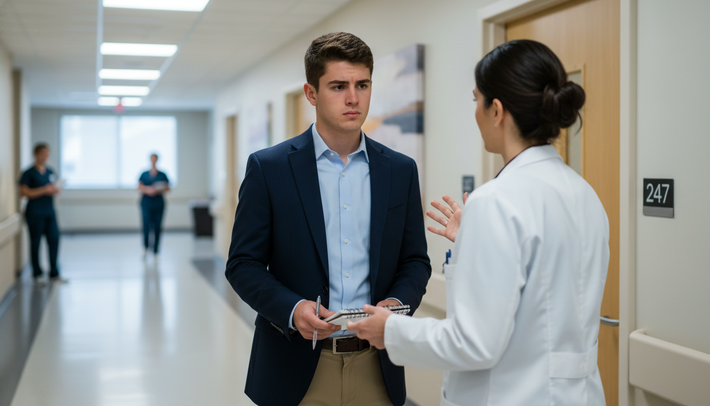
Shadowing is often a student’s first real exposure to the world of Healthcare beyond what’s written in textbooks or portrayed on television. It’s a powerful form of Medical Education that can shape your specialty interests, clarify your motivations, and influence your professional development for years to come.
Yet many physicians, nurses, and other health professionals look back and wish they had approached shadowing differently—more intentionally, more prepared, and with clearer expectations. Learning from their hindsight can help you avoid common pitfalls and turn a basic observation experience into a transformative step in your career journey.
This guide builds on those real-world insights to help you:
- Understand what shadowing is (and isn’t)
- Prepare effectively before you start
- Navigate patient interactions and ethical challenges
- Build strong professional relationships
- Reflect on whether a career in Healthcare is truly right for you
Understanding the Foundations of Medical Shadowing
What Exactly Is Medical Shadowing?
Shadowing is the structured observation of a healthcare professional—most commonly a physician, but also nurse practitioners, PAs, nurses, or other clinicians—in their typical work environment. Depending on the setting, this might include:
- Clinic visits and office appointments
- Hospital rounds and interdisciplinary team meetings
- Emergency department evaluations
- Procedures and surgeries (when allowed and appropriate)
- Phone calls, charting, and administrative work
The key word is observation. Shadowing is not the same as volunteering, employment, or clinical rotations in medical school. You are there to watch, listen, and learn—not to provide direct patient care or perform independent tasks.
Why Shadowing Is So Important for Aspiring Healthcare Professionals
Medical professionals consistently describe shadowing as pivotal in their early professional development. It plays several roles:
Career Exploration
Many students enter college thinking they want to be “a doctor” without knowing what that actually looks like day-to-day. Shadowing offers:- Exposure to different specialties (family medicine vs. surgery vs. psychiatry, etc.)
- A sense of the pace and intensity of different settings (outpatient vs. inpatient)
- Insight into the non-glamorous parts of the job (documentation, on-call demands, paperwork)
Realistic Career Insights
Shadowing shows the full spectrum of medicine—rewarding moments, frustrating barriers, emotional strain, and systemic challenges. This realistic exposure helps you decide:- Is this work meaningful to me?
- Can I see myself doing this for decades?
- Which aspects of Healthcare energize me, and which drain me?
Professional Development and Role Modeling
Shadowing lets you observe:- How professionals communicate with patients, families, and colleagues
- How they handle conflict, bad news, and uncertainty
- How they manage time, prioritize tasks, and make decisions under pressure
These observations subtly shape your own professional identity.
Networking and Mentorship
Shadowing can be your introduction to mentors who later:- Write letters of recommendation
- Provide career advice
- Connect you to research, volunteering, or further shadowing opportunities

What Medical Professionals Wish They Knew Before Their First Shadowing Experience
1. Asking Questions Is Expected—If You Do It Well
Many medical professionals recall being overly quiet when they first shadowed, afraid to “bother” the physician or ask something “stupid.” In hindsight, they wish they had engaged more actively.
How to Ask Good Questions
Prepare beforehand
Before you start:- Read about common conditions in that specialty
- Learn basic terminology for that setting
- Write down a few questions you’d like to explore, such as:
- “What do you enjoy most and least about this specialty?”
- “How do you approach difficult conversations with patients?”
- “How has this field changed since you started practicing?”
Choose the right moment
Good times to ask questions:- After a patient encounter, once the physician has finished charting
- During brief downtime between clinic visits
- Walking between patient rooms, if your mentor seems open to discussion
Avoid asking questions:
- During sensitive patient conversations
- While the clinician is clearly multitasking or dealing with an urgent matter
- In front of patients about topics that might undermine their confidence or cause anxiety
Focus on learning, not showing off
Phrase questions to learn, not to prove what you know:- “Can you walk me through your thought process on that diagnosis?”
- “What were you considering when you chose that treatment option?”
Professionals often say they remember engaged students who asked thoughtful questions—and those are the students they later support with recommendations and further opportunities.
2. Patient Interactions Can Be Emotionally Intense
Shadowing is often the first time you’ll witness the full emotional range of patient care. Many professionals wish they had been better prepared for how intense those moments could feel.
What You Might Encounter
- Patients receiving life-changing diagnoses
- Families processing grief, fear, or anger
- Patients who are frustrated, non-adherent, or distrustful of the system
- Moments of joy—improvement, recovery, birth, successful treatments
You may see tears, hear anger, or feel the weight of complex social issues like poverty, addiction, or lack of access to care.
How to Navigate These Situations
Observe communication closely
Pay attention to:- How the clinician sits, maintains eye contact, and uses silence
- How they translate medical language into clear, compassionate explanations
- How they respond when patients disagree, misunderstand, or feel overwhelmed
These are core communication skills in Healthcare that aren’t taught fully in textbooks.
Respect patient autonomy and comfort
Patients must consent to having a student observer in the room. If they decline:- Step out gracefully and respectfully
- Do not take it personally
Your presence is a privilege, not a right.
Maintain strict confidentiality
Remember:- Never discuss specific patients with friends, on social media, or in identifying detail—even in “private” posts.
- Follow HIPAA and institutional privacy rules at all times.
- When reflecting or journaling, omit names and any identifying details.
Many professionals say they underestimated how emotionally taxing patient interactions could be. Shadowing is your chance to see whether you can engage with that emotional landscape while still caring for yourself.
3. Flexibility Is Not Optional—It’s a Core Skill in Medicine
Healthcare is unpredictable, and shadowing reflects that reality. Many professionals wish they had known how much flexibility and adaptability would be required.
What This Looks Like in Practice
- A busy clinic day runs two hours behind
- A surgery you came to observe is canceled or delayed
- An outpatient visit turns into an unexpected hospital admission
- Emergencies pull your mentor away suddenly
Your carefully planned schedule may change multiple times in a day.
How to Respond Productively
Stay open to alternative experiences
If a planned activity falls through, ask politely:- “Is there anything else I could observe or help with right now?”
- “Would it be okay if I join another provider or team member for the next hour?”
Value “unstructured” time
Downtime can be used to:- Ask broader career and life-balance questions
- Observe charting, order entry, or team communication
- Reflect and jot down notes about what you’re learning
Recognize this is what real-life healthcare feels like
The constant need to reprioritize is a central part of professional life. Seeing it during shadowing gives you authentic career insights into what your future days might look like.
4. Professionalism Matters More Than You Think
Many current physicians and healthcare workers say they did not fully appreciate how much their early behaviors during shadowing experiences shaped how others perceived them.
Key Domains of Professionalism in Shadowing
Appearance and dress code
- Ask about dress expectations in advance (business casual, white coat, closed-toe shoes, minimal fragrance).
- Err on the side of being slightly more formal rather than too casual.
Punctuality and reliability
- Aim to arrive 10–15 minutes early.
- Confirm logistics (location, parking, security check-in) beforehand.
- If an emergency prevents you from coming, notify your mentor as early as possible and apologize succinctly.
Behavior in clinical spaces
- Stay off your phone unless explicitly allowed for an educational reason.
- Avoid side conversations in hallways that might be overheard.
- Never eat, drink, or interrupt in patient care areas unless told it’s appropriate.
Social media boundaries
- Do not post photos from clinical areas, even if no patients are visible.
- Avoid referencing specific patient stories online.
- When in doubt, don’t share.
Your professionalism during shadowing can heavily influence whether a mentor sees you as someone they’d be comfortable working with as a future colleague.
5. Medical Communication Is More Complex Than It Looks
Professionals often say they didn’t fully realize, during their first shadowing, how much of medicine is about communication rather than pure science.
Elements of Effective Communication to Observe
Clinician–patient conversations
- How does the clinician build rapport quickly?
- How do they explore a patient’s understanding, fears, and goals?
- How do they handle language barriers (interpreters, simplified language, visual aids)?
Team communication
- Watch how nurses, physicians, pharmacists, and other staff communicate during rounds or huddles.
- Notice how disagreements are handled respectfully (or not).
- Observe handoffs and sign-outs—critical moments for patient safety.
Non-verbal cues
- Posture, eye contact, facial expressions
- Physical distance from the patient
- Tone of voice and pace of speech
These subtle cues often shape how safe and heard patients feel.
Improving your observational skills around communication will strengthen your own future bedside manner and interprofessional collaboration.
6. Ethical Dilemmas Are Everywhere—Use Them to Build Your Framework
Shadowing can expose you to ethically complex cases long before you formally study medical ethics. Many professionals wish they had engaged more intentionally with these moments.
Common Ethical Themes You Might Encounter
- Balancing patient autonomy with concern for their safety
- End-of-life decisions and advanced directives
- Limited resources, insurance barriers, and access to care
- Confidentiality vs. duty to warn or protect
- Managing personal biases and assumptions about patients
How to Learn from Ethical Situations
Ask for debriefs
After a difficult or ethically charged encounter, you might say:- “That seemed like a challenging situation. How did you think through the options?”
- “How do you balance what the patient wants with what you believe is medically best?”
Reflect on your values
In your own notes or journal, consider:- How did I feel during that encounter?
- What would I have done in that situation?
- Did this case change how I think about what it means to be a healthcare professional?
These reflections are extremely powerful when you later write personal statements or discuss your motivations for entering medicine in interviews.
7. Following Up Turns Shadowing Into Long-Term Mentorship
Many professionals say they regret not staying in touch with the clinicians they shadowed early on. Those relationships can be invaluable.
Steps to Build and Maintain Professional Connections
Immediately after the experience
- Send a sincere thank-you email or handwritten note within a few days.
- Mention specific things you appreciated or learned.
- Express openness to staying in touch.
Ask for feedback (when appropriate)
- “If you have any suggestions about how I could make the most of future shadowing experiences, I’d really value your feedback.”
- Be open to constructive criticism—it’s a sign they see potential in you.
Keep the relationship alive
- Update them occasionally (e.g., “I was accepted to medical school,” “I’ve decided to explore pediatrics more after our time in clinic”).
- Ask for advice on key decisions (selecting specialties, applying for programs).
These mentors can later advocate for you, connect you with new opportunities, and offer honest career insights that go far beyond what you can find online.
8. Discomfort Is Normal—Learn How to Manage It
Almost every healthcare professional can recall a moment during early shadowing when they felt overwhelmed, faint, emotionally stirred, or out of place.
Types of Discomfort You May Experience
Physical discomfort
- Feeling lightheaded in the OR or during procedures
- Standing for long periods
- Being around blood, bodily fluids, or strong smells for the first time
Emotional discomfort
- Witnessing suffering, loss, or injustice in the healthcare system
- Feeling helpless when you can’t “fix” a situation
- Recognizing your own limits or fears
Social discomfort
- Not knowing where to stand or what to do
- Feeling like you’re “in the way”
- Worrying that you’re asking the wrong questions
Healthy Ways to Cope
Prepare physically
- Eat beforehand; avoid observing on an empty stomach.
- Stay hydrated.
- If you feel faint, quietly step out and tell a nurse or your mentor—this is common and not a moral failing.
Build emotional resilience
- Debrief with your mentor after especially difficult encounters.
- Talk with a trusted advisor, counselor, or peer about what you’ve seen and felt.
- Practice grounding techniques (deep breathing, short walks, journaling).
Use discomfort as data
- Instead of viewing discomfort as a sign that you “don’t belong,” ask:
- “What is this reaction telling me about my values, boundaries, or growth areas?”
- “Could I adapt to this with time and training?”
- Instead of viewing discomfort as a sign that you “don’t belong,” ask:
Realistic self-knowledge gained from these early experiences is a powerful form of professional development.
Practical Tips to Maximize Your Shadowing Experience
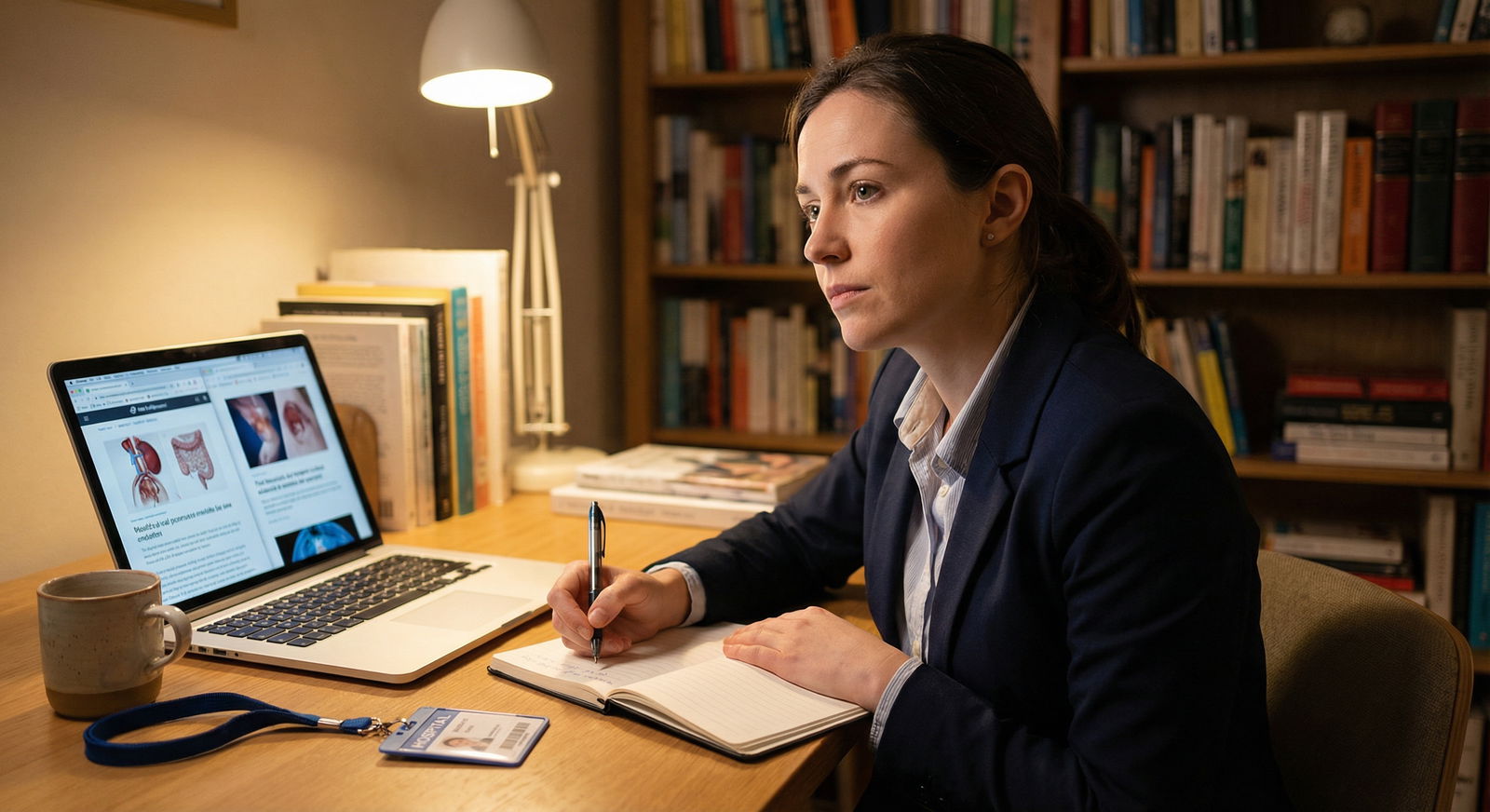
To translate these insights into action, consider the following checklist.
Before You Start
- Confirm:
- Dress code
- Start and end times
- Where to meet
- Any required paperwork, background checks, or vaccinations
- Research:
- The specialty and common conditions
- The type of patients typically seen in that setting
- Prepare:
- A small notebook and pen
- A list of 3–5 guiding questions you hope to answer (e.g., “What does a typical day actually feel like?”)
During Shadowing
- Be observant, not intrusive
- Introduce yourself briefly to patients when appropriate
- Respect all staff members—nurses, techs, and front-desk staff are key to patient care
- Take brief, non-identifying notes during downtime
- Continually ask yourself: “What am I learning about this specialty—and about myself?”
After Each Day
- Write a brief reflection:
- What surprised you?
- What energized you?
- What concerned or bothered you?
- Capture specific stories or moments (without identifiers) for future personal statements or interviews.
- Note any questions you want to ask your mentor next time.
Frequently Asked Questions About Medical Shadowing
1. How do I find shadowing opportunities in Healthcare?
Common strategies include:
- Direct outreach:
Email local physicians, clinics, or hospital departments. Introduce yourself, share your goals briefly, and politely inquire about shadowing. - Use institutional connections:
Ask professors, academic advisors, or premed/prehospital clubs for leads. Many have existing relationships with clinicians who regularly accept students. - Hospital programs:
Some hospitals and health systems have formal shadowing or observer programs. Check their websites under “volunteer,” “education,” or “student opportunities.” - Family and community networks:
A family friend or community member in Healthcare may be willing to host you or connect you to a colleague.
Always follow institutional rules—some settings (especially pediatrics, psychiatry, or operating rooms) may have stricter guidelines or limited availability.
2. Do I need medical knowledge before shadowing?
You do not need advanced medical knowledge to start shadowing. However, you’ll gain more if you:
- Review basic anatomy and physiology relevant to the specialty
- Learn common abbreviations (BP, HR, CT, etc.)
- Read short overviews of prevalent conditions (e.g., hypertension for primary care, fractures for orthopedics)
Most clinicians do not expect you to understand everything. What they appreciate is curiosity, humility, and a willingness to learn.
3. How much shadowing is considered enough for medical school or professional program applications?
There is no universal rule, but generally:
- For medical school:
Many applicants have anywhere from 20–100+ hours across one or more specialties. - For other healthcare careers (PA, NP, nursing, etc.):
Requirements and expectations vary—check each program’s guidelines.
More important than total hours is quality and reflection. Admissions committees value:
- Consistent involvement over time
- Exposure to different settings (e.g., primary care and hospital-based care)
- Thoughtful insights about what you learned and how it shaped your goals
4. Is it okay to ask for a letter of recommendation from someone I shadowed?
Yes, if:
- You spent enough time with them (usually multiple days or weeks)
- You consistently demonstrated professionalism, curiosity, and reliability
- You’ve built rapport and they’ve seen your growth
When you ask:
- Do it politely and in advance of your deadline.
- Give them the option to decline by asking, “Do you feel you know me well enough to write a strong letter of recommendation?”
- Provide your CV/resume, personal statement draft, and relevant deadlines.
If they say yes, maintain communication and express appreciation after they submit the letter.
5. Should I keep a journal during my shadowing experience—and how should I use it?
Yes—many professionals say journaling was one of the most valuable things they did. Use your journal to:
- Capture memorable patient encounters (without identifiers)
- Record what you admired in your mentors’ communication or decision-making
- Reflect on your emotional responses (what felt right, wrong, inspiring, or draining)
- Note ethical dilemmas or systemic issues you observed
Later, you can draw on these reflections for:
- Personal statements and application essays
- Interview answers about why you chose this career
- Ongoing professional development and self-awareness
Shadowing is not just a box to check for applications—it’s an early, powerful window into the realities of a life in Healthcare. Approached thoughtfully, it can provide deep career insights, accelerate your professional development, and help you build a mentorship network that supports you well beyond your first day in medical school or training.
Use these lessons from those who have gone before you to be intentional, reflective, and proactive in your shadowing. In doing so, you’ll not only observe medicine—you’ll begin to understand whether, how, and where you want to belong within it.