Your Ultimate Guide to Finding Medical Shadowing Opportunities
Why Medical Shadowing Matters for Your Future in Healthcare
Medical shadowing is often a student’s first real window into the world of healthcare careers. It takes medicine from abstract concepts in textbooks and lectures into real clinical environments with real patients, real time pressures, and real team dynamics.
For pre-med and pre-PA students—and even for early medical students—shadowing is a critical form of clinical experience that:
- Helps you confirm (or reconsider) your choice to pursue medicine
- Provides concrete stories and reflections for your personal statement and interviews
- Demonstrates commitment and insight to admissions committees
- Begins your networking in medicine, opening doors to mentors and future opportunities
Finding quality medical shadowing opportunities can feel overwhelming, especially with hospital policies, privacy regulations, and busy clinicians. With a structured approach and persistence, however, you can build a strong portfolio of shadowing experiences that support your long-term goals in healthcare.
This guide walks you step-by-step through what medical shadowing is, where and how to find opportunities, how to approach physicians professionally, and how to make the most of every clinical encounter.
Understanding Medical Shadowing and Its Role in Your Career Path
What Is Medical Shadowing?
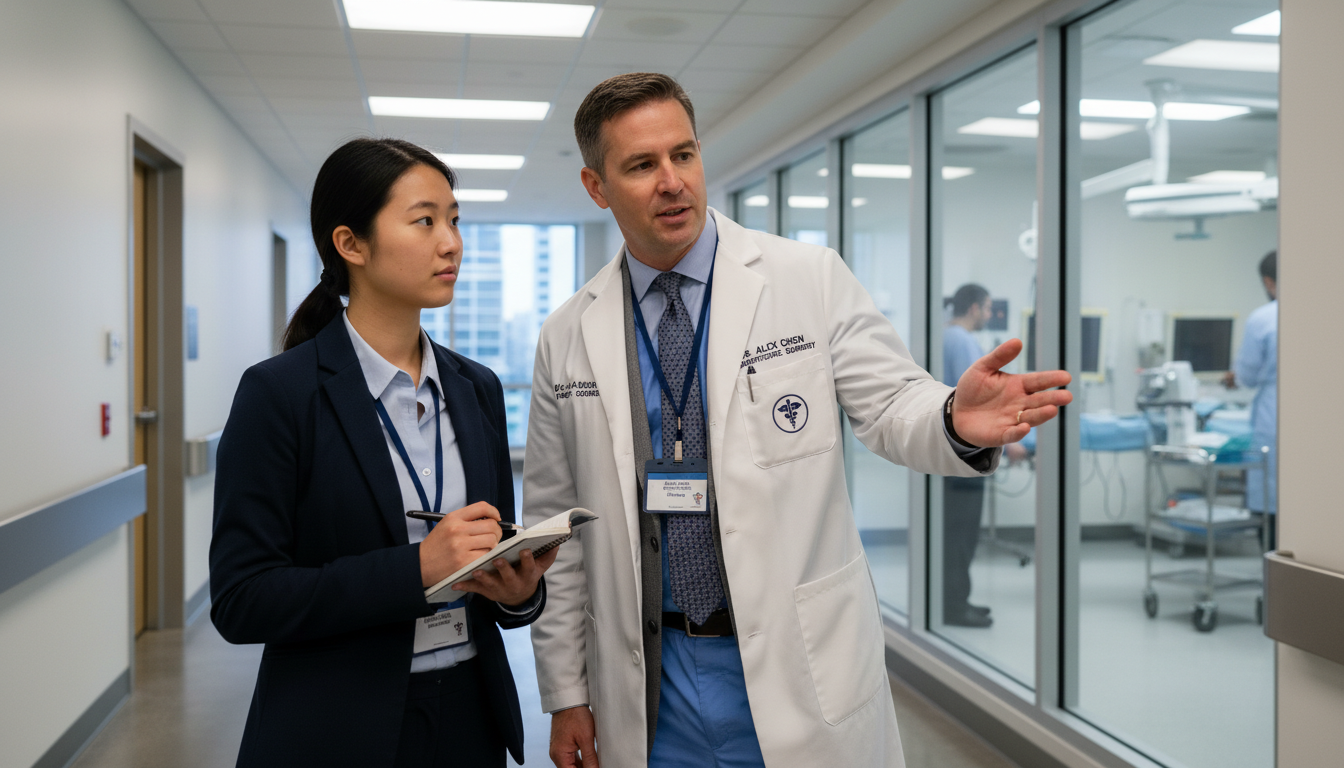
Medical shadowing is the structured observation of a healthcare professional as they carry out their daily responsibilities. You are not providing care; you are quietly observing—and learning—from their clinical work and interactions.
You might shadow:
- Physicians (MD/DO) across specialties (e.g., family medicine, pediatrics, surgery, psychiatry)
- Physician Assistants (PAs) and Nurse Practitioners (NPs)
- Nurses, especially in specialty areas (ICU, ER, oncology)
- Allied health professionals (physical therapists, pharmacists, radiology techs, etc.)
Medical shadowing experiences typically include:
- Observing patient interviews and physical exams (with patient consent)
- Watching how clinicians present cases, document notes, and collaborate with the care team
- Seeing how they manage time, prioritize tasks, and handle emergencies or complex situations
- Learning how they handle challenging conversations, uncertainty, or bad news
What You Can Gain from Medical Shadowing
Shadowing is one of the most powerful pre-med resources because it allows you to:
Gain Insight into Daily Life
Understand what different healthcare careers actually look like beyond media portrayals. Is clinic care more appealing than the hospital? Do you like the pace of the ED or the continuity of primary care?Develop Professionalism and Interpersonal Skills
Watch how clinicians build rapport, explain diagnoses and treatments, and navigate cultural, emotional, and ethical complexities with patients and families.Build Clinical Exposure Early
Becoming comfortable in clinical spaces—exam rooms, hospital wards, outpatient clinics—will help reduce anxiety when you begin medical school or PA school rotations.Explore and Compare Specialties
You may think you want to be a surgeon until you see the realities of the OR schedule, or you may discover a passion for psychiatry after shadowing a psychiatrist in clinic.Strengthen Your Application
Admissions committees look for applicants who understand what they’re signing up for. Consistent, thoughtful shadowing shows initiative, maturity, and genuine interest in healthcare careers.
Where to Find Medical Shadowing Opportunities
There isn’t a single centralized system for shadowing. Instead, you’ll use multiple strategies at once. The most successful students treat this as a structured, multi-step process rather than a one-time request.
1. Local Hospitals, Clinics, and Health Systems
Hospitals and outpatient clinics are the most obvious and often the most valuable settings for medical shadowing.
Start with Formal Programs (If Available)
Many larger health systems, academic medical centers, and teaching hospitals have:
- Formal shadowing or observation programs
- Summer immersion experiences for pre-med students
- Pipeline programs for local high school or college students interested in healthcare careers
Check:
- The hospital or system website (look under “Education,” “Volunteering,” or “Student Opportunities”)
- Terms like “observer program,” “clinical observership,” or “student shadowing”
These programs may require:
- Immunization records (including TB test, MMR, hepatitis B, COVID-19)
- Proof of health insurance
- HIPAA or privacy training modules
- Background checks or drug screening
Apply early; positions can fill months in advance.
Contact Human Resources or Education Offices
If no formal program is listed:
- Call or email the Human Resources, Medical Education, or Volunteer Services office
- Ask whether they support student observers and what the process is
- Be prepared to complete forms and health requirements they send you
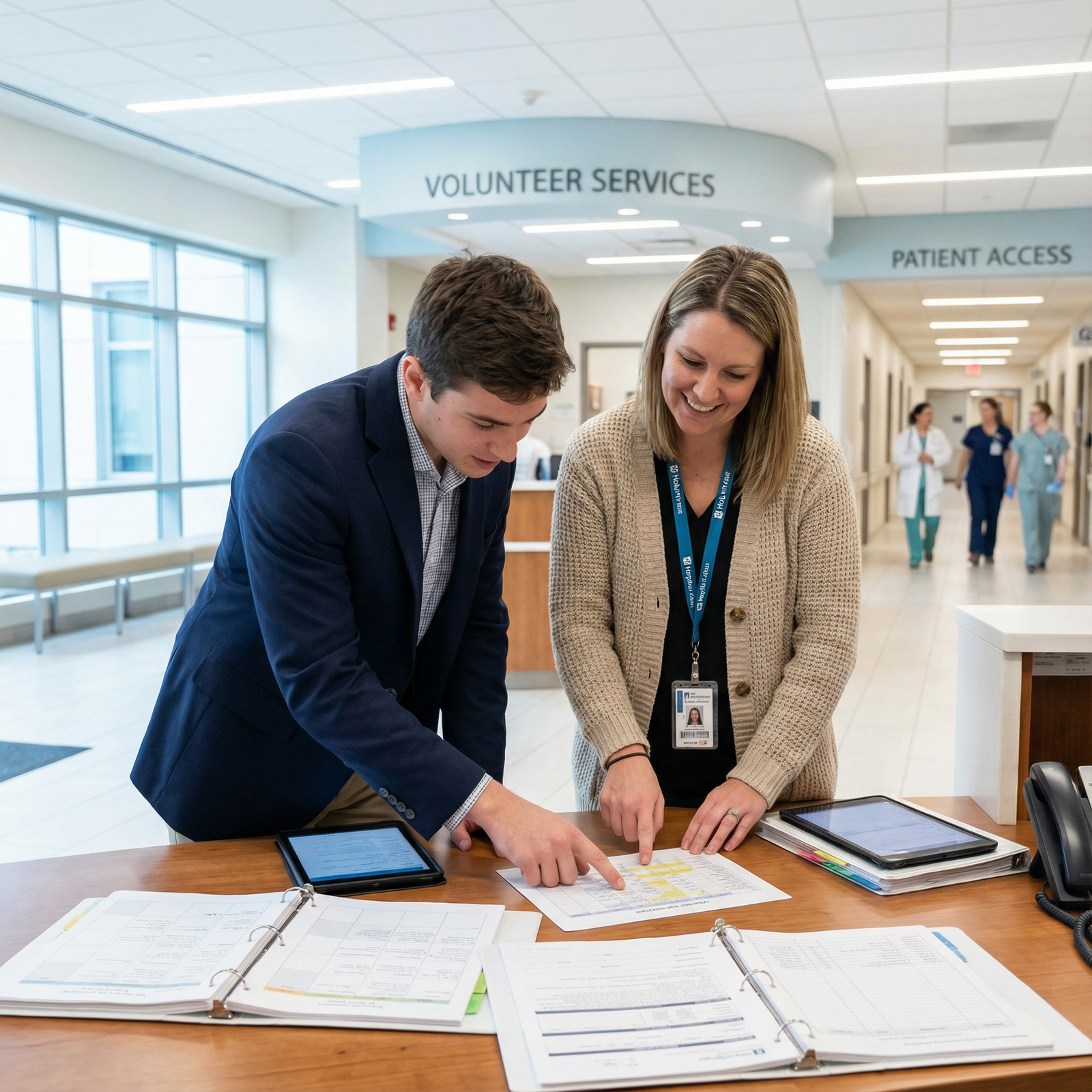
Use Volunteering as a Bridge to Shadowing
Volunteering is not the same as shadowing, but it can be a powerful route to it:
- Volunteer in settings where clinicians regularly interact with volunteers (e.g., clinic front desk, patient transport, ED ambassador)
- Show reliability: arrive on time, follow rules, be proactive and professional
- Once you build trust, politely ask your supervisor whether any physicians or PAs in the department accept student observers
Volunteering also builds your clinical experience and demonstrates commitment to service.
2. Networking in Medicine: Leveraging Your Relationships
Networking in medicine is not just for residency and jobs; it starts now. Many shadowing placements come from personal connections and word-of-mouth.
Use Your University and Pre-Med Office
Your campus likely offers key pre-med resources:
- Pre-health advising office: They may maintain a list of local clinicians who accept students or have long-term relationships with certain hospitals or private practices.
- Faculty mentors: Science faculty, especially those who are physicians or collaborate with clinicians, may be able to introduce you to colleagues.
- Health-related clubs (e.g., pre-med society, AMSA, pre-PA clubs): Older students often share contacts and tips for obtaining shadowing roles.
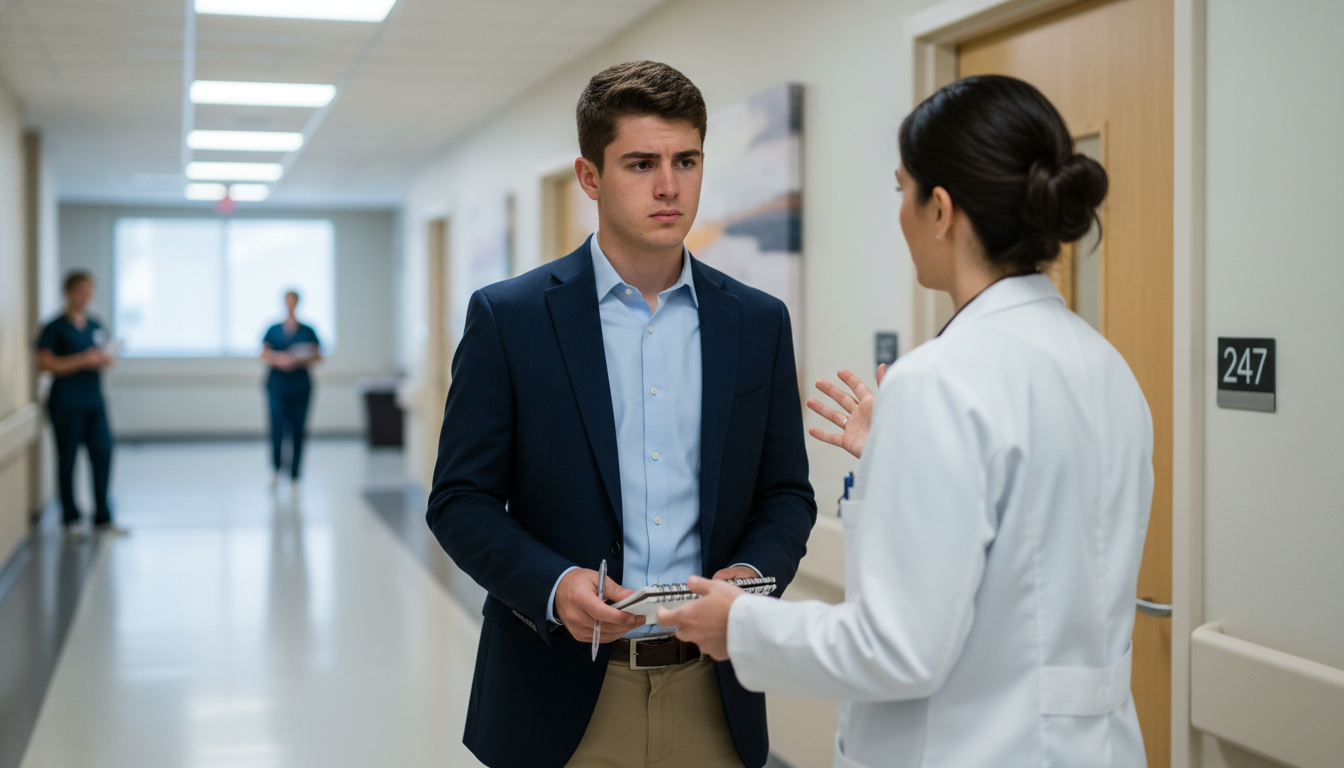
Attend any “careers in healthcare” panels or networking events and introduce yourself to speakers afterward. A brief, professional interaction—and timely follow-up email—can turn into a shadowing opportunity.
Tap Into Family, Friends, and Community Connections
You may be surprised by who you already know:
- Family members or friends in healthcare
- Religious or community organization members who are physicians, nurses, or PAs
- Coaches, teachers, or neighbors who can introduce you to healthcare professionals
When asking for help:
- Be specific: “I’m a pre-med student seeking 10–20 hours of shadowing in primary care or internal medicine.”
- Emphasize your goals and professionalism
- Respect boundaries if someone is uncomfortable or cannot help
3. Medical Associations, Professional Societies, and Student Organizations
Professional organizations often underestimate their value as a gateway to clinical experience and mentorship.
National and Local Medical Associations
Explore:
- American Medical Association (AMA) and its student or pre-med sections
- Specialty-specific societies (e.g., American College of Emergency Physicians, American Academy of Pediatrics, American College of Surgeons)
- State or county medical societies
These organizations may offer:
- Mentorship or “adopt-a-student” programs
- Local networking events where you can meet physicians in person
- Online directories or forums for connecting students with clinicians
Join as a student or pre-med member (often at discounted rates) and participate actively—attend meetings, ask questions, and follow up with professionals you meet.
Student and Medical School Associations
Reach out to:
- American Medical Student Association (AMSA) chapters
- Pre-SOMA (for osteopathic medicine) or pre-PA student groups
- Student-run free clinics or outreach programs affiliated with medical schools
Medical students are a particularly valuable resource; they’ve recently navigated the same process and may know:
- Which local physicians are open to shadowers
- Which hospitals are most receptive to undergraduate observers
- Pitfalls and tips for making your request successful
4. Online Platforms and Digital Networking
Used thoughtfully, digital tools can significantly expand your access to shadowing.
Professional Networking Sites (e.g., LinkedIn)
On platforms like LinkedIn:
- Create a professional profile highlighting your academic status and interests in healthcare careers
- Join groups for pre-med, pre-PA, and healthcare professionals
- Search for local physicians, PAs, or NPs and read their profiles to target those whose practice aligns with your goals
When reaching out:
- Send a concise, respectful message introducing yourself
- Express specific interest in their specialty or practice setting
- Ask whether they ever host student observers and if there is a best way to inquire (email, office contact, etc.)
Social Media and Online Communities
Carefully curated platforms can provide pre-med resources and potential connections:
- Facebook groups for pre-med students, non-traditional applicants, or local healthcare communities
- Reddit communities (e.g., r/premed, r/PAstudents) where people share strategies and sometimes specific leads
- X (Twitter) or Instagram, where some physicians are active and host Q&A sessions or mentorship programs
Always maintain professionalism—assume anything you post is public. Avoid directly asking for shadowing in public comments; instead, ask whether they have information about student opportunities and follow any provided processes.
5. Direct Cold Outreach to Physicians and Clinics
If you have a particular specialty or clinician in mind—and no formal connection—cold outreach can be highly effective when done respectfully and professionally.
How to Identify Clinicians to Contact
Look for:
- Physicians in specialties you want to explore (e.g., ENT, dermatology, family medicine)
- Clinicians working in settings that interest you (community clinic vs academic hospital vs private practice)
- Providers who list teaching or mentoring as interests on their profiles
You can find them via:
- Hospital or clinic websites (provider directories)
- Google Maps searches for local clinics (“cardiologist near me,” “family medicine clinic [city]”)
- University-affiliated practices listed on medical school or residency program pages
Crafting an Effective Shadowing Request Email
A strong email is:
- Short and clear (8–12 sentences)
- Respectful of time
- Specific about your background and goals
Example structure:
- Brief introduction (name, school, academic status, pre-med or pre-PA)
- How you found them and why you’re specifically interested in their specialty/practice
- What you’re seeking (e.g., “10–20 hours of observation over several days”)
- Assurance about professionalism and respect for confidentiality
- Flexibility in scheduling
- Thank you for their time and consideration
If you don’t hear back after 7–10 days, a single polite follow-up email is appropriate. If there is no reply after that, move on without repeated messages.
Maximizing the Value of Your Medical Shadowing Experience
Getting the opportunity is only the first step. How you conduct yourself—and how intentionally you learn from the experience—can make a profound difference.

Professionalism and Etiquette in Clinical Settings
Before You Start
- Confirm logistics: Dates, times, location, dress code, and where to meet your supervising clinician
- Complete all required paperwork: HIPAA training, immunization forms, observer agreements
- Clarify boundaries: Understand what you’re allowed to observe and any restricted areas or times
Appearance and Conduct
- Dress professionally:
- Business casual or hospital-appropriate attire
- Closed-toe shoes
- White coat only if explicitly instructed
- Be punctual: Arrive 10–15 minutes early
- Be discreet: Keep your phone silent and out of sight; avoid distracting actions
In patient rooms:
- Introduce yourself briefly if allowed: “Hello, I’m [Name], a pre-med student observing today with Dr. [X], with your permission.”
- Step out immediately if a patient is uncomfortable or if asked by staff. Patient comfort and privacy always come first.
Learning Actively While Observing Passively
You may not touch patients or give medical advice, but you can learn a great deal by:
Taking mental or later written notes on:
- How clinicians structure patient interviews
- How they explain diagnoses and treatment plans in understandable language
- How they handle hesitation, disagreement, or emotional responses
Preparing thoughtful questions to ask during breaks or at the end of the day, such as:
- “How do you decide when to order imaging versus manage conservatively?”
- “What do you find most rewarding and most challenging about this specialty?”
- “What skills do you think are most important for someone entering this field?”
Be careful never to interrupt during patient care to ask questions. Wait for appropriate times when patient care is not active.
Building Long-Term Mentoring Relationships
The clinician you shadow may become:
- A long-term mentor for your journey in medicine
- A source of future research, volunteering, or job opportunities
- Someone who writes a strong letter of recommendation based on extended interaction
To nurture this relationship:
- At the end of the experience, thank them in person
- Follow up with a personalized thank-you email or handwritten note
- Share how the experience influenced your thinking about healthcare careers
- Ask politely if it would be appropriate to check in once or twice a year with updates or questions
Reflecting and Documenting Your Experience
Thoughtful reflection turns hours into insight:
After each shadowing session, write brief notes:
- What did you see that surprised you?
- What did you admire in how the clinician handled a specific encounter?
- What aspects of the work energized you—or drained you?
Keep a log of:
- Dates and total hours of shadowing
- Name and specialty of the clinician
- Clinical setting (inpatient, outpatient, emergency, etc.)
These reflections and logs will be invaluable when:
- Writing your personal statement
- Preparing for multiple mini-interviews (MMIs) and traditional interviews
- Answering “Why medicine?” or “Tell me about a clinical experience that shaped you”
Frequently Asked Questions About Medical Shadowing
1. How many hours of medical shadowing should I aim for before applying?
There is no universal requirement, but many successful applicants accumulate:
- 20–40 hours with at least one physician in a consistent setting, plus
- Additional hours across different specialties or practice types
More important than the raw number is:
- Demonstrating sustained interest (e.g., returning over several weeks or months)
- Showing variety (primary care plus one or two specialties)
- Being able to clearly articulate what you learned and how it shaped your view of healthcare careers
Check individual medical or PA school websites—some specify recommended or minimum clinical experience and shadowing hours.
2. What should I bring and how should I prepare for my first shadowing day?
Bring:
- A small notebook and pen to jot down observations during breaks
- A photo ID and any required hospital badge or paperwork
- A simple bag to hold your belongings (avoid large backpacks in clinical spaces)
Prepare by:
- Reviewing basic medical terminology relevant to the specialty
- Reading about HIPAA and patient confidentiality expectations
- Preparing 3–5 thoughtful questions about the specialty, training path, and daily work
- Confirming schedule and parking or transportation details the day before
3. Can I shadow more than one physician or in more than one specialty?
Yes—and it is strongly encouraged. Shadowing multiple physicians:
- Gives you a broader perspective on different roles and workstyles
- Helps you compare fields like surgery vs internal medicine vs pediatrics
- Shows schools that you’ve explored medicine from multiple angles
Aim for a mix, for example:
- Primary care (family medicine or internal medicine)
- One hospital-based specialty (e.g., surgery, emergency medicine, anesthesia)
- Possibly one specialty you’re particularly curious about (e.g., OB/GYN, neurology, psychiatry)
4. Is medical shadowing only for pre-med students?
No. Medical shadowing benefits a wide range of people interested in healthcare careers, including:
- Pre-PA, pre-nursing, and pre-pharmacy students
- Non-traditional applicants considering a career change into medicine
- Current healthcare workers (e.g., scribes, EMTs, CNAs) exploring advanced training
- High school students in structured, institution-approved programs
Always ensure that your level of education is appropriate for the setting’s policies and that you meet any age or training requirements.
5. What can I do if I can’t find an in-person shadowing opportunity?
If in-person medical shadowing is difficult due to location, institutional policy, or public health restrictions, consider:
- Clinical employment: Working as a medical assistant, scribe, EMT, CNA, or phlebotomist
- Clinical volunteering: In hospitals, free clinics, nursing homes, or hospice
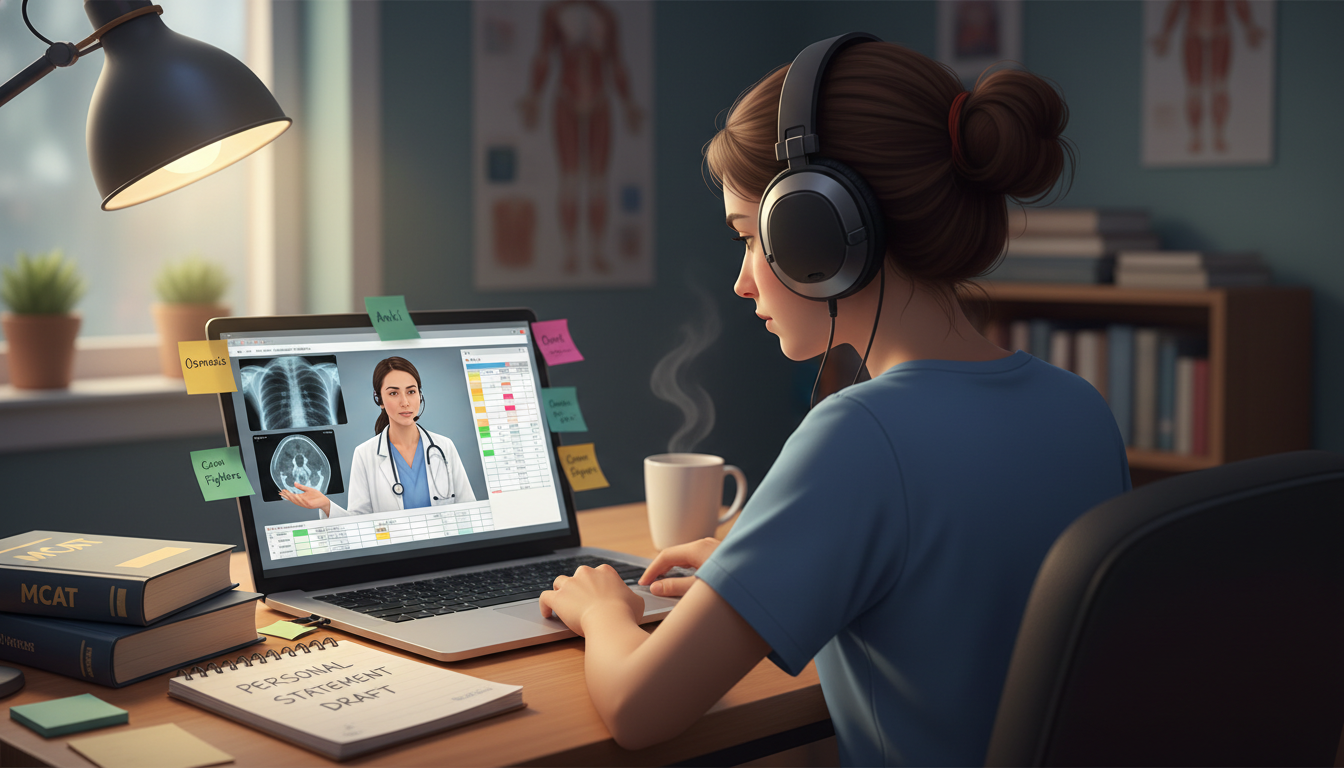
- Telehealth observation: Some clinicians allow students to observe virtual visits with patient consent
- Virtual pre-med programs or webinars hosted by medical schools or professional societies
While virtual experiences don’t fully replace in-person clinical experience, they can still help you learn about physician roles, ethical issues, communication, and the realities of healthcare systems.
By approaching medical shadowing strategically—leveraging local hospitals, networking in medicine, professional associations, online tools, and thoughtful outreach—you can build meaningful, high-quality experiences that clarify your goals and strengthen your application. Each encounter is more than a line on your CV; it’s a chance to understand what it truly means to care for patients and to decide how you want to contribute to the future of healthcare.