
I still remember the exact kind of panic. Not the dramatic movie kind. The quieter, uglier kind. You open the grade portal, see one failed shelf, and your stomach drops so hard it feels physical. Then the spiral starts immediately: Great. That’s it. Residency programs will see this. My clerkship grade is ruined. Step 1 is pass/fail now, so I don’t even have a big numeric score to offset it. I’ve just become “the student who failed a shelf.”
That reaction is common because medical students are trained, almost professionally, to catastrophize. We know just enough about the match to scare ourselves senseless. And honestly? A failed shelf is not nothing. Pretending it doesn’t matter would be fake reassurance, and fake reassurance is useless at 1 a.m. when you’re refreshing forums and mentally drafting your backup specialty list.
Here’s the real answer. In the pass/fail Step 1 era, one failed shelf can stand out more than it used to because there’s one less numeric data point in your file. That part is true. But the next thought applicants jump to — therefore my career is over — is wrong. One failed shelf is a setback. Sometimes an expensive, frustrating, embarrassing setback. But if you address it early, understand exactly how your school handles it, and show obvious improvement, it is very often survivable.
That’s the tension this whole article is about. Yes, a failed shelf can look worse now. No, it is not automatically fatal. What matters most is what happens next.
Why a Failed Shelf Can Feel More Damaging in the P/F Step 1 Era
Before Step 1 went pass/fail, students had a psychological escape hatch. A rough shelf? Fine, maybe Step 1 252 would drown it out. A clerkship wobble? Maybe the giant three-digit score would reassure everyone that the knowledge base was solid. Was that system fair? Not really. But it gave applicants a number to hide behind.
Now that Step 1 is pass/fail, the rest of the file feels louder. Shelf exams. Step 2 CK. Clerkship grades. Narrative comments. Honors. All of it gets read with more attention because there’s less numerical clutter. So when a shelf failure appears, I get why it feels like it’s glowing red on the page.
What does a failed shelf make people wonder? Usually three things. First, is there a knowledge gap? Second, is this a test-taking problem? Third, is Step 2 CK going to become a bigger issue later? That’s why timing matters. If you fail a core shelf late in third year, close to Step 2 prep, it may trigger more concern than an early stumble followed by a clean rebound. Not because one shelf predicts your entire future, but because programs look for patterns. They always have.
And that’s the point applicants miss when they’re panicking. One shelf failure is rarely devastating because of the isolated score alone. It’s concerning because people may wonder if it’s part of a larger trend. Repeated shelf failures? Bigger problem. Shelf failure plus weak clinical evaluations? Bigger problem. Shelf failure followed by a mediocre Step 2 CK? Bigger problem. But one ugly data point surrounded by solid performance is a very different story.
I’ve seen students torture themselves by treating every blemish as if programs will read it in the most hostile possible way. That’s not how real review works. Reviewers are busy. They look for risk, yes, but they also look for evidence that a student can recover, learn, and function. A single failed shelf may look worse now than it did when Step 1 had a score. I won’t sugarcoat that. But residency reviewers still read the whole file, and they care a lot more about trajectory than one bad afternoon with a question bank in disguise.
What a Failed Shelf Actually Means — and What It Usually Does Not Mean
A failed shelf means something went wrong. That’s the honest version. Maybe it was content mastery. Maybe you never really got comfortable with the core topics. Maybe your study method was terrible — too passive, too much highlighting, not enough question-based learning. Maybe you ran out of time because your test-taking approach fell apart. Maybe you were burned out, sleep-deprived, sick, grieving, depressed, or trying to survive a rotation that chewed up every usable brain cell you had.
Those are all real possibilities. I’ve seen all of them. The student who honored the rotation but bombed the shelf because they spent all their energy being useful on the wards. The student with excellent UWorld percentages who melted down on exam day and mismanaged time. The student whose parent got hospitalized in the middle of the block and then wondered why concentration suddenly seemed optional. Life does not politely pause because your clerkship schedule says surgery this month.
What a failed shelf does not automatically mean is that you can’t become a strong resident. It does not mean your application is ruined beyond repair. It does not mean a specialty is permanently closed off. Applicants jump from “I failed one test” to “I am fundamentally not good enough,” and that leap is emotionally understandable but intellectually sloppy.
The distinctions matter. A single failure is different from repeated failures. An early third-year miss with a strong rebound is different from a late-year failure with no improvement. A failed shelf that is remediated quickly is different from a failure that sits there with no visible response and no upward trend.
And schools know this. Most clerkships and student affairs offices have remediation pathways for a reason. Not because failure is ideal. It isn’t. But because medical education has seen enough students stumble and recover to know that one bad score is not a complete character diagnosis.
What to Do Right Away if You Failed a Shelf
This is the part where anxiety makes people do dumb things. They avoid emails. They delay meetings. They obsessively search Reddit for “failed shelf matched derm?” and somehow feel worse. Don’t do that. The first move is not emotional. It’s administrative.
Find out the exact remediation policy at your school. Exact. Not what your friend thinks happened to someone in last year’s class. Not what a random anonymous poster claimed. You need the real answers: Do you retake the shelf? Does the original failure appear on the transcript? Does it affect the clerkship grade, the MSPE, or both? What is the timeline? Who has to sign off on remediation? Anxiety loves blank space. Policy fills in the blank space.
Then meet promptly with the right person. Usually that means the clerkship director, course coordinator, academic advisor, or student affairs dean. Calmly. Quickly. Professionally. This is not the moment to disappear and hope the problem gets less real. It won’t. If anything, silence makes you look avoidant, and avoidant is one of the worst vibes you can send after an academic hit.

When you have that meeting, don’t overexplain and don’t self-immolate. Both are mistakes. You don’t need a dramatic monologue about how disappointed everyone must be in you. You also don’t need a flimsy excuse parade. What works is simple: acknowledge the result, ask for clarity on next steps, and present yourself as someone ready to fix it.
Something like this is fine: “I’m disappointed by the result, and I want to understand the remediation process clearly. I’d also like help identifying where my preparation broke down so I can correct it before the retake and before the next shelf.” That’s mature. That’s coachable. That tells people you’re not running from the problem.
Then build an actual remediation plan, not a vague promise to “study harder.” “Study harder” is what students say right before repeating the same mistake with more caffeine. You need specifics.
Start with the score report if your school provides one. Look at weak domains. Was it medicine management? OB outpatient? Psych pharm? Surgery peri-op? Don’t just label yourself “bad at tests.” That’s useless and melodramatic. Break the failure into parts. Content. Timing. Stamina. Question interpretation. Rotation schedule. Sleep. Burnout. All of it.
Then change the method if the method failed. If you spent weeks passively reading review books and barely touched questions, that was a bad plan. If you did questions but never reviewed mistakes deeply, also a bad plan. If you were collecting resources like emotional support objects — UWorld, AMBOSS, Anki, videos, notes, podcasts, flashcards from three upperclassmen — and mastering none of them, that’s not dedication. That’s academic hoarding.
A better remediation plan usually looks boring. Good. Boring works. Pick a question bank and use it aggressively. Review every missed question and every guessed question. Make targeted notes only on recurring errors. Build a weekly schedule with blocks for weak content areas. If timing was a problem, do timed sets. If fatigue was the issue, build longer sessions. If your life was falling apart during the clerkship, be honest about that and fix what you can before pretending this is just a pharmacology issue.
I’m also a big believer in accountability. Set weekly check-ins with an advisor, tutor, learning specialist, or even a disciplined classmate. Not because you need babysitting, but because panic makes people inconsistent. One terrible score often leads to chaotic overcorrection. Ten-hour study days for three days, then emotional collapse for two. That’s not remediation. That’s flailing.
Professionalism matters here more than students realize. If you communicate clearly, show up to meetings, follow the plan, and improve, people notice. If you vanish, blame everyone else, or act like the policy shouldn’t apply to you because this was “out of character,” people notice that too. And yes, they remember. Medicine can be maddeningly forgiving of a bad score and surprisingly unforgiving of bad behavior around the bad score.
If there were real extenuating circumstances — illness, family crisis, mental health deterioration, housing instability, something serious — bring that up with an advisor. Not as a shield. As context. Good advisors can help you decide whether and how that should be documented. But context works best when paired with action. “This happened, I got support, I changed my plan, and here’s the improvement” is a strong story. “This happened, so please ignore the result” is not.
How to Protect Your Application After a Shelf Failure
Once the immediate fire is under control, the next question is the one applicants hate asking out loud: How do I stop this from staining everything else? The answer is not glamorous. You rebuild trust with evidence.
The strongest fix is better performance afterward. Stronger shelves. Better clerkship momentum. A solid or excellent Step 2 CK. Consistent clinical evaluations. If a failed shelf raised doubts about knowledge retention or testing consistency, later success answers those doubts far better than any explanation ever will. Words help. Scores and performance help more.
If there was a major disruption behind the failure, coordinate with advisors before deciding whether to disclose it in an application, personal statement, or interview. Not every hardship needs to become a public essay. Some do belong in the record. Some are better handled quietly through the MSPE or dean’s office. This is where strategy matters. Random oversharing is not bravery. It’s usually just messy.
Specialty planning may need a reality check too. Not always. But sometimes. One shelf failure does not slam every door shut, and I’m tired of applicants talking like one bad exam means automatic exile to some imaginary backup plan. Still, context matters. If you’re aiming at a very competitive specialty and the rest of the file is also shaky, you may need a more thoughtful application strategy. That isn’t defeat. It’s adult decision-making.
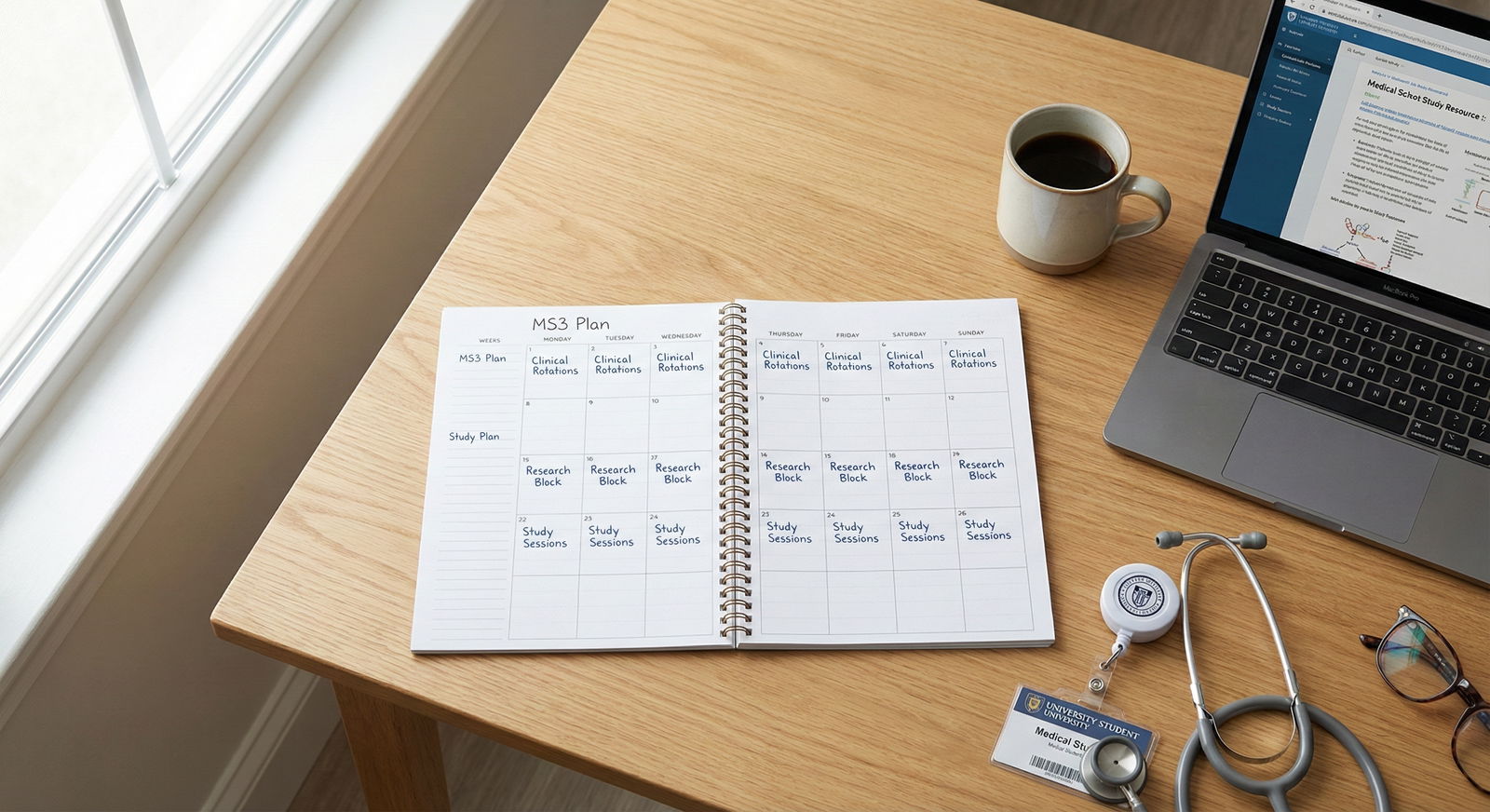
What helps most is building a recovery narrative you can actually believe. Not spin. Not fake positivity. A real narrative: you recognized the problem, sought guidance early, changed the method, and produced better results. That’s persuasive because it sounds like residency. Residents struggle, adapt, get feedback, and improve. Programs want people who can do that.
Panic, on the other hand, is useless. It burns energy and produces nothing. I know that sounds harsh, but it’s true. The application gets stronger because of action, not because you suffered dramatically enough in private.
Closing: The Goal Is Recovery, Not Perfection
A failed shelf is bad news. Let’s not play word games. But bad news is not the same thing as a prophecy. It’s a problem. A real one. One you need to handle fast and intelligently.
And yes, in the pass/fail Step 1 era, it can look worse because there’s one less big number competing for attention. That part of your fear is grounded in reality. But what gives the event its long-term meaning is your response. Reviewers are not just seeing the failure. They’re seeing whether you recovered like a future physician or unraveled like someone waiting for perfect conditions.
So do the next right thing today. Check your school’s policy. Email the advisor. Meet with the clerkship director. Get the score breakdown. Fix the study plan. Build the comeback calendar. Stop letting the worst-case scenario narrate your life while you do nothing.
You do not need perfection from here. You need traction.