Unlocking Your Future: How Student Organizations Power Medical Networking and Career Growth
In medicine, who you know and how you engage with them can be just as important as what you know. Medical Networking is not just a nice bonus—it is a critical component of Career Development, Mentorship, and long‑term Professional Growth.
For premeds and medical students, student organizations are one of the most powerful (and often underused) tools to build that network. Used strategically, they can help you:
- Explore specialties and career paths
- Find mentors and research opportunities
- Build leadership and advocacy experience
- Strengthen your residency and fellowship applications
- Develop a supportive community that sustains your well‑being
This guide walks through how to use Student Organizations intentionally—from premed through medical school—to build a strong, meaningful professional network in medicine.
Why Networking Matters Early in Your Medical Journey
Networking can feel like a business buzzword, but in medicine it translates into very concrete benefits.
Identifying Hidden Opportunities
Many of the best opportunities are never widely advertised:
- A research project that needs one more motivated student
- A clinical shadowing or scribe opportunity in a competitive specialty
- A leadership role in a community health project
- A last‑minute opening in a summer program or scholarship
When you are active in student organizations, your name comes up when faculty, residents, or student leaders ask, “Do you know anyone who might be a good fit for this?” That is Medical Networking in action.
Actionable tip:
At each meeting or event, introduce yourself to at least one new person (student, resident, or faculty) and ask what projects they’re involved with. Over time, those small introductions become a web of opportunities.
Gaining Real-World Guidance and Mentorship
Medical school and premed life are full of high‑stakes decisions:
- Which classes or extracurriculars actually matter for applications?
- How many research projects should you take on?
- Which specialty might fit your values and strengths?
- How do you recover from a low exam score or application setback?
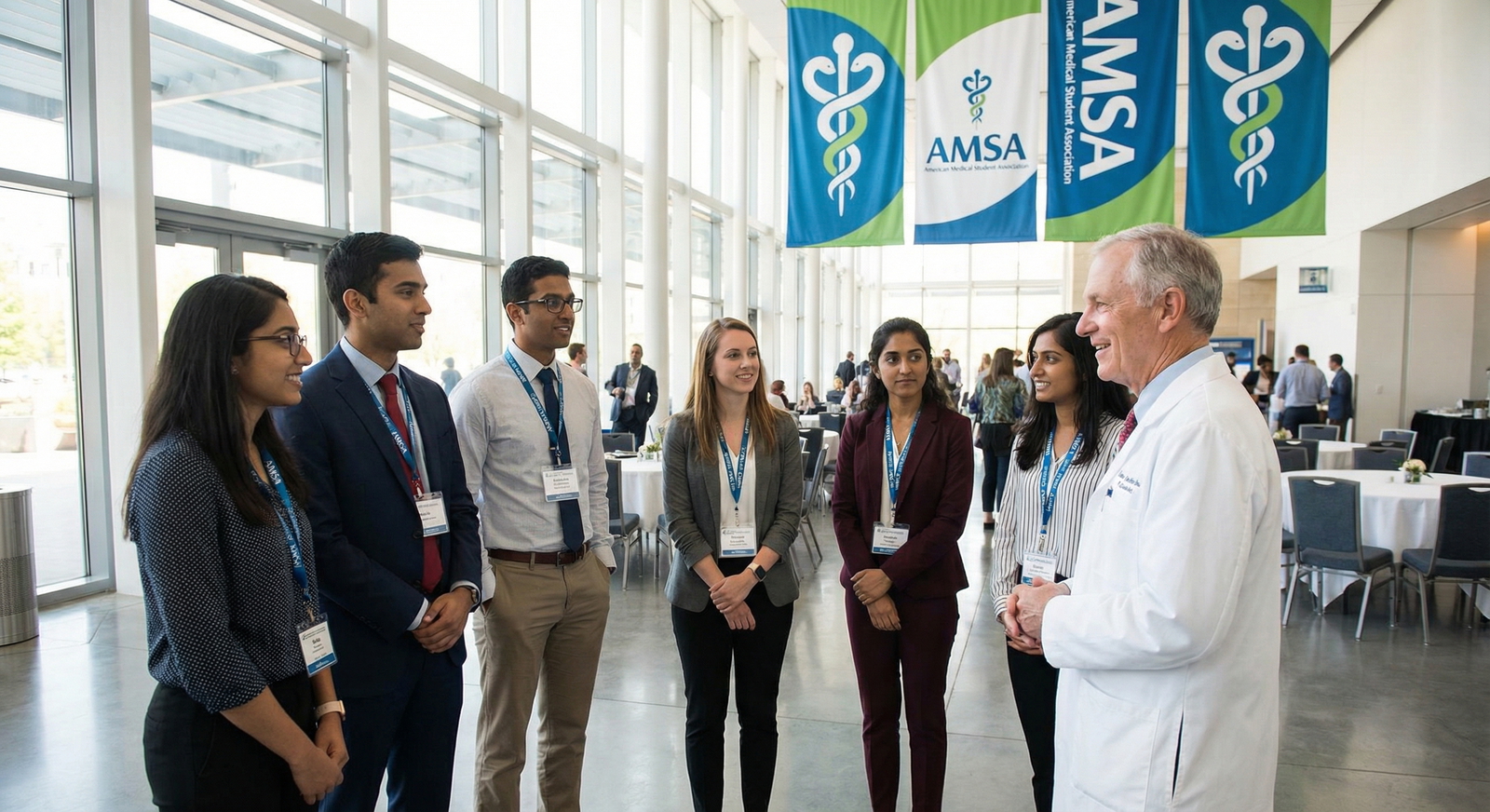
Student organizations create natural spaces to meet near-peers (MS2–MS4, senior premeds) and faculty who have already navigated these questions. This is where structured and informal Mentorship emerges.
Examples of guidance you might receive through organization contacts:
- Honest advice on which research mentor actually gives students authorship
- Study strategy tips specific to your school’s exams
- Realistic timelines for USMLE/COMLEX prep or MCAT preparation
- Insights on what different specialties are really like day to day
Building Collaborative Professional Relationships
Medicine is a team sport. Whether you are on a code team, in the OR, or managing a complex outpatient case, your ability to collaborate determines patient outcomes.
Student organizations train this early:
- Planning events with peers mimics committee work in hospitals
- Working on community health projects mirrors interdisciplinary care
- Serving on organization boards parallels leadership roles in departments
These experiences teach you how to communicate, delegate, give and receive feedback, and manage conflict—all critical skills that residency program directors look for.
Expanding Skills Beyond the Classroom
Student organizations are immersive training grounds for:
- Leadership: Running meetings, managing budgets, coordinating events
- Communication: Public speaking, presenting at panels, writing newsletters
- Project Management: Planning health fairs, mentorship programs, or conferences
- Advocacy and Policy: Organizing campaigns, meeting with legislators, writing policy resolutions
You gain tangible examples you can reference in personal statements, scholarship essays, and residency interviews.
Finding Community and Long-Term Support
The path to and through medical school is stressful and isolating if you try to do it alone. Student groups create community where:
- You feel understood by others facing similar stressors
- You can talk honestly about imposter syndrome, burnout, or identity-related challenges
- You celebrate each other’s wins—acceptances, publications, match results
These friendships often persist as you move into residency and beyond, extending your Professional Growth network well into your career.
Key Types of Student Organizations in Medicine (and How They Help You Grow)
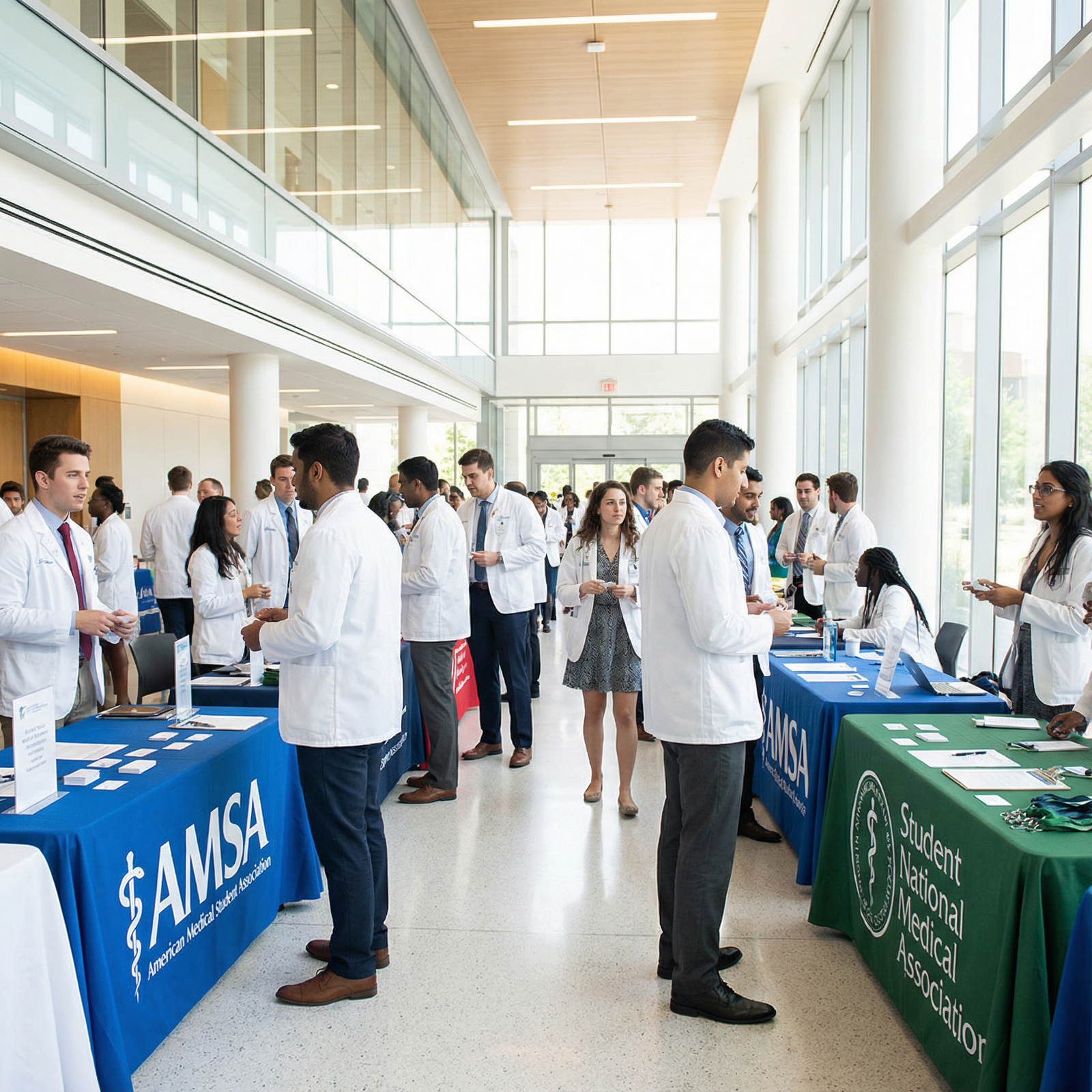
Most schools and universities offer far more organizations than you might realize. Understanding the “ecosystem” helps you choose groups that match your goals.
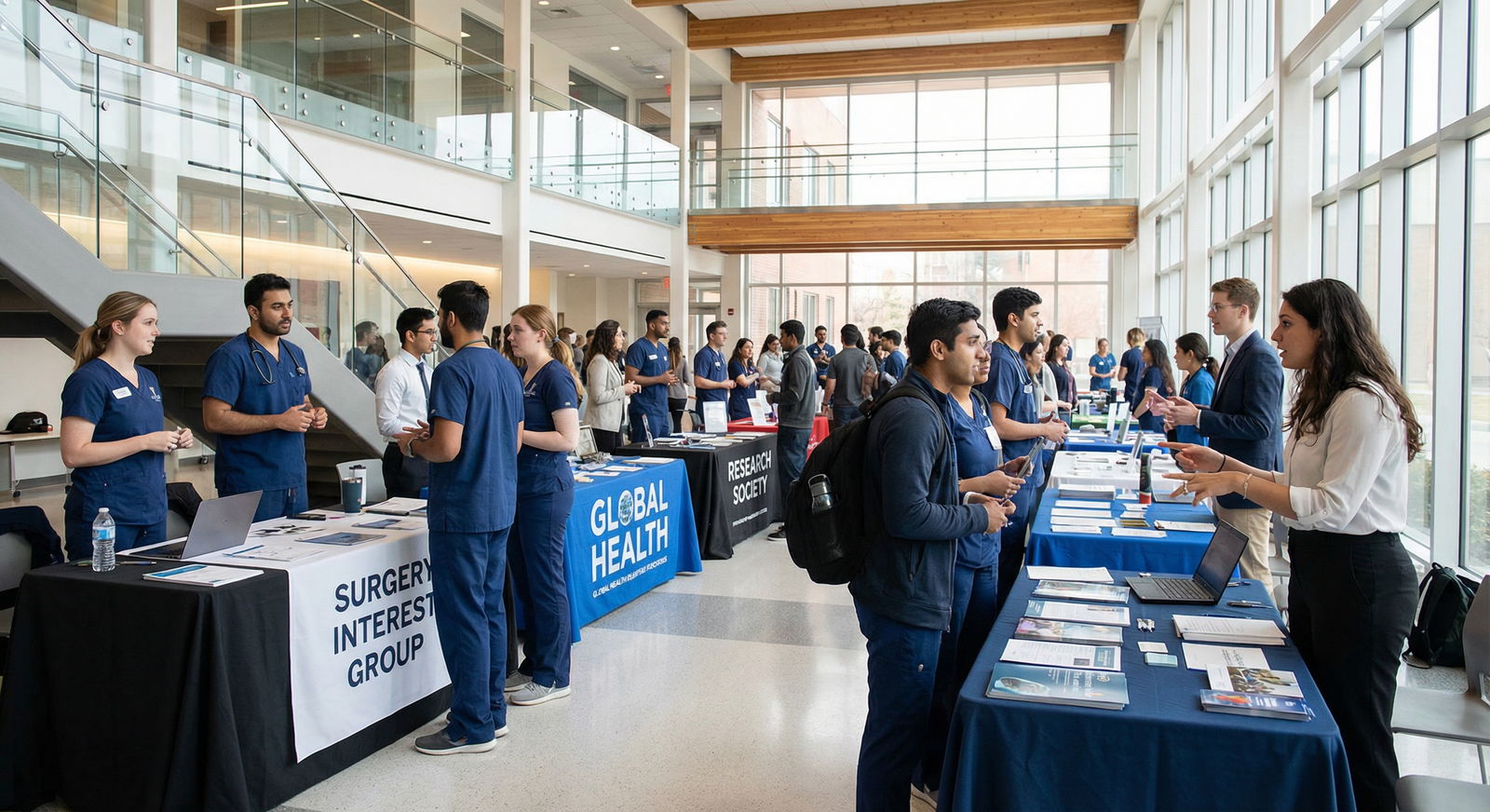
1. Professional Medical Societies and National Organizations
These groups connect local student chapters with national or international professional bodies. Examples include:
- American Medical Association (AMA) Medical Student Section
- American Medical Women’s Association (AMWA)
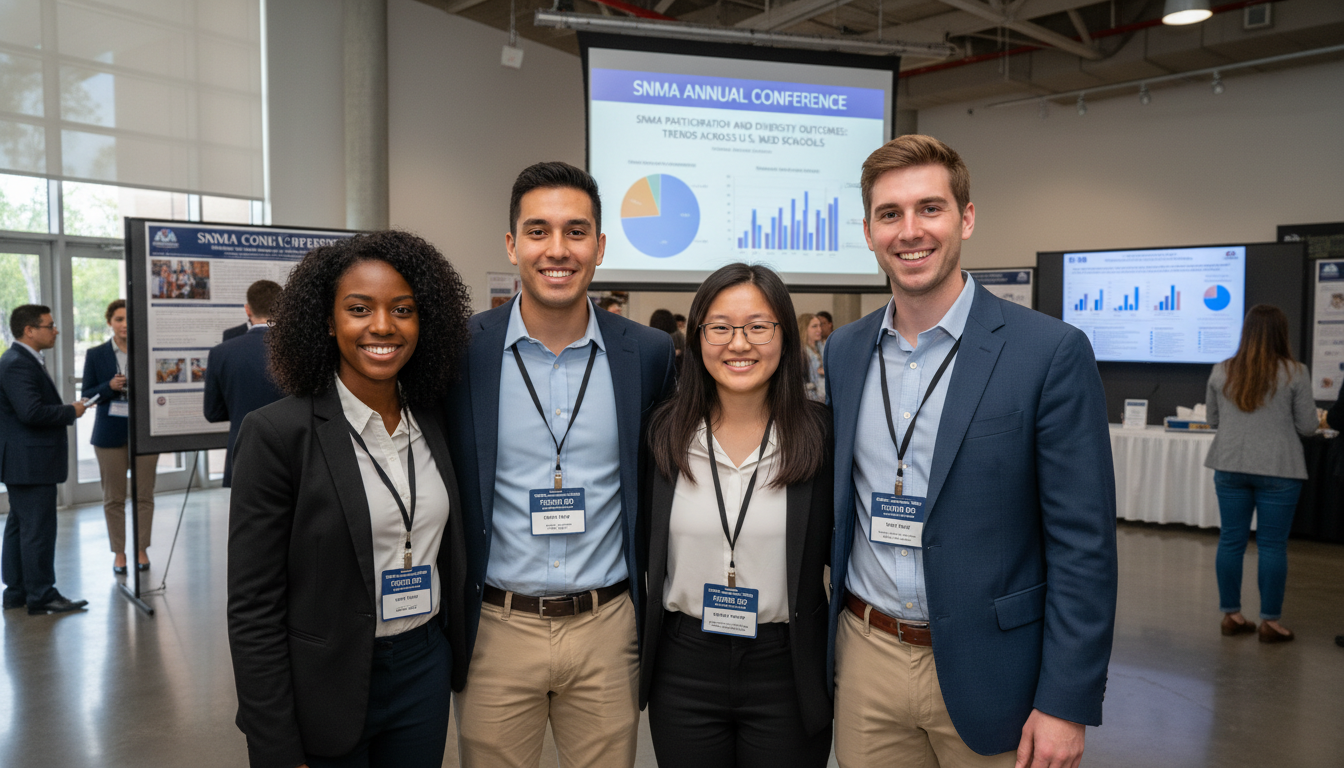
- Student National Medical Association (SNMA)
- Latino Medical Student Association (LMSA)
- American College of Physicians (ACP) student chapters
- Specialty-driven groups (e.g., American College of Surgeons, ACOG, ACEP)
How they support Career Development and Professional Growth:
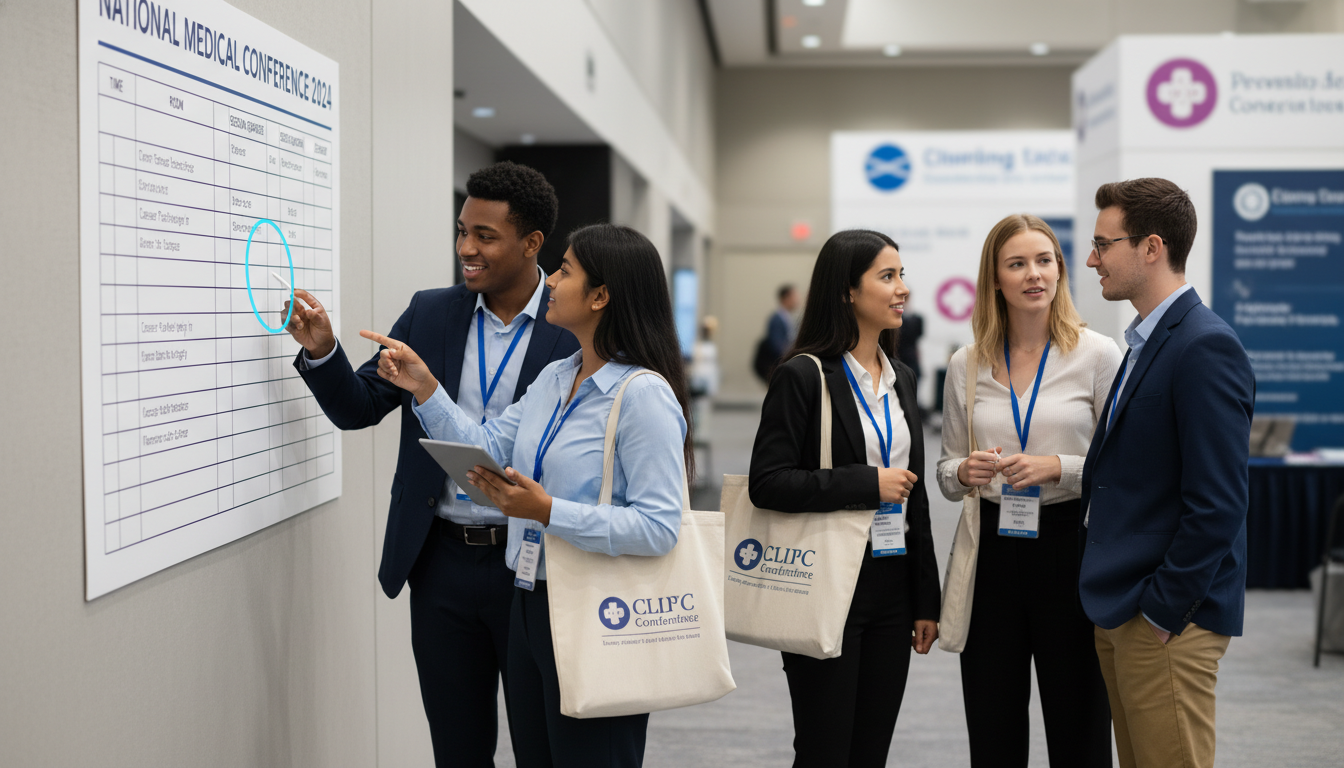
- Access to national conferences, workshops, and leadership programs
- Exposure to advocacy and health policy at state and national levels
- National mentorship programs linking you to residents and attendings
- Scholarships, grants, and travel awards
- Leadership roles that carry weight on CVs and residency applications
Strategic advice:
If you join just one or two “big” organizations, choose at least one with a robust national structure. That way, local involvement can scale into national leadership or scholarship opportunities.
2. Specialty and Interest Groups
These include organizations centered on specific fields:
- Surgery, Pediatrics, Internal Medicine, Family Medicine, EM, Psychiatry, Neurology
- Orthopedics, Dermatology, Radiology, Oncology, Anesthesiology, etc.
- Themed groups: Global Health, Rural Medicine, LGBTQ+ health, Palliative Care, Sports Medicine
Benefits:
- Shadowing and clinical exposure (e.g., OR observation days, specialty clinic visits)
- Panels with residents and attendings explaining training paths and lifestyle
- Hands-on workshops (suturing, point-of-care ultrasound, airway management)
- Guidance on building a competitive CV for that specialty
For premeds:
Premed specialty interest groups (e.g., premed surgery club, global health groups) expose you to the realities of different careers early, helping you speak more concretely about your interests on applications.
3. Volunteer, Service, and Community Health Organizations
These groups focus on service and advocacy, such as:
- Student-run free clinics
- Mobile health or street medicine teams
- Health fair committees
- Global health brigades or telehealth outreach
- Public health education groups in local schools or community centers
How they advance your development:
- Direct patient interaction and communication skills
- Insight into social determinants of health (SDOH) and health disparities
- Opportunities to design and evaluate community interventions
- Powerful stories and experiences for personal statements and interviews
Programs like these are particularly impactful if you are interested in:
- Primary care, family medicine, pediatrics, internal medicine
- Public health, policy, or community-engaged research
- Underserved or rural medicine
4. Research and Academic Organizations
Research-focused groups help you gain entry to the academic side of medicine:
- Student research societies
- Journal clubs
- Specialty-specific research groups (e.g., neurology research collaborative)
- Honors research programs
Advantages:
- Matchmaking with faculty mentors and active labs
- Workshops on research methods, statistics, IRB processes, and scientific writing
- Practice presenting at local symposia or conferences
- Opportunities for posters, oral presentations, and publications
A strong research network is especially valuable if you are interested in competitive specialties (dermatology, ortho, neurosurgery, ENT, ophtho, radiology) or academic medicine.
5. Peer Support, Identity-Based, and Advocacy Groups
These organizations focus on wellness, inclusion, and representation:
- Wellness and mental health support groups
- Organizations for underrepresented in medicine (URiM) students
- LGBTQ+ affinity groups
- First-generation or low-income medical student associations
- Student advocacy or social justice organizations
Their impact:
- Safe spaces to discuss challenges tied to identity, culture, or background
- Mentorship pipelines for underrepresented students
- Advocacy initiatives that improve the learning environment for future cohorts
- Leadership roles that demonstrate commitment to equity and inclusion
Residency programs increasingly value applicants who show genuine engagement in diversity, equity, inclusion, and wellbeing efforts—these organizations provide authentic avenues for that work.
Making Student Organizations Work for You: Strategic Involvement
Simply signing up for an email list is not enough. To translate membership into real Medical Networking and career benefits, you need a purposeful approach.
Join Intentionally, Not Randomly
At the start of premed or medical school, you may feel pressure to join everything. This leads quickly to burnout and shallow engagement.
Instead:
- Choose 2–4 core organizations that align with your current interests:
- One professional/national society
- One specialty or interest group
- One service or community-related group
- One support/identity/advocacy group (if relevant to you)
You can attend occasional events from other groups without committing heavily to all of them.
Show Up Consistently
Relationships form when people see you repeatedly over time.
- Attend meetings regularly, even if you are not in leadership
- Volunteer reliably for events—then follow through
- Ask questions, participate in discussions, and respond to emails
Faculty and senior students notice who consistently shows up. Those are the people they later think of for opportunities.
Seek Leadership Roles Thoughtfully
Leadership can be transformative—but not if you overextend yourself.
Good times to pursue leadership:
- After you’ve attended regularly for at least one semester (premed) or half an academic year (med school)
- When you can clearly state how you’d like to improve or expand the organization
- When your schedule can realistically accommodate planning and follow-up
Examples of valuable leadership roles:
- President or Co-Chair: strategic vision, program development
- Vice President or Secretary: operations, communication
- Treasurer: budgeting and financial management
- Event Coordinator: planning conferences, workshops, and community events
- Outreach or Mentorship Chair: building vertical mentorship chains between classes
Leadership in student organizations translates directly into talking points for interviews: “Tell me about a time you led a team,” “Describe a challenge you faced and how you handled it,” etc.
Use Modern Networking Platforms Strategically
Most student groups now use digital tools to extend their reach:
- Email listservs and newsletters
- Group chats (GroupMe, WhatsApp, Slack, Discord)
- Social media (Instagram, LinkedIn pages, Facebook groups)
- Organization pages on your institution’s portal
Smart habits:
- Follow relevant organizations on LinkedIn and connect with speakers after events
- Maintain a professional LinkedIn profile listing your roles and projects
- Join Slack or messaging channels and contribute meaningfully (share resources, answer questions, not just lurk)
This positions you as engaged and informed—and increases the likelihood that others will think of you when something comes up.
Engage With Faculty, Residents, and Professionals
The most powerful networking often happens when student organizations bring in outside speakers.
Before the event:
- Look up the speaker’s background and publications
- Prepare 1–2 thoughtful questions related to your interests
During the event:
- Introduce yourself briefly at the end: name, year, and a line about your interests
- Ask a concise question about their career path, advice, or current projects
After the event:
- Send a short thank-you email or LinkedIn message within 24–48 hours:
- Mention a specific point you found helpful
- If appropriate, ask for a brief follow-up meeting or advice
Many mentorships and research collaborations begin exactly this way.
Collaborate Across Organizations
Collaborative events multiply your reach:
- A specialty interest group partnering with a community clinic group for a screening event
- Professional societies working with identity-based groups on equity initiatives
- Research groups and specialty clubs co-hosting journal clubs
By working across organizations, you:
- Meet peers outside your immediate circle
- Engage with multiple faculty mentors
- Gain experience in interdisciplinary project management
These joint projects look particularly strong on a CV because they show your ability to work across groups and serve broader communities.
Maintain and Nurture Connections
Networking is not “one and done.” It’s ongoing relationship-building.
Simple ways to maintain relationships:
- Send periodic updates to mentors (e.g., after a major exam, acceptance, or new project)
- Congratulate peers and faculty on achievements (Match, publications, awards)
- Share relevant opportunities with your network, not just ask for them
- Offer to help newer students the way others helped you
Over time, you’ll develop a reputation as someone who is reliable, collaborative, and generous—exactly the type of colleague institutions want.
Real-World Examples: How Student Organizations Shape Careers
Understanding abstract benefits is useful; seeing how this plays out for real students is even more instructive.
Case Study 1: Building a Research and Mentorship Network
Jessica, a second-year medical student interested in neurology, joined her school’s student research society early in M1. At first, she simply attended monthly meetings and learned how to read and present papers.
Over time she:
- Volunteered to help coordinate a student research symposium
- Gave a short presentation on a neurology topic she found fascinating
- Started arriving a few minutes early to chat with the faculty advisor
A faculty neurologist noticed her interest and invited her to join a small clinical research project. Jessica:
- Helped with data collection and chart review
- Attended weekly research meetings with residents and fellows
- Eventually earned a middle-author publication and a poster at a national conference
By M3, she had:
- Two posters and one publication
- Strong letters of recommendation from her research mentor and residents
- A clear, evidence-based narrative for her neurology residency applications
This entire trajectory began with one student organization and consistent engagement.
Case Study 2: Leadership, Advocacy, and Community Impact
David, a third-year premed student, noticed that his university lacked a cohesive health advocacy group. After talking with a faculty mentor and other students, he launched a new organization focused on community health education.
Key steps he took:
- Partnered with local community centers and high schools
- Organized workshops on hypertension, diabetes prevention, and mental health
- Recruited premeds, nursing students, and public health majors to build an interdisciplinary team
Through this experience, he:
- Developed substantial leadership and project management skills
- Built relationships with community leaders and local physicians
- Produced measurable outcomes (attendance numbers, survey data, follow-up visits)
On his medical school applications and interviews, David could point to:
- Concrete evidence of long-term commitment to underserved communities
- Clear examples of initiative and follow-through
- Strong letters from community partners and faculty advisors
The organization outlived his time at the university, becoming an enduring part of the campus service landscape—a powerful legacy and talking point as he moved into medical training.

Practical Checklist: Getting Started and Maximizing Impact
Use this checklist whether you are a premed or already in medical school.
Step 1: Clarify Your Goals
Ask yourself:
- What do I hope to gain? (Mentorship, research, clinical exposure, leadership, community service, support)
- What specialties or topics am I curious about?
- How much time can I realistically commit this semester?
Write your answers down. Refer back to them when choosing organizations.
Step 2: Explore and Sample
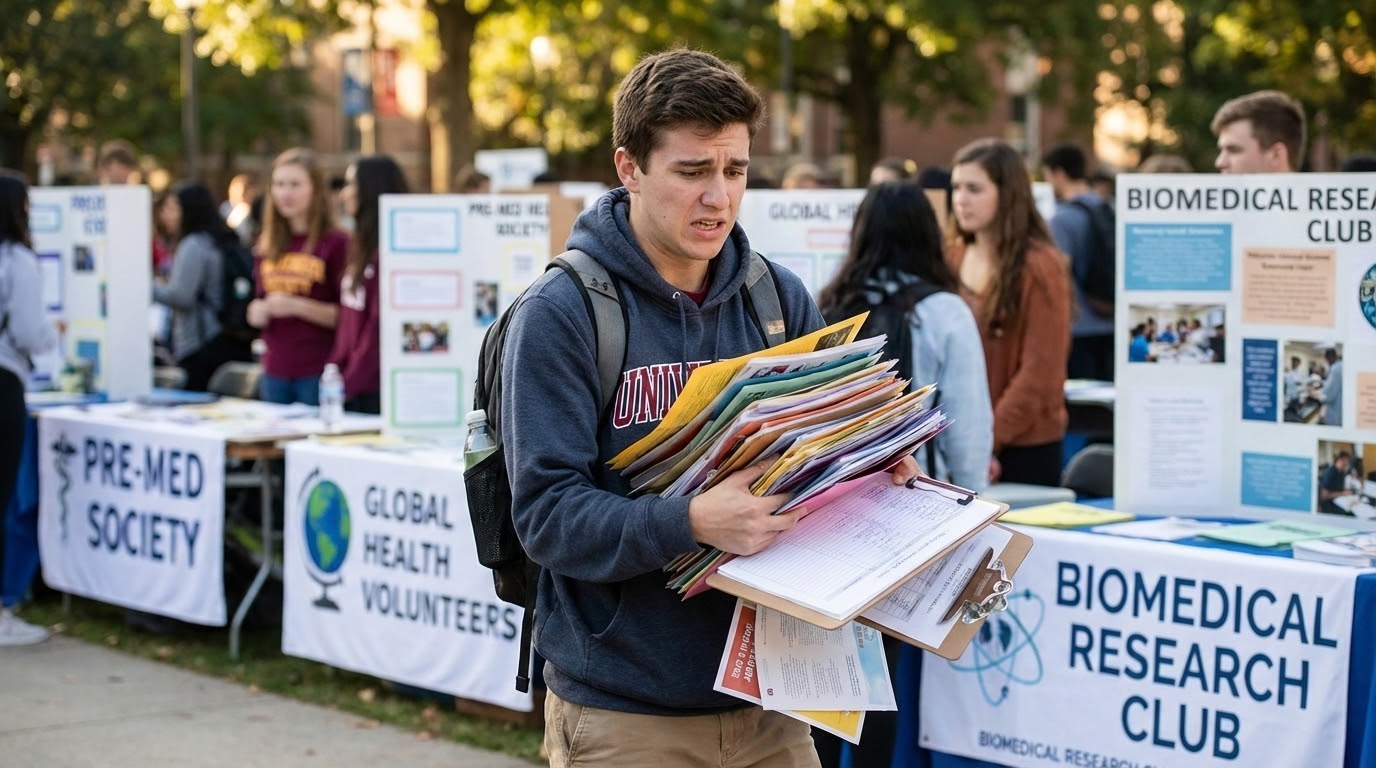
During your school’s organization fair or early in the term:
- Make a list of 6–10 groups that interest you
- Attend at least one meeting/event for each
- Pay attention to:
- The group’s culture (welcoming? organized?)
- The consistency of activities (do they do more than send emails?)
- Opportunities for involvement beyond passive attendance
Then narrow down to your top 2–4 for deeper engagement.
Step 3: Commit and Contribute
Once you choose your primary organizations:
- Show up regularly for at least one full term
- Volunteer for small roles first (taking minutes, helping with event setup, moderating a panel)
- Ask leaders how you can be helpful rather than waiting to be asked
Step 4: Seek Mentors and Meaningful Projects
After you’ve established yourself:
- Identify 1–2 faculty or senior students you resonate with
- Request brief meetings to ask about:
- Their career path
- Their advice for someone at your stage
- Potential opportunities to get involved in ongoing projects
Be specific and respectful of their time; come prepared, and follow through on any commitments.
Step 5: Reflect and Adjust Each Semester
At the end of each term or year, evaluate:
- Which organizations actually helped your Professional Growth?
- Where did you feel energized vs. drained?
- Did you get closer to your goals (skills, exposure, mentorship)?
Adjust your involvement accordingly. It’s normal (and wise) to shift as your career interests become clearer.
FAQs: Student Organizations, Medical Networking, and Your Career
Q1: How do I choose the “right” student organizations if I’m not sure about my specialty yet?
If you are undecided, focus on broad exposure rather than narrowing too fast. Pick:
- One general professional organization (e.g., AMA, SNMA, LMSA, AMWA)
- One or two specialty interest groups that sound intriguing
- One service or community health group
Your goal in the first 1–2 years is exploration and skill-building, not perfect alignment with a future specialty. As your interests evolve, you can adjust your involvement.
Q2: Can involvement in too many organizations hurt my grades or applications?
Yes—overcommitting is a common pitfall. Admissions committees and residency programs generally prefer:
- Deeper, sustained engagement and leadership in a few organizations
over - Superficial membership in many groups
A good rule of thumb: If your extracurriculars start compromising your academic performance, step back. Protecting your grades and well-being is part of wise Career Development.
Q3: How exactly do student organizations strengthen my residency or medical school application?
Student organizations can enhance your application by providing:
- Leadership experience (positions, projects, initiatives you led)
- Evidence of service and commitment to underserved communities
- Mentors who can write strong, detailed letters of recommendation
- Research output (posters, presentations, publications)
- Clear narrative tying your activities to your values and specialty choice
When you can say, “Through my work with [organization], I learned…,” you show depth and reflection—not just a list of activities.
Q4: What if I’m shy or introverted—can I still benefit from Medical Networking through student organizations?
Absolutely. Networking is not about being the loudest person in the room. You can:
- Attend smaller events (workshops, journal clubs, committee meetings)
- Volunteer behind-the-scenes roles (logistics, communications, data tracking)
- Ask thoughtful one-on-one questions after talks
- Send follow-up emails rather than trying to network with everyone at once
Many introverted students build strong networks through consistent, genuine, smaller-scale interactions.
Q5: Is it worth starting my own organization if one doesn’t exist for my interest?
It can be extremely valuable—but it’s also a major commitment. It’s worth considering if:
- There’s a sustained unmet need (not just a one-time idea)
- At least a few other students share your interest
- You have at least one potential faculty advisor
- You can realistically balance this with academics and other responsibilities
Founding an impactful organization can strongly demonstrate initiative, leadership, and vision—but only if the group is active, structured, and continues after you.
Student organizations are not just extracurriculars; they are one of the most powerful engines for Mentorship, Medical Networking, and Professional Growth in your journey from premed to practicing physician. When you engage strategically—choosing intentionally, showing up consistently, seeking mentorship, and reflecting regularly—you build a network and skill set that will support you for the rest of your career in medicine.