Introduction: Why AMSA Matters for Pre-Med Students
For aspiring physicians, the road to medical school can feel overwhelming: prerequisite courses, MCAT preparation, clinical exposure, research, leadership, and crafting a standout application. Navigating all of this alone is difficult—and unnecessary.
The American Medical Student Association (AMSA) is one of the most influential student-led organizations in the United States and a powerful ally for pre-med students. Beyond simply being “another pre-med club,” AMSA offers a structured ecosystem of Pre-Med Resources that support you academically, professionally, and personally.
From mentorship and networking to medical education, advocacy, and application support, AMSA helps you build the skills, experiences, and relationships that medical schools value. This article provides a deep dive into the most important AMSA resources for pre-med students and offers concrete strategies to use them effectively.
Understanding AMSA: Mission, Structure, and Why It’s Unique
AMSA, founded in 1950, is an independent, student-governed organization representing pre-med and medical students nationwide. Its core mission is to improve healthcare and medical education by empowering students as future physician-leaders.
What Makes AMSA Distinct in the Pre-Med Landscape
While many campus pre-med clubs focus primarily on admissions logistics, AMSA goes further by integrating:
- Medical Education and Skill-Building – Early exposure to topics such as health policy, ethics, public health, and clinical issues.
- Advocacy and Social Justice – Training and opportunities to address healthcare inequities and influence policy.
- Networking and Mentorship – Access to a national network of medical students, residents, and faculty.
- Leadership Development – Structured pathways to chapter, regional, and national leadership roles.
Core Focus Areas of AMSA
AMSA’s work can be understood through three major pillars:
Education
- Webinars, conferences, and learning modules on pre-med and medical education topics.
- Specialty exploration sessions and exposure to emerging fields (e.g., global health, digital health).
Advocacy and Service
- Campaigns on health equity, access to care, reproductive justice, climate and health, and more.
- Community service projects organized through local chapters and national initiatives.
Professional and Personal Development
- Leadership training, wellness programs, and career development workshops.
- Structured mentoring and national networking opportunities that extend beyond undergraduate years.
Educational Resources: Building a Strong Foundation in Medical Education
Before you ever submit your application, medical schools want to see that you understand the realities of medicine and are committed to life-long learning. AMSA’s educational offerings are designed to help you do exactly that.
AMSA Publications and Online Learning
AMSA Journal and Publications
AMSA produces educational content aimed at students interested in both clinical medicine and healthcare systems:
AMSA Journal – Features research, policy analysis, and opinion pieces authored by students and professionals.
- As a pre-med, you can:
- Stay current on topics like health policy, medical ethics, and innovations in care.
- Learn how to write academically by reading student-authored pieces.
- Eventually submit your own articles or reflections—strong evidence of scholarly engagement.
- As a pre-med, you can:
Blogs, Newsletters, and Issue Briefs
Regular content helps you:- Discover emerging issues in healthcare (e.g., telemedicine, AI in medicine).
- Understand how social determinants of health and legislation affect patient care.
- Develop talking points for interviews and secondary essays.
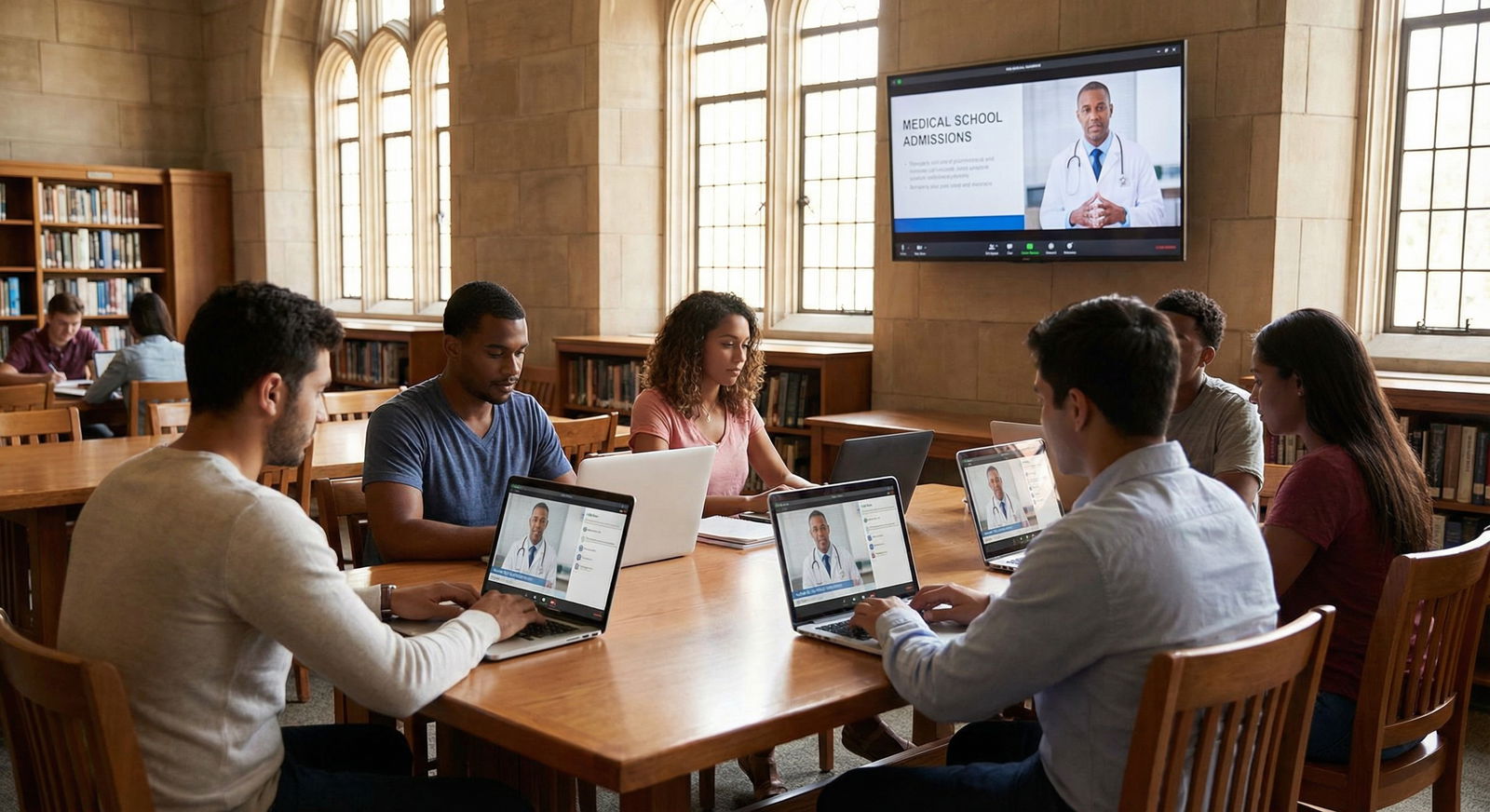
Webinars and Virtual Events
AMSA’s online events are among its most accessible Pre-Med Resources:
Common webinar topics include:
- Navigating pre-med coursework and GPA repair strategies.
- Understanding the MCAT timeline and prep strategies.
- Specialty spotlights (e.g., pediatrics, emergency medicine, psychiatry).
- Hot-button issues in medicine—such as physician burnout, healthcare financing, or diversity in medicine.
How to leverage AMSA webinars effectively:
- Treat them like mini-courses—take notes, save slides, and revisit key concepts.
- Use what you learn to inform your personal statement and interview answers.
- After a webinar, connect with speakers or panelists via LinkedIn or AMSA networks to begin professional relationships.
Networking Through AMSA: Building Your Professional Community Early
One of AMSA’s most powerful benefits is facilitating Networking and Mentorship at both local and national levels. Medicine is a relationship-driven field, and AMSA efficiently connects you to peers and professionals who can guide and support your development.
Local AMSA Chapters: Your On-Campus Hub
Most pre-med students first encounter AMSA through a local chapter at their college or university. These chapters function as active student organizations with:
- Regular meetings featuring:
- Physician guest speakers
- Medical student panels
- Skill-building workshops (e.g., CV building, public speaking, clinical ethics)
- Group volunteer activities:
- Health fairs
- Vaccination drives
- Health education programs in schools or community centers
- Peer study groups:
- MCAT study cohorts
- Pre-med course support (e.g., organic chemistry, biochemistry)
Actionable tip:
Try to attend at least a few chapter events each semester. Introduce yourself to officers and explain your interests (e.g., research, global health, pediatrics). This often leads to leadership opportunities, shadowing leads, or advocacy projects.
Regional and National AMSA Events: Expanding Your Network
Beyond campus, AMSA organizes:
Annual National Conventions and Regional Conferences
These events include:- Keynote talks from leading physicians and health policy experts.
- Workshops on admissions, specialty selection, and career planning.
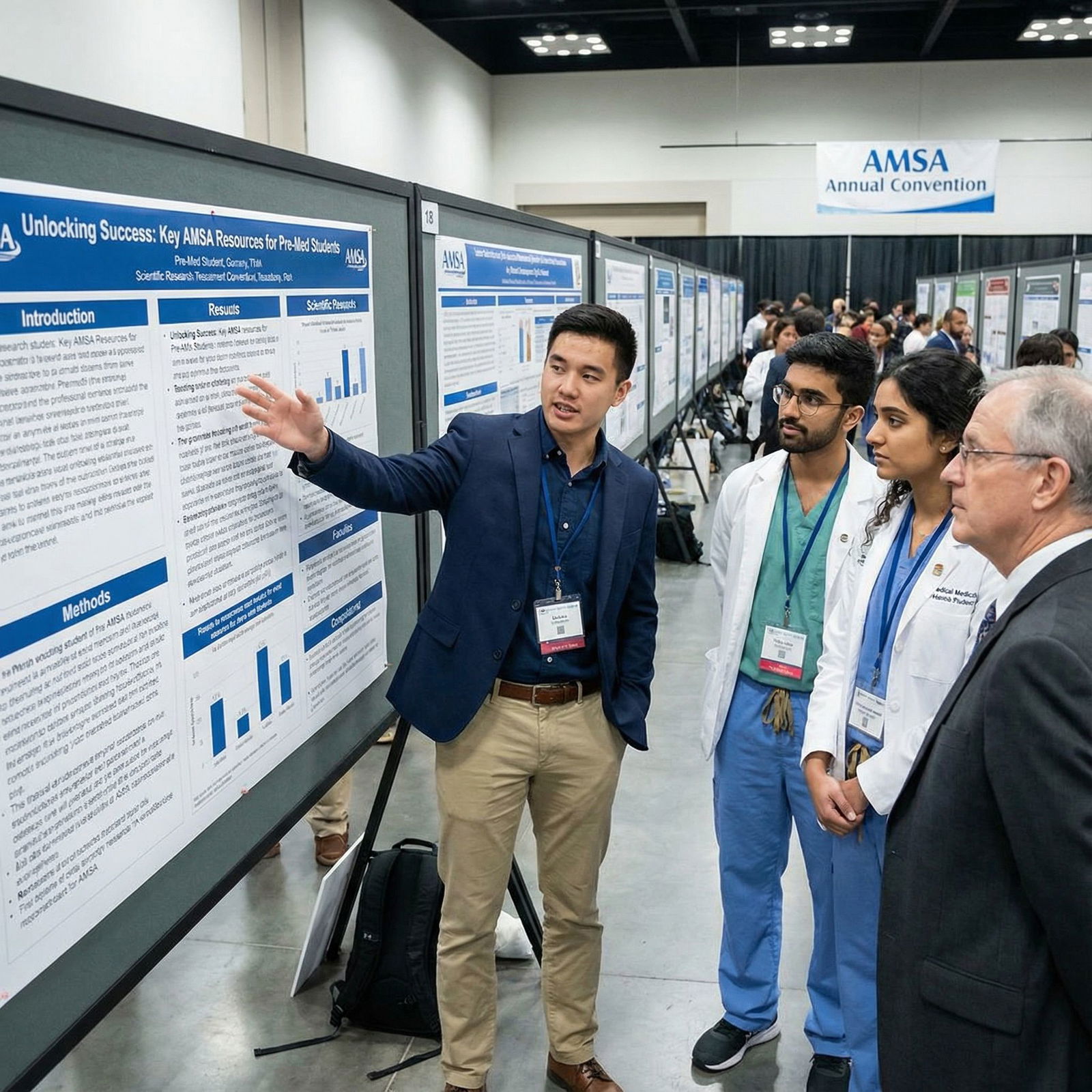
- Poster sessions where students present research.
- Networking spaces with medical students from across the country.
Virtual Networking Nights / Career Panels
Where pre-meds can:- Meet medical students at different schools.
- Ask candid questions about curriculum, clinical rotations, and school culture.
- Learn about different paths (MD, DO, MD/PhD, MPH, etc.).
How this helps your future applications:
- You can reference specific AMSA events in your personal statement or “most meaningful experiences.”
- You may find mentors who later write letters of recommendation.
- You develop comfort conversing with physicians—a key skill for interviews and clinical life.
AMSA Mentorship: Guided Support from Pre-Med to Residency
Strong mentorship is one of the most valuable elements in a successful pre-med journey. AMSA’s mentorship structure supports you at multiple levels—peer, near-peer, and professional.
Peer and Near-Peer Mentorship
Many local AMSA chapters run structured mentorship programs where:
Upperclass pre-meds mentor freshmen and sophomores
They can help with:- Course sequencing (e.g., when to take organic chemistry or physics).
- Choosing meaningful extracurriculars aligned with your goals.
- Early planning for the MCAT and application timeline.
Medical students mentor pre-meds
Through local initiatives or national programs, you can be paired with:- M1–M4s who recently navigated exactly what you’re facing.
- Students who share your background or career interests (e.g., first-gen college students, non-traditional students, underrepresented in medicine).
Professional Mentorship with Physicians and Faculty
AMSA also facilitates connections with:
- Practicing physicians who speak at chapter events or serve as advisors.
- Alumni who are residents or attendings and remain engaged with AMSA.
- Physicians involved in advocacy, policy, or academia who can broaden your understanding of non-traditional career paths.
How to make the most of mentorship:
- Come prepared to meetings with specific questions (e.g., “How should I decide when to apply?” or “What experiences strengthened your application the most?”).
- Keep a running document where you log your mentor’s advice and how you followed up.
- Nurture the relationship—send periodic updates and expressions of gratitude, not just requests.
Medical School Application Resources: From Planning to Acceptance
One of AMSA’s biggest draws for pre-meds is the suite of application-focused resources that demystify and streamline the process.
Strategic Application Planning
AMSA helps you build a realistic and competitive application strategy through:
Timeline Guides and Checklists
Including:- When to complete prerequisites.
- Ideal MCAT windows.
- Key dates for AMCAS/AACOMAS/TMDSAS.
- When to request letters of recommendation and finalize your school list.
AMSA’s Pre-Medical Guide
A comprehensive resource that covers:- Academic preparation and choosing your major.
- Clinical and non-clinical experiences that matter.
- Gap year planning, if relevant.
- How to evaluate your competitiveness and refine your target schools.
Application Skill-Building: Personal Statements and Interviews
AMSA offers direct support on the most challenging parts of the application:
Personal Statement Workshops
- Walkthroughs on structure, narrative style, and reflection.
- Guidance on avoiding clichés and effectively describing your motivation for medicine.
- Group critique sessions or one-on-one feedback in some chapters.
Activities and Secondaries Support
- Tips on describing experiences in the AMCAS/AACOMAS activities sections.
- Strategies to answer common secondary prompts (e.g., “Why our school?”, “Diversity,” “Challenge or failure”).
Interview Preparation
- Mock interview events with medical students or physicians.
- Training for both traditional interviews and Multiple Mini Interviews (MMIs).
- Constructive feedback on communication style, professionalism, and content.
Outcome:
Students who fully utilize these AMSA Medical Education and application resources often feel more confident and polished in how they present their story—and that comes through in essays and interviews.
Community Service, Advocacy, and Leadership: Standing Out for the Right Reasons
Medical schools increasingly value applicants who demonstrate commitment to health equity, leadership, and service—all central to AMSA’s mission.
Community Service Opportunities
Through AMSA, pre-med students can engage in:
Local Health Outreach
- Screening events for blood pressure, diabetes, or cholesterol (under appropriate supervision).
- Health fairs in underserved communities.
- Educational sessions on nutrition, sexual health, or mental health.
Campus-Based Initiatives
- Organizing blood drives.
- Running health promotion campaigns (e.g., flu vaccination awareness).
- Participating in fundraising for global health missions or disaster relief.
These experiences are not just “hours” to log; they help you understand how social, economic, and cultural factors impact patients’ health—knowledge that enriches your future patient care and application narratives.
Advocacy Training and Health Policy Engagement
AMSA is known for its strong focus on advocacy and social justice in healthcare. Pre-meds can:
Attend advocacy trainings that teach:
- How to talk to legislators or write effective policy letters.
- How to use data and patient stories to argue for change.
- How healthcare policy shapes clinical practice.
Participate in national campaigns on:
- Access to care
- Mental health
- Climate and health
- Reproductive health
- Anti-racism in medicine
Why this matters for your career and application:
- Advocacy experience shows depth of understanding beyond biology and chemistry.
- It signals alignment with the professional values of many medical schools.
- It provides compelling stories and reflections for secondaries and interviews.
Leadership Development Through AMSA
Leadership roles in AMSA are a structured way to develop high-impact skills:
Chapter Leadership Positions
- President, vice president, treasurer, events coordinator, advocacy chair, etc.
- You gain experience in project management, public speaking, budgeting, and team management.
Regional and National Positions
- Opportunities to help shape AMSA policy, coordinate national initiatives, or manage committees.
- These roles demonstrate sustained and high-level engagement—compelling evidence for admissions committees.
You can highlight these leadership experiences in your application as examples of initiative, responsibility, and the ability to work in diverse teams—traits critical for physicians.
Research, Conferences, and Online Platforms: Extending Your Reach
Not every pre-med will have a home institution rich in research and academic opportunities. AMSA helps bridge that gap.
Research and Scholarly Opportunities
AMSA supports pre-meds interested in research by:
Hosting Student Research Presentations at Conferences
- You can submit abstracts and present posters or talks at regional or national meetings.
- This exposure is valuable whether your work is in basic science, clinical research, or public health.
Highlighting Research Programs and Grants
- AMSA frequently shares information on:
- Summer research programs for undergraduates.
- Grants and scholarships supporting student-led projects.
- Opportunities to collaborate on advocacy-related or educational research.
- AMSA frequently shares information on:
Benefit for your trajectory:
- Research experience—especially if it culminates in a presentation or publication—signals intellectual curiosity and perseverance.
- Presenting at AMSA events shows early engagement with the academic side of medicine.
Online Platforms, Social Media, and Digital Communities
AMSA’s online presence makes many resources accessible regardless of your location:
AMSA Website
- Central hub for:
- Pre-med and medical education resources.
- Event registration.
- Toolkits on activism, well-being, and leadership.
- Membership benefits and career resources.
- Central hub for:
Social Media and Online Communities
- Platforms like Instagram, X (Twitter), LinkedIn, and Facebook groups:
- Share event notices and deadlines.
- Provide quick access to peers and mentors nationwide.
- Offer a glimpse into AMSA’s advocacy, campaigns, and member achievements.
- Platforms like Instagram, X (Twitter), LinkedIn, and Facebook groups:
Tip: Follow AMSA on at least one or two platforms and turn on notifications for major announcements, especially as application season approaches.
Real-World Example: A Pre-Med Journey Shaped by AMSA
Consider “Sarah,” a hypothetical composite based on common AMSA experiences:
Freshman Year
- Joins her campus AMSA chapter after hearing about it at a pre-med fair.
- Attends AMSA-hosted physician talks and discovers an interest in primary care and health equity.
- Is paired with a junior AMSA mentor who helps her map out a four-year plan for prerequisites and extracurriculars.
Sophomore Year
- Volunteers with an AMSA-led community health education program, teaching high school students about nutrition and exercise.
- Participates in AMSA advocacy training and helps organize a campus event on mental health awareness.
- Begins exploring research opportunities after learning about them at an AMSA webinar.
Junior Year
- Becomes an AMSA chapter officer, coordinating service projects and speakers.
- Presents a poster at an AMSA regional conference on a small public health project she completed with a faculty mentor.
- Uses AMSA personal statement workshops and mock interviews to refine her application materials.
Senior Year / Application Cycle
- Leverages her AMSA network to connect with medical students at schools where she is interviewing.
- Discusses her AMSA advocacy work and leadership experiences in secondary essays and interviews.
- Matriculates into a medical school that values community engagement and health policy involvement.
Sarah’s path illustrates how AMSA involvement can provide structure, mentorship, and opportunities that directly feed into a strong medical school application and more importantly, a purposeful early medical career.
FAQs: AMSA and Pre-Med Resources
1. How do I join AMSA as a pre-med student?
You can join AMSA directly through their official website (amsa.org) or via your school’s local chapter. Many campuses have an AMSA Pre-Med chapter that hosts interest meetings early each semester. If your school doesn’t have a chapter, AMSA offers individual memberships, and you can even receive guidance to help you start a new chapter.
2. Is AMSA only useful once I’m ready to apply to medical school?
No. AMSA is designed to support you throughout your entire pre-med and medical education journey, not just during the application year. Freshmen and sophomores particularly benefit from early mentorship, academic planning, and initial exposure to healthcare topics, while juniors and seniors often lean heavily on application workshops, interview prep, and networking.
3. What types of mentorship can I realistically expect from AMSA?
Depending on your chapter and membership level, you may have access to:
- Peer mentors (upperclass undergraduates).
- Near-peer mentors (medical students at your institution or nationally).
- Faculty and physician mentors connected to your chapter or national programs.
The depth of mentorship often correlates with your level of engagement—attend events, introduce yourself, and clearly communicate your goals.
4. Does AMSA help with MCAT preparation?
AMSA itself does not replace a full MCAT course, but it frequently:
- Hosts MCAT information sessions and strategy webinars.
- Partners with commercial MCAT prep companies to offer discounts for members.
- Connects you with peers forming MCAT study groups or sharing resources.
Check your local chapter communications and AMSA’s national member benefits page for current partnerships and discounts.
5. Is AMSA worth it for non-traditional or career-changing pre-meds?
Yes. Non-traditional students often find AMSA especially helpful because:
- Mentorship can help clarify timelines and address gaps (e.g., post-bacc coursework, clinical experience).
- Networking provides access to medical students and physicians who have taken unconventional paths.
- Advocacy and leadership opportunities help highlight your unique background and perspective in your application.
By engaging deeply with AMSA’s Pre-Med Resources—educational content, Networking and Mentorship opportunities, leadership training, and application support—you’re not just “padding a resume.” You’re building the mindset, skills, and community that will sustain you through medical school and beyond.