Introduction: Why SNMA Matters for Diversity in Medicine
Diversity in Medicine is not just a moral priority—it is central to delivering equitable, high-quality care. Yet the medical profession has historically struggled with racial and ethnic inequities in who gets to become a physician and who receives high-quality care. The Student National Medical Association (SNMA) has become one of the most influential student-led organizations working to change that reality.
Founded in 1964 by medical students committed to racial equity, SNMA is the oldest and largest independent, student-run organization focused on supporting Black and other underrepresented minority (URM) medical students. Its mission extends from premedical outreach to residency preparation, all with a clear goal: transform medical education, reduce health disparities, and build a physician workforce that reflects and effectively serves diverse communities.
This article explores the critical role of SNMA in promoting diversity in medical education, with a focus on:
- Its mission, vision, and core values
- Signature initiatives and Mentorship Programs across the educational pipeline
- Advocacy and policy work addressing Health Disparities
- Educational conferences and resources that shape culturally competent physicians
- Practical steps for premeds and medical students to get involved
For premed and medical students planning their path to residency, understanding organizations like SNMA is essential. These groups not only provide support and mentorship but also demonstrate a sustained commitment to Advocacy and structural change in medicine.
Understanding SNMA’s Mission, Vision, and Core Values
SNMA’s work is grounded in a clear mission and long-term vision that directly address inequities in medical education and healthcare.
Mission: Supporting the Pipeline from Premed to Physician
SNMA’s mission centers on three interconnected goals:
Support for URM students at every stage
- Encouraging high school, college, and post-baccalaureate students to consider medicine
- Providing mentorship, academic support, and community for medical students
- Equipping future physicians to navigate residency and beyond
Addressing barriers in medical education
- Tackling issues such as bias in admissions, lack of representation in faculty, and microaggressions in training environments
- Advocating for learning climates where Black and URM students can thrive academically and professionally
Advancing culturally competent, community-centered care
- Training medical students to understand how race, racism, socioeconomic status, and structural factors shape health
- Supporting students to become clinicians who can effectively serve marginalized communities and reduce Health Disparities
This combination of student support and systems-focused Advocacy makes SNMA uniquely powerful in shaping the future of medical education.
Vision: A More Equitable Healthcare System
SNMA’s vision extends beyond the walls of medical schools:
- A diverse physician workforce that mirrors the communities it serves
- Healthcare institutions that acknowledge and actively work against racism and structural inequities
- Medical curricula that include social determinants of health, structural competency, and anti-racism—not as electives, but as core content
- Communities of color that have improved access to care, enhanced trust in the medical system, and better health outcomes
Representation is central to this vision. When patients see physicians who share their background or deeply understand their lived experiences, they are more likely to trust the healthcare system, engage in care, and experience better outcomes. SNMA positions itself at the intersection of Medical Education reform and community health equity.
Key SNMA Initiatives That Promote Diversity in Medical Education
SNMA supports Diversity in Medicine through a broad range of initiatives. These programs are designed not only to get more URM students into medical school but also to prepare them to succeed, advocate, and lead.

1. Mentorship Programs: Building a Strong Support Network
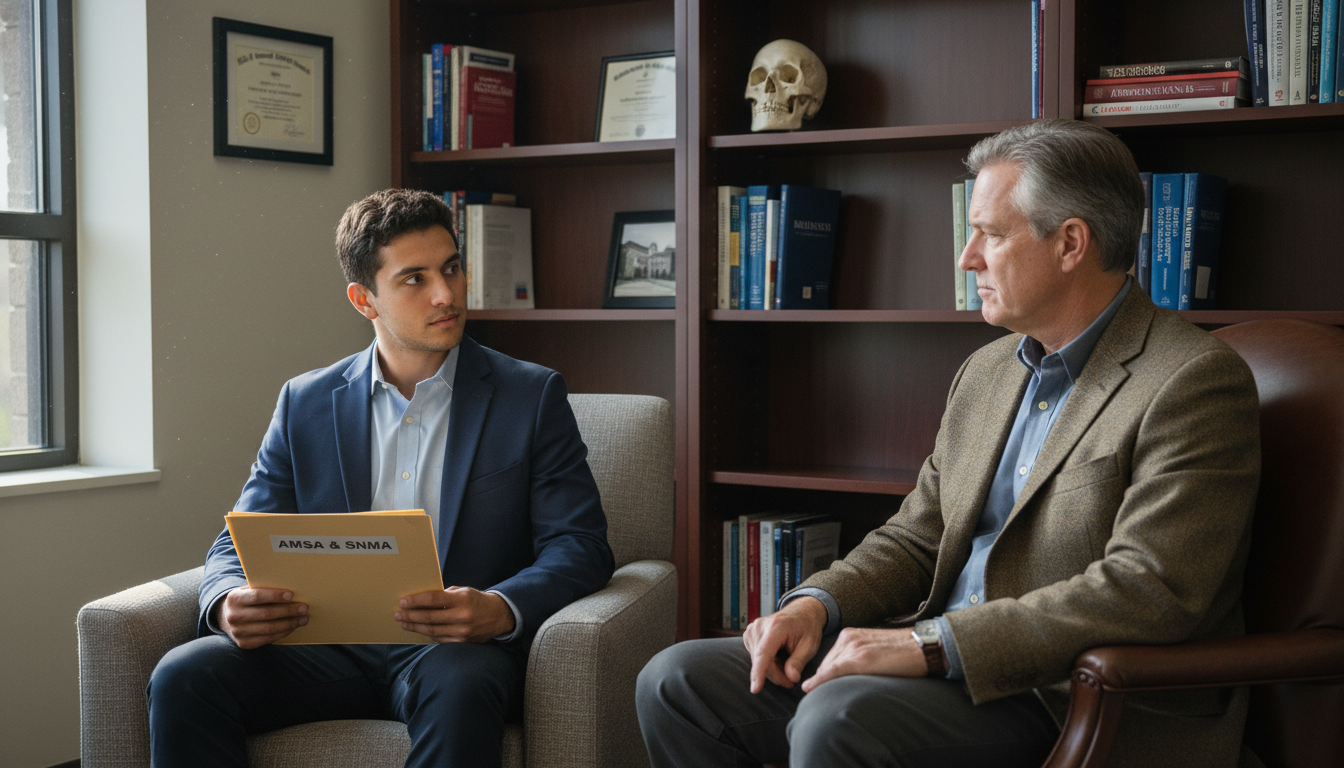
Mentorship Programs are a cornerstone of SNMA’s strategy to strengthen the pipeline of URM students into medicine. The journey from premed to resident is long, complex, and often isolating—especially for students from historically marginalized backgrounds. Mentorship changes that.
National and Local Mentorship Networks
SNMA National Mentorship Network
This initiative connects premedical and medical students with residents and attending physicians nationwide. Mentors advise on:- Course selection and MCAT preparation
- Navigating medical school curricula, clerkships, and board exams
- Specialty exploration and residency application strategies
- Handling discrimination, microaggressions, and burnout
Chapter-Level Mentoring
Individual school chapters often run structured mentoring programs where:- M1s are paired with upperclass medical students
- Medical students are paired with premeds at nearby colleges
- Near-peer mentorship helps demystify each step of the process
Actionable Tip for Students:
If you are premed or early in medical school:
- Join or start an SNMA (or MAPS, the SNMA premedical arm) chapter at your institution
- Ask to be paired with a mentor who shares your career interests (e.g., surgery, pediatrics, academic medicine, public health)
- Set clear goals for your mentoring relationship (e.g., draft a CV, plan research, identify clinical experiences)
2. Pipeline and Outreach Programs: Strengthening the Pathway to Medicine
SNMA recognizes that supporting diversity in Medical Education must start before medical school admissions—ideally, in middle or high school. Its pipeline programs help ensure that more URM students see medicine as possible and attainable.
Health Professions Recruitment and Exposure Program (HPREP)
The Health Professions Recruitment and Exposure Program (HPREP) is one of SNMA’s flagship initiatives aimed at high school and early college students:
Format:
- Workshops on anatomy, physiology, and clinical reasoning
- Hands-on activities (e.g., taking vital signs, suturing practice with models, basic physical exam maneuvers)
- Information sessions on college preparation, financial aid, and premed requirements
- Panels featuring medical students and physicians sharing their journeys
Impact on Diversity in Medicine:
HPREP exposes students early to role models and practical steps to pursue health careers, helping to:- Counter stereotypes about who can become a doctor
- Provide guidance for first-generation and low-income students
- Build confidence and a sense of belonging in academic settings
Pre-Medical Partnerships and MAPS Chapters
SNMA also closely collaborates with Minority Association of Pre-Medical Students (MAPS), its premedical organization:
- Offers premed advising, application workshops, and CV/personal statement reviews
- Coordinates MCAT preparation resources and study groups
- Hosts medical school fairs with admissions representatives, providing direct access and insight into the application process
Actionable Tip for Premeds:
- Seek out MAPS at your campus or through SNMA’s national website
- Attend pipeline events even if you’re early in college—they help you plan sophomore/junior year strategically
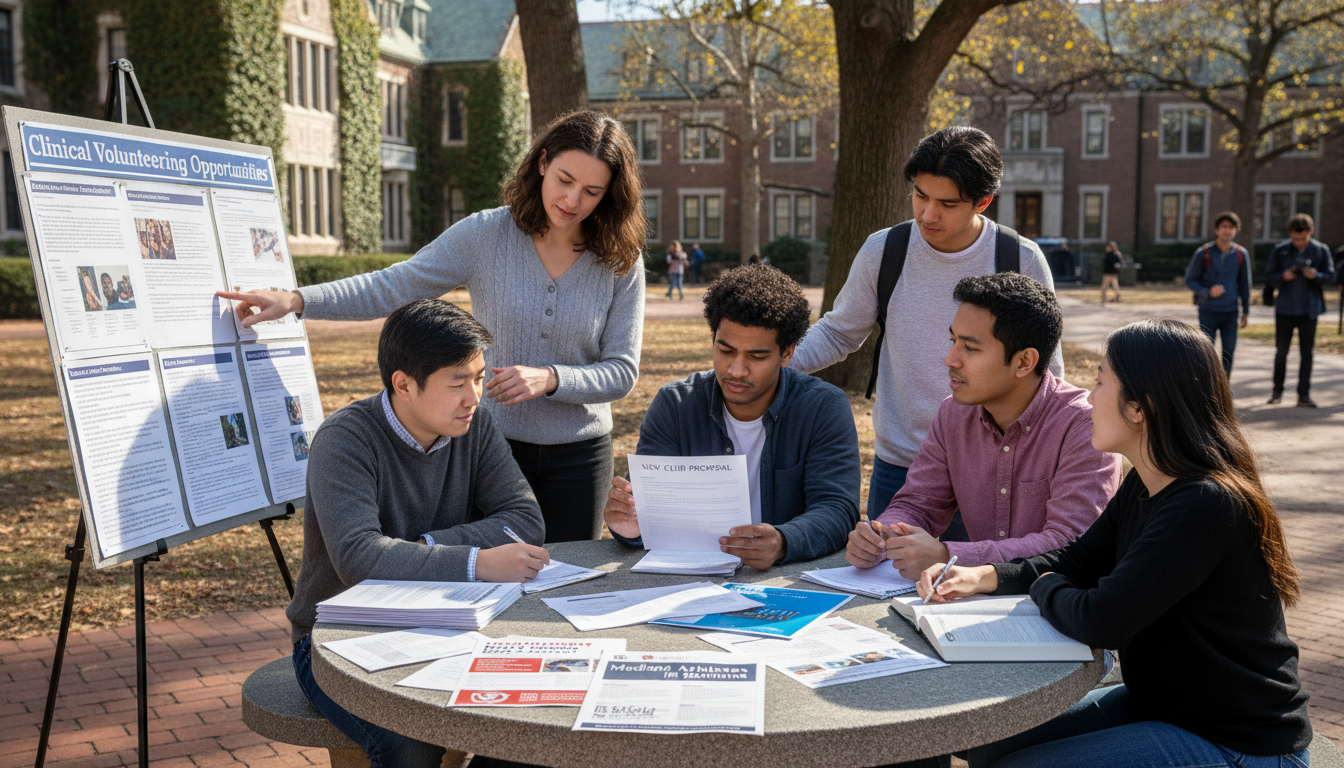
- Volunteer as a tutor or mentor later in your journey to strengthen your own application and give back to the pipeline
3. Advocacy and Policy Work: Addressing Health Disparities
SNMA’s commitment to Diversity in Medicine goes beyond supporting individual students. It is equally focused on changing the systems that produce and sustain Health Disparities.
Legislative and Policy Advocacy
SNMA members engage in Advocacy at local, state, and national levels. Through Advocacy, they:
- Bring attention to racial and ethnic disparities in:
- Maternal mortality and morbidity
- Cardiovascular disease
- Cancer screening and treatment
- Mental health access and outcomes
- Advocate for:
- Expansion of Medicaid and improved coverage in underserved communities
- Investment in safety-net hospitals and community health centers
- Policies to address medical school admissions inequities
One of the organization’s hallmark advocacy efforts is its Annual Legislative Summit, where medical students:
- Receive training on health policy and effective advocacy
- Meet with legislators and staff to discuss priority issues
- Learn how to use their voices as future physicians to influence public policy
Pushing for Equity in Medical Education
Within Medical Education itself, SNMA advocates for:
- Holistic admissions that consider applicants’ lived experiences, community service, resilience, and leadership—not just MCAT and GPA
- Curriculum reform to include:
- Social determinants of health
- Structural racism and implicit bias
- Community-engaged approaches to care
- Improved learning climates, including:
- Clear policies against discrimination and harassment
- Strong reporting mechanisms and support for students who experience bias
- Faculty development on cultural humility and inclusive teaching
Actionable Tip for Medical Students:
- Join your SNMA chapter’s policy or advocacy committee
- Attend local health equity town halls, grand rounds, or seminars
- Consider working on a small advocacy project (e.g., improving your school’s curriculum on Health Disparities) and presenting it at conferences
4. Educational Resources, Conferences, and Professional Development
SNMA is also a powerful educational network, offering content and experiences that many medical curricula still lack.
SNMA Annual Medical Education Conference (AMEC)
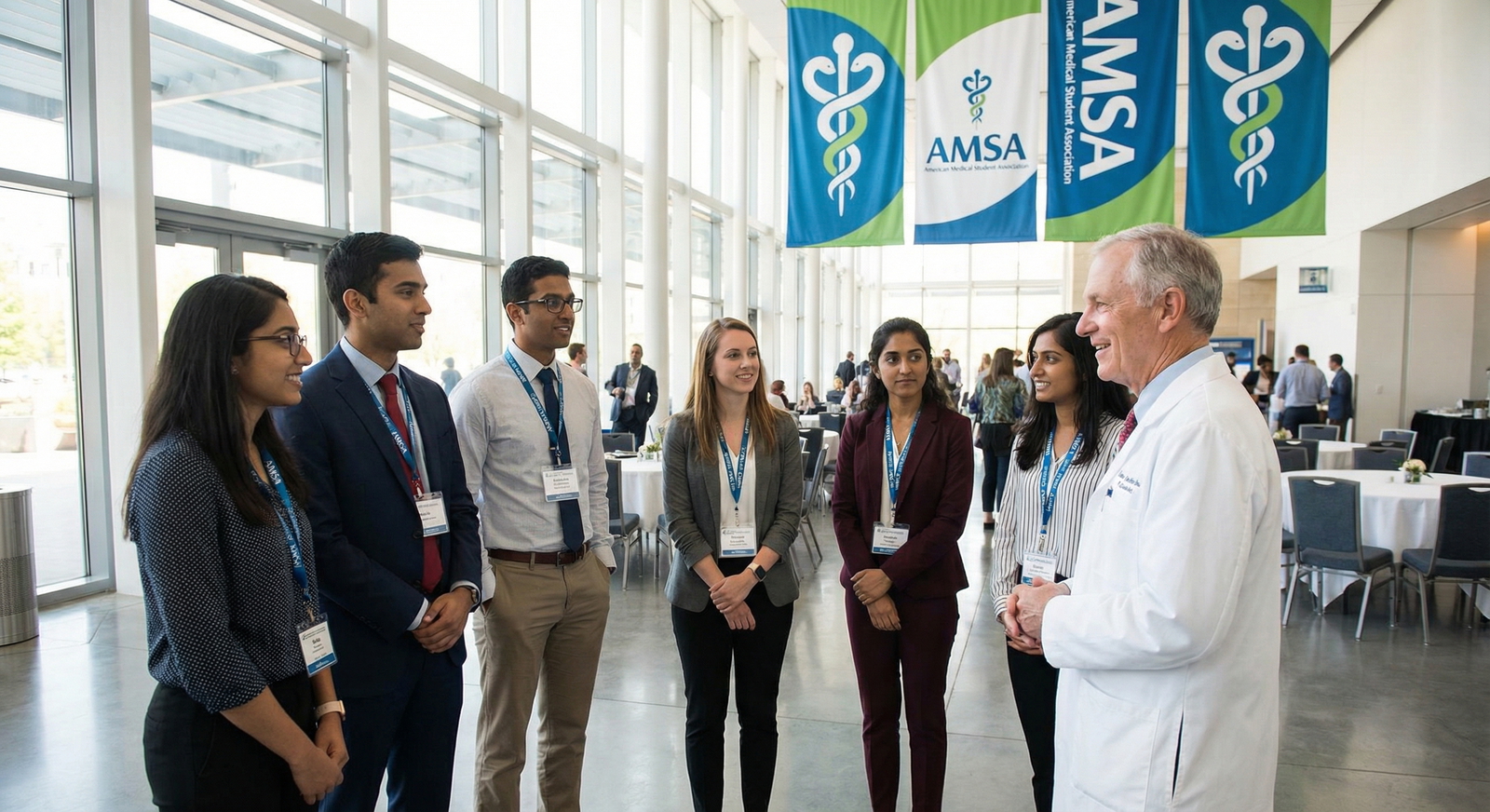
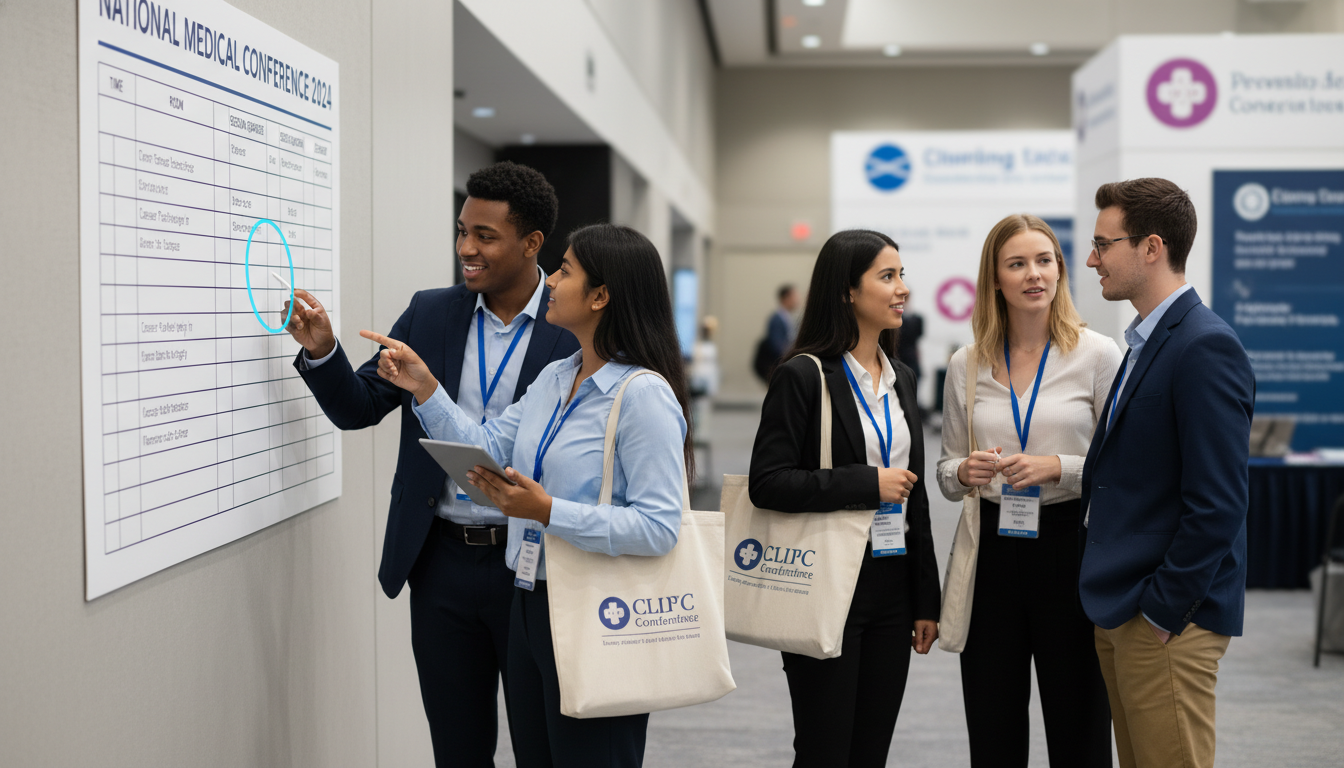
The Annual Medical Education Conference (AMEC) is a flagship event that draws thousands of premedical and medical students, residents, faculty, and physicians:
Educational Sessions
- Step/board exam preparation strategies
- Residency application planning and specialty-specific panels
- Workshops on research skills, academic medicine, and leadership
Diversity and Health Equity Topics
- Implicit bias and structural competency
- Community-based participatory research in Black and underserved communities
- Best practices in caring for Black patients and other marginalized groups
Career and Networking Opportunities
- Residency and career fair featuring programs committed to Diversity in Medicine
- Mock interviews and CV review sessions
- Networking mixers connecting students with mentors, potential research advisors, and residency directors
By combining professional development with equity-centered education, AMEC equips members not only to survive medical training but to actively shape it.
Additional Educational Resources
Many SNMA chapters and the national organization also offer:
- Webinars on mental health and wellness for URM students
- Research opportunities and scholarship databases
- Leadership training for students interested in academic or organizational leadership
- Toolkits on cultural competency, racism in medicine, and patient-centered communication
These resources help students become culturally competent, reflective practitioners prepared to address complex Health Disparities.
Measuring SNMA’s Impact on Diversity and Health Equity
SNMA’s work has had both visible and long-term effects on Medical Education and the larger healthcare system.
Increasing Representation in Medical Schools and Residencies
While many factors influence admissions, organizations like SNMA and MAPS have contributed to:
- Increased numbers of Black and URM applicants and matriculants
- Stronger support systems that improve retention and graduation rates
- Greater visibility of URM students in competitive specialties such as surgery, dermatology, and orthopedics
By building community and offering Mentorship Programs, SNMA helps counter isolation and imposter syndrome—key barriers that can derail promising careers.
Improving Cultural Competence and Patient Care
Research shows that:
- Patients often report higher satisfaction and better communication with providers who share their racial or cultural background, or who demonstrate genuine cultural humility
- Diverse care teams are more likely to consider social and contextual factors affecting patients’ health
- Providers trained with robust exposure to Health Disparities and Advocacy are more likely to practice in underserved communities
SNMA’s programs directly support these outcomes by:
- Emphasizing culturally responsive care in workshops and conferences
- Supporting students committed to primary care, community health, and public health
- Providing real-world examples of Advocacy that address structural inequities
Raising Awareness of Health Disparities in Medical Education
Beyond direct service and education, SNMA normalizes conversations about race, racism, and inequity in Medical Education:
- Encourages students to question biased narratives (e.g., race as a “biologic risk factor”) and advocate for more accurate, structural explanations
- Highlights the impact of redlining, environmental racism, food insecurity, and policing on community health
- Promotes inclusive case discussions, avoiding stereotypes and stigma
Over time, this creates a culture where discussing and addressing Health Disparities is not optional but expected of future physicians.
Getting Involved: Practical Steps for Premeds and Medical Students
Whether you are just starting your premed journey or already deep into clerkships, there are tangible ways to engage with SNMA and similar organizations.
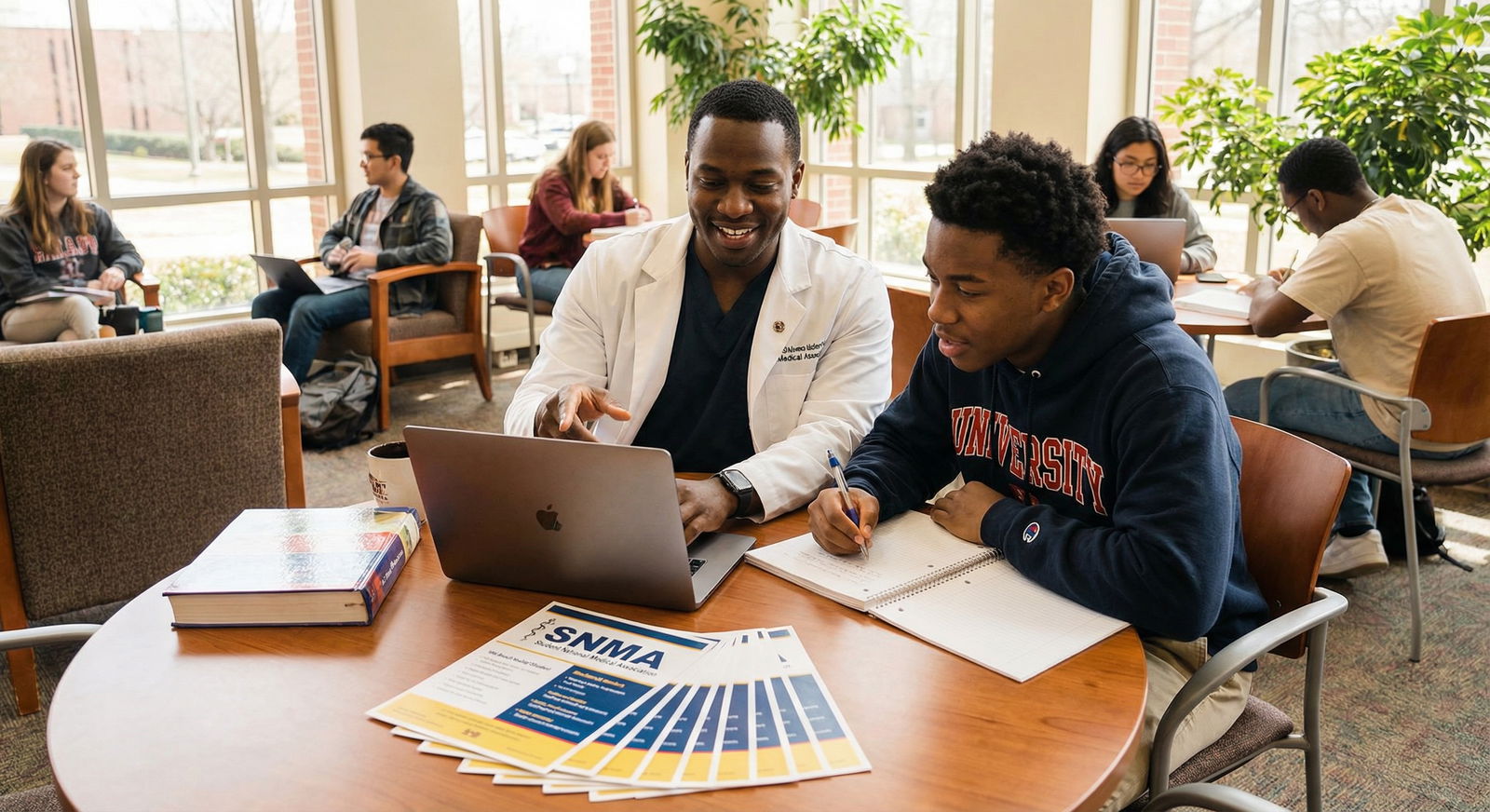
For Premed Students
Join or Start a MAPS Chapter
- Look for a Minority Association of Pre-Medical Students group on your campus
- If none exists, connect with SNMA national leadership to explore starting a chapter
Participate in Pipeline Programs
- Attend HPREP or similar local initiatives
- Volunteer at community outreach or K–12 health education events
Build Your Mentorship Team
- Request a mentor through MAPS or SNMA
- Aim for multiple mentors (e.g., one for academics, one for career planning, one for wellness)
For Medical Students
Join Your SNMA Chapter Early
- Get involved during M1 or M2 to access mentorship, board prep study resources, and community
- Consider taking on leadership roles (e.g., pipeline chair, advocacy chair, chapter president)
Engage in Advocacy and Research
- Participate in community-based projects or health equity research
- Present your work at AMEC or other medical education conferences
Use SNMA in Your Residency Narrative
- Reflect on how your SNMA experience has shaped your values and goals
- Highlight leadership, advocacy, and Mentorship Programs on your CV and personal statement
For Allies and Non-URM Students
Diversity in Medicine is everyone’s responsibility. Non-URM students can:
- Collaborate with SNMA and MAPS chapters on events and initiatives
- Attend health equity talks, grand rounds, and conferences
- Advocate for inclusive curricula and policies at their institutions
- Listen, amplify, and respect the leadership of URM peers
FAQ: SNMA, Diversity in Medicine, and Your Path Forward
What does SNMA stand for, and who can join?
SNMA stands for the Student National Medical Association. It is focused on supporting Black and other underrepresented minority premedical and medical students, but membership and participation in many events are open to all students who are committed to equity, Health Disparities work, and Advocacy in healthcare.
How does SNMA specifically support premed and medical students?
SNMA supports students through:
- Structured Mentorship Programs and near-peer support
- MCAT and board exam resources and study groups
- Pipeline programs like HPREP and partnerships with MAPS
- Leadership development and national conferences like AMEC
- Advocacy training and opportunities to engage in health policy and Medical Education reform
How does participation in SNMA help with residency applications?
Residency programs increasingly value applicants who:
- Demonstrate sustained commitment to Diversity in Medicine and community service
- Have leadership experience and teamwork skills
- Understand and can address Health Disparities and structural determinants of health
SNMA involvement can provide concrete examples of Advocacy, leadership, mentorship, and scholarly work—strengthening both your CV and your personal narrative.
Can non-Black or non-URM students be involved in SNMA?
Yes. While SNMA is centered on the experiences and needs of Black and URM students, many chapters welcome allies who are genuinely committed to advancing equity and learning about Health Disparities. Allies can support events, collaborate on projects, and help strengthen the culture of inclusion in Medical Education.
How can I find an SNMA or MAPS chapter near me?
Visit SNMA’s official website and use their chapter locator tools or contact forms. You can search by region, state, or institution. If your school or city does not yet have a chapter, SNMA provides guidance on how to start a chapter and connect with national leadership and other student organizers.
By integrating Mentorship Programs, Advocacy, education, and community outreach, SNMA plays a pivotal role in transforming Medical Education and addressing Health Disparities. For premeds and medical students—especially those from underrepresented backgrounds—SNMA is not just an organization; it is a pathway to belonging, leadership, and meaningful impact in the future of healthcare.