Why Joining AMSA Can Supercharge Your Medical Career
Embarking on the path to becoming a physician means far more than acing exams and surviving clinical rotations. Today’s successful physicians combine strong Medical Education, leadership skills, advocacy experience, and robust professional networks. One of the most effective ways to build all of these early—starting in the premed phase or medical school—is by joining the American Medical Student Association (AMSA).
AMSA is more than just another student organization. It operates as a national platform for Career Development, Networking in Medicine, leadership training, Community Service, and advocacy—all tailored specifically to medical students and premedical learners. By engaging actively with AMSA, you can accelerate your professional growth, deepen your understanding of the healthcare system, and stand out in a competitive residency and fellowship environment.
Understanding AMSA: Mission, Structure, and Why It Matters
Founded in 1950, the American Medical Student Association (AMSA) is the oldest and largest independent organization of physicians-in-training in the United States. Unlike many other student organizations, AMSA is student-led and student-focused, giving members a powerful voice in shaping the future of medicine.
AMSA’s Core Mission and Values
AMSA’s work centers around four major themes:
Medical Education Excellence
Promoting humane, high-quality, and student-centered training—both in the classroom and in clinical settings.Advocacy and Health Policy
Teaching students how to influence healthcare policy, address health disparities, and engage in evidence-based reform.Professional Development and Career Readiness
Helping students explore specialties, build professional skills, and prepare for medical training milestones and beyond.Community Service and Social Responsibility
Inspiring and equipping members to serve communities, especially those that are historically marginalized or underserved.
Who Can Join AMSA?
AMSA is designed for:
- Premed students (undergraduate or post-bac)
- Medical students (MD, DO, and international medical students)
- Residents and physicians (through alumni and associate memberships)
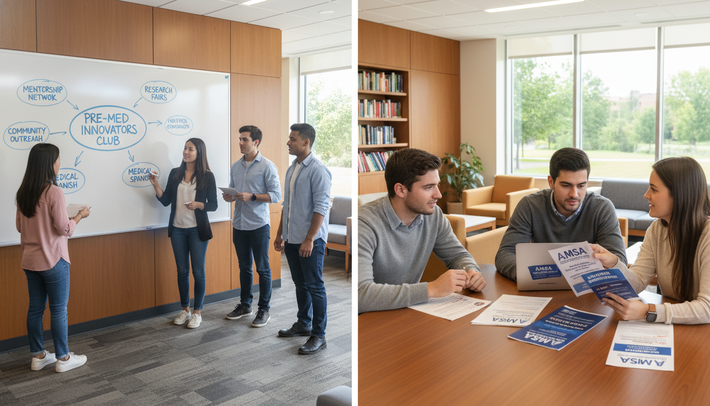
You can join individually through the national organization, and many students also participate in local chapters at their universities or medical schools. Even if your school doesn’t have a chapter yet, you can still become a national member and potentially help start a new chapter.
Why AMSA Membership Matters Early
Student and residency selection committees increasingly look beyond grades and test scores. They want applicants who:
- Understand health systems and health equity
- Demonstrate sustained leadership and initiative
- Have proven commitment to service and advocacy
- Can collaborate across teams and disciplines
Active AMSA involvement lets you build that profile in an organized, supported way—while connecting with a nationwide network of peers who share your goals.
Networking in Medicine: Building a Strong Professional Community

One of the most powerful aspects of AMSA membership is the networking in medicine it provides. Medicine is a relationship-driven field, and the connections you make as a premed or medical student can profoundly shape your path.
Mentorship Across Training Levels
AMSA encourages both informal and structured mentoring relationships:
Premed → Medical Student Mentors
Get guidance on choosing a major, timelines for the MCAT, building a competitive application, and crafting a compelling personal statement.Medical Student → Resident/Fellow Mentors
Learn how to select electives, build a strong CV, choose a specialty, and prepare for residency applications strategically.Specialty Mentors
Connect with physicians in specific fields (e.g., surgery, psychiatry, family medicine, global health, public health) through interest groups and conferences.
Actionable tip:
When you attend an AMSA event, set a goal to:
- Meet at least 3 new people
- Collect their contact info
- Follow up within a week with a brief email or LinkedIn message
This simple habit can build a network that supports you throughout your career.
Peer Connections and Collaboration
Your fellow AMSA members can become:
- Study partners for MCAT, Step exams, or COMLEX
- Research collaborators on student-run projects
- Co-leaders for campus initiatives or community health programs
- Future colleagues, co-residents, and co-authors
Many students find their first research project, their first leadership role, or even their future co-resident through AMSA chapters and events.
Access to a National Alumni Network
AMSA’s extensive alumni network includes:
- Attending physicians in every major specialty
- Leaders in academic medicine and medical education
- Public health professionals, policy experts, and global health leaders
- Physicians in non-traditional careers (industry, consulting, tech, medical writing)
These alumni often return to speak at events, host workshops, or offer mentorship and advice. As you approach residency or job searches, these connections can be invaluable for:
- Insight into specific programs or institutions
- Advice on application strategy
- Letters of recommendation from trusted mentors
Access to High-Value Resources and Programs
One of the most tangible benefits of membership is access to a well-curated suite of resources for Medical Education and Career Development.
Educational Programs, Webinars, and Courses
AMSA regularly offers:
Skill-building webinars on:
- Time management and study strategies
- Navigating the preclinical and clinical years
- Step/COMLEX preparation approaches
- CV building and personal statement writing
Topical workshops on:
- Climate change and health
- Reproductive health
- Health equity and structural racism
- Telemedicine and digital health
These programs help you stay current with the evolving practice of medicine—and give you talking points and experiences that stand out in interviews.
Research Grants, Scholarships, and Funding
AMSA supports student projects and scholarship through:
- Small research grants for student-led projects, often focused on public health, medical education, or advocacy
- Scholarships related to leadership, service, or innovation in healthcare
- Travel stipends for presenting at conferences or attending national AMSA events
Actionable tip:
If you’re interested in research but your school doesn’t have a strong infrastructure, use AMSA:
- Look for calls for proposals
- Find a faculty sponsor
- Partner with peers at other institutions through national AMSA listservs or conferences
Publications and Thought Leadership
AMSA members gain access to:
- Newsletters and bulletins highlighting advocacy campaigns, policy updates, educational resources, and event announcements
- Student-authored blogs and articles where you can:
- Publish reflections on clinical experiences
- Share research or quality-improvement projects
- Discuss topics in ethics, professionalism, and medical education
Publishing through AMSA platforms can strengthen your CV, demonstrate communication skills, and support your interest in academic medicine or teaching.
Leadership Development: Becoming a Physician-Leader
Modern physicians are expected to lead—whether that’s in a care team, a clinic, a hospital system, or at the policy level. AMSA provides a structured environment to develop and practice these skills early.
Local, Regional, and National Leadership Roles
You can build leadership experience progressively:
Local Chapter Roles
- Chapter President, Vice President, Treasurer, or Secretary
- Chairs for Community Service, Advocacy, Wellness, or Specialty Interest Groups
Regional Leadership
- Regional leaders who coordinate multi-school events and initiatives
- Opportunities to collaborate with AMSA staff and national leaders
National Leadership
- National officers and committee chairs
- Positions in key program areas (e.g., health policy, medical education, global health)
These roles allow you to collaborate across institutions, manage budgets, design programming, and communicate with stakeholders—skills that translate directly to future roles in hospital committees, academic departments, or professional societies.
Leadership Skills You’ll Build
Through AMSA leadership, you can develop and practice:
- Project management (planning events, conferences, or campaigns)
- Public speaking and presentation skills
- Negotiation and conflict resolution
- Team building and delegation
- Strategic planning and goal setting
Residency application impact:
You’ll have concrete examples to discuss in interviews:
- “Tell me about a time you led a team.”
- “Describe a project you initiated and how you handled obstacles.”
- “How have you demonstrated commitment to service or advocacy?”
Advocacy, Health Policy, and Social Responsibility
A distinguishing feature of AMSA is its strong emphasis on advocacy and social justice, helping students understand the broader systems in which they will practice medicine.
Key Advocacy Focus Areas
AMSA chapters and national committees often work on:
Health Equity and Access to Care
- Supporting policies that improve primary care access
- Addressing structural barriers impacting marginalized communities
Medical Education Reform
- Wellness, burnout prevention, and mental health support
- Transparency around medical education debt and financing
- Competency-based education and innovative teaching strategies
Public Health Initiatives
- Tobacco control and vaping prevention
- Mental health and suicide prevention campaigns
- Vaccination advocacy and combating misinformation
Reproductive Justice and LGBTQ+ Health
- Ensuring inclusive, evidence-based care for all patients
- Advocating for comprehensive reproductive health training
How Advocacy Builds Your Career
Engaging in advocacy through AMSA can help you:
- Understand how policy affects daily clinical practice
- Learn to communicate effectively with policymakers, administrators, and the public
- Demonstrate a track record of social responsibility and commitment to underserved populations
- Build unique experiences that distinguish your residency application
Even if you don’t see yourself as an “activist,” participating in a single campaign, letter-writing effort, or day of action can deepen your understanding of healthcare systems and your role in them.
Career-Focused Events: From Premed to Residency
AMSA hosts a variety of events tailored to help you navigate every stage of your training.
Annual Convention and National Conferences
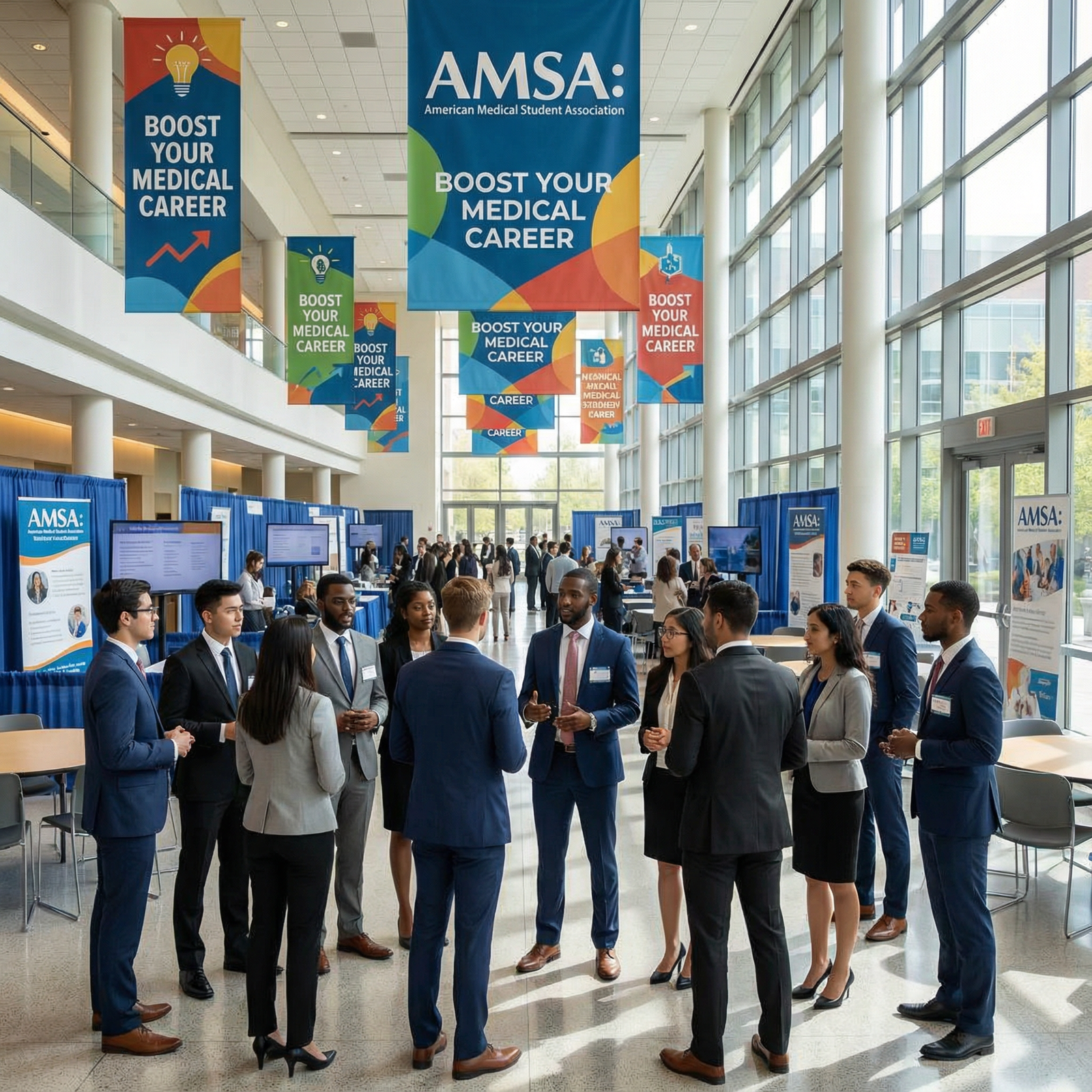
The AMSA Annual Convention & Exposition and other large conferences typically feature:
- Keynote talks by leaders in medicine and health policy
- Specialty exploration panels (e.g., “Life as a Surgeon,” “Careers in Academic Medicine”)
- Residency application and interview workshops
- CV-writing and personal statement sessions
- Poster sessions where students can present research or quality-improvement projects
These events give you high-yield exposure to:
- Different career paths within medicine and beyond
- New trends in Medical Education and clinical practice
- Networking in medicine with peers, faculty, and program representatives
Career Fairs and Residency/Employer Networking
AMSA often organizes:
- Career fairs with residency programs, hospital systems, and public health organizations
- Special sessions with non-traditional employers (industry, consulting, global health NGOs)
You can:
- Ask targeted questions about programs and institutional culture
- Learn what program directors look for in applicants
- Discover alternative career paths (e.g., MD-MPH roles, policy fellowships, consulting)
Specialty Interest Groups (SIGs)
Many chapters have SIGs or national involvement in areas such as:
- Family Medicine
- Internal Medicine and Subspecialties
- Surgery and Surgical Subspecialties
- Psychiatry and Neurology
- Pediatrics
- Emergency Medicine
- Global Health, Public Health, and Health Policy
These groups may host:
- Specialty-focused Q&A sessions with physicians and residents
- Skills workshops (e.g., suturing, ultrasound introductions, basic procedural skills)
- Journal clubs focused on landmark or cutting-edge studies
For premeds, SIGs are a low-pressure way to explore potential specialties; for medical students, they’re a way to deepen your interest and make meaningful specialty-specific connections.
Community Service and Volunteer Opportunities: Serving While You Learn
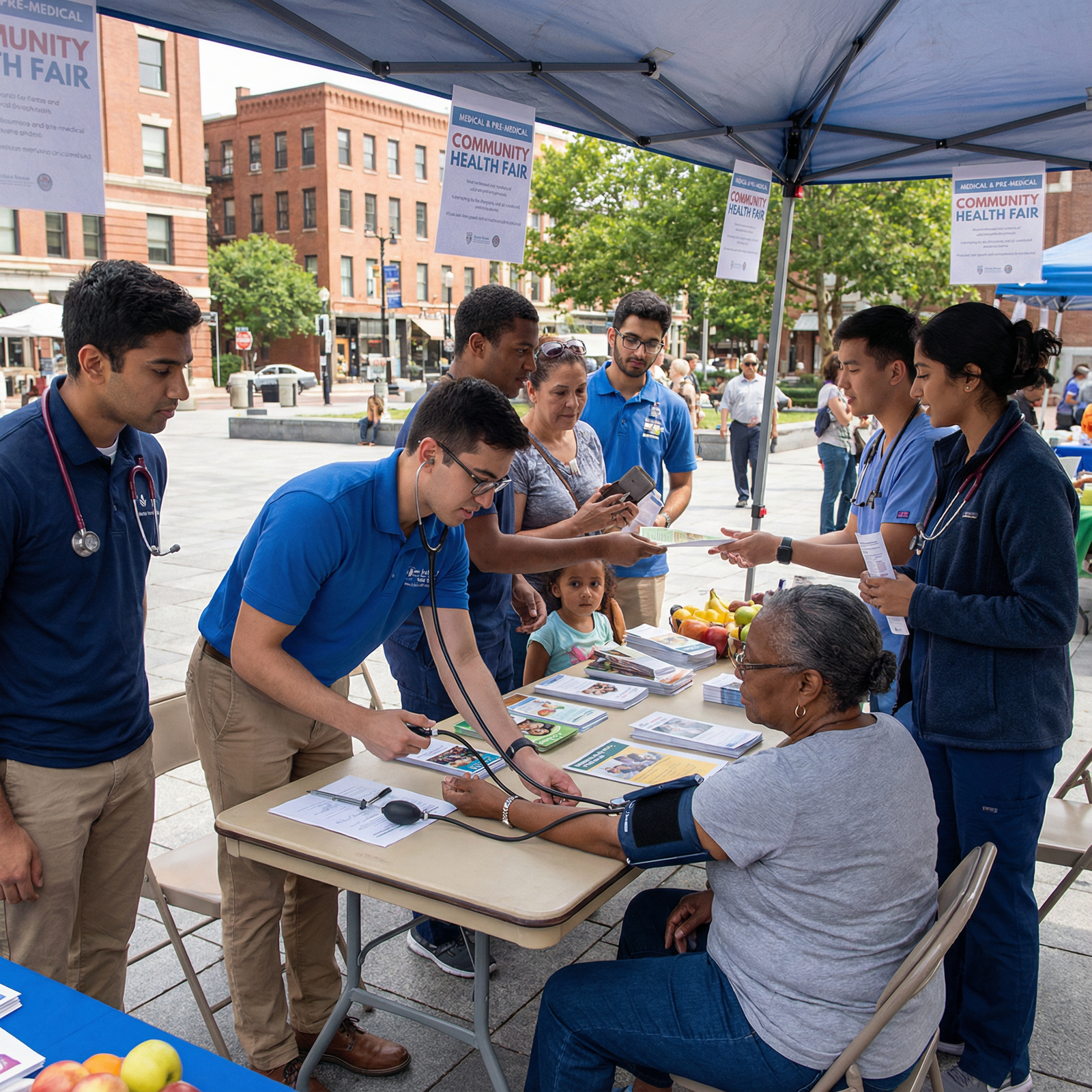
Community Service is central to AMSA’s identity. Service experiences help you develop empathy, cultural humility, and real-world understanding of the social determinants of health.
Types of Service and Volunteer Projects
Common AMSA-affiliated activities include:
Health Fairs and Screenings
- Blood pressure, BMI, glucose, or cholesterol checks
- Vision screenings and health counseling
- Referrals to local clinics and community resources
Public Health Education Campaigns
- Workshops on nutrition, exercise, and chronic disease prevention
- Mental health awareness initiatives
- Sexual health and reproductive health education
Clinic and Community Partnerships
- Volunteering at free clinics or student-run clinics
- Supporting homeless shelters, migrant health programs, or refugee services
- Participating in disaster relief or emergency response education
How Service Enhances Your Training
Service through AMSA helps you:
- Practice patient communication skills early and often
- Understand barriers patients face outside the clinic (transportation, food insecurity, housing, literacy, language)
- Reflect on your values and professional identity as a future physician
- Demonstrate a sustained commitment to helping vulnerable groups
Residency programs value applicants who show continuity in service, not just one-off hours. AMSA’s structure makes it easier to find long-term, meaningful opportunities, especially when you take on planning and leadership roles in these projects.
Conclusion: Using AMSA Strategically to Supercharge Your Medical Career
Joining AMSA is not just about adding another line to your CV—it’s about intentionally shaping your path in medicine.
Through AMSA, you can:
- Build a national and local network of mentors, peers, and future colleagues
- Access targeted Medical Education resources that enhance your classroom and clinical learning
- Develop real leadership experience that prepares you for roles in hospitals, academic centers, and professional organizations
- Engage in advocacy and policy work that deepens your understanding of health systems and equity
- Participate in Community Service that grounds your training in real patient and community needs
- Explore specialities and develop a targeted, informed Career Development plan
Whether you are a premed just starting to explore medicine or a medical student planning your residency strategy, active involvement in AMSA can accelerate your growth and help you become a more capable, compassionate, and influential physician.
If you want to do more than just “get through” training—and instead truly grow as a leader and advocate in healthcare—AMSA offers the structure, community, and opportunities to make that happen.
AMSA Membership FAQs
1. What are the membership fees for AMSA, and is it worth the cost?
AMSA membership fees vary by level (premed vs. medical student) and duration (annual vs. multi-year). Fees are generally modest and often comparable to the cost of a textbook or exam prep resource. Many students find the value worthwhile because membership provides:
- Discounts on conferences and some external services
- Access to webinars, workshops, and educational resources
- Eligibility for select scholarships and grants
- Opportunities for leadership roles and national recognition
Some schools or premed organizations will partially or fully subsidize membership, so check with your institution’s AMSA chapter or student affairs office.
2. How can I join AMSA if my school doesn’t have a chapter?
You can join as an individual national member by visiting AMSA’s official website and completing the online registration. As a national member, you can still:
- Attend national and regional events
- Access all online resources, webinars, and publications
- Run for select leadership roles at the regional or national level
If you’re interested, AMSA provides support and guidance to start a new chapter at your institution, which can further expand local programming and opportunities for your peers.
3. Can AMSA help me find research or leadership opportunities?
Yes. AMSA can help in several ways:
- National listservs and newsletters often share calls for student research collaborators, policy projects, and scholarly initiatives.
- Conferences and networking events connect you directly with faculty, residents, and students who are engaged in research and advocacy.
- Leadership roles (local or national) often involve project design and implementation that can be turned into scholarly work (e.g., posters, presentations, or publications).
If you proactively reach out to speakers, workshop leaders, and AMSA committee chairs, you can frequently identify research or quality-improvement projects to join or start.
4. Are there AMSA activities specifically tailored for premed students?
Absolutely. AMSA has extensive programming for premedical students, including:
- Premed-focused webinars (MCAT prep strategies, application timelines, choosing schools)
- Mentorship programs connecting premeds with medical students
- Personal statement and interview workshops designed for medical school admissions
- Opportunities to attend national conferences at the premed level to explore specialties and meet current medical students
Premed members can also hold leadership positions within campus chapters or regional structures, which is highly valuable on medical school applications.
5. How does AMSA support diversity, equity, and inclusion in medicine?
AMSA has a long-standing commitment to diversity, equity, and inclusion (DEI) through:
- Policy positions and advocacy campaigns centered on health equity and justice
- Programming focused on care for marginalized and underrepresented communities
- Support for student-led initiatives addressing bias, racism, and discrimination in medicine
- Leadership and scholarship opportunities aimed at increasing representation of underrepresented groups in medicine
By participating in these initiatives, you can both benefit from DEI support structures and contribute to building a more just and equitable healthcare system.
By intentionally using AMSA’s resources, leadership pathways, advocacy platforms, and Community Service opportunities, you are not just checking a box—you are actively crafting the kind of physician you will become. If your goal is to make a meaningful impact in healthcare, AMSA can be a powerful engine driving your growth from premed to practicing physician.