Time to Unwind: Why Leisure Is Essential in Your First Year of Medical School
Transitioning into Medical School often feels like going from a steady jog to sprinting a marathon with no finish line in sight. In your first year, it’s common to believe that every free minute must be sacrificed for flashcards, Anki decks, and lecture replays. Many students convince themselves that leisure is a luxury they “can’t afford.”
In reality, the opposite is true.
Intentional leisure is not wasted time—it’s a critical component of mental health, sustainable work-life balance, and long-term Academic Performance. Learning how to rest effectively in your first year is as important as learning how to read an EKG or interpret lab values. This article explores why leisure matters, how it protects your brain and performance, and concrete strategies to build healthy routines that will carry you throughout your medical training.
Understanding the Stress of First-Year Medical School
A Perfect Storm of Demands
The first year of medical school combines several major stressors at once:
- Volume of content: You’re learning more, faster, than ever before.
- High stakes: Exams, grades, and future residency competitiveness loom large.
- New environment: New city, new classmates, new expectations.
- Identity shift: You’re no longer a “top undergrad student”—you’re now one of many high-achieving peers.
- Reduced structure: Fewer mandatory classes and more self-directed study can blur the boundaries between work and rest.
It’s no surprise that many first-year students feel they should constantly be “doing more” and experience guilt when they take time off.
Stress and Its Impact on Body, Brain, and Behavior
Stress in medical school isn’t just an emotional experience—it has measurable physical and cognitive consequences that directly affect your performance:
Physiological effects
- Elevated cortisol and adrenaline
- Increased heart rate and blood pressure
- Muscle tension and sleep disruption
Cognitive effects
- Decreased concentration and attention span
- Impaired memory formation and recall
- More difficulty integrating complex concepts
Emotional and behavioral effects
- Irritability, anxiety, low mood
- Procrastination or overworking with diminishing returns
- Social withdrawal and loss of enjoyment
Studies have consistently shown that medical students have higher rates of anxiety, depression, and burnout than age-matched peers. Chronic stress without adequate recovery is one of the main drivers.
Why “More Studying” Is Not Always Better
Many students respond to stress by doubling down on studying and cutting out everything that’s “nonessential”—often starting with sleep, exercise, hobbies, and social time. But after a certain point, extra hours at the desk translate into fewer points on the exam.
When your brain is exhausted:
- You reread the same page without absorbing it
- You make careless mistakes on practice questions
- You forget material more quickly
- You lose motivation and feel increasingly behind
Leisure and rest are not optional extras—they’re what allow your brain to consolidate information, reset attention, and perform at its best.
The Evidence-Based Benefits of Leisure in Medical School
Leisure does not just “feel good.” It meaningfully supports Academic Performance, resilience, and personal growth. Think of leisure as a core part of your learning plan, not a side activity.
1. Leisure Protects and Improves Mental Health
Mental Health during your first year is foundational. Intentional leisure:
- Reduces stress by giving your nervous system time to shift out of “fight or flight”
- Lowers risk of burnout by recharging your emotional reserves
- Provides a sense of identity beyond medicine, which is critical for resilience
- Improves mood by triggering dopamine and endorphin release
Examples of high-yield mental health–supporting leisure:
- Creative hobbies (painting, music, photography, writing)
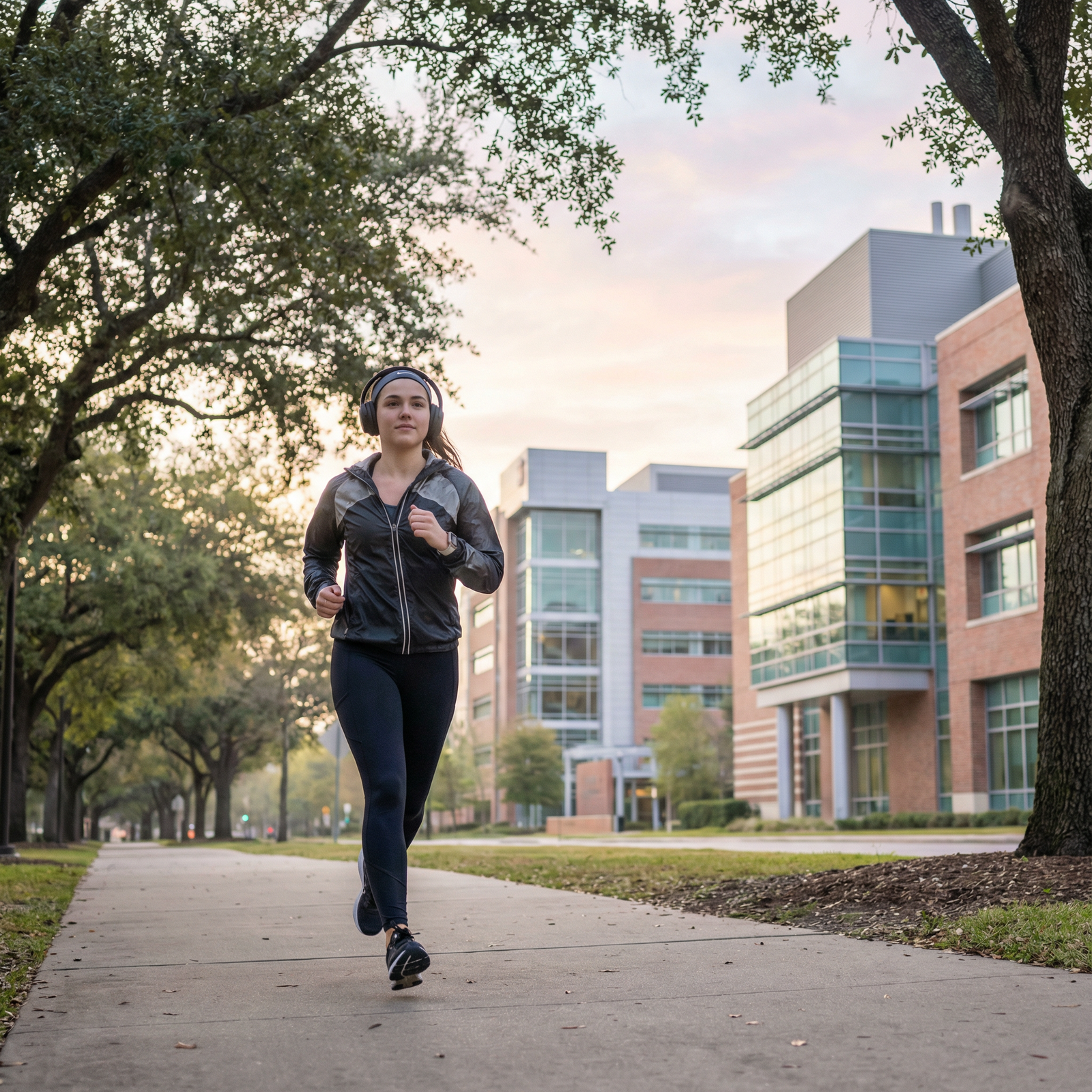
- Gentle movement (yoga, walking, stretching)
- Mindful activities (gardening, journaling, meditation)
- Fun social activities (board games, cooking with friends, movie nights)
Protecting your mental health in your first year is not just about surviving—it's about building habits that will protect you through exams, clerkships, residency, and beyond.
2. Leisure Enhances Academic Performance and Learning
It can feel counterintuitive, but well-timed breaks and leisure increase efficiency and retention. The brain learns best in cycles of focused effort and deliberate rest.
How leisure improves Academic Performance:
- Memory consolidation: Downtime—especially sleep—allows your brain to file away the day’s information.
- Improved focus: Regular breaks decrease cognitive fatigue, so you get more out of each hour you study.
- Insight and problem-solving: Stepping away from material often leads to “aha” moments when you return.
- Reduced burnout: Sustainable schedules prevent the crash-and-burn cycles that derail whole blocks or semesters.
Practical outcome: Two students may both “study 8 hours,” but the one who builds in short breaks and leisure before and after their focused blocks will usually remember more, perform better on exams, and feel less exhausted.
3. Leisure Builds Social Support and Belonging
The first year of Medical School is a rare opportunity to form friendships that may last your entire career. Shared leisure is one of the most effective ways to build meaningful connections.
Benefits of prioritizing social leisure:
- Emotional support during exam weeks, setbacks, and transitions
- Study partnerships that make learning more efficient and less isolating
- Perspective when you feel burned out or discouraged
- Professional networking—your classmates will become colleagues, residents, attendings, and collaborators
Examples:
- Joining a recreational sports team with classmates
- Weekly coffee or dinner with a small group
- Interest-based student organizations (global health, music, outdoors, cooking)
- Peer wellness or mentorship groups
Strong relationships are one of the best predictors of long-term well-being and career satisfaction in medicine.
4. Leisure Boosts Creativity, Flexibility, and Clinical Thinking
Medical problem-solving requires:
- Pattern recognition
- Flexible thinking
- The ability to switch tasks and perspectives
Leisure activities that challenge your brain in different ways can strengthen these skills:
- Strategy games or puzzles (chess, escape rooms, logic puzzles)
- Musical training (reads patterns, timing, and coordination)
- Artistic pursuits (drawing, design, photography—visual-spatial processing)
- Complex hobbies (woodworking, coding, designing, writing fiction)
You may not see the link immediately, but the same neural circuits used in creative play often support innovative clinical thinking and adaptability in the face of uncertainty.
5. Physical Activity as Leisure: A Double Win
Exercise is one of the most efficient forms of leisure because it benefits both body and mind. For medical students, physical activity:
- Improves sleep quality and energy levels
- Reduces anxiety and depressive symptoms
- Enhances concentration and executive function
- Builds resilience for long clinical days in the future
You don’t have to be an athlete to benefit. Options include:
- 20–30 minutes of brisk walking between study blocks
- Intramural sports (soccer, volleyball, basketball)
- Group fitness classes (spin, HIIT, yoga, Pilates)
- Short home workouts or bodyweight routines
Aim for most days of the week, but don’t let perfection be the enemy of consistency. Even 10–15 minutes can make a difference in your stress and focus.
6. Early Work-Life Balance Sets the Tone for Your Career
Work-Life Balance is often talked about as something you’ll “figure out later”—after Step exams, after clerkships, after residency. That mindset is dangerous.
First year is the training ground for your professional habits.
If you practice:
- Working every waking hour
- Using guilt as your main motivator
- Ignoring sleep, relationships, and hobbies
…those patterns are likely to follow you into clerkships and residency, where demands only increase.
By contrast, if you start now to:
- Protect your days off as legitimate rest time
- Develop efficient, focused study blocks
- Say “no” to extra commitments when your plate is full
- Treat leisure as a non-negotiable part of your routine
…you’ll build a sustainable approach to medicine that supports both your patients and your own long-term health.
Practical Strategies to Incorporate Leisure into a Busy Med School Schedule
Knowing that leisure is important is one thing; making it happen in a jam-packed week is another. The key is to be intentional and realistic.
1. Time-Block Leisure Like You Time-Block Classes
If leisure is not on your calendar, it will be the first thing sacrificed when things get busy.
Actionable steps:
- At the start of each week, schedule:
- 1–2 longer leisure blocks (1–3 hours: hike, movie, social event)
- Daily micro-breaks (5–15 minutes: walk, stretch, chat with a friend)
- 1–2 sessions of physical activity
- Treat these blocks like mandatory commitments, not optional extras.
- Protect at least one evening or half-day off each week where you do not study.
Frame this as a performance strategy: “This is part of how I score well on exams,” not just “this is fun.”
2. Match Leisure Activities to Your Energy Level
Not all free time feels the same. If you’re exhausted, a high-energy activity might feel like work. Learn to choose leisure that fits your current state.
Low energy days:
- Reading fiction or non-medical books
- Gentle yoga or stretching
- Watching a favorite show
- Casual phone call with a friend or family member
Moderate energy:
- Walk with a friend
- Playing an instrument
- Baking or cooking something simple
High energy:
- Team sports, running, gym workouts
- Exploring a new area of your city
- Group outings or social events
Having a short list of “go-to” activities in each category makes it easier to choose something restorative instead of defaulting to more passive scrolling or more studying.
3. Use Structured Breaks During Study Sessions
Instead of grinding for hours until your brain gives out, integrate short, predictable breaks that you use for quick leisure.
Options:
- Pomodoro-style study: 25–50 minutes of focused work, then 5–10 minutes off
- In your break:
- Do a short walk or stair climb
- Stretch and drink water
- Listen to a favorite song
- Step outside for fresh air
- Avoid getting sucked into social media “mini black holes” that turn a 10-minute break into an hour.
These intentional pauses keep your brain fresh and help you maintain attention over long days.
4. Stay Connected With People Who Know You Outside of Medicine
Your identity is more than “future doctor.” Maintaining relationships outside Medical School helps you remember that.
Practical ideas:
- Schedule a weekly call with a close friend, partner, or family member
- Use shared activities—like watching the same show or listening to the same podcast—to create connection even at a distance
- When you’re home on breaks, prioritize quality time rather than trying to “catch up” on all the studying you think you missed
These external relationships provide emotional grounding when school feels overwhelming.
5. Protect Sleep as a Non-Negotiable Form of Leisure
Sleep is the ultimate passive leisure and one of the strongest determinants of learning, mood, and health.
Try to:
- Aim for 7–9 hours most nights
- Keep a relatively consistent sleep and wake time
- Avoid all-nighters; they damage both short-term performance and long-term health
- Develop a brief wind-down routine: dim lights, step away from screens, a few minutes of reading or relaxation
Think of sleep as a critical “study tool” rather than “time you’re not working.”
6. Prioritize a Few Hobbies Instead of Doing Everything
You can’t do everything all at once, and that’s okay. Pick one to three leisure activities that matter most to you this year.
Examples:
- One active hobby (running, yoga, rec sports)
- One social/creative hobby (music, art, writing, language learning)
- One “comfort” leisure (reading, cooking, gaming in moderation)
Allow these to be your anchor activities. You can always add or change them later, but decisiveness helps prevent your schedule from feeling chaotic.
Real-World Case Study: How Intentional Leisure Transformed a First-Year Experience
Consider the story of “Emily,” a composite of many first-year medical students.
Emily’s First Semester: More Hours, Worse Results
Emily began Medical School determined to be at the top of her class. She:
- Attended every lecture live and rewatched recordings at night
- Filled almost every non-class hour with flashcards and question banks
- Stopped going to the gym, rarely saw friends, and often ate at her desk
- Slept 5–6 hours on many nights, using caffeine to push through
Despite her effort, her first major exam score was barely above average. She felt exhausted, discouraged, and anxious. Her response was to study even more and abandon the last pieces of Leisure Importance in her routine.
As the semester continued, she felt increasingly overwhelmed. She started forgetting things she knew she’d studied, had trouble focusing, and began dreading school.
The Shift: Rebuilding Work-Life Balance on Purpose
After talking with a faculty advisor and a second-year mentor, Emily decided to test a different approach for one block:
Protected exercise
- Joined a recreational soccer league that met twice a week
- Committed to playing whether exams were near or not
Defined study hours
- Set clear study blocks (e.g., 8am–6pm with short breaks, one longer break for lunch and a walk)
- Stopped studying by 9pm most nights, no more rewatching every lecture “just in case”
Reintroduced hobbies
- Set aside Sunday afternoons for painting, a hobby she loved but had abandoned
- Met a classmate weekly at a café to talk about anything other than school
Improved sleep
- Aimed for 7–8 hours per night
- Used a brief nighttime routine to unwind instead of cramming
The Outcome: Better Well-Being and Better Scores
Within a few weeks, Emily noticed:
- Lower day-to-day anxiety and fewer stress “spikes” before exams
- Greater ability to focus during her defined study blocks
- Feeling more refreshed coming into each study day
- Stronger connections with classmates through soccer and shared hobbies
On the next exam, her score improved significantly—despite studying fewer total hours. She had shifted from more hours, less learning to fewer hours, higher-quality learning.
Emily’s story highlights a key point: Leisure isn’t the enemy of achievement. Poorly structured time is. Rest and recreation, done intentionally, make your studying more effective.
Frequently Asked Questions About Leisure in Medical School
Q1: How much leisure time should I realistically aim for each week?
There’s no single perfect number, but a helpful starting point for most first-year students is:
- Daily: 30–90 minutes of true leisure (not including basic tasks like showering or commuting)
- Weekly: At least one longer block (half-day or evening) where you step away fully from studying
You can adjust this based on exam schedules and personal needs, but if you’re regularly going days without any real leisure, your plan is probably not sustainable.
Q2: What are some quick leisure activities I can fit into a very busy day?
On particularly packed days, think in terms of micro-leisure:
- 5–10 minutes of stretching or walking between lectures or study blocks
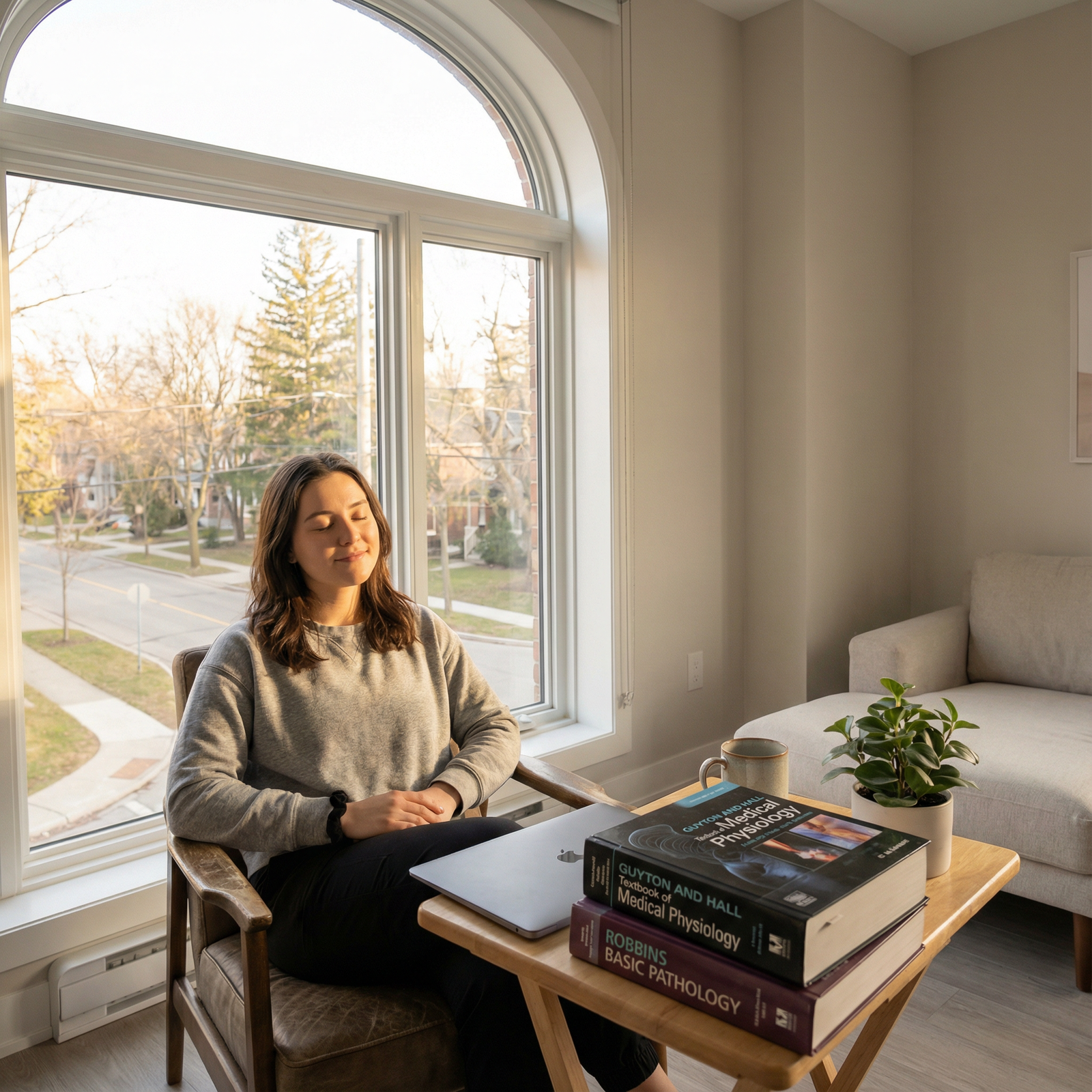
- One favorite song played intentionally while you look out a window or step outside
- A 10-minute call or voice message exchange with a friend or family member
- A short guided meditation (many apps offer 3–10 minute options)
- Reading a few pages of non-medical fiction before bedtime
These small breaks help your brain reset and reduce stress without requiring a large time investment.
Q3: I feel guilty when I’m not studying. How do I get past that?
Guilt is extremely common in Medical School, especially in the first year. To work through it:
- Reframe leisure as a performance tool, not a distraction. You’re not “slacking off”; you’re “recharging to study more effectively.”
- Try a short experiment: intentionally schedule leisure for one week and track your focus, mood, and retention. Many students find the results speak for themselves.
- Remind yourself that a constantly exhausted, burned-out version of you is not who your future patients need. Taking care of yourself is an ethical and professional investment.
Q4: Can leisure really improve my grades, or is that just a nice idea?
Yes, leisure can indirectly improve grades by:
- Enhancing memory consolidation and focus
- Preventing burnout during high-demand periods
- Allowing you to approach practice questions and exams with a clearer mind
It doesn’t mean that any leisure, at any time, will automatically raise your scores. But planned, balanced leisure integrated into a solid study strategy almost always leads to more sustainable and often better academic performance than nonstop studying.
Q5: Is it worth joining clubs, teams, or interest groups if I’m worried about time?
If you choose thoughtfully, yes. A small number of well-aligned commitments can:
- Give structure to your week
- Help you meet peers with similar values and interests
- Offer built-in leisure and social time
- Provide leadership and service experiences that matter for your growth (and, secondarily, your CV)
Start with one organization or activity that genuinely interests you and see how it fits. You can always add more later, but overcommitting early often backfires.
Leisure in your first year of Medical School is not a sign of weakness, laziness, or lack of dedication. It’s a deliberate, evidence-based way to protect your Mental Health, optimize your Academic Performance, and build sustainable Work-Life Balance for the long road ahead.
Your future patients need you to last—not just through this exam block, but through years of training and decades of practice. Learning how to unwind, recharge, and live fully now is one of the most important skills you’ll carry into your medical career.