
Avoiding Common Pitfalls: First-Year Mistakes to Watch Out For in Medical School
Starting Medical School is a major transition—academically, emotionally, and socially. The first year often feels like trying to drink from a fire hose: new content, new expectations, new peers, and an entirely new way of thinking.
Many students assume that if they simply “work harder” than they did as undergraduates, they’ll be fine. But the first year of Medical School has its own predictable traps. Knowing these common mistakes—and how to avoid them—can dramatically improve your First-Year Success, protect your wellbeing, and set you up for the rest of your training.
This guide breaks down the most frequent first-year pitfalls, why they happen, and practical strategies to prevent them. Think of it as a blueprint for surviving (and thriving in) MEDICAL_SCHOOL_LIFE_AND_EXAMS.
1. Neglecting Time Management in Medical School
Time Management is not just a “nice-to-have” in Medical School—it’s the core survival skill of first year. The curriculum is designed to be challenging even for high-achieving students, and the pace is relentless.
The Pitfall: Treating Medical School Like Undergrad
Many first-year students:
- Study only when they “have time”
- Rely on last-minute cramming before exams
- Underestimate how long it takes to truly learn complex material
- Assume they can catch up after falling behind “just this once”
This often leads to:
- All-nighters and chronic sleep deprivation
- Constant anxiety about being behind
- Surface-level understanding instead of durable learning
- Poor performance on formative and summative assessments
The Solution: Structured, Intentional Time Management
Build a Weekly Master Schedule
Instead of planning day by day, zoom out:
Start with fixed commitments
- Lectures, labs, small groups, anatomy, required sessions
- Commuting time, meals, and any non-negotiable obligations
Then schedule core study blocks
- Aim for 2–4 focused study blocks on most weekdays
- Reserve time for:
- Pre-reading or previewing lectures
- Reviewing and consolidating content from earlier in the week
- Practice questions and spaced repetition
Use tools that work for you
- Google Calendar, Notion, Outlook, or a paper planner
- Color-code different categories: class, study, self-care, errands, social
Revisit and adjust your schedule weekly. The first month is trial and error; your system should evolve with you.
Study Smarter With Time Blocks
Instead of vague goals like “study cardio,” use specific, time-bound tasks:
Time-blocking + task batching
- Example:
- 2:00–3:00 pm – Watch/review 2 cardiology lectures
- 3:00–3:30 pm – Make Anki cards from those lectures
- 3:45–4:30 pm – Do 15–20 practice questions
- Example:
Focused interval techniques (e.g., Pomodoro)
- 25–50 minutes of intense focus, then a 5–10 minute break
- During breaks: stretch, hydrate, walk—not social media rabbit holes
Break Big Tasks Into Micro-Goals
Instead of “study for anatomy exam,” try:
- Label all images from lecture 1
- Create 25 Anki cards for upper limb muscles
- Review dissection notes from last lab
- Do one 20-question anatomy quiz
Small, clearly-defined tasks reduce procrastination and make it easier to start.

2. Underestimating the Importance of Self-Care
Self-Care is often dismissed as optional in the first year of Medical School. Many students quietly believe, “I’ll rest later.” That mindset almost always backfires.
The Pitfall: Sacrificing Health to Keep Up
Common patterns among first-year students:
- Skipping meals or living on vending machine snacks
- Cutting sleep to “gain more study hours”
- Dropping exercise and hobbies “until after exams”
- Ignoring early signs of anxiety, depression, or burnout
In reality, chronic sleep loss and poor Self-Care:
- Impair memory and learning
- Increase emotional reactivity and stress
- Reduce efficiency, making studying take longer
- Raise the risk of burnout early in your training
The Solution: Treat Self-Care as a Core Professional Skill
Part of becoming a physician is learning to care for yourself so you can care for others. Your health is not separate from your academic success—it fuels it.
Protect Your Sleep Like a Non-Negotiable Appointment
- Aim for 7–8 hours per night, even during exam weeks
- Set a consistent bedtime and wake time
- Create a “wind-down” routine:
- No heavy studying in the last 30–60 minutes before bed
- Limit screens or use blue light filters
- Try light stretching, reading fiction, or quiet music
Ask yourself: “Would I recommend this sleep pattern to a future patient?” If not, adjust it.
Build a Simple, Sustainable Exercise Routine
You don’t need a perfect gym program. You need consistency:
- 20–30 minutes of movement, 3–5 times per week:
- Brisk walking between classes
- Short YouTube workout in your apartment
- Intramural sports or yoga classes with classmates
Exercise is one of the most effective tools for managing stress, improving mood, and boosting cognitive performance—crucial for First-Year Success.
Fuel Your Brain With Real Food
- Keep healthy, quick options on hand:
- Nuts, yogurt, fruit, hummus, pre-cut veggies, whole-grain snacks
- Try to have at least one balanced meal/day:
- Protein + complex carbs + vegetables or fruit
- Learn 2–3 easy “go-to” meals you can cook in 15–20 minutes
Think of nutrition as long-term exam prep for your brain.
Learn Practical Stress Management Tools
- Mindfulness or brief meditations (even 5 minutes/day)
- Deep breathing exercises before exams or presentations
- Journaling to process frustration, fear, or self-doubt
- Brief check-ins with yourself:
- “What am I feeling right now?”
- “What do I need in the next hour—food, a break, movement, support?”
Burnout often develops slowly. Catching it early is a sign of insight, not weakness.
3. Avoiding Help When You Need It
Many first-year students feel pressure to handle everything alone. They’re used to being top of their class and may feel ashamed when the material suddenly feels hard.
The Pitfall: Silent Struggling and Isolation
New Medical School students often:
- Stay quiet when confused during small groups
- Avoid emailing faculty or TAs with questions
- Delay seeking mental health or counseling support
- Feel like “everyone else is coping better than I am”
This isolation can quickly spiral into:
- Lower grades and repeated failures on assessments
- Worsening anxiety or depression
- Questioning whether they belong in Medical School at all
The Solution: Normalize Asking for Support Early
Needing help is not a sign that you don’t belong in medicine. It’s a normal part of adapting to a demanding environment.
Use Academic Support Resources Proactively
Common support options (often underused):
- Peer or faculty tutoring
- Learning specialists or academic coaches
- Office hours with professors
- Board-prep or study strategy workshops
Don’t wait until you fail an exam to reach out. A simple email like:
“I’ve noticed I’m not retaining material as well as I’d like after lectures. Could we schedule 20 minutes to talk about study strategies?”
…can change the course of your entire first year.
Form or Join Study Groups That Actually Work
Study groups can be powerful—if they’re structured:
- Ideal size: 3–5 people
- Agree on shared goals for each session:
- Review key lecture concepts
- Quiz each other on high-yield material
- Work through practice questions together
- Set expectations:
- Start on time, end on time
- Minimize social media or unrelated chat
- Rotate who leads different topics
If a group becomes more social than productive, it’s okay to step back and find or form another.
Pay Attention to Your Own Warning Signs
Common red flags:
- Chronic insomnia or sleeping far more than usual
- Losing interest in activities you normally enjoy
- Persistent hopelessness, irritability, or tearfulness
- Thoughts that you’re an “impostor” or don’t deserve to be in Medical School
If you notice these:
- Reach out to student mental health services
- Talk with a trusted mentor, peer, or dean of students
- Remember: seeking help early often prevents crises later
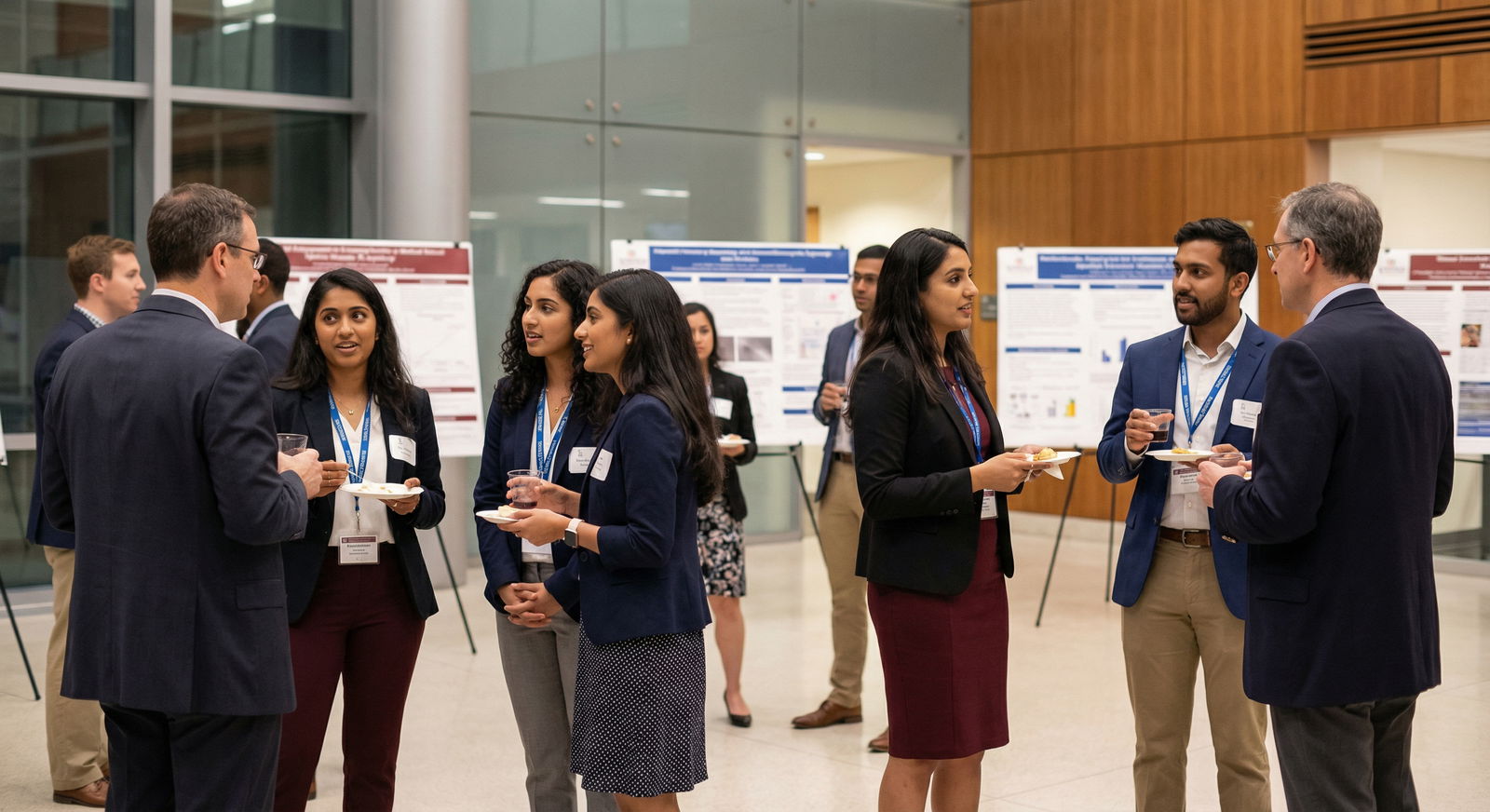
4. Disregarding the Power of Networking and Relationships
Networking in Medical School is about more than future job opportunities. It’s about building a supportive community and finding mentors who help you navigate difficult decisions.
The Pitfall: Focusing Only on Grades and Ignoring People
Some students:
- Sit in the back, rush out of class, and rarely speak up
- Avoid meeting with faculty unless required
- Delay thinking about mentorship or specialty interests “until later”
This can limit:
- Access to research, leadership, and clinical opportunities
- Strong letters of recommendation
- Exposure to different career paths in medicine
- Emotional support and guidance during tough periods
The Solution: Intentional Networking From Year One
You don’t need to “schmooze.” You just need to build genuine, respectful connections.
Start With Your Classmates
Your peers will become colleagues, co-residents, and sometimes lifelong friends.
- Introduce yourself in labs, small groups, and orientation activities
- Offer and ask for help when classmates struggle
- Create or join group chats that are supportive, not toxic or competitive
Collaboration culture often starts with small, kind gestures.
Engage With Faculty and Residents
- Attend interest group sessions (e.g., internal medicine, pediatrics, surgery)
- Go to lunch talks and ask thoughtful questions
- After a lecture you enjoyed, send a brief thank-you email:
- Highlight something specific you learned
- Politely ask if they’d be open to a short meeting to discuss their field
Over time, you’ll identify potential mentors who:
- Share your values and interests
- Are approachable and supportive
- Will later be strong advocates for you in residency applications
Seek Out Formal Mentorship Programs
Most schools have:
- Big-Little programs or peer mentoring
- Faculty mentoring or advising systems
- Specialty-specific mentorship networks
You don’t have to “pick a specialty” in first year. Instead, use these relationships to explore options and gather perspective on Med School Life And Exams, work-life balance, and career paths.
5. Ignoring Personal Finance and Debt Management
Money stress is a major but often unspoken source of anxiety among Medical Students. First-year is the ideal time to build healthy habits.
The Pitfall: “I’ll Worry About Money After Residency”
Common first-year financial mistakes:
- Taking out the maximum possible loans without budgeting
- Overspending on housing, eating out, or lifestyle inflation
- Ignoring interest accumulation and the reality of total debt
- Not tracking where money actually goes each month
Financial stress can:
- Increase anxiety and distract from studying
- Limit your flexibility in choosing specialties or practice settings later
- Delay major life decisions (family, home, etc.)
The Solution: Learn Basic Personal Finance Early
You don’t have to become a financial expert. But you should understand the fundamentals that impact your future.
Build a Clear, Realistic Budget
Include:
- Fixed costs: tuition, fees, rent, utilities, insurance
- Variable costs: groceries, transportation, textbooks, exam fees
- Discretionary spending: eating out, entertainment, travel
Track spending for 1–2 months using:
- Apps (e.g., Mint, YNAB, or your bank’s app)
- A simple spreadsheet or notes file
Then adjust. Identify 1–2 areas where small cuts won’t hurt your quality of life but will reduce long-term stress.
Understand Your Loans and Financial Aid
Know:
- Total amount borrowed each year
- Interest rates and whether interest is subsidized or unsubsidized
- Grace periods and basic repayment options
Meet with:
- Your school’s financial aid counselor
- Any available financial literacy workshops for Medical Students
Even a basic understanding now can save you tens of thousands of dollars later.
Practice Reasonable Frugality
- Consider:
- Living with roommates
- Buying used textbooks or using library/online resources
- Packing lunch a few days a week instead of always eating out
This isn’t about deprivation; it’s about aligning your spending with your values and long-term goals.
6. Focusing Solely on Academics and Neglecting Growth
High grades are important—but they’re only one part of being an effective physician. Over-focusing on test scores can narrow your development.
The Pitfall: Equating Your Worth With Your GPA
Some first-years:
- Avoid any activity that doesn’t directly “raise scores”
- Turn down clinical exposure, research, or volunteering
- Ignore development of communication, empathy, and leadership skills
- Feel like a failure after any minor academic setback
Over time, this can lead to:
- Burnout and loss of motivation
- Limited stories and experiences for residency applications
- Underdeveloped interpersonal skills critical for patient care
The Solution: Aim for Well-Rounded Professional Growth
Seek Early, Appropriate Clinical Exposure
When available:
- Volunteer in clinics or community health programs
- Participate in shadowing or preclinical longitudinal clinics
- Observe how physicians communicate, not just what they diagnose
Connecting your studying to real patients often:
- Deepens understanding of pathophysiology and treatments
- Reinforces your motivation for medicine
- Enhances empathy and bedside manner skills
Intentionally Develop Soft Skills
Look for opportunities to practice:
- Communication: small groups, presentations, patient interviews
- Teamwork: labs, group projects, free clinics
- Leadership: student organizations, peer teaching, initiative-taking
Residency program directors consistently rank these attributes as essential, often alongside or above pure academic metrics.
Maintain Interests Outside Medicine
Whether it’s music, sports, writing, gaming, or art, maintaining at least one non-medical hobby:
- Supports your mental health
- Keeps you grounded in your identity beyond “med student”
- Often becomes something residency interviewers genuinely enjoy hearing about
Ironically, a sustainable balance often results in better academic performance, not worse.
7. Overcommitting to Extracurricular Activities
On the other end of the spectrum, some first-year students load up on every possible opportunity to “build a strong CV,” especially if they’re already thinking about competitive specialties.
The Pitfall: Saying “Yes” to Everything
Signs you may be overcommitted:
- You’re involved in more than 3–4 regular activities plus full-time coursework
- You’re constantly canceling or rescheduling commitments
- Your grades or sleep are suffering
- You feel guilty both when you’re working and when you’re resting
This pattern often leads to:
- Chronic exhaustion and resentment
- Mediocre involvement in many things instead of meaningful impact in a few
- Difficulty maintaining long-term professional relationships
The Solution: Be Strategic and Selective
Choose Activities That Truly Matter to You
Ask yourself:
- Does this align with my genuine interests or values?
- Will I still want to be doing this 6 months from now?
- Is there a realistic role for growth and deeper involvement?
Quality trumps quantity. Two or three well-chosen activities with real engagement often stand out more than ten superficial ones.
Set Clear Boundaries and Expectations
Before committing, clarify:
- Time expectations per week or month
- Key responsibilities and goals
- Start and anticipated end points (e.g., one semester, one year)
Practice saying:
- “I’m honored to be asked, but I don’t have the bandwidth to give this project the attention it deserves right now.”
That’s professionalism, not selfishness.
Regularly Re-Evaluate Your Commitments
Every 2–3 months, ask:
- What’s giving me energy?
- What’s draining me without much benefit?
- Is this still aligned with my priorities this semester?
It’s acceptable to step back respectfully from roles that no longer fit, as long as you communicate clearly and responsibly.
FAQs: Surviving and Thriving in Your First Year of Medical School
1. What are the most common mistakes first-year Medical Students make?
Some of the most frequent pitfalls include:
- Poor Time Management and underestimating the workload
- Neglecting Self-Care, sleep, and exercise
- Avoiding asking for help academically or emotionally
- Ignoring Networking and mentorship opportunities
- Over- or under-engaging in extracurriculars
- Not understanding personal finance and loan management
Recognizing these patterns early lets you correct course before they become larger problems.
2. How can I manage stress effectively during my first year?
Consider a multi-layered approach:
- Daily habits: consistent sleep, regular movement, and planned breaks
- Study strategies: active learning, spaced repetition, and realistic schedules to reduce last-minute panic
- Mind-body tools: brief mindfulness exercises, deep breathing, or yoga
- Social support: spending time with classmates, friends, or family who understand and support your goals
- Professional help: using counseling or mental health services early if stress starts affecting your functioning
Treat stress management as a learned skill set, not as a personal failing.
3. How important are extracurricular activities in Medical School?
Extracurriculars are important, but only when balanced:
- They help you develop leadership, communication, and teamwork skills
- They provide chances for Networking, mentorship, and Letters of Recommendation
- They can clarify your interests in specialties or patient populations
Aim for a selective portfolio of activities you care about, rather than trying to join everything. Residency programs look for depth and impact, not sheer volume.
4. What resources should first-year Medical Students prioritize?
Early on, consider exploring:
- Academic support: tutoring, learning specialists, office hours
- Wellness services: counseling, peer support, wellness workshops
- Career and specialty advising: interest groups, mentorship programs, faculty advisors
- Financial counseling: sessions with financial aid, budgeting or loan workshops
Most Medical Schools offer more resources than students realize; the key is to use them before you’re in crisis.
5. How can I Network effectively during my first year without feeling fake?
Focus on genuine curiosity and respect:
- Attend talks, interest groups, and informal events
- Ask thoughtful questions about people’s career paths and experiences
- Follow up with a brief thank-you email when someone takes time to speak with you
- Stay in touch occasionally with mentors—share updates, ask for guidance, and express appreciation
Networking is about building authentic, long-term professional relationships, not collecting business cards.
Your first year of Medical School will be intense, but it doesn’t have to be chaotic or destructive to your health. By practicing intentional Time Management, prioritizing Self-Care, seeking support, building a strong network, and being thoughtful about your commitments and finances, you can navigate MEDICAL_SCHOOL_LIFE_AND_EXAMS with resilience and purpose.
You don’t need to be perfect. You just need to be willing to learn, adjust, and ask for help along the way.