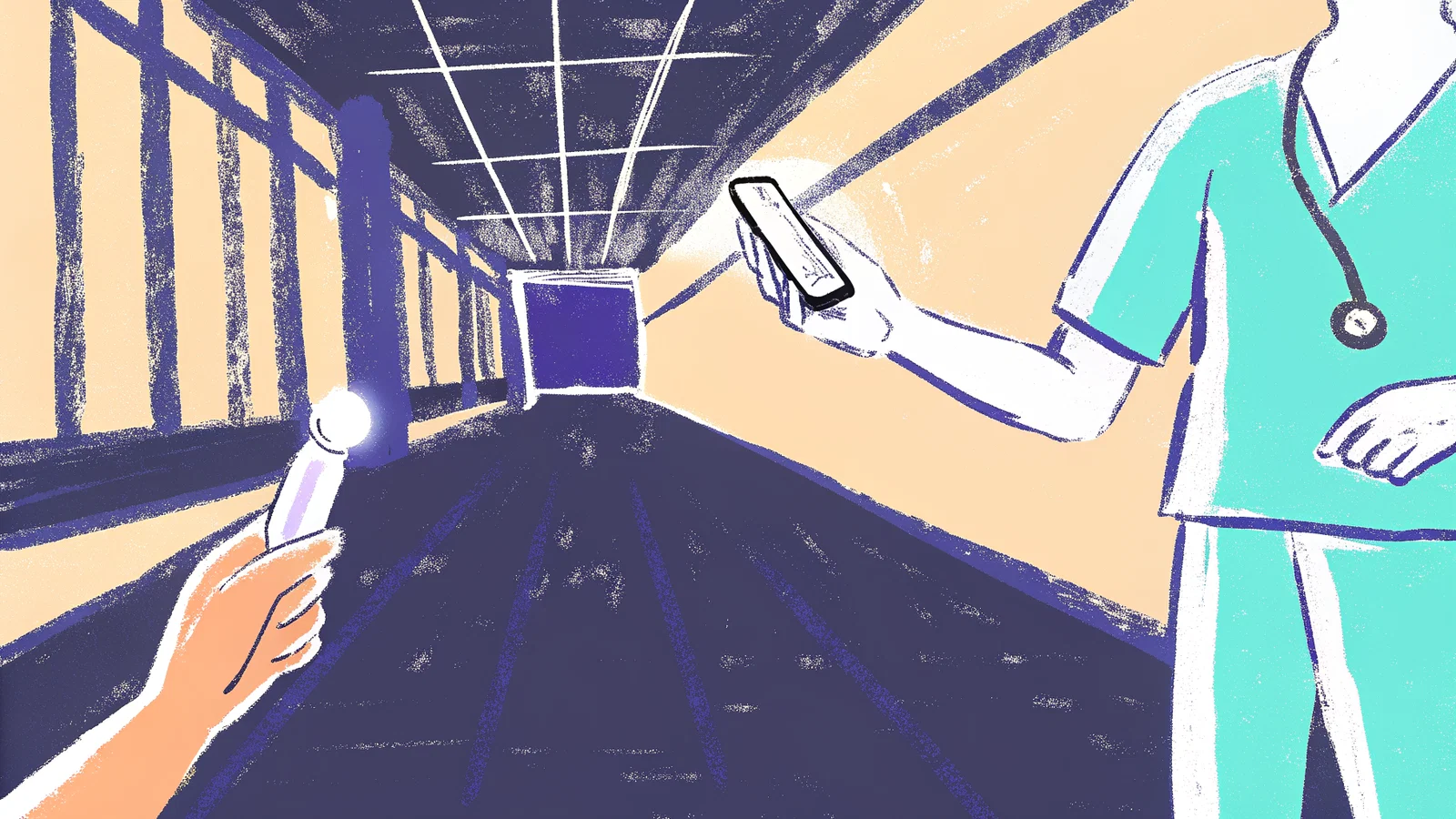
You wake up with a 101°F fever the morning of a mandatory anatomy lab. Your first instinct is to wait it out. Take some ibuprofen, drink water, see if it passes by 8 a.m.
That's the mistake.
Not being sick. Not missing class. The mistake is disappearing without a plan. One morning you feel rough, so you skip the email. Then you skip the makeup quiz window. Then someone notices you weren't in small group. Now it's not a sick day. It's a professionalism flag on your record. And it didn't have to be.
Here's the truth nobody tells you on orientation day: in M1, the attendance system is fragile. It's stitched together from sign-in sheets, required labs, professionalism rubrics, and faculty who notice when you're gone. One unexcused absence can cascade. And the difference between a recoverable sick day and a transcript headache comes down to what you do in the first 24 hours.
Let's walk through the pitfalls so you don't step on them.
Why Attendance Mistakes Snowball in M1
Medical school attendance policies aren't like undergrad. You're not getting a slap on the wrist for missing a lecture. You're operating inside a system where:
- Required labs and small groups count toward your grade directly.
- Sign-in sheets, ID swipes, or digital attendance create a paper trail.
- Professionalism is often a graded competency, not just a vibe.
- Make-up windows are narrow and inflexible.
One missed day without proper communication hits all four of those at once. Miss the sign-in. Miss the makeup opportunity. Miss the faculty follow-up. And now you're explaining yourself in an office instead of recovering in your apartment.
The hidden consequence? Your classmates will cover for you once. They'll send notes, fill you in on the small group case, save you a seat. Do it twice without warning, and that goodwill evaporates. Trust in medical school is a limited resource. Don't burn it on something preventable.
The First 24 Hours: Don't Wait Until You Feel Better to Communicate
Here's the trap. You're sick. You don't know how long it'll last. You don't want to look dramatic. So you wait.
Bad move. Waiting is the most common M1 attendance mistake I see.
The moment you think you might miss a required session, send the email. Same day. Even if you're still deciding. Even if you might rally by noon. Especially if you might rally by noon, because that's when you'll skip the email and the absence becomes unexcused.
Who to contact, in order:
- Course coordinator, they're the attendance gatekeeper and can tell you exactly what the policy requires.
- Small-group or lab leader, they need to know you'll be absent so they don't mark you down for non-participation.
- A trusted classmate, for notes, slides, and what you missed. Pick one person, not the whole group chat.
- Office of Student Affairs (if it gets longer than 2-3 days), they exist for this.
What to say, in three lines:
Subject: Illness, [Course Name], [Date]
Hi [Coordinator name], I'm ill and won't be able to attend [specific session] today. Could you let me know what documentation or steps are needed for an excused absence? I'll follow up as my condition changes.
Thanks, [Your name]
That's it. No symptom essay. No "I think I have the flu but I'm not sure." No promises about when you'll be back. Professional. Brief. Done.
Documentation, Excuses, and Make-Up Work: Avoid the Paperwork Trap
Verbal explanations don't count. That's the hard truth.
You can tell a faculty member you're sick, and they'll nod sympathetically. Then two weeks later the registrar pulls your attendance record, sees an unexcused absence, and your "I told Dr. Smith" doesn't appear in the system.
Common documentation mistakes:
- Waiting until you're recovered to see a doctor, then forgetting to ask for a note.
- Uploading a screenshot of a MyChart message instead of an official letter.
- Missing the deadline to submit the excuse form because nobody told you there was one.
- Assuming a single day's illness doesn't require paperwork (it often does).
The safer pattern:
- Check the syllabus the day you get sick, find the exact excused-absence language.
- Email the coordinator the same day, even if you don't have documentation yet.
- If symptoms warrant it, see student health or urgent care that day and ask specifically for an absence note.
- Submit the excuse request through whatever portal your school uses, the same day you get the note.
- Save everything. Every email, every screenshot, every confirmation number.
- Keep a one-line absence log in a notes app. Future you will need it.
Protect Your Standing Without Overexplaining or Overcommitting
Here's where students trip a different wire. They panic about professionalism, so they write a 400-word email explaining their entire medical history, or they promise to be back tomorrow when they clearly won't be.
Both are problems. Oversharing invites unnecessary follow-up questions and makes you look unmoored. Overpromising creates a new professionalism issue the moment you can't deliver.
The better pattern:
- Send brief updates. "Still ill, will reassess tomorrow." Two sentences.
- Be honest about uncertainty. "I'm not sure how long this will last, but I'll keep you posted."
- Don't apologize six times. One acknowledgment is plenty.
- Never promise a return date you can't guarantee. Say "I'll let you know by Friday" instead of "I'll be back Thursday."
And on the peer side, ask for notes, but don't turn it into a recurring extraction. One classmate for one absence is fine. If it's day five and you're still messaging five people for updates, you've got a bigger problem (more on that below). Rotate. Reciprocate. Don't make your sick days someone else's part-time job.
Red Flags: When Missing Class Is a Bigger Problem
Sometimes the absence isn't the real issue. The real issue is why you keep getting sick.
Medical symptoms that warrant actual medical attention, not just a sick day:
- Fever above 102°F that doesn't break with medication
- Persistent vomiting or inability to keep fluids down
- Shortness of breath or chest tightness
- Fainting, near-fainting, or severe dizziness
- Confusion, severe headache, or stiff neck
- Symptoms dragging past 5-7 days without improvement
If any of those show up, your first email goes to student health, not the course coordinator. And you loop in the Office of Student Affairs so they can flag your file for academic support if you need extensions.
The other red flag, the one most M1 students ignore, is the pattern. One sick day is normal. Four in a month isn't. If you're getting sick repeatedly, ask yourself honestly: am I sleeping? Am I eating? Am I drowning in extracurricular commitments I can't drop? Is something deeper going on?
Repeated illness-related absences are often a burnout signal. Don't treat the symptom (the cold) and ignore the cause (the unsustainable schedule). Talk to someone. A dean, a counselor, a mentor. The earlier you flag it, the less it damages your record.
CTA: Build a Sick-Day Plan Before You Need It
The best attendance strategy isn't improvisation while febrile. It's preparation while healthy.
Right now, today, before you get sick, do three things:
- Save the email addresses of your course coordinators, lab supervisors, and small-group leaders in a labeled folder.
- Read your school's excused-absence policy end to end. Print it. Screenshot it. Whatever works.
- Draft a one-paragraph illness template in your notes app so you can paste, customize, and send in under three minutes when the moment comes.
That's it. Ten minutes of work now saves you a professionalism meeting later.
Because here's the bottom line: being sick in M1 is inevitable. The mistake is treating it like an inconvenience instead of an administrative event. Document. Communicate. Follow up. Don't promise what you can't deliver. And if the absences start stacking, name the pattern before someone else does.
One sick day doesn't define your transcript. A string of undocumented ones might. Plan ahead so they don't.