
It's 2 a.m. You're staring at the same USCIS case status page you've refreshed forty times. Your spouse's visa situation just shifted, maybe an extension denied, maybe a new approval that leaves your derivative status dangling, and your mind immediately goes to every nightmare scenario. You're a resident. You have patients. You can't afford even a one-day gap in work authorization. And right now, it feels like your entire career is one administrative glitch away from collapsing.
I've seen this fear ruin sleep, derail rotations, and push people into panicked, half-informed decisions that made everything worse. What I don't see nearly enough is a concrete, step-by-step way to claw back control. This article won't give you empty comfort. It will hand you a checklist, a timeline, and the blunt truth about where things break, so you can avoid them.
Before you read another line: I'm not an attorney. This is not legal advice. The scenarios here are real, but your exact situation demands a qualified professional who understands IMG-dependent visa switches.
Start With the Worst-Case (So You Can Prevent It): Map Your Current Status and What Changed
Your anxiety isn't irrational. When a spouse's status changes mid-residency, the dominoes can fall fast. The only thing worse than the fear is walking around with a foggy understanding of what's actually at risk. So we start by getting brutally specific.
Write down these four things tonight:
- Your residency visa category. Are you on J-1? H-1B? An EAD tied to a spouse's L-2 or H-4? Derivative status that lives or dies with your spouse's approval?
- Your spouse's exact change. Not "something changed." Is it a denial? An expiration without a pending extension? A new I-94 with a shorter date than yours? A change of status to a category that no longer provides you dependent benefits?
- Your I-94 and approval notice end dates. Compare yours and your spouse's. A mismatch here can signal a gap you didn't know you had.
- Your employment authorization document (EAD) expiration, if any. Even if the spouse's notice looks fine, your own EAD might have its own cliff.
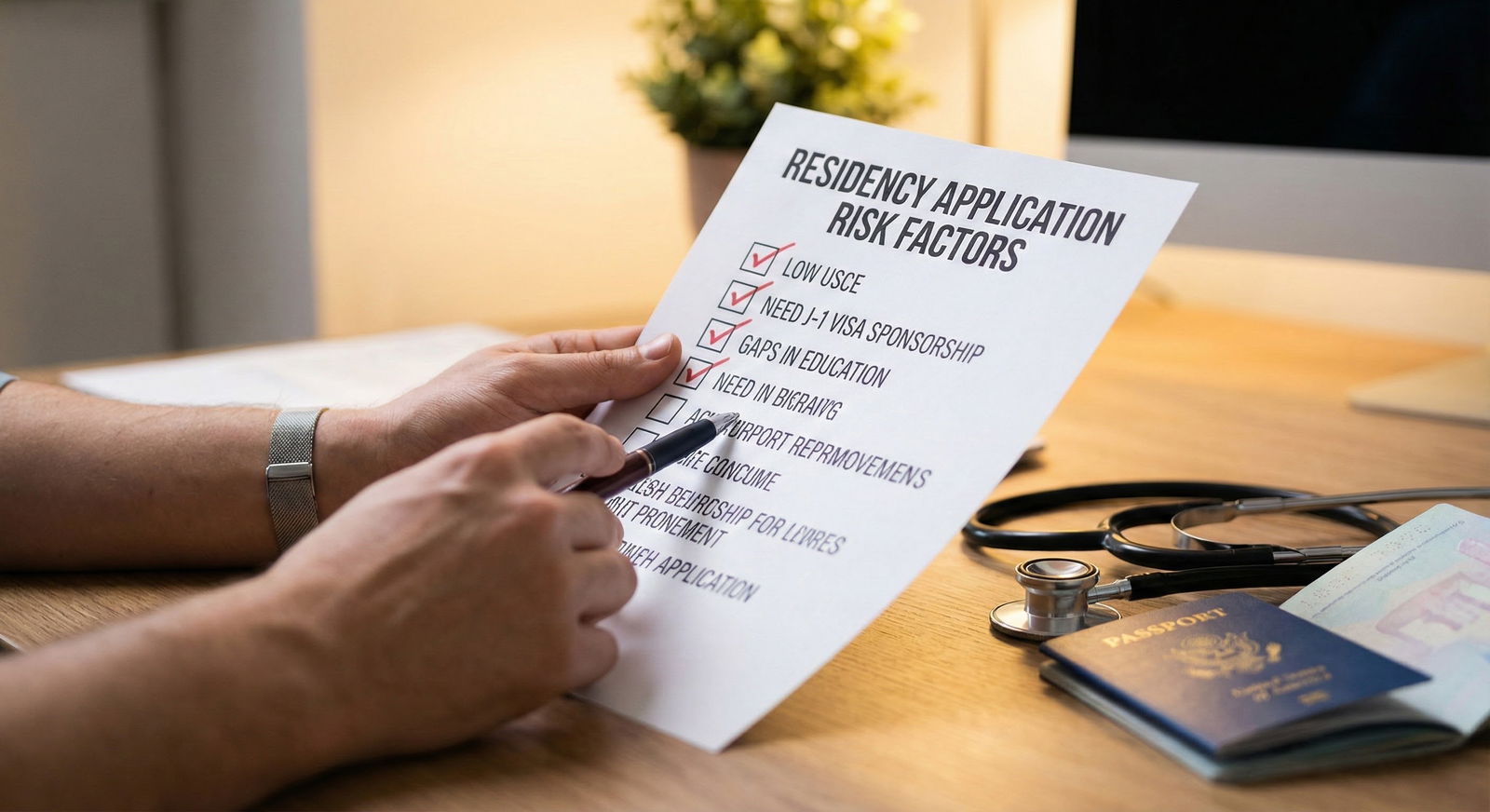
Now create a "risk map." I divide it into three columns: Travel/Reentry Risk, Employment Authorization Risk, and Status Gap Risk. Put a red, yellow, or green dot next to each based on what you find. If you don't know, it's automatically red, until counsel tells you otherwise. The point isn't to freak out. It's to stop the what-ifs from circling. You'll turn that map into the foundation of your attorney conversation.
A mistake I've seen too many times: someone notices a change, assumes everything is fine because "we already filed something," and doesn't check their own I-94 until they're about to travel. Don't do that.
The Mid-Residency Visa Switch Playbook: What Typically Happens and Where Applicants Get Stuck
When a spouse's status changes while you're in the middle of residency, the problems usually cluster into three ugly buckets:
- Timing gaps. You discover that your derivative status ended the moment your spouse's prior approval lapsed, and you didn't file for a bridge. Even a few days can mean unauthorized employment, a visa violation, or a tourist status you never intended.
- Derivative status interruption. Your new filing relies on the spouse's new status, but that status hasn't been fully approved yet. Until it is, your eligibility wobbles.
- Loss of travel or work documents. A pending I-539 change of status or I-765 application without the old EAD still valid leaves you stuck, can't leave the country without abandoning, and can't work if a gap opens.
What gets people stuck isn't that they don't know the rules. It's that they try to pick between "change of status" (stay in the U.S., no travel) and "consular processing" (leave, get visa stamp, return) without understanding the timeline pressure. A consular processing route might give you cleaner documents, but if your residency can't spare you for weeks, it's a trap. A change of status might keep you physically here but take 6-9 months with no interim work authorization. Urgency changes the math completely. Your attorney's first job is to show you which path gives you the shortest gap, or none.
I've seen residents get lured by a "quick trip to the consulate" only to get stuck in administrative processing, missing rotations and risking their spot. Travel while a status switch is pending is where I've seen the most damage.
Timeline Anxiety Control: Build a Calendar for Receipts, Biometrics, RFEs, and Travel
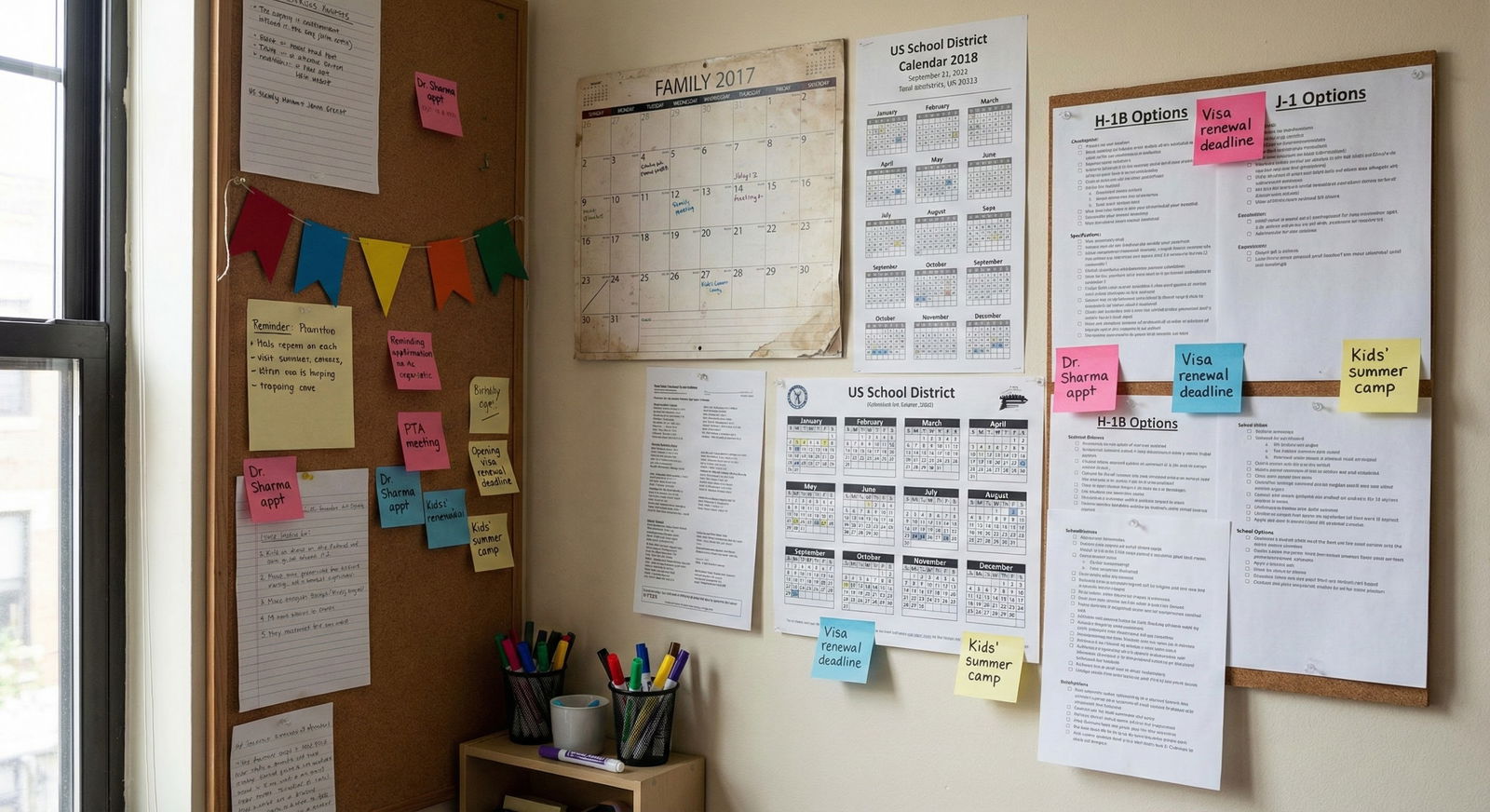
If your anxiety is rooted in "I don't know when anything will happen," the antidote is a calendar that makes the invisible visible. Don't wait for perfection. Grab your phone or a blank sheet and pin these dates:
- Spouse's status change effective date
- Your I-94 expiration date
- EAD expiration (if applicable)
- Residency rotation start dates, especially any off-site or away rotations
- Any planned travel, cancel everything until you have a written travel opinion from counsel
Now layer on the processing estimates you'll get from your attorney. I'm not talking exact dates. I'm talking ranges.
This visual reminds you that "submission" isn't approval. An RFE can tack 2-4 months onto an already slow process. So when you schedule check-ins with your attorney, mark two lines: one assuming no RFE, one assuming an RFE at month 6. If your EAD or I-94 expires before the RFE line ends, you've found the exact moment where your employment authorization may die. That's the date you need a strategy for, maybe a premium processing option, maybe an employer-sponsored separate filing, maybe an emergency expedite.
Travel and reentry: if you have a pending change of status and you leave, USCIS considers the application abandoned. Period. I don't care if it's a wedding, a funeral, or a short conference. Leaving without an approved advance parole document or a valid visa stamp that allows reentry in the same status can blow up your residency. I've seen it happen. The "quick trip" that sounded fine in someone's head turned into a month-long absence and a program director losing patience.
Evidence That Calms Consular/USCIS Questions: The "Marriage + Residency + Continuity" Packet
Adjudicators don't care about your panic. They care about evidence. The single best thing you can do while waiting is build a packet that answers every question before it becomes an RFE.
Start with bona fide marriage evidence: joint leases or mortgages, joint bank account statements, tax transcripts showing "married filing jointly," utility bills, and a handful of photos over time. Not a hundred. Ten solid, dated, documented pieces.
Then layer in residency enrollment: a letter from your program coordinator on official letterhead confirming your current PGY, start date, and expected completion date. This letter shouldn't mention immigration advice, it just states facts. Pair it with a copy of your residency contract or appointment letter.
Finally, continuity of status: every I-797 approval notice, I-94 record, EAD card scan, and the complete filing history for both you and your spouse. Even documents that seem "expired" matter because they show you've been maintaining.
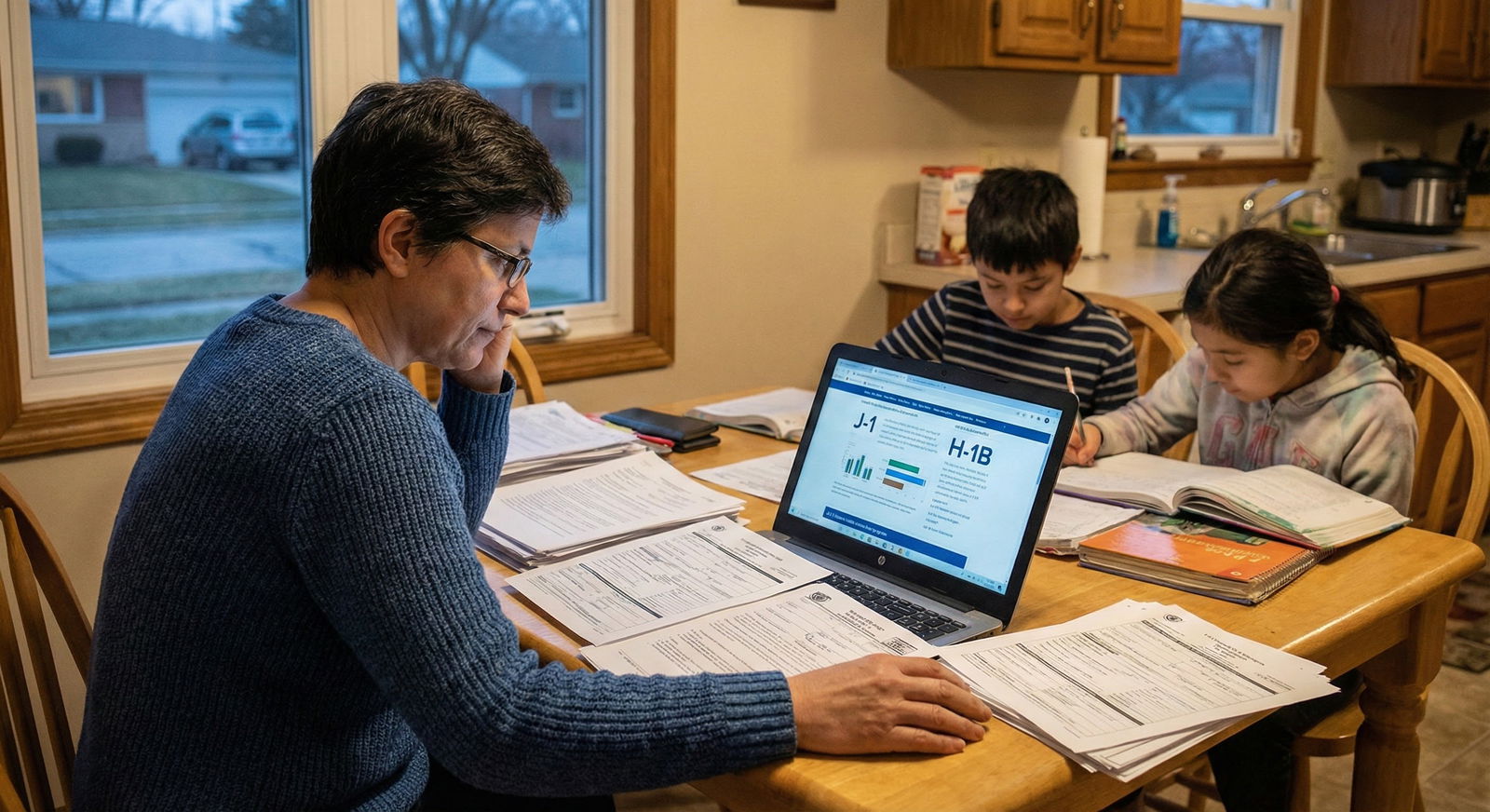
I keep a "correspondence log", just a running document where I note every phone call with USCIS or the attorney, every email, every date something arrives. It sounds obsessive. It is. But when anxiety spikes at 11 p.m., this log is the only thing that tells you things are still moving. It's evidence you're not losing control, just running a project.
Employment and Program Survival: How to Protect Your Residency Role While Switching Status Strategies
Here's where things get raw. Your residency program isn't immigration. GME and HR can't grant status, but they can yank your paycheck or pull you from clinical duties if they think you're unauthorized. That's why silence is not golden, it's a loaded weapon.
Tell your program coordinator and GME contact factually what's happening: "My spouse's immigration status changed. I'm working with an attorney to ensure my own status stays uninterrupted. I'll update you with any documentation changes needed for my employment file. Is there anything you need from me right now?" That's it. Don't speculate. Don't share every anxious thought. Don't ask them for immigration advice. They just need to know a potential paperwork adjustment is coming.
The two highest-stakes items are travel and work authorization. Mitigating a work authorization gap might mean your attorney files an I-765 renewal early, lines up premium processing if eligible, or coordinates with your spouse's new employer to secure dependent EADs faster. Your GME office doesn't need to know the legal mechanics, just the bottom line: "My work authorization remains valid through [date], and I'll have updated documents by [anticipated date]." If there's even a chance of a gap, your attorney must tell you how to handle it with HR. Miscommunication here leads to withdrawal of funding or rotation reassignments. I've seen it. It's ugly.
Common Failure Modes (So You Can Avoid Them): The Mistakes That Keep Applicants Up at Night
Let me name the mistakes that live in my head rent-free because I've watched them destroy plans:
- Waiting to "see what happens." You receive an RFE or a denial on your spouse's case and do nothing because you're frozen. Every day you wait, the gap widens.
- Ignoring correspondence. USCIS sends a notice to an old address, and you miss a biometrics appointment or a deadline. Automatic denial. Don't rely on paper, sign up for electronic notifications, or check the case status daily.
- Submitting half-baked evidence. "We've been married five years, they'll believe us." Then a Request for Evidence asks for joint financial records, and you scramble. Build the packet before they ask.
- Travel without a written opinion. I don't care if your friend's cousin did it. Until your own attorney says "yes, and here's why it's safe in your specific case," consider travel a hard no.
If you get an RFE or NOID (Notice of Intent to Deny), do not respond alone. The urge to fix it fast will tell you to write a heartfelt letter. Don't. Send it immediately to your attorney, who knows exactly what legal arguments and evidence USCIS needs. An emotional appeal about your residency won't move the needle. A meticulously formatted, fact-heavy response will.
Your Safety Net: How to Choose the Right Attorney, Ask the Right Questions, and Get Real Answers
Not all immigration attorneys get residency. You need someone who's handled IMG-dependent cases before, ideally in the context of graduate medical education. When you interview them (yes, interview), skip the small talk and ask:
- "How many spouse-dependent IMG cases have you resolved where a gap was imminent?"
- "What's your specific plan to avoid a status gap for me? Walk me through the timeline."
- "Under what conditions, if any, would you recommend travel?"
- "If consular processing is on the table, how will you coordinate with my residency schedule?"
- "Which documents are mission-critical right now, and which can wait?"
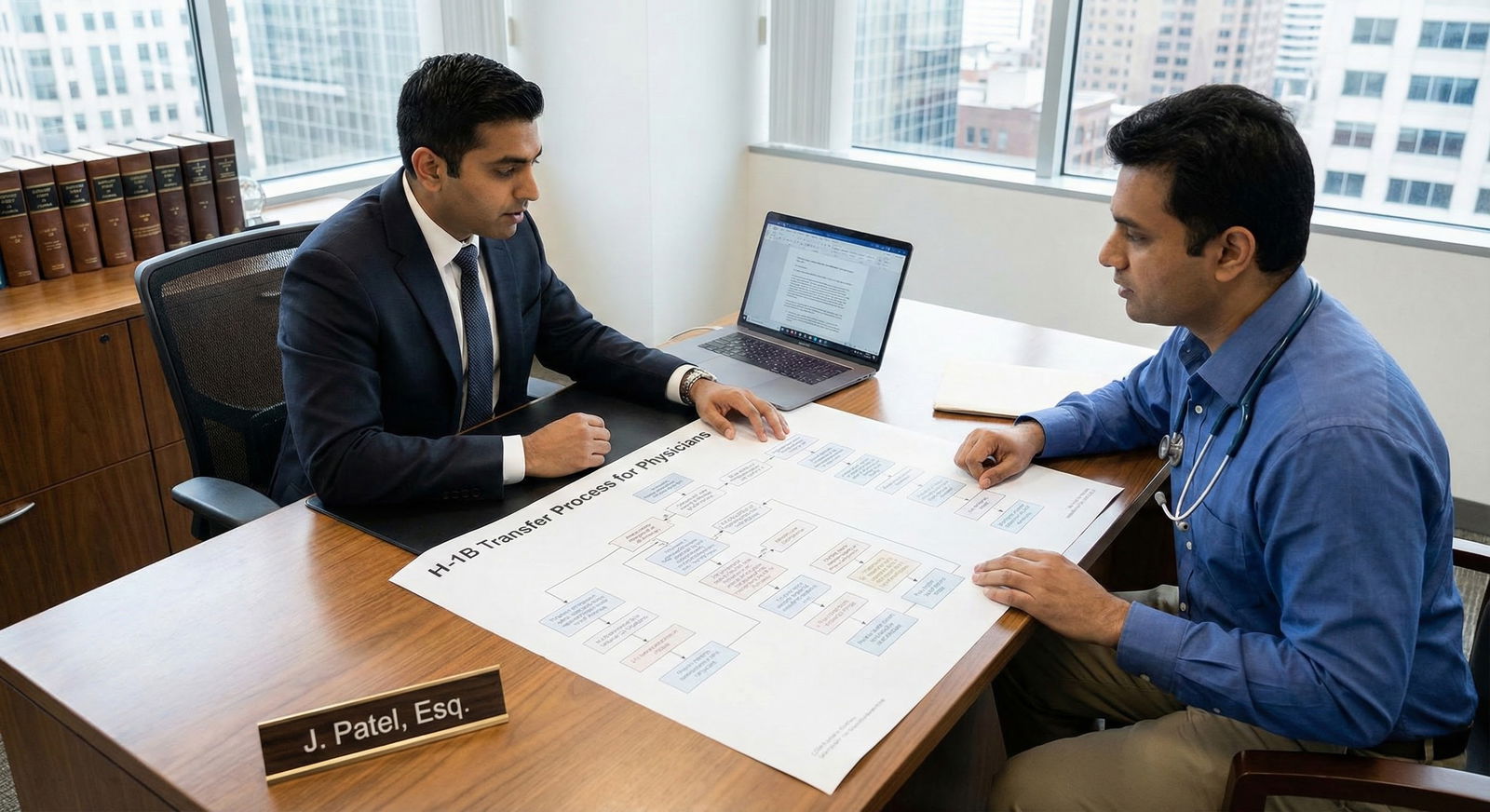
If the attorney can't answer these without vague hand-waving, find another. Your residency window is too narrow for on-the-job training.
I also recommend having your top three questions written down and literally reading them aloud in the consult. Panic makes you forget. A good attorney will appreciate the clarity.
Close With a CTA: You Can Get Through This, Start Today With a 30-Minute Action Plan
You don't need to solve everything tonight. You need to start. Here's your 30-minute action plan so you can go to sleep knowing you're no longer stuck:
- Gather five documents: your I-94, spouse's latest I-94 or notice, your EAD (if applicable), your residency appointment letter, and the most recent marriage-related evidence. Put them in one folder.
- Write one sentence to your program coordinator or GME contact: "I'm experiencing a change in my spouse's immigration status and working with counsel to protect my employment eligibility. I'll keep you updated." Send it.
- Book a 15-minute attorney consult. Even if you don't hire them yet, get a concrete read on your worst-case gap.
- Cancel any planned travel. You can always rebook later after you have written clearance. For now, protect your presence.

This isn't about false positivity. It's about reclaiming agency. I've seen residents navigate a mid-residency visa switch with their marriage intact, their job safe, and their status secured, because they treated it like a project with deadlines, not a disaster. You can, too. You already survive residency-level stress. This is one more system you can learn to manage.