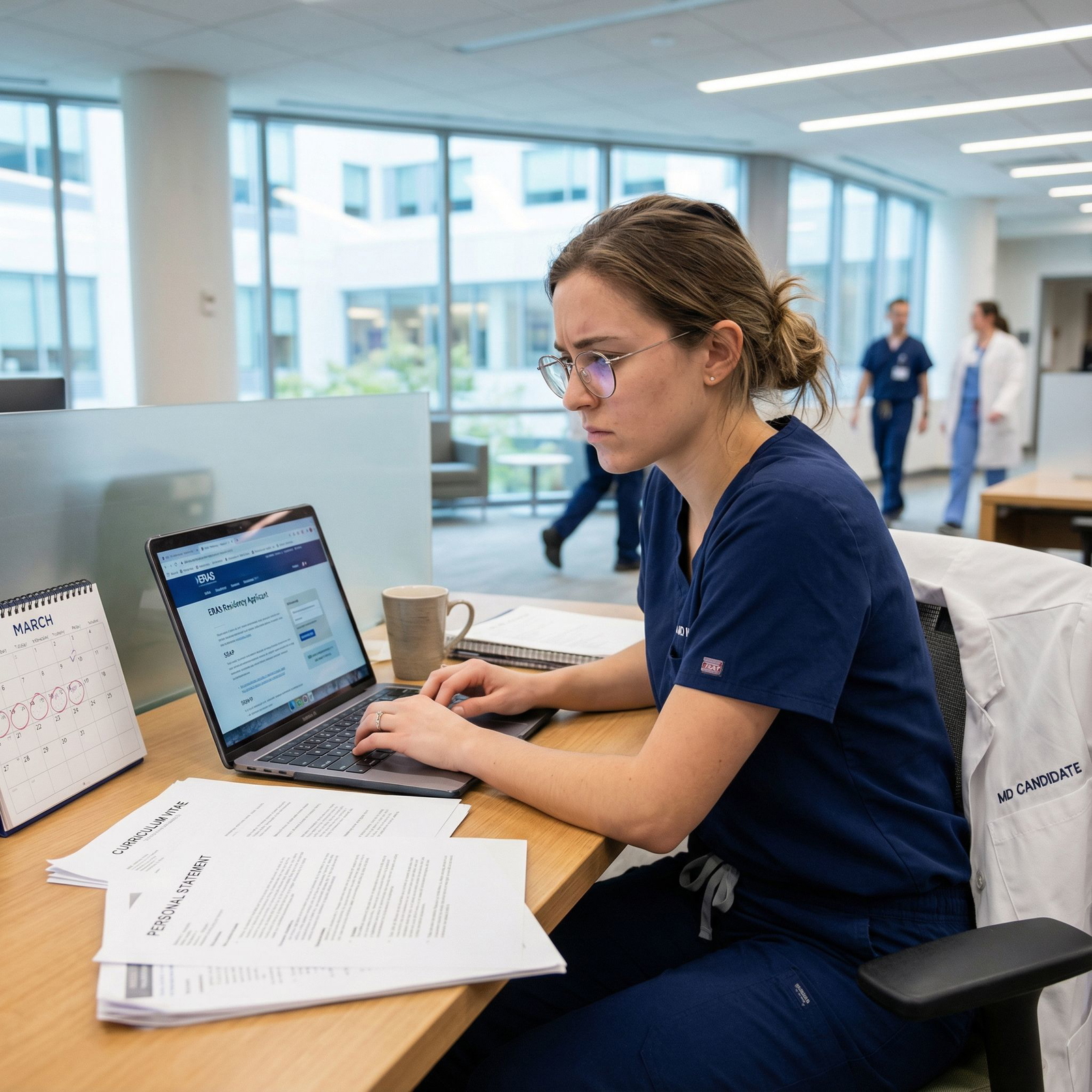
Date Your Match: Relationship-Building Strategies During SOAP for Better Residency Outcomes
The residency application process is stressful under the best of circumstances. When you enter the Supplemental Offer and Acceptance Program (SOAP), the pressure can feel even more intense. You’re navigating tight timelines, uncertainty about your future, and a flood of rapid decisions from programs and applicants.
Yet amid all the logistics, spreadsheets, and application strategies, one critical factor is often overlooked: relationship building.
Thinking of SOAP like “dating your match” is more than a catchy metaphor. Just as dating involves learning about another person, showing who you are, and deciding whether you’re a good fit for each other, the SOAP process works best when you approach it as a series of relationship-building opportunities—not just a transaction to “get any spot.”
This article will walk you through how to build and leverage meaningful professional relationships during SOAP, so you can improve your residency application outcomes, make better decisions for your long-term healthcare career, and feel more in control of an unpredictable process.
Understanding SOAP in the Residency Application Journey
What Is the SOAP Process?
The Supplemental Offer and Acceptance Program (SOAP) is the structured, time-limited process that occurs during Match Week for applicants who:
- Did not match to any residency program, or
- Partially matched (e.g., advanced position without a preliminary year), and
- Are eligible to participate per NRMP rules.
During SOAP:
- Programs with unfilled positions post their openings.
- Eligible applicants apply to a limited number of programs through ERAS.
- Programs review applications, conduct interviews (often virtually), and create preference lists.
- Applicants receive timed rounds of offers and can accept or reject them via the NRMP system.
While it may feel like a scramble, SOAP is not chaos—it’s a structured process with rules, sequences, and strategy. But strategy alone is rarely enough. Programs still choose people, not just paper applications.
Why Relationship Building Matters in SOAP
Even in this compressed time frame, relationships can shape outcomes in powerful ways. In the context of SOAP, relationship building is about:
- Making yourself more than a file on a screen
- Humanizing your story after an unmatched outcome
- Demonstrating professionalism, insight, and resilience
- Learning which programs are a good fit for your skills and goals
Some of the key benefits include:
Increased Visibility in a Crowded Field
Program coordinators and faculty often sift through hundreds of SOAP applications in hours. A name they recognize—because you reached out professionally or were recommended by someone they trust—can mean a closer look at your file.Richer Insight into Program Culture and Expectations
Short SOAP timelines make it harder to gauge “fit.” Conversations with current residents, alumni, and faculty can help you understand:- How residents are supported
- Call schedules and workload
- How the program treats learners during times of stress (like SOAP)
Advocacy and Informal Endorsement
A faculty mentor, current resident, or program alum who believes in you may:- Email the program director on your behalf
- Flag your application for review
- Provide feedback that sharpens your personal statement or communication
Better Long-Term Career Alignment
SOAP isn’t just about “getting any job.” It shapes your early professional identity and future fellowship or career options. Relationships can guide you toward programs that actually support your goals in medicine and medical education.
Adopting the “Dating” Mindset: Intentional Relationship Building
Think about how successful dating works:
- You show genuine interest.
- You ask good questions.
- You present the best version of yourself without pretending to be someone else.
- You pay attention to how the other party responds.
That same mindset translates directly to the residency application and SOAP process—especially when you’re under pressure.
Clarify What You’re Looking For
Before reaching out to programs, quickly clarify your priorities. In SOAP, time is short, but you still need direction:
- Do you prefer a community or academic program?
- Are you interested in research, teaching, or leadership in medical education?
- Are geography and family considerations crucial?
- What kind of mentorship or learning environment helps you thrive?
This clarity helps you:
- Target your communication
- Ask better questions
- Quickly decide which programs to prioritize if you receive multiple offers
Present Your Authentic Story
Every applicant in SOAP has a story. Programs know this and are often looking for:
- Resilience after not matching
- Insight into what went wrong and what you’ve learned
- Evidence of professionalism and emotional maturity
You don’t need to overshare or sound apologetic. Instead:
- Briefly acknowledge your unmatched status when appropriate.
- Emphasize growth: what you’ve reflected on, improved, or reinforced in yourself.
- Align your strengths with what you know about the program.
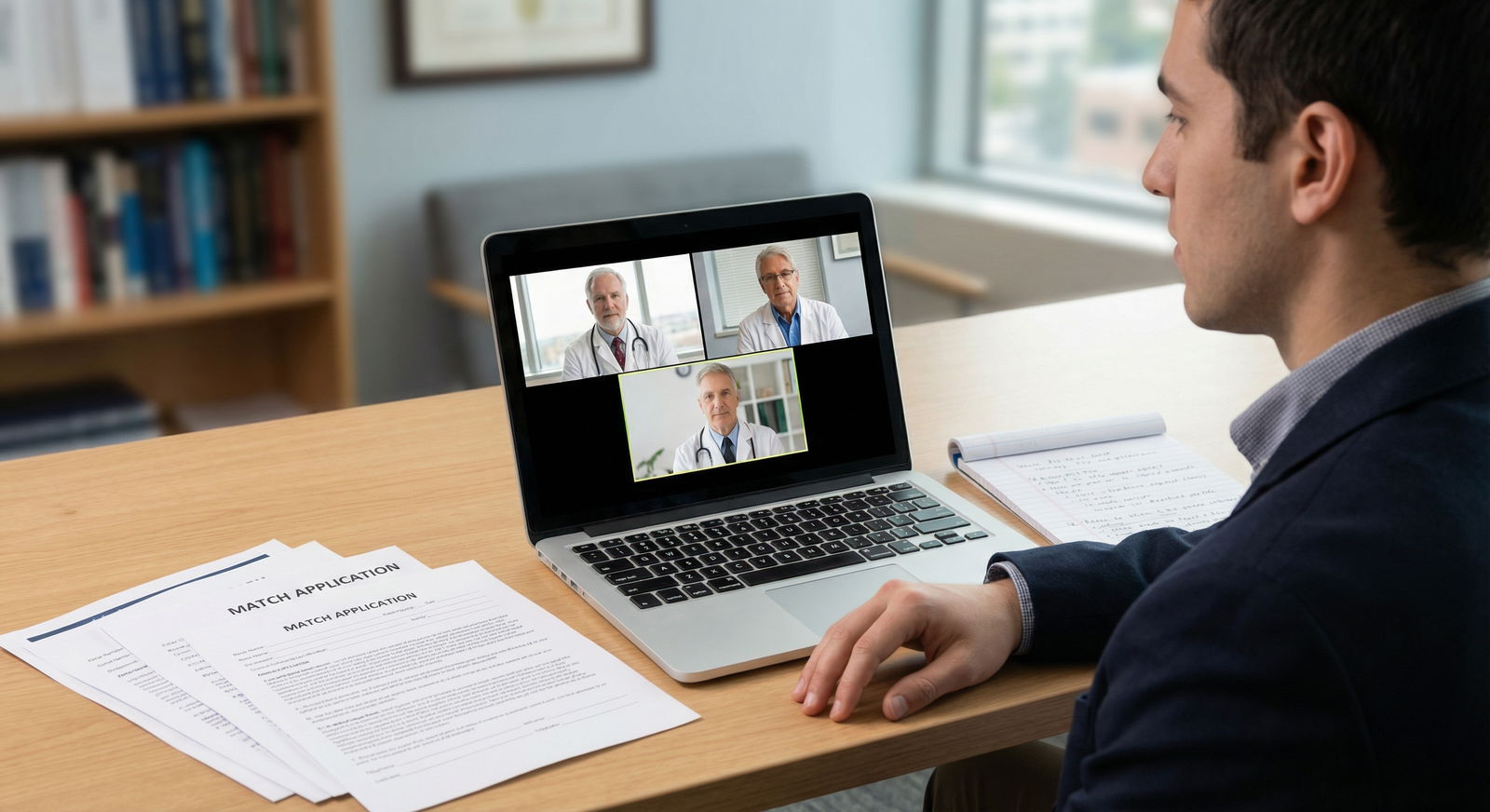
Practical Strategies to Build Relationships During SOAP
1. Be Proactive and Professional in Your Communication
In SOAP, waiting to be noticed is a mistake. Thoughtful outreach—especially to program coordinators and occasionally to program leadership—can make a real difference.
Emailing Program Coordinators: Your First Point of Contact
Program coordinators are the operational backbone of residency programs. They:
- Funnel information to program directors
- Organize interviews
- Often serve as the first screen for applications
When you email them:
- Use a clear subject line:
Subject: SOAP Applicant Interested in [Program Name] – [Your Name] - Keep the email concise but personal.
- Highlight 1–2 specific program features that genuinely attract you.
- Attach or reference your ERAS application AAMC ID.
Example Email (Condensed and Polished)
Subject: SOAP Applicant – Strong Interest in [Program Name] – [Your Name]
Dear [Coordinator’s Name],
My name is [Your Name], a [graduating MS4/IMG with prior clinical experience, etc.], and I am participating in the 202[ ] SOAP process. I noted that [Program Name] has unfilled positions and wanted to briefly express my strong interest.
I am particularly drawn to your program because of [specific reason: e.g., your commitment to underserved populations, strong critical care training, robust medical education track, etc.]. My experiences in [relevant rotations, research, leadership, or community work] have prepared me well for the patient population and training environment you describe.
I have applied to your program through ERAS (AAMC ID: [ID]). If there is any additional information that would be helpful, I would be glad to provide it.
Thank you very much for your time and consideration during this busy week.
Sincerely,
[Your Name]
[Phone] | [Email]
Key Tips for Email Outreach
- Don’t mass-email with a generic message. Even small customizations matter.
- Send during business hours when possible. After-hours emails are fine in SOAP, but earlier may be seen sooner.
- Avoid desperation language. Focus on fit and value rather than pleading for any open spot.
- Proofread carefully. Typos and incorrect program names are red flags under time pressure.
2. Engage Thoughtfully with Current Residents
Residents can give you some of the most honest insights into a program. During SOAP, they may also:
- Provide quick guidance on program expectations
- Share internal culture (supportive vs. punitive, collaborative vs. competitive)
- Occasionally mention you to leadership if they’re impressed
Where and How to Connect
- LinkedIn: Search by program name and specialty, then filter for current residents.
- Twitter/X and other platforms: Many programs and residents share academic content and program updates.
- Alumni networks: Your medical school’s alumni office or student affairs may connect you to grads at specific programs.
When reaching out, keep it short and respectful of their time.
Example Message to a Resident (LinkedIn or Email)
Hello Dr. [Last Name],
I’m [Your Name], a [US MD/DO or IMG, year of graduation]. I’m participating in SOAP this year and have applied to [Program Name]. I came across your profile and noticed your involvement with [teaching, research, QI, global health, etc.].
If you have a few minutes sometime this week, I’d be grateful for any brief insights you can share about the resident experience and training environment at [Program Name]. I understand this is a very busy time, so even a short response or a few key points would be much appreciated.
Thank you for considering this, and congrats on your work in [specific area, if appropriate].
Best regards,
[Your Name]
What to Ask Residents (Briefly)
If you’re able to talk or exchange messages, ask targeted questions, such as:
- How would you describe the program culture and resident support?
- How approachable are the faculty and program leadership?
- What do you think the program values most in applicants, especially during SOAP?
- Are there particular strengths (or challenges) applicants should be aware of?
Take notes—this information can shape interview answers and your internal ranking of programs.
3. Maximize Virtual Open Houses and Information Sessions
Many programs hold virtual information sessions or quick meet-and-greets during SOAP, even if they’re informal.
To leverage these:
- Prepare a brief introduction (30–45 seconds) about who you are, your interests, and why you’re drawn to that specialty or program.
- Ask 1–2 thoughtful questions that show you did your homework:
- “Can you share how residents are supported in developing careers in medical education or research?”
- “How does the program integrate wellness and burnout prevention into training?”
- Participate professionally on camera:
- Neutral background
- Professional attire
- Eye contact via the camera, not the screen
After the session, send a short thank-you email to the coordinator or faculty who hosted, highlighting 1–2 things you learned and reaffirming interest.
4. Use Networking Events and Conferences Strategically
If SOAP overlaps with regional or national conferences (e.g., specialty societies), there may be:
- Residency fairs
- Program booths
- Panels with program leadership or residents
Even quick conversations can:
- Put a face to your name
- Lead to follow-up emails
- Provide “insider” tips on what programs emphasize in candidates
Bring (or create):
- A digital business card or simple one-page CV
- A concise, confident introduction about yourself and your interests
5. Schedule Informal Coffee Chats and Quick Calls
The “coffee chat” model—short, informal conversations—translates well to SOAP’s fast pace:
- These can be 15–20 minute Zoom calls or phone calls.
- Focus on listening and asking focused questions.
- Respect time boundaries—end on time unless they explicitly extend.
Good Topics for Informal Chats
- What surprised you about the program once you started?
- How does feedback work—formal evaluations, informal coaching?
- Are there opportunities for teaching medical students, quality improvement, or leadership?
- For IMGs: How has the program supported visa issues and cultural transitions?
Follow-Up After a Chat
Send a brief thank-you message:
- Express appreciation for their time.
- Mention one specific point that was helpful to you.
- If appropriate, mention that you’ve applied or will apply to their program via SOAP.
Relationship Building Beyond SOAP: Long-Term Professional Networking
Even if SOAP doesn’t lead to your ideal outcome immediately, the relationships you build can continue to support your medical career.
1. Maintain Contact with Key Connections
Continue to connect periodically with:
- Residents
- Program leadership who spoke with you
- Faculty mentors or advisors
You might:
- Share a brief update (“I’ve started my intern year at [Program], and I’m especially enjoying…”)
- Congratulate them on promotions, publications, or presentations
- Ask for advice when considering fellowship, research, or career moves
Aim to add value when possible, not just ask for help.
2. Express Gratitude Clearly and Specifically
If a coordinator, resident, or program director:
- Facilitated an interview
- Advocated for you
- Took time to advise you during SOAP
Send a direct, thoughtful thank-you, even if you matched elsewhere or didn’t end up at their program. This is:
- Professional
- Memorable
- Helpful if your paths cross again (and in medicine, they often do)
3. Keep Building Your Network in Medical Education and Healthcare Careers
Think of SOAP as one intense chapter in a much longer story. Ongoing relationship building will shape:
- Letters of recommendation
- Fellowship opportunities
- Academic or leadership roles
- Transitions between institutions or specialties
The same skills—proactive, respectful communication; authentic interest; follow-up—will serve you well across your entire career.
Best Practices and Common Pitfalls in SOAP Relationship Building
Core Best Practices to Remember
Personalize Every Interaction
- Use names, reference specific program features, and tailor your message.
- Avoid obvious copy-paste outreach; programs can tell.
Be Authentic, Not Transactional
- Show real curiosity about training, not just “Do you have open positions?”
- Own your story honestly, without oversharing or dramatizing.
Stay Professional Under Stress
- Respond promptly but not impulsively.
- Maintain respectful tone even if disappointed by decisions.
Follow Up—but Don’t Stalk
- One polite follow-up after a few days is fine if time allows.
- If they don’t respond, move on. Programs are overwhelmed during SOAP.
Align Your Actions with Long-Term Goals
- Don’t accept a position that is utterly misaligned with your skills or career trajectory just to avoid uncertainty—unless you’ve fully thought through the trade-offs.
- Use your conversations to ensure the program can realistically support your path in healthcare.
Common Pitfalls to Avoid
- Mass-blasting generic emails to dozens of programs.
- Overstepping boundaries, such as repeatedly calling offices or pressuring residents to advocate for you.
- Speaking negatively about your medical school, prior programs, or the Match—this raises concerns about professionalism.
- Appearing disorganized (wrong program name, unsent attachments, inconsistent details).
- Letting disappointment over not matching define your tone—focus instead on resilience, reflection, and readiness.
FAQ: Relationship Building and the SOAP Process
1. Is it appropriate to contact program directors directly during SOAP?
It can be appropriate, but with caution:
- Program coordinators are usually the best first contact.
- If an official email lists the program director as a contact or you have been introduced by a mutual connection, a concise, respectful email can be appropriate.
- Keep it brief, professional, and focused on fit and interest—do not plead or overshare about your unmatched status.
If unsure, default to communicating through the coordinator and any residents or faculty who offer to help.
2. How many programs should I realistically try to build relationships with during SOAP?
Time is limited, so prioritize:
- Programs that align well with your specialty and geographic priorities.
- Programs where you already have a connection (alumni, mentors, prior rotations).
- Programs in which you would genuinely be happy to train.
For most applicants, targeting 10–20 programs for personalized outreach is more effective than sending 50 generic messages. Focus on quality of relationships and fit, not just quantity.
3. How honest should I be about not matching?
Programs already know you are in SOAP, so there’s no need to hide it. Be:
- Brief and factual: “I did not match in the main NRMP Match this year and am participating in SOAP.”
- Reflective if asked: focus on lessons learned, improvements made (e.g., strengthened application materials, more targeted specialty choice), and your readiness to succeed now.
- Future-focused: emphasize what you bring to their program, not just what went wrong.
Avoid self-deprecation or excessive detail about personal setbacks; maintain a professional, growth-oriented tone.
4. What kinds of questions should I avoid when talking with residents or programs?
During SOAP, avoid questions that:
- Are easily answerable on the website (e.g., “How many residents are in your program?”).
- Focus excessively on salary and vacation before discussing training quality or culture.
- Sound adversarial (“Why is your program unfilled?”) without tact.
- Put residents in a difficult position (e.g., “Would you choose this program again?” is okay if asked gently, but be ready for a nuanced answer).
Instead, ask about support, learning environment, patient population, and how the program prepares residents for their next steps in healthcare careers.
5. How can I maintain relationships if I don’t match into a program I connected with?
You can absolutely maintain professional connections:
- Send a brief thank-you after SOAP, acknowledging their help and updating them on your final outcome.
- If you matched elsewhere, share where you’re going and express appreciation for their time.
- Connect on LinkedIn or other professional platforms if appropriate.
Over time, you can:
- Share significant career updates
- Congratulate them on achievements
- Ask for advice on fellowships or transitions
These relationships can continue to support your career far beyond SOAP.
By treating SOAP not just as a rescue mechanism but as an opportunity to intentionally build relationships, you can transform a stressful week into a strategic step forward. Programs are looking for residents they can trust, teach, and invest in. When you “date your match” with authenticity, professionalism, and clarity of purpose, you stand out as exactly that kind of candidate—and set yourself up for success in residency and beyond.