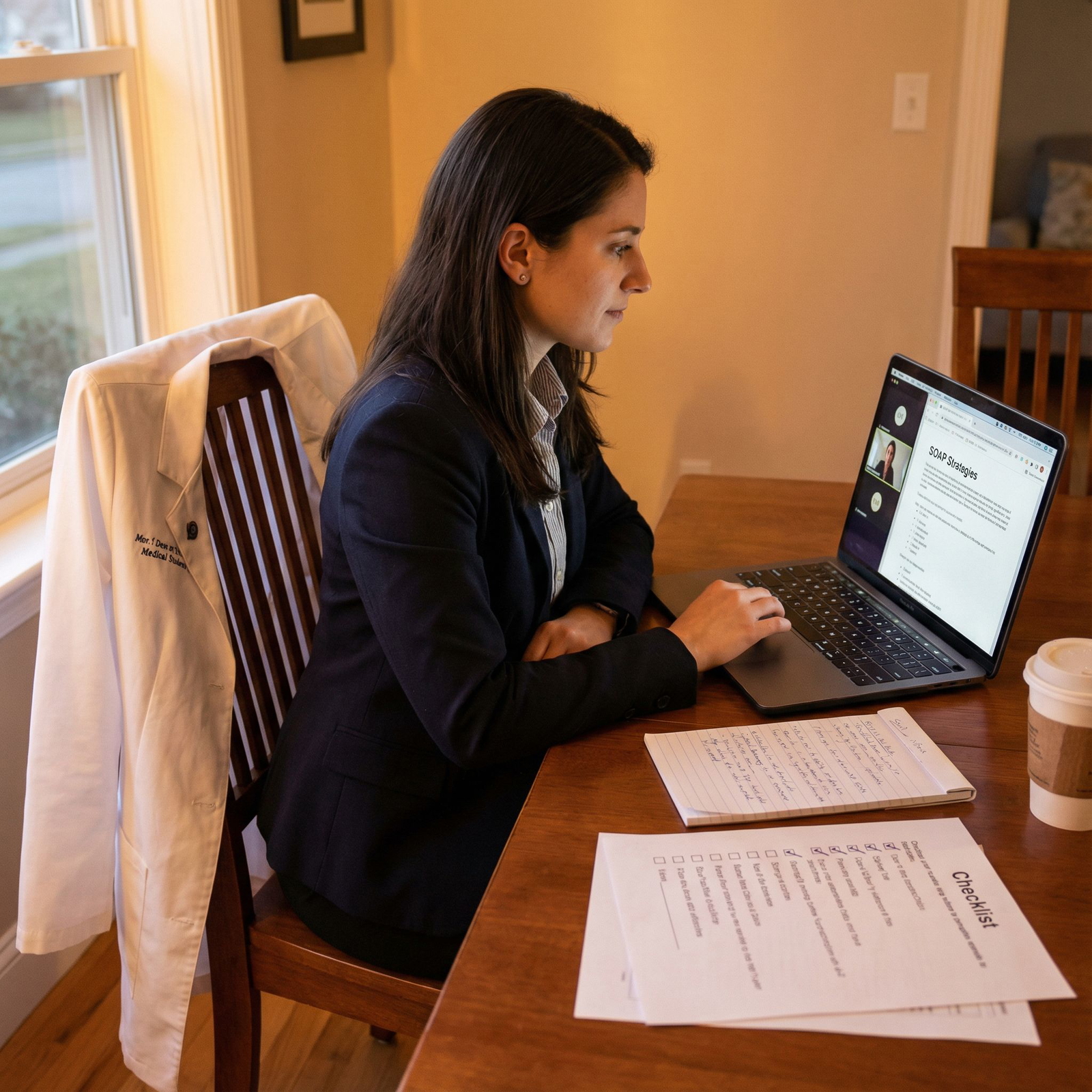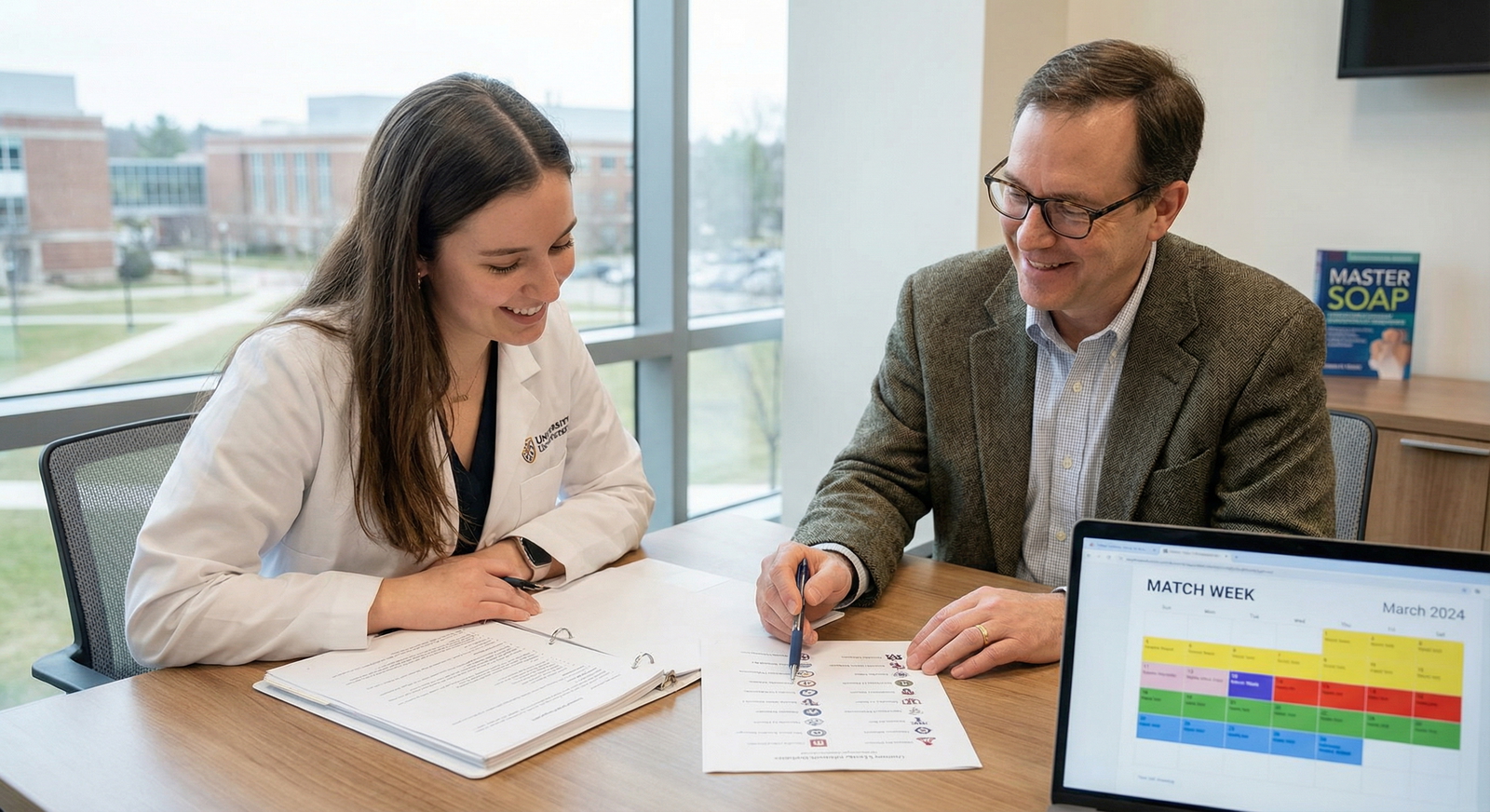
Confidently Approaching SOAP: Essential Techniques for Residency Re-Application
When Match Week arrives, it is one of the most emotionally intense milestones in medical training. Alongside excitement and relief, many medical graduates also experience uncertainty and disappointment if they learn they are unmatched or partially matched.
For those candidates, a clear understanding of the Supplemental Offer and Acceptance Program (SOAP) is critical. The SOAP process is not just a backup plan—it is a structured, time-sensitive pathway that can convert an initial setback into a successful residency application outcome.
This enhanced guide will walk you through practical strategies to approach SOAP with confidence, maximize your chances of securing a residency position, and plan effectively for your long-term career—whether you match through SOAP or need to re-apply in the next cycle.
Understanding the SOAP Process in Residency Applications
What Is SOAP and Why It Matters
The Supplemental Offer and Acceptance Program (SOAP) is an NRMP-managed mechanism that allows eligible unmatched or partially matched applicants to apply to and accept offers from programs with unfilled residency positions after the main Match algorithm has run.
Key points:
- It is not a separate match algorithm; it is a structured offer-and-acceptance process.
- It is designed to ensure an orderly, fair, and confidential way to fill remaining positions.
- It gives medical graduates a second, highly time-sensitive opportunity to secure training.
SOAP is particularly important for:
- Unmatched US MD/DO seniors and graduates
- International medical graduates (IMGs)
- Applicants who matched only to a preliminary position but not to an advanced PGY-2 program
Understanding the rules and timeline before Match Week is one of the most powerful forms of career guidance you can give yourself.
Eligibility and Registration Essentials
To participate in SOAP, you must:
- Be registered for the NRMP Main Residency Match
- Be eligible to start residency training on July 1 (licensing exams, graduation status, etc.)
- Be unmatched or partially matched as determined by the NRMP
Registration for the Match (and therefore eligibility for SOAP) occurs months before Match Week. If there is any chance you may need SOAP, confirm:
- Your ERAS application is complete and updated
- All exam scores have been properly reported
- Your NRMP registration is active and accurate
Failing to register or comply with NRMP rules can make you ineligible for SOAP, removing a major safety net from your residency application strategy.
Key Phases of the SOAP Process
While details vary slightly year-to-year, SOAP typically follows these phases:
SOAP Eligibility Notification (Monday of Match Week)
- On Monday morning of Match Week, you receive an email and can log into NRMP to view your status:
- Matched
- Partially Matched
- Unmatched but SOAP-eligible
- Ineligible for SOAP
- If you are SOAP-eligible, you gain access to the list of unfilled positions.
- On Monday morning of Match Week, you receive an email and can log into NRMP to view your status:
Application Period (Early Monday to Wednesday)
- You can submit applications to programs with unfilled SOAP-participating positions via ERAS.
- There is a limit to the number of SOAP applications (typically 45 total), so targeting is crucial.
- Programs can review your documents and contact you but cannot make offers yet.
Interview and Screening (Monday–Thursday)
- Programs may schedule brief virtual interviews (often same-day or next-day).
- Communication is fast-paced: phone calls, emails, or video calls.
- You must be available, responsive, and professionally prepared at all times.
Offer Rounds (Usually Wednesday–Thursday)
- NRMP coordinates multiple offer rounds.
- Programs submit their preference lists; candidates do not rank programs—but they can accept or decline offers.
- Offers are released in time-limited rounds; you may:
- Accept an offer (binding, ends your SOAP participation)
- Reject an offer (cannot be reconsidered for that position in later rounds)
- Let it expire (same as rejection)
Post-SOAP Transition (End of Match Week and Beyond)
- Once SOAP ends, programs are free to fill any remaining positions outside SOAP, in compliance with NRMP and institutional rules.
- You should already be thinking about next steps, whether you matched or not.
Timing Is Everything: The SOAP Week Timeline
SOAP runs on a strict, hour-by-hour schedule in Match Week. A few timing strategies:
- Clear your schedule for Monday–Thursday of Match Week.
- Arrange reliable internet, quiet space, and backup phone access.
- Inform your support network (family, mentors, advisors) that you may need rapid input and emotional support.
Even slight delays in responding to emails, missing phone calls, or slow document updates can cost you critical opportunities.

Building a Strong, SOAP-Ready Residency Application
1. Optimize Your ERAS Application Before Match Week
Even though SOAP is a streamlined process, your application materials still need to be as strong as possible—before SOAP begins. You will not have time during Match Week to create new documents from scratch.
Key components to review:
Curriculum Vitae (CV) and ERAS Experiences
- Update recency: Include any new clinical rotations, research, quality improvement projects, publications, or leadership roles.
- Highlight professionalism and reliability: Programs filling quickly under pressure prioritize candidates they can trust on day one.
- Clarify gaps: Briefly and honestly explain interruptions in training, exam delays, or time off with a positive, growth-oriented framing.
Personal Statements
You may not have time for a bespoke personal statement for every single program, but you should:
- Prepare 1–2 focused personal statements tailored to:
- Your primary specialty of interest
- A backup or more flexible specialty (e.g., prelim medicine, transitional year)
- Emphasize:
- Resilience and insight from your prior application attempt
- Specific reasons you are a good fit for that specialty
- Evidence of commitment (electives, research, volunteer work, mentorship)
Keep personal statements concise, authentic, and forward-looking—SOAP screening happens quickly, and program directors often skim rather than read line-by-line.
Letters of Recommendation (LoRs)
Strong, specialty-relevant letters can differentiate you during SOAP:
- Aim for at least two strong letters in your primary specialty and one “flexible” letter (e.g., internal medicine, surgery, general clinical performance).
- For re-applicants or unmatched candidates:
- Seek updated letters from more recent rotations or research mentors.
- Ask letter writers to comment on your growth, reliability, and readiness for residency.
- Make sure all letters are uploaded to ERAS well before Match Week.
2. Researching Programs and Identifying Best-Fit Opportunities
Thorough research ahead of time allows you to respond quickly and strategically once the list of unfilled positions is released.
Understand Which Programs Commonly Have Unfilled Positions
Historically, certain categories tend to have more open spots:
- Preliminary medicine and surgery positions
- Transitional year (TY) programs
- Some community-based internal medicine, family medicine, pediatrics, and psychiatry programs
- New or expanding residency programs
As part of your residency application planning:
- Review NRMP’s Results and Data reports from previous years to identify patterns.
- Consider where your profile (scores, visa needs, academic history) aligns with programs that historically have taken unmatched or non-traditional candidates.
Evaluate Program Fit Quickly and Effectively
When the SOAP list opens, you will not have time for deep-dive research on every option. Prepare a rapid assessment framework:
Criteria to review:
- Program type (university, community, hybrid)
- Location and its implications for support systems and cost of living
- Patient population and clinical exposure
- History of accepting IMGs or non-traditional candidates (if relevant)
- Board pass rates and fellowship/job placement (for long-term planning)
- Program size and structure (e.g., call schedule, curriculum)
Create a simple spreadsheet with columns for these criteria so you can quickly prioritize where to send your limited SOAP applications.
Strategic Networking and Communication During SOAP
3. Networking Strategies with Program Directors, Faculty, and Residents
Effective networking strategies—done ethically and professionally—can be a powerful complement to the SOAP Process.
Pre-SOAP Networking
Months before Match Week, you can:
- Attend specialty society meetings, local chapter events, and virtual conferences.
- Join interest groups (e.g., ACP, AAFP, APA) and participate in student/resident sections.
- Connect with:
- Current residents from your school who are in your target programs
- Alumni who matched into your desired specialties
- Faculty with relationships at external programs
Ask for informational conversations rather than direct favors. Your goal is to:
- Gain insight into program culture and expectations.
- Understand what they value in applicants.
- Learn which programs might be open to considering re-applicants or IMGs.
Networking During SOAP Week
During SOAP, networking shifts to targeted, time-sensitive communication:
- Use polite, concise emails to:
- Express sincere interest in specific programs you have applied to via ERAS.
- Highlight one or two key strengths relevant to that program.
- Mention any connection (shared mentor, institutional link, prior sub-I, or interview in the main cycle).
- Ask your mentors or deans if they are willing to make advocacy calls or send brief endorsement emails for you—many program directors value trusted colleague recommendations.
Always respect NRMP and institutional rules: do not attempt to negotiate outside the official SOAP offer process or ask for special treatment that violates policy.
4. Mastering Communication Skills for High-Pressure SOAP Interviews
SOAP interviews are typically brief, focused, and scheduled on very short notice—often same-day or within hours.
Preparing for Common Interview Themes
Be ready to address:
- “Tell me about yourself” with a concise, well-structured response that links your background to the program’s strengths.
- “Why this specialty, and why now?” especially if you are switching specialties or applying to a backup.
- “Why were you unmatched?”
Address this with honesty, accountability, and growth:- Identify 1–2 specific factors (e.g., late exam completion, limited interview invites, geographic constraints).
- Emphasize what you have learned and how you have actively improved your profile.
- “Why our program?”
Show you have done your homework—mention curriculum features, location, unique strengths, or patient population.
Prepare 2–3 questions to ask each program that demonstrate insight and genuine interest (e.g., mentorship structure, resident wellness resources, board preparation).
Communication Best Practices
- Answer clearly and succinctly—time is limited.
- Maintain a professional, calm demeanor even if you feel stressed.
- Acknowledge the reality of SOAP without appearing defeated or desperate; frame this as an opportunity and you as a prepared, resilient candidate.
- For virtual interviews:
- Test your camera, microphone, and internet.
- Choose a neutral background and professional attire.
- Keep notes nearby, but avoid reading from them.
Well-prepared communication can set you apart from other applicants with similar exam scores or credentials.
Strategic Flexibility: Adjusting Expectations and Maximizing Options
5. Broadening Your Scope Without Losing Your Long-Term Vision
Entering SOAP with rigid expectations can drastically limit your chances. Strategic flexibility can help you secure a position without abandoning your long-term goals.
Reassessing Specialty Choices
Ask yourself:
- Am I willing to pursue a preliminary or transitional year as a bridge to my desired specialty?
- Are there related specialties that would still be fulfilling (e.g., family medicine vs. internal medicine, psychiatry vs. neurology, pathology vs. internal medicine with a strong lab focus)?
- How important are geographic preferences compared to training opportunities and future career plans?
Some candidates successfully:
- Match into a preliminary year through SOAP, then re-apply for an advanced spot in their preferred specialty.
- Discover that a backup specialty aligns more strongly with their values and lifestyle than originally expected.
Backup Specialty Options and Long-Term Strategy
When considering a backup specialty:
- Assess whether you can realistically build a long-term, satisfying career there.
- Consider core interests: continuity of care, procedures, inpatient vs. outpatient, population focus.
- Think about fellowship opportunities that may align with your original interests.
Your career guidance plan should integrate both immediate SOAP realities and your broader vision for practicing medicine 10–20 years from now.
6. Staying Organized and Managing the SOAP Timeline
When every minute counts, organization becomes a critical skill.
Create a SOAP Standard Operating Procedure (SOP)
Before Match Week, draft a personal SOP for SOAP that covers:
- Day-by-day plan for Monday–Thursday:
- Who you will contact
- When you will review unfilled positions
- Time blocks reserved for interviews
- Spreadsheet tracking:
- Programs applied to
- Specialty and position type
- Contact information
- Interview invitations and status
- Notes from conversations
- Communication templates:
- Introductory email to programs
- Brief thank-you email after interviews
- Quick blurbs describing your background and strengths
This structure minimizes decision fatigue when stress is highest.
Daily Check-Ins with Mentors or Peers
If possible, set up a brief morning or evening check-in (15–20 minutes) with:
- A faculty advisor or dean
- A trusted mentor
- A peer going through SOAP (if emotionally helpful)
Use this time to:
- Recalibrate your priorities based on new information
- Review interview experiences and refine your approach
- Ensure you are not overlooking good opportunities due to stress or tunnel vision

After SOAP: Planning for Long-Term Success in Your Residency Journey
Regardless of the SOAP outcome, your next steps are crucial for your overall career trajectory.
7. Reflecting on the Process and Learning from the Experience
Once SOAP concludes, take intentional time to reflect:
- What aspects of your application were strongest? Weakest?
- Did you receive consistent feedback or patterns in interview questions?
- Were there logistical barriers (e.g., late exam scores, limited availability, narrow specialty focus)?
Document this while it is fresh; these insights will guide your re-application strategy or transition into residency.
Maintain and strengthen connections with:
- Program directors and faculty who showed interest
- Residents you spoke with
- Advisors who helped you through SOAP
These relationships may later provide valuable networking strategies, mentorship, or advocacy in future application cycles or fellowship searches.
8. Preparing for the Next Residency Application Cycle (If Unmatched After SOAP)
If you remain unmatched after SOAP, you are not alone—and you are not out of options. Many physicians have successfully matched after one or more re-application attempts.
Key steps:
Enhance Your Clinical and Academic Profile
Consider:
- Additional clinical experiences:
- Postgraduate observerships, externships, or preliminary year positions
- Hospitalist scribe roles or other clinical roles where patient exposure is allowed and appropriate
- Research and scholarly work:
- Join ongoing research with faculty in your desired specialty.
- Aim for posters, presentations, or publications to show scholarly engagement.
- Teaching and leadership roles:
- Tutor medical students
- Lead interest groups or community health initiatives
These experiences strengthen your CV and provide updated letters of recommendation.
Seek Expert Career Guidance
Work closely with:
- Your medical school’s dean’s office or career counseling services
- Specialty-specific advisors or mentors
- Professional re-application coaches (if accessible and reputable)
Ask for candid feedback on:
- Specialty choice realism
- Strengths and weaknesses of your file
- Concrete steps likely to improve your competitiveness
Your next residency application should not simply be a repeat of the prior one; it must clearly reflect growth, added value, and refined strategy.
9. Prioritizing Mental Health and Emotional Well-Being
Residency applications, the Match, and SOAP are emotionally taxing. Protecting your mental health is essential for performance and long-term sustainability in medicine.
Consider:
- Structured coping strategies:
- Mindfulness, breathing exercises, or short daily walks
- Journaling about your goals and progress
- Professional support:
- Counseling or therapy, especially if you feel overwhelmed, depressed, or anxious
- Support networks:
- Friends, family, classmates, and mentors who understand the process
- Online communities or support groups for unmatched applicants and re-applicants
Taking care of your emotional health is not a distraction from your career—it is a foundational part of being a resilient, effective physician.
Frequently Asked Questions (FAQs) About SOAP and Residency Re-Application
1. What is the SOAP Process in the Residency Application System?
The SOAP Process is an NRMP-organized mechanism that allows eligible unmatched or partially matched applicants to apply to and accept offers from residency programs with unfilled positions after the main Match results are released.
Key elements:
- You must be registered for the Main Match to participate.
- You apply through ERAS to a limited number of programs.
- Programs review applications, conduct brief interviews if desired, and make offers in multiple timed rounds.
- Accepting any SOAP offer is binding and ends your participation in SOAP.
2. How Long Does SOAP Last and How Many Programs Can I Apply To?
SOAP typically lasts four days during Match Week (Monday–Thursday). The schedule is highly structured:
- Monday: Eligibility notification and release of unfilled positions; applications open.
- Monday–Wednesday: Application submission and program interviews.
- Wednesday–Thursday: Multiple rounds of offers.
The NRMP usually limits SOAP applications to 45 programs total (check the current year’s policies for exact numbers). Strategic selection and targeted applications are therefore essential.
3. How Can I Best Prepare My Application Materials for SOAP?
To be SOAP-ready:
- Ensure your ERAS application is fully updated and error-free.
- Prepare at least one specialty-specific personal statement and another that can flex to backup specialties or preliminary/TY spots.
- Secure strong, up-to-date letters of recommendation, especially in your primary specialty.
- Review your CV and experiences to emphasize clinical readiness, professionalism, and evidence of growth since your last application.
It is far easier to adjust or slightly tailor existing materials than to create new ones from scratch during Match Week.
4. Should I Be Open to Different Specialties or Only My First Choice During SOAP?
Being flexible in your specialty choices during SOAP can substantially increase your chances of securing a position. However, flexibility should be thoughtful, not random:
- Consider backup specialties where your skills, interests, and experiences still align.
- Evaluate preliminary or transitional year opportunities as potential bridges to your desired specialty.
- Reflect on what you value most in patient care (continuity, procedures, population, setting) and identify multiple specialties that could fulfill those values.
Use career guidance from mentors and advisors to ensure your back-up plan is realistic and still compatible with your long-term goals.
5. How Can Networking Strategies Help Me During SOAP?
Networking can meaningfully support your SOAP Process by:
- Providing inside information about program culture, expectations, and historical patterns of accepting re-applicants or IMGs.
- Connecting you to residents or faculty who can advocate for you or help your application stand out.
- Allowing mentors or deans to reach out directly to programs where you have applied, offering trusted endorsements.
Effective networking is built before Match Week and used ethically during SOAP. Maintain professionalism in all interactions and respect NRMP and institutional policies at every step.
By understanding the SOAP Process, preparing a strong residency application in advance, using targeted networking strategies, and maintaining flexibility and resilience, you can approach SOAP with confidence. Whether you secure a position through SOAP or need to re-apply in a future cycle, each step you take now builds your skills, insight, and readiness for a meaningful career in medicine.