Understanding SOAP for MD Graduates Targeting Neurosurgery
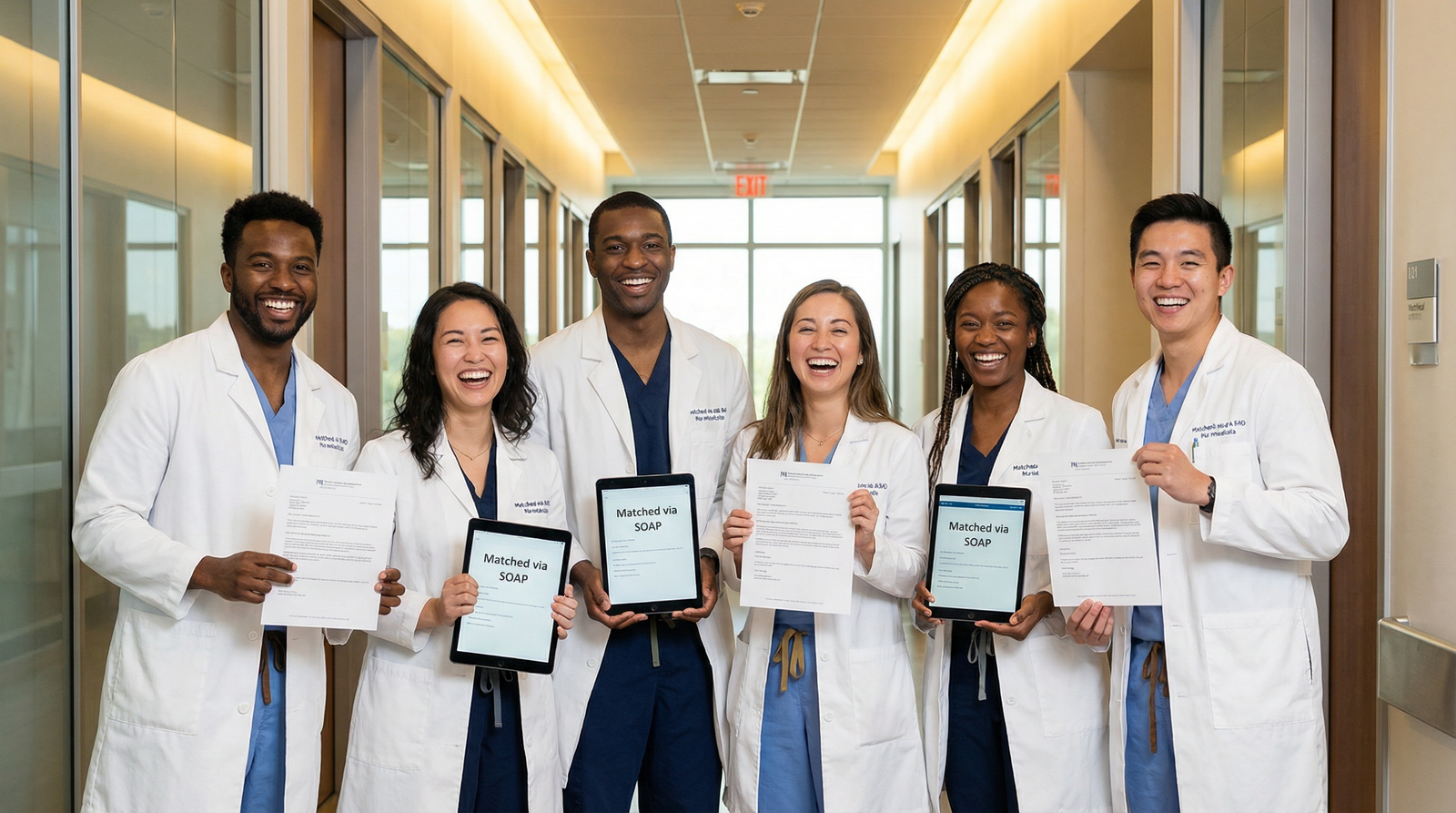
For an MD graduate aiming for neurosurgery, the Supplemental Offer and Acceptance Program (SOAP) can feel like a last-chance scramble. In reality, if you prepare strategically, SOAP can be a structured, high-yield second pathway into residency—especially into prelim or transitional year positions that keep you on track for a future neurosurgery residency or brain surgery residency.
Before planning, you must clearly understand what SOAP is, how it works, and how it specifically affects allopathic medical school match candidates.
What Is SOAP?
The Supplemental Offer and Acceptance Program (SOAP) is an NRMP-managed process that occurs during Match Week for applicants who:
- Are fully or partially unmatched after the initial main residency match algorithm runs, and
- Are eligible for SOAP (registered for the Main Match, no violations, etc.).
SOAP allows eligible candidates to apply to unfilled residency positions using ERAS during Match Week, through several timed rounds of offers.
Key points for MD graduate residency candidates:
- You cannot contact programs directly (phone, email, social media) during SOAP unless a program contacts you first.
- You can apply only to programs listed as SOAP-participating with unfilled positions.
- Offers are made in rounds, and you must respond within a short time window (usually 2 hours).
- Once you accept an offer, you are bound to that program (a binding commitment, like the Match).
Why SOAP Matters for Aspiring Neurosurgeons
Neurosurgery is extremely competitive, and many strong US MD graduates do not match. For those aiming at a neurosurgery residency or brain surgery residency, SOAP is often about:
- Securing a preliminary surgery, preliminary neurosurgery, or strong transitional year position to:
- Build operative experience
- Strengthen letters of recommendation
- Improve credentials for a future neurosurgery application
- Keeping clinical skills fresh and avoiding a gap year (unless strategically planned for research)
- Demonstrating resilience and professionalism after not matching
Most categorical neurosurgery spots are filled in the main Match. However, SOAP can still be critical for:
- The rare unfilled neurosurgery PGY-1 slot
- High-quality preliminary surgery positions in strong academic centers with neurosurgery departments
- Transitional years with robust neurology/neurosurgery exposure
Your SOAP preparation should focus on maximizing options that maintain your neurosurgery trajectory, not just any position.
Pre-Match Week Preparation: Building a SOAP-Ready Foundation
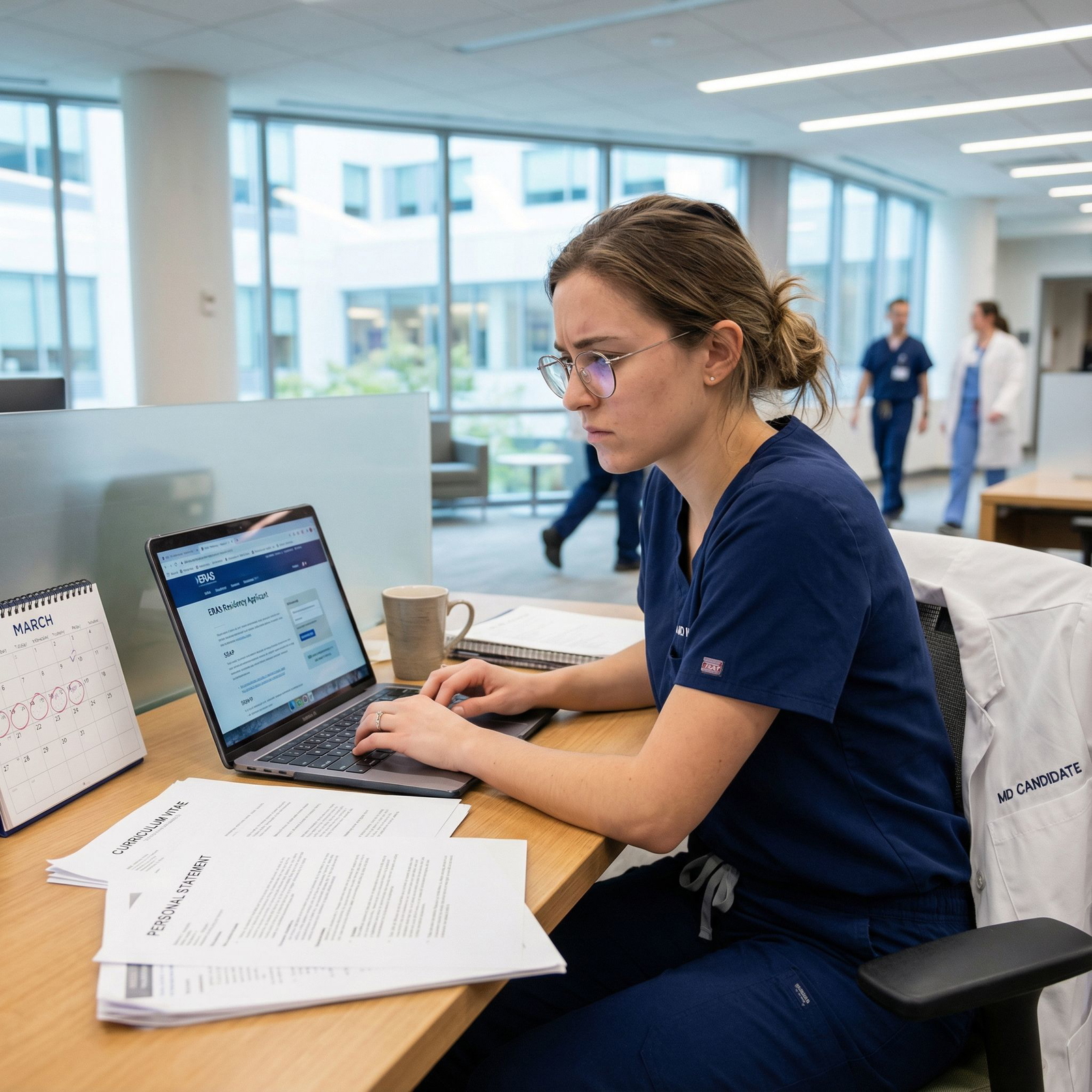
Effective SOAP preparation begins months before Match Week, ideally in the fall and winter of your final year of allopathic medical school. This section focuses on concrete steps an MD graduate in neurosurgery should take early.
1. Honest Risk Assessment of Your Neurosurgery Application
Before SOAP becomes a reality, you and your mentors should perform a clear-eyed assessment of your chances at an allopathic medical school match in neurosurgery.
Factors to discuss:
- USMLE Step scores (especially Step 2 CK if Step 1 is pass/fail)
- Number and quality of neurosurgery rotations and sub-internships
- Strength of neurosurgery letters of recommendation
- Research productivity (especially neurosurgery- or neuro-oncology-related)
- Class rank, AOA, clerkship honors
- Number of interviews attended
- Any red flags (leave of absence, professionalism concerns, prior attempts, exam failures)
If you are borderline, assume SOAP preparation will be necessary. That does not signal failure—it is strategic.
Actionable advice:
- Schedule a meeting with your Dean’s office and at least one neurosurgery faculty mentor by early winter.
- Explicitly ask, “If I don’t match, how can I best use SOAP to maintain my neurosurgery trajectory?”
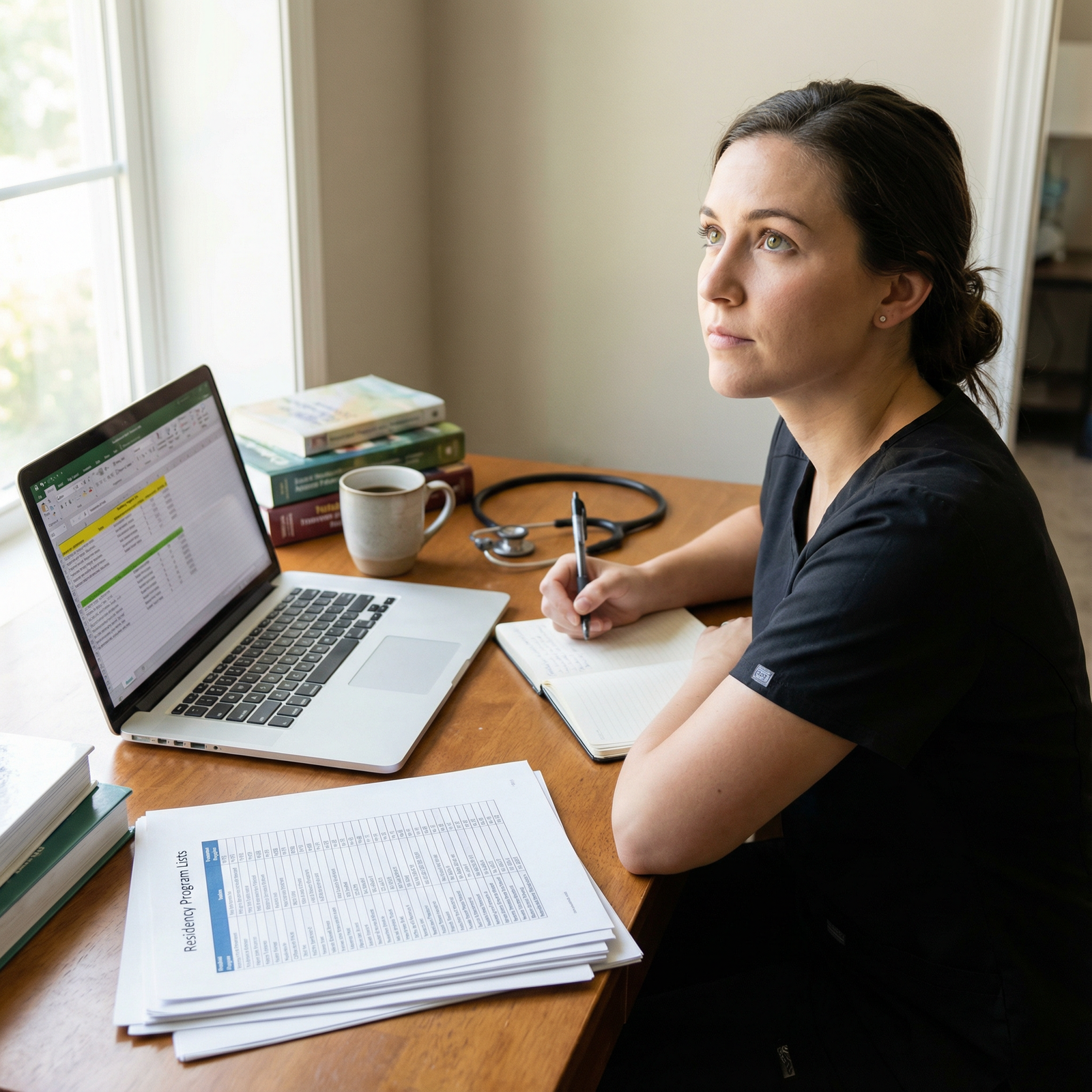
2. Clarifying Your Plan B and Plan C
Neurosurgery applicants must define what “success” looks like if categorical neurosurgery is not available:
Plan A: Categorical neurosurgery (main Match)
Plan B: Preliminary surgery / transitional year / very strong non-neurosurgical residency that keeps neurosurgery viable
Plan C: Dedicated research year or other structured gap year, then reapply
During SOAP, you will not have time for slow reflection. Pre-decide:
- Are you willing to accept preliminary surgery positions in any geographic area?
- How do you rank:
- Prelim surgery at a strong academic center
- Transitional year with neurosurgery/neuro-ICU exposure
- Categorical positions in another highly competitive specialty (e.g., general surgery) vs deferring and doing research?
Write this out in a brief document you can reference during the chaos of Match Week.

3. Preparing SOAP-Specific Application Materials in Advance
Even if you hope never to use them, prepare SOAP-ready documents early:
a. SOAP-Optimized Personal Statement Variants
You may need 2–3 focused personal statement versions:
- Neurosurgery-focused statement (for rare unfilled categorical/prelim neurosurgery positions)
- Surgery-preliminary/transitional year statement
- Optional: Broad medicine or neurology statement if you are open to other fields
Make each:
- 1 page or slightly less
- Focused on your clinical skills, resilience, and work ethic
- Explicit about long-term goal in neurosurgery, while respectfully acknowledging the immediate goal of contributing to the host specialty
Example language for a prelim surgery statement:
“My long-term goal remains a career in neurosurgery. A rigorous preliminary surgical year will strengthen my operative skills, deepen my understanding of perioperative care, and position me to be an excellent neurosurgery resident. In turn, I am committed to fully supporting the surgical service, taking ownership of patient care, and being a dependable, hardworking member of the team.”
b. Updated CV and ERAS Experiences
Make sure your ERAS entries:
- Are fully updated with recent rotations, presentations, publications
- Highlight:
- ICU, trauma, neurosurgery, and surgical rotations
- Leadership roles and teaching
- Research productivity and quality
c. Letter of Recommendation Strategy
You cannot easily add letters during SOAP, so ensure before Rank List Certification that:
- You have at least:
- 1–2 neurosurgery letters (if possible)
- 1–2 strong surgery or ICU/medicine letters emphasizing work ethic and team function
- Your letters do not pigeonhole you so narrowly that a program in surgery or transitional year thinks you are disinterested in their specialty; ideally, letters emphasize:
- Teamwork
- Clinical judgment
- Reliability and professionalism
- Operative or procedural aptitude
4. Technical and Logistical Preparation
Logistical readiness often separates chaotic SOAP experiences from well-managed ones.
- Technology:
- Reliable high-speed internet
- A laptop with ERAS, NRMP, and email logins tested
- Backup plan (library/computer lab, hotspot, second device)
- Environment:
- Quieter private space reserved for Match Week
- Headset and webcam ready for possible virtual interviews on short notice
- Time Management:
- Clear your calendar during Match Week, especially Monday–Thursday
- Inform family/support system that you might be under heavy time pressure
Match Week: Navigating the SOAP Process Day by Day
Match Week has a predictable structure, and knowing the timeline helps you act quickly and wisely.
Monday Morning: Unmatched or Partially Matched Status
On Monday of Match Week, you learn if you are:
- Matched
- Partially matched (e.g., into an advanced spot but no prelim year)
- Unmatched
If you are unmatched or partially matched and eligible for SOAP:
- Breathe. Do not rush into decisions.
- Immediately contact:
- Your Dean’s office / Student Affairs
- Your neurosurgery mentor or advisor
- Request access to:
- The list of unfilled SOAP-participating programs (available through NRMP/ERAS)
- Guidance from your school’s SOAP support team (many schools have a dedicated committee)
Reviewing the List of Unfilled Positions
The unfilled list will show specialties and programs with open positions. As a neurosurgery-focused MD graduate residency applicant, your goals:
Scan for any neurosurgery positions:
- Categorical neurosurgery PGY-1 (rare, but possible)
- Preliminary neurosurgery positions (even rarer)
Then identify:
- Preliminary General Surgery positions, preferably at:
- Academic centers with active neurosurgery departments
- Level I trauma centers
- Transitional Year programs with:
- ICU, neurology, neurosurgery, trauma surgery rotations
- Strong Medicine prelim years at institutions where:
- Neurosurgery interacts heavily with internal medicine/ICU services
- Preliminary General Surgery positions, preferably at:
Create a three-tiered list:
- Tier 1: Directly supports neurosurgery path (e.g., prelim surgery at a top academic center with neurosurgery)
- Tier 2: Indirect but strong preparation (e.g., transitional year with ICU and neurology exposure)
- Tier 3: Acceptable only if other options fail (e.g., prelim in less connected locations or specialties)
Application Limits and Strategy
During SOAP, there are strict limits on the number of applications (e.g., historically 45 total). Check the current year’s rules, but plan for a capped number.
Strategy for neurosurgery-oriented SOAP:
- Allocate:
- A few applications to any neurosurgery-near positions (if they exist).
- The majority to high-yield prelim surgery and transitional year programs that:
- Have strong academic environments
- Offer direct exposure to neurosurgery or critical care
- Avoid using all your applications on extremely competitive or poorly aligned programs.
Communication Rules During SOAP
You may not:
- Cold call or email programs
- Have your mentors cold-contact programs on your behalf (unless responding to program-initiated contact)
You may:
- Respond promptly and professionally if programs email or call you
- Schedule quick phone or video interviews if offered
Always:
- Answer unknown numbers professionally during Match Week
- Check email frequently
- Prepare a brief “SOAP interview pitch” (see Section 4).

Presenting Yourself Effectively During SOAP
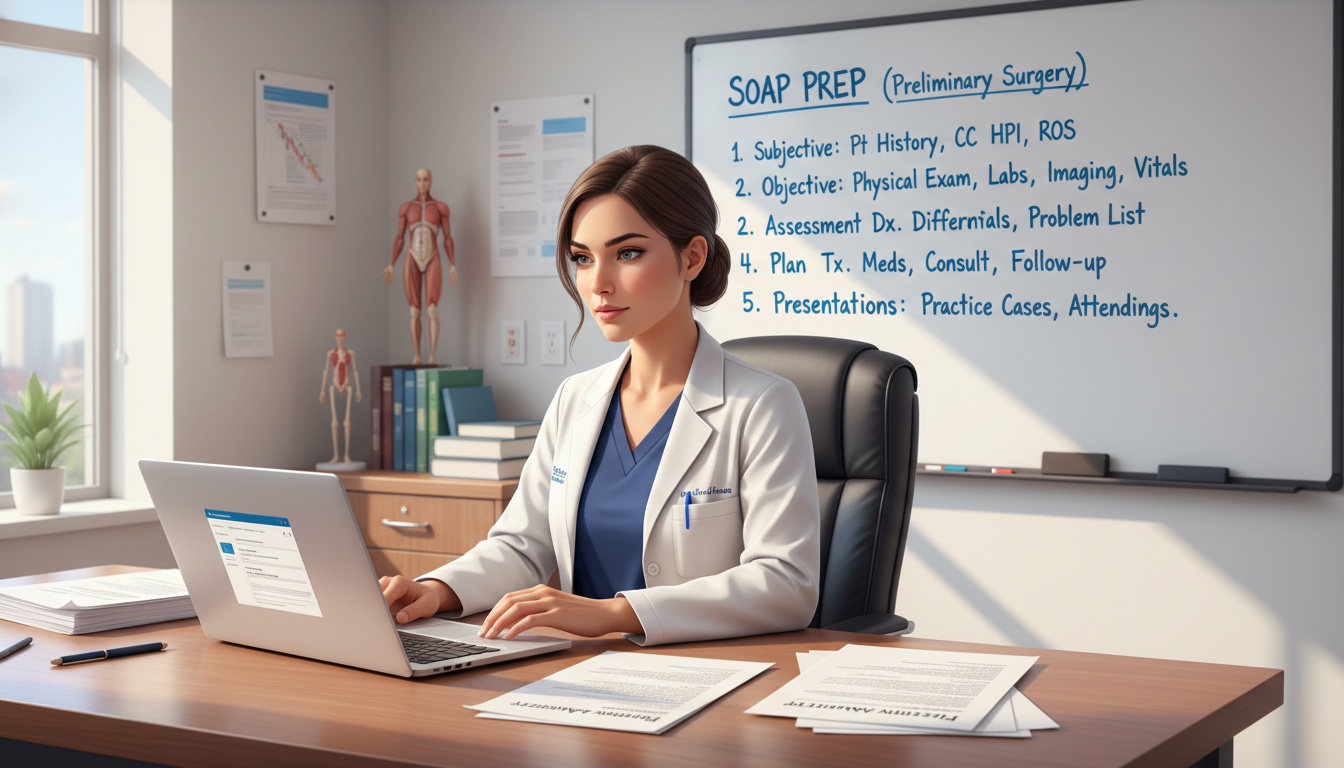
SOAP moves quickly. Programs may have only a few minutes to form an impression. You need concise, compelling answers tailored to your situation as an unmatched neurosurgery applicant.
Crafting Your SOAP Narrative as a Neurosurgery Applicant
Programs will inevitably wonder: “Why did this neurosurgery applicant not match, and why should we take them?”
Your narrative should:
- Acknowledge reality without dwelling on it.
- Highlight strengths and fit for the position you are seeking.
- Show maturity, resilience, and forward planning.
Example core message:
“My long-term goal is still to become a neurosurgeon. I recognize that neurosurgery is extremely competitive and that my application, while strong in [research/clinical performance/etc.], was not successful this cycle. What I can control now is how I respond. A rigorous [preliminary surgery/transitional year/medicine] position at your institution would allow me to develop my clinical and operative skills, contribute meaningfully to your service, and strengthen my foundation for future neurosurgical training. I am fully committed to giving my best to this program and our patients.”
Common SOAP Interview Questions and Strong Responses
1. “Why do you want this [prelim surgery/transitional year] position?”
Bad answer: “Because I want to do neurosurgery and this helps me reapply.”
Better answer:
“I want this preliminary surgical year because the intensive operative experience, ICU exposure, and multidisciplinary collaboration here are exactly what I need to grow as a physician. I plan to pursue neurosurgery long term, and being a strong, reliable surgical intern is critical preparation. I’m excited by your trauma volume, your structured teaching, and the chance to work alongside neurosurgery and critical care teams.”
2. “Are you going to leave if you get a neurosurgery spot?”
Programs want stability.
Reassuring answer:
“If I join your program, I am committed to completing the full year and contributing fully as an intern. If a PGY-1 neurosurgery spot opened mid-year and a transfer were possible, I would of course discuss it transparently with your leadership. But my default expectation is to be here for the year, and to give this position my complete focus.”
3. “What did you learn from not matching?”
Avoid blame. Emphasize insight and action:
“It forced me to honestly review my application and identify areas for growth—particularly in [Step score timing/interview performance/research depth]. I sought feedback from faculty, and I’m already working on [e.g., additional research output, better interview prep, targeted improvement of a skill]. It’s been humbling, but it’s also reinforced my commitment to this path and to becoming the best physician I can be.”
Professionalism and Emotional Management
SOAP is stressful. Programs are assessing not just your credentials, but also how you handle adversity.
Tips:
- Maintain a calm, professional demeanor, even if you feel disappointed or anxious.
- Avoid negative comments about:
- Previous programs
- The Match process
- Specific faculty or institutions
- Keep messages concise, polite, and time-sensitive.
Strategizing Offers and Long-Term Neurosurgery Goals
When SOAP offer rounds begin, you may have minutes to decide about a position. Your pre-written Plan B and Plan C become essential guides.
Interpreting and Ranking SOAP Offers
Consider each offer using these questions:
Does this position keep my neurosurgery trajectory viable?
- Prelim surgery at an academic center with neurosurgery: usually yes
- Transitional year with neuro-ICU and neurosurgery exposure: often yes
- Non-surgical categorical in a field you do not see as a possible career: maybe no (depending on your long-term flexibility)
What mentoring and networking potential exists?
- Is there a neurosurgery department with:
- Fellowship programs
- Opportunities for research
- Openness to working with prelims?
- Is there a neurosurgery department with:
What training experience will I gain?
- High volume of:
- OR cases
- ICU care
- Neurology/neurosurgery consults
- Strong didactics and evaluations that support future applications
- High volume of:
If you receive multiple offers across SOAP rounds (which is less common but possible), prioritize:
- Preliminary surgery positions in strong academic centers with neurosurgery.
- Transitional years or prelim medicine with robust neuro-ICU exposure and research potential.
- Categorical positions only if:
- You can genuinely see yourself in that field long-term if neurosurgery ultimately doesn’t work out, or
- It is clearly part of a 2-step plan (e.g., categorical neurology first, then neurosurgery fellowship—less traditional, but some paths exist).
When to Accept a SOAP Offer
Once you accept, you are committed. Turn down an offer only if:
- You and your trusted mentors strongly believe:
- A better, more neurosurgery-aligned offer is very likely later in SOAP, or
- A research year (non-clinical) is clearly superior to the offer in hand for your neurosurgery future.
For most MD graduates seeking neurosurgery, clinically active roles are preferable to immediate non-clinical research-only years, unless:
- You already have extensive clinical strength but major research gaps, or
- A prestigious neurosurgery research position is lined up.
Planning Beyond SOAP: Rebuilding for a Future Neurosurgery Match
Whatever position you land through SOAP, use it actively to strengthen your neurosurgery application.
During your SOAP-acquired prelim or transitional year:
- Excel clinically:
- Be the intern others rely on.
- Seek mid- and end-of-rotation feedback and address weaknesses.
- Seek neurosurgery exposure:
- Join neurosurgery rounds or conferences when allowed.
- Volunteer for neurosurgery-related cases if your schedule permits.
- Build relationships with neurosurgery faculty:
- Express interest professionally and humbly.
- Ask for feedback and mentorship.
- Engage in research:
- Case reports, retrospective reviews, quality improvement in trauma or neuro-ICU.
- Prepare early for the next application cycle:
- Update your CV with SOAP-year achievements.
- Plan away rotations if allowed.
- Rehearse interviews more intensively, incorporating the narrative of growth after not matching.
FAQs: SOAP Preparation for MD Graduates in Neurosurgery
1. As an MD neurosurgery applicant, should I use SOAP to pursue another specialty categorically?
It depends on your priorities and flexibility:
- If neurosurgery is your non-negotiable goal, many mentors recommend:
- Prelim surgery or transitional year
- Possibly a research year
- Then reapply to neurosurgery
- If you could realistically see yourself in another field (e.g., general surgery, neurology, radiology) and a strong categorical SOAP position arises, it is reasonable to consider that path.
The key is to be honest: if you accept a categorical slot in another specialty, you should be ready to complete that training if neurosurgery doesn’t work out.
2. How competitive is it to get a prelim surgery or transitional year through SOAP?
Prelim surgery and transitional years can still be competitive, especially at academic centers. However, many more of these positions go unfilled compared with neurosurgery. As a US MD graduate with a neurosurgery-focused background, you can be appealing to programs that want:
- Highly motivated, hardworking interns
- People comfortable with surgical acuity and ICU settings
Prepare strong prelim- and TY-focused personal statements and emphasize your willingness to contribute fully to their service.
3. What can I do during M4 to reduce my risk of needing SOAP for neurosurgery?
To minimize reliance on SOAP:
- Maximize sub-internship performance at your home and away neurosurgery programs.
- Secure excellent neurosurgery letters early.
- Optimize your Step 2 CK score and take it early enough to be on your application.
- Build a robust research portfolio with at least some neurosurgery-specific projects.
- Apply broadly across neurosurgery programs and respond early to interview invites.
- Get mock interview practice focusing on complex clinical and ethical questions.
Still, even strong applicants can go unmatched; SOAP planning is a safety net, not a sign of failure.
4. How should I explain being unmatched in future neurosurgery interviews after SOAP?
In your next application cycle and interviews, frame your SOAP experience as a period of growth and resilience:
Example narrative:
“I did not match into neurosurgery on my first attempt, which prompted a thorough review of my application. During my preliminary year at [Institution], I focused on becoming the best possible physician—taking ownership of patient care, honing my surgical and ICU skills, and contributing to neurosurgery-related research. That experience clarified my commitment to neurosurgery and gave me the maturity and clinical foundation I bring to your program today.”
Programs care less that you were unmatched once, and more about how you responded and who you have become as a result.
Preparing for SOAP as an MD graduate neurosurgery applicant means planning early, thinking strategically, and acting professionally under pressure. By understanding what SOAP is, clarifying your contingency paths, and aligning your choices with your long-term neurosurgery goals, you can transform a difficult week into a pivotal step toward your future in brain surgery residency training.