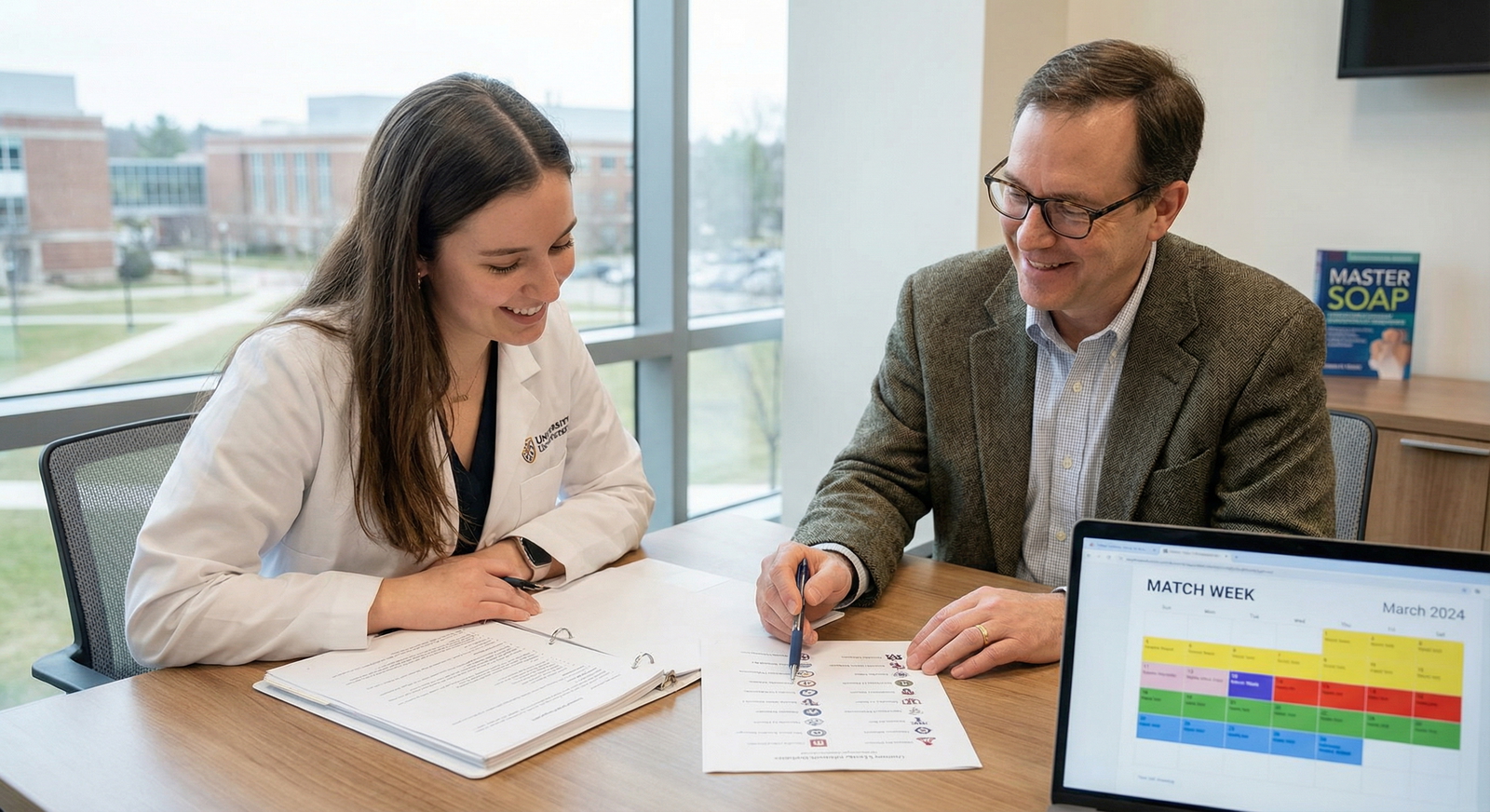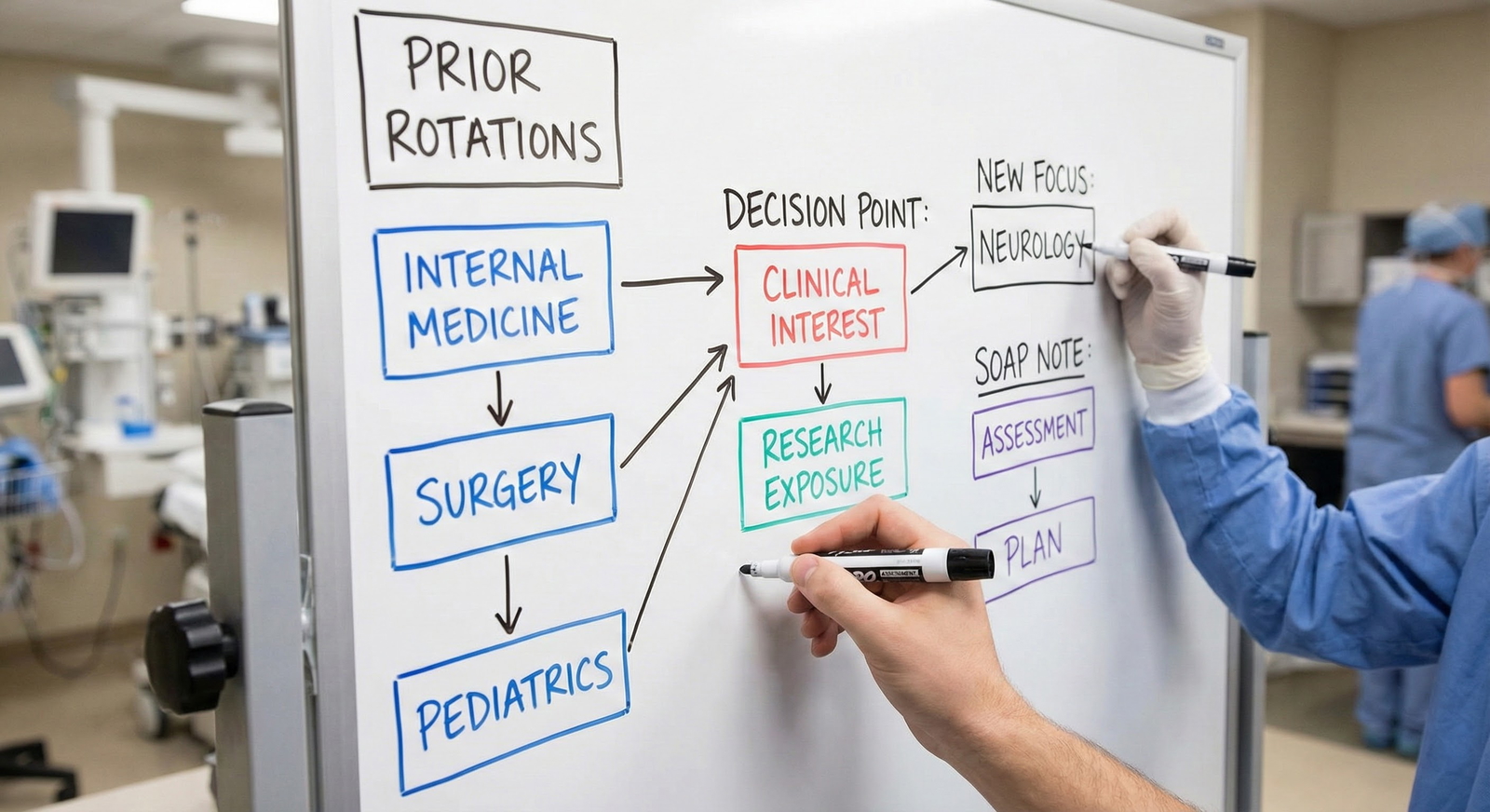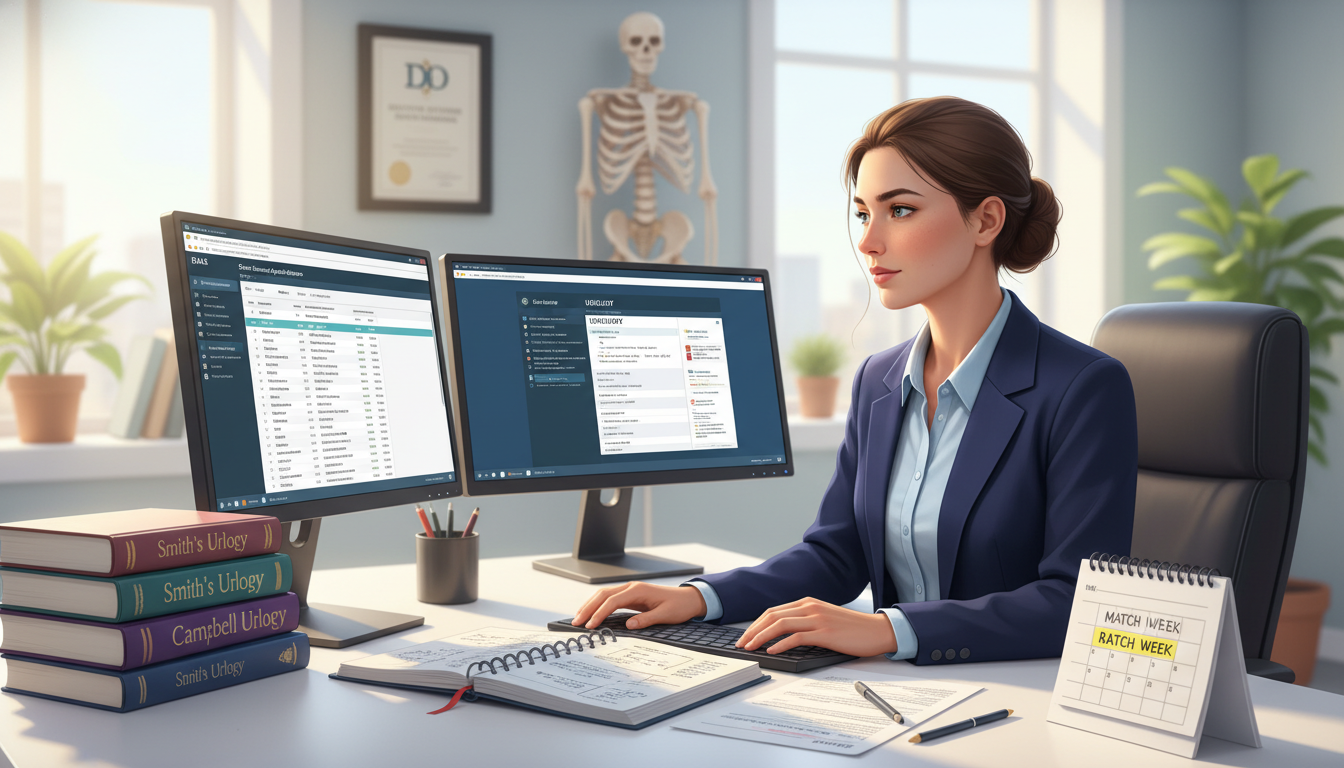
Understanding SOAP for the DO Urology Applicant
For a DO graduate with urology ambitions, the Supplemental Offer and Acceptance Program (SOAP) can feel like both a lifeline and a last-minute scramble. Knowing what SOAP is, how it works, and how to build a urology-focused backup strategy is crucial—especially in a highly competitive field like urology residency.
What is SOAP?
The Supplemental Offer and Acceptance Program (SOAP) is the structured process during Match Week that allows eligible unmatched or partially matched applicants to apply to unfilled residency positions through ERAS. It is run by the NRMP, not by ERAS, but the two systems interact:
- NRMP determines SOAP eligibility and manages offers/acceptances
- ERAS is where you submit applications, documents, and program-specific materials
SOAP is not a free-for-all scramble. It is:
- Time-limited (over several days during Match Week)
- Highly structured (rounds of offers)
- Regulated (no direct calling/emailing programs outside allowed communication)
For a DO graduate aiming at a urology residency, SOAP usually comes into play in two situations:
- You applied to urology via AUA match, did not match, and are now applying to categorical preliminary or transitional year spots in SOAP to reapply to urology next cycle with stronger credentials.
- You applied to categorical urology positions via NRMP (rare but possible in some combined tracks) and did not match, and now are SOAPing into another field or a prelim year.
Because most urology positions are filled in the earlier AUA match, urology residency slots rarely appear in the NRMP SOAP. Thus, for most DO urology applicants, SOAP means finding a strategically chosen alternative path that sets you up for reapplication the following year.
The DO Urology Reality: Why SOAP Planning Matters
Urology is one of the most competitive specialties. As a DO, you are competing in a field that has historically been MD-dominant, though DO representation has been slowly increasing.
Key challenges for DO graduates in the urology match
- Many urology programs (especially academic, research-heavy ones) primarily recruit MDs.
- Some departments still have limited experience with DO graduates, though this is steadily changing.
- Step/COMLEX scores, research expectations, and strong letters from urologists are often critical.
This competitive environment means:
- Even strong DO applicants may not match urology on the first try.
- Having a realistic SOAP strategy is essential, not optional.
How SOAP fits into an overall urology strategy
Think of your urology career path as having several possible tracks:
- Direct match into urology (ideal scenario)
- No urology match → SOAP into a position that builds your profile → reapply
- No match into any ideal position → SOAP into a solid clinical year that preserves your future options
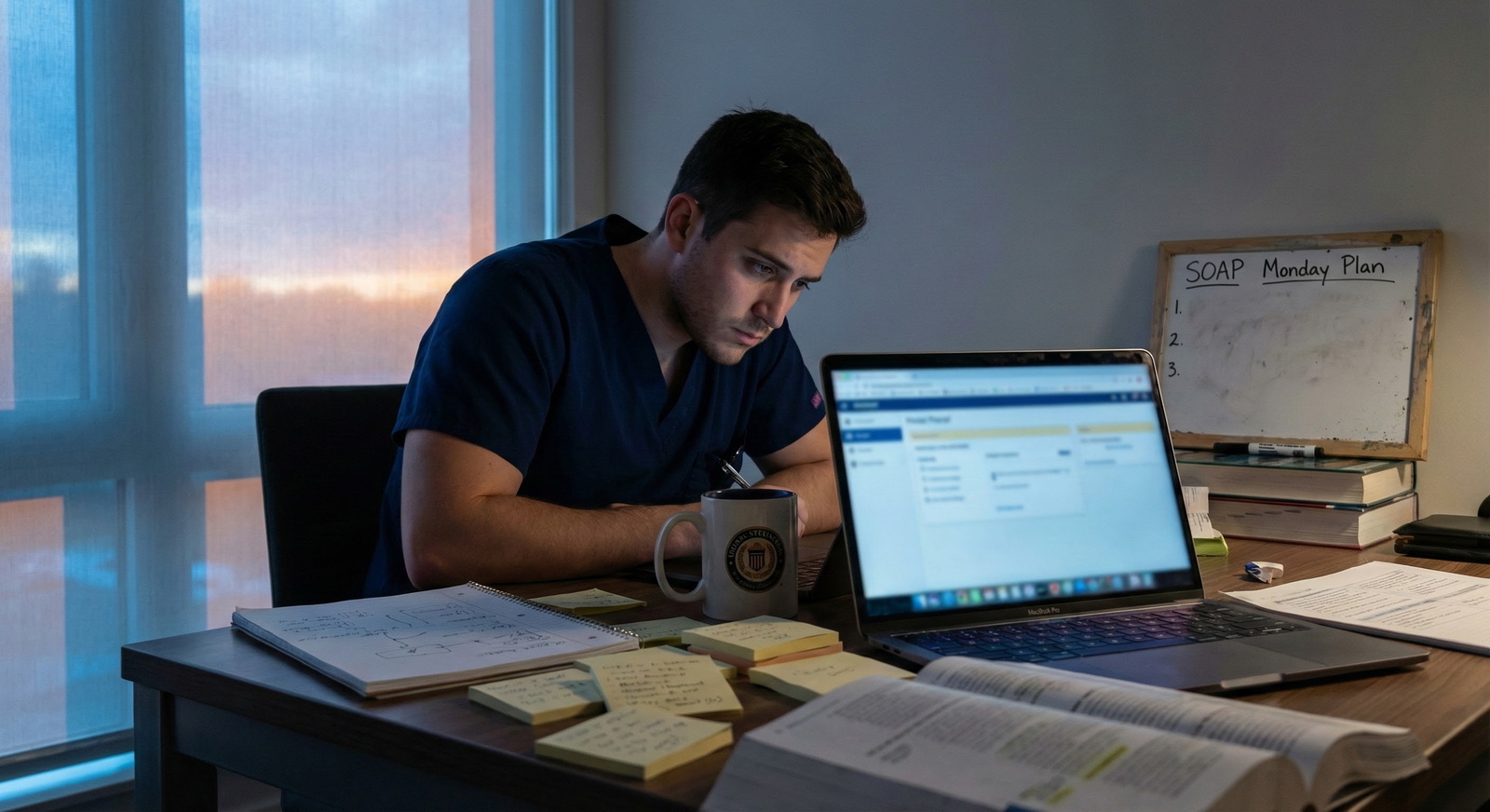
SOAP should be integrated into your planning months in advance, not addressed only once you receive the “Did Not Match” notification.
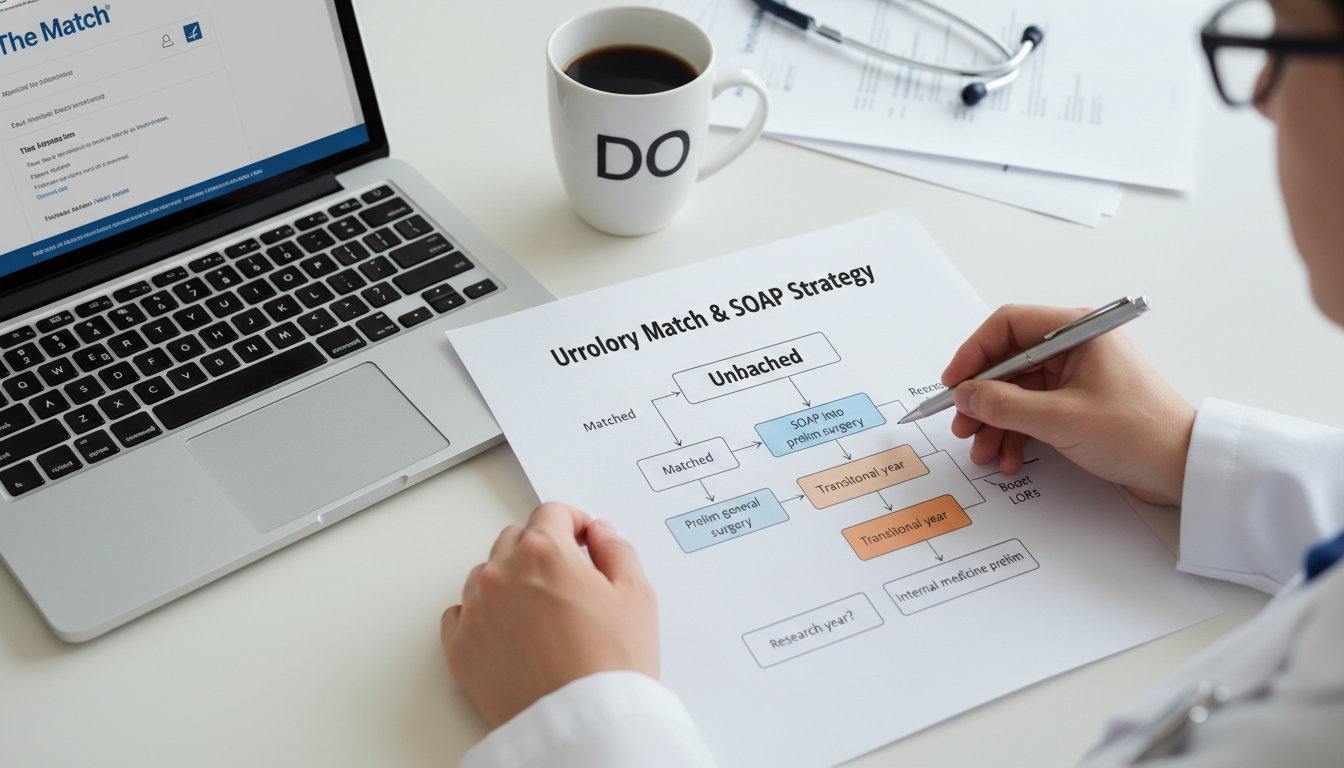
Step 1: Pre-Match SOAP Preparation for the DO Urology Applicant
Preparation for SOAP should begin well before Match Week. For a urology-focused DO graduate, the objective is to be ready for two possibilities:
- You match into urology and never need SOAP.
- You do not match and can pivot quickly into a planned, strategic SOAP approach.
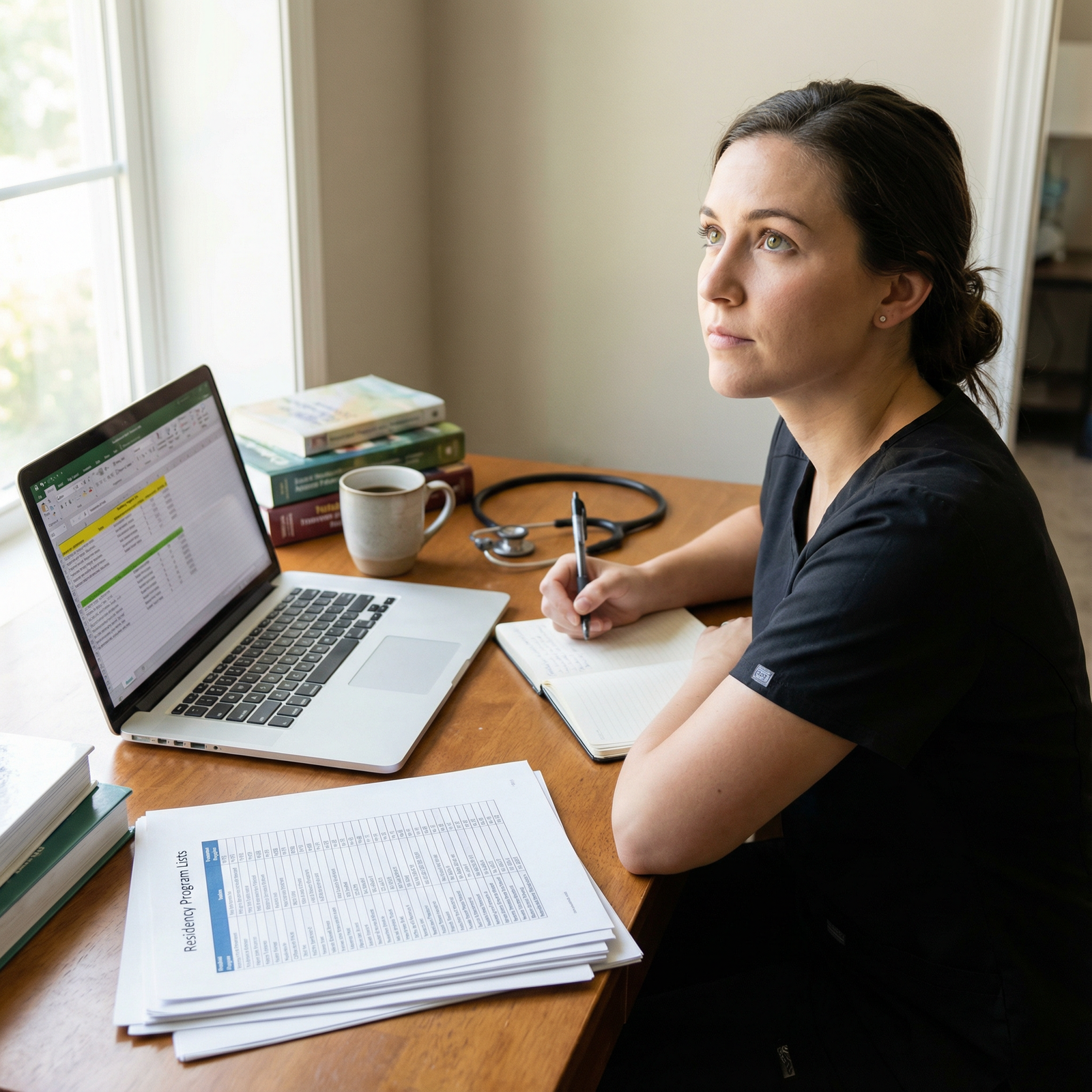
1. Build a realistic backup plan specific to urology
Ask yourself early in the application season:
- If I don’t match urology this year, what training will most help me reapply?
- Which specialties and program types are both realistic and useful stepping stones?
Common SOAP targets for future urology reapplicants include:
Preliminary General Surgery (most common)
- Excellent alignment with operative experience and perioperative care
- Urology programs often appreciate strong surgical prelim training
- Opportunity to work closely with urology teams in the same hospital
Transitional Year (TY)
- Broad clinical exposure
- Time to do research and urology electives
- More flexible than a traditional categorical year
Internal Medicine Prelim or Categorical
- Good if you are open to both urology and another medical specialty
- Provides strong inpatient skills and complex patient management experience
When you think “DO graduate residency backup,” don’t interpret it as giving up on urology. Instead, you’re aiming for the best possible foundation year if you must go through urology reapplication.
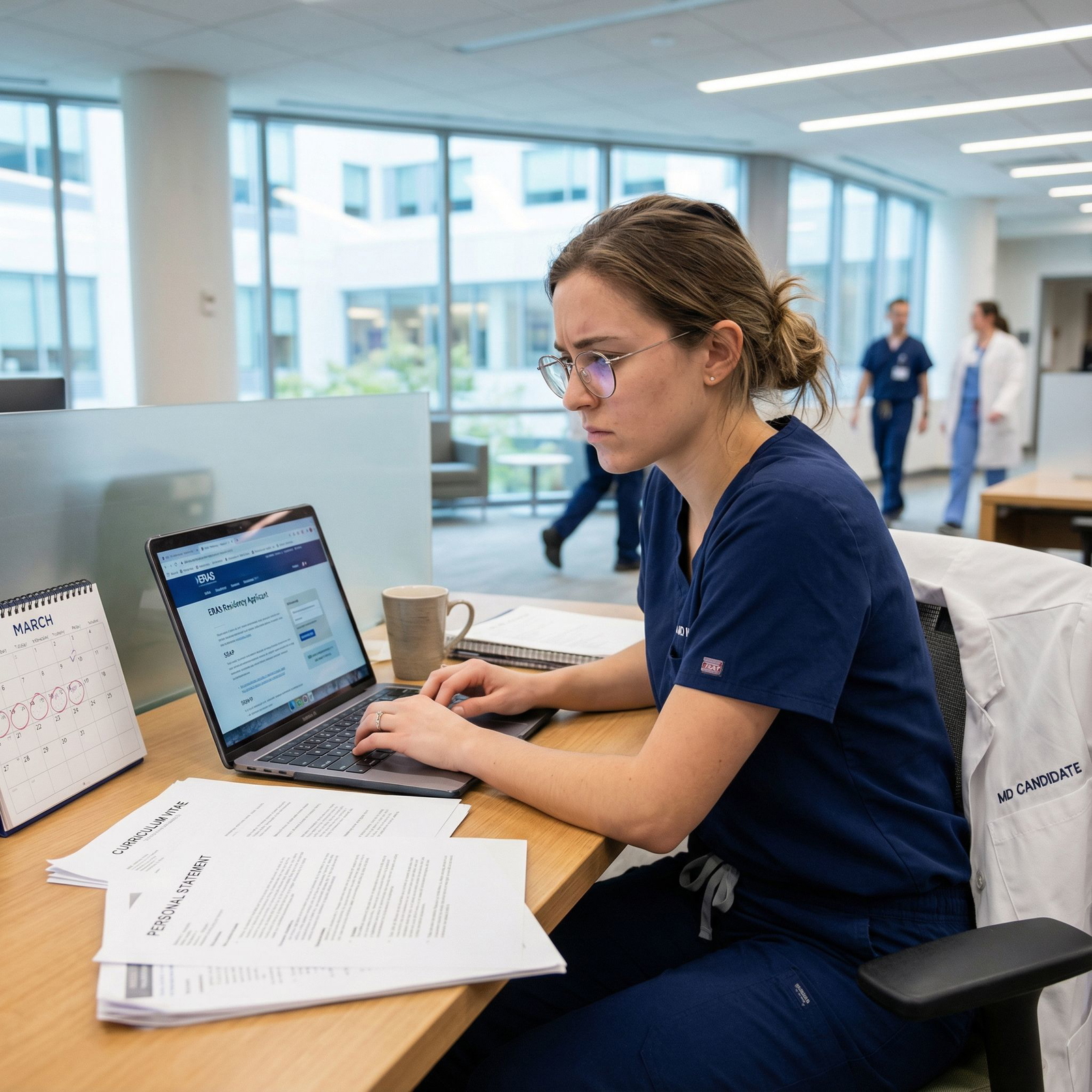
2. Maintain updated documents with SOAP in mind
Starting in the fall, deliberately prepare a generalist back-up version of your application materials:
- CV that highlights:
- Urology experiences and broad surgical/clinical skills
- Any research, quality improvement, or teaching experiences
- Personal statement variants:
- Urology-specific statement (for standard match or rare SOAP urology slots)
- A “surgical interest” statement for prelim surgery/TY
- A generalized statement highlighting adaptability and strong clinical performance
Having multiple versions of your personal statement ready to upload during SOAP can save precious time.
3. Identify and brief your letter writers
Ask your letter writers (urologists, surgeons, mentors) in advance:
- If I have to go through SOAP, may I still use your letters?
- Would you consider writing a letter that emphasizes my surgical & clinical strengths more broadly?
If you anticipate aiming for prelim surgery or transitional year via SOAP:
- Secure at least 1–2 letters from general surgery or non-urology attendings who can comment on:
- Work ethic
- Operative performance
- Teamwork and reliability
4. Get familiar with the mechanics of SOAP
Before Match Week:
- Review NRMP SOAP guides and FAQs.
- Understand the timeline:
- Monday: Receive Did Not Match / Partially Matched status
- Monday–Tuesday: Access unfilled list and apply through ERAS
- Wednesday–Thursday: SOAP offer rounds
- Know the rules:
- You cannot cold-call programs or send unsolicited emails outside permitted communication channels.
- All applications must go through ERAS during SOAP.
- You can only accept one position (once you accept, you are done with SOAP).
Have your ERAS password, NRMP login, and important documents ready and organized.
Step 2: Match Week – Executing a Focused SOAP Strategy for Urology-Minded DOs
When Monday of Match Week arrives, you’ll receive one of two messages:
- “You have matched.” – SOAP is irrelevant to you this year.
- “You did not match to any position.” or “You are partially matched.” – You are likely SOAP-eligible.
As a DO graduate interested in urology, you need to switch rapidly into analysis and action mode.
1. Confirm SOAP eligibility and status
Log into NRMP as soon as results are released:
- Confirm whether you are SOAP-eligible.
- Download and study the List of Unfilled Programs once it becomes available.
Remember: urology is usually AUA-matched, so most of your SOAP targets will be non-urology programs with a urology-relevant angle.
2. Scan the unfilled list strategically
On the unfilled list, filter and scan for:
- Preliminary General Surgery positions
- Transitional Year positions
- Preliminary Internal Medicine positions
- Any rare unfilled urology or urology-related positions (e.g., combined or integrated tracks)
Prioritize programs that:
- Are associated with urology departments you know or can build relationships with
- Have a reputation for supporting reapplicants to surgical subspecialties
- Are in locations where:
- You might later apply to urology at nearby institutions
- You can realistically see yourself living for at least a year
3. Decide how many programs to target
You will usually be allowed to apply to a fixed number of programs through SOAP (for example, up to 45, but verify the current year’s rules).
As a urology-focused DO applicant, aim for a tiered strategy:
Top tier (highest priority):
- Prelim surgery positions at academic centers with urology departments
- Transitional year programs in institutions with strong surgical/urologic services
Second tier:
- Community-based prelim surgery programs with good operative volume
- Preliminary internal medicine programs where you can collaborate with urology
Third tier (safety net):
- Programs that may not be ideal for urology reapplication but secure A residency spot so you can continue training and reassess your goals.
Be honest about your competitiveness as a DO graduate (USMLE/COMLEX scores, class rank, research, etc.), and balance ambition with realism.

Step 3: Optimizing Your SOAP Applications and Interviews
Once SOAP applications open, time moves quickly. You need to present yourself as a strong, committed physician who also has clear future plans.
1. Tailor your personal statement quickly but thoughtfully
For each program type:
Prelim General Surgery:
- Emphasize:
- Your interest in a career involving surgery and procedural care (mention urology selectively, but do not frame it as “I’m only here until I can get into urology.”)
- Operative exposure, teamwork in the OR, overnight call experiences
- Reliability, stamina, coachability
- Example framing:
“My long-term goal is to build a surgical career grounded in meticulous technique and collaborative patient care. Over the past two years, I’ve actively sought out opportunities in the OR, including urology, general surgery, and trauma. A rigorous preliminary surgery year will strengthen my operative foundation and make me a better surgeon in any subspecialty context.”
- Emphasize:
Transitional Year:
- Emphasize:
- Broad clinical interests
- Desire for a strong foundation in medicine and surgery
- Adaptability and curiosity
- Example framing:
“A high-quality transitional year will allow me to deepen my medical knowledge, refine my procedural skills, and maintain involvement in surgical and urology-focused rotations while contributing meaningfully to patient care across diverse settings.”
- Emphasize:
Prelim Internal Medicine:
- Emphasize:
- Complex medical decision-making
- Interest in perioperative and consultative roles
- Openness to long-term pathways in medicine or surgical subspecialties
- Emphasize:
Avoid stating that you view the position only as a stepping stone to urology. Programs want residents who will be fully engaged and dependable for the duration of the year.
2. Highlight your DO strengths
As a DO graduate, leverage:
- Osteopathic principles: holistic care, attention to function, musculoskeletal understanding
- OMM/OMT experience (if relevant) in pain management, postoperative recovery, or pelvic floor issues
- Ability to communicate with patients in a compassionate, whole-person framework
In your SOAP applications, you can weave in statements such as:
“My osteopathic training has taught me to integrate structural and functional perspectives into surgical patient care, from preoperative optimization through postoperative recovery.”
This helps reframe “DO status” as an asset, not a liability.
3. Prepare concise, clear answers for SOAP interviews
SOAP interviews are often short and focused—sometimes 15–20 minutes on Zoom or phone. Common questions:
- “Why are you interested in our program?”
- “You applied urology—how do you see yourself fitting into a prelim/TY position?”
- “What are your long-term goals?”
- “Tell me about a challenging clinical situation and how you handled it.”
For a DO urology applicant, your answers should:
- Acknowledge your interest in urology honestly, but…
- Demonstrate full commitment to the program you’re interviewing with.
For example:
“I applied primarily to urology because I am drawn to its combination of surgery, longitudinal patient relationships, and procedural diversity. I did not match this year, and my priority now is to secure a rigorous clinical year where I can grow as a physician and surgeon. In your preliminary surgery program, I see an opportunity to contribute fully to the team, gain operative experience, and strengthen the skills that will be valuable in any surgical field.”
Avoid:
- Sounding bitter or blaming others for not matching urology.
- Suggesting you will be disengaged or constantly distracted by reapplication.
4. Manage offers and decisions across SOAP rounds
During SOAP, you may receive multiple offers over several rounds. You must:
- Accept or reject each offer within the specified time window.
- Remember that accepting one offer ends your participation in SOAP.
Decision framework for a DO urology hopeful:
If you receive an offer from a solid prelim surgery or TY program at a reputable institution, it is usually wise to accept.
If early offers come from programs that are:
- Very weak,
- Have poor reputations,
- Or are in locations you absolutely cannot see yourself living,
you may cautiously decline and hope for a better offer—but this carries real risk.
Talk to mentors (urology faculty, surgery mentors, your dean’s office) in real time if possible when making these decisions.
Step 4: Using a SOAP Position to Rebuild for the Next Urology Match
SOAP is not the end of your urology dream; it can be the bridge year that makes you a stronger applicant.
1. Clarify expectations with your SOAP program
Once you accept a SOAP residency:
Meet with your program director early.
Be transparent (but professional) about your long-term goals:
“I’m very grateful to train here and I want to contribute 100% this year. Long-term, I am still interested in urology and am hoping to build the strongest possible clinical foundation. I would appreciate your guidance on how to structure my year to support both my responsibilities here and my eventual reapplication.”
Most program directors respect honesty paired with commitment. Some may actively support your reapplication (letters, schedule flexibility, research connections).
2. Maximize your clinical performance
In your SOAP-obtained position:
- Aim to be among the top residents in work ethic, reliability, and professionalism.
- Seek feedback and act on it quickly.
- Volunteer for:
- Urology consults when possible
- Cases that build your technical skills (catheterization, cystoscopy assistance, basic laparoscopy with permission, etc.)
- Document all your operative experiences, procedures, and clinical accomplishments.
Strong performance will yield:
- Excellent letters of recommendation
- Positive word-of-mouth when urology programs call your current PD or faculty
3. Engage in urology-related activities during your SOAP year
If your hospital has a urology service:
- Request to rotate with urology early.
- Attend urology grand rounds, journal clubs, and conferences.
- Offer to help with urology case reports, retrospective reviews, or QI projects.
If there is no on-site urology:
- Reach out to regional urology departments for research collaborations.
- Use virtual journal clubs or urology societies to stay involved.
Your goal is to show future urology programs that, despite not matching initially, you:
- Stayed engaged in urology
- Grew clinically and professionally
- Demonstrated resilience and adaptability
4. Strategize your next urology application
As you approach your next urology residency match cycle (AUA or NRMP, depending on the structure that year):
- Update your CV with:
- SOAP residency year
- New letters
- New research or clinical experiences
- Reflect honestly:
- Were your initial scores or application weaknesses addressed?
- Do you need additional research, away rotations, or exam improvement?
Work closely with:
- A urology mentor who understands the match landscape
- Your SOAP program director, who can help time interviews and rotations carefully
Frequently Asked Questions (FAQ)
1. Can I actually SOAP into a urology residency?
In most years, traditional urology residency positions very rarely appear in the NRMP SOAP, because urology primarily participates in the AUA match, which occurs earlier. There may occasionally be:
- Rare unfilled or combined positions
- Unique institutional arrangements
You should not plan on SOAP as a primary way to enter urology. Instead, for most DO graduates interested in urology, SOAP is a way to secure a strong prelim or transitional year that positions you well for reapplication.
2. As a DO graduate, should I prioritize prelim surgery, TY, or internal medicine in SOAP?
For a urology-focused DO applicant:
- Prelim General Surgery is often the most aligned with urology—offering operative exposure and close collaboration with surgical teams.
- Transitional Year can be ideal if you want a balanced year with time for research and urology rotations.
- Prelim Internal Medicine can work if:
- You are genuinely open to internal medicine as an alternative path, or
- You want strong inpatient medicine training that can still complement urology.
The “best” option depends on availability in SOAP, your competitiveness, and your long-term flexibility.
3. How should I address my urology interest in SOAP interviews for non-urology programs?
Be honest but balanced:
- Acknowledge your prior interest in urology and your disappointment.
- Emphasize that your immediate priority is to be a fully committed, reliable resident in their program.
- Frame the position as an opportunity to grow clinically and surgically—skills that are valuable in many specialties, including but not limited to urology.
Avoid language that makes it sound like you are just “passing through” or using the program solely as a stepping stone.
4. If I accept a SOAP position, will that hurt my chances in the next urology match?
In most cases, a SOAP position—especially a strong preliminary surgery or transitional year—can help your future urology match prospects if you:
- Perform at a high level
- Earn strong letters of recommendation
- Stay involved in urology-related clinical or research activities
- Show maturity, resilience, and professional growth
Program directors in urology often respect applicants who faced setbacks yet used a SOAP residency year to advance their skills and demonstrate commitment.
Preparing thoroughly for SOAP as a DO graduate targeting urology is not a pessimistic move—it is a professional, strategic safeguard. By understanding what SOAP is, planning your SOAP preparation early, and approaching Match Week with a clear, urology-informed backup strategy, you give yourself more than one pathway to your eventual goal: a meaningful career in urology.