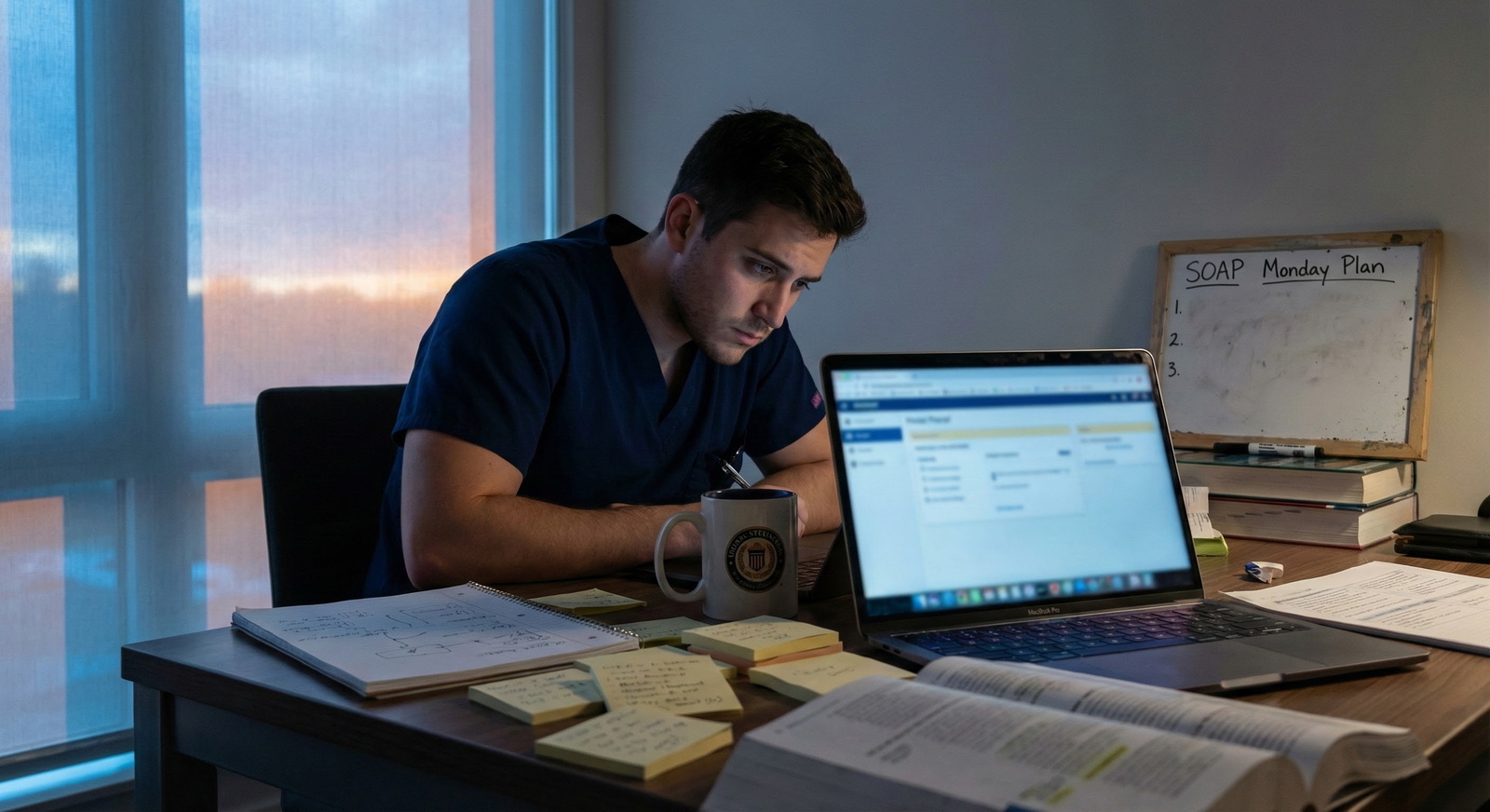
Understanding SOAP for the DO Graduate Aiming at Neurosurgery
As a DO graduate targeting neurosurgery residency, you occupy one of the most competitive niches in medicine. That makes SOAP preparation not a pessimistic backup plan, but a deliberate, strategic part of your residency match and applications planning.
Before anything else, you need absolute clarity on what is SOAP and how it directly affects your path to a neurosurgery residency or an alternative brain surgery residency–adjacent position.
What Is SOAP?
The Supplemental Offer and Acceptance Program (SOAP) is the National Resident Matching Program (NRMP)’s structured process that helps unmatched or partially matched applicants obtain unfilled residency positions during Match Week.
In simple terms:
- It happens during Match Week (Monday–Thursday)
- Only applicants who are eligible and unmatched/partially matched are allowed to participate
- Programs with unfilled positions list them in NRMP’s List of Unfilled Programs
- Applicants can apply through ERAS to those programs, and programs extend offers in several SOAP “Rounds”
- The process is fast, high‑pressure, and highly structured
For the osteopathic residency match era (pre‑single accreditation), DOs often had a parallel match system. Now, with the single ACGME accreditation system, all DO and MD graduates participate in the same NRMP Match, which makes SOAP residency strategy crucial for DO graduates—especially in hyper‑competitive fields like neurosurgery.
Why SOAP Preparation Is Critical for DOs in Neurosurgery
Neurosurgery has one of the lowest fill rates via SOAP because most positions are filled in the main Match. As a DO graduate aiming for neurosurgery:
- Your chance of getting a true categorical neurosurgery residency through SOAP is extremely low
- But SOAP can be your gateway to:
- A preliminary surgical year (general surgery prelim, surgical transitional year)
- A research-focused year in neurosurgery or neurology (occasionally available)
- A related specialty that can keep you close to brain surgery residency pathways (neurology, interventional radiology track via prelim surgery, etc.)
SOAP preparation for a DO-focused neurosurgery applicant is therefore about:
- Ensuring you are SOAP‑eligible and ready if needed
- Designing a tiered backup plan that keeps you in the neurosurgery orbit
- Crafting documents and strategies specific to a DO graduate residency profile
- Understanding how to pivot quickly under emotional stress if you find out you are unmatched
Being ready for SOAP doesn’t mean you expect to fail the match; it means you’re treating the entire residency process as a continuous strategy, not a single high‑stakes throw of the dice.

Step 1: Pre‑Match SOAP Readiness for the DO Neurosurgery Applicant
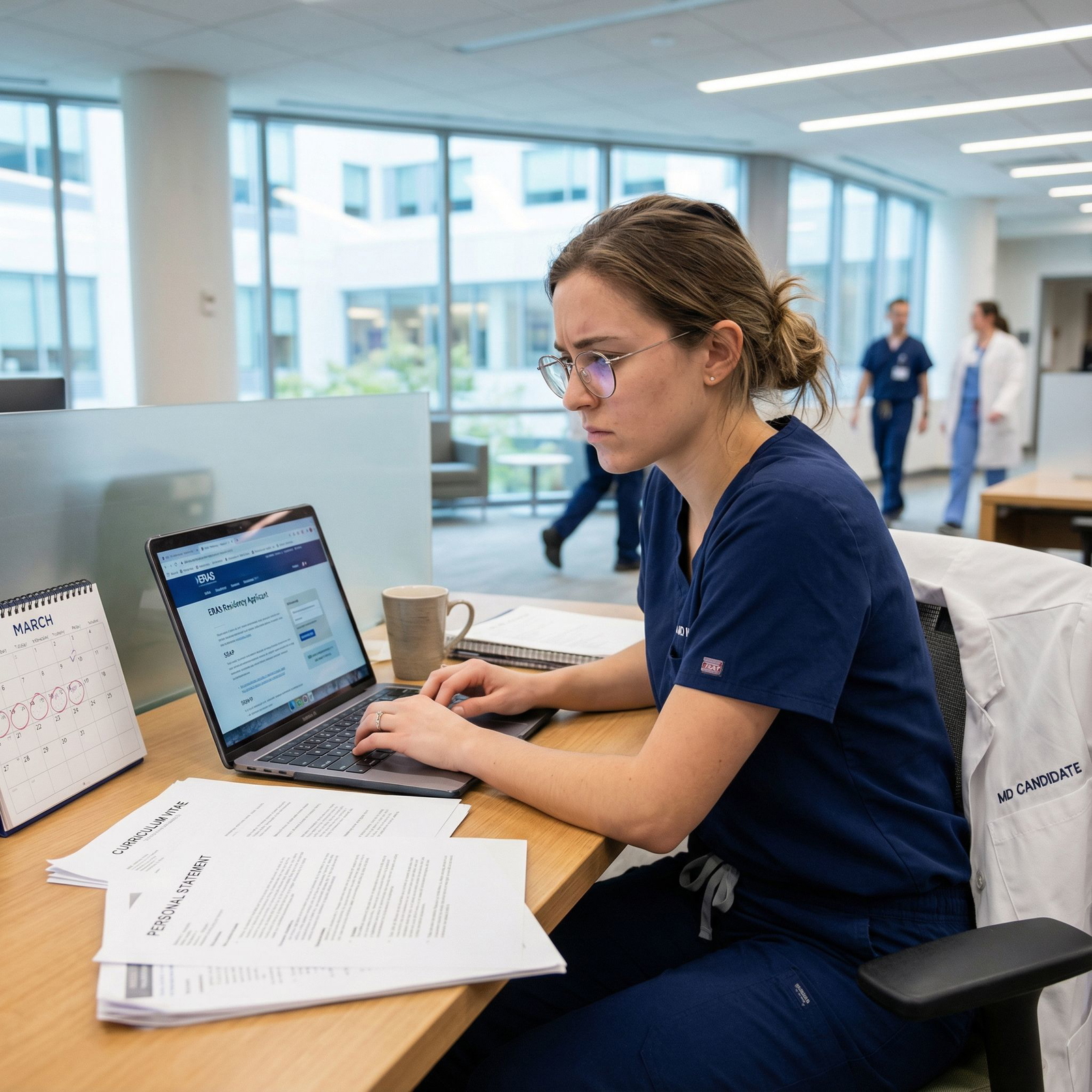
You cannot “cram” SOAP preparation into the 48–72 hours of Match Week. The groundwork must start months before the Rank Order List deadline, especially for a competitive track like neurosurgery.
1. Confirming Eligibility and Understanding Your Risk
As a DO graduate, your baseline SOAP risk for neurosurgery is higher than average due to:
- Fewer neurosurgery program spots nationally
- Historical preference for MD applicants in many neurosurgery programs (though this is changing)
- High board score and research expectations
You should do a personal risk evaluation, ideally with:
- Your home neurosurgery program leadership (if available)
- A trusted neurosurgery mentor or advisor
- Your school’s Student Affairs / GME office
Ask directly:
- Based on my COMLEX/USMLE scores, research, and interview count, how high is my risk of going unmatched?
- If I don’t match neurosurgery, what would you consider a strong strategic SOAP target—prelim surgery, transitional year, neurology, or research?
- Are there institutional contacts who might advocate for me during SOAP?
Understanding this risk helps you decide how detailed your backup plan must be.
2. Building a Tiered Backup Plan
For a DO graduate aiming at neurosurgery, a smart SOAP backup strategy is tiered, not all‑or‑nothing.
Tier 1: Ideal Outcome (Main Match)
- Categorical neurosurgery residency at one of your ranked programs
Tier 2: Close Proximity to Neurosurgery (Via SOAP or Outside SOAP)
- Preliminary general surgery year at an academic center with a neurosurgery department
- Transitional year with strong neurosurgical exposure (neurosurgery electives, ICU rotations, neuro‑ICU)
- Funded research year in neurosurgery, neurology, or neuro‑oncology (often outside SOAP, arranged via networking)
Tier 3: Broader Safety Net
- Categorical positions in adjacent specialties:
- Neurology
- Interventional radiology‑relevant paths (e.g., surgery prelim then DR/IR later)
- Occasionally anesthesiology (neuroanesthesia interest)
- These keep you near brain‑related, operative, or neuro‑critical care practice, and some individuals later pivot back toward neurosurgical or neuro‑interventional careers.
When considering your backup choices as a DO graduate residency candidate, remember:
- Your osteopathic training is a strength in holistic care, OMM, and patient communication.
- Market this in your personal statement and interviews, especially for prelim and transitional year programs that value reliable, adaptable team members.
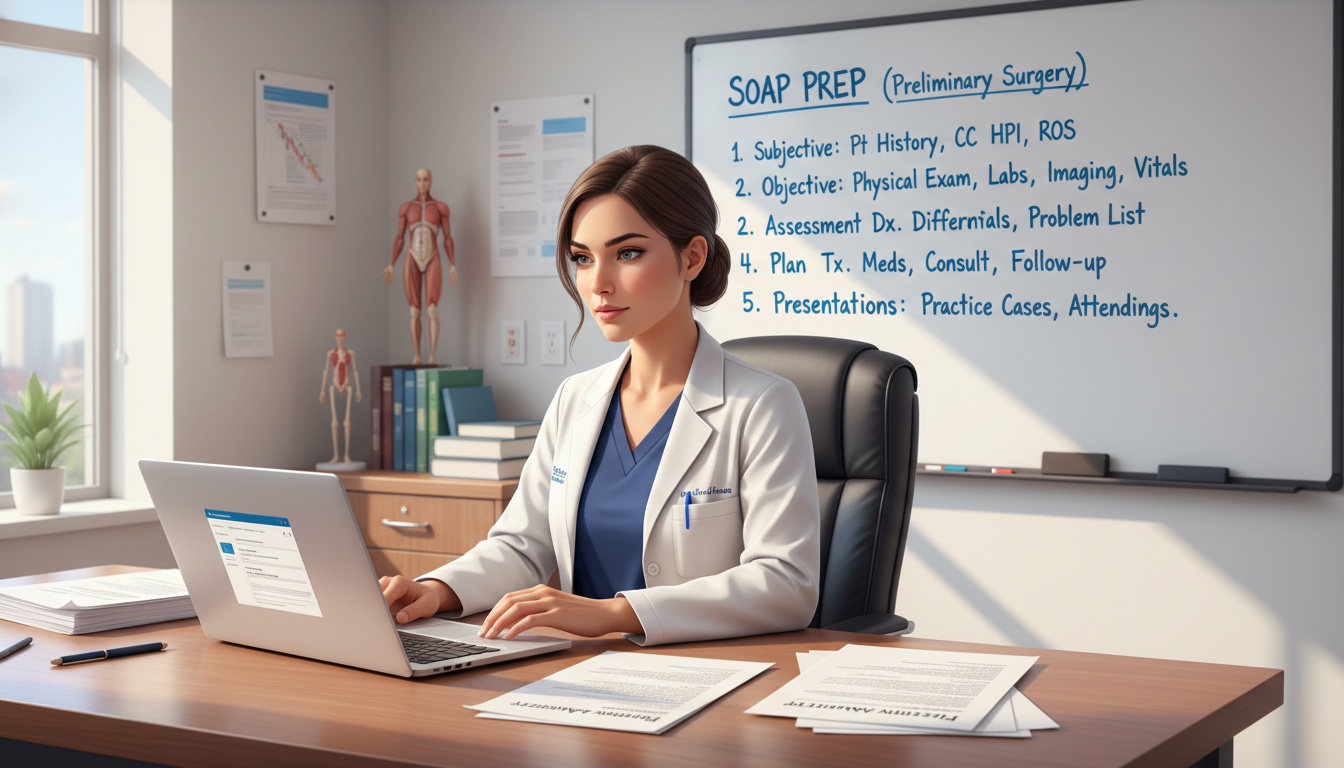
3. Pre‑Writing SOAP‑Ready Materials
Do not wait until Match Week to write or revise these:
SOAP‑Specific Personal Statements
- One for prelim general surgery
- One for transitional year
- Optional: One for neurology or other backup specialty
These should be written from a neurosurgery‑aspiring DO perspective: - Emphasize strong work ethic, operative interest, ICU comfort, ability to handle heavy workload
- Clearly state your long‑term neurosurgery/brain‑related goals while still showing genuine commitment to the specific program type.
Updated CV / ERAS Experiences
- Ensure your neurosurgery research, case reports, and presentations are cleanly presented.
- Highlight experiences that make you an excellent junior surgical resident: call responsibility, ICU exposure, difficult rotations.
Letters of Recommendation (LORs) That Can Be Reused
- Aim for:
- At least 1–2 neurosurgery attendings
- 1 general surgery or ICU attending
- Ask them if they are comfortable with you using the letter for SOAP residency applications in prelim or transitional year programs if needed.
- Aim for:
A Short “SOAP CV Summary”
- 1–2 pages summarizing:
- Key metrics (COMLEX/USMLE, class rank if available)
- Research output (especially neurosurgery/neurology)
- Leadership and teaching
- This can be emailed quickly to interested programs if they ask.
- 1–2 pages summarizing:
4. Technical and Logistical Preparation
- Verify access to:
- ERAS (for rapid applications)
- NRMP (for SOAP eligibility and unfilled list)
- A quiet, private environment for Match Week
- Coordinate with:
- Your school’s dean’s office for emotional and administrative support
- IT to avoid login issues during SOAP rounds
- Prepare a contact sheet:
- Neurosurgery mentors
- Surgery program directors who know you
- Alumni in neurosurgery or surgery who can advocate or advise quickly
Step 2: Match Week – What Happens and How to Respond
Match Week is emotionally charged, especially if you’re heavily invested in neurosurgery. SOAP preparation is as much emotional as it is logistical.
Monday: Did You Match?
On Monday of Match Week, you receive an email from NRMP stating one of the following:
- Matched: You’re done—no SOAP.
- Partially Matched: Matched to one position but not all (e.g., advanced position without prelim year). You may still be SOAP‑eligible.
- Unmatched: You are a SOAP candidate (if you meet eligibility requirements).
If you are unmatched or partially matched, here’s your playbook:
- Allow yourself a brief emotional reaction—shock, grief, frustration are normal. Take 30–60 minutes, talk to a trusted person.
- Shift into action mode. The rest of Monday is about fact‑finding and strategy, not self‑blame.
Accessing the List of Unfilled Programs
By late Monday:
- The NRMP releases the List of Unfilled Programs to SOAP‑eligible applicants.
- You will see:
- Program names
- Specialty type (e.g., General Surgery Prelim, Transitional Year, Neurology, etc.)
- Number of open positions
Neurosurgery rarely appears here, and when it does, positions are typically filled immediately by high‑tier candidates with strong program connections. As a DO graduate, you should still:
- Quickly look for neurosurgery unfilled spots
- If you see one:
- Check if you have any prior connection to that institution
- Email your neurosurgery mentors to see if they can reach out to the program leadership on your behalf
But realistically, most SOAP preparation for you will focus on:
- Prelim Surgery
- Transitional Year
- Possibly Neurology or related specialties
Applying Strategically During SOAP
You have a limited number of applications you can send via ERAS during SOAP (typically 45, but confirm current rules each year).
For a DO neurosurgery aspirant, a suggested allocation might be:
- 20–25 applications – Prelim General Surgery (especially at academic centers with neurosurgery services)
- 10–15 applications – Transitional Year programs with strong ICU/operative exposure
- 5–10 applications – Neurology or other carefully selected specialties that align with your long‑term neuro or procedural interests
Key selection filters:
- Institutions with:
- An existing neurosurgery residency or large neurosurgery service
- History of taking DO graduates
- High surgical volume and ICU exposure
- Programs in regions where you might later apply for neurosurgery (geographic familiarity helps in future matches)
Rapid‑Fire Communication With Mentors
Within the first 12–24 hours:
- Send a short, candid email to:
- Neurosurgery mentors
- Your dean or advisors
- Any surgery program directors who know you
Include:
- Your current status (unmatched or partially matched)
- Your SOAP objectives (e.g., “I’m prioritizing prelim general surgery at academic centers with neurosurgery”)
- Your ERAS AAMC ID and a 1–2 page CV summary
- A clear ask:
- “If you have any contacts at these programs, I would greatly appreciate any advocacy or advice.”
Your network can be an enormous advantage for DO graduate residency candidates during SOAP, where informal advocacy happens quickly.

Step 3: Crafting Compelling SOAP Applications as a DO Neurosurgery Aspirant
SOAP is brutally compressed; you must communicate who you are, your neurosurgery aspirations, and why you’d be a superb prelim or transitional year resident—all within minutes of an interview or a quick read of your file.
Personal Statements for SOAP
Goal: Position yourself as a future neurosurgeon who will be an outstanding, hardworking, reliable intern in whatever program you’re applying to.
For Prelim General Surgery:
- Open with a brief story or moment that captures:
- Your exposure to the operating room, especially brain or spine surgery
- The intensity and teamwork of surgical care
- Emphasize:
- Your comfort with long hours, high acuity, and complex postoperative care
- Specific experiences: trauma call, neurosurgical ICU, complex surgical rotations
- Your neurosurgery research and elective exposure as evidence of dedication
- Make it clear that:
- You are fully committed to giving 100% to the prelim role, regardless of what happens with future neurosurgery applications
- You see this year as a chance to become the best possible surgical intern and to strengthen your foundation in operative and critical care medicine
For Transitional Year:
- Highlight your:
- Flexibility
- Broad interest in comprehensive patient care
- Desire for strong experience in neuro‑ICU, neurology, and surgery rotations
- Connect your osteopathic training:
- How OMM and holistic assessment inform your approach to surgical and neuro patients
- State that you aim to pursue neurosurgery or a brain‑related specialty, but you will:
- “Function as a dedicated, dependable TY resident who elevates the team, regardless of my subsequent specialty match.”
DO Identity: Feature, Not Bug
As a DO graduate in SOAP:
- Explicitly frame your DO training as an asset:
- Enhanced musculoskeletal and neuroanatomical understanding from OMM
- Strong grounding in holistic care and communication with patients and families during critical illness
- Mention any experiences where OMM or osteopathic principles helped:
- Post‑op pain management (with attending approval)
- Functional assessments of neuro patients
- Patient education under stress
Programs selecting prelim or transitional interns care deeply about work ethic, reliability, and team compatibility; DO grads often excel in these domains.
Interview Strategy During SOAP
SOAP interviews are:
- Often short (10–20 minutes)
- Highly focused on:
- “Can this person handle the work?”
- “Will they be professional and teachable?”
- “Are they going to leave the program in trouble by being disengaged or not showing up?”
Key talking points for a DO neurosurgery applicant:
Why this role (prelim/TY) makes sense for your path
- “I intend to re‑apply in neurosurgery and want the heaviest, most rigorous surgical/ICU experience I can get.”
- “If I ultimately land in neurology or another neuro‑related field, this foundation will make me a better clinician.”
Commitment to the program
- “Regardless of what the future holds, I will treat this year as my categorical home and give every patient and team my full effort.”
Resilience and maturity
- Be prepared to talk calmly about:
- Being unmatched
- What you learned
- How you are responding constructively
- Be prepared to talk calmly about:
Team orientation
- Give a concrete example of:
- Covering extra shifts
- Supporting co‑residents or classmates
- Managing conflict professionally
- Give a concrete example of:
Sample answer to “Why didn’t you match neurosurgery?”:
“Neurosurgery is extremely competitive, and while I had strong clinical evaluations, research, and letters, my standardized scores were slightly below the median for many programs. I had several interviews and very positive feedback but ultimately did not match. I’ve reflected carefully with my mentors, and I remain committed to neurosurgery. In the meantime, I want to be the most reliable, hard‑working intern I can be, contributing fully to patient care and the team while continuing to grow clinically and academically.”
Step 4: Long‑Term Strategy If You Enter Through SOAP
SOAP is not the end of your neurosurgery journey; it’s a different on‑ramp. Many neurosurgeons, neuro‑interventionalists, and neurology subspecialists have winding paths.
Making the Most of a Prelim or Transitional Year
If you SOAP into a prelim surgery or TY:
Excel Clinically
- Be early, prepared, and proactive
- Own your patients—know their labs, imaging, and clinical trajectory
- Show resilience during long calls and difficult cases
Stay Connected to Neurosurgery
- Request rotations on:
- Neurosurgery
- Neuro‑ICU
- Trauma service with neurosurgical involvement
- Attend neurosurgery conferences and M&M if allowed
- Introduce yourself respectfully to neurosurgery faculty and residents
- Request rotations on:
Continue Neurosurgery‑Relevant Scholarship
- Case reports on neuro or spine patients you help care for
- Retrospective chart reviews with neurosurgery or neuro‑critical care faculty
- Quality improvement projects in neurosurgery‑relevant areas (e.g., DVT prophylaxis in spine patients, ICU sedation protocols)
Prepare for a Re‑Application
- Strengthen your application along key axes:
- New LORs praising your clinical performance, teamwork, and resilience
- Additional publications or poster presentations
- Evidence of excellence in a demanding clinical environment
- Strengthen your application along key axes:
Alternative Futures Still Tied to Brain and Spine
If neurosurgery remains out of reach after one or more attempts, your SOAP‑initiated path can still lead to brain‑centered careers:
- Neurology – with subspecialization in:
- Neuro‑critical care
- Epilepsy
- Neuro‑oncology
- Interventional Radiology / Neurointerventional – via surgery prelim + DR/IR training, later specializing in neurovascular work
- Anesthesiology – with focus on neuroanesthesia
- PM&R – with spinal cord injury, brain injury rehab, or interventional pain focus
Your DO graduate residency route may not be linear, but your skill set, especially if shaped by demanding prelim/TY experiences, can position you as an exceptional clinician in these fields.
Step 5: Mental Health, Support, and Professionalism
SOAP is one of the most emotionally challenging processes in medical training. For neurosurgery‑bound DO grads, the stakes feel existential.
Protecting Your Mental Health
- Normalize the disappointment. Many highly capable applicants, including future neurosurgeons, have unmatched years.
- Avoid isolation. Stay connected with:
- Classmates
- Faculty mentors
- Mental health services at your institution
- Limit unproductive comparison. Your peers’ social media posts about matching can be painful; it’s okay to mute or step away.
Maintaining Professionalism
How you conduct yourself during SOAP is noticed:
- No angry emails or posts about programs or the process
- Be responsive and polite to:
- Coordinators
- Faculty interviewers
- Advisors
- Every interaction can influence:
- Whether a program takes a chance on you
- Whether a mentor advocates for you now or later
Remember the Long Game
Neurosurgery is a career measured in decades. A detour of one or two years does not define your potential:
- Many program directors respect applicants who:
- Weather adversity
- Show growth
- Demonstrate sustained commitment under pressure
SOAP is not your identity; it’s a logistical and strategic phase in a long professional journey.
Frequently Asked Questions (FAQ)
1. Can I realistically match into neurosurgery through SOAP as a DO graduate?
It is possible but extremely unlikely. Neurosurgery positions almost always fill in the main Match. If a spot appears in SOAP, it often goes to applicants with very strong metrics, prior connections to the program, or internal candidates. As a DO graduate, you should still check the osteopathic residency match/SOAP lists for neurosurgery, but your primary SOAP strategy should prioritize prelim surgery, transitional year, or related fields as stepping stones rather than counting on a SOAP neurosurgery spot.
2. How many SOAP applications should I devote to prelim surgery vs transitional year?
For a DO neurosurgery‑oriented applicant, a common high‑yield split is:
- Prelim General Surgery: 20–25 applications
- Transitional Year: 10–15 applications
- Other related specialties (e.g., Neurology): 5–10 applications
Adjust based on the actual number of available programs in the SOAP residency list and your personal preferences, but generally err toward prelim surgery if your primary aim is to re‑apply to neurosurgery or another surgical brain‑related path.
3. Should my SOAP personal statement mention neurosurgery explicitly?
Yes—but thoughtfully. For prelim surgery and transitional year applications:
Clearly state your long‑term interest in neurosurgery or brain surgery residency‑related careers.
Emphasize that you will fully commit to the responsibilities of the prelim/TY role and support the program’s mission.
Avoid language that suggests you see the position as a “consolation prize” or are only there temporarily. Programs want interns who will:
- Work hard
- Be team players
- Uphold professional standards, regardless of their future re‑match plans
4. If I don’t match neurosurgery after a SOAP year, should I try again or pivot?
This decision is individual and best made with input from:
- Neurosurgery mentors
- Your prelim/TY program leadership
- Possibly a neurosurgery program director willing to give candid feedback
Consider:
- Did your application significantly improve (new scores, strong clinical LORs, research)?
- Did you gain excellent evaluations in demanding rotations (ICU, surgery, neurosurgery)?
- Are there realistic signs of interest from programs (e.g., interviews, encouraging feedback)?
If, after honest appraisal and possibly one re‑application cycle, neurosurgery still appears out of reach, it may be wise to pivot to neurology, interventional fields, or other neuro‑related specialties where you can still honor your passion for the brain and spine while building a sustainable and fulfilling career.
By treating SOAP preparation as a central component of your residency match and applications strategy, you, as a DO graduate aiming for neurosurgery, protect your long‑term goals while navigating one of the most competitive fields in medicine with clarity, professionalism, and resilience.