The Supplemental Offer and Acceptance Program (SOAP) can feel like a high‑stakes sprint at the end of an already exhausting marathon. For applicants aiming for a general surgery residency, the pressure is even higher: limited positions, competitive applicants, and a fast, unforgiving timeline.
This guide walks you step‑by‑step through SOAP preparation specifically for general surgery, so that if you find yourself unmatched or partially matched, you’re ready to act strategically rather than react out of panic.
Understanding SOAP in the Context of General Surgery
Before diving into strategy, you need absolute clarity on what SOAP is, how it works, and how it differs from the main surgery residency match process.
What Is SOAP?
SOAP (Supplemental Offer and Acceptance Program) is the structured process the NRMP uses to fill unfilled residency positions during Match Week. It allows eligible unmatched or partially matched applicants to apply to programs with unfilled positions before the public “scramble” era that used to exist.
Key features:
- Runs during Match Week (Monday–Thursday)
- Uses ERAS to apply and communicate with programs
- Involves multiple offer rounds where applicants may receive and accept/decline offers
- Limits how many programs you can apply to through SOAP (maximum of 45 programs total)
For general surgery applicants, SOAP is often a mix of:
- Categorical general surgery positions (rare but possible)
- Preliminary general surgery positions (more common)
- Other surgical prelim positions (e.g., prelim in a different surgical field)
- Non‑surgical specialties with open positions (e.g., internal medicine, transitional year)
SOAP vs. Main General Surgery Residency Match
In the main general surgery residency match:
- You apply broadly (often 60–80+ programs)
- You interview over several months
- You create a rank list
- Programs create their rank lists
- A matching algorithm pairs applicants and programs
In SOAP:
- You already know you’re unmatched or partially matched
- You will see a list of unfilled programs (without program‑specific detail initially)
- You can submit up to 45 new applications
- There are no formal interviews in many programs, only quick phone or video calls
- Decisions happen in compressed 2–3 day windows
For general surgery, this compressed timeline means you must already have:
- A clear plan B and C within and outside surgery
- Flexible geographic preferences
- Realistic expectations about categorical vs. preliminary positions
Pre‑Match SOAP Preparation for General Surgery
The best way to “win” at SOAP is to prepare before you know you’ll need it. Think of SOAP preparation as standard risk management for anyone applying to a competitive field like general surgery.
Step 1: Realistically Assess Your Match Risk
SOAP preparation starts with an honest appraisal of your profile:
Key risk factors for not matching in general surgery:
- Low or failing USMLE/COMLEX scores (Step 1, Step 2 CK)
- Multiple attempts on licensing exams
- Limited or no U.S. clinical experience (especially for IMGs)
- Weak or generic letters of recommendation
- Red flags in professionalism, gaps in training, or academic issues
- Late application submission or poorly targeted program list
- Few or no interview invitations
- Predominantly community program interviews with few or no university programs (depending on your goals)
By December–January, you can usually sense your risk level:
- Fewer than ~8–10 total interviews for general surgery (for many US grads)
- For IMGs, fewer than ~5–6 total interviews may be worrisome (context matters)
If you’re in a risk category, you should begin SOAP preparation explicitly, even while still hoping to match.
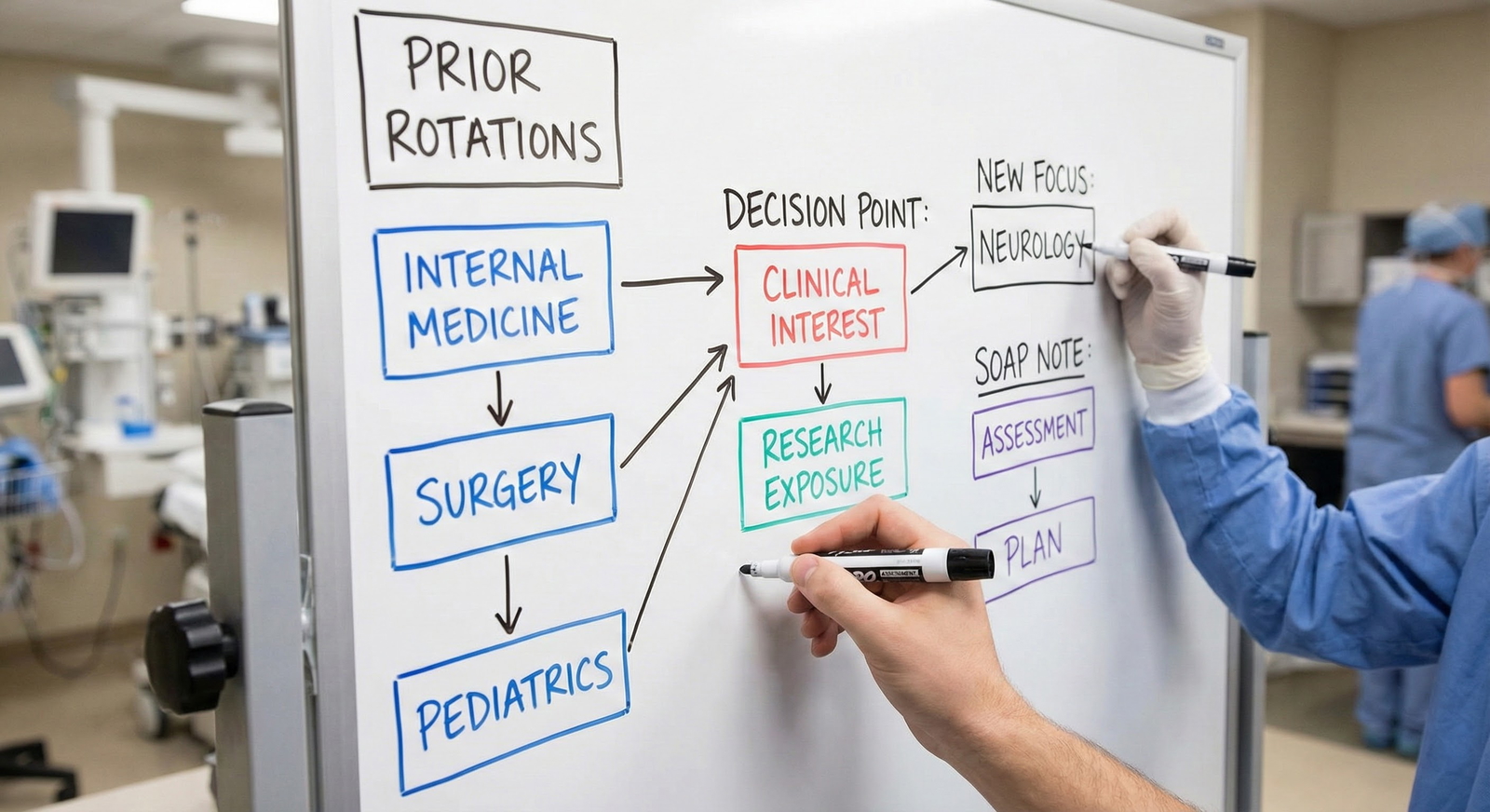
Step 2: Decide Your Priority Hierarchy (Early)
One of the biggest mistakes in SOAP is deciding your goals during Match Week when emotions are high. Instead, clearly outline your priorities now.
For general surgery applicants, you should explicitly rank:
- Categorical general surgery at any program
- Preliminary general surgery at strong surgical programs
- Non‑surgical categorical positions you would accept (e.g., internal medicine, anesthesia, EM, transitional year)
- Other pathways (research year, MPH, lab work, repeat application, etc.)
Ask yourself:
- Would I take any categorical general surgery spot, regardless of geography or program type?
- Would I accept a preliminary general surgery position in hopes of reapplying?
- If no surgery positions are available via SOAP, what specialty(ies) would I realistically be happy in?
- If I receive only prelim offers, what is my long‑term strategy?
Write this down. During the chaos of SOAP, you’ll need this in writing to avoid emotional, last‑minute decisions you later regret.

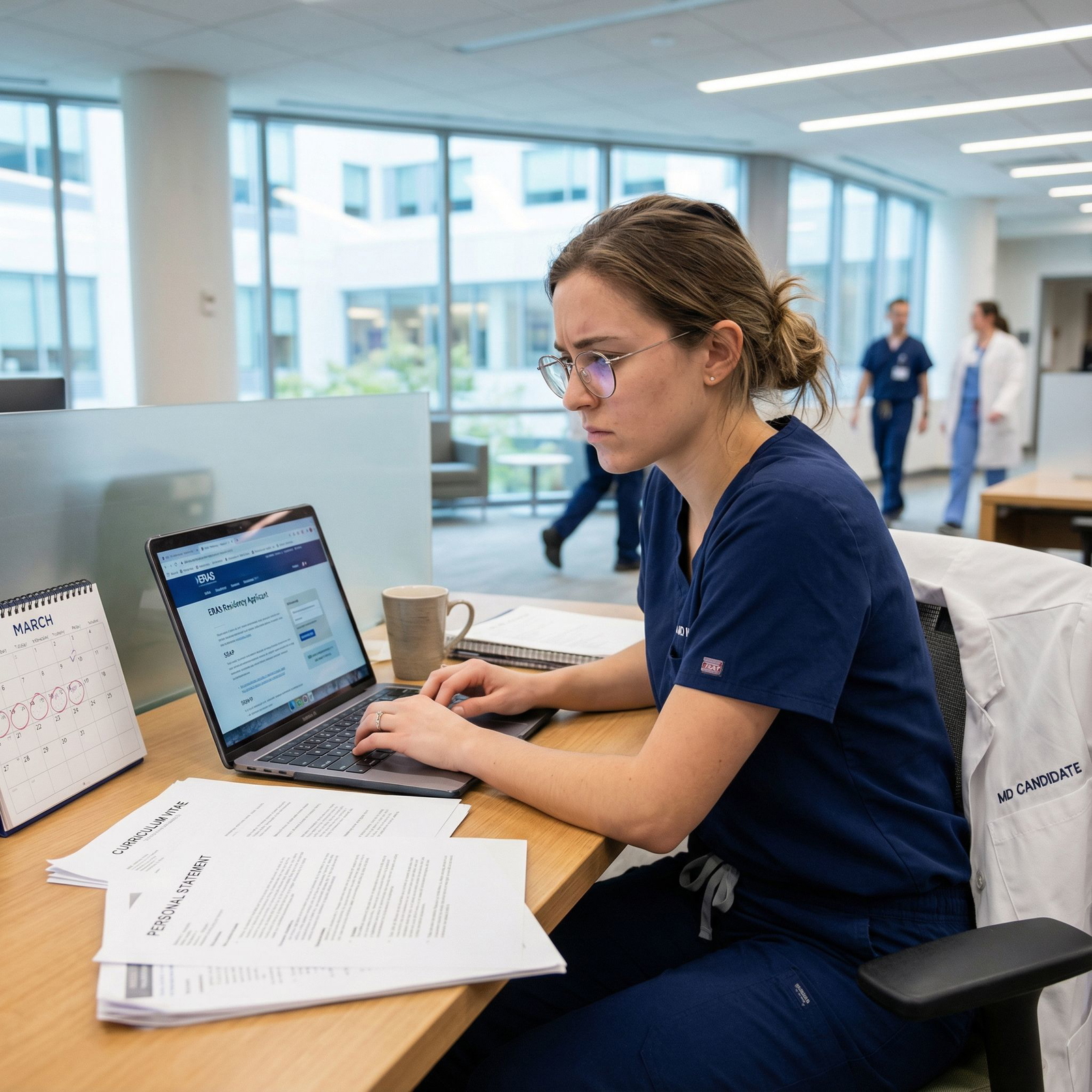
Step 3: Optimize Your ERAS Materials for SOAP
Your ERAS application is the same platform used during SOAP, but your strategy may differ. General surgery programs viewing SOAP applications have very little time to review them, so your materials must be polished and concise.
Key elements to prepare before Match Week:
1. Updated Personal Statement(s)
You should have at least two versions ready:
General surgery–focused personal statement
- Emphasize your commitment to surgery, technical skills, operative exposure, and team‑based acute care.
- Highlight resilience, work ethic, ability to handle high‑intensity environments.
- Address red flags briefly but honestly (e.g., Step 1 failure, extended graduation time), focusing on growth and improvement.
Non‑surgical/backup specialty personal statement (if you are open to other fields)
- Tailor specifically (e.g., internal medicine, EM, anesthesia).
- Avoid recycling a surgery‑heavy narrative for another specialty.
For SOAP, you cannot change your personal statement per program, but you can choose which personal statement to associate with each application category.
2. CV and Experiences
- Ensure all experiences (clerkships, sub‑internships, away rotations, research) are current and clearly described.
- Emphasize:
- Surgical sub‑I performance
- Trauma/ICU rotations
- Leadership in surgical interest groups
- Procedural exposure (when appropriate)
- Remove typos and inconsistencies; SOAP programs decide quickly and may filter out sloppy applications.
3. Letters of Recommendation
Well before Match Week, consider having:
- 3 strong surgery letters (at least one from a general surgeon with direct supervision of your performance)
- 1–2 additional letters from other fields (if you are open to non‑surgical specialties)
You cannot upload new letters during SOAP, but you can reassign existing letters to different programs. Preparing a backup letter for a non‑surgical specialty in advance is critical if you might pivot.
Step 4: Understand SOAP Timeline and Rules Thoroughly
Knowing the rules is a core part of SOAP preparation. Missteps can cost you real opportunities.
Key points (based on how NRMP typically structures SOAP; always verify the current year’s details):
Monday of Match Week
- 10:00 a.m. ET: You learn whether you are matched, partially matched, or unmatched.
- 11:00 a.m. ET: The List of Unfilled Programs (by specialty and state) becomes available for SOAP‑eligible applicants.
- Afternoon: You can begin preparing and submitting ERAS applications (up to 45 programs).
Tuesday–Thursday of Match Week
- Programs review applications, conduct brief interviews/calls.
- SOAP offer rounds happen (e.g., Tuesday and Wednesday).
- You receive offers (if any) in discrete rounds, NOT all at once. You must accept/decline within a short time window.
Important rules:
- You cannot contact programs outside of ERAS/NRMP rules during SOAP. No cold‑calling, no direct emails unless program explicitly invites that channel.
- You cannot circumvent SOAP to negotiate spots during Match Week.
- Once you accept a position through SOAP, you are bound just like the main Match.
Strategy During SOAP: General Surgery–Focused Tactics
When SOAP starts, the clock is running. Your goal is to apply quickly but deliberately, maximizing your chances of landing a position consistent with your long‑term goals.
Step 1: Rapid Situational Assessment on Monday
When you learn your status:
- Unmatched: No positions secured. Full SOAP participation possible (if eligible).
- Partially matched: Often means you matched to an advanced position (e.g., PGY‑2) without a PGY‑1 year, or vice versa. Your SOAP strategy will differ based on what you’ve already secured.
For many general surgery applicants, the situation is:
- Applied to categorical general surgery; either unmatched or only matched into prelim positions (or none).
Immediately:
- Talk to your Dean’s office or advising office
- Most schools have a SOAP team with real‑time guidance and historical insight.
- Clarify your eligibility for SOAP (US versus IMG, NRMP rules, etc.).
- Review your priority hierarchy (categorical surgery > prelim surgery > other fields, etc.).
Step 2: Interpreting the Unfilled Positions List
When the Unfilled Programs List becomes available:
- Filter for:
- General Surgery – Categorical
- General Surgery – Preliminary
- Allied surgical prelims (if open to them)
- Backup specialties (if you decided on them earlier)
Key considerations as you scan the list:
- Categorical general surgery positions will be few and highly contested.
- Many unfilled general surgery spots are preliminary, sometimes at very strong academic centers.
- Some programs may have historically used prelim positions as a pipeline to categorical spots; others do not.
Use resources:
- Your school’s match office may keep historical data: which prelim programs have successfully transitioned residents into categorical positions?
- Talk to faculty who know specific programs and can advise on the strength and culture of their prelim years.

Step 3: Allocating Your 45 SOAP Applications
You cannot apply to more than 45 programs total in SOAP, so your allocation must be strategic.
For a general surgery applicant, sample strategies:
Scenario A: Strongly committed to surgery, willing to do prelim
Sample distribution:
- 10–15 applications to categorical general surgery (if available)
- 20–25 to preliminary general surgery at reputable programs (especially those with good transition histories)
- Remaining to prelim in related surgical specialties or transitional year programs, if they exist
Rationale: Maximize exposure to surgery programs while preserving options if categorical spots are scarce.
Scenario B: Open to non‑surgical categorical programs
Sample distribution:
- 5–10 applications to categorical general surgery
- 10–15 prelim general surgery at strong institutions
- 15–20 categorical in backup specialty (e.g., internal medicine, anesthesia)
- Optional: a few transitional year or prelim medicine spots
Rationale: Balance a strong push for surgery with a safety net that still offers a stable categorical path.
Scenario C: Realistic pivot away from surgery
Sample distribution:
- A small number of surgery prelim/categorical applications (5–10), if still of interest
- Majority (30+) in backup specialty that better aligns with your competitiveness and long‑term goals
Rationale: Prioritize long‑term fit and career sustainability over a very low‑probability surgical outcome.
Step 4: Rapid Customization and Program Targeting
Even in SOAP, avoid a “spray and pray” approach. You can’t write new personal statements per program, but you can:
- Select the most appropriate personal statement (surgery vs. backup specialty).
- Adjust your program signaling (if available that year) based on interest and fit.
- Make sure your application clearly displays:
- Surgical rotations and performance
- Procedural experience
- Resilience and ability to handle call and long hours
If programs call or email you for a brief conversation:
- Be prepared with a 30–60 second pitch:
- Who you are
- Why general surgery/that specialty
- Why their program (if you know specific details)
- What makes you resilient and reliable as an intern
Example short script (adaptable):
“I’m a fourth‑year student at [School], graduating this spring. I’ve completed two sub‑internships in general surgery, including one at a busy trauma center, and consistently received strong evaluations for work ethic and team integration. I’m deeply committed to a career in surgery and am particularly drawn to your program’s strong operative volume and mentorship structure. If offered a prelim spot, I would work to contribute fully as an intern and grow as both a clinician and colleague.”
Evaluating and Accepting SOAP Offers for Surgery
Once offers begin, timing is critical—and emotions run high. Your decisions will shape your career trajectory.
Understanding SOAP Offer Rounds
During each SOAP round:
- Programs submit their preference lists of applicants.
- Applicants may receive zero, one, or multiple offers per round.
- You typically have a short window (often 2 hours or less) to accept or decline an offer.
- You can hold only one active offer at a time.
If you accept an offer:
- You are out of SOAP—you cannot pursue further offers.
- Your commitment is binding, like the main Match.
Categorical vs. Preliminary General Surgery Offers
For general surgery applicants:
- A categorical general surgery offer (even at a less‑preferred program) is usually considered a golden outcome in SOAP because it secures your full residency pathway.
- A preliminary surgery offer requires more nuanced analysis:
Key questions to ask (quickly):
Program culture and support
- Do prelims operate in a supportive environment, or are they largely service‑only?
- What is the call schedule and operative involvement like for prelims?
Historical transition to categorical spots
- How many prelims in the past 3–5 years have successfully transitioned into categorical surgery—either at that institution or elsewhere?
- Is there a formal pathway or is it rare/exceptional?
Reputation and training environment
- Academic vs. community, trauma exposure, ICU experience, case variety.
- Strong training can make you more competitive on reapplication.
Given the compressed time, you may not get detailed answers, but any information from faculty advisors or your Dean’s office can help.
When to Accept a Non‑Surgery Offer
You may face a difficult reality: no surgery offers after one or more SOAP rounds, but you receive categorical offers in other fields (e.g., internal medicine, family medicine, anesthesia, EM).
Your decision should be anchored in:
- Your previously written priority hierarchy
- Honest reflection:
- Are you comfortable taking 1+ more years (prelim or research) and reapplying to surgery with uncertain outcome?
- Would you be satisfied with a non‑surgical career if surgery does not work out, or would you feel long‑term regret?
Some applicants choose a strong categorical non‑surgical spot, then explore procedure‑heavy careers (e.g., interventional cardiology, GI, critical care), while others accept the uncertainty of a surgical re‑application path.
There is no universal right answer—only the best fit for your values, risk tolerance, and family/personal situation.
Post‑SOAP Planning: If You Don’t Secure a General Surgery Spot
Even with excellent SOAP preparation, not everyone secures a general surgery residency. Your response in the weeks and months following SOAP is crucial.
If You Accept a Prelim Surgery Position
Use your prelim year strategically:
Perform at a high level from Day 1
- Show up early, be reliable, follow up on patients thoroughly.
- Respect nurses, scrub techs, and colleagues; your reputation spreads quickly.
Seek mentorship early
- Identify attendings and senior residents who might advocate for you.
- Be transparent (professionally) about your goal to secure a categorical position.
Clarify the program’s stance on prelim to categorical conversion
- Are they planning to expand categorical spots?
- Do they consider prelims for mid‑year openings?
- Are there opportunities in related programs (e.g., vascular, thoracic) if available?
Strengthen your re‑application
- Push for strong new letters from program leadership.
- Highlight your intern‑year performance, case logs, and improved clinical acumen.
- Tighten any weaknesses (e.g., improved Step 2/3 performance, research outputs).
If You Do Not Match via SOAP at All
You still have several viable paths:
Research Year in Surgery
- Join a surgical research lab (trauma, oncologic surgery, transplant, etc.).
- Aim for 1–2 publications and strong letters from surgical faculty.
- Continue attending M&M and Grand Rounds to stay clinically engaged.
Additional Clinical Exposure
- Obtain observerships or hands‑on experience in U.S. surgical departments.
- This is especially important for IMGs or applicants with limited U.S. experience.
Reassess Specialty Choice
- Consider whether a field with similar procedures and acuity (e.g., EM, anesthesia, interventional specialties) might align better with your profile and life goals.
Work closely with advisors
- Get detailed feedback on what limited your competitiveness (scores, CV gaps, letters, interview skills).
- Build a concrete 1‑year or 2‑year improvement plan before reapplying.
Practical SOAP Preparation Checklist for General Surgery Applicants
Use this as a working document before Match Week:
6–8 months before Match:
- Honest risk assessment for general surgery match
- Discussion with mentor/advisor about competitiveness
- Backup specialty exploration (if needed)
3–4 months before Match:
- Two personal statements ready (surgery + backup specialty)
- At least 3 strong surgery LoRs uploaded
- 1–2 backup specialty LoRs uploaded (if pivot is possible)
- CV fully updated in ERAS
1–2 months before Match:
- Written priority hierarchy: categorical surgery vs. prelim vs. other specialties
- Identify potential mentors for SOAP week support
- Read current NRMP SOAP policies and timeline
Match Week (before SOAP starts):
- Confirm SOAP eligibility with school/NRMP
- Meet with Dean’s office or SOAP support team
- Prepare contact info, quiet workspace, reliable internet/phone
During SOAP:
- Filter the unfilled list for general surgery and chosen backup specialties
- Allocate 45 applications strategically (categorical vs. prelim vs. backup)
- Be ready for quick phone/virtual interviews with a concise professional pitch
- Follow rules: no unsolicited contact to programs; use official channels only
- Refer to your written priorities when deciding on offers under time pressure
FAQs About SOAP Preparation in General Surgery
1. If I’m passionate about general surgery, should I apply ONLY to surgery programs in SOAP?
Not usually. While your passion is important, SOAP is about risk management as well as aspiration. If you are comfortable with the possibility of doing a prelim year and reapplying, or taking a research year, then a surgery‑only SOAP strategy may be defensible. However, if you strongly prefer to start a categorical residency (even in another specialty) rather than face another match cycle, you should include backup categorical specialties in your SOAP applications based on your realistic competitiveness and interests.
2. Are preliminary general surgery positions worth it?
They can be, but it depends on the program and your long‑term plan. A strong prelim year at a reputable institution can:
- Improve your operative and clinical skills
- Generate new, powerful letters of recommendation
- Sometimes open doors to unexpected categorical spots (either there or at other programs)
However, not all prelim programs lead to categorical opportunities. Before accepting a prelim offer, try to understand the program’s track record of helping prelims transition and ensure you’re mentally and financially prepared for the uncertainty of another match cycle if needed.
3. Can I change my personal statement or letters during SOAP?
You cannot upload new letters during SOAP, but you can reassign existing letters to specific programs. You also cannot edit the content of already‑submitted ERAS documents, but you can choose which personal statement is associated with each program’s application during SOAP. This is why SOAP preparation includes creating and uploading multiple tailored personal statements and letters well before Match Week.
4. How does SOAP differ for IMGs seeking general surgery?
For IMGs, general surgery is particularly competitive. In SOAP:
- You may find very few categorical surgery spots appropriate for IMGs.
- Prelim positions may be more available, often in community or hybrid programs.
- U.S. clinical experience, strong U.S. letters, and clear evidence of surgical commitment are critical.
IMGs should be especially proactive in backup planning, including potential non‑surgical specialties, research positions, and robust advising support. SOAP can still be a path to U.S. residency, but expectations and strategies must be highly realistic.
Preparing thoroughly for SOAP does not mean you expect to fail the match. It means you are professionally responsible and ready for all outcomes in a competitive specialty like general surgery. Thoughtful SOAP preparation—clear priorities, polished documents, strategic application planning—can transform a crisis week into an opportunity to secure a training path that aligns with both your ambitions and your reality.