
SOAP Survival Skills: Essential Strategies for Medical Students After Match Day
Entering the world of medicine is demanding at every stage, and the transition from medical school to residency is one of the most emotionally charged steps. For many medical students, Match Day brings celebration; for others, it brings shock, confusion, and grief when they discover they are unmatched or partially matched.
If you find yourself in that second group, you are not alone—and you are not out of options.
The Supplemental Offer and Acceptance Program (SOAP) is designed to give eligible unmatched applicants a structured, time-sensitive opportunity to secure unfilled residency positions. With the right survival strategies, you can turn an incredibly stressful week into a meaningful second chance.
This expanded guide walks you through the SOAP process, step by step, with practical strategies, survival tips, and examples tailored to medical students navigating residency applications after Match Day.
Understanding the SOAP Process in the Residency Application Journey
To make the most of SOAP, you need to clearly understand what it is—and what it is not.
What Is SOAP and When Does It Happen?
The Supplemental Offer and Acceptance Program (SOAP) is run by the National Resident Matching Program (NRMP) during Match Week in March. It is not a separate match, but a structured mechanism for:
- Unmatched or partially matched applicants, and
- Programs with unfilled, NRMP-participating positions
to connect and fill available residency slots.
You become aware of your SOAP status on the Monday of Match Week, when the NRMP releases whether you are:
- Fully matched
- Partially matched (e.g., matched to an advanced position but not a preliminary)
- Unmatched
If you are unmatched or partially matched and meet eligibility requirements, you may participate in SOAP.
Eligibility and Requirements for SOAP
To participate in the SOAP process, you must:
- Be registered for the main NRMP Match
- Be eligible to start residency on July 1 of that year
- Have a valid and active MyERAS application (for ACGME programs)
- Be unmatched or partially matched as determined by NRMP
Some additional details that matter:
- ECFMG certification (or appropriate status) is essential for international medical graduates (IMGs) participating through ERAS.
- USMLE/COMLEX scores, transcripts, and MSPE must already be in ERAS—SOAP happens too quickly to obtain new official documents that week.
- LoRs and personal statements can be edited or updated prior to Match Week, but you should plan ahead so you’re not starting from scratch when time is limited.
How the SOAP Timeline and Rounds Work
The SOAP process generally unfolds as follows (exact times vary by year; always confirm with NRMP and ERAS):
Monday (Match Week)
- NRMP releases match status to applicants.
- ERAS opens access to the list of unfilled positions (available only to SOAP-eligible applicants).
- Applicants can begin preparing and submitting applications through ERAS—but programs are not yet allowed to contact you.
Application Window
- SOAP-eligible applicants can submit applications (commonly up to 45 programs total, though this limit can change).
- You do not submit new ranked lists; instead, you apply like an accelerated ERAS cycle.
Program Review and Interview Period
- Programs review applications and may conduct virtual or phone interviews.
- All communication must comply with NRMP SOAP rules (no offers outside official SOAP rounds).
Offer Rounds (Typically Four Rounds Over Two Days)
- NRMP sends out offers in timed “rounds.”
- Applicants may accept or reject each offer within a short, strict window.
- If you accept an offer, you are committed to that position and withdrawn from the SOAP process.
Once SOAP ends, any unfilled positions are released publicly, and programs may begin offering positions outside SOAP rules (this is sometimes referred to as the “post-SOAP scramble”).
Understanding this structure is crucial. The SOAP process moves at high speed. Entering Match Week with a clear strategy dramatically improves your odds.
Pre-SOAP Preparation: Setting Yourself Up Before Match Day

A major survival strategy for SOAP is this: most of the real work happens before Match Week. You won’t know your match status until Monday, but you can absolutely prepare for the possibility of SOAP in advance.
Clarify Eligibility and Understand the Rules
Start by visiting:
- NRMP: Review the SOAP section in the NRMP Match Participation Agreement.
- ERAS: Confirm how many programs you can apply to during SOAP and what application components you can update.
Actionable steps:
- Download and save SOAP-related NRMP and ERAS checklists.
- Know exactly who at your medical school (dean, student affairs, career office) is designated to help with SOAP.
- Confirm your current exam scores, graduation status, and any visa-related issues if you’re an IMG.
Prepare and Polish Core Application Materials
During SOAP, you won’t have time to write from scratch. Before Match Week:
Update Your CV
- Ensure all clinical rotations, sub-internships, electives, research, and volunteer experiences are current.
- Emphasize concrete accomplishments: leadership roles, QI projects, teaching, publications, presentations, and language skills.
- Consider preparing multiple versions (e.g., one more medicine-focused, one more surgery-focused), especially if you might be flexible on specialty.
Draft SOAP-Ready Personal Statements
- Prepare at least two versions:
- One tailored to your primary specialty (e.g., Internal Medicine, Pediatrics).
- One more general or for an alternative specialty you’d realistically consider (e.g., Transitional Year, Preliminary Medicine/Surgery).
- Keep them focused, genuine, and concise:
- Why this specialty (or why you’re adaptable)?
- What strengths you bring to a residency team?
- A brief explanation of any red flags, if appropriate (without over-explaining).
- Prepare at least two versions:
Line Up Letters of Recommendation (LoRs)
- Confirm you have at least 3 strong, specialty-appropriate letters already in ERAS.
- If you suspect you may go through SOAP, talk with potential letter writers before Match:
- Explain your situation honestly.
- Ask if they would be willing to quickly adjust or upload a modified letter during Match Week if needed.
- For some specialties, a well-known faculty member or program director letter can significantly influence SOAP decisions.
Practice Interview and Communication Skills
Many programs conduct quick, targeted interviews during SOAP via Zoom, phone, or Teams.
Mock Interviews
- Schedule practice interviews with:
- Your dean’s office or career advisor
- Residents you know in your desired specialty
- Peers, especially those with prior interview experience
- Focus on key SOAP-ready questions:
- “Tell me about yourself.”
- “Why are you interested in our program?”
- “Why do you think you went unmatched, and what have you learned?”
- “If you don’t match this year, what is your plan?”
- Schedule practice interviews with:
Prepare a Brief, Honest Narrative
- Acknowledge the match outcome without sounding defeated.
- Emphasize growth, resilience, and specific steps you’ve taken to improve.
- Have a clear, concise 60–90 second answer ready.
Preparation reduces panic during Match Week. It allows you to act strategically rather than react emotionally.
Strategic Research: Identifying the Right SOAP Positions
Once SOAP opens and the list of unfilled positions is available, you must move quickly—but not blindly.
Using the Unfilled Positions List Wisely
The SOAP list (via ERAS/NRMP) includes:
- Specialty and program name
- Number of open positions
- Accreditation status and other details
As soon as it’s accessible:
Scan by Specialty
- Identify programs in your primary specialty.
- Also note related or alternative specialties you would genuinely consider (e.g., Preliminary Medicine, Transitional Year, Family Medicine).
Triage Programs
Divide into three priority tiers:- Tier 1: Strong Fit / High Priority
- Geographically acceptable
- Aligned with your background (e.g., strong IM rotations, research in that field)
- Reasonable competitiveness given your scores and profile
- Tier 2: Moderate Fit / Flexible Preferences
- Less ideal geography but acceptable
- Slightly outside your ideal specialty, but still aligned with your long-term plans
- Tier 3: Safety / Last-Resort Options
- Programs or locations you would accept if needed to start residency training
- Still programs you can commit to if offered (never apply where you would refuse to go)
- Tier 1: Strong Fit / High Priority
Leveraging Networks and Hidden Information
In SOAP, small bits of additional data can help you refine your list.
Alumni Networks and Mentors
- Ask your school’s alumni office or department leadership:
- “Do we have graduates at any of these programs?”
- “Does anyone know the program director or faculty there?”
- Alumni can provide practical insights about culture, workload, and teaching environment.
- Ask your school’s alumni office or department leadership:
Online Platforms and Forums
- Use LinkedIn, institutional email, or school-specific group chats to locate contacts.
- Be professional and concise in your outreach:
- Brief introduction
- Your connection (same school, shared mentor, etc.)
- One or two targeted questions (e.g., “What do they value in applicants?”)
Remember: your goal is not to lobby or circumvent process rules, but to understand whether a program genuinely fits your needs—and whether your profile realistically fits theirs.
Crafting High-Impact SOAP Applications
With a limited number of applications allowed, quality matters as much as quantity during the SOAP process.
Tailoring Your Personal Statements for SOAP
Instead of sending one generic statement to every program:
Customize for Specialty
- Ensure your statement clearly addresses why you are committed to that specialty’s scope of practice.
- For Transitional Year or Preliminary positions, emphasize:
- Your desire for strong clinical training
- Your flexibility and teamwork
- How that year fits into your long-term goals (e.g., future Anesthesiology, Radiology, EM residency).
Add a Brief SOAP-Appropriate Perspective
- One or two sentences acknowledging your determination despite setbacks can humanize your application:
- “Although I did not match in the main residency match, this experience has reinforced my commitment to clinical excellence and my desire to contribute to a program that values hard work and growth.”
- One or two sentences acknowledging your determination despite setbacks can humanize your application:
Avoid long explanations or defensive tone. Keep it forward-looking.
Optimizing Your CV for Each Program Type
You generally can’t upload different CVs for different programs in ERAS, but you can:
Reorder Experiences Strategically
- List clinical experiences most relevant to your SOAP specialty near the top.
- Highlight sub-internships, acting internships, or away rotations in that field.
Refine Experience Descriptions
- Use concise bullet points emphasizing:
- Clinical responsibilities (e.g., “Managed 8–10 inpatients daily, including developing assessment and plans.”)
- Collaboration (e.g., “Worked closely with multidisciplinary teams on care coordination.”)
- Systems-based contributions (e.g., “Participated in quality improvement project reducing ED boarding times.”)
- Use concise bullet points emphasizing:
Add Any Recent Achievements
- New research abstracts, posters, teaching roles, or leadership should be reflected before SOAP if possible.
Letters of Recommendation: Use What You Have, Strategically
During SOAP, you cannot solicit entirely new letters from scratch in most cases, but you can:
- Select the most relevant letters to assign to each program.
- Emphasize:
- Specialty-aligned letters (e.g., IM letters for IM programs).
- Letters that describe concrete behaviors: reliability, initiative, maturity, teamwork.
If a trusted mentor is able to rapidly upload a revised letter tailored to SOAP, coordinate this early in Match Week through your school’s office if allowed.
Communication, Interviews, and Professionalism During SOAP
Once programs start reviewing applications, some will reach out quickly. How you respond can significantly influence outcomes.
Appropriate Communication with Programs
NRMP rules during SOAP are strict: programs cannot make verbal or written offers outside official NRMP rounds. But they can:
- Request additional information
- Schedule brief interviews
- Clarify your level of interest
Your responsibilities:
Be Responsive
- Check your email and phone frequently during SOAP windows.
- Use a professional voicemail greeting and answer unknown calls when possible.
Be Clear and Honest—But Smart
- If asked about your interest in the program:
- You can say, “Your program is one of my top choices,” if true.
- Avoid promising that they are your absolute #1 unless you are fully committed to accept if offered.
- Never misrepresent having other offers or interviews.
- If asked about your interest in the program:
Follow-Up Emails
- After an interview, a brief thank-you email can reinforce professionalism:
- 3–4 sentences expressing appreciation, reiterating a specific strength you bring, and restating interest.
- After an interview, a brief thank-you email can reinforce professionalism:
Handling SOAP Interviews: Focused, Direct, and Composed
SOAP interviews are usually shorter and more focused than main-cycle interviews. Expect questions like:
- “What do you think contributed to you going unmatched?”
- “Why are you interested in our program specifically?”
- “How do you handle stress and high workload environments?”
- “What are your long-term career goals?”
Tips:
Own Your Story
- If there were red flags (e.g., exam failure, late specialty switch, fewer interviews), acknowledge them briefly:
- “I applied late after changing specialty in October, which limited my interview opportunities. I’ve learned the importance of early planning and more targeted applications.”
- Pivot to what you’ve done to grow since then.
- If there were red flags (e.g., exam failure, late specialty switch, fewer interviews), acknowledge them briefly:
Highlight SOAP-Relevant Strengths
- Resilience and maturity
- Strong clinical performance and teamwork
- Clear motivation to train and learn
Practice Calm Delivery
- Even if you are anxious, aim for steady, composed responses.
- Taking a brief pause to think before answering is appropriate and often helpful.
Programs know SOAP is stressful. They are looking for applicants who can maintain professionalism under pressure.
Emotional Survival: Resilience, Flexibility, and Time Management
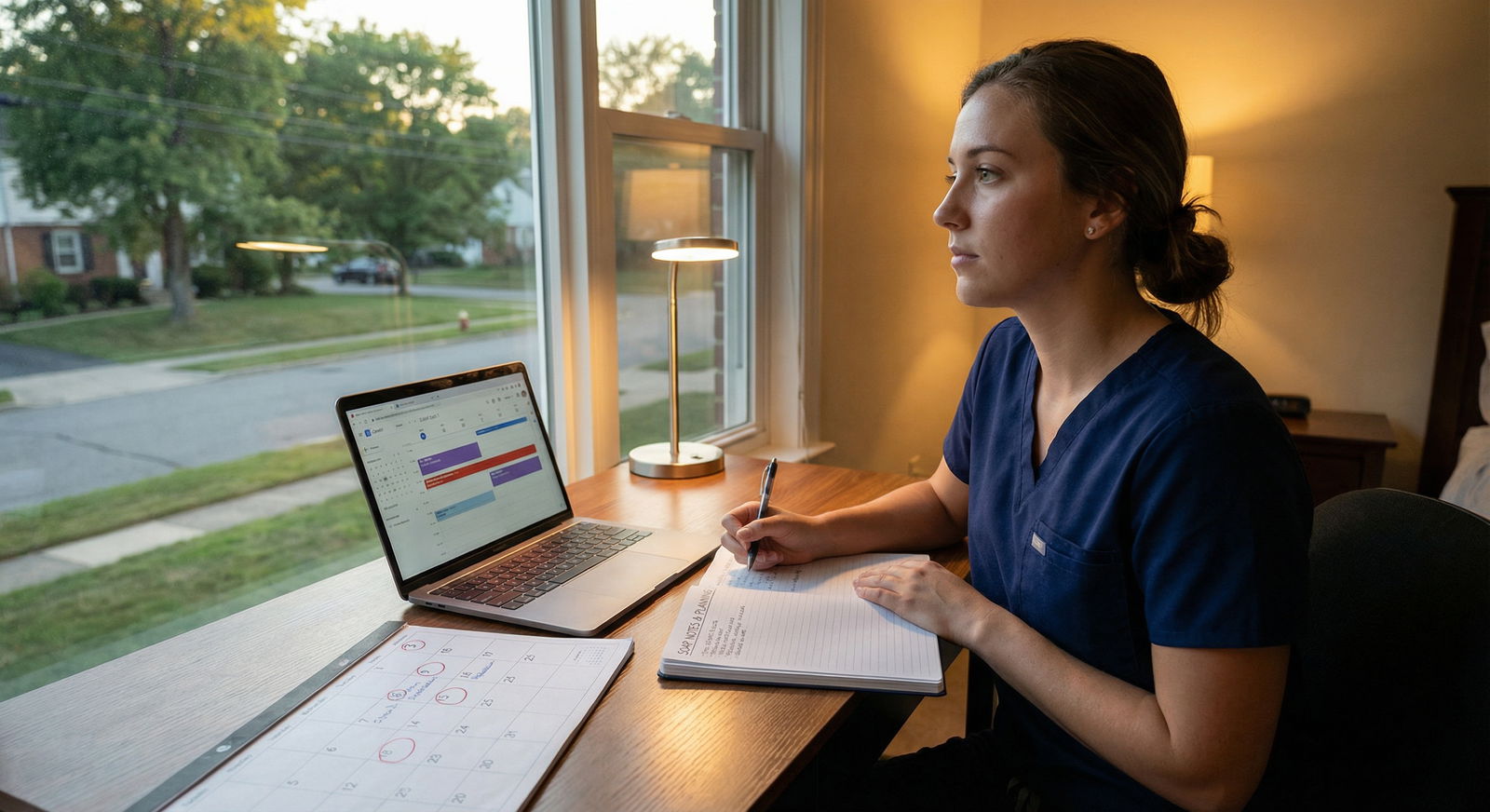
Beyond logistics, SOAP week tests emotional resilience. You may be processing grief from not matching while simultaneously needing to perform at your best.
Managing Stress and Maintaining Perspective
Acknowledge Your Emotions
- It is normal to feel disappointed, embarrassed, angry, or afraid.
- Give yourself space—hours, not days—to feel those emotions, then pivot to action.
Connect with Supportive People
- Talk with trusted friends, partners, mentors, or mental health professionals.
- Consider briefly stepping away from social media if Match Day posts increase distress.
Remember: Many Physicians Went Through SOAP or Scramble
- A significant number of residents and attendings have been unmatched at some point.
- Once you start residency, this often becomes just one chapter in a longer, successful career.
Adapting and Staying Flexible
Rigidity can hurt you during SOAP. Consider:
Broadening Geographic Preferences
- Being open to a wider range of locations may increase your odds of matching.
- Focus on training quality, support, and accreditation more than prestige or city size.
Considering Alternative or Bridge Options
- Transitional Year or Preliminary Medicine/Surgery can be a valuable step toward your ultimate specialty.
- Some applicants strategically complete a preliminary year, strengthen their credentials, and then reapply.
Being flexible does not mean abandoning your dreams; it means considering realistic, stepwise paths to them.
Time Management: Structuring SOAP Week
SOAP is short and intense. Treat it like a high-stakes rotation:
Create a SOAP Schedule
- Block off time for:
- Reviewing unfilled lists and program websites
- Submitting and tailoring applications
- Responding to emails/calls and attending interviews
- Short breaks for food, movement, and sleep
- Block off time for:
Prioritize Tasks
- Focus first on high-priority programs.
- Avoid endless tweaking of documents at the expense of actually submitting applications.
Protect Your Health
- Sleep: Aim for at least 6 hours per night; exhausted decisions are rarely wise.
- Fuel: Keep snacks and water nearby during long stretches at your computer.
- Movement: Brief walks or stretching breaks can reset your focus.
After SOAP: Next Steps Whether You Match or Not
Once the final SOAP round ends, you’ll either have accepted a position or remain unmatched. Both paths require thoughtful planning.
If You Match Through SOAP
Celebrate—You Earned It
- SOAP is grueling; matching through it is an achievement.
Confirm Details
- Review program communication about onboarding, credentialing, and orientation.
- Notify your medical school of the outcome so they can update records and support your transition.
Reflect and Prepare
- Consider what you learned about yourself during SOAP—resilience, flexibility, communication—and bring those strengths into residency.
- Start planning housing, relocation, and any final rotations accordingly.
If You Remain Unmatched After SOAP
This outcome is painful, but it is not the end of your medical career.
Debrief with Advisors and Mentors
- Schedule a detailed meeting with:
- Your dean of student affairs
- Specialty advisors
- Review:
- Exam scores and attempts
- Specialty choice and competitiveness
- Application strategy and interview performance
- Red flags and how to address them
- Schedule a detailed meeting with:
Consider a Gap Year Strategy
Constructive options include:Dedicated Research Year
- Join a research team in your target specialty.
- Aim for tangible outputs: publications, abstracts, presentations.
Clinical Experience / Non-ACGME Positions
- Junior clinical positions, observer roles (for IMGs), or non-accredited fellowships may strengthen your portfolio.
Additional Degrees or Certificates
- MPH, MBA, or MS degrees can add skills and open new doors, though they should not be pursued only to delay reapplication.
Reassessment of Specialty Choice
- Some highly competitive specialties may require a switch to a less competitive field or a stepwise path via preliminary training.
Improve Your Application for the Next Cycle
- Retake licensing exams if feasible and beneficial.
- Expand clinical exposure and strong specialty-specific LoRs.
- Apply earlier and more broadly next cycle, incorporating lessons learned.
Many physicians who were unmatched one year successfully matched in the next cycle after a focused, strategic gap year.
FAQ: Common Questions About SOAP and Residency Survival Strategies
1. What exactly is the SOAP process, and how is it different from the old “scramble”?
The SOAP Process (Supplemental Offer and Acceptance Program) is a structured, rules-based system run by NRMP to fill unfilled residency positions during Match Week. Unlike the old “scramble,” which was chaotic and unregulated, SOAP:
- Limits the number of applications applicants can submit
- Conducts multiple formal offer rounds through NRMP
- Prohibits off-list offers during SOAP rounds
- Uses ERAS for applications and maintains clear communication rules
This structure is designed to be more equitable and manageable for both applicants and programs.
2. How many programs can I apply to during SOAP, and should I use all my applications?
NRMP and ERAS set a maximum number of programs you can apply to during SOAP (often around 45, but verify each year). In general:
- You should plan to use most or all of your allotted applications,
- But only for programs you would realistically attend if offered a spot.
Apply strategically across priority tiers (ideal, acceptable, last-resort) while avoiding programs you know you would decline.
3. How can I explain being unmatched during SOAP interviews without hurting my chances?
Be brief, honest, and reflective:
- Acknowledge contributing factors (e.g., applying late, limited interviews, exam performance, overly competitive specialty).
- Avoid blaming others or sounding defensive.
- Emphasize what you’ve learned and how you’ve grown:
- “I realized I need to be more targeted and earlier in my planning. Since then, I’ve strengthened my clinical performance, sought more feedback, and I’m excited for the chance to contribute fully as a resident.”
Programs care more about your current readiness and maturity than about dwelling on past outcomes.
4. Is it a good idea to switch specialties during SOAP?
It depends. Switching specialties during SOAP can be risky if:
- You lack any prior exposure, mentorship, or LoRs in that specialty.
- You are making the decision purely out of panic rather than genuine interest.
However, in some situations—especially if your original specialty is extremely competitive—considering related or more attainable specialties or preliminary/transitional positions can be a rational, strategic move.
Consult with advisors and mentors quickly but thoughtfully before making major switches. Any specialty you apply to should still be one you can see yourself practicing or building upon.
5. What should I do differently if I remain unmatched after SOAP to improve for the next cycle?
Key steps include:
- Conduct an honest, detailed review of your application with advisors.
- Strengthen weaknesses:
- Improve exam performance if safe and feasible.
- Gain robust clinical and/or research experience in your desired field.
- Obtain stronger, specialty-specific letters of recommendation.
- Reassess specialty choice and application breadth.
- Apply earlier and more strategically next year, incorporating feedback and expanded program lists.
Many previously unmatched applicants successfully match in subsequent cycles when they address gaps systematically.
Navigating the SOAP process after Match Day is one of the most challenging moments in the residency application journey. With informed strategies, proactive preparation, and emotional resilience, you can transform this high-stakes week into a powerful opportunity—whether that means securing a residency position now or building a stronger path to matching in the next cycle.