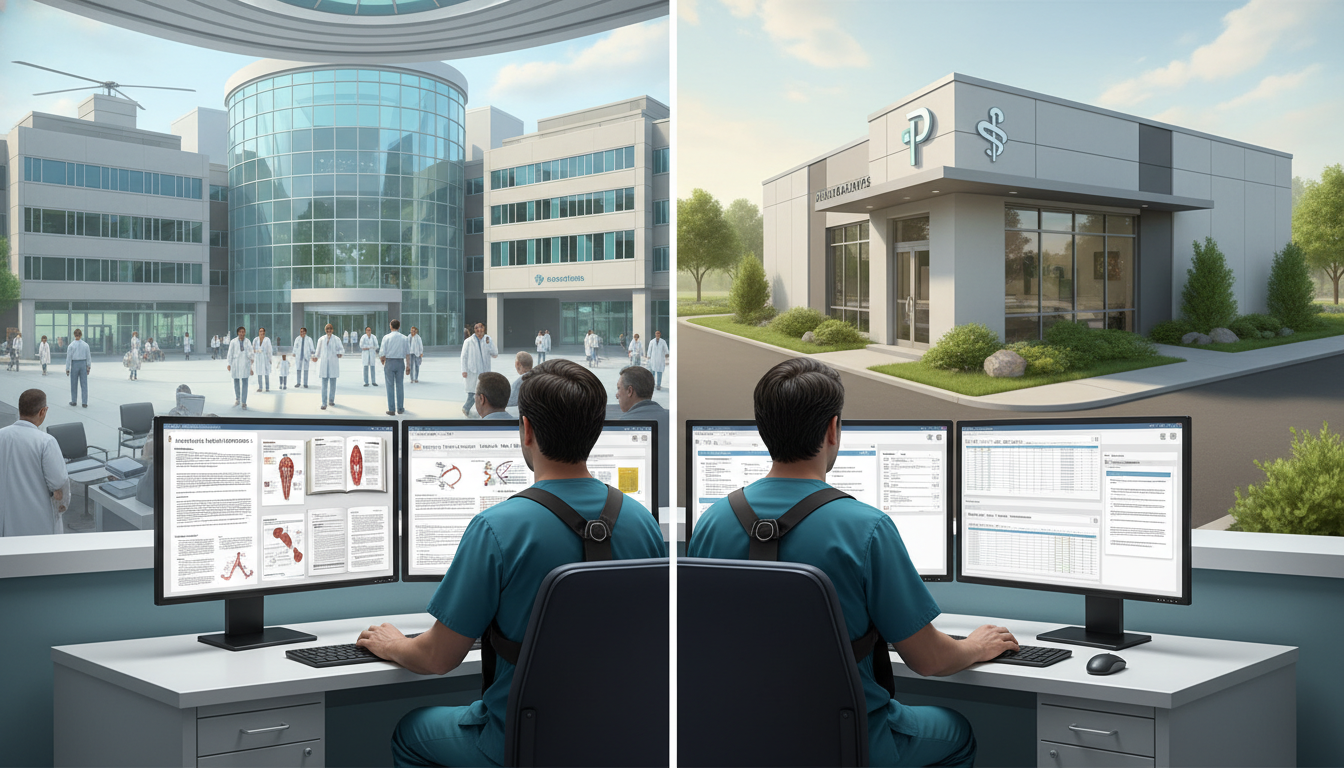
Understanding the Big Picture: Academic vs Private Practice in IR as a Non‑US Citizen IMG
For a non-US citizen IMG (international medical graduate), choosing between academic interventional radiology residency pathways and ultimately an academic vs private practice career is more complex than it is for US graduates. Your choices affect not only your daily work, but also:
- Visa stability and long-term immigration strategy
- Competitiveness in the IR match and subsequent job market
- Research and leadership opportunities
- Income trajectory and lifestyle
- Options for returning to your home country or working internationally
This article walks through these decisions step by step, with a focus on interventional radiology (IR) and the specific realities of being a foreign national medical graduate in the US system.
Core Differences: Academic vs Private Practice in Interventional Radiology
Before adding the visa and IMG layers, it’s important to understand the baseline differences in IR practice settings.
1. Mission and Priorities
Academic IR
- Primary missions:
- Clinical care
- Teaching (residents, fellows, medical students)
- Research and innovation
- Often part of a large university or teaching hospital
- More emphasis on:
- Complex, cutting-edge procedures
- Multi-disciplinary conferences and tumor boards
- Clinical trials and new device adoption
Private Practice IR
- Primary mission: delivering efficient, high-quality clinical care with a strong business focus
- Practice models can include:
- IR within a private radiology group covering multiple hospitals
- Hybrid IR/diagnostic radiology (DR) practices
- Office-based or outpatient-based labs (OBLs) and ambulatory surgery centers (ASCs)
- Emphasis on:
- Volume, efficiency, and financial performance
- Patient referrals and relationship-building with surgeons and internists
- Streamlined procedures with proven benefit and reimbursement
2. Clinical Scope and Case Mix
Academic IR Case Mix
- More likely to involve:
- Complex oncology (Y90, TACE, advanced ablation)
- Complex portal hypertension and TIPS
- Advanced venous interventions (IVC recon, complex DVT)
- Rare or experimental procedures
- Pediatric IR (if at a children’s hospital)
- Often more sub-specialization (e.g., IR oncologist, endovascular specialist, venous expert)
Private Practice IR Case Mix
- Tends to be more bread-and-butter:
- Ports, tunneled lines, biopsies, drains
- Peripheral arterial disease (PAD) interventions
- Uterine fibroid embolization, varicose veins, dialysis access work
- Routine oncology embolizations in some practices
- Case complexity can still be high in large tertiary community centers, but average complexity is often lower than academic quaternary centers
3. Teaching and Research vs Productivity
Academic IR
- Teaching responsibilities:
- Supervising IR residents and fellows in procedures
- Lectures, conferences, and workshops
- Curriculum design and mentorship
- Research:
- Clinical trials, outcomes research, device development
- Grant writing and publications
- Presenting at conferences (SIR, RSNA, SIO, etc.)
- Metrics of success:
- RVUs (relative value units – productivity)
- Publications, grants, educational activities
- Promotion to Assistant/Associate/Full Professor
Private Practice IR
- Limited or no formal teaching or research (unless affiliated with a teaching hospital)
- Productivity usually measured almost entirely by RVUs and financial contribution
- Efficiency, patient satisfaction, and referral satisfaction are key
- Less administrative support for research, fewer protected academic hours

Visa and Immigration Realities for Non‑US Citizen IMG in IR
For a foreign national medical graduate, the academic vs private practice choice is tightly linked to visa options and long-term plans to stay in the US.
1. Common Visas During Training
J-1 (ECFMG-sponsored):
- Most common for IMGs in residency/fellowship
- Requires two-year home-country return after training OR waiver
- Limits moonlighting and outside work opportunities in many programs
H-1B (Institution-sponsored):
- Fewer positions available, more paperwork, and institutional cost
- No home-country return requirement
- Can facilitate smoother transition to employment-based green card (EB2)
Implication:
Academic radiology and university hospitals often have stronger infrastructure for H-1B sponsorship than some private hospitals, but this varies widely by region.
2. J-1 Waiver and Early Career Job Choices
If you are on a J-1 visa during residency/fellowship, you must address the two-year home country physical presence requirement or obtain a waiver (e.g., Conrad 30 or other federal programs).
Academic Path Pros/Cons for J-1 Waiver:
- Pros:
- Some academic institutions are in underserved or rural areas and qualify for waivers
- University systems may have experienced immigration offices familiar with waiver processes
- Cons:
- Many academic centers are in non-underserved urban areas and cannot sponsor J-1 waivers
- You may have to choose a practice location based on waiver availability rather than ideal academic fit
Private Practice Path Pros/Cons for J-1 Waiver:
- Pros:
- More jobs in smaller cities and rural hospitals (higher chance of being in underserved settings)
- Some private groups specifically recruit J-1 waiver candidates
- Cons:
- Not all private hospitals have the experience or willingness to navigate J-1 waivers
- You may need to accept a position in a location you would not otherwise choose just to secure a waiver
3. H-1B Sponsorship Considerations
Academic IR Positions:
- University/hospital HR departments are typically familiar with H-1B petitions
- Jobs may be “cap-exempt” if attached to non-profit academic institutions, allowing year-round filing
- Good stepping stone for EB2 or EB1 pathways (especially if you build a robust academic portfolio)
Private Practice IR Positions:
- Some large private or hospital-employed practices sponsor H-1B
- Smaller groups or OBL-only groups may avoid H-1B due to cost and complexity
- Cap-subject employers must navigate lottery risk unless you previously held a cap-exempt H-1B
4. Long-term Immigration: Green Card Strategy
Academic Medicine Career Impact:
- Strong research record, publications, and national/international presentations can support:
- EB1-A (Extraordinary Ability)
- EB1-B (Outstanding Professor/Researcher)
- National Interest Waiver (NIW)
- University letters of support and recognition in the field of IR can be powerful
Private Practice vs Academic: Green Card View
- Private practice jobs commonly support EB2 employer-sponsored green cards
- If you build academic-level achievements while in private practice (publications, leadership roles, national society involvement), you may still qualify for EB1 or NIW
- However, building a strong academic portfolio is often more structured and supported in academic positions
Key Takeaway:
For a non-US citizen IMG, academic IR early in your career can significantly strengthen your immigration profile, even if you plan to transition to private practice later.
Training Path, IR Match Strategy, and Future Career Options
Choosing between academic and private practice doesn’t start after fellowship; it starts with how you navigate the interventional radiology residency and IR match.
1. IR Match Strategy as a Non-US Citizen IMG
Keywords like “IR match” and “non-US citizen IMG” often appear together for a reason: IR is competitive, and visas add complexity.
For an academic medicine career target:
- Aim for:
- Integrated IR residencies or strong DR programs with ESIR at academic centers
- Programs with established research infrastructure and track record of placing graduates into academic IR jobs
- Focus on:
- Early research involvement in IR topics
- Presentations at SIR, RSNA, ASNR, or your regional IR meetings
- Strong letters from academic IR faculty
For a private practice-focused career:
- IR/DR training still best achieved at reputable academic or hybrid centers
- But you can:
- Choose programs with high procedural volume and exposure to outpatient vascular work
- Prioritize hands-on autonomy and case numbers over pure research output
- Still do some research—this helps both academic and private practice careers
2. Skill Sets Valued in Each Setting
Academic IR Priorities:
- Depth in complex IR procedures, especially in:
- Interventional oncology
- Advanced venous/arterial interventions
- TIPS, complex portal hypertension work
- Academic competencies:
- Grant writing, statistics, study design
- Teaching and mentorship skills
- Comfort with IR journal clubs and evidence-based practice
Private Practice IR Priorities:
- Bread-and-butter procedural efficiency:
- Ports, lines, drains, biopsies, PAD, venous interventions, fibroid embolization
- Business mindset:
- Understanding CPT coding and reimbursement
- Clinic development, patient marketing, referring physician relationship-building
- Operational insight:
- Workflow optimization
- Managing OBL/ASC operational challenges
3. Flexibility to Switch Later
Choosing a career path in medicine, especially IR, does not lock you into one lane forever—but switching can be easier in one direction.
Academic → Private Practice:
- Generally easier, especially if you have strong technical skills and reasonable productivity history
- Private groups value your high-end procedural experience and reputation
Private Practice → Academic:
- More challenging unless you maintained academic activities:
- Publications, registries, outcomes data from your practice
- Conference presentations or society involvement
- Teaching experience and demonstrable clinical excellence are essential
- More challenging unless you maintained academic activities:
For a non-US citizen IMG, initially favoring academic IR for 3–5 years can keep nearly all doors open, both academically and in private practice, while also supporting immigration goals.
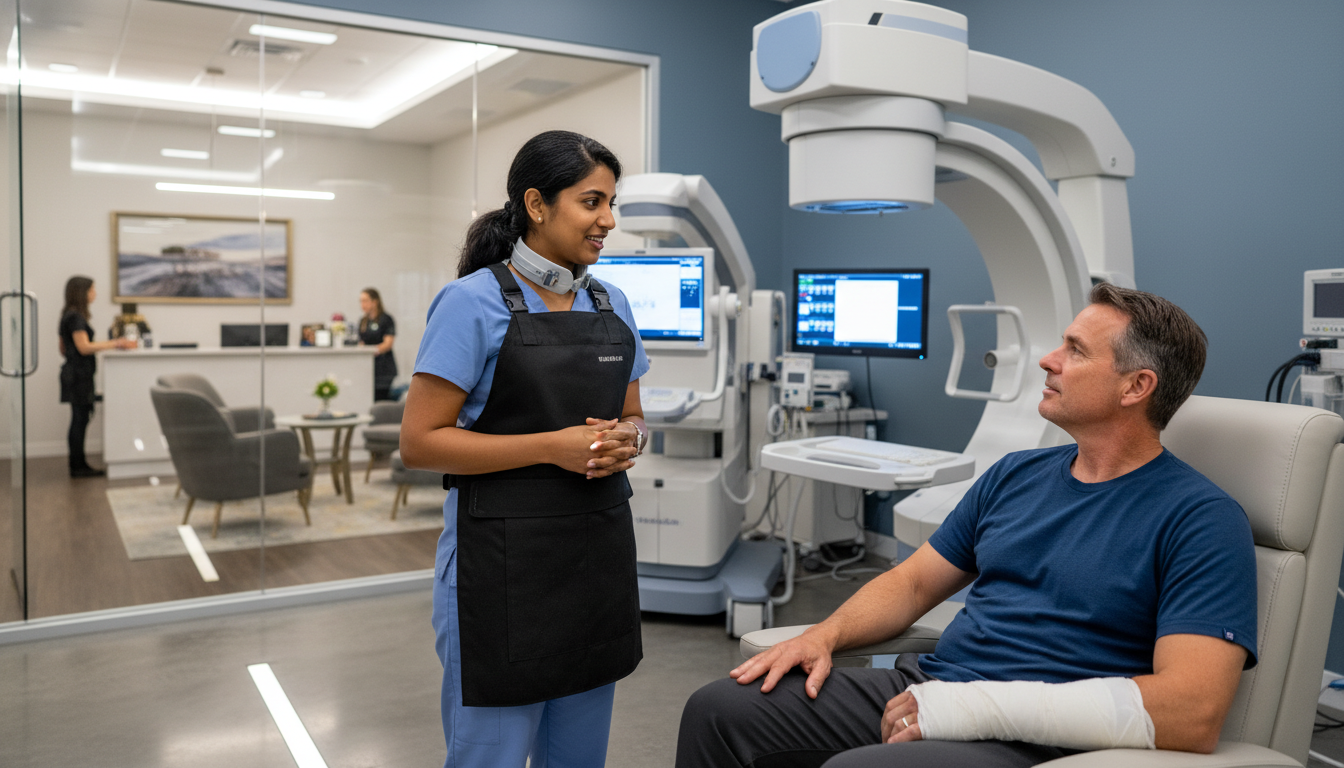
Lifestyle, Income, and Daily Work: What to Expect in Each Path
Beyond visas and the IR match, your day-to-day life matters. Many foreign national medical graduates underestimate lifestyle differences between academic and private practice IR.
1. Work Hours and Call
Academic IR:
- More frequent call but often better distributed in larger departments
- Call may involve:
- Trauma interventions
- GI bleeds, emergent embolization
- Complex inpatient consults
- Daytime: often a mix of procedures, clinics, multidisciplinary conferences, and teaching
- Relative predictability in daytime schedule but often intense
Private Practice IR:
- Call patterns vary widely:
- Some groups share call across multiple hospitals, making it heavier
- Others have hospitalists or transfer agreements that decrease IR call
- Outpatient-focused IR practices may have limited nighttime emergencies
- Daytime can be very procedure-heavy and clinic-focused with less formal conference time
2. Compensation and Financial Trajectory
Academic IR:
- Typically lower starting and long-term salary than private practice
- May offer:
- Loan repayment programs (in some states or institutions)
- Retirement benefits, academic stipends, CME funds
- Income tends to be more stable and less volume-sensitive
- Some academic IRs supplement income with consulting, device development, or expert speaking
Private Practice IR:
- Generally higher earning potential, especially in:
- Busy OBL/ASC-based vascular and venous practices
- High-volume community hospitals
- Compensation often tied to RVUs, collections, or partnership track
- Ability to increase income by:
- Expanding service lines (varicose vein clinics, PAD clinics, fibroid centers)
- Marketing and developing referral networks
For a non-US citizen IMG, early academic positions may be strategically better for visas and CV-building, even if you eventually transition to higher-paying private practice work.
3. Autonomy and Leadership Opportunities
Academic IR:
- Institutional hierarchy can slow decision-making
- Leadership roles (program director, division chief) typically require:
- Years of service
- Robust academic portfolio
- However, you may have more opportunities to:
- Lead clinical trials
- Chair committees
- Direct educational programs
Private Practice IR:
- Potential for rapid autonomy if you join a smaller or growing group
- Leadership in:
- Practice management, business decisions
- New OBL/ASC projects
- Branding and community outreach
- Performance and business acumen can move you into leadership quickly, regardless of academic titles
Practical Roadmaps: How to Decide and Plan Your Career as a Non-US Citizen IMG in IR
This section gives concrete strategies for choosing a career path in medicine within IR and positioning yourself for success.
1. Clarify Your Long-Term Priorities
Rank the following, honestly, for yourself:
- Long-term US immigration stability (green card, citizenship)
- High income potential
- Cutting-edge procedures and complex cases
- Teaching and academic recognition
- Geographic preference (big city vs smaller community)
- Work-life balance and schedule predictability
Example Scenarios:
If you rank immigration stability, academic recognition, and complex cases at the top:
→ Start in academic IR at a strong university hospital, aim for EB1/NIW, then decide later about private practice.If you rank income, autonomy, and outpatient practice at the top:
→ Still pursue strong academic or hybrid training in IR, then target private practice that sponsors visas and is open to building OBL/ASC models.
2. Optimize Your CV During Training
Regardless of your final destination, as a non-US citizen IMG in IR, you should:
During residency/fellowship:
- Participate in at least 1–2 IR research projects (retrospective, QI, outcomes)
- Present at least once at a national or major regional IR meeting
- Seek mentorship from a faculty member who understands both academic and private practice environments
- Learn basic statistics and manuscript writing
If leaning academic:
- Aim for multiple publications, especially as first or second author
- Join IR subcommittees (SIR resident/fellow groups, etc.)
- Seek roles like chief resident/fellow, lead quality-improvement projects
If leaning private practice:
- Gain experience in clinic settings and longitudinal patient follow-up
- Learn about billing/coding, OBL operations, and practice management basics
- Rotate at community sites if your program offers it
3. Job Search Strategy by Path
For Academic IR Jobs (as a non-US citizen IMG):
- Start 12–18 months before graduation
- Prioritize:
- Institutions with strong immigration support and history of hiring IMGs
- Clear description of protected research/teaching time
- Ask directly:
- “Do you sponsor H-1B visas?”
- “Have you supported green card applications for foreign national faculty?”
- “What is the expectation for RVUs vs academic productivity?”
For Private Practice IR Jobs:
- Start at least 12 months before graduation (earlier if J-1 waiver needed)
- Target:
- Groups with prior experience with H-1B or J-1 waiver sponsorship
- Hospital-employed IR positions in underserved areas if waiver is required
- Ask:
- “How many IR physicians are in the group and what is their call schedule?”
- “Is the group open to visa sponsorship and long-term immigration support?”
- “What is the partnership track and income potential after partnership?”
4. Hybrid or Transitional Approaches
You don’t necessarily have to choose pure academic or pure private from day one.
Hybrid Strategies:
- Join a university-affiliated community practice with a mix of teaching and private-style workload
- Start in academic IR for 3–5 years, build your portfolio and immigration status, then move to private practice
- Join a large private group that participates in resident teaching at an affiliated hospital (limited academic exposure but not zero)
This approach is often ideal for a non-US citizen IMG, as it combines:
- Academic credentials for immigration and career prestige
- Long-term ability to transition to higher-paying private practice roles
- A flexible foundation for future choices, including international opportunities or returning home with strong academic credentials
Frequently Asked Questions (FAQ)
1. As a non-US citizen IMG, is academic IR always better than private practice for my first job?
Not always, but often academic IR is more strategically advantageous early on because:
- Universities are more familiar with H-1B and green card sponsorship
- You can build a stronger academic record to support EB1 or NIW applications
- You gain exposure to complex cases and teaching that keep both academic and private practice options open
However, if you have a strong J-1 waiver offer in a private practice with good immigration support and career growth, that may be the better immediate choice.
2. Can I transition from private practice IR to academic IR later as a foreign national medical graduate?
Yes, but it’s more challenging. To keep academic doors open:
- Maintain involvement in research or quality projects and publish outcomes from your private practice
- Remain active in national societies (e.g., SIR) and attend/present at meetings
- Document teaching activities (students, residents, or community lectures)
- Build a reputation in a niche (e.g., PAD, venous disease, fibroid embolization) that academic programs might value
3. Does choosing academic IR guarantee a green card or EB1?
No, there’s no guarantee. But academic IR:
- Provides a structured environment to build a strong CV with publications, leadership roles, and national recognition
- Makes it easier to accumulate the kind of evidence required for EB1/NIW
- Usually comes with institutional support for immigration petitions
You still need to be proactive: publish, present, join committees, and seek leadership roles.
4. If my long-term goal is high income and running my own OBL/ASC, should I avoid academic IR?
Not necessarily. A short period in academic IR can:
- Sharpen your skills with complex cases and broaden your clinical judgment
- Enhance your credibility with referring physicians and patients when you later open an OBL
- Support your immigration status, making long-term planning easier
You can view academic IR as a “launch pad” rather than a permanent destination—especially useful for a non-US citizen IMG who needs stability and strong credentials before fully committing to entrepreneurial private practice.
Choosing between academic and private practice in interventional radiology as a non-US citizen IMG is not a one-time, irreversible decision. Think in stages: optimize your IR match and training, secure a visa-friendly first job that builds both your skills and CV, and then re-evaluate your ideal balance of academic activity, income, and lifestyle every few years. With deliberate planning, you can design a career path in medicine that fits your professional ambitions, personal life, and immigration goals.