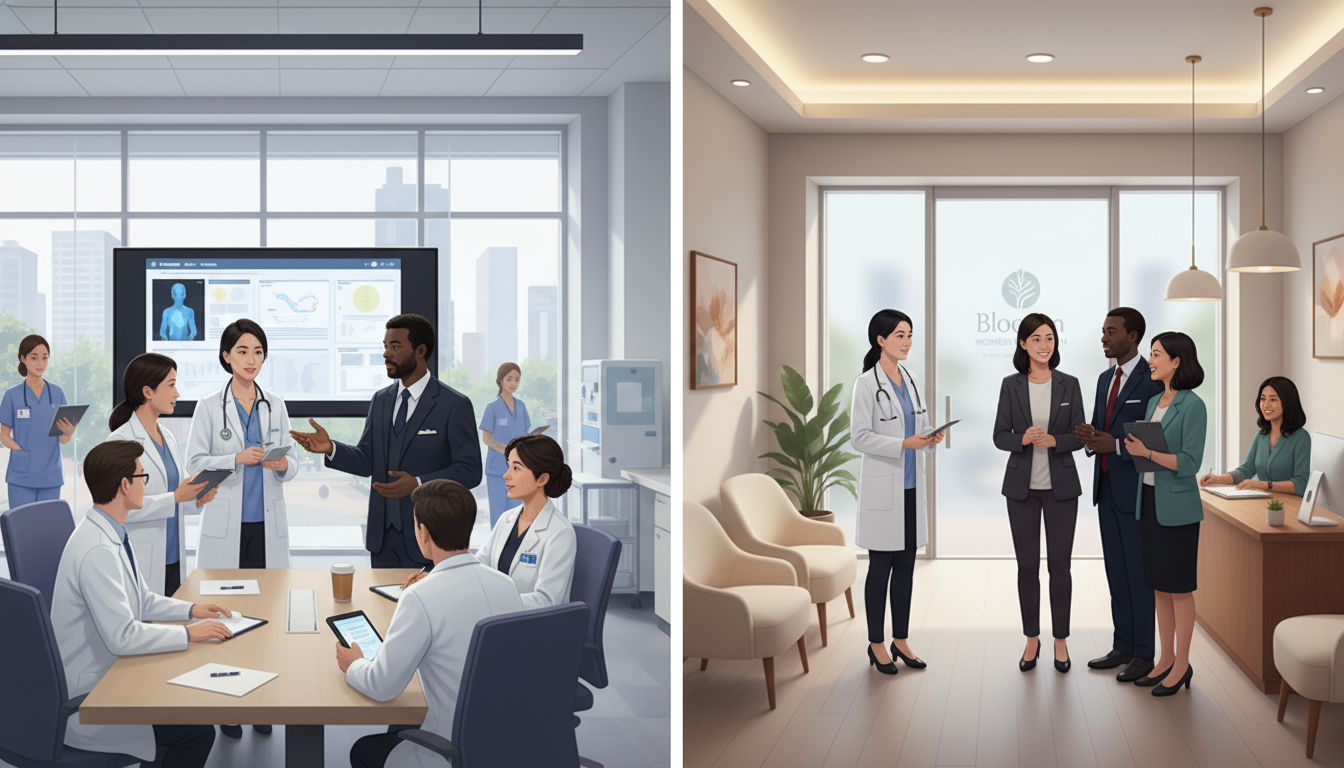
Understanding the Landscape: Why This Decision Matters for US Citizen IMGs
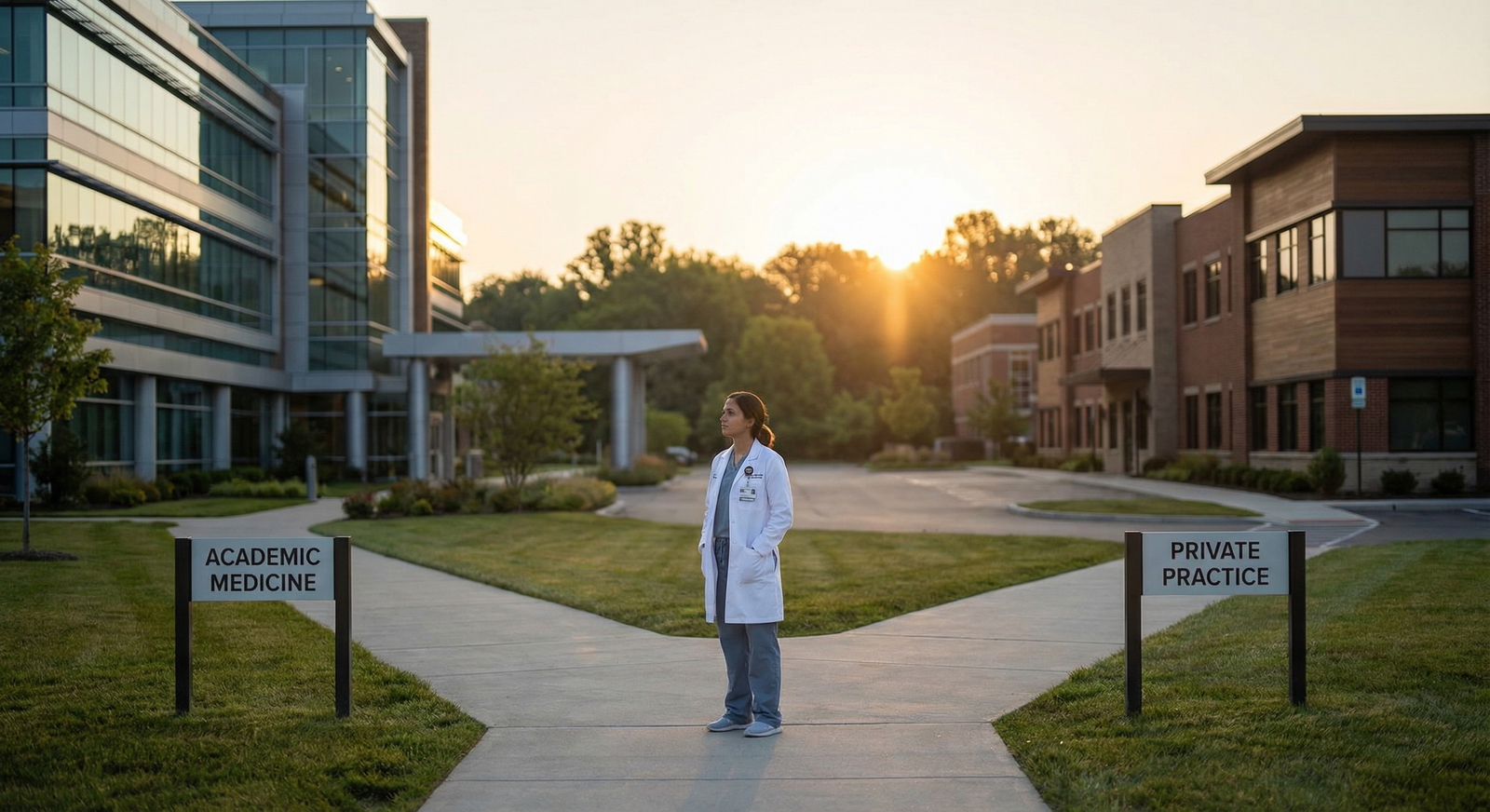
For a US citizen IMG (American studying abroad) who has matched or is hoping to match into a radiology residency, the question of academic vs private practice can feel distant during MS3/MS4 or early residency. Yet this decision shapes:
- Your day-to-day workload and pace
- Your income trajectory and loan repayment strategy
- Your geographic flexibility
- Your role in education and research
- Your long‑term academic medicine career options
Because US citizen IMGs (often Americans studying abroad in the Caribbean, Europe, or elsewhere) may feel pressure to “prove themselves” academically or worry about job competitiveness, understanding both settings early helps you make deliberate choices: research, networking, fellowship selection, and even which programs you rank highly in the diagnostic radiology match.
This article will walk you through:
- Key differences between academic and private practice radiology
- How these environments impact a US citizen IMG’s career trajectory
- Financial, lifestyle, and geographic trade‑offs
- Practical steps to keep both doors open while still in training
Throughout, we’ll focus specifically on diagnostic radiology and the realities of the post‑residency job market in the US.
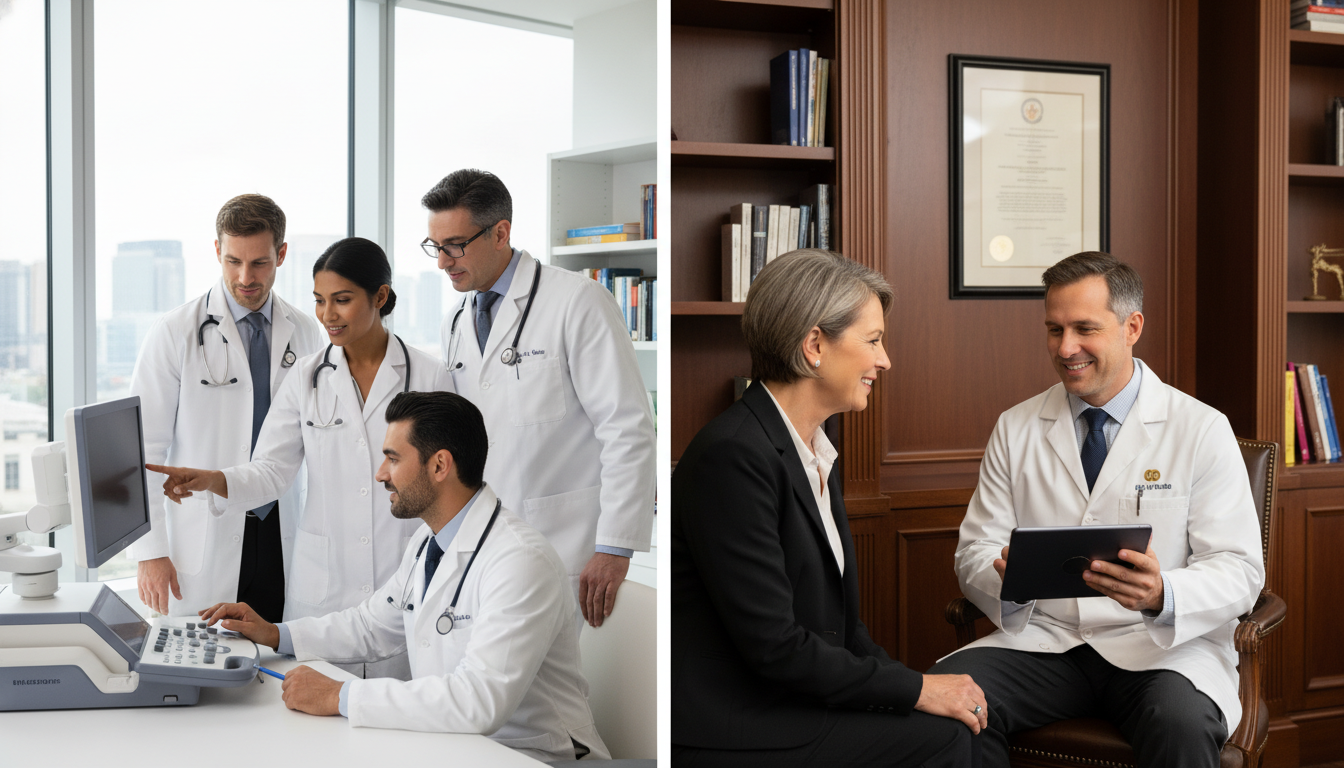
Core Differences: Academic vs Private Practice Radiology
Before thinking about your unique situation as a US citizen IMG, you need a clear picture of what these two worlds actually look like.
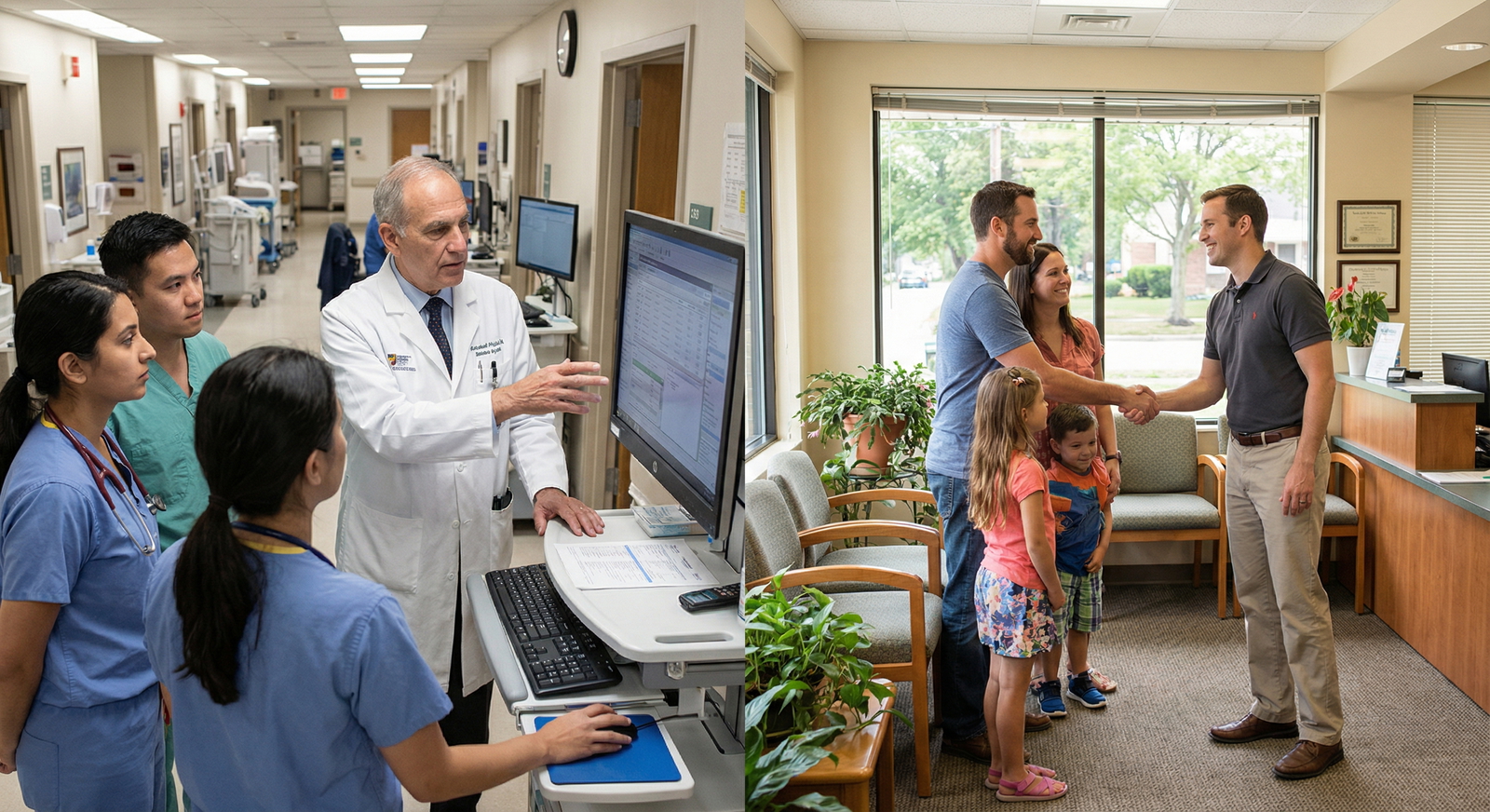
1. Mission and Culture
Academic Radiology
- Core missions:
- Patient care
- Teaching (medical students, residents, fellows)
- Research and innovation
- Environment:
- Affiliated with a medical school and/or university hospital
- Regular conferences, grand rounds, tumor boards
- Culture of presentations, publications, and mentorship
- Expectations:
- Participation in didactics and trainee education
- Variable research expectations depending on track and institution
- Involvement in quality improvement (QI) and committees
Private Practice Radiology
- Core mission:
- Clinical service and efficient, high‑quality imaging interpretation
- Environment:
- Independent private group, hospital‑employed group, or large corporate practice
- Productivity‑driven (RVUs, case volumes, turnaround times)
- Expectations:
- Fast, high‑volume reading
- On‑call coverage, sometimes teleradiology
- Limited formal teaching or research (though some groups do both informally)
As a US citizen IMG, you likely spent your early training proving your clinical competence and work ethic. In an academic setting, that “grind” mentality can translate well into research, teaching, and committee work. In private practice, it translates into efficiency, reliability, and strong clinical judgment under time pressure.
2. Types of Cases and Patient Populations
Academic Centers
- Greater proportion of:
- Complex oncologic imaging
- Transplant, advanced cardiac, and high‑end neuro cases
- Rare diseases and tertiary referrals
- More interaction with:
- Subspecialty surgeons and oncologists
- Multidisciplinary conferences (tumor boards, M&M, etc.)
- Exposure to cutting‑edge imaging techniques and protocols
Private Practice
- Predominantly:
- High‑volume bread‑and‑butter imaging (chest, abdominal CT, MSK)
- ED and inpatient imaging
- Outpatient imaging centers (screening mammography, routine MRI/CT)
- Still substantive clinical depth, but fewer “zebras” and ultra‑rare conditions
- Opportunities to develop strong pattern recognition and efficiency in common studies
For radiologists considering choosing a career path in medicine, think about what excites you: solving complex, rare diagnostic puzzles in conference, or being an exceptionally efficient and accurate interpreter of everyday imaging studies?
3. Structure of the Workday
Academic Radiologist Typical Day (example)
- 7:30–8:00: Review overnight cases, sign out with residents
- 8:00–12:00: Read studies (often with residents/fellows), consult with referring clinicians
- 12:00–1:00: Teaching conference / multidisciplinary conference
- 1:00–4:30: Mix of reading, procedures (e.g., biopsies, drains), meetings, research/admin time
- Protected time:
- Often a half‑day or full day per week for research/teaching/admin depending on your track
Private Practice Radiologist Typical Day (example)
- 7:30–8:00: Start list, review overnight studies, check urgent reads
- 8:00–12:30: High‑volume reading (CT, US, MRI, X‑ray)
- 12:30–1:00: Quick lunch (may continue reading or be on call for urgent consults)
- 1:00–5:00+: Continue reading, protocols, brief calls with clinicians
- Protected time:
- Often minimal; productivity drives schedule
- Meetings generally business‑oriented (group management, contracts, coverage)
For a US citizen IMG who may feel pressure to pay off loans quickly, the RVU‑driven structure of private practice can be attractive. But it requires comfort with sustained high cognitive load.
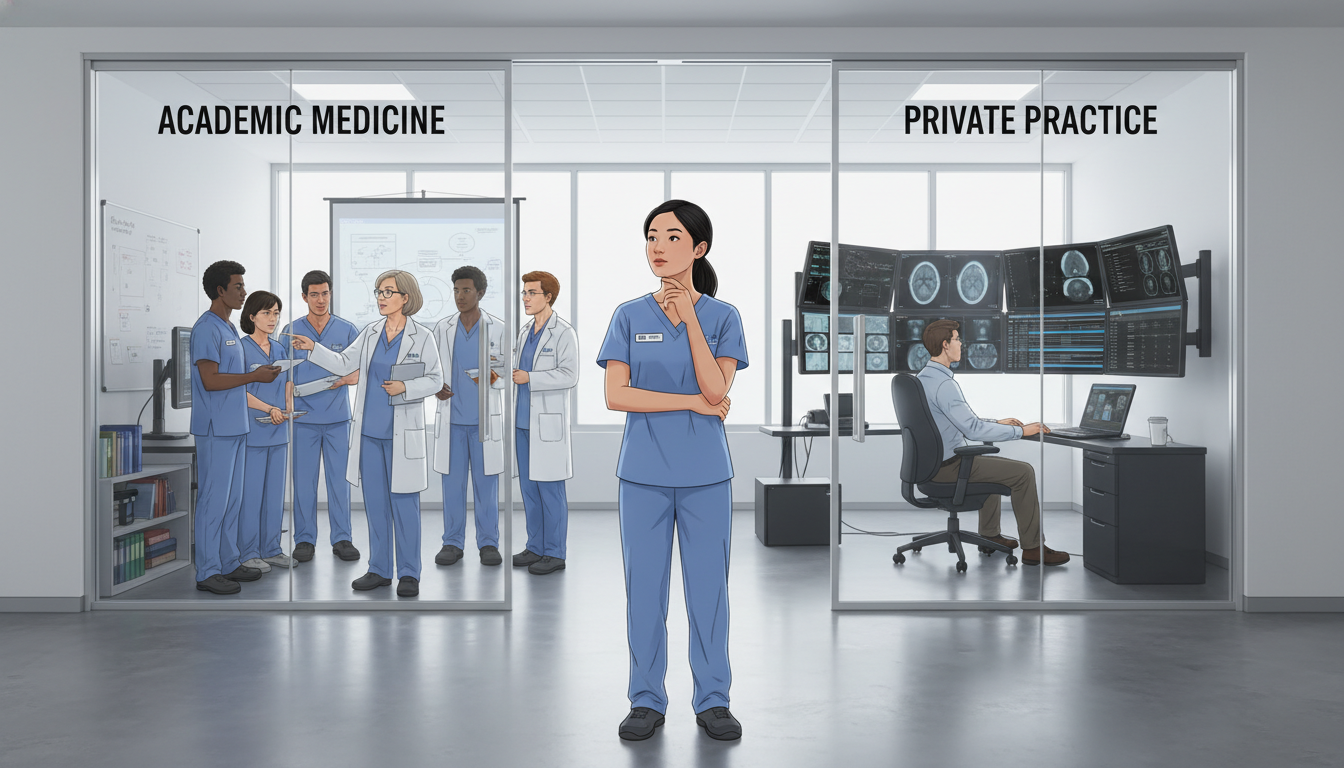
Compensation, Lifestyle, and Work–Life Balance
1. Income Trajectories
Private Practice (PP)
- Generally higher starting and peak compensation than academic jobs
- Income may include:
- Base salary + productivity bonus
- Partnership track with significant income jump after buy‑in
- Profit‑sharing in independent groups
- Typical pattern:
- Year 1–2: Associate-level salary, respectable but not top of the market
- Year 3–5: Partnership consideration; income can markedly increase
- Corporate/teleradiology models:
- High salaries, especially for nights/weekends
- Less equity/ownership, but more flexibility in location
Academic Radiology (AC)
- Lower base salary than private practice in most markets
- Compensation can be augmented by:
- Incentive pay (productivity, extra shifts)
- Administrative stipends (section chief, program director)
- Outside moonlighting (ED reads, community hospitals)
- Academic salary growth:
- More gradual over time
- Relates partly to promotion (Assistant → Associate → Full Professor) and leadership roles
For US citizen IMGs with substantial educational debt from foreign schools (often less access to in‑state tuition), private practice may seem like the obvious path. But consider:
- High academic salaries in certain high cost‑of‑living (HCOL) areas with robust incentives
- Loan repayment or public service loan forgiveness (PSLF) at some public academic centers
- Moonlighting opportunities which can significantly close the salary gap
2. Hours, Call, and Flexibility
Private Practice
- Pros:
- Clearer linkage between hours worked and pay
- Many groups offer 4‑day work weeks or flexible shifts, especially with telerad
- Shorter path to very high earnings
- Cons:
- Intense reading days; high stress from volume and turnaround expectations
- Call burden can be heavy, especially in smaller groups
- Less flexibility around mid‑day conferences or “protected time”
Academic
- Pros:
- More predictable daytime schedule for many subspecialties
- Built‑in academic days or half‑days (depending on track and leadership roles)
- Some departments use night float or separate ED radiology services
- Cons:
- Relative lower pay for similar hours
- Academic obligations (teaching, committees, research) can spill into evenings/weekends
For an American studying abroad who is used to long travel back to the US, visa formalities (if any for spouse), and fragmented support systems, geographic and schedule flexibility can matter more than you might expect. Some private groups now offer hybrid on‑site/telerad arrangements, while academics may be less open to fully remote roles but increasingly flexible, especially for overnight services.
3. Burnout and Job Satisfaction
Burnout in radiology is real in both settings, but its flavor differs.
- Private practice burnout often stems from relentless volume, lack of autonomy in corporate groups, and pressure to be “fast but perfect.”
- Academic burnout tends to arise from bureaucratic load, grant pressure, promotion metrics, and the feeling of being pulled in three directions (clinical, teaching, research).
As a US citizen IMG, reflect on your personality:
- Do you gain energy from mentoring and teaching residents?
- Are you drawn to scholarly projects, innovation, and constant learning?
- Or do you find satisfaction in efficient, high‑quality clinical service and a clear separation between work and home life?
Your honest answers will matter more than labels like “academic” or “private practice.”
Career Growth, Prestige, and Long-Term Opportunities
1. Academic Medicine Career: Pros and Cons
Advantages
- Clear promotions ladder (Assistant → Associate → Full Professor)
- Leadership tracks (section chief, vice chair, chair, program director, fellowship director)
- National recognition: invited talks, society leadership (RSNA, ARRS, subspecialty societies)
- Easier access to:
- Multicenter trials
- Translational research opportunities
- Early access to new technology (AI, novel contrast agents, advanced MRI sequences)
Challenges
- Promotions criteria may include:
- Peer‑reviewed publications
- Grants and external funding
- Teaching evaluations and mentorship record
- Pressure to generate “academic RVUs” on top of clinical productivity
- Pay often lags behind private practice despite additional expectations
For a US citizen IMG, academic environments can be particularly valuable to:
- Systematically build your CV and reputation, especially if your medical school name is less recognized
- Access mentorship for research, subspecialty fellowship, and national networking
- Compensate for initial IMG‑related biases by building a robust academic profile
2. Private Practice vs Academic: Leadership and Non‑Clinical Roles
Contrary to stereotypes, leadership opportunities exist in both sectors.
In Private Practice
- Paths include:
- Practice president or managing partner
- Section head (e.g., MSK, Neuro, Breast) within the group
- Medical director of imaging at a hospital
- Business development, contracting, and operations roles
- Skill set emphasizes:
- Business acumen
- Negotiation and contract management
- Practice finance and workforce planning
In Academia
- Paths include:
- Chief of service, division director, vice chair, chair
- Program director (PD) or associate program director (APD)
- Vice dean, departmental vice chair for education or research
- Skill set emphasizes:
- Educational leadership
- Research and scholarly productivity
- Institutional politics and strategic planning
Your long‑term personality fit matters: if you enjoy business, contracts, and growth strategy, private practice leadership can be extremely fulfilling. If you love curriculum design, resident mentoring, and building research collaborations, an academic medicine career may be more aligned.
3. Switching Between Academic and Private Practice
One of the most reassuring truths: your first job does not lock you in forever.
- Academic → Private Practice is common, especially when radiologists seek higher income or geographic flexibility.
- Private Practice → Academic is harder but very doable if you:
- Maintain subspecialty expertise
- Stay active in local or national societies
- Demonstrate a record of teaching, even in a community setting
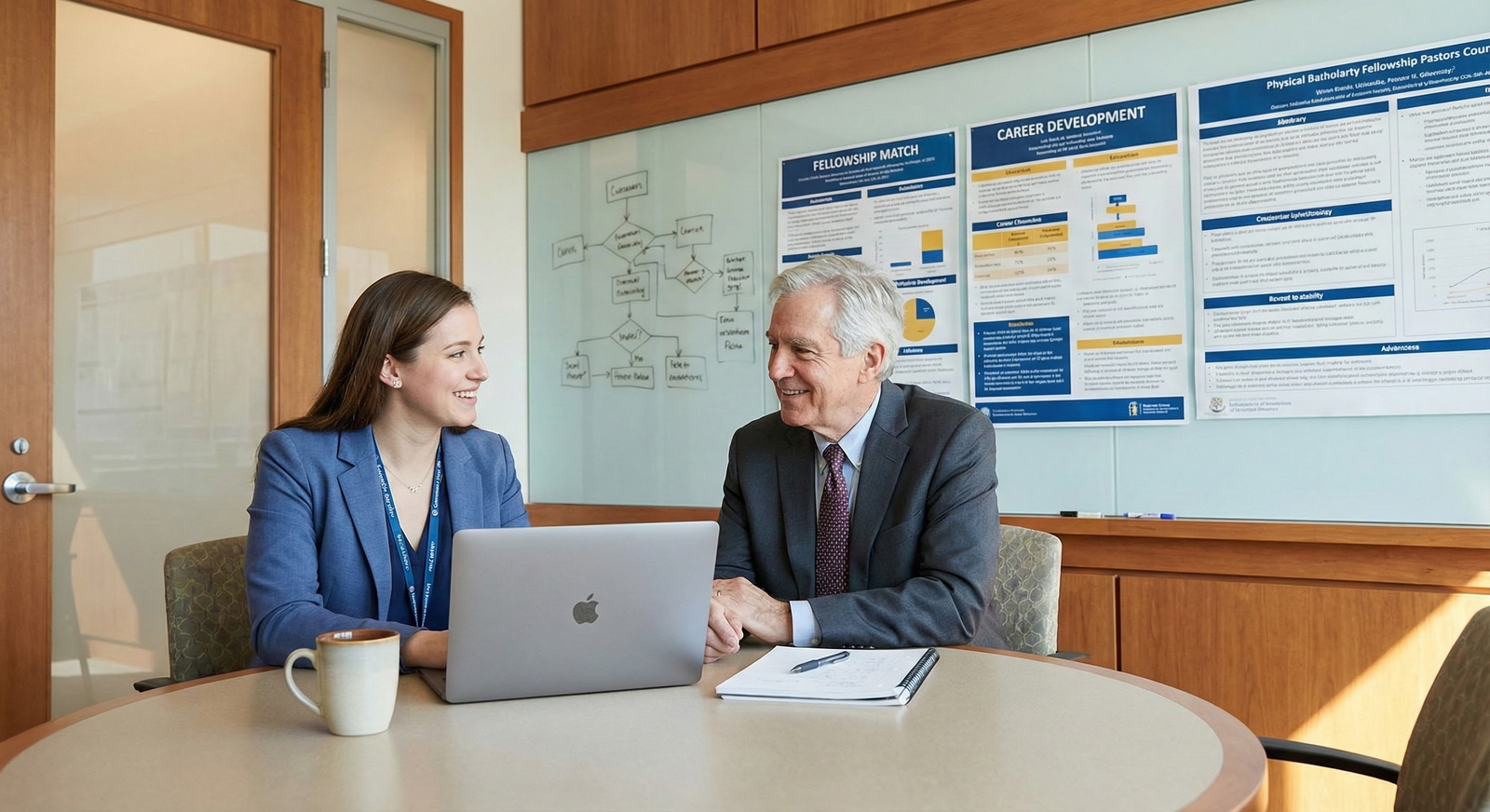
For a US citizen IMG, a powerful strategy is to keep both doors open by:
- Doing a strong, reputable fellowship (often academic) in a defined subspecialty (e.g., MSK, Neuro, IR, Breast, Body)
- Attending and presenting at national meetings (RSNA, ARRS, subspecialty societies)
- Participating in at least some scholarly or educational activities during early practice
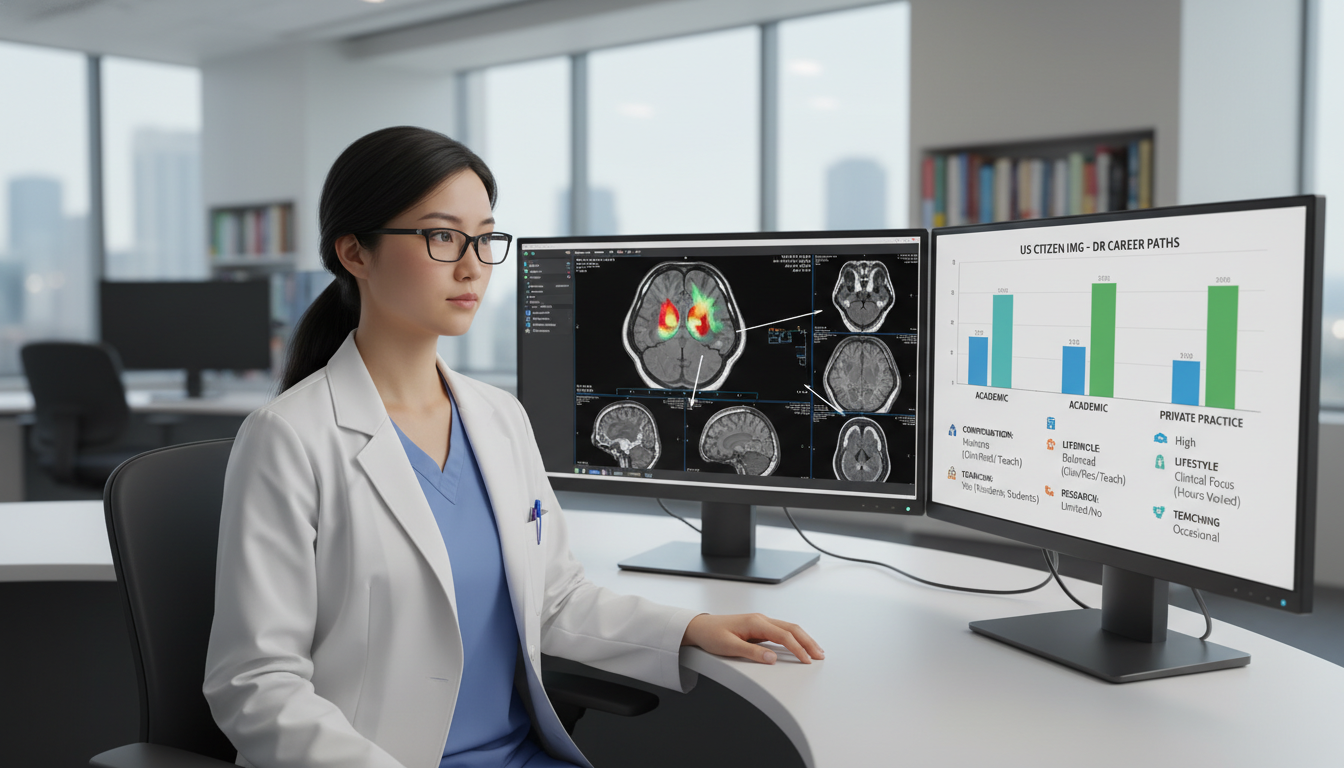
Specific Considerations for US Citizen IMGs in Diagnostic Radiology
1. The IMG Factor: Does It Limit Academic or Private Options?
In the diagnostic radiology match, US citizen IMGs historically face more barriers to entering top US residencies compared with US MD seniors. However, once you’ve:
- Matched into an ACGME‑accredited radiology residency
- Completed a solid fellowship
- Obtained ABR certification
…the IMG status becomes less salient. Employers care more about:
- Your subspecialty skill set
- References and reputation
- Work ethic, communication, and team fit
That said, some elite academic departments may have unconscious (or conscious) prestige bias favoring US MDs from “brand name” schools. As a US citizen IMG interested in academia:
- Be strategic about fellowship choice—high‑reputation academic fellowships open doors
- Build a research portfolio (it doesn’t have to be huge—quality and consistency matter more)
- Seek mentorship from academic radiologists who can advocate for you
In private practice, group partners typically care less about your med school name and more about:
- Can you read efficiently and accurately?
- Will you be reliable and collegial?
- Do you have a subspecialty the market needs (e.g., Breast, Neuro, IR)?
2. Choosing Fellowships With Future Flexibility
Fellowship is a critical pivot point between academic and private practice.
Academic‑Leaning Fellowship Strategy
- One or more years in a major academic center
- Emphasis on a subspecialty with rich research and teaching:
- Neuroradiology
- Body MRI
- Cardiothoracic
- Pediatric radiology
- Value‑add:
- Case conferences, multidisciplinary meetings
- Opportunities to publish and present
Private Practice‑Leaning Fellowship Strategy
- Focus on marketable, high‑demand areas:
- Musculoskeletal
- Neuroradiology
- Breast imaging (especially if comfortable with procedures)
- Interventional radiology
- Consider fellowships known for strong procedural volume and “real‑world” practice exposure
As a US citizen IMG, a hybrid strategy is often best:
- Do your fellowship in a respected academic program
- Get exposure to community/PP environments during fellowship or via moonlighting
- Graduate with both a strong academic CV and procedural/clinical readiness for private practice
3. Geographic Realities and Visa Issues
Most US citizen IMGs do not need a work visa, which actually gives you more flexibility than many non‑US IMGs. However, geographic realities still matter:
- Major coastal academic centers (Boston, NYC, SF, LA) are highly competitive but not impossible, especially after a strong fellowship.
- Many excellent academic roles exist in mid‑sized cities and “flyover” states that are more open to US citizen IMGs with strong credentials.
- Private practice opportunities are abundant nationwide, especially in growing suburbs and mid‑sized cities.
Think ahead about:
- Where you’re willing to live after training
- Whether you prefer a single long‑term home base vs multiple relocations over a career
- Proximity to family support, which influences burnout risk
Practical Steps During Training to Keep Your Options Open
During Medical School (as a US citizen IMG)
- Prioritize US clinical experience (audition rotations) in radiology or related specialties.
- Build relationships with US faculty who can later write strong letters.
- Learn to speak about your “American studying abroad” story with confidence—admissions committees and PDs respect resilience and intentionality.
During Radiology Residency
- Seek out academic projects even if at a community‑based program:
- QI projects
- Retrospective imaging studies
- Case reports and educational exhibits at RSNA/ARRS
- Attend and present at conferences if possible; this builds your network.
- Get involved in resident education (teaching juniors, med students).
- Learn about practice management and group structures—shadow PP radiologists, ask questions about partnership models and governance.
During Fellowship
- Treat fellowship as both an educational and a career launchpad.
- Ask faculty about their career paths: many have moved between academic and private settings.
- Build a strong portfolio of cases, leadership, and references.
- Interview broadly for both academic and private positions to gain perspective before finalizing your path.
FAQs: Academic vs Private Practice for US Citizen IMGs in Diagnostic Radiology
1. As a US citizen IMG, am I less competitive for academic radiology jobs?
Not necessarily. Once you’ve trained and certified in the US, your residency, fellowship, clinical skills, and academic output matter far more than your original medical school. Some top academic centers may favor US MDs from prestigious schools, but many academic departments are deeply merit‑based and value diversity. Publishing, presenting, and cultivating strong mentors can neutralize most stigma around being an IMG.
2. Can I start in private practice and later move into academic medicine?
Yes, though it can be harder without an academic track record. To keep the possibility open:
- Maintain a subspecialty niche (e.g., Neuro, Breast, IR).
- Stay active in professional societies and local teaching (residents, technologists).
- Consider part‑time academic affiliations (adjunct appointments, teaching roles), especially if you work near a medical school or residency program.
Hiring committees will look for evidence that you can contribute to education and/or scholarship, not solely clinical productivity.
3. Does an academic radiology career always mean lower pay?
Academic salaries are usually lower, sometimes substantially, than private practice, especially in competitive urban markets. However:
- Moonlighting, incentive shifts, and administrative roles can significantly boost income.
- Some public academic centers offer loan repayment help, strong retirement benefits, or PSLF eligibility.
- In certain regions, well‑funded academic jobs can approach community/PP compensation, especially for in‑demand subspecialties.
The choice is less about absolute dollars and more about whether the academic mission (teaching, research, leadership) feels worth the trade‑off to you.
4. How early do I need to decide between academic and private practice?
You don’t need a firm decision until late fellowship, and even then, careers are fluid. During residency and fellowship:
- Collect experiences in both settings.
- Talk openly with mentors who have walked different paths.
- Build a CV that signals flexibility: some research/teaching plus strong clinical skills.
For a US citizen IMG in diagnostic radiology, the optimal approach is often to over‑invest in your training quality and reputation during residency and fellowship. With that foundation, both academic and private practice doors will be open—and you can choose the environment that best fits your life, values, and long‑term goals.