Understanding the Big Picture: Career Pathways in Radiation Oncology for Caribbean IMGs
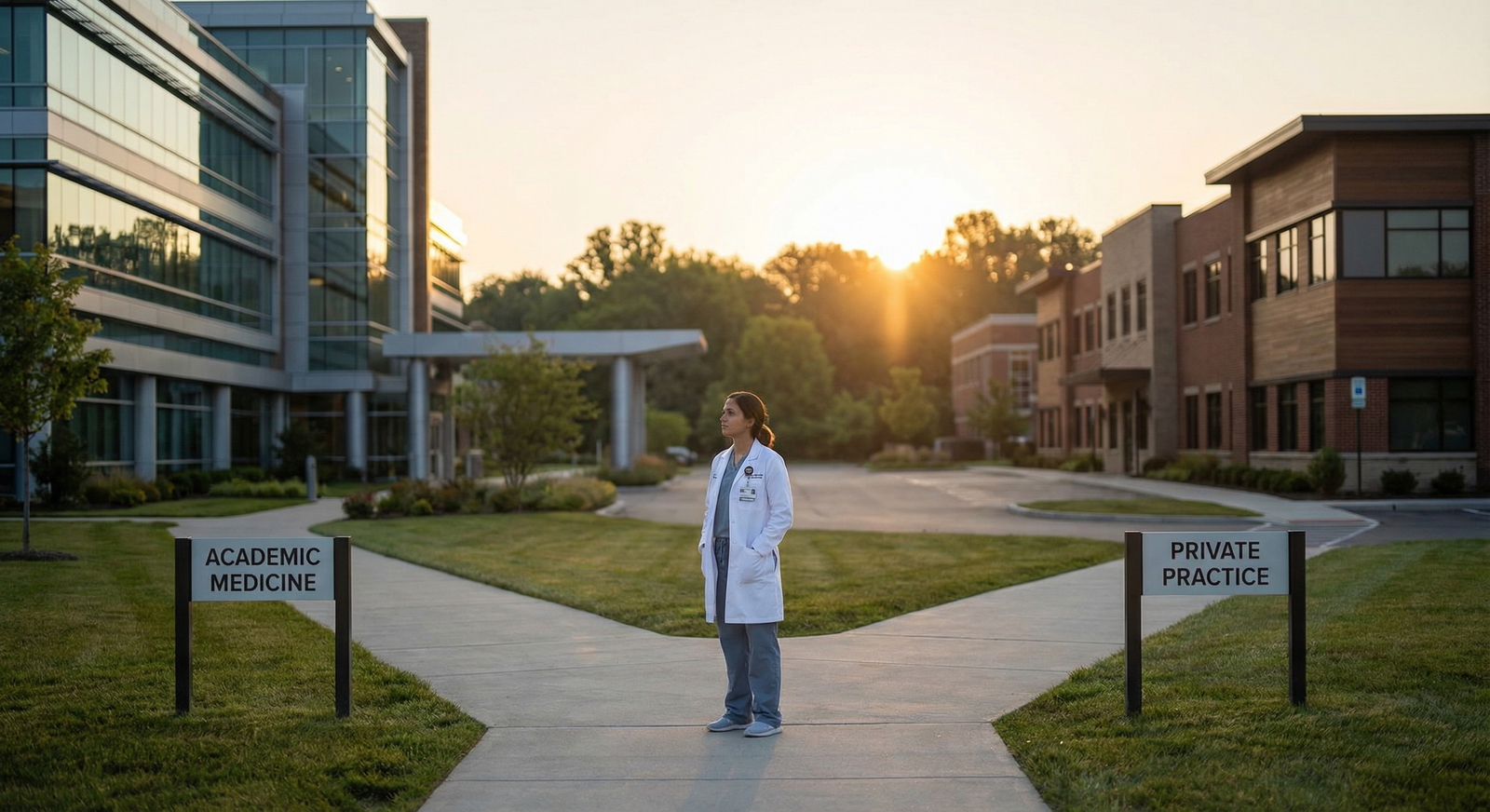
For a Caribbean international medical graduate (IMG) entering radiation oncology, the decision between academic vs private practice is one of the most important career choices you will make. It affects your day-to-day work, income trajectory, geographic flexibility, research involvement, leadership opportunities, and even your long-term happiness in the field.
As a Caribbean medical school graduate, you may already be navigating higher barriers for residency, especially in a competitive field like radiation oncology. Many SGU residency match and other Caribbean medical school residency pathways now lead to rad onc positions in academic centers, hybrid models, or private groups. Understanding what each environment truly looks like—and how your IMG background fits into both—is essential for choosing your career path in medicine intelligently, not reactively.
This article is written specifically for Caribbean IMGs pursuing or completing a radiation oncology residency in the U.S. or Canada. It will help you:
- Compare academic vs private practice radiation oncology in concrete, practical terms
- Understand how your Caribbean IMG status affects opportunities in each setting
- Learn strategies to position yourself for both academic and community careers
- Clarify what you want long-term in your academic medicine career or non-academic path
Core Differences: Academic vs Private Practice in Radiation Oncology
Before going deep into IMG-specific nuances, it’s essential to clarify the fundamental structural differences between academic and private practice settings in radiation oncology.
1. Mission and Primary Focus
Academic Medicine (University or Major Cancer Center)
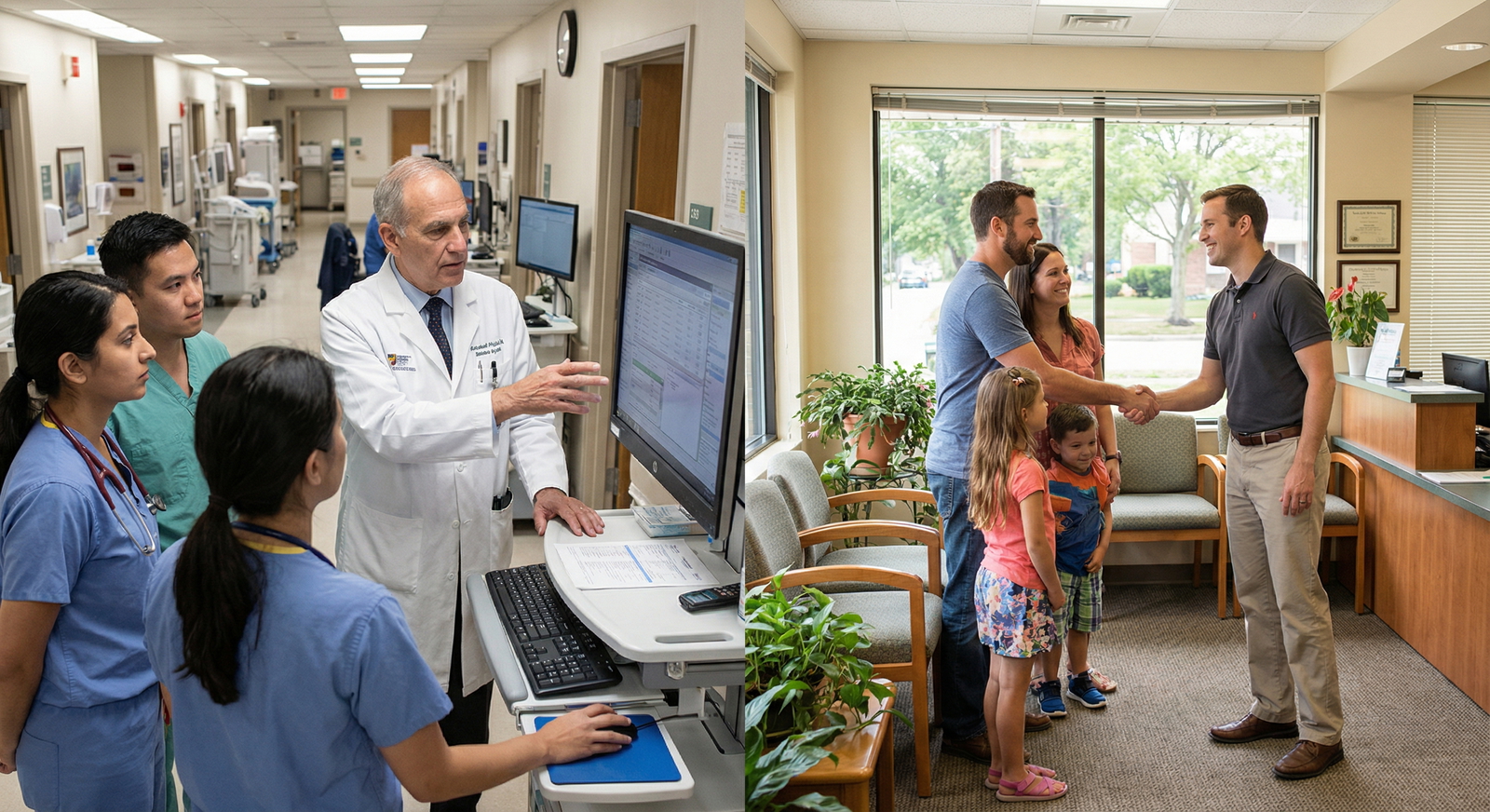
- Primary mission: patient care, research, and education
- Tripartite focus:
- Clinical care
- Research (clinical, translational, basic science, outcomes, or education)
- Teaching (medical students, residents, fellows, other trainees)
- Often part of NCI-designated cancer centers or large university health systems
- Emphasis on innovation, clinical trials, and multidisciplinary tumor boards
Private Practice (Independent or Hospital-Employed Community Practice)
- Primary mission: efficient, high-quality clinical care
- Revenue mostly driven by patient volume and procedure-based billing
- Less structured expectation for research or formal teaching
- May still have tumor boards and some clinical trials, but fewer than large academic centers
What this means for you as a Caribbean IMG:
- In academic settings, your value is not only your ability to treat patients but your potential to contribute to research and education.
- In private settings, your value is your ability to efficiently deliver excellent clinical care, communicate with referring providers, and help grow and sustain the practice.
2. Types of Patients and Clinical Complexity
Academic Radiation Oncology
- Higher proportion of:
- Rare tumors (sarcomas, pediatric malignancies, unusual histologies)
- Complex cases requiring specialized techniques (e.g., adaptive therapy, MR-Linac treatments, intraoperative RT)
- Patients enrolled in clinical trials
- Often more specialized disease-site practice: you might become a “thoracic rad onc,” “GU specialist,” etc.
- Strong multidisciplinary environment with subspecialty tumor boards (e.g., CNS board, GU board, H&N board)
Private Practice / Community Radiation Oncology
- Higher volume of common tumor types: breast, prostate, lung, GI, palliative cases
- Practice may be more generalized—one physician may cover multiple sites (breast, GU, palliative, sometimes CNS or H&N depending on practice size and region)
- Complexity still exists, but you may refer highly complex or rare cases to academic centers
For a Caribbean IMG, this difference impacts your clinical development and marketability. Academic training environments often give you earlier exposure to cutting-edge technology and complex cases, while community settings strengthen your efficiency, independence, and broad generalist skills.
Day-to-Day Life: What Your Job Actually Looks Like
Clinical Workload and Schedule
Academic Radiation Oncologist
- Clinical load may be lower (fewer patients per day) than in busy private practice, especially in research-heavy roles.
- Schedule often includes:
- Clinic days (new consults and follow-ups)
- On-treatment visits (OTVs)
- Contouring and planning time
- Tumor boards and multidisciplinary conferences
- Protected research or academic time (varies widely)
- Teaching responsibilities
- Call duties: often limited and mostly phone-based, but varies by institution and whether brachytherapy or emergent RT (e.g., cord compression) is provided
Private Practice Radiation Oncologist
- Generally higher clinical volume and more tightly scheduled clinic days
- Focus on:
- New consults and follow-ups
- OTVs
- Efficient contouring and plan review
- Close collaboration with dosimetrists, physicists, and therapists
- Less structured time for research; any academic activity is usually self-directed and done outside of core clinical hours
- Call often shared among group members; may be lighter in some community settings where emergent RT is less frequent
For Caribbean IMGs, an honest self-assessment is crucial:
- Do you thrive in a high-paced, clinically heavy environment?
- Or do you prefer a mix of clinical work with protected time for scholarship and teaching?
Teaching and Mentorship Responsibilities
Academic Medicine
- Teaching is a core part of the job:
- Supervising residents and fellows in contouring, planning, clinic, and procedures
- Giving didactic lectures
- Participating in medical student education
- Mentorship responsibilities grow over time—junior faculty often mentor residents; more senior faculty may mentor junior faculty and lead programs
- Teaching effort is often part of promotion criteria (e.g., demonstrating educational contributions, curriculum development, evaluations)
Private Practice
- Less formal teaching, though you may:
- Supervise physician assistants, nurse practitioners, or dosimetrists
- Teach medical students if your site hosts them
- Mentor early-career colleagues or APPs
- Academic medicine career style teaching expectations are generally minimal
- If you miss teaching in private practice, you can still get involved in guest lectures for nearby programs or remote educational sessions
As a Caribbean IMG, teaching in academia can be a powerful way to “pay it forward” and combat stereotypes about IMGs by modeling excellence.
Income, Job Security, and Lifestyle: The Hard Truths
Compensation Structures
Academic Radiation Oncology
- Typically salaried, often with RVU (productivity) or incentive components
- Base salary may be lower than in private practice, especially early on
- Benefits often robust:
- Strong retirement plans
- Health insurance
- CME support
- Paid time off
- Some academic centers offer additional compensation for:
- Leadership roles (e.g., program director, service chief)
- Extra call or coverage
- Grants or research productivity (varies institutionally)
Private Practice Radiation Oncology
- Higher earning potential, especially after partnership:
- Employed model: salary + RVU bonuses
- Physician-owned model: salary with path to partnership and share of profits
- Income more directly tied to volume and efficiency
- Partnership-track positions may offer significant jumps in compensation after buy-in or vesting
- Benefits vary widely by practice and employer (hospital vs independent group)
Reality Check for Caribbean IMGs:
- Many Caribbean IMG graduates carry significant educational debt, especially from schools like SGU, Ross, AUA, etc.
- Private practice incomes may help you service debt faster, but:
- Academic jobs may offer more stable, predictable income and longer-term growth through leadership and grants.
- Some academic centers are now salary-competitive with community jobs, especially in certain regions.
Job Security and Mobility
Academic Positions
- Initial contracts often 1–3 years with renewal based on performance, funding, and department needs
- Promotion pathway: Assistant → Associate → Full Professor
- Tenure vs non-tenure tracks vary widely, and tenure is less common in clinical departments
- Job stability tied to institutional finances, your clinical productivity, and academic output
Private Practice Positions
- Employed positions: contracts may be renewable, but changes in hospital strategy or mergers can affect job security
- Physician-owned groups: job security often strong if practice is healthy and region stable
- Market risk: declining volumes, loss of referrals, or competition can affect income and stability
Caribbean IMGs sometimes worry about being “less secure” in academic roles, but in practice, your reputation, clinical competence, and interpersonal skills are the most important determinants of long-term security in both settings.
Research, Promotion, and Academic Identity for Caribbean IMGs
Research Expectations in Academic Rad Onc
Academic radiation oncology still values research heavily, though the type and intensity vary:
- Clinician-Educator or Clinician-Scholar Tracks
- Majority clinical time
- Research may focus on clinical outcomes, quality improvement, education, or health services
- Publication expectations are moderate but real
- Physician-Scientist / Research-Heavy Tracks
- Significant protected research time (40–80%)
- Expectation of grant funding (e.g., NIH, foundation grants)
- Higher pressure to publish and sustain lab or research programs
Caribbean IMG Considerations:
- You may have had fewer research opportunities in your Caribbean medical school compared to U.S. MDs.
- This doesn’t disqualify you, but you must be intentional:
- Engage in meaningful research during residency and possibly during PGY-1.
- Seek multi-institutional collaborations, quality improvement projects, or outcomes research that doesn’t require a physical lab.
- Work with mentors who are productive and supportive of IMG trainees.
If you trained at places common in SGU residency match pipelines, note that many of those programs are community-based or hybrid settings. You can still build a strong academic CV by:
- Publishing case series, retrospective reviews, and clinical outcomes projects
- Getting involved in cooperative group trials
- Presenting at ASTRO, ASCO, or specialty meetings
Promotion and Academic Medicine Career Growth
In an academic medicine career, promotion committees typically evaluate:
- Clinical excellence (evaluations, patient satisfaction, service growth)
- Research productivity (publications, grants, presentations)
- Teaching (evaluations, curriculum development, teaching awards)
- Service (committees, diversity and inclusion work, outreach, leadership)
For Caribbean IMGs, there may be subtle or overt bias, but consistent high performance will help overcome this over time. Strategies:
- Document everything: teaching hours, invited talks, committee work
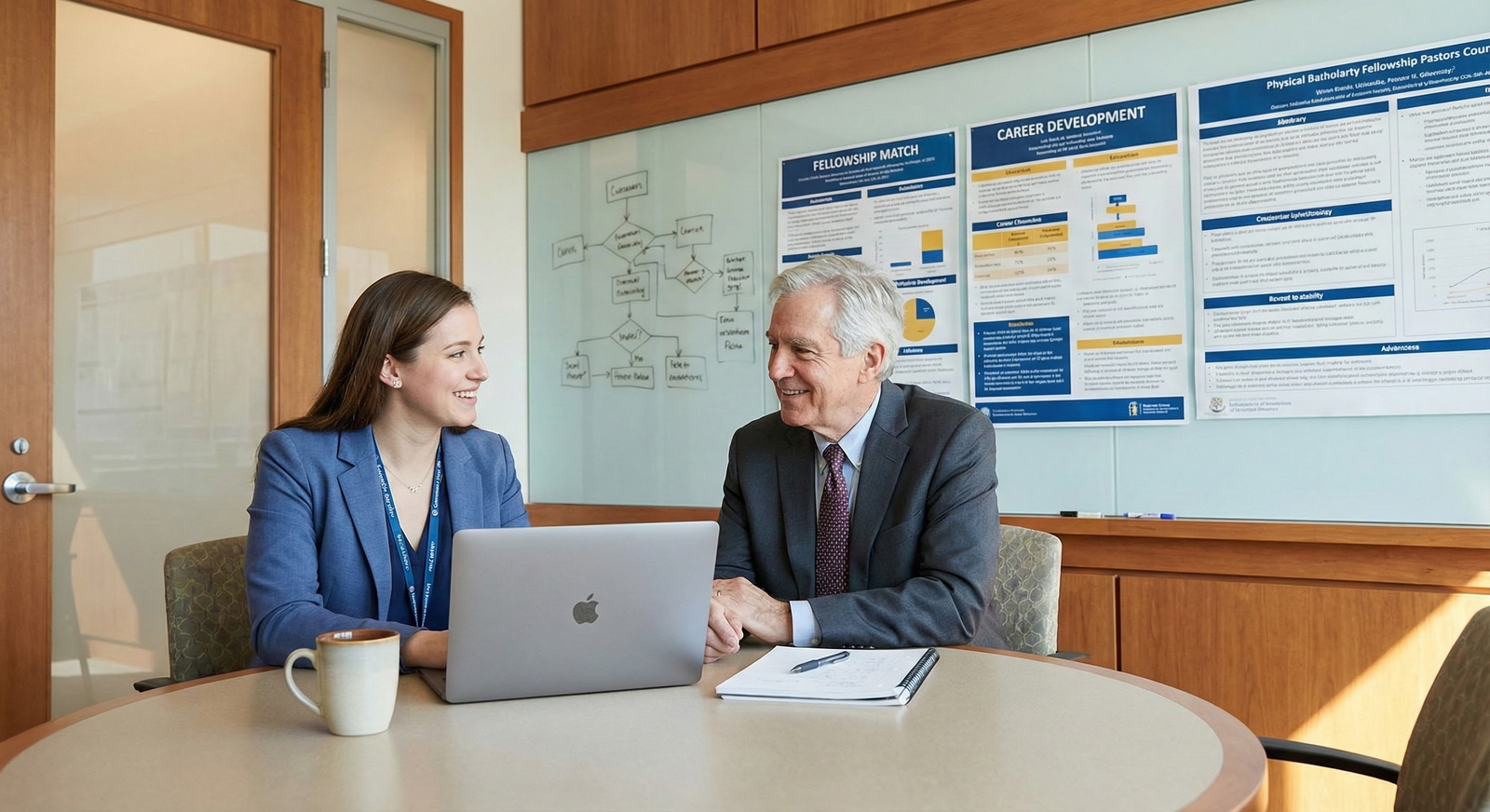
- Seek mentors and sponsors—ideally more than one, including those who understand IMG dynamics
- Consider leadership in areas where your perspective as an IMG is uniquely valuable (e.g., global radiation oncology, diversity and inclusion, access to care)

Private Practice Realities: Workflow, Business, and Autonomy
Clinical and Operational Responsibilities
In private practice, especially in smaller groups, you may be more directly involved in operations:
- Participating in equipment purchasing decisions (e.g., adding SBRT, MR-Linac, proton therapy partnerships)
- Working closely with administrators on scheduling, staffing, and quality metrics
- Managing relationships with referring physicians and community oncologists
- Possibly covering multiple sites (e.g., rotating between satellites)
For a Caribbean IMG, this environment can be rewarding if you:
- Enjoy autonomy and seeing tangible impact on how the practice runs
- Are comfortable with business concepts like collections, payer mix, and RVUs
- Want to develop local ties and become the “go-to” radiation oncologist in your region
Private Practice vs Academic: Lifestyle and Flexibility
There is no universal rule, but some patterns exist:
Private Practice
- Often more predictable clinic-based schedule once you’re established
- Income can support more geographic and financial flexibility (e.g., earlier loan payoff)
- Vacation/time off can be generous in partnership models but may require cross-coverage and careful group coordination
Academic Medicine
- More non-clinical meetings (committees, research, teaching conferences)
- Some flexibility in working on research from home, especially writing and data analysis
- Travel for conferences and academic collaborations may be encouraged and supported financially
In both settings, radiation oncology tends to have more controllable hours than many other specialties, but burnout is still real. Caribbean IMGs may feel extra pressure to be “perfect” or constantly prove themselves; this can be intense in both high-volume community settings and high-expectation academic departments.
Strategic Planning: How Caribbean IMGs Can Position Themselves for Either Path
During Residency: Build a Flexible, Transferable Profile
Regardless of whether you want academic or private practice, radiation oncology residency is your main leverage point. Focus on:
Clinical Excellence
- Be reliable, detail-oriented, and kind to patients and staff.
- Seek strong evaluations and letters from attendings who see your best work.
Research Involvement
- At least 1–2 projects that lead to publications or national meeting abstracts.
- If aiming for academic medicine, aim higher: multiple first-author papers, ASTRO presentations.
Teaching Experience
- Volunteer to give resident talks, medical student lectures, or journal clubs.
- Participate in curriculum projects or educational QI initiatives if possible.
Professional Networking
- Attend national meetings (ASTRO, ASCO, regional rad onc societies).
- Join interest groups (e.g., ROCA, DEI committees, global oncology working groups).
- Leverage fellow Caribbean grad networks (e.g., SGU, Ross alumni) already in radiation oncology.
This balanced approach keeps both academic and private practice doors open.
Choosing Your First Job: Key Questions to Ask
When comparing offers, especially as a Caribbean IMG in radiation oncology, go beyond salary. Ask:
For Academic Positions:
- How much protected research time is realistic vs what is written in the contract?
- What are promotion expectations and typical timelines?
- How many publications do successful junior faculty produce in the first 3–5 years?
- What support exists for grant writing, statistical analysis, and study coordination?
- What is the teaching load, and how is teaching effort recognized?
- Are there other IMGs on faculty, and what has their trajectory been?
For Private Practice Positions:
- What is the structure—hospital-employed, private group, or corporate group (e.g., national chain)?
- What is the realistic patient volume for a full-time radiation oncologist in this practice?
- Is there a clear, written path to partnership? What is the buy-in and timeline?
- How many locations will you cover? How much commute or driving is expected?
- What is the payer mix (Medicare, Medicaid, commercial, self-pay)?
- Who makes major decisions about equipment, staffing, and strategy?
Hybrid Careers and Non-Linear Paths
Choosing career path medicine is not always binary. Many radiation oncologists eventually blend elements of both:
- Academic faculty with satellite community coverage
- Community physicians with adjunct academic appointments and teaching roles
- Transitions from academic to private practice (or vice versa) after a few years
As a Caribbean IMG, you may find that starting in academia builds a strong profile and network, making later transition to a high-quality private practice easier. Conversely, a strong community practice background with excellent clinical references and some sustained academic activity (publications, trials, teaching) can eventually support an academic move.
Putting It All Together: Decision Framework for Caribbean IMGs
When weighing academic vs private practice as a Caribbean IMG in radiation oncology, step back and ask:
What energizes me the most?
- Direct patient care and efficiency?
- Teaching and mentorship?
- Research and scholarly output?
- Leadership and building systems or programs?
What are my financial realities?
- Total educational debt (Caribbean tuition + interest)
- Family responsibilities and geographic constraints
- How much does rapid debt repayment versus academic engagement matter to me?
How important is title and academic identity?
- Do I want “Professor” attached to my name and an academic CV?
- Or do I care more about local impact, income, and lifestyle consistency?
What kind of colleagues and culture do I want?
- Intellectually intense, research-focused environment?
- Close-knit community group with less academic pressure?
No single answer is correct. The “right” choice is the one that honestly aligns with your values, strengths, and constraints.
Frequently Asked Questions (FAQ)
1. As a Caribbean IMG, am I less competitive for academic radiation oncology positions?
Not inherently, but you face additional perception hurdles. You can mitigate these by:
- Strong residency performance and letters from respected faculty
- Solid research productivity (publications, conference abstracts)
- Evidence of teaching and leadership
- Networking and visible engagement at national meetings
Academic departments are increasingly recognizing talent regardless of degree origin—consistent excellence can overcome IMG bias.
2. Does starting in academic medicine limit my ability to move into private practice later?
Generally, no. In fact, an academic background often helps:
- Demonstrates you can handle complex cases and stay current with evidence
- Shows you are familiar with multidisciplinary care and clinical trials
- Gives you name-recognition and references from well-known faculty
The main consideration is that private practices may want assurance that you are comfortable with higher clinical volumes and more generalist work.
3. Is private practice better if I have large debt from a Caribbean medical school?
Private practice can lead to faster debt repayment due to higher earning potential, especially after partnership, but this is not guaranteed. You should:
- Compare specific salary and bonus structures
- Consider cost of living in each location
- Think long-term: a slightly lower salary in a city with lower costs or better quality of life might still be better overall
- Remember that some academic jobs are becoming more competitive financially, particularly in certain markets
4. How can I keep academic doors open if I choose private practice first?
You can maintain academic relevance by:
- Participating in clinical trials (if your practice supports them)
- Publishing case reports, case series, or outcomes projects
- Attending and presenting at ASTRO or other specialty meetings
- Taking on teaching roles (students, residents from nearby programs)
- Keeping relationships with academic mentors and collaborators active
If you consistently demonstrate scholarly engagement and excellent clinical care, transitioning back to an academic medicine career remains possible.
Caribbean IMGs in radiation oncology have more options than ever before—from cutting-edge academic centers to thriving community practices. By understanding the real distinctions between academic vs private practice, being intentional during residency, and aligning your choice with your personal and financial realities, you can build a satisfying, sustainable career—wherever you ultimately practice.