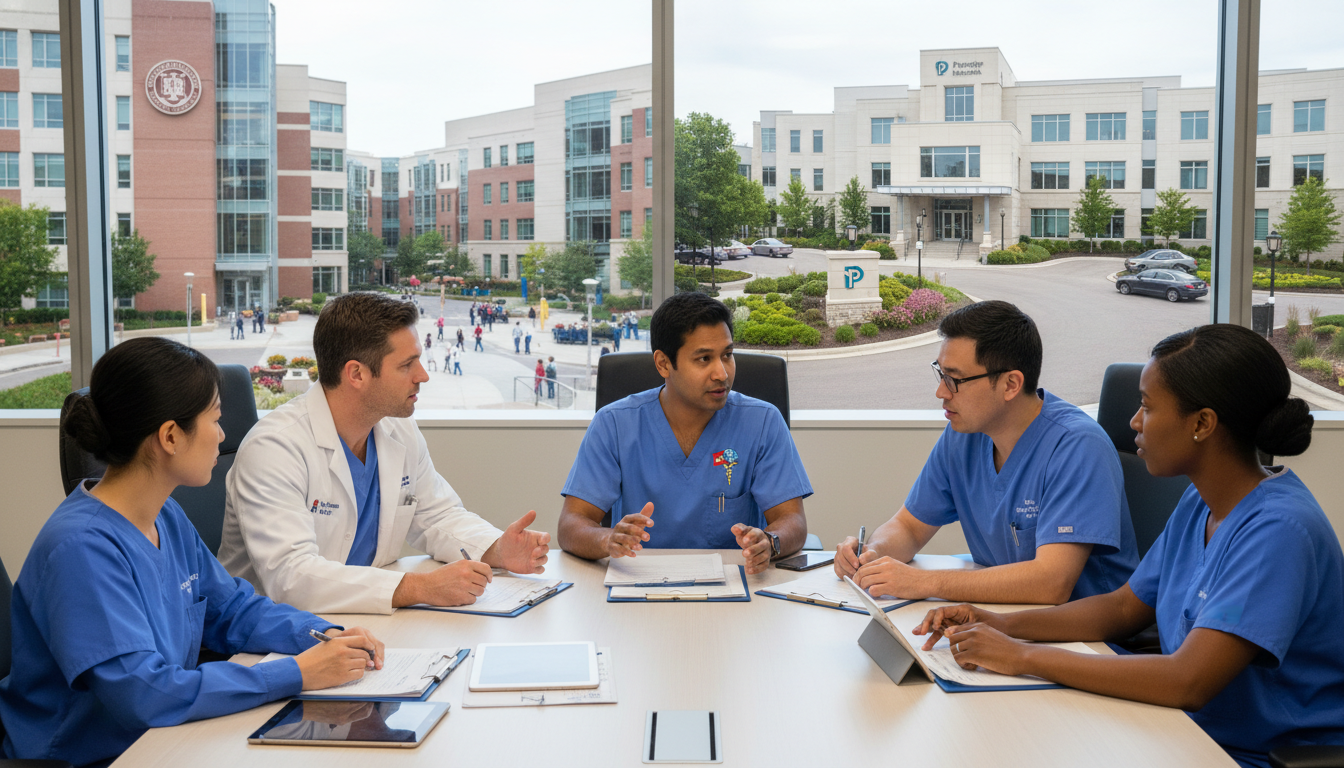
Understanding Your Options: Academic vs Private Practice in Medical Genetics
For a US citizen IMG (international medical graduate), completing residency in medical genetics opens doors to highly specialized and meaningful career paths. One of the most important early career decisions you’ll make is whether to pursue academic medicine or private practice.
This decision will shape your day-to-day work, income trajectory, visa considerations for colleagues you may work with, geographic flexibility, and the type of impact you have on patients and the field. As a US citizen IMG and an American studying abroad, you have fewer immigration constraints than non–US IMGs, but you may still face unique challenges in the genetics match and early career networking that influence your options.
This article walks through how academic and private practice careers actually look in medical genetics, what’s realistic for a US citizen IMG, and how to begin choosing a career path in medicine that fits your values, strengths, and long-term goals.
The Landscape of Medical Genetics Careers in the US
Medical genetics is a smaller field compared to internal medicine, pediatrics, or surgery, which affects both the job market and expectations after residency.
Typical Training Pathways
Most physicians in medical genetics follow one of these:
- Residency programs
- Categorical Medical Genetics and Genomics (4–5 years)
- Combined programs:
- Pediatrics + Medical Genetics
- Internal Medicine + Medical Genetics
- Maternal-Fetal Medicine + Genetics (via fellowships)
- Fellowships
- Clinical Biochemical Genetics
- Clinical Cytogenetics and Genomics
- Clinical Molecular Genetics and Genomics
- Cancer Genetics
- Neurogenetics or other subspecialized training (often via research fellowships)
As a US citizen IMG, you’re eligible for the same ABMGG (American Board of Medical Genetics and Genomics) certification as US grads once you complete accredited training. However, your journey through the genetics match may involve:
- Fewer home-program connections from US medical schools
- Need for stronger networking and away rotations
- Emphasis on US clinical experience and US letters of recommendation
These networking efforts you begin during residency will carry over directly into your first job search—especially if you’re considering academic medicine.
Where Geneticists Work
Medical geneticists can work in:
- Academic medical centers / university hospitals
- Children’s hospitals (often academic-affiliated)
- Large multi-specialty private groups
- Community hospitals or regional genetics centers
- Private lab or industry roles (less purely clinical, more interpretation or leadership)
The “academic vs private practice” distinction is strongest in university-based vs community-based clinical positions, but in genetics, the lines often blur. Many “private” groups maintain teaching relationships; many academic departments have strong clinical revenue expectations.
Academic Medicine in Medical Genetics
Academic medical genetics focuses on three missions: patient care, teaching, and research. The balance of these depends heavily on your specific role and institution.

Typical Academic Role and Responsibilities
An academic geneticist in a university hospital or children’s hospital might:
- Clinical work (40–80%)
- General genetics clinic (pediatric or adult)
- Subspecialty clinics (neurogenetics, metabolic disorders, cancer genetics, prenatal genetics)
- Inpatient consults for rare or undiagnosed conditions
- Teaching (10–40%)
- Lectures for medical students, residents, and other trainees
- Bedside teaching and case discussions
- Genetics curriculum development and simulation sessions
- Research / scholarly work (10–50%)
- Clinical research: genotype–phenotype correlations, natural history studies, treatment outcomes
- Translational or basic science: gene discovery, model systems, therapeutic development
- Quality improvement projects, guideline development, writing book chapters and review articles
- Academic service
- Committees (curriculum, IRB, diversity initiatives)
- Professional societies (ACMG, ASHG, specialty-specific groups)
Not every academic role requires heavy research; some are mainly clinical “clinician-educator” positions with strong emphasis on teaching and clinical excellence rather than grant funding.
Advantages of Academic Medical Genetics
Complex and Diverse Cases
- Referral center for rare diseases, undiagnosed conditions, complex syndromes.
- Deeper exposure to cutting-edge diagnostics (exome, genome, metabolomics).
- Ideal if you enjoy diagnostic puzzles and multi-disciplinary care.
Teaching and Mentorship Opportunities
- Train the next generation of geneticists, genetic counselors, and other clinicians.
- Build your legacy through education and curriculum development.
- Natural environment for a US citizen IMG who wants to support and guide future IMGs or Americans studying abroad.
Research and Innovation
- Access to clinical trials and novel therapies (e.g., gene therapy, enzyme replacement).
- Opportunities to publish, present at conferences, and become recognized in a niche.
- Pathway to leadership roles in national societies and guideline formation.
Professional Identity and Network
- Academic affiliation can increase visibility and credibility in the field.
- Easier to grow an academic medicine career with collaborations, multi-site trials, and grant opportunities.
- Strong environment for those who envision long-term influence on policy, research priorities, or training standards.
Non-Financial Benefits
- Title progression (Assistant, Associate, Full Professor).
- Potential for protected time for scholarship.
- Access to institutional resources: biostatistics cores, research coordinators, genetic counseling trainees, etc.
Challenges Specific to Academic Careers
Compensation and Financial Trade-offs
- Base salaries often lower than high-revenue private practices (though genetics’ procedural revenue is limited, so the gap may be narrower than in procedural specialties).
- Research-heavy roles may tie promotion to grant funding—unpredictable and competitive.
Productivity Pressure
- Clinical RVU (relative value unit) targets even in academic centers.
- Pressure to see a high volume of patients while maintaining detailed genetic evaluations.
Promotion and Tenure Requirements
- Publications, grants, teaching evaluations, and service all factor into promotion.
- For a US citizen IMG who may be building a research portfolio later than US grads, this can feel intense early-on.
Geographic Clustering
- Academic genetics programs are mainly in major metro areas or near large children’s hospitals.
- Less flexibility if you want to live in a smaller town or a very specific region.
Administrative Complexity
- Large institutional bureaucracy: IRB, compliance, mandatory trainings, complex decision-making processes.
- Less control over clinic structure, scheduling, and staffing.
Academic Career Fit: Key Questions to Ask Yourself
- Do I enjoy teaching and see myself mentoring residents and students regularly?
- Am I curious about research questions and willing to invest time in scholarship?
- Does the idea of a leadership role (program director, division chief, or society leader) appeal to me?
- Am I okay with more modest early-career compensation in exchange for academic influence and variety?
- Am I comfortable in large, complex organizations?
If you answer “yes” to most of these, academic medicine may be a strong fit.
Private Practice and Non-Academic Clinical Roles in Medical Genetics
Private practice in genetics is more heterogeneous than in many fields. It can include:
- Independent or small group genetic practices
- Large multi-specialty groups
- Hospital-employed positions with “private practice” style
- Tele-genetics or remote consultation companies
In some ways, these are better thought of collectively as non-academic clinical genetics roles.

What Does Private Practice Look Like in Genetics?
Clinical Focus
- Very high proportion of time is direct patient care (often 80–100%).
- Less formal teaching; some informal mentoring of nurse practitioners, PAs, or counselors.
- Research usually limited to QI projects or participating in multi-center trials as a site.
Practice Models
- Hospital-employed: salaried with productivity bonuses; work in a community hospital or health system.
- Independent group practice: shared overhead, more entrepreneurial exposure.
- Telemedicine services: remote consultations for rare diseases, pharmacogenomics, or cancer genetics.
Patient Mix
- Depends on referral base:
- Community hospitals: broad mix of pediatric and adult general genetics.
- Oncology groups: heavy focus on hereditary cancer syndromes.
- OB/MFM practices: prenatal genetics and reproductive counseling.
- Depends on referral base:
Advantages of Private Practice / Non-Academic Roles
Higher Earning Potential (In Many Settings)
- Although genetics is not a high-RVU specialty compared to surgery, some private models pay more than academic centers, especially with productivity-based bonuses.
- Some practices pay extra for extended hours, weekend telehealth, or high-volume cancer-risk clinics.
More Autonomy Over Practice Style
- Greater influence over scheduling (longer or shorter visits), clinic protocols, and staff hiring.
- Opportunity to niche down (e.g., focus on hereditary cancer, adult-onset conditions, or pharmacogenomics) depending on local demand.
Geographic Flexibility
- Non-academic positions more widely distributed, including smaller cities and community hospitals.
- Useful if your personal or family priorities dictate a specific location.
Simpler Role Definition
- Fewer competing missions; you are primarily a clinician.
- Limited pressure to publish, win grants, or meet promotion criteria.
Opportunity to Build a Business
- In true private practice, you can develop service lines: specialized clinics, partnerships with local oncologists, or contracts with testing labs.
- For a US citizen IMG with entrepreneurial interest, this path allows for ownership and long-term equity.
Challenges in Private Practice Genetics
Less Academic Infrastructure
- Limited access to genetic counselors or specialized testing support in some settings.
- Fewer opportunities for formal teaching or research if those are important to you.
Professional Isolation
- In solo or small practices, fewer colleagues to discuss complex cases in person.
- You may need to rely more on virtual networks and national society meetings for collaboration.
Business and Administrative Burden
- Independent practices handle billing, contracting, staffing, and regulatory compliance.
- Non-clinical tasks can expand significantly if you are an owner or partner.
Perception and Brand
- Academic centers often market themselves as centers of excellence for rare conditions.
- You might need to actively build brand trust with referring providers and patients to compete with nearby academic hospitals.
Limited Exposure to Cutting-Edge Trials
- Participation in early-phase trials or rare-disease registries may be less frequent or require special arrangements.
- If your passion is being at the very forefront of gene therapy innovations, this can feel limiting.
Private Practice Fit: Key Questions to Ask
- Do I mainly want to see patients and do high-quality clinical work without heavy research or teaching expectations?
- Am I interested in business, efficiency, and building a strong local patient base?
- Is higher potential compensation or geographic choice a top priority for me?
- Am I comfortable with less formal academic recognition and fewer titles?
- Would I be okay seeking academic stimulation through conferences and societies rather than day-to-day work?
If yes, a private or non-academic clinical role could be the right platform for your career.
Special Considerations for US Citizen IMGs in Medical Genetics
As a US citizen IMG or an American studying abroad, your citizenship removes some visa-related stress but does not fully neutralize the differences IMGs often experience in training and hiring.
How Being a US Citizen IMG Affects Academic vs Private Options
Academic Hiring Patterns
- Academic departments may be more conservative in hiring, often preferring those they “know well” (former fellows, residents, or internal candidates).
- As a US citizen IMG, you’ll want to:
- Build strong relationships with faculty during residency/fellowship.
- Aim for research projects and teaching experiences that make you stand out.
- Present at conferences (ACMG, ASHG) to become visible beyond your institution.
Private Practice Hiring Patterns
- Community hospitals and private groups often prioritize:
- Clinical competence
- Interpersonal skills with patients and referring physicians
- Ability to help build or expand a service line
- Your IMG background matters less if you can demonstrate strong clinical references, good communication, and familiarity with US healthcare systems.
- Community hospitals and private groups often prioritize:
Networking and Mentorship Needs
- You may lack the “built-in” network that many US MDs gain via home institutions.
- Consider:
- Joining societies early as a trainee (ACMG, ASHG).
- Seeking mentors specifically willing to support IMGs.
- Using poster presentations and virtual conferences to meet potential future colleagues.
Perception and Bias
- Some institutions may carry subtle biases about IMG training quality.
- Combat this by:
- Excelling on boards and in-service exams.
- Being proactive and visible in multidisciplinary conferences (tumor boards, genetics case conferences).
- Producing tangible outcomes: QI projects, published case reports, or local teaching awards.
How This Influences Your Career Path Choice
If your long-term dream is a high-profile academic medicine career, consider:
- A residency/fellowship with strong research infrastructure.
- Securing at least one mentor deeply embedded in academic genetics.
- Starting scholarly work early to build a competitive CV.
If you lean toward clinical practice and stability:
- Focus on honing clinical excellence and communication skills.
- Learn about billing, coding, and efficient clinic workflow during training.
- Build relationships with non-academic hospitals and community groups, including potential employers.
Step-by-Step Approach to Choosing Your Path
To decide between academic vs private practice in medical genetics, use a structured process rather than relying on vague impressions.
Step 1: Clarify Your Personal Priorities
Write down your top 5 professional values. Common ones include:
- Intellectual challenge
- Work–life flexibility
- Geographic freedom
- Financial growth
- Teaching and mentorship
- Research and innovation
- Leadership and influence
Rank these. The top 2–3 should weigh heavily in your decision.
Step 2: Visualize a Typical Week in Each Setting
Create two imaginary schedules for yourself 5 years after residency:
Academic Week Example
- 2.5 days clinic (general genetics, subspecialty clinic)
- 1 day research/scholarship
- 0.5 day teaching/prep/conferences
- 1 day admin/meetings/extra clinic
- 1–2 evenings: grant writing or revising manuscripts
Private Practice Week Example
- 4 days clinic (high-volume, mainly outpatient)
- 1 day admin: reviewing reports, quality improvement, outreach to referring providers
- Occasional evening telehealth sessions, optional
Which picture gives you more energy?
Step 3: Seek Real-World Exposure During Training
- Electives: Arrange rotations in both an academic center and a community/private genetics setting.
- Shadowing: If your program doesn’t have private practice exposure, ask faculty to connect you with community colleagues for short shadow experiences.
- Telehealth observation: Observe remote genetic counseling or consult models, which often mirror private settings.
Step 4: Talk to People 3–10 Years Ahead of You
Specifically ask:
- “What surprised you about your job after training?”
- “What would you do differently if you were choosing again?”
- “How realistic is it to switch between academic and private practice in genetics?”
You’ll often find that switching is possible, especially early in your career, but easier if you start in academic medicine and then move to private practice than the reverse (because building a research portfolio later is harder than letting it taper off).
Step 5: Consider a Hybrid Approach
In medical genetics, it’s often possible to combine elements:
- Academic appointment with heavy clinical time and minimal research, essentially a “private practice style” job in an academic department.
- Community job with a volunteer faculty title where you teach occasionally at a nearby medical school.
- Part-time industry or lab consultations while holding an academic role.
When you interview, ask directly about:
- Protected time for teaching or research
- Expectations for RVUs and clinic volume
- Opportunities to precept trainees
- Possibilities for part-time or hybrid roles in the future
Practical Tips for US Citizen IMGs Planning a Medical Genetics Career
Strengthen Your Clinical Foundation Early
- Genetics is interpretive and cognitive; strong general pediatrics, internal medicine, or OB knowledge is critical.
- Seek robust US clinical experiences during or before residency.
Align Your Residency Choice With Your Career Vision
- If you’re leaning academic: prioritize programs with strong research and established genetics departments.
- If leaning private practice: look at programs with broad clinical exposure, high patient volume, and community partnerships.
Use Conferences Strategically
- Attend ACMG and ASHG as a resident or fellow.
- Present posters; use them as “networking anchors” to meet faculty from other programs and potential future employers.
- Ask about both academic and private roles during informal conversations.
Learn Healthcare Economics and Practice Management
- Regardless of path, understand:
- How genetics consults are billed (time-based vs complexity).
- How insurance coverage works for tests.
- Basic practice metrics (no-show rates, turnaround times, etc.).
- This knowledge makes you more valuable to both academic and private employers.
- Regardless of path, understand:
Keep Doors Open Early On
- During residency/fellowship, engage in at least a small amount of scholarship (e.g., case reports, QI projects) and some teaching.
- Don’t entirely rule out one path; experience often reshapes your preferences.
FAQs: Academic vs Private Practice in Medical Genetics for US Citizen IMGs
1. As a US citizen IMG, is it harder to get an academic job in medical genetics than a private practice job?
It can be somewhat harder to secure a competitive academic position if you don’t have strong research or prior connections, but being a US citizen removes visa barriers. Academic programs tend to favor candidates they know (former trainees) or those with a clear scholarly track record. Private practice and hospital-employed non-academic roles often emphasize clinical skills, communication, and reliability. If you build a strong network during training and produce at least some scholarly work, an academic role is entirely attainable.
2. Can I start in academic medicine and later move to private practice, or vice versa?
Yes. Many geneticists transition from academic to private practice after several years, often to gain more geographic flexibility or reduce research and administrative demands. Moving from private practice to a research-intensive academic role is more challenging unless you intentionally maintain scholarly activity and networks. However, transitions into clinician-educator roles (with minimal research expectations) from private practice are still feasible, especially if you’ve stayed engaged with teaching or local training programs.
3. Which path pays more in medical genetics: academic or private practice?
In many regions, private or hospital-employed positions offer higher base salaries and more potential for productivity bonuses. However, genetics is less procedure-driven, so the pay gap between academic and private might be smaller than in specialties like cardiology or orthopedic surgery. Academic roles bring non-monetary benefits—academic titles, research opportunities, and influence—that some physicians value more than the maximal possible salary. When comparing offers, look beyond base pay to total benefits, schedule, and long-term growth.
4. If I’m unsure, what can I do during residency to keep both options open?
Focus on becoming an excellent clinician first. Simultaneously:
- Participate in at least one research or QI project and aim to present or publish it.
- Involve yourself in teaching—medical students, residents, or genetic counseling students.
- Do electives in both academic and community/private genetics settings.
- Attend national meetings to broaden your network.
This balanced portfolio signals to future employers that you’re adaptable and capable of contributing in either environment, giving you maximum flexibility when you finally choose your path.
Choosing between academic medicine and private practice in medical genetics is not a one-time, irreversible decision, especially early in your career. As a US citizen IMG, your citizenship gives you logistical freedom; your task is to build skills, relationships, and experiences that align with the kind of day-to-day work—and long-term impact—you want.
By deliberately exploring both environments during training and staying honest about your values and priorities, you can shape a genetics career that is not only viable but deeply fulfilling, whether that’s at a major academic center, a community hospital, a private clinic, or a hybrid role that combines the best of both worlds.