Understanding Your Options: Why This Decision Matters for US Citizen IMGs
As a US citizen IMG (American studying abroad) pursuing plastic surgery, you have already navigated a difficult path—securing interviews, building a strong CV, and competing for the highly competitive integrated plastics match. Once you make it through residency and possibly fellowship, another pivotal decision appears: academic vs private practice.
For non-IMGs, this is a complex choice. For a US citizen IMG, it can be even more nuanced. Your immigration status is stable (you’re a US citizen), but your training background and research opportunities may differ from your US MD peers. This can influence how you fit into an academic medicine career versus private practice, and how you present yourself for each path.
This article breaks down:
- The core differences between academic plastic surgery and private practice
- How those differences specifically affect US citizen IMGs
- Common career “hybrids” (academic-affiliated private practice, employed hospital practice)
- Practical steps to start choosing a career path in medicine as early as residency
- How your decisions can influence competitiveness for fellowships, leadership roles, and long-term job satisfaction
Academic Plastic Surgery: Structure, Expectations, and Fit for US Citizen IMGs
Academic plastic surgery typically takes place in university-affiliated hospitals, major academic medical centers, and large teaching institutions. These jobs involve combinations of clinical work, teaching, and research.
Core Features of Academic Plastic Surgery
Most academic plastic surgeons balance four pillars:
Clinical Work
- Complex reconstructive cases (oncologic reconstruction, microsurgery, craniofacial, hand trauma)
- Tertiary/quaternary referrals (rare conditions, revisional surgeries)
- A mix of elective and non-elective cases
- Call responsibilities for trauma and emergency reconstructions
Teaching
- Training integrated plastic surgery residents and sometimes independent residents
- Supervising medical students, rotators, and visiting students (including IMGs)
- Leading skills labs, journal clubs, and didactic sessions
- Mentoring on research projects and career development
Research and Scholarship
- Clinical outcomes research, basic science, translational work, health services research, or surgical education
- Presentations at national meetings (ASPS, ASAPS, AAPS, etc.)
- Publications in journals like PRS, JPRAS, Annals of Plastic Surgery
- Grant writing (for some, especially basic science or health services investigators)
Administration and Leadership
- Program director or associate program director roles
- Division chief, department leadership, or institutional committees
- National society involvement and guideline development
Why Academic Medicine Appeals to Many US Citizen IMGs
As a US citizen IMG, you may already be used to working harder to prove yourself. That mindset translates well into academia:
- Scholarly Identity: You may have built a research-heavy CV to overcome IMG bias during the integrated plastics match. This foundation is highly valued in academic medicine.
- Teaching Orientation: If you relied on mentorship to find your way back to the US system, you may feel drawn to paying it forward as a faculty mentor and educator.
- Complex Case Exposure: Academic centers often offer the most challenging cases, which can be ideal if you’re drawn to high-acuity reconstructive work or want to keep all your skills sharp.
- Name Recognition and Prestige: For US citizen IMGs, being on faculty at a well-respected academic institution can mitigate lingering skepticism about your international MD and elevate your professional brand.
Typical Academic Workload and Lifestyle
While every institution differs, some patterns are common:
Schedule
- 2–4 days/week in the OR
- 1–2 days/week in clinic
- Evening and weekend time for research, writing, and lecture preparation
- Regular call obligations (often more intense at major trauma centers)
Income
- Generally lower base salary than high-volume private practice, especially early in your career
- Benefits often strong: retirement plans, health insurance, academic bonuses, protected time
- Additional income sources:
- Relative Value Unit (RVU) productivity bonuses
- Research stipends, grants
- Speaking engagements, consulting, textbook chapters
Protected Time
- Truly protected time for research/education varies widely
- Junior faculty may receive 0.2–0.5 FTE (1 day/week) protected time if they have a clear research plan
- Over time, productivity pressures can erode protected time unless you are consistently funded or generating strong academic outputs
Academic Career Trajectory for US Citizen IMGs
A typical path:
Residency (and possibly fellowship)
- Strong research output (abstracts, posters, first-author papers)
- Teaching involvement (resident rep, curriculum design, etc.)
Assistant Professor
- 3–7 years in this rank
- Priority: build a clinical niche + establish a research/teaching track record
- For US citizen IMGs, these early years are crucial to “normalize” any lingering doubts about your non-US MD through strong performance and visibility
Promotion to Associate/Full Professor
- Based on defined criteria: publications, grants, teaching evaluations, leadership roles, national reputation
- IMGs can sometimes be overrepresented in research-heavy tracks; used well, this can be an advantage

Pros and Cons of Academic Plastic Surgery for US Citizen IMGs
Potential Advantages
- Direct access to complex, high-acuity cases and multidisciplinary care (oncologic reconstruction, craniofacial, microsurgery)
- Built-in environment for research productivity and scholarly growth
- Steady referral stream and institutional resources (OR time, equipment, support staff)
- Structured teaching and mentorship roles—especially rewarding if you were mentored as an IMG
- Increased visibility for leadership in societies and guideline committees
- Stable income with strong benefits and less business risk than solo private practice
Potential Disadvantages
- Lower earning ceiling than entrepreneurial private practice, especially in cosmetic-heavy markets
- Institutional politics and slower decision-making
- Limited autonomy over operative schedule, clinic processes, and staff
- Pressure to continuously publish or secure grants (depending on track)
- Work can “spill over” into evenings/weekends due to academic duties
Private Practice Plastic Surgery: Models, Economics, and Lifestyle
Private practice plastic surgery varies enormously. It can range from a solo cosmetic practice to a large multi-surgeon group with a mix of reconstructive and aesthetic cases, or even hospital-employed positions.
Major Private Practice Models in Plastic Surgery
Solo Private Practice
- You own the practice, control branding, schedule, and clinical focus
- High autonomy, high responsibility
- Requires significant business, financial, and marketing skills
Group Practice (Partnership Model)
- Join an established group of plastic surgeons
- Shared overhead, call coverage, and referral networks
- Potential track from salaried associate to partner over 2–5 years
Hospital-Employed Practice
- Technically “private practice” but functionally similar to academic in terms of employment structure
- Salary with RVU incentives, benefits through hospital system
- Less emphasis on research, more on clinical volume and patient satisfaction
Cosmetic-Focused Practice
- Heavy emphasis on elective aesthetic procedures: breast augmentation, body contouring, facial aesthetics, minimally invasive treatments (Botox, fillers, lasers)
- Revenue less dependent on insurance; more on cash pay and out-of-pocket services
- Requires robust marketing strategy and brand differentiation
Why Private Practice Appeals to Many Plastic Surgeons
Across the specialty, many surgeons are drawn to private practice because of:
- Earning Potential: Particularly in aesthetics, income can substantially exceed academic salaries
- Autonomy: Freedom to shape your practice mix, technology investments, staffing, and infrastructure
- Flexibility: Control over scheduling, vacation time, and long-term practice direction
- Entrepreneurship: Ability to build a brand, expand locations, or add non-surgical services (med spa, skincare line)
Considerations Specific to US Citizen IMGs
As a US citizen IMG, you may encounter:
Initial Skepticism from Patients or Referring Providers
- Some patients may ask where you went to medical school; being prepared with a confident, clear narrative helps
- Strong fellowship training and board certification can significantly buffer this concern
Networking Gaps
- If you completed medical school abroad, you may start with fewer US-based professional contacts who can feed referrals
- You’ll need to be intentional about joining local societies, hospital committees, and community-based organizations
Brand-Building Challenges
- In highly competitive cosmetic markets, established US MD graduates may dominate local perception
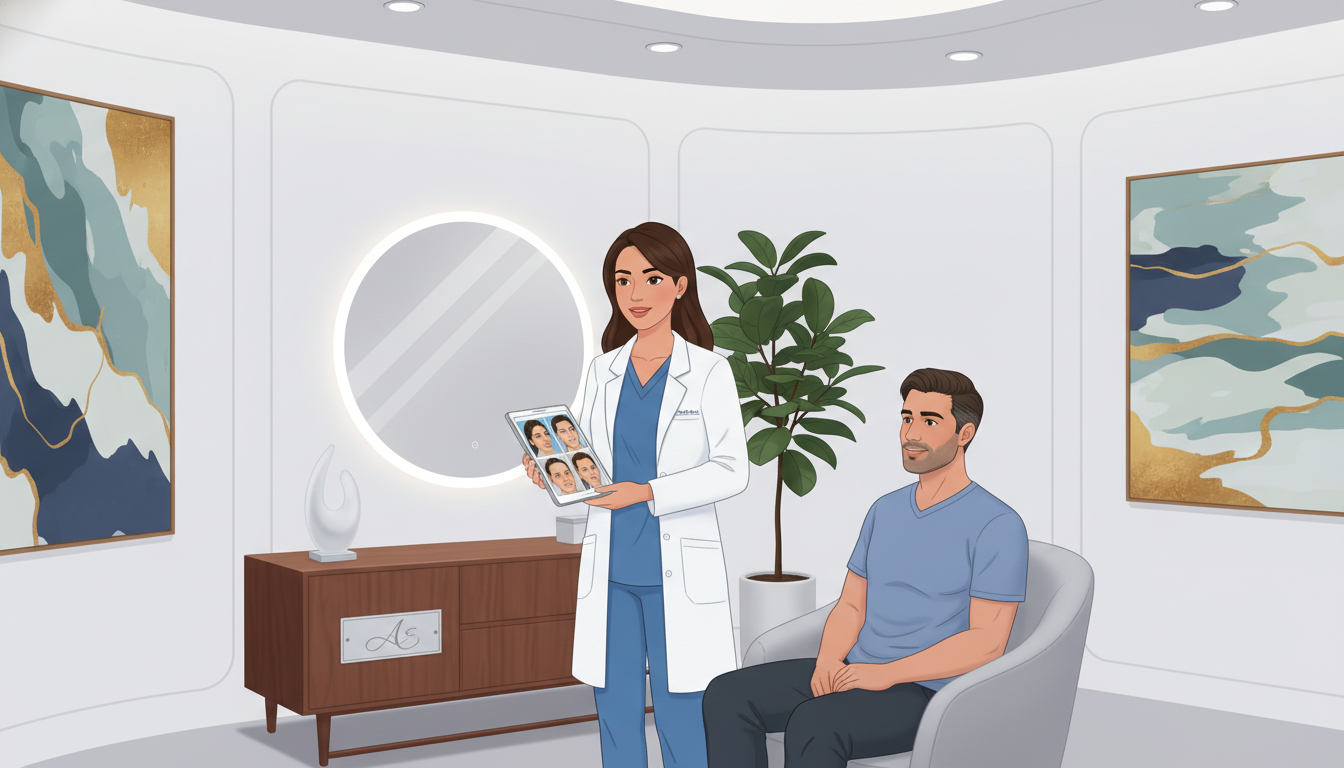
- High-quality online presence, patient testimonials, before–after galleries, and community outreach can help level the playing field
Private Practice Workload, Income, and Lifestyle
Schedule and Workload
- Early years may involve long hours building volume: networking with referring providers, community talks, social media presence
- Over time, more flexibility to shape your schedule based on demand and financial goals
- Call responsibilities vary: more if you are tied to a hospital, less in purely cosmetic practice
Income
- Starting incomes in group or hospital-employed roles can be similar or slightly higher than academic starting salaries
- Mature high-volume cosmetic practices can achieve incomes several multiples of academic salaries
- More income variability and financial risk: economic downturns, competition, and reputation issues can all impact revenue
Non-Clinical Responsibilities
- Business management: payroll, leasing, compliance, billing oversight
- Marketing and branding: website, SEO, social media, patient reviews
- Human resources: hiring, training, and managing staff
- Regulatory compliance: OSHA, HIPAA, accreditation for office-based surgery
Pros and Cons of Private Practice for US Citizen IMGs
Potential Advantages
- Higher earning potential, especially in cosmetic-heavy markets
- Maximum autonomy over practice style, location, and patient population
- Ability to create a practice culture that reflects your values (e.g., focus on reconstructive underserved care, or luxury aesthetic experience)
- Flexibility in scheduling and time off once established
- Limited pressure to publish or obtain research funding
Potential Disadvantages
- Business risk and financial stress, particularly in solo practice
- Need to learn and manage non-clinical domains (marketing, HR, finance)
- Income and patient volume more sensitive to local competition and economic factors
- Fewer structured opportunities for teaching and research unless you create them
- As a US citizen IMG, you may need to be especially proactive about establishing credibility in new communities
Comparing Academic vs Private Practice: Key Domains for Decision-Making
When choosing between academic medicine and private practice, consider the following dimensions:
1. Clinical Focus and Case Mix
Academic
- More complex reconstructive cases, trauma, oncologic reconstruction
- Multidisciplinary clinics (breast oncology, craniofacial teams, hand surgery)
- Less control over pure case mix, but more exposure to high-end reconstructive surgery
Private Practice
- Flexibility to emphasize cosmetics, reconstructive, or a blend
- In cosmetic-focused practice, may see fewer emergent or extremely complex reconstructive cases
- In hospital-employed roles, may still see a heavy reconstructive load
2. Teaching and Mentorship
Academic
- Central to the job description; regular contact with residents and students
- Opportunities to become program director, clerkship director, or simulation director
- For US citizen IMGs, a powerful way to mentor future IMGs and shape training culture
Private Practice
- Limited teaching unless you collaborate with training programs or host observers
- Some surgeons take medical students on electives or work with residents from nearby programs in affiliated settings
3. Research and Academic Identity
Academic
- Best environment for consistently doing research and publishing
- Access to biostatisticians, research coordinators, IRB infrastructure
- Expectations vary: some institutions require a defined level of scholarly output
Private Practice
- Possible but entirely self-driven; more difficult to sustain robust research without infrastructure
- Some high-profile private practitioners do outstanding clinical research, particularly in aesthetics, but this is a minority
- You may focus instead on quality improvement, patient satisfaction, and practice metrics
4. Compensation and Financial Security
Academic
- Lower ceiling but more predictable baseline income and strong benefits
- Fewer personal business liabilities; institutional salary support
- Bonuses may be tied to RVUs, teaching, or research achievements
Private Practice
- Potentially much higher income after ramp-up
- Greater risk: overhead, economic cycles, competition
- Control over investment in technology, staff, and marketing that can drive growth
5. Lifestyle and Autonomy
Academic
- Call can be heavy, especially at trauma centers
- Less autonomy over clinic and OR logistics
- Institutional constraints on scheduling and resource allocation
Private Practice
- Long hours early on, but increasing control later
- Autonomy to build your ideal weekly structure
- Call often negotiable depending on hospital affiliation and practice structure
Strategic Planning for US Citizen IMGs: How to Position Yourself During Training
Whether you already have a strong inclination toward academic plastic surgery or private practice, you can make targeted choices during residency (and possibly fellowship) to keep doors open.
During Medical School (Especially for Americans Studying Abroad)
If you are still in the “American studying abroad” phase and aiming for an integrated plastics match:
- Prioritize US-based electives at academic centers with plastic surgery programs
- Seek out research collaborations with US faculty even before you return for clinical rotations
- Build a research portfolio that signals academic potential (case reports, retrospective database studies, systematic reviews)
These efforts will help you secure a residency spot and later give you credibility in both academic medicine and sophisticated private practices that value scholarly surgeons.
During Residency
If Leaning Toward Academic Plastic Surgery
- Aim for multiple peer-reviewed publications in recognized journals
- Present at national meetings (ASPS, AAPS, American Council of Academic Plastic Surgeons)
- Work closely with mentors who are established academic surgeons
- Consider a research-focused fellowship or additional training in a niche area (microsurgery, craniofacial, hand)
- Volunteer for teaching roles within your program and track your educational contributions
If Leaning Toward Private Practice
- Still build a solid research foundation—it enhances your brand and credibility
- Seek electives or rotations in high-volume private practices
- Learn basics of practice management: billing, coding, RVUs, marketing ethics
- Network with private practitioners in your target geographic area
- Pay attention to procedural efficiency, patient communication, and experience design—critical for patient satisfaction in private practice
If You’re Unsure
- Keep your options open: maintain some research activity and explore both academic and private environments
- Ask mentors about hybrid models (academic-affiliated private practice, hospital-employed positions)
- Reflect annually on what energizes you most: teaching? complex reconstruction? business-building? autonomy?
Fellowships and Post-Residency Training
Fellowships (e.g., microsurgery, craniofacial, hand, aesthetic surgery) can be leveraged differently:
For Academic Careers
- Fellowships at top academic centers bolster your CV and expand your network
- They clarify and solidify your niche—important for promotion and national recognition
For Private Practice
- Aesthetic fellowships can fast-track your competence and confidence in high-demand cosmetic procedures
- Microsurgery or hand fellowships can differentiate you in markets where high-level reconstructive skills are underrepresented
As a US citizen IMG, high-quality US-based fellowship training can significantly reframe your professional profile around where you trained and what you can do, rather than where you went to medical school.
Hybrid Paths and Evolving Careers: You Don’t Have to Choose Forever
The choice between academic medicine and private practice is important, but not always permanent. Many surgeons evolve over time.
Common Hybrid Models
Academic-Affiliated Private Practice
- You maintain a faculty appointment (sometimes adjunct) while running or working in a private practice
- You may host residents in your clinic/OR, give lectures, and participate in teaching without full academic responsibilities
Hospital-Employed Plastic Surgery
- You function more like private practice (volume and financial metrics drive your work) but are technically an employee
- Teaching and research can be negotiated but are not always central
Transition Over Time
- Academic → Private: Many surgeons start in academic roles, build expertise and reputation, then shift into private practice once established
- Private → Academic: Less common, but possible if you maintain some research output, teaching involvement, or academic collaborations
Personal and Professional Life Factors
Your needs and values will change:
- Early career: you may prioritize mentorship, case complexity, and skill-building—often easier in academic centers.
- Mid-career: you may prioritize financial growth and autonomy, making private practice more appealing.
- Late career: you might value teaching, legacy, and flexible schedules, with some surgeons returning to part-time academic roles.
For US citizen IMGs, strategic thinking is especially valuable:
- Optics and Branding: Academic positions and fellowships can help “re-brand” your trajectory and open higher-end private practice opportunities later.
- Geographic Flexibility: Private practice may offer more control over where you live, which matters for family considerations or return to a specific region.
FAQs: Academic vs Private Practice for US Citizen IMG in Plastic Surgery
1. As a US citizen IMG, is it harder to get an academic plastic surgery position?
It can be, but much depends on your US-based track record. Academic departments care most about what you have done during US residency and fellowship: research productivity, teaching evaluations, references from respected faculty, and perceived fit. Strong integrated plastics training, publications, and national presentations can largely neutralize concerns about your international medical school background.
2. Will choosing private practice limit my opportunities for an academic medicine career later?
Not necessarily, but returning to academia is easier if you:
- Maintain some scholarly activity (publications, presentations, or involvement in professional societies)
- Stay connected to academic mentors and training programs
- Make your private practice a “teaching-friendly” environment by hosting students or collaborating with residency programs
If you step entirely away from any teaching or research for many years, re-entering academia at a senior level can be more challenging.
3. Which path—academic or private practice—is better financially?
In general, private practice (especially cosmetic-focused) has a higher long-term earning ceiling. Academic salaries are typically lower but come with strong benefits, more predictable income, and less personal financial risk. For many US citizen IMGs, the decision often hinges more on values and lifestyle—teaching and research vs. entrepreneurship and autonomy—than on income alone.
4. When during my training should I decide between academic and private practice?
You do not need a final decision early in training, but by PGY-4 or PGY-5 in an integrated plastics residency, it helps to have a clear leaning. This allows you to:
- Tailor your research and elective rotations
- Choose fellowships that align with your goals
- Network strategically with either academic leaders or private practice groups
The key is to keep your options open early while paying attention to what truly energizes you: scholarship and teaching, or business-building and clinical independence.
Choosing between academic plastic surgery and private practice is a deeply personal decision. As a US citizen IMG, you bring unique resilience, adaptability, and international perspective to whichever path you choose. If you align your career with your strengths, values, and long-term life goals, both academic medicine and private practice can offer fulfilling, impactful careers in plastic surgery.