Understanding the Landscape: Academic vs Private Practice in Radiation Oncology
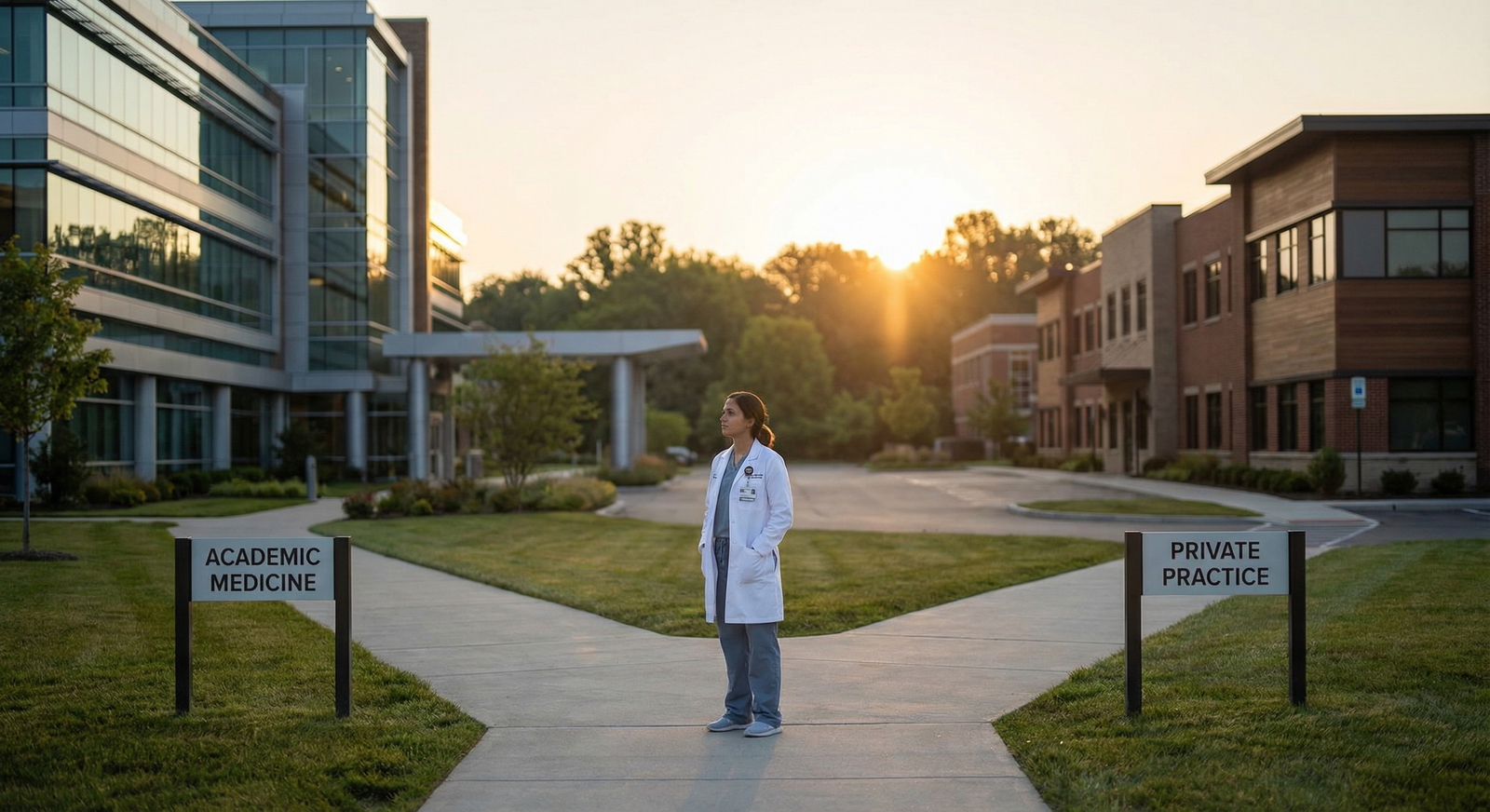
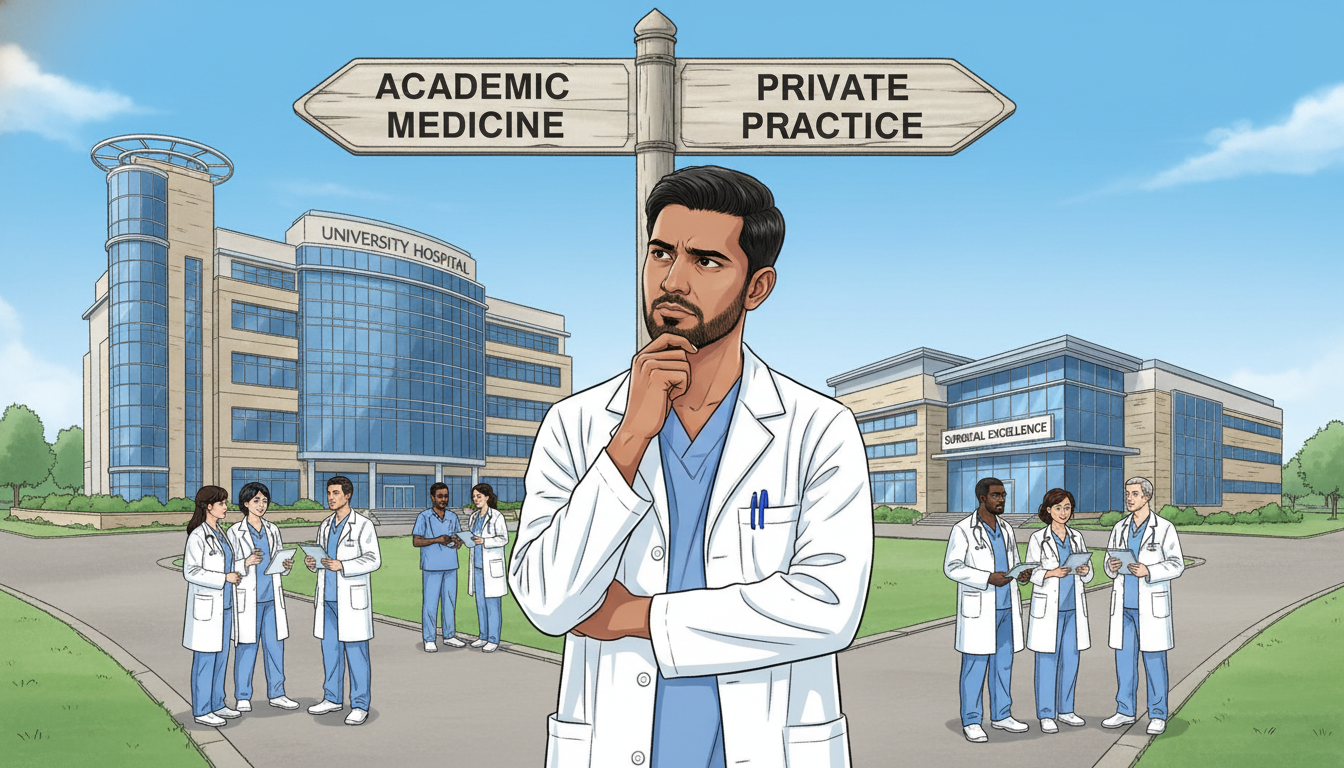
For a DO graduate entering radiation oncology, one of the most consequential early-career decisions is whether to pursue academic medicine or private practice. This choice shapes not only your day-to-day schedule and income, but your identity as a physician, researcher, teacher, and leader in cancer care.
Radiation oncology is a relatively small specialty, with intense competition for residency spots and a historically challenging rad onc match. As a DO graduate residency applicant or new graduate, you may have already navigated unique barriers in the osteopathic residency match and now find yourself facing a different kind of crossroads: choosing a long-term career path in medicine that fits your goals, values, and lifestyle.
This article breaks down the realities of:
- Academic radiation oncology careers
- Community and private practice roles
- Hybrid and emerging models
- Unique considerations for DO graduates
- How to decide what is right for you (now and later)
Throughout, you’ll find practical examples and actionable advice tailored to a DO graduate in radiation oncology.
Core Differences: Clinical, Financial, and Cultural
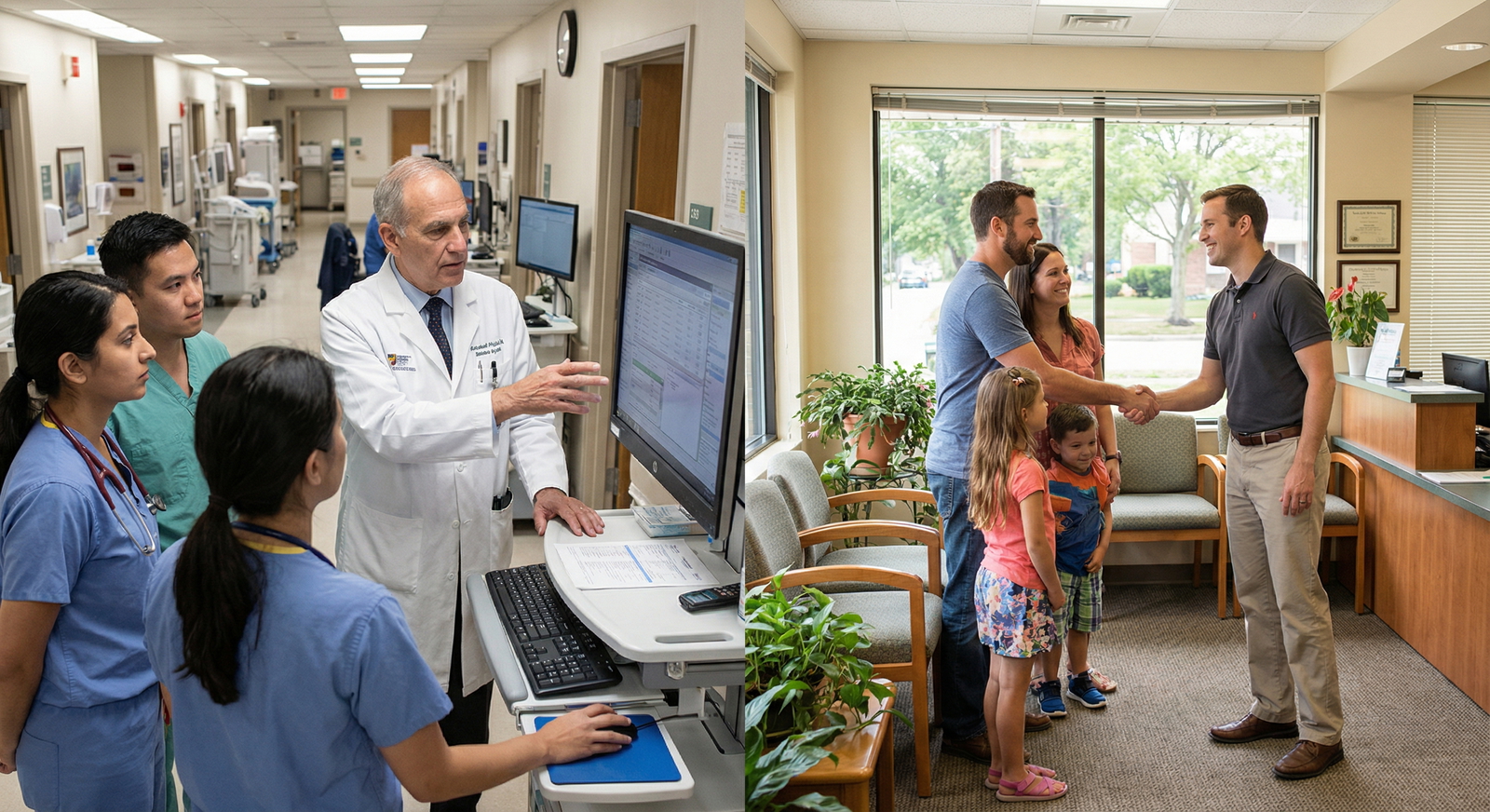
Before diving into the details, it helps to contrast the “big picture” of academic vs private practice in rad onc.
1. Mission and Identity
Academic medicine career (rad onc):
- Mission: Advance knowledge, educate trainees, expand access through clinical trials, and treat complex or rare cancers.
- Identity: Clinician–educator–researcher (the balance differs by job), part of a university or NCI-designated cancer center, integrated into multidisciplinary academic teams.
Private practice/community radiation oncology:
- Mission: Deliver efficient, high-quality local cancer care, often in community or regional centers, sometimes in partnership with larger networks.
- Identity: Primarily clinician, often with focus on service access, throughput, and patient satisfaction; research and teaching may exist but usually secondary.
2. Patient Mix and Case Complexity
Academic centers typically see:
- Higher volume of rare tumors (sarcomas, CNS tumors, pediatric/AYA, complex re-irradiation cases)
- Patients referred for clinical trials or complex techniques (e.g., proton therapy, adaptive RT, stereotactic re-irradiation)
- Larger proportion of uninsured/underinsured in safety-net institutions
Private/community practices typically see:
- Higher proportion of common cancers (breast, prostate, lung, head & neck, GU)
- More straightforward treatment regimens, fewer investigational protocols
- More stable payer mix, often dominated by commercial insurance and Medicare
For many DO graduates, the osteopathic training emphasis on whole-person care and continuity aligns well with both settings; it’s the type of problems and systems you enjoy that will differ.
3. Schedule, Autonomy, and Lifestyle
Academic:
- Often more meetings (tumor boards, research meetings, teaching conferences)
- Protected time for research/education (on paper; in practice this varies a lot)
- More variability in daily schedule due to teaching and administrative duties
- Potentially fewer evening/weekend call obligations, but more “off-hours” academic work (manuscripts, grants, lecture prep)
Private:
- Day is more clinically structured and volume-driven: consultations, on-treat visits (OTVs), simulation, planning, and chart checks
- Less formal “protected time” but more control over personal schedule in some practices (especially as a partner)
- Call may be light but you’re typically responsible for your patients regardless of time
Life in Academic Radiation Oncology: Pros, Cons, and Paths for DOs
Academic medicine often appears more visible and prestigious, particularly during residency, where faculty role models are academic attendings. For a DO graduate, the academic path can be both highly rewarding and occasionally challenging.
Clinical Work and Daily Flow
A typical full-time academic radiation oncologist might:
- See 10–18 patients per clinic day, plus OTVs
- Participate in 1–3 tumor boards per week
- Supervise residents and medical students
- Engage in clinical trial consent discussions and protocol-driven care
- Attend departmental or institutional quality, safety, or leadership meetings
While academic jobs are not universally “lighter” clinically, they may offer:
- Lower long-term clinical volume if you are heavily research-funded
- Opportunities to subspecialize (e.g., CNS, pediatrics, head & neck)
- Exposure to cutting-edge technologies and complex cases
Research and Scholarship: Do You Need an R01?
Not every academic radiation oncologist is a basic scientist or R01-funded investigator. But you should realistically expect some level of scholarly productivity, such as:
- Clinical trial enrollment and participation
- Retrospective clinical or outcomes research
- Quality improvement and implementation science
- Education research or curriculum development
Most academic job descriptions specify rough expectations (e.g., “40–60% clinical, 20–40% research, 10–20% teaching/admin”). In practice, early-career faculty often start closer to 70–80% clinical while they build their research portfolio.
For DO graduates, questions often arise:
Will I be taken seriously in academic radiation oncology?
Yes—many academic centers have DO faculty, and your trajectory will depend more on your productivity, professionalism, and subspecialty niche than your degree initials. However, some institutions and departments remain MD-heavy and may have implicit bias. Seek those that have successfully supported DO faculty.Do I need a PhD, MPH, or other advanced degree?
Not required, but additional training can help. Consider them if you are deeply committed to an academic medicine career, particularly in outcomes, epidemiology, or health services research.
Teaching and Mentorship
In academic rad onc, you will likely:
- Teach residents in clinic, at the treatment console, and in didactics
- Supervise med students on rotations, including DO students if your center has DO affiliations
- Mentor research projects (chart reviews, educational projects, prospective trials)
- Serve on committees (education, residency recruitment, wellness)
For many DO graduates who benefitted from strong mentorship during a competitive rad onc match, giving back through teaching is a powerful motivator to stay in academia.
Compensation and Promotion
Salary:
Academic radiation oncologists typically earn less than private practice counterparts, especially early in their careers. That gap can be substantial, though it varies widely by institution and region.
Factors influencing academic pay:
- Assistant vs associate vs full professor rank
- Tenure vs non-tenure track (many clinical faculty are non-tenure)
- RVU-based bonuses vs fixed salary
- Research grants buying out clinical time (can decrease RVU demands but may also cap bonuses)
Promotion:
Promotion criteria often include:
- Clinical excellence (evaluations, quality metrics, peer review)
- Scholarly output (publications, presentations, grants)
- Educational contributions (teaching, curriculum design, mentorship)
- Service (committees, leadership roles, professional society involvement)
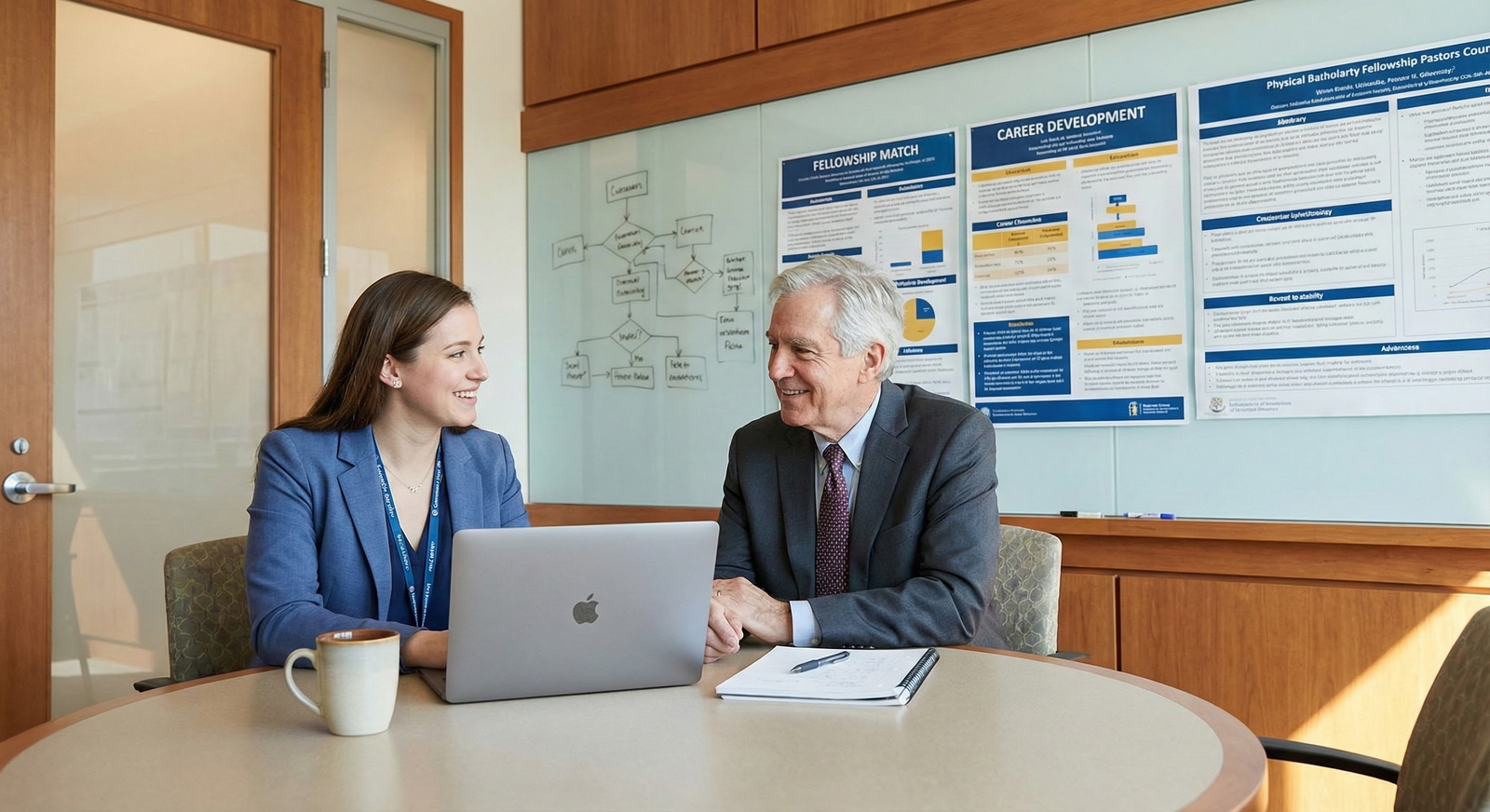
For a DO graduate, learning the promotion criteria early is vital. Ask explicitly during interviews: “What does successful promotion from assistant to associate professor look like here, and on what timeline?”
Advantages of Academic Practice for DO Graduates
Subspecialization and Complex Cases
If you love CNS, pediatrics, brachytherapy, MRT/proton, or clinical trials, academia can offer unmatched exposure and career development.Structured Mentorship and Professional Networks
Academic environments often encourage involvement in ASTRO, ARRO, and other societies. These networks can be especially valuable for DO graduates building their academic reputations.Pathways to Leadership in Academic Medicine
Academic roles naturally feed into leadership in departments, cancer centers, and national organizations—ideal if you’re drawn to shaping the field.Built-in Teaching Opportunities
If you derive meaning from teaching and mentoring, academics provides daily opportunities to contribute.
Challenges and Risks in Academia
- Lower relative earning potential over a career compared to some private practice tracks
- Pressure to publish and obtain grants, which can be stressful without strong institutional support
- Institutional politics, promotion uncertainties, and administrative burden
- Potential bias or hidden barriers for DOs in some historically MD-dominant academic cultures

Life in Private Practice and Community Radiation Oncology
Private practice radiation oncology is not monolithic. It includes:
- Physician-owned groups
- Hospital-employed positions
- Corporate/management company models
- Hybrid community-academic affiliations
For a DO graduate, private practice may be attractive for its clinical focus, earning potential, and geographic flexibility.
Clinical Focus and Workflow
Private practice often emphasizes:
- Efficient, high-quality delivery of standard-of-care treatments
- Managing a larger personal panel of patients
- Streamlined protocols and treatment pathways
- Coordination with local surgeons, medical oncologists, and primary care
A typical day might include:
- Morning on-treatment visits and new patient consults
- Simulations and contouring sessions between patient blocks
- Treatment plan reviews and chart checks
- Phone calls with referring physicians and primary care
- Finalizing notes and documentation for billing
Volume expectations can vary from moderate to high. In many practices, your income is directly or indirectly tied to RVUs or collections, making efficiency a core skill.
Compensation and Partnership
Compensation is often the most striking contrast:
- Early-career salary: Hospital-employed or junior associate roles may pay significantly more than academic assistant professor roles.
- Partnership tracks: In physician-owned groups, partnership after 2–5 years may offer very high earning potential, productivity-based bonuses, and a share in technical revenue.
- Hospital-employed: These may have salaries with RVU-based bonuses and benefits, but without equity or ownership.
Always clarify:
- Partnership timeline and criteria
- Buy-in structure (and debt, if any)
- Non-compete clauses and geographic restrictions
- Call responsibilities and coverage models
- Ancillary income opportunities (e.g., brachy, SBRT, leadership stipends)
Autonomy and Scope of Practice
Private practice often provides:
- Significant clinical autonomy in treatment planning and scheduling
- A strong voice in center operations, especially if physician-owned
- Opportunities to build niche expertise within the group (e.g., breast, SBRT, brachytherapy)
However, autonomy can be constrained in:
- Corporate-owned centers with standardized policies and productivity targets
- Hospital systems with strict administrative controls, formularies, or treatment pathways
Teaching, Research, and Academic Involvement from Private Practice
You can still have an “academic flavor” in private practice:
- Serve as site PI for cooperative group or industry-sponsored trials (if your center participates)
- Affiliate with local medical schools or DO schools for teaching rotations
- Participate in tumor boards, CME talks, and community outreach
- Publish case series, QI projects, or practice pattern studies
For many DO graduates who fought hard for a competitive osteopathic residency match in radiation oncology, private practice offers a chance to focus on what they enjoy most: direct patient care, multidisciplinary collaboration, and community presence.
Advantages of Private Practice for DO Graduates
Higher Income Potential
Particularly with partnership, financial rewards can be substantial relative to academic salaries, which may help with significant student loan burdens.Clinical Focus and Efficiency
If you enjoy hands-on clinical work and clear productivity metrics, this environment can be satisfying and intellectually rewarding.Geographic Flexibility
Community positions exist in many more regions, including smaller cities and rural communities where academic centers are absent.Less Pressure to Publish
While quality and outcomes matter, you generally are not expected to build a large publication portfolio or secure grants.
Challenges and Risks in Private Practice
- Higher clinical volume and associated burnout risks in some practices
- Less formal career development infrastructure (mentorship may depend on group culture)
- Vulnerability to economic shifts, changes in reimbursement, or corporate buyouts
- Potential isolation from the cutting edge of research and novel technologies
Special Considerations for DO Graduates in Radiation Oncology
As a DO graduate, you may be weighing additional factors:
Overcoming Historical Barriers
Historically, radiation oncology residency was dominated by MD graduates, and DO students sometimes encountered skepticism. With the single accreditation system, many of these barriers have decreased, but echoes remain in some academic environments.
To navigate this:
- Seek programs and departments with DO faculty or a track record of DO residents.
- Highlight unique strengths of osteopathic training—communication, empathy, holistic care—during interviews.
- Build a strong academic portfolio (research, presentations, leadership) during residency to neutralize any perceived “degree bias.”
Leveraging Osteopathic Skills in Either Setting
Your osteopathic background positions you well for:
- Whole-person counseling on fatigue, pain, and quality of life during radiation
- Collaboration with integrative medicine, palliative care, and rehab services
- Communication-intensive tasks like goals-of-care discussions, especially in advanced cancers and re-irradiation scenarios
These strengths are assets in both academic and private practice settings.
DO Graduate Residency and Career Trajectory
If you’re still in training or early in residency:
- Focus on maximizing your residency experience: case mix, contouring skills, plan evaluation, and multidisciplinary communication.
- Be proactive about research if you’re considering an academic medicine career; publications during residency are highly valuable.
- Use electives strategically—rotations at community sites if you’re curious about private practice, or subspecialty academic centers if you’re leaning academic.
Your osteopathic residency match experience may already have taught you that flexibility is vital. The same goes for your long-term career: the decision between academic vs private practice need not be permanent.
Choosing Your Path: A Practical Framework
Rather than asking, “Should I do academic or private practice?” reframe the question:
“What do I want my next 5–10 years to look like, and which environment best supports that?”
Step 1: Clarify Your Priorities
Rank the following according to importance to you right now:
- Maximizing income early vs later
- Subspecialization and complex cases
- Geographic preferences (coasts, Midwest, rural, close to family)
- Desire to teach and mentor trainees
- Appetite for formal research and publications
- Work–life balance and schedule predictability
- Path to leadership in your institution or region
Step 2: Reality-Check Your Preferences
Talk to:
- Recent grads (MD and DO) who chose each path
- Senior residents who have interviewed widely
- Mentors in both academic and community settings
Questions to ask:
- “What does a typical week look like—in numbers?” (patients per day, hours in clinic, time spent contouring at home)
- “What surprised you in your first year out?”
- “If you could go back, would you choose the same path?”
Step 3: Consider Hybrid or Transitional Paths
Options to keep doors open:
- Start in academia, build academic credibility, then move to private practice later (common trajectory).
- Join a community-based practice affiliated with an academic center—some allow clinical trial participation and teaching.
- Start in private practice but maintain academic ties through part-time adjunct appointments, research collaborations, or society involvement.
Step 4: Look Beyond the First Contract
Any first job is not your forever job. But contracts can influence your mobility:
- Understand non-compete clauses (radius and duration).
- Review tail coverage and malpractice specifics.
- Consider loan repayment programs (academic or community-based).
- Ask about internal mobility—can academic FTE be adjusted over time? Can you move between sites?
Frequently Asked Questions (FAQ)
1. As a DO graduate, is it harder to get an academic radiation oncology job?
It can be slightly harder in some institutions with entrenched MD cultures, but the gap has narrowed. Your competitiveness will depend far more on:
- Quality of your residency training and references
- Research and scholarly activity
- Fit with departmental needs (subspecialty interest, skills)
- Professionalism and interview performance
Target departments where DOs are already part of the faculty or where leadership expresses clear support for diverse training backgrounds. During interviews, ask directly about prior DO hires and how they have progressed.
2. Can I move from private practice to academia later?
Yes, but it is somewhat easier to go from academic to private practice than the reverse. To keep the academic door open while in private practice:
- Maintain some scholarly activity (case reports, QI projects, or multi-institutional collaborations).
- Stay active in societies like ASTRO, NCI cooperative groups, or state oncology societies.
- Consider adjunct or volunteer faculty roles with nearby programs.
- Document your teaching activities (lectures, CME talks, tumor board presentations).
If you anticipate wanting an academic role later, protect time in your schedule and professional life to keep your CV “academic-friendly.”
3. How does compensation really compare between academic and private practice rad onc?
Broadly (recognizing large variation by region and institution):
- Academic (assistant professor): Often lower base salary; may include modest RVU-based or performance incentives. Compensation can improve with rank and leadership roles, but may remain below top private practice incomes.
- Private practice (associate/partner): Typically higher early-career salary, especially with partnership. Long-term, total compensation can be significantly higher, particularly in physician-owned groups or high-volume centers.
However, non-financial “compensation”—job satisfaction, flexibility, mentorship, institutional support—also matters. Evaluate the total package, not just the number.
4. How should I talk about academic vs private practice interest during residency interviews as a DO applicant?
Residency programs know your interests may evolve. It’s safe to say:
- You are open to both paths and focused on strong foundational training.
- You are interested in seeing both academic and community practice models during residency.
- If you have an early leaning (academic or private), frame it as a curiosity, not a rigid plan.
Programs appreciate applicants who seek broad exposure, especially DO graduates who may wish to “test-drive” multiple environments after navigating the osteopathic residency match. Emphasize your commitment to excellent patient care first; career path preferences can justifiably evolve with experience.
Choosing between academic and private practice as a DO graduate in radiation oncology is less about prestige or stereotypes and more about aligning your work with your values, strengths, and life goals. Your decision doesn’t need to be permanent, but making a thoughtful, informed choice now will shape your early career trajectory—and your satisfaction—in powerful ways.