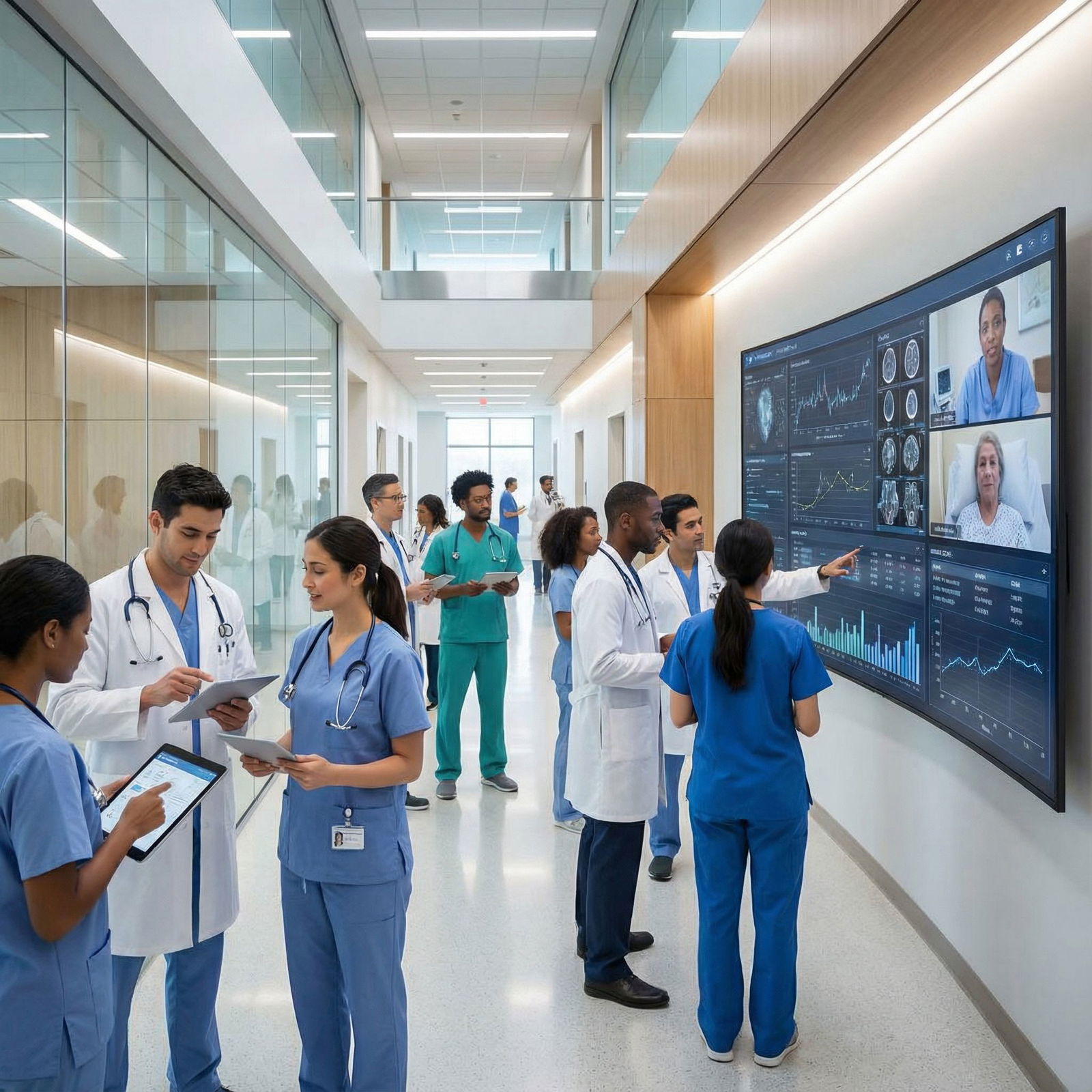
Introduction: Technology as a Career-Shaping Force in Modern Medicine
The impact of technology on Healthcare Careers has never been more profound. From electronic health records (EHRs) and advanced imaging to Telemedicine platforms and artificial intelligence (AI), digital innovation is reshaping not only how physicians practice, but also where and in what capacity they choose to build their careers.
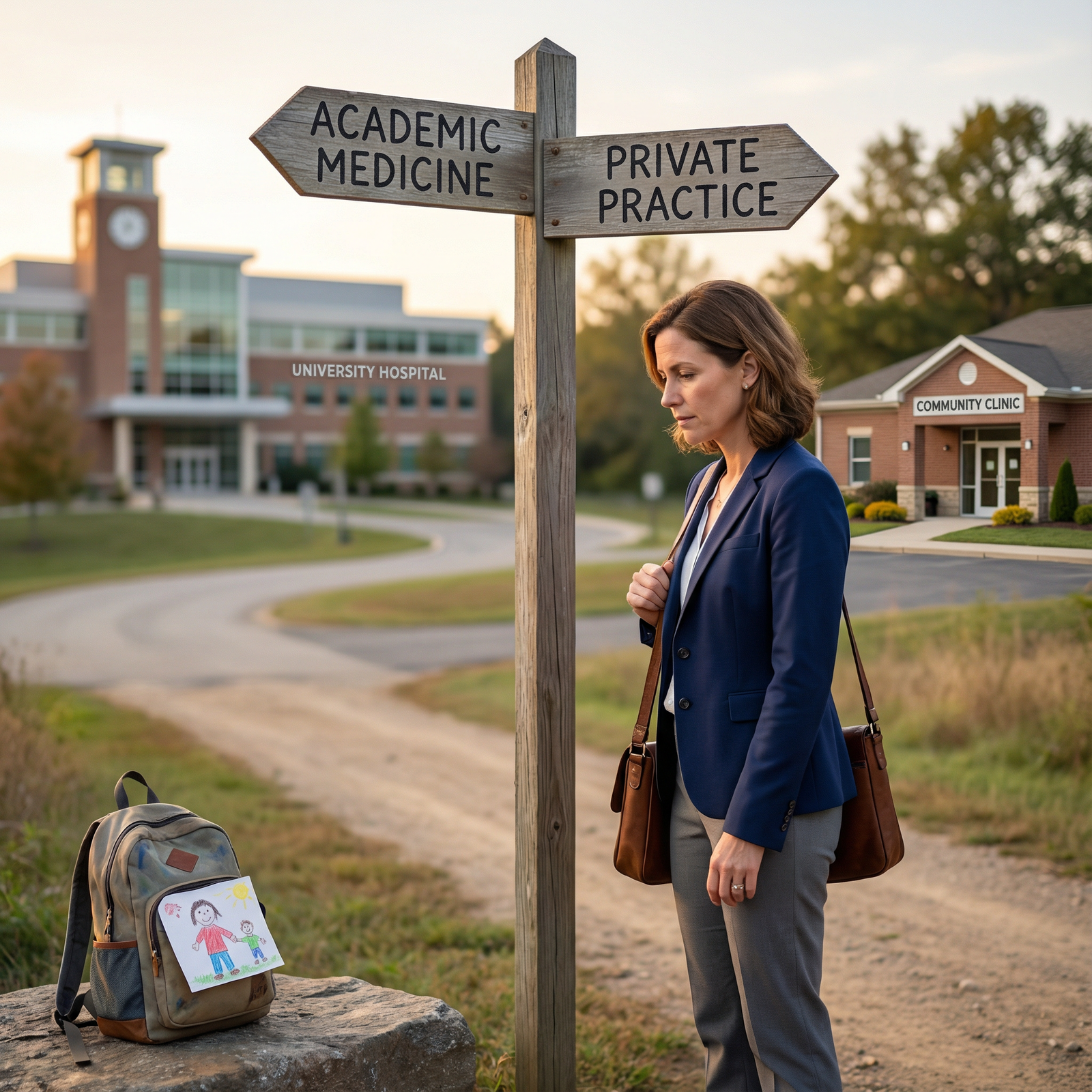
For residents and early-career physicians deciding between Academic Medicine and Private Practice, technology is now a central part of the equation. It influences daily workflow, teaching and research opportunities, financial models, work-life balance, and even how you connect with patients across geographic boundaries.
This enhanced guide explores how Medical Technology and digital innovation shape career choices in academia versus private practice. It retains the core insights of the original article, but goes deeper into:
- How technology changes teaching, clinical care, and research
- The practical realities of EHRs, AI, and telehealth in both settings
- New hybrid and nontraditional roles enabled by technology
- Actionable considerations for residents and fellows making career decisions
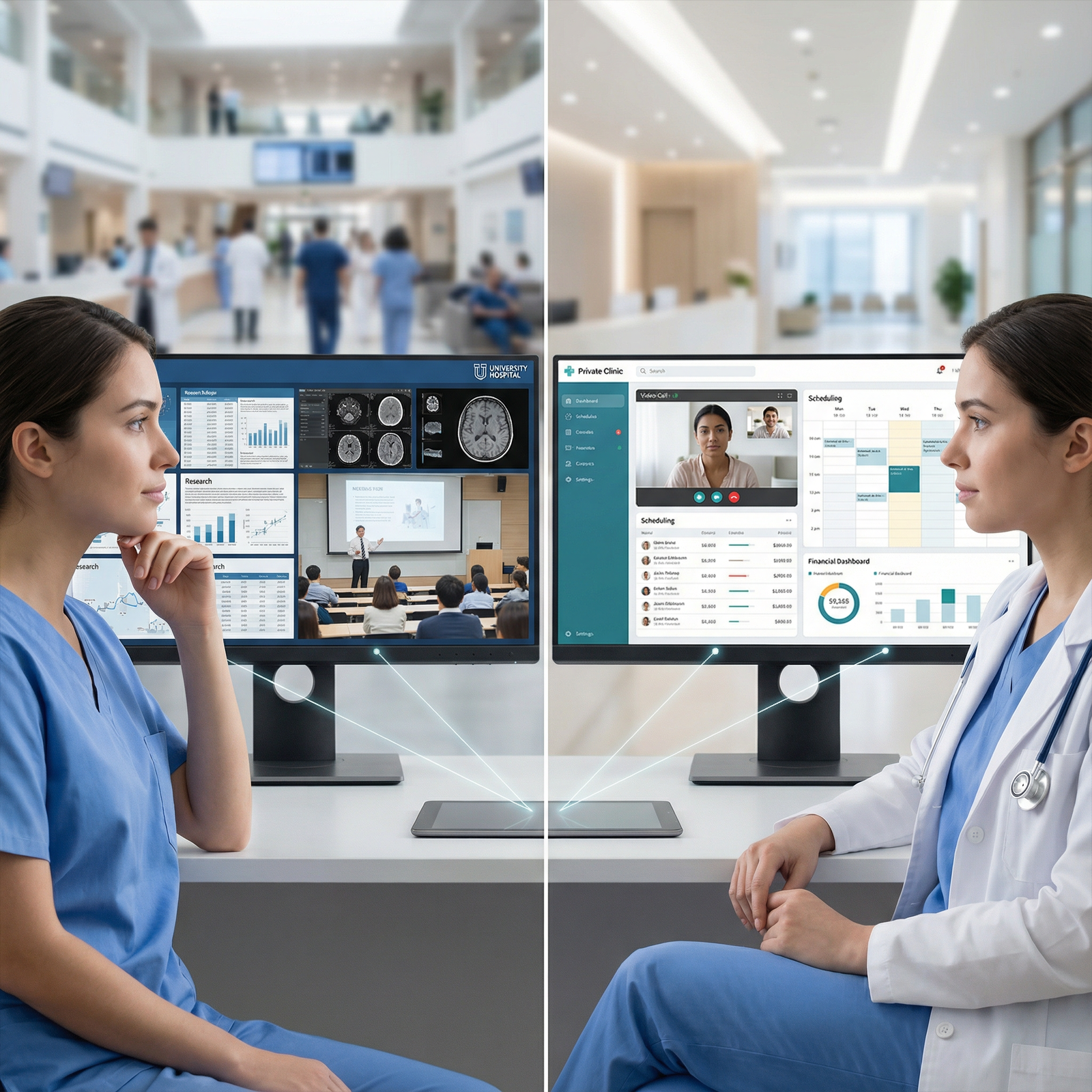
Academic Medicine vs. Private Practice: Core Roles in a Digital Era
Understanding how technology influences each pathway starts with a clear view of what Academic Medicine and Private Practice traditionally entail, and how those expectations are evolving.
Academic Practitioners in a Technology-Driven Environment
Academic practitioners are usually affiliated with universities, teaching hospitals, or research institutions. Their careers tend to balance three pillars: teaching, research, and patient care.
1. Teaching and Mentorship
Academic faculty are responsible for training the next generation of health professionals. Technology has widened the scope and methods of teaching:
Digital Lectures and Flipped Classrooms
Recorded lectures, interactive modules, and problem-based learning platforms allow flexible, student-centered education. Faculty may curate digital content, lead virtual small groups, or facilitate case-based discussions using EHR screenshots and imaging examples.Simulation-Based Education
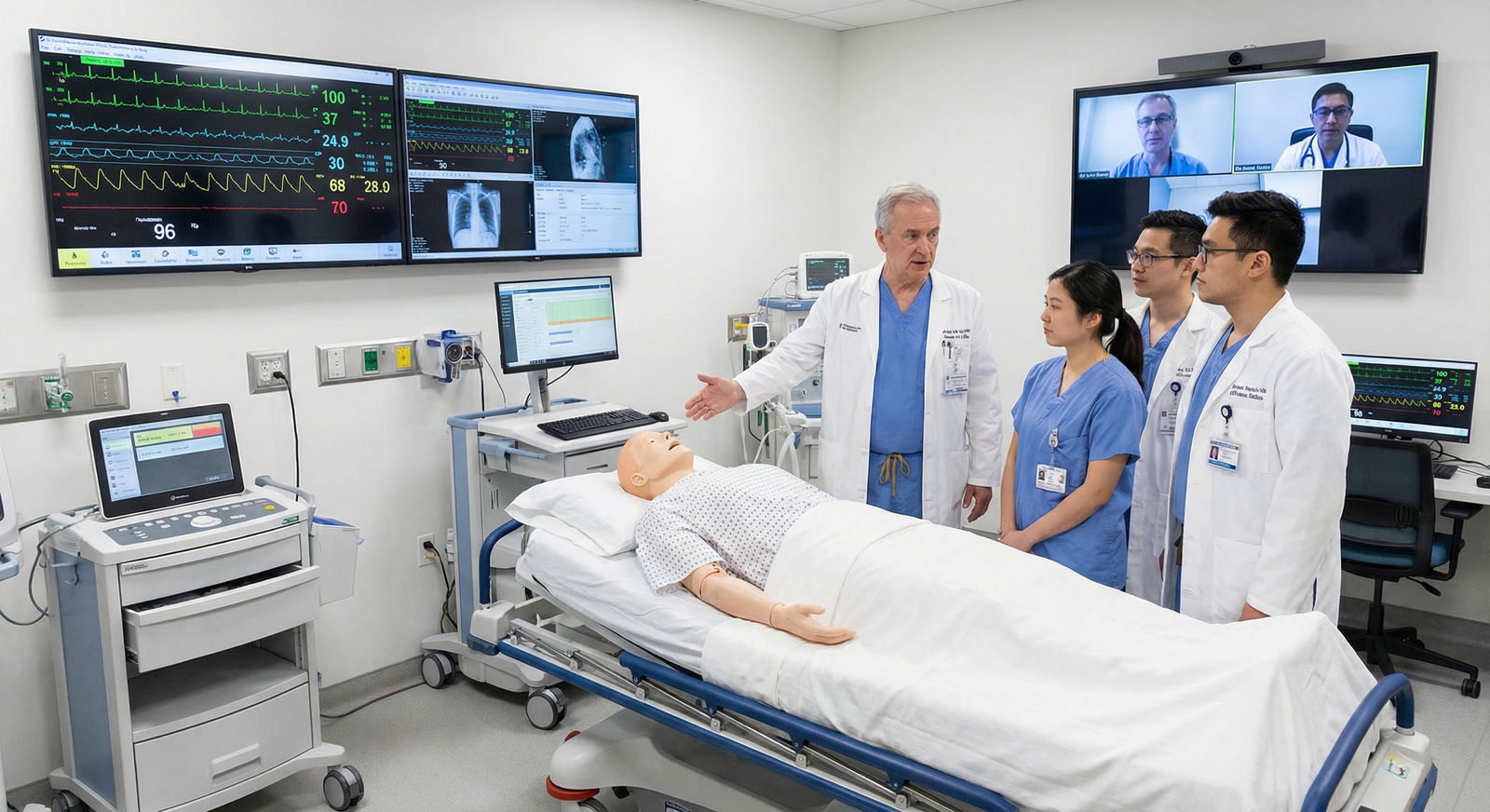
High-fidelity mannequins, virtual reality (VR) simulations, and surgical simulators enable trainees to practice procedures and crisis scenarios in a controlled, risk-free environment. Faculty increasingly need to be comfortable designing and assessing simulation-based curricula.Remote Mentorship
Video conferencing tools enable longitudinal mentorship of students and residents across institutions or even countries. Academic physicians may supervise residents on Telemedicine shifts or review digital case logs instead of only in-person ward rounds.
2. Research and Innovation
Academic Medicine sits at the intersection of clinical care and Medical Technology innovation:
Clinical and Translational Research
Large health system EHRs provide vast datasets for observational studies, quality improvement, and predictive analytics research. Faculty can collaborate with data scientists, bioinformaticians, and engineers to develop new diagnostic algorithms or digital tools.Grant-Funded Technology Projects
Many academic physician-scientists lead projects involving machine learning, digital therapeutics, or remote monitoring devices. These initiatives often require comfort with data governance, algorithm validation, and regulatory pathways.Dissemination and Thought Leadership
Beyond traditional journals, academics now share findings through webinars, podcasts, social media, and online courses—expanding their professional visibility and influence.
3. Patient Care in Academic Centers
Academic clinicians typically work in tertiary or quaternary care settings with:
- Advanced diagnostic imaging, interventional suites, and subspecialty consultation
- Complex, technology-intensive patient populations (e.g., transplant, oncology, advanced heart failure)
- Integrated Telemedicine programs for rural outreach, e-consults, or remote specialty support
Technology therefore becomes part of daily patient care and an important dimension of trainees’ education.
Private Practitioners in a Digitally Enabled Marketplace
Private Practice physicians may work solo, in small groups, or as part of larger private or corporate groups. While the core focus remains direct patient care, technology significantly shapes how they deliver and manage that care.
1. Patient Relationships and Continuity of Care
A hallmark of Private Practice is longitudinal relationships with patients and families:
Digital Communication
Secure patient portals, messaging systems, and Telemedicine visits extend care beyond the clinic walls, supporting medication refills, chronic disease management, and prompt symptom triage.Brand and Reputation Management
Online reviews, practice websites, and social media presence influence patient acquisition and retention. Many private practitioners now consider digital marketing and online visibility as part of their professional identity.
2. Business and Practice Management
Running or leading a Private Practice means navigating both clinical and business responsibilities:
Practice Management Software
Scheduling, billing, insurance verification, revenue cycle management, and analytics often rely on integrated digital platforms.EHR Selection and Customization
Unlike many academic institutions where systems are centralized, private practitioners may participate in selecting their EHR, Telemedicine platform, and documentation tools—balancing costs, usability, and compliance.Data-Driven Decision-Making
Business dashboards can track metrics such as no-show rates, payer mix, procedural volumes, and Telemedicine utilization, helping physicians optimize operations and staffing.
3. Limited but Emerging Research and Teaching Roles
Although traditional, large-scale research is less common in Private Practice:
- Some physicians partner with industry on device or drug trials.
- Practices may contribute data to registries or multi-center studies.
- Community physicians increasingly teach students and residents via affiliated programs, especially using Telemedicine precepting or shared clinic models.
How Technology Shapes Teaching, Clinical Care, and Daily Workflow
Technology doesn’t just modify what you do—it often redefines how you spend your time, who you interact with, and what skills you must develop to thrive in each career path.
Transforming Teaching and Lifelong Learning
Academic Medicine: Digital Pedagogy and Global Reach
Technology has expanded the educational footprint of Academic Medicine:
Global Classrooms
Faculty may teach students on other campuses or continents via live-streamed lectures and interactive case conferences.Learning Analytics
Learning management systems can track student engagement, quiz performance, and competency attainment, allowing educators to personalize teaching and identify struggling learners early.Interprofessional Virtual Training
Interdisciplinary teams—medical, nursing, pharmacy, and allied health students—can train together via online modules and virtual patient scenarios.
For residents interested in teaching, these tools create robust opportunities to develop as clinician-educators with skills in curriculum design, online facilitation, and assessment.
Private Practice: On-Demand Continuing Medical Education
For private practitioners, technology enhances flexibility in staying current:
Online CME and Microlearning
Short, case-based modules, podcasts, and webinars allow clinicians to earn CME credits during commutes or between clinics.Virtual Conferences and Workshops
Major conferences now offer hybrid or fully virtual options, limiting travel disruption and expanding access.Peer-to-Peer Digital Communities
Specialty forums, secure messaging apps, and professional networks enable case discussions, guideline updates, and practice tips in real time.
If you value autonomy and self-directed learning, the digital CME ecosystem can make Private Practice more compatible with staying at the cutting edge of your field.
Telemedicine and Virtual Care: Redefining Where and How You Practice
Telemedicine is a key driver of new career models and work patterns.
Academic Medicine: Telehealth as Care and Research Platform
Expanded Reach for Specialty Care
Academic centers can provide subspecialty consults to community hospitals, rural clinics, and even international partners through synchronous video visits or asynchronous e-consults.Tele-ICU and Remote Monitoring
Intensivists in academic hubs may oversee multiple ICUs across a health system using centralized monitoring and telepresence.Educational Integration
Residents can be supervised during Telemedicine visits, learning virtual exam techniques, digital etiquette, and safe remote prescribing practices.Research Opportunities
Academic physicians can study Telemedicine outcomes, equity, patient satisfaction, and cost-effectiveness, securing grants and publishing in emerging digital health journals.
Private Practice: New Models of Flexibility and Market Reach
Hybrid Practice Models
Private practitioners may design schedules blending in-person clinics with virtual visit sessions, improving work-life balance.Geographic Expansion
Within regulatory limits, Telemedicine allows building a broader patient base, including rural areas or underserved urban communities.Niche Virtual Services
Some physicians develop Telemedicine-focused clinics in areas like mental health, dermatology, weight management, or second opinions.
For residents considering work flexibility, portfolio careers, or even part-time clinical work, Telemedicine offers options that weren’t widely available a decade ago.
EHRs, Data Management, and Clinical Decision-Support
Electronic Health Records are often the most visible—and sometimes most contentious—technology in daily clinical life.
Academic Settings: Big Data and Integrated Systems
Complex but Integrated EHRs
Large academic health systems often use enterprise-level EHRs spanning inpatient, outpatient, and ancillary services.Clinical Decision Support Tools
Embedded alerts, order sets, and risk calculators can standardize care but also contribute to alert fatigue.Research and Quality Improvement
Access to system-wide data enables robust quality improvement projects, predictive modeling, and health services research—ideal for residents and fellows interested in Academic Medicine or healthcare innovation.Training Requirements
Trainees in academic centers often receive formal EHR training and may participate in user-feedback groups or clinician informatics committees.
Private Practice: Choice, Customization, and Efficiency
System Selection
Private practices can choose EHR vendors based on specialty needs, usability, and budget. This can be empowering—but also a major responsibility.Workflow Tailoring
Templates, voice recognition, mobile access, and integration with practice management software can be customized to minimize clicks and optimize visit flow.Data for Business and Quality
Tools can track clinical metrics (e.g., diabetes control, screening rates) alongside operational metrics (e.g., patient volume, revenue), helping owners refine both medical and business performance.
For career planning, consider your tolerance for complex institutional systems versus your interest in customizing your own digital environment.
AI, Innovative Tools, and the Future of Physician Roles
Artificial Intelligence and advanced Medical Technology are changing the skill sets and opportunities available to both academic and private practitioners.
Academic Medicine: Leading Innovation and Training the Workforce
Academic environments are often early adopters and developers of cutting-edge tools:
AI-Assisted Diagnostics
Machine learning models help interpret imaging, ECGs, pathology slides, and risk scores. Academics may validate and refine these algorithms or investigate their impact on clinical outcomes.Digital Health Research
Faculty in informatics, biomedical engineering, or population health collaborate on apps, wearable devices, and digital therapeutics.Curriculum Development
Academic leaders increasingly integrate data literacy, ethics of AI, and digital health competencies into medical school and residency curricula.
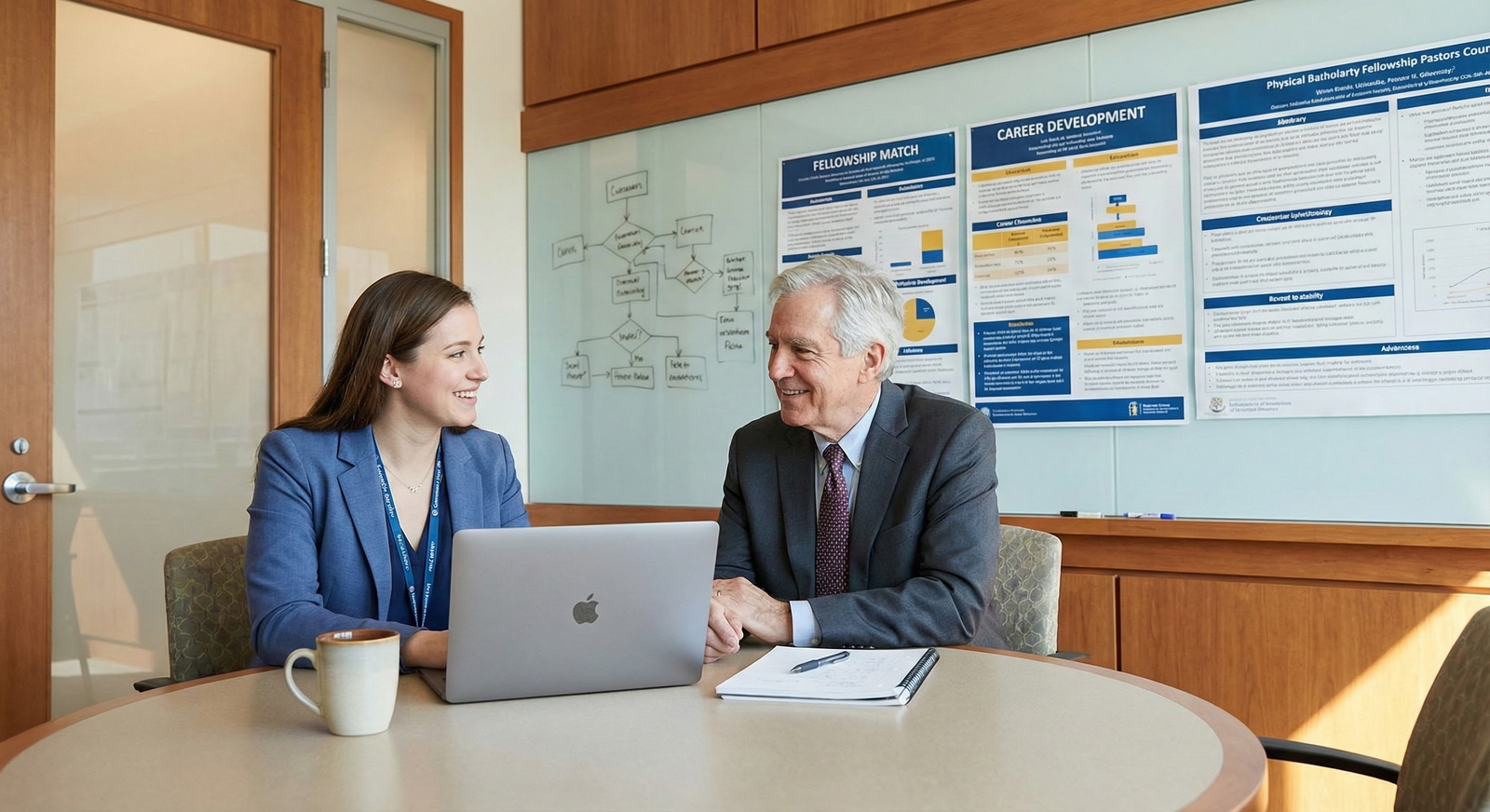
For residents interested in innovation, Clinical Informatics fellowships, digital health research tracks, and joint degrees (e.g., MD–MS in Clinical Informatics or Data Science) are expanding rapidly.
Private Practice: Practical Adoption and Competitive Differentiation
Private practitioners may not build AI tools, but they increasingly choose and use them:
Clinical Decision-Support in Practice
Tools that flag high-risk patients, suggest guideline-concordant care, or streamline documentation can reduce cognitive load and improve care consistency.Operational AI Tools
Chatbots, automated appointment reminders, and predictive scheduling can improve efficiency and patient experience.Competitive Advantage
Practices that adopt well-chosen technology can market themselves as modern, accessible, and patient-centered—key differentiators in competitive urban markets.
Physicians in Private Practice benefit from staying informed about the evidence base and regulatory landscape of emerging tools, ensuring safe, ethical, and cost-effective adoption.
Opportunities and Challenges: Technology’s Double-Edged Sword
Technology creates powerful new opportunities, but also meaningful challenges that differ between Academic Medicine and Private Practice.
Key Opportunities for Technology-Driven Healthcare Careers
Career Flexibility and Hybrid Roles
- Mix clinical work with Telemedicine, teaching, consulting, digital content creation, or health-tech advisory roles.
- Split time between Academic Medicine and Private Practice, supported by shared EHRs and virtual collaboration tools.
Enhanced Patient Care and Outcomes
- Improve diagnostic accuracy and treatment personalization with AI and advanced imaging.
- Use remote monitoring and Telemedicine to proactively manage chronic diseases.
Networking and Global Collaboration
- Participate in international case conferences, online journal clubs, and collaborative research across borders.
- Build a professional brand through webinars, podcasts, and online publications.
Expanded Nonclinical Career Options
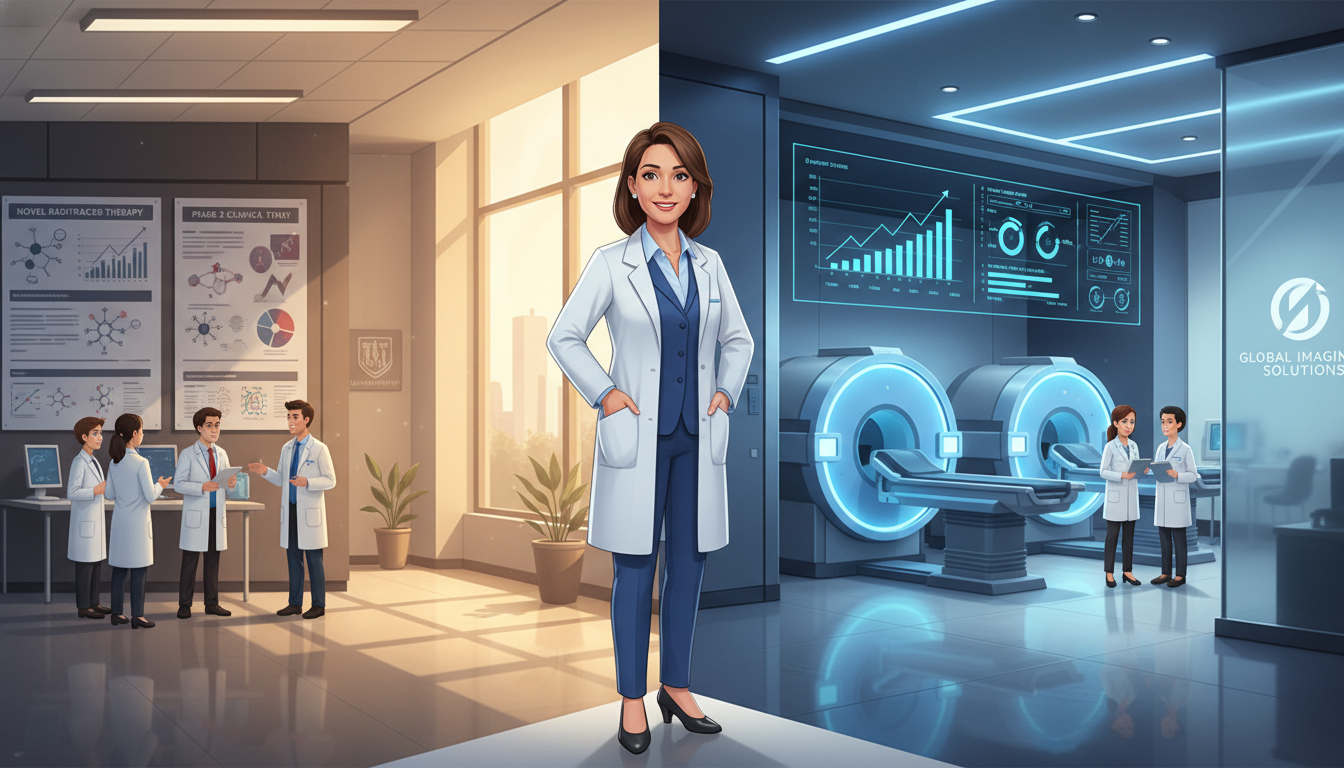
- Roles in health informatics, digital health startups, medical device companies, and payer or policy organizations increasingly value physicians with strong technology experience.
Core Challenges to Anticipate and Manage
Technological Overload and Burnout
- EHR documentation burden, constant alerts, and Telemedicine “zoom fatigue” contribute to burnout in both environments.
- Academic physicians may face additional pressure to publish or secure grants involving complex technology.
Learning Curve and Continuous Training
- Older systems may be unintuitive; new tools roll out frequently.
- Both academic and private practitioners must remain committed to ongoing digital skill-building.
Data Security and Privacy
- Academic centers and Private Practices alike must ensure HIPAA-compliant communication, secure storage, and robust cybersecurity practices.
- Telemedicine and mobile devices introduce additional risk points.
Equity and Access Considerations
- Not all patients have access to high-speed internet, smartphones, or digital literacy.
- Academic physicians may study these disparities; private practitioners must design inclusive workflows and offer alternatives to digital-only models.
Regulatory and Reimbursement Uncertainty
- Telemedicine regulations, cross-state licensure, and reimbursement rules can shift, impacting both academic programs and private practices.
Practical Considerations for Residents and Fellows Choosing a Path
When evaluating Academic Medicine versus Private Practice in a technology-rich healthcare system, consider these actionable steps:
1. Map Your Interests to Technology-Driven Opportunities
Ask yourself:
Do you enjoy teaching and explaining complex concepts?
→ Consider Academic Medicine with involvement in simulation, e-learning, and curriculum design.Are you drawn to data, systems, and process improvement?
→ Look into Clinical Informatics, quality improvement roles, or research tracks at academic centers.Do you value autonomy and direct control over your work environment?
→ Explore Private Practice settings where you can choose your EHR, Telemedicine platforms, and workflow tools.
2. Seek Exposure During Training
- Rotate in both academic and community or private practice settings with different technology environments.
- Ask to participate in Telemedicine clinics, digital documentation improvement projects, or quality initiatives.
- Attend institution-level meetings on EHR optimization or Telehealth expansion to understand operational realities.
3. Evaluate Institutional Support and Culture
For Academic positions:
- How robust are the digital education tools and simulation centers?
- Is there protected time and mentorship for digital health or informatics projects?
- Are there clear promotion pathways for clinician-educators and innovators?
For Private Practice positions:
- Who chooses and maintains the EHR and Telemedicine tools?
- What training and tech support are available to clinicians?
- How is after-hours digital work (patient messages, inbox) managed and compensated?
4. Plan for Lifelong Adaptability
Regardless of your setting:
- Cultivate basic data literacy and comfort with new platforms.
- Regularly reassess your practice patterns and look for technology that genuinely reduces friction rather than simply adding complexity.
- Protect your boundaries—use tools that streamline care, and be cautious about tech that expands your workload without clear benefit.
FAQs: Technology, Academic Medicine, and Private Practice Careers
1. How does technology most significantly differ between Academic Medicine and Private Practice?
Academic Medicine typically involves large, integrated EHR systems, advanced research tools, and sophisticated simulation and educational platforms. Faculty often participate in or lead technology-driven research and innovation.
Private Practice, by contrast, usually offers more choice and customization of EHRs, Telemedicine tools, and practice management systems. The technology focus tends to be on efficiency, patient access, and financial sustainability rather than research.
2. Does choosing Private Practice mean I’ll have fewer opportunities to work with advanced Medical Technology?
Not necessarily. Many Private Practices use state-of-the-art imaging, minimally invasive devices, AI-enhanced decision-support, and robust Telemedicine platforms. However, if you want to be on the forefront of developing or studying new technologies, Academic Medicine generally provides more formal pathways, grants, and infrastructure for that kind of work.
3. How has Telemedicine changed work-life balance for academic and private practitioners?
Telemedicine has created greater scheduling flexibility in both settings. Academic physicians may balance in-person clinics, Telehealth visits, and virtual teaching or conferences. Private practitioners can design hybrid practices, reduce commute time, and reach a broader patient base. That said, Telemedicine can also blur boundaries if after-hours digital work is not well controlled, so it’s important to negotiate expectations and protections up front.
4. What skills should I develop during residency to be competitive in technology-focused Healthcare Careers?
Valuable skills include:
- Proficiency with EHRs and basic data extraction for quality projects
- Comfort with Telemedicine etiquette and virtual physical exam techniques
- Understanding of privacy, security, and regulatory issues in digital health
- Basic data literacy (interpreting dashboards, quality metrics, and simple analytics)
- Communication skills for teaching or presenting in digital formats (webinars, online modules)
If available, consider electives in clinical informatics, quality improvement, or digital health.
5. Can I combine Academic Medicine and Private Practice in a technology-enabled career?
Yes. Many physicians hold part-time academic appointments while working in Private Practice, particularly in specialties where community-based training sites are common. Shared EHRs, Telemedicine, and cloud-based collaboration tools make it easier to:
- Teach or precept residents one or two days per week
- Participate in multi-site research or quality improvement projects
- Maintain a primary clinical base in Private Practice while contributing to Academic Medicine
When pursuing such hybrid roles, clarify expectations around teaching, research, compensation, and access to institutional technology resources.
Technology is not simply a backdrop to career choice—it is a defining element of how Academic Medicine and Private Practice operate today. By understanding how Medical Technology, Telemedicine, and digital tools shape each pathway, you can make more informed, strategic decisions that align your skills, values, and long-term goals in the evolving landscape of Healthcare Careers.