Understanding the Landscape: Why This Choice Matters for Non‑US Citizen IMGs
For a non-US citizen IMG in diagnostic radiology, the decision between academic radiology and private practice is more than a lifestyle or salary question. It intersects with:
- Visa sponsorship and long-term immigration planning
- Competitiveness of the diagnostic radiology match and fellowship market
- Your ultimate goals in academic medicine career paths (research, teaching, leadership)
- Financial goals, including loan repayment and supporting family
- Work–life balance, geographic preferences, and job security
As a foreign national medical graduate, you face additional constraints that US graduates often do not: H‑1B caps, J‑1 waiver requirements, institutional policies about sponsorship, and risk tolerance of employers. These factors can strongly influence whether academic or private practice settings are more realistic or advantageous—especially immediately after residency and fellowship.
This article will walk you through:
- Core differences between academic and private practice radiology
- How these differences specifically affect a non-US citizen IMG
- Visa and immigration implications of each pathway
- How to approach choosing career path in medicine when your options are constrained by immigration status
- Practical strategies and examples to help you plan the transition from residency to your first attending job
Core Differences Between Academic and Private Practice Radiology
Before adding the IMG and visa lens, it helps to clearly define the two main environments.
1. Mission and Culture
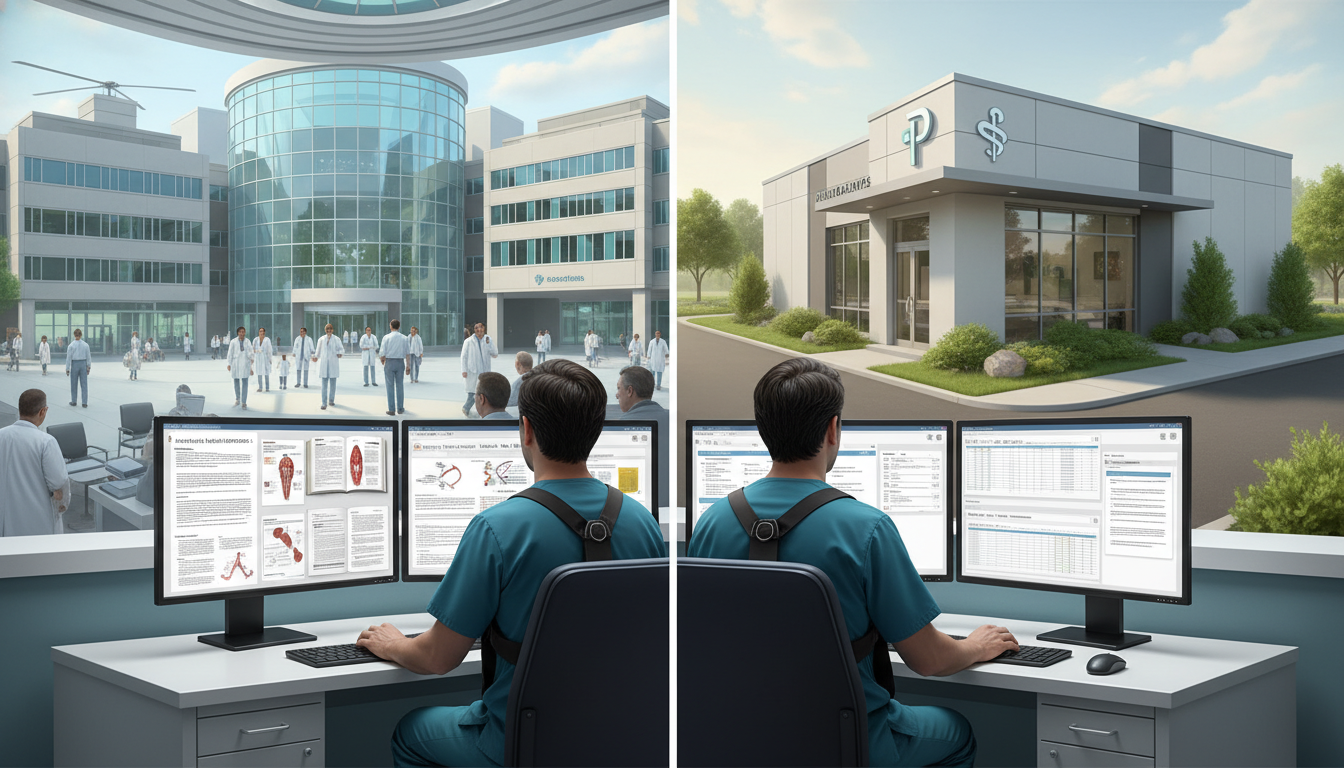
Academic radiology departments (usually at university hospitals or large teaching centers) focus on:
- Clinical care (often complex, tertiary and quaternary referrals)
- Teaching (medical students, residents, fellows)
- Research (basic science, translational, clinical, quality improvement)
- Institutional and national leadership in guidelines, protocols, and policy
The culture tends to value intellectual curiosity, collaboration, and academic productivity. Productivity is measured not only in RVUs (relative value units) but also in publications, grants, presentations, educational activities, and committee service.
Private practice radiology groups (independent or employed, covering community hospitals, imaging centers, or health systems) focus on:
- High-efficiency, high-volume imaging interpretation
- Strong service to referring clinicians and hospitals
- Business and operational performance of the group or practice
- Patient access, convenience, and customer service
The culture is usually more business-oriented, with emphasis on clinical productivity, turnaround times, and revenue generation. Academic metrics are secondary or absent.
2. Clinical Scope and Case Mix
Academic centers often offer:
- High-end, subspecialized work (e.g., advanced neuroradiology, complex oncologic imaging, cardiac MRI, interventional oncology)
- Many multidisciplinary conferences (tumor boards, subspecialty case conferences)
- Cutting-edge technologies, early adoption of AI tools, and novel protocols
- A steady stream of rare and complex pathology
Private practice usually provides:
- Broader general radiology coverage: X‑ray, CT, MRI, ultrasound, sometimes basic interventional or procedural work
- Mix of outpatient imaging, emergency radiology, and inpatient studies
- More common, bread-and-butter pathology with some subspecialty pockets, depending on the group’s structure and local hospitals
For a radiology resident or fellow, this difference influences your skills, ongoing learning, and professional identity: do you want to be a broad generalist or a subspecialist aligned with an academic medicine career?
3. Workload, Schedule, and Lifestyle
Academic radiology tends to offer:
- Some non-clinical time (e.g., 0.2–0.4 FTE) for research, teaching, or administrative duties—though this varies by institution and seniority
- Structured time for conferences, resident teaching, and CME
- Slightly lower RVU expectations compared to high-volume private practice
- More evening and weekend call if you are at a large trauma or tertiary center
Private practice commonly features:
- Higher clinical volume and RVU targets
- Fewer protected hours for academic activities
- More streamlined, efficiency-driven workflows
- In some groups, flexible shifts, remote reading, or part-time options, depending on seniority and market
For many foreign national medical graduates, this lifestyle difference must be balanced against financial needs and visa constraints.
4. Compensation and Financial Trajectory
While exact numbers vary by region and subspecialty, broad patterns are consistent:
- Private practice generally offers higher base salaries and potential bonuses. Mature partners in successful groups often earn substantially more than academic attendings.
- Academic radiology salaries are lower on average but may include:
- More stable employment (large institution)
- State or university benefits and retirement plans
- Opportunities for supplementary income (moonlighting, grants, administrative stipends, consulting)
As a non-US citizen IMG who may have financial obligations abroad, the salary gap can be compelling—but should be balanced with job security, ease of visa sponsorship, and long-term immigration strategy.
Visa and Immigration Considerations: Academic vs Private Practice
For non‑US citizen IMGs, immigration status is often the deciding factor more than personal preference. Different employers have different levels of experience and comfort sponsoring foreign physicians.
Common Visa Pathways in Radiology
Most non-US citizen IMG radiology residents and fellows are on:
- J-1 visa (ECFMG-sponsored)
- H‑1B visa (institution-sponsored)
Your visa type influences how smoothly you can move into an academic or private practice job.
J‑1 Visa and the Two-Year Home Residency Requirement
If you trained on a J‑1:
- You must either return to your home country for two years or
- Obtain a J‑1 waiver (commonly a 3-year service obligation in an underserved area or VA facility)
For diagnostic radiology, J‑1 waiver jobs are often:
- In rural or underserved community hospitals
- Frequently non-academic, community-based settings
- Sometimes structured as hospital-employed or private practice groups serving waiver-eligible locations
Academic centers in major cities (where most university radiology departments are) rarely qualify as J‑1 waiver sites. This often pushes non-US citizen IMGs toward:
- Community-based or private practice-like roles for their first three years
- Considering academic medicine later, after completing the waiver service and obtaining a different status (e.g., H‑1B, then green card)
H‑1B Visa: More Common in Academic Settings
Many academic medical centers:
- Are cap-exempt for H‑1B visas (as universities or affiliated research institutions)
- Have established international offices with experience sponsoring and transitioning foreign physicians
- Are willing to sponsor permanent residency (green card) after a period of successful employment
In contrast, some private practice groups:
- May lack experience with H‑1B or green card sponsorship
- Worry about legal costs and administrative burdens
- Prefer candidates who are US citizens or permanent residents, especially in competitive markets
However, large private practices, particularly those integrated with hospital systems, may be more open to support H‑1B sponsorship, especially in high-need regions.
Comparative Visa Realities: Academic vs Private Practice
Academic radiology advantages for IMGs:
- Greater familiarity with visa processes
- Cap-exempt H‑1B options at university or non-profit research institutions
- Often more robust HR and legal support
- A more predictable path to green card sponsorship
Private practice challenges and opportunities:
- Some practices hesitate to sponsor visas or green cards
- Smaller groups may not have established immigration counsel
- But rural or underserved regions (where many J‑1 waivers are available) may be more flexible and motivated to sponsor foreign physicians
Practical tip:
As early as PGY‑3 in diagnostic radiology, start asking potential employers explicitly:
- “Do you sponsor H‑1B visas for radiologists?”
- “Do you have experience sponsoring green cards for prior non-US citizen IMG colleagues?”
- “Has your group ever employed a foreign national medical graduate?”
Their answers will quickly reveal whether an opportunity is realistically compatible with your immigration needs.
Academic Radiology: Pros, Cons, and Fit for Non-US Citizen IMGs
Key Advantages of an Academic Medicine Career
- Teaching and Mentorship
If you enjoy explaining complex imaging findings, leading case conferences, or mentoring residents and fellows, academic radiology is a natural fit. You’ll:
- Participate in structured teaching schedules
- Develop educational materials, lectures, or curricula
- Guide residents through the diagnostic radiology match and fellowship applications
For a non-US citizen IMG, this also offers a way to “give back,” particularly if you were mentored by academic faculty along your journey.
- Research and Innovation
Academic centers are where:
- New imaging protocols and AI tools are tested
- Large retrospective database studies are conducted
- Multicenter trials and grant-funded projects originate
If you see yourself contributing to evidence-based radiology, publishing papers, or presenting at national conferences, academic practice is ideal. This also reinforces your professional profile, which can be particularly important for a foreign national medical graduate seeking leadership roles.
- Subspecialization and Complex Cases
Academic hospitals often provide:
- Dedicated neuroradiology, MSK, pediatric, interventional, body, and breast divisions
- Highly complex oncologic and transplant imaging
- Multidisciplinary conferences with leading surgeons and oncologists
This environment can keep you at the cutting edge of your field, which may later open doors globally, not just in the US.
- Structured Pathway to Leadership
Academic medicine offers formal routes to:
- Division chief roles
- Program director or vice chair positions
- Institutional committee leadership, quality and safety roles
- National society leadership in radiology organizations
As a non-US citizen IMG, this can take time and persistence, but academic credentials and committee work can help you overcome initial biases.
Potential Disadvantages and Challenges
- Lower Compensation Compared to Private Practice
Especially in early and mid-career years, academic radiologists typically earn less. For someone supporting family abroad or repaying loans, this is a non-trivial trade-off.
- Pressure for Academic Productivity
Promotion and tenure requirements may include:
- Minimum number of publications
- Evidence of independent research or grant funding
- Teaching evaluations and curriculum contributions
If research does not appeal to you, a purely academic environment can be stressful. Some departments, however, are more clinically focused and have “clinical educator” tracks with lower research expectations.
- Bureaucracy and Slower Decision-Making
Large university systems often mean:
- More layers of administration
- Slower changes to workflow, technology, or policies
- Complex promotion processes
For a non-US citizen IMG who has already navigated significant bureaucracy for visas and licensure, this can feel like more red tape.
Who Thrives in Academic Diagnostic Radiology?
You might be best suited for academic medicine if:
- You had prior research experience as an IMG, or enjoy scholarly work
- You want a strong teaching component in your career
- You value being at a major referral center with complex cases
- You see yourself rising into departmental or national leadership
- You want robust, familiar support for visas and green card sponsorship
Private Practice Radiology: Pros, Cons, and Fit for Non-US Citizen IMGs
Key Advantages of Private Practice
- Higher Earning Potential
Most private practice jobs offer:
- Higher starting salaries than academic positions
- Productivity-based bonuses (RVU or profit-sharing models)
- Potential partnership tracks with significant income growth
For a non-US citizen IMG, this can:
- Accelerate loan repayment
- Support family obligations in your home country
- Provide more financial flexibility for relocation and long-term planning
- Clinical Focus and Efficiency
If you prefer:
- Direct, high-volume clinical work
- Minimizing meetings and academic obligations
- Focusing on diagnostic speed and accuracy
Private practice aligns well with this mindset. You do not typically need to publish or teach to advance.
- Operational Autonomy (Especially as Partner)
In many private groups, partners:
- Influence scheduling and vacation policies
- Decide on equipment purchases and technology upgrades
- Negotiate contracts with hospitals and imaging centers
For an IMG who wants more control over their daily work environment, becoming a partner in a stable group can be very appealing.
- Geographic Flexibility
Private practices exist in:
- Urban, suburban, and rural communities
- Regions with lower cost of living
- Areas that may offer J‑1 waiver-eligible jobs or be more open to sponsorship due to workforce shortages
This may provide more options if your primary priority is to remain in the US and secure stable employment quickly after training.
Potential Disadvantages and Challenges
- Visa Sponsorship Hesitancy
Some private practices, especially small or new ones:
- Have no prior history hiring non-US citizen IMGs
- Are unaware of H‑1B or green card processes
- Fear the costs and potential complications
As a result, they may prefer “low-friction” candidates who are US citizens or permanent residents—particularly when the job market is favorable to employers.
- Less Structured Support and Mentorship
While many private practices are collegial, they may not:
- Provide formal mentorship programs
- Offer dedicated academic time or conference funding
- Have established pipelines for leadership development
You need to be more proactive in seeking mentorship and networking through professional societies.
- Business and Legal Complexity
As you approach partnership, you may need to:
- Understand financial statements and group governance
- Navigate non-compete clauses and buy-ins
- Accept that practice mergers or hospital acquisitions can change your job’s nature
For a foreign national medical graduate, there is an extra layer of risk: job instability can complicate visa status if a position ends unexpectedly.
Who Thrives in Private Practice Diagnostic Radiology?
You may be best suited for private practice if:
- You are primarily interested in efficient, high-quality clinical work
- You value higher income and are comfortable with productivity-based compensation
- You are willing to work in less-saturated markets, including smaller cities or rural regions
- You are prepared to be proactive about understanding visas, contracts, and practice structure
Strategic Advice for Non‑US Citizen IMGs: Choosing and Sequencing Your Path
The choice between academic vs private practice is not always permanent. Many radiologists move between them at different career stages. For a non-US citizen IMG, thinking in phases can be very useful.
Phase 1: Residency and Fellowship (Diagnostic Radiology Match and Beyond)
During training:
Clarify Your Interests Early
- Pay attention to what brings you more energy: teaching conferences and research meetings, or high-volume call shifts where you enjoy efficient decision-making.
- Seek mentors in both academic and private practice settings.
Build a CV That Keeps Options Open
- Even if you think you prefer private practice, having some research or teaching experience makes you more attractive to a broader range of employers, including academic institutions that may be more willing to sponsor visas.
Understand Your Visa Timeline
- If J‑1: Learn about J‑1 waiver requirements by PGY‑3. Attend informational sessions, talk to immigration counsel if available, and speak with older foreign national medical graduates who have completed waivers.
- If H‑1B: Confirm whether your institution is cap-exempt and clarify how a future employer might transfer that H‑1B.
Phase 2: First Attending Job – Maximizing Flexibility
For many non-US citizen IMGs, the initial job is shaped primarily by visa feasibility rather than ideal career setting. Practical strategies:
If You Have a J‑1 and Need a Waiver:
- Be open to community or hybrid jobs that look more like private practice—even if you ultimately want an academic medicine career.
- Consider positions in smaller university-affiliated hospitals located in underserved areas; they may provide some academic flavour while fulfilling waiver requirements.
- Use these years to:
- Build clinical excellence
- Network with academic mentors
- Maintain some scholarly activity if possible (e.g., remote collaborations)
If You Are on H‑1B from an Academic Center:
- You may find it easier to stay in academia initially, as many university employers are comfortable with H‑1B to green card transitions.
- If you aim for private practice, target larger or hospital-affiliated groups that have experience with H‑1B transfers.
Assess Cultural and Professional Fit
- You might discover you genuinely enjoy academic life despite the pay difference, or that you find private practice more rewarding than expected.
- Be honest with yourself about which environment supports your well-being and growth.
Phase 3: Long-Term Career Planning – Academic, Private, or Hybrid?
After your immigration status stabilizes (e.g., permanent residency or citizenship), your options expand.
Transitioning from Private Practice to Academic Medicine
- Highlight your broad clinical experience and efficiency.
- Engage in CME, subspecialty conferences, and potentially obtain additional certifications or fellowships to demonstrate academic readiness.
- Reconnect with former academic mentors for letters and introductions.
Transitioning from Academic to Private Practice
- Emphasize your subspecialty expertise, reputation, and teaching skills.
- Show willingness to adapt to high-volume workflows and productivity metrics.
- Understand partnership expectations, compensation models, and call responsibilities.
Hybrid Models
- Some radiologists hold part-time academic appointments (adjunct faculty) while primarily working in private practice.
- Tele-radiology roles may allow a mix of academic and private work, though visa considerations can complicate purely remote arrangements for non-permanent residents.
Global Options
- With US training in diagnostic radiology, you may also consider:
- Returning to your home country in a leadership or academic role
- Working in other countries that recognize US board certification
- Academic credentials and US experience—especially if combined with research—can be powerful internationally.
- With US training in diagnostic radiology, you may also consider:
Practical Action Steps for Non‑US Citizen IMG Radiology Trainees
Start Early (PGY‑2–3):
- Identify at least two mentors: one academic radiologist and one private practice radiologist, ideally familiar with IMG issues.
- Discuss realistic career trajectories for someone with your specific visa status.
Gather Information Systematically:
- When exploring jobs, prepare a list of questions:
- “What is the typical clinical load and RVU expectation?”
- “How is compensation structured? Is there a partnership track?”
- “What are teaching and research expectations?”
- “What is your history with visa and green card sponsorship?”
- When exploring jobs, prepare a list of questions:
Align Fellowship Choices with Future Goals:
- For academic aspirations: choose fellowships in highly subspecialized fields (e.g., neuroradiology, pediatric radiology, interventional radiology) and strive for research involvement.
- For private practice: any solid subspecialty is valuable, but consider those with strong market demand (e.g., neuroradiology, MSK, IR), and prioritize programs that emphasize high-volume clinical work.
Protect Your Immigration Status:
- Consult an immigration attorney if possible, particularly before signing J‑1 waiver contracts or complex employment agreements.
- Avoid abrupt job changes without confirming how they will affect your visa.
Think in Terms of a 10–15 Year Horizon:
- Early years may be constrained by visas and waivers.
- Mid-career can be where you fully exercise choice: academic vs private, leadership vs purely clinical, US vs international roles.
FAQs: Academic vs Private Practice for Non‑US Citizen IMG Radiologists
1. As a non-US citizen IMG, is academic radiology generally easier to enter than private practice?
Often yes, especially if you are on H‑1B or transitioning from a university-based residency or fellowship. Academic centers are more likely to be cap-exempt and have structured visa support. However, market demands and your subspecialty also matter; some private practices in underserved areas may be very IMG-friendly.
2. If I train on a J‑1 visa, can I still have an academic medicine career later?
Yes. Many IMGs complete J‑1 waiver jobs in community or private settings and later move into academic positions once their waiver obligations and immigration status stabilize. During your waiver years, maintain academic connections, join professional societies, and, if possible, collaborate on research or educational projects remotely.
3. Will choosing private practice hurt my chances of ever working in academia?
Not necessarily. Academic departments value strong clinicians, especially those with subspecialty expertise. To keep academic doors open, stay current with literature, attend conferences, and try to publish or present occasionally—even while in private practice. Subspecialty fellowship training before entering private practice also helps.
4. How should I prioritize my goals: visa security, salary, or academic interests?
In reality, you must balance all three, but for many non-US citizen IMGs, visa security comes first—without it, you cannot stay and build any career. Next, consider financial needs vs. your passion for teaching and research. It can help to view your career in phases: early years focused on immigration stability and experience, followed by a shift (if desired) toward the ideal academic or private practice environment once your status is secure.
Choosing between academic vs private practice as a non-US citizen IMG in diagnostic radiology is not a one-time, irreversible decision. It is a staged process shaped by your interests, family needs, and—with special significance—your visa and immigration path. By understanding the trade-offs and planning proactively, you can build a rewarding, sustainable radiology career in the US that reflects both your professional ambitions and your personal realities.