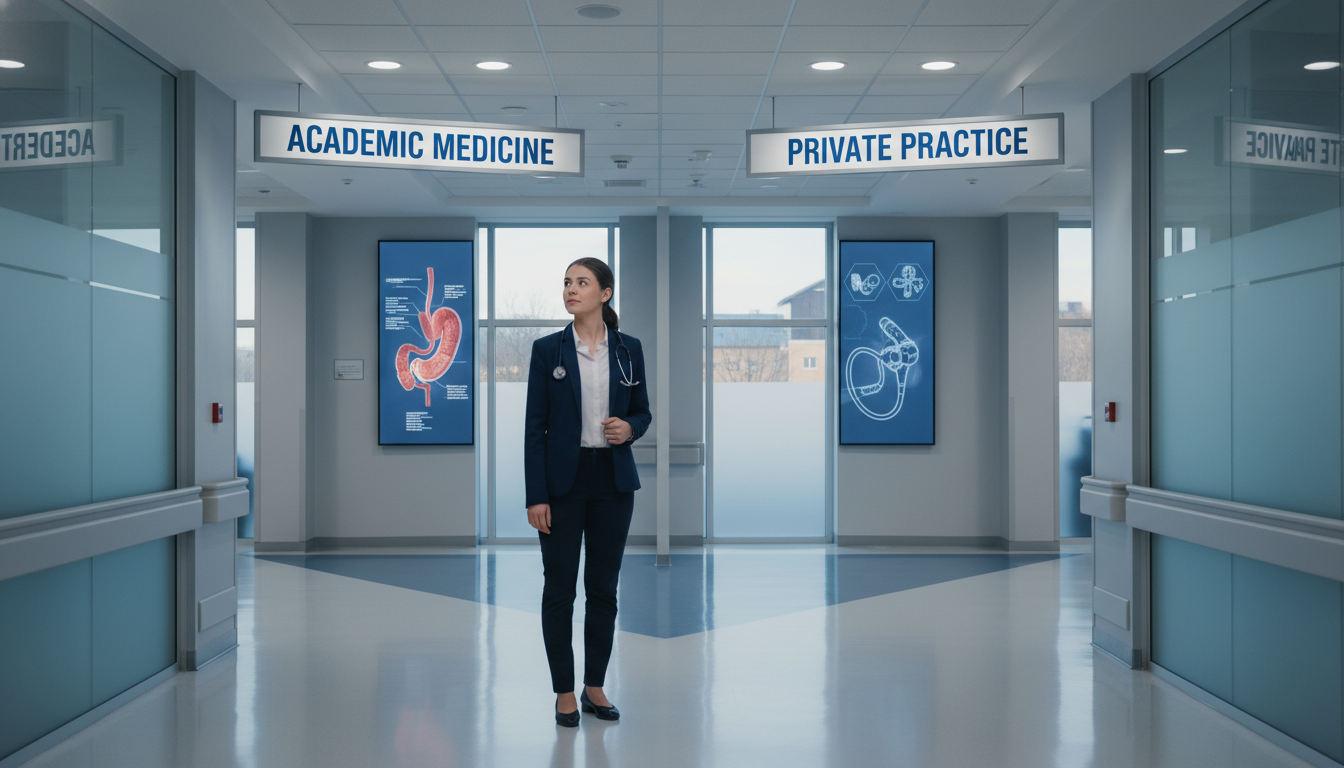
Understanding the Landscape: Academic vs Private Practice in Urology
For a DO graduate residency applicant or recent graduate in urology, few decisions feel as high‑stakes as choosing between academic medicine and private practice. Your choice influences your day‑to‑day schedule, income trajectory, research opportunities, work–life balance, and how you’ll use your osteopathic training. It’s not a decision you must make immediately during the osteopathic residency match or urology match process—but having a clear framework early will help you position yourself for the path you ultimately want.
This article focuses specifically on the realities for a DO graduate in urology: how the two paths differ, what’s changing in the job market, and how to align your training and early career choices with your long‑term goals in academic medicine or private practice.
We’ll cover:
- Core differences between academic and private urology practice
- How your DO background affects opportunities in each setting
- Typical schedules, compensation, and expectations
- Strategies to explore both paths during training
- How to keep doors open if you’re still unsure
Core Differences Between Academic and Private Urology Practice
Although “academic” and “private” are often described as opposites, modern urology careers exist along a spectrum. Yet there are classic differences in mission, structure, and expectations.
Mission and Culture
Academic urology:
- Primary mission: the tripartite “3 pillars” – clinical care, teaching, and research
- Environment: large university hospitals, VA systems, or teaching affiliates
- Focus on:
- Complex, tertiary and quaternary referrals (e.g., advanced oncology, reconstruction, transplant)
- Training residents and sometimes fellows
- Clinical trials, translational science, outcomes or health services research
- Culture: committee work, conferences, multidisciplinary tumor boards, constant learners and teachers
Private practice urology:
- Primary mission: clinical service and business sustainability
- Environment: community hospitals, surgery centers, office‑based practices, or large multispecialty groups
- Focus on:
- Bread‑and‑butter urology (BPH, stones, incontinence, common malignancies)
- Efficiency, patient volume, and patient satisfaction
- Revenue cycle management (coding, billing, contracts)
- Culture: entrepreneurial, operationally focused, often very clinically efficient
For a DO graduate, this difference in mission has practical consequences:
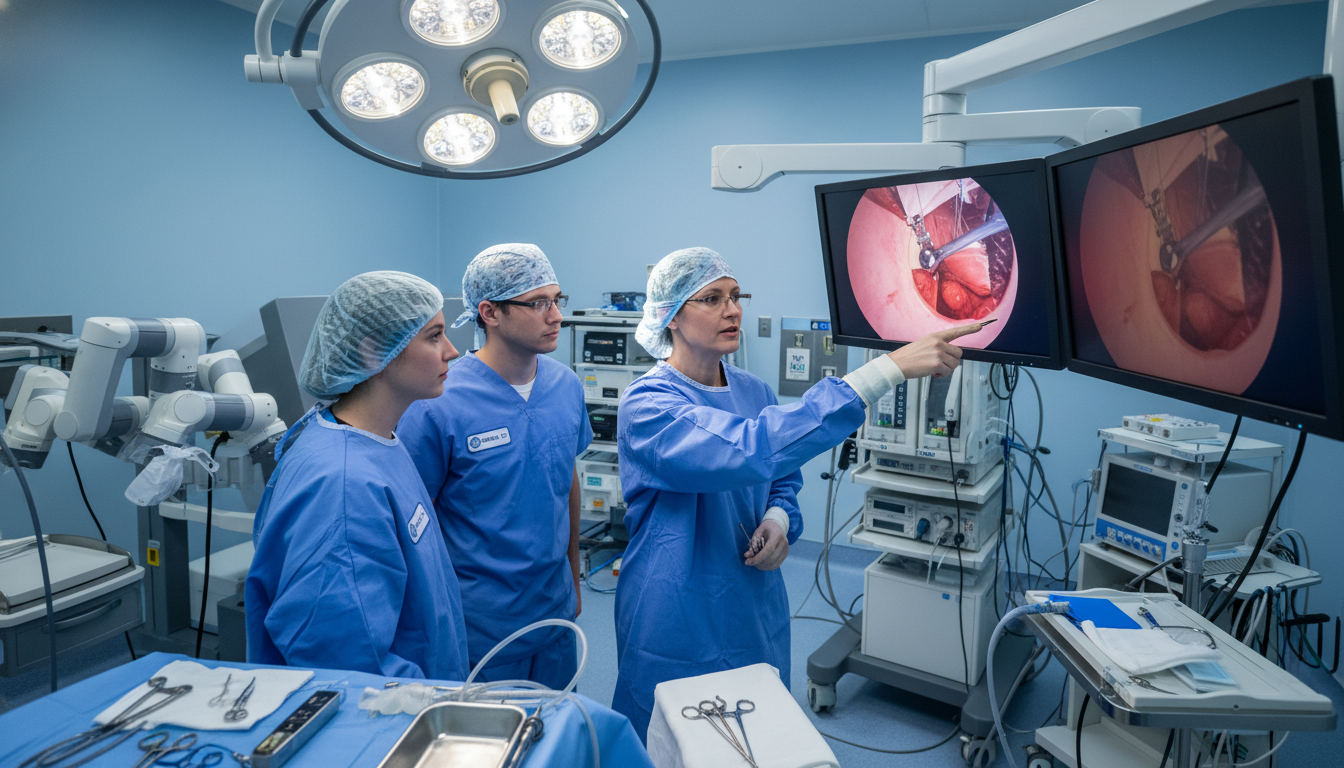
- In academic medicine, your osteopathic training may be particularly valued in curriculum design, teaching physical diagnosis, and integrating holistic care principles.
- In private practice, your DO skill set can translate into very strong patient rapport, communication, and a focus on whole‑person care, which directly impacts patient satisfaction and referrals.
Types of Academic and Private Settings
Academic options:
- Traditional university department of urology
- Hybrid academic–community programs (university faculty based at community hospitals)
- VA appointments with academic affiliation
- Research‑heavy roles with protected time and grant expectations
Private practice options:
- Small, independent urology groups (2–10 urologists)
- Large regional or national urology groups
- Hospital‑employed models (technically not “academic,” but also not fully independent)
- Multispecialty groups with urology integrated
Understanding which flavor of each model you’re drawn to is important; your experience in a small, independent group will differ from a hospital‑employed job, just as a heavily research‑oriented academic post differs from a clinically focused teaching faculty role.
Day-to-Day Life: Schedule, Workload, and Patient Mix
Your daily experience may matter more than any abstract pros and cons list. Here’s what typical days look like.
Clinical Workload and Case Mix
Academic urology:
- Higher proportion of:
- Complex oncologic cases (e.g., radical cystectomy with diversion, partial nephrectomy)
- Reconstruction, transgender surgery, neurologic urology, pediatric urology (depending on subspecialty)
- Patients referred for failed prior surgeries or unusual presentations
- Often subspecialized practice:
- Onco‑urology, endourology, female pelvic medicine, andrology, pediatrics, etc.
- Clinics sometimes run at lower volume to allow:
- Teaching residents and students
- Complex counseling and multidisciplinary coordination
Private practice urology:
- Higher proportion of:
- Lower urinary tract symptoms, BPH, uncomplicated stones
- Common cancers (localized prostate, bladder, kidney)
- Office‑based procedures (cystoscopy, vasectomy, biopsy, minimally invasive BPH therapies)
- Case mix often more general unless in a large group with some subspecialization
- Clinic volume tends to be higher; efficiency and throughput are central
For a DO graduate, part of choosing career path in medicine comes down to what kinds of patient interactions and procedures energize you most—high‑complexity, lower‑volume academic work, or high‑volume, community‑based care where you own the full continuum of general urology.
Schedules and Call
Academic urology:
- Schedules vary widely by institution, but typically:
- 1–3 OR days/week
- 1–3 clinic days/week
- 0.5–1 day/week protected for research/administration (in true academic roles)
- Call:
- Often in a pool with faculty and residents; overnight in‑house call typically borne by residents
- Faculty often take back‑up or home call
- High complexity emergencies (trauma, transplant, advanced oncology)
Private practice urology:
- Clinic days often 3–4 per week, OR/procedure days 1–2 per week
- Protected research time is rare unless negotiated specifically
- Call:
- Community hospital call, often shared among local urologists
- Frequency depends on region and number of partners
- May be busier for straightforward emergencies (stones, retention, infections)
As a DO graduate, reflect on your tolerance for unpredictable nights and weekends, and how important it is for you to have built‑in time for teaching or research versus maximizing clinic/surgical time.
Compensation, Job Security, and Career Trajectory
While discussions about money can feel uncomfortable, understanding financial realities is essential for long‑term planning—especially if you have significant educational debt.
Compensation Patterns
Academic medicine career in urology:
- Base salary often lower than private practice early on
- Compensation typically includes:
- Fixed base salary
- RVU incentives or productivity bonuses
- Possible stipends for administrative roles or leadership positions
- Additional revenue potential:
- Grant support (especially if heavily research‑oriented)
- Speaking engagements, editorial roles, consulting
- Geographic differences:
- Coastal, high‑prestige institutions may pay less but offer strong academic cachet
- Some midwestern or southern academic centers are increasingly competitive with private practice
Private practice urology:
- Starting salary often higher, particularly in:
- Underserved areas
- High‑volume community settings
- Common models:
- Salary plus productivity bonus (RVUs or collections)
- Partnership track (2–5 years typically) with eventual:
- Share in profits
- Ownership of ancillaries (imaging, labs, ambulatory surgery centers)
- Potential for very high earnings after partnership, but with corresponding responsibilities and risks
For DO graduates, who sometimes carry similar or higher debt burdens as MD counterparts, the stronger early and mid‑career earning potential of private practice can be attractive. However, keep in mind that a carefully chosen academic position, especially in urology, can be financially comfortable and occasionally quite competitive.
Job Security and Mobility
Academic roles:
- Often more stable in large systems; less directly exposed to short‑term market swings
- Tenure or long‑term contracts in some institutions
- Mobility:
- Easier to lateral between academic centers if you maintain a strong scholarly profile and reputation
- National urology and osteopathic networks can be leveraged for opportunities
Private practice roles:
- Independent groups subject to:
- Market consolidation
- Increasing payer pressure
- Private equity involvement
- Hospital‑employed positions may offer:
- Stronger baseline security but less autonomy
- Mobility:
- Often easier to change jobs or locations, but non‑compete clauses can be restrictive
- Business model of the group (independent vs consolidated vs PE‑backed) matters a lot
A realistic plan for your academic medicine career vs private practice vs academic decision should include not just first‑job salary, but long‑term stability and freedom to move if your life circumstances change.
How Your DO Background Fits: Opportunities and Perceptions
As a DO graduate pursuing urology, you already navigated a competitive path—particularly through the combined urology match environment where both DO and MD graduates compete for a relatively small number of positions. How does that same DO identity play out in the academic versus private world?
DO Graduate Residency and Academic Prospects
Historically, DOs were less frequently represented in academic urology. This landscape is evolving:
- The single accreditation system has:
- Increased exposure of academic programs to DO trainees
- Normalized DO participation in many previously MD‑dominant environments
- DOs with strong academic portfolios (publications, national presentations, leadership) are now:
- Joining faculty at reputable academic centers
- Taking on roles in GME leadership, especially in newly accredited programs
In an academic medicine career, your osteopathic background can be an asset if you:
- Highlight strengths in:
- Holistic patient care
- Empathy and communication
- Physical exam and procedural tactile skills
- Contribute to:
- UME/UME curriculum that integrates osteopathic principles
- Recruitment and mentorship of future DO urology residents
If you’re a DO interested in academic urology, it’s crucial to:
- Engage early in research during residency
- Present at regional and national conferences (AUA, SUO, SMSNA, etc.)
- Seek mentors who are active in your chosen subspecialty, regardless of their own degree
DOs in Private Practice Urology
In the private setting, patients and referring primary care doctors generally care more about reputation, outcomes, and bedside manner than the MD/DO distinction. Many private urology practices have:
- A mix of DO and MD partners
- Equal partnership tracks and compensation models for both
Your DO training may be particularly helpful in:
- Building a loyal patient base through communication and continuity
- Managing chronic, quality‑of‑life‑focused diseases (BPH, incontinence, pelvic pain) with a broader biopsychosocial perspective
- Navigating multi‑problem patients common in community practice
For a DO graduate, it’s reassuring that private practice vs academic is not a binary of “MDs in academics, DOs in the community.” Both pathways are open; your long‑term opportunities depend more on performance, professionalism, and scholarly engagement than on your degree alone.

Aligning the Choice With Your Values, Goals, and Lifestyle
Choosing between academic and private practice is really choosing between priorities. A structured self‑assessment can help you clarify where you fit best.
Key Questions to Ask Yourself
How important is teaching to me?
- If you feel energized by working with residents, giving lectures, or building curricula, an academic or hybrid setting is likely more satisfying.
- If you prefer moving through cases quickly and directly caring for patients without the added layer of learners, private practice may be better.
Do I enjoy research or just tolerate it?
- A sustainable academic medicine career in urology typically requires enduring engagement with some form of scholarship—clinical trials, QI, education research, basic science, or outcomes work.
- If research feels burdensome even during residency, committing to a scholarly‑heavy role could lead to burnout. Consider clinically oriented academic roles with minimal research requirements or robust private practice.
What kind of clinical work do I want?
- Desire for highly specialized, complex tertiary care: academic centers or large referral practices.
- Desire for broad general urology, office procedures, and continuity with a single community: private practice or hybrid roles.
What do I want my income and lifestyle to look like?
- If you prioritize higher earning potential and are comfortable with the trade‑offs (volume, business risk, call patterns), private practice may align.
- If you’re drawn to a balanced lifestyle, teaching, and long‑term job security—while accepting somewhat less upside financially—academics may be ideal.
Where does location factor in?
- Academic positions are concentrated in major metropolitan or regional centers.
- Private practice opportunities exist in almost every geographic setting—urban, suburban, and rural—with often very strong incentives in underserved areas.
Example Scenarios
Scenario 1: DO interested in urologic oncology and academic leadership
- Loves tumor boards, complex pelvic surgery, and resident teaching
- Has several publications and enjoyed research during urology residency
- Comfortable with a modest pay cut relative to peak private practice earnings in exchange for academic title, research time, and stability
→ More likely to thrive in a university‑based oncologic urology position, perhaps with a future division chief or program director trajectory.
Scenario 2: DO passionate about procedural efficiency and community impact
- Enjoyed clinic, minor procedures, and surgical volume more than research
- Wants autonomy, entrepreneurial possibilities, and rapid loan repayment
- Prefers living in a mid‑size city or suburban community
→ Likely better suited to a group private practice or hospital‑employed model with partnership potential and strong community roots.
Scenario 3: Unsure DO graduate who likes both teaching and volume
- Enjoys teaching but doesn’t want heavy research pressure
- Wants solid compensation but not necessarily maximal earnings
- Open to a hybrid model
→ Consider:
- Academic‑affiliated community practices
- Hospital‑employed jobs with resident involvement but limited research expectations
- Large private groups that host residents/medical students or have formal teaching roles
Practical Steps During Residency to Explore Both Paths
You don’t have to decide your entire career trajectory at the start of the urology match. Use residency strategically to test and prepare for both paths.
For DO Residents Leaning Academic
- Engage in research early:
- Aim for at least 1–2 meaningful projects per year
- Seek mentors with strong track records in publication and funding
- Present your work:
- Abstracts at AUA, regional AUA sections, and subspecialty societies
- Posters or podium presentations build your academic identity
- Teach actively:
- Volunteer to give didactics for juniors or medical students
- Get feedback on your teaching skills
- Network:
- Attend national meetings; introduce yourself to leaders in your subspecialty
- Connect with DO urology faculty (if available) as mentors and role models
For DO Residents Leaning Private Practice
- Seek community rotations:
- Spend elective time in community or private practice settings
- Ask candid questions about compensation models, call, and partnership tracks
- Learn the business side:
- Basics of coding, documentation, payer mix, and RVUs
- Participate in any practice management curriculum your program offers
- Focus on efficiency:
- Develop clinic flow skills, triaging, and time management
- Build operative speed and independence where appropriate
For Those Still Deciding
- Mix your experiences:
- Take one elective with a high‑volume private group and another at a research‑heavy academic center.
- Track what energizes you:
- After each rotation, note what aspects of the environment you liked and disliked (case mix, teaching, research, lifestyle, compensation, culture).
- Stay broadly competitive:
- Maintain a basic academic profile (some research, presentations)
- Learn enough practice management to understand private practice offers
This approach keeps both academic and private options open until later PGY years, when you’ll have more clarity.
FAQs: Academic vs Private Practice for DO Graduates in Urology
1. As a DO, is academic urology realistically an option for me?
Yes. While DO representation in academic urology has historically been lower, the landscape is shifting. With the unified accreditation system and increased recognition of DO graduates, academic doors are more open than ever. Success hinges less on your degree and more on your CV: research, presentations, strong letters of recommendation, and a clear commitment to academic work. If you’re aiming for academic roles, build your scholarly profile deliberately during residency.
2. Does private practice urology pay significantly more than academic urology?
In general, yes—particularly after partnership and in high‑demand communities. Private practice often offers higher earning potential, especially when you share in ancillaries and practice profits. Academic salaries are usually lower but increasingly competitive in some regions, especially for subspecialists and high‑volume surgeons. However, the real question is value: what mix of income, job security, professional fulfillment, and lifestyle matters most to you?
3. Can I switch from private practice to academics (or vice versa) later?
Transitions are possible but easier if you plan ahead. Moving from private practice to academics usually requires some ongoing scholarly activity (publications, QI, teaching) and a strong clinical reputation. Moving from academics to private practice is common; academic experience and subspecialty skills can be attractive to groups. To preserve flexibility, keep some level of teaching or scholarly engagement in your portfolio regardless of current practice setting.
4. How should I talk about my career goals during the urology match and interviews?
Programs don’t expect you to have every detail figured out, but they value thoughtful reflection. It’s reasonable to say you’re exploring both academic and private paths while highlighting authentic interests (e.g., “I’m particularly drawn to urologic oncology and teaching, but I want exposure to community practice as well.”). Demonstrate curiosity, openness to mentorship, and a willingness to evolve. For DO candidates, articulating how your osteopathic training enriches your future practice—whether in academics or community urology—can be a meaningful differentiator.
For a DO graduate in urology, both academic medicine and private practice offer rewarding, impactful careers. Rather than chasing a single “right” answer, focus on understanding yourself—your values, strengths, and preferences—and then intentionally shaping your training and early career decisions around that self‑knowledge.