Educational note: This article discusses malpractice paperwork and related rotation requirements for educational purposes only. It is not legal, financial, tax, or professional liability advice. Policies vary by school, hospital, insurer, and state, so confirm requirements with your medical school, hosting institution, and qualified advisors when needed.
Electives are not just rotations. They are access points. Access to mentors, letters, research leads, away-audition visibility, and the kind of reputation that quietly follows you into interview season.
That is why applicants get this wrong all the time. They think the question is, “Can I rotate there?” Wrong question. The real question is, “Can I realistically get this elective, and if I get it, can I turn it into something that materially helps my match?”
Community, academic, and fellowship-grade rotation plans do not operate by the same rules. They have different bottlenecks, different gatekeepers, and different definitions of a “good fit.” If you use the same strategy for all three, you will waste time and get ignored. I have seen this repeatedly: strong students sending polished but generic emails into a process that rewards specificity and timing, not polish alone.
Here is the fix. Stop thinking about electives as a menu. Think of them as three different access systems. Once you know the system, you can play it correctly.
Define “Electives Access” and What You Are Actually Trying to Solve
Electives access means the practical ability to secure the rotation you want and convert it into strong learning, strong evaluation, and strong future signals.
That breaks into four levers:
Seat availability
- Are there actual openings?
- How early are those openings filled?
- Is the service expanding or tightly capped?
Eligibility rules
- Visiting student paperwork
- School year restrictions
- Immunizations, onboarding, drug screen, background checks
- Sometimes hidden rules. The annoying stuff. Minimum exam completion, malpractice coverage format, EMR module deadlines.
Workflow speed
- How fast does the program process requests?
- Is there a central coordinator?
- Is the service director making decisions personally?
- Do they ghost people for six weeks and then suddenly offer one open date?
Learning and mentorship quality
- Will you be seen enough to earn a real letter?
- Will you get patient ownership?
- Are attendings teaching, or are you just occupying hallway oxygen?
If you remember one thing, remember this: access is not just getting accepted. Access means getting into a setting where you can perform, be noticed, and come out with something useful.
Community Programs: What Access Looks Like and How to Win It
Community electives are often easier to picture and harder to manage than people expect.
The upside is clear:
- Strong bread-and-butter clinical volume
- Often more direct attending contact
- Less bureaucracy than large academic centers
- Good chances for meaningful patient ownership
The downside:
- Scheduling can be informal
- Outreach may depend on one coordinator, one office manager, or one attending who is always busy
- Micro-rules are everywhere and rarely posted neatly
- Programs may prioritize local learners, affiliated schools, or students who clearly fit the service need
This is where applicants make dumb mistakes.
Common failure mode #1: Late outreach
If you contact a community site after they have loosely promised spots to local students, you are done. No amount of enthusiasm fixes a full schedule.
Fix:
- Reach out 8 to 12 weeks early at minimum
- Ask about their preferred request timeline
- Offer 2 to 3 date windows, not one rigid block
Common failure mode #2: Generic emails
Nothing dies faster than “I am very interested in your esteemed program.” That language says nothing and helps no one.
Fix your email with three specifics:
- Why their patient population fits your goal
- What role you are ready to take on
- Why your dates match their workflow
Example:
- Bad: “I hope to gain exposure to internal medicine.”
- Better: “I am looking for a high-volume general medicine elective where I can follow common admissions, write daily notes, and strengthen discharge planning skills before sub-internship.”
That sounds like someone who understands what the service actually does.
Common failure mode #3: Failing to align with service needs
Community sites often care less about your polished personal brand and more about whether you will be useful, reliable, and easy to plug into the team.
If the site runs a busy outpatient clinic, do not sell yourself as someone seeking only rare zebras and research time. Read the room.
What to say instead:
- “I am looking for a rotation with continuity, efficient workflow, and hands-on exposure to common conditions.”
- “I work well in fast outpatient settings and am comfortable with follow-up tasks, note preparation, and patient education.”
Common failure mode #4: Missing eligibility micro-rules
I have seen students lose community electives over absurdly small issues:
- Wrong malpractice form
- School letter missing exact dates
- Delayed PPD update
- Not realizing the site requires proof of BLS before badge activation
That is not unfair. It is reality.
Your community elective protocol:
Identify the actual decision-maker.
- Coordinator?
- Medical education office?
- Department preceptor?
Ask for the complete checklist in one email.
- Dates
- Required documents
- Response timeline
- Any site-specific prerequisites
Send a compact packet.
- CV
- Availability windows
- One short paragraph on fit
- School support documents if requested
Follow up once, clearly and politely.
- Not every three days. That is needy and ineffective.
Once accepted, confirm logistics early.
- Start time
- Dress code
- EMR access
- Parking
- Who to report to on day 1
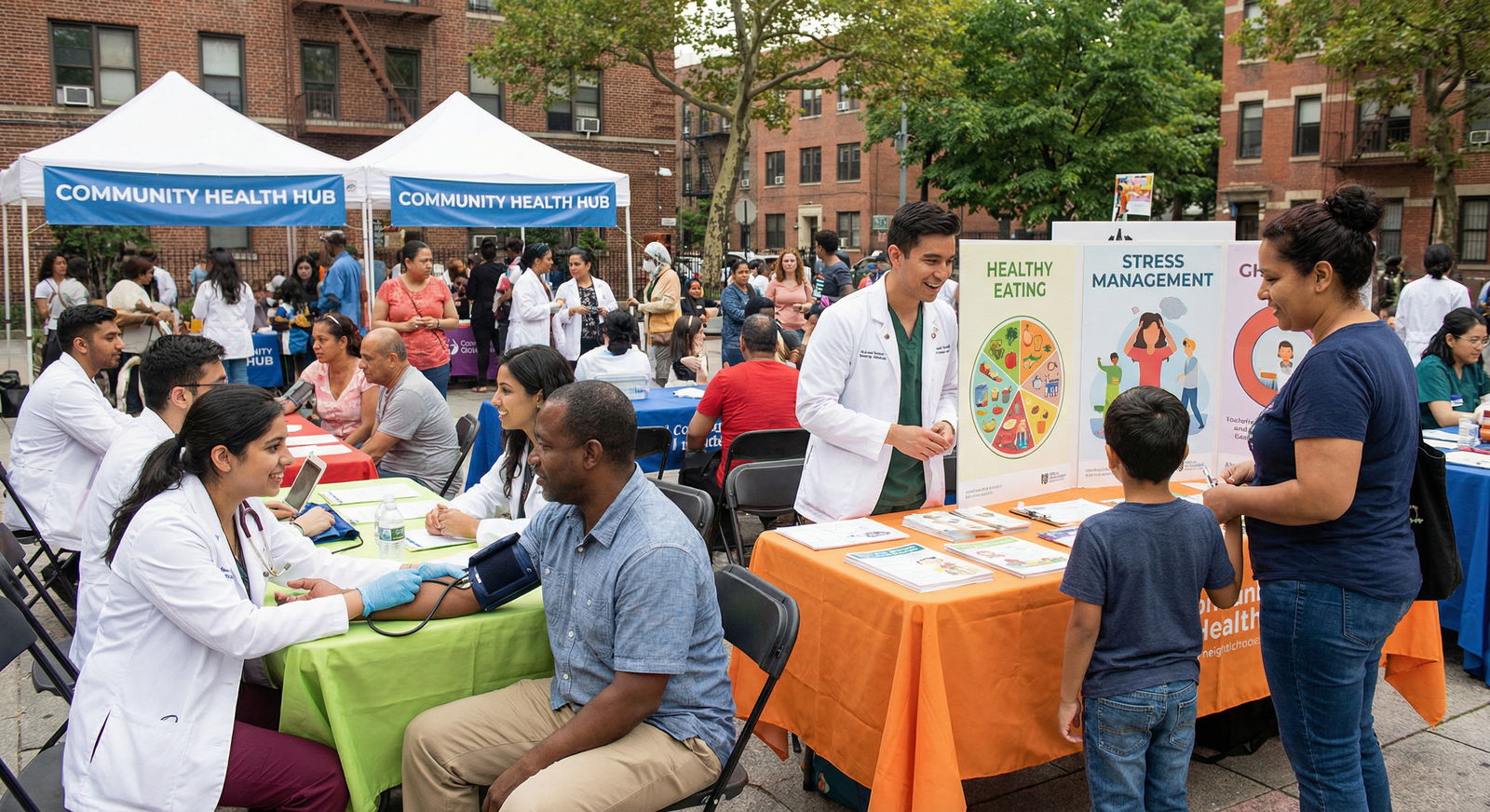
Community programs are often underrated. Bad move. A well-chosen community elective can produce stronger letters than a famous institution where nobody knows your name by week three.
Academic Programs: Access Systems, Bottlenecks, and the Best Tactical Approach
Academic electives are usually more structured, more visible, and more competitive. That structure helps if you respect it. It punishes you if you do not.
Here is the basic truth: academic access is process-driven. Not personality-driven. The coordinator workflow matters. The onboarding queue matters. The service cap matters. Your charming email is not the main variable.
Typical academic friction points:
- Formal visiting student portals
- Service-specific seat caps
- Department approval layers
- Delayed verification from your home school
- Uneven timing across divisions within the same institution
One department may review applications monthly. Another may fill blocks on a rolling basis. Another may act as if calendars were discovered last week. Welcome to academic medicine.
The tactical playbook
Step 1: Confirm eligibility before you do anything else
Check:
- Year in training
- Required core rotations completed
- USMLE/COMLEX status if relevant
- Immunizations and onboarding
- Visa or institutional restrictions if applicable
- Whether the service accepts visiting students at all
Do not ask for exceptions before you qualify. That usually brands you as high-maintenance.
Step 2: Separate “home-base” rotations from “audition” rotations
These are not the same.
Home-base style elective goals:
- Learn the system
- Build internal mentorship
- Get a strong departmental letter
- Show reliability over glamour
Audition rotation goals:
- Be seen by residency decision-makers
- Demonstrate fit
- Show you can function on that service culture
- Leave with a credible performance narrative
Applicants often confuse these. They chase prestigious subspecialty services when they actually need a general service where residents and attendings can evaluate them thoroughly. Wrong target.
Step 3: Use service-line-specific timing
Not all academic electives should be requested on the same schedule.
A practical rule:
- General services: apply early, but many have more slots
- ICU, consult, and procedure-heavy services: apply very early because capacity is narrow
- Brand-name subspecialties: assume demand exceeds posted availability
If your first-choice service is highly capped, request one adjacent alternative at the same time. This is not weakness. This is smart planning.
Examples of “same-signal adjacent” choices:
- Cardiology consults unavailable → general medicine with high cardiology volume
- Heme-onc clinic unavailable → inpatient oncology or palliative consult service
- GI procedures unavailable → GI consult service or hepatology clinic
Step 4: Manage your application packet like a project
This is where organized applicants win.
Your packet should include:
- CV
- Dates with backup windows
- Brief service-specific interest statement
- Transcript if needed
- Immunization and onboarding forms
- Home institution approval documents
- Contact information that actually works
Build a simple tracker:
- Program
- Service
- Date submitted
- Who received it
- Missing items
- Follow-up date
- Decision status
This sounds boring. It is also effective. Boring systems beat frantic emailing.
Best tactical approach for academic programs
Use this sequence:
Choose the right service
- Match your goal: letter, visibility, subspecialty exposure, or skill-building.
Read the posted rules carefully
- Every line. Yes, every line.
Prepare one tailored request
- Short, direct, service-specific.
Submit a complete packet
- Incomplete files get delayed. Delayed files lose slots.
Follow coordinator timelines
- Not your anxiety timeline.
If no response, ask one sharp question
- “Can you confirm whether this service is full, waitlisted, or still under review?”
- Good question. Easy to answer.
If rejected, pivot fast
- Ask for alternate dates or adjacent services immediately.
What strong academic outreach looks like
A good request does four things:
- Proves you qualify
- Shows you understand the service
- Makes scheduling easy
- Signals you will be low-friction and high-value
That last part matters more than applicants realize. Academic programs deal with incomplete forms, delayed signatures, and vague student requests all day. If you are the person who makes the process easy, you already stand out.
Fellowship-Grade Rotation Plans: Specialty Depth, Strict Matching, and How to Navigate
Fellowship-grade rotations are selective for a reason. They are not built for casual exposure. They are built around subspecialty volume, faculty bandwidth, continuity, and sometimes procedural or consult workflow that cannot absorb extra learners easily.
In plain English: if you ask vaguely, you will be ignored.
These rotations usually care about three things:
- Are you ready enough to benefit?
- Are you asking for the right format?
- Will your presence fit the service without slowing it down?
That is the bar.
First, demonstrate subspecialty readiness
Do not oversell. Do not posture. Show preparation.
Your request should signal:
- Prior related rotation or patient exposure
- Specific clinical interest
- Willingness to do the unglamorous work
- Teachable attitude
Good examples:
- “I have completed general neurology and inpatient medicine and would value focused exposure to stroke consult workflow.”
- “I am interested in endocrine clinic and have already seen common diabetes and thyroid management cases, but I need deeper experience with complex longitudinal management.”
That sounds prepared. Not performative.
Second, request the right format
This is where many people fail.
A fellowship-grade service may offer very different experiences:
- Core outpatient clinic
- Inpatient consults
- Procedure exposure
- Combined longitudinal blocks
- Subspecialty reading or conference-based electives
If you ask for “anything in cardiology,” you sound unfocused.
Better approach:
- Identify the format that matches your current level
- Ask for one primary option and one adjacent option
- Explain why that format fits your goals
Examples:
- Early learner: outpatient clinic or consult service
- More advanced learner: inpatient consults, continuity clinic, selective procedures
- Research-focused applicant: service with conference participation and faculty contact
Third, plan for prerequisites
Fellowship-grade experiences often have hidden readiness filters:
- Prior core rotation completion
- Required notes or documentation experience
- Simulation or procedural certifications
- Ability to present succinctly on rounds
- Familiarity with common disease frameworks
You do not need to be an expert. You do need to be usable on day 1.
Practical fellowship-grade protocol
Start early. Earlier than you think.
Confirm prerequisites in writing.
Choose the specific service format.
Send a concise packet tailored to that service.
Contact both the coordinator and the educational lead if appropriate.
If rejected, ask for:
- Waitlist
- Alternate dates
- Adjacent service
- Shorter block if available
Once accepted, prepare aggressively.
- Read common consult topics
- Know the attending names
- Set 2 to 3 precise goals
- Understand what a useful student looks like on that service
Fellowship-grade rotations can be excellent. They can also be overrated if all you do is stand in the back and admire complexity. Depth only matters if you are close enough to the work to contribute and be remembered.
Side-by-Side: Decision Rules for Applicants
Choose electives based on your goal, not the fanciest label.
If your main goal is exam readiness and broad clinical reps
Choose:
- Community
- Or a general academic service with high volume
Good enough looks like:
- Strong patient ownership
- Repetition of common conditions
- Direct feedback from attendings
If your goal is mentorship and research exposure
Choose:
- Academic
- Or fellowship-linked academic divisions
Good enough looks like:
- One invested faculty relationship
- Exposure to conferences, QI, or scholarly work
- A letter writer who actually knows your work
If your goal is residency signal and audition value
Choose:
- Academic service tied to the residency
- Or a community site tightly integrated with that residency program
Good enough looks like:
- Residents and attendings see you consistently
- You function well in team workflow
- Someone can credibly say, “We would want this person here”
If your goal is subspecialty credibility
Choose:
- Fellowship-grade
- Or an adjacent feeder service if access is limited
Good enough looks like:
- Specific clinical narrative
- One subspecialty-aligned letter or mentor
- Demonstrated readiness, not just interest

If you cannot get the exact elective you want, stop sulking and build the same signal another way. Adjacent services, split rotations, consult-heavy general services. There is nearly always a workaround.
Conversion Protocol: How to Turn Any Elective into a Strong Signal
Getting the rotation is only half the job. Conversion is what matters. Plenty of students complete electives and leave no impression at all. They showed up. They were fine. Nobody remembers them. That is a wasted month.
Here is the protocol I recommend.
Before day 1
Define 3 goals:
- One clinical skill goal
- One workflow/team goal
- One relationship or mentorship goal
Example:
- Improve concise oral presentations
- Independently draft daily notes by mid-rotation
- Identify one attending mentor for feedback and possible letter support
Then send a brief pre-brief if appropriate:
- Thank them
- Confirm start details
- State your goals in one paragraph
That alone separates you from the passive crowd.
During the elective
Use a simple weekly rhythm.
Day 1 to 2
- Clarify expectations
- Ask how students are most helpful
- Learn the team’s communication style
Mid-rotation
- Ask for formative feedback
- Not “Any feedback?” That gets useless answers.
- Ask: “What is one thing I should fix this week to perform at a higher level on this service?”
That question works. I have seen it pull out real coaching in thirty seconds.
Daily
- Track cases, tasks, and learning points
- Save specific examples of patient ownership
- Note attendings or fellows you worked closely with
Near the end
Request feedback intentionally:
- “I would value direct feedback on my presentations, follow-through, and team reliability before the rotation ends.”
If you want a letter:
- Ask the right way.
- “If you feel you can write a strong letter, I would be grateful. I can also send my CV, goals, and a brief case list from the rotation.”
That gives them material and lets them decline gracefully if needed. Better than getting a bland letter from someone who barely remembers you.
After the elective
Do not disappear.
Within a week:
- Send thank-you emails
- Mention one or two specific learning points
- If appropriate, update them later with match progress, research, or applications
That is how you become memorable. Not through theatrics. Through organized follow-through.
Summary: The Fix Is Strategy
Electives access is not random. It feels random when your approach is vague.
Here is the practical bottom line:
- Community programs reward alignment, early outreach, and clear understanding of service needs.
- Academic programs reward process discipline, complete packets, smart timing, and fast pivots.
- Fellowship-grade rotations reward readiness, specificity, and choosing the right subspecialty format.
And across all three, conversion is the force multiplier. Show up prepared. Set goals. Ask for feedback. Track your work. Build the relationship on purpose.
That is the fix. Match your elective plan to the program’s access reality, then execute like it matters. Because it does.