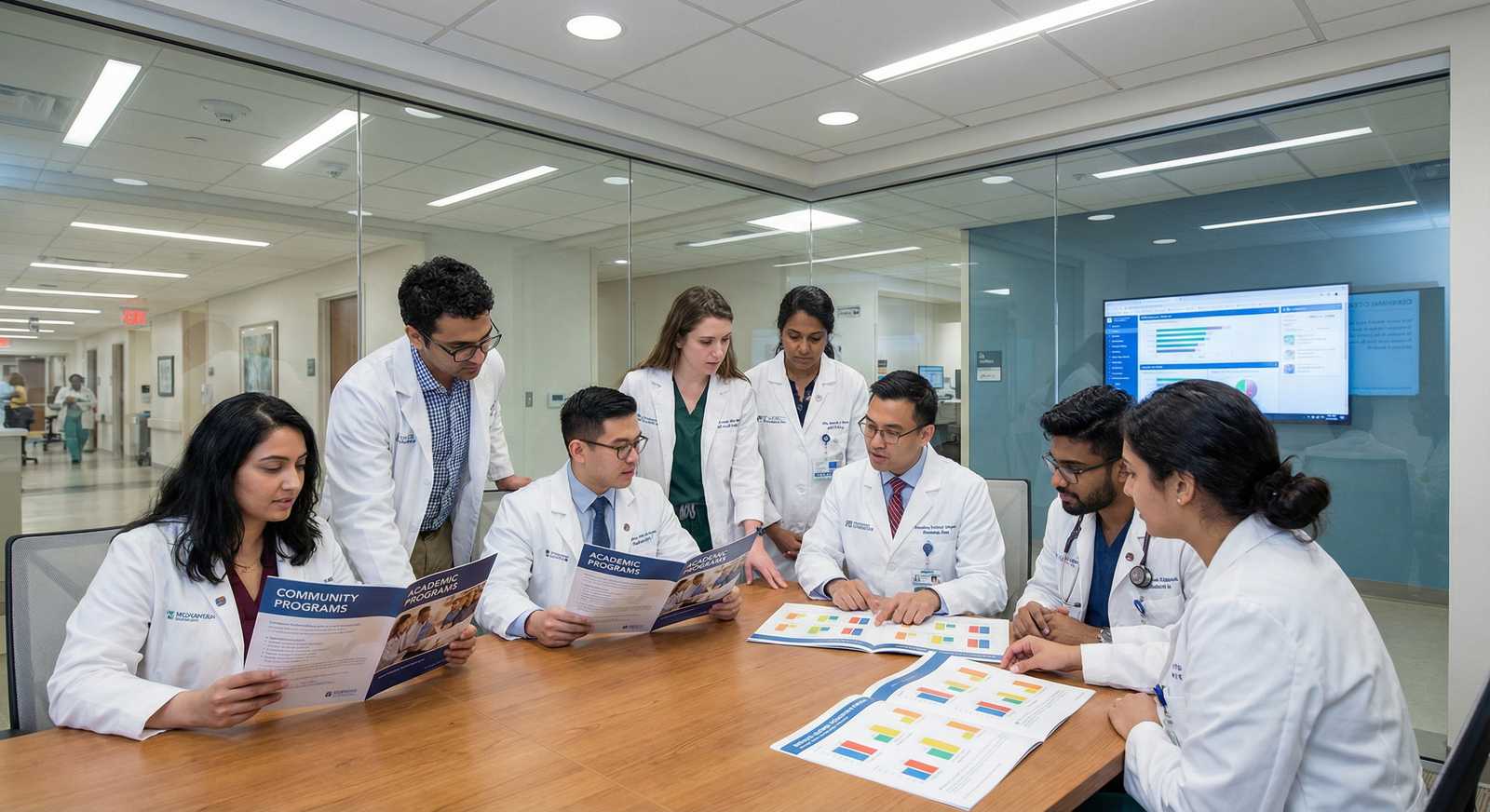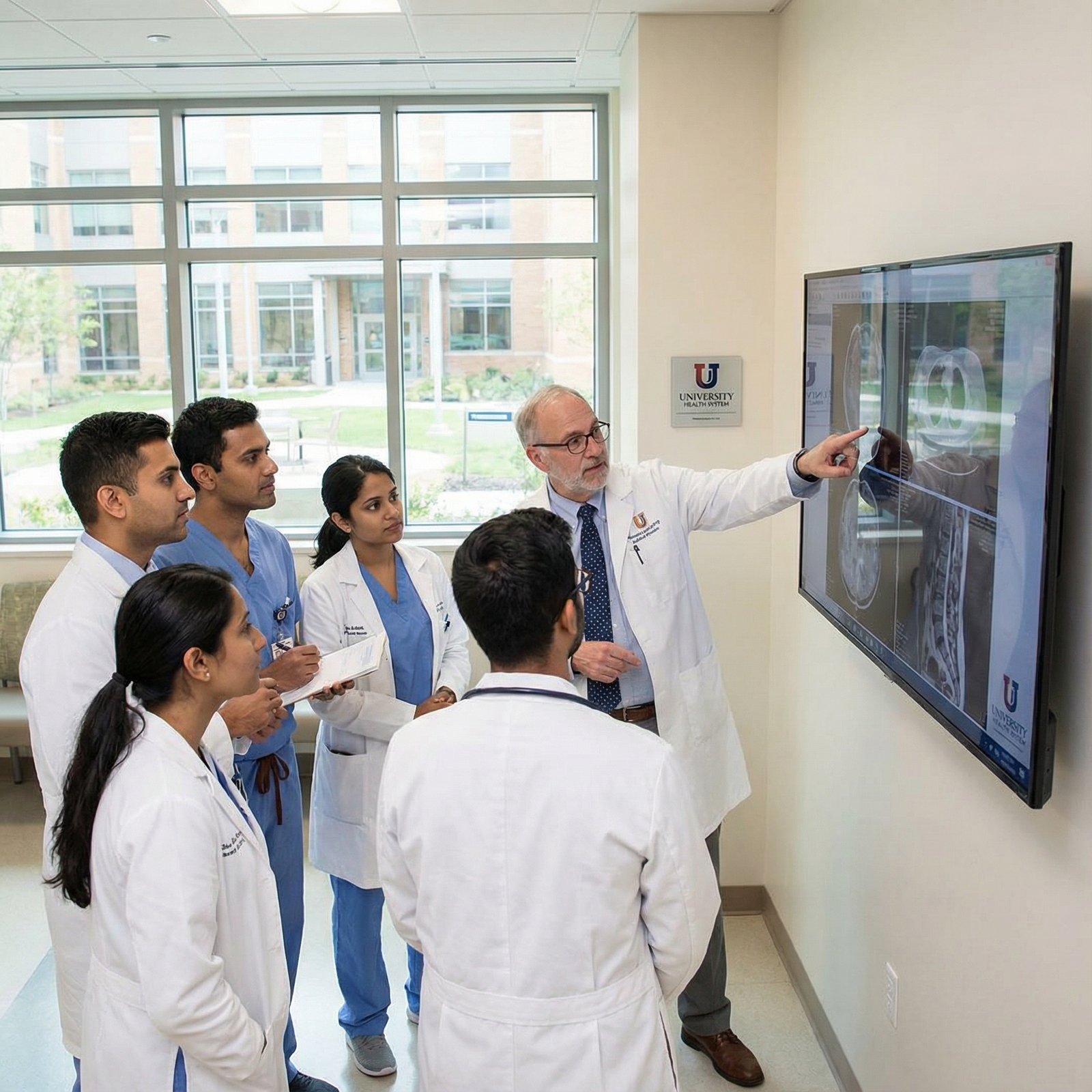
Introduction: Why Academic Residency Programs Matter for Your Career
During the Residency Match and applications process, one of the most strategic decisions you will make is choosing between academic programs and community programs. This choice influences not only your day-to-day residency training, but also your longer-term career development, future job options, and access to research opportunities.
Academic residency programs, in particular, can open doors to fellowships, academic appointments, and leadership roles in medical education. At the same time, they may come with trade-offs, such as a heavier research focus or more competitive environments. Understanding these benefits and drawbacks in detail is essential if you want to choose a path aligned with your goals.
This expanded guide breaks down academic programs: what they are, how they work, who thrives in them, and how to evaluate whether they are right for you. You’ll find practical examples, decision-making frameworks, and key questions to ask during interviews and program visits.
What Is an Academic Residency Program?
Academic residency programs are typically based in or closely affiliated with medical schools, university hospitals, or large tertiary referral centers. They sit at the intersection of clinical care, education, and research—often serving as regional or national hubs for subspecialty care and innovation in medical education.
Core Characteristics of Academic Programs
Academic programs can usually be recognized by some common features:
University or Medical School Affiliation
Most are directly tied to a medical school or a major university health system. Residents interact regularly with medical students, PhD trainees, and fellows across multiple disciplines.Integrated Missions: Clinical Care, Education, and Research
Academic centers are built around a “tripartite mission”:- Deliver high-level, often tertiary or quaternary clinical care
- Train the next generation of physicians and healthcare professionals
- Advance knowledge through basic, translational, and clinical research
Structured Teaching Environment
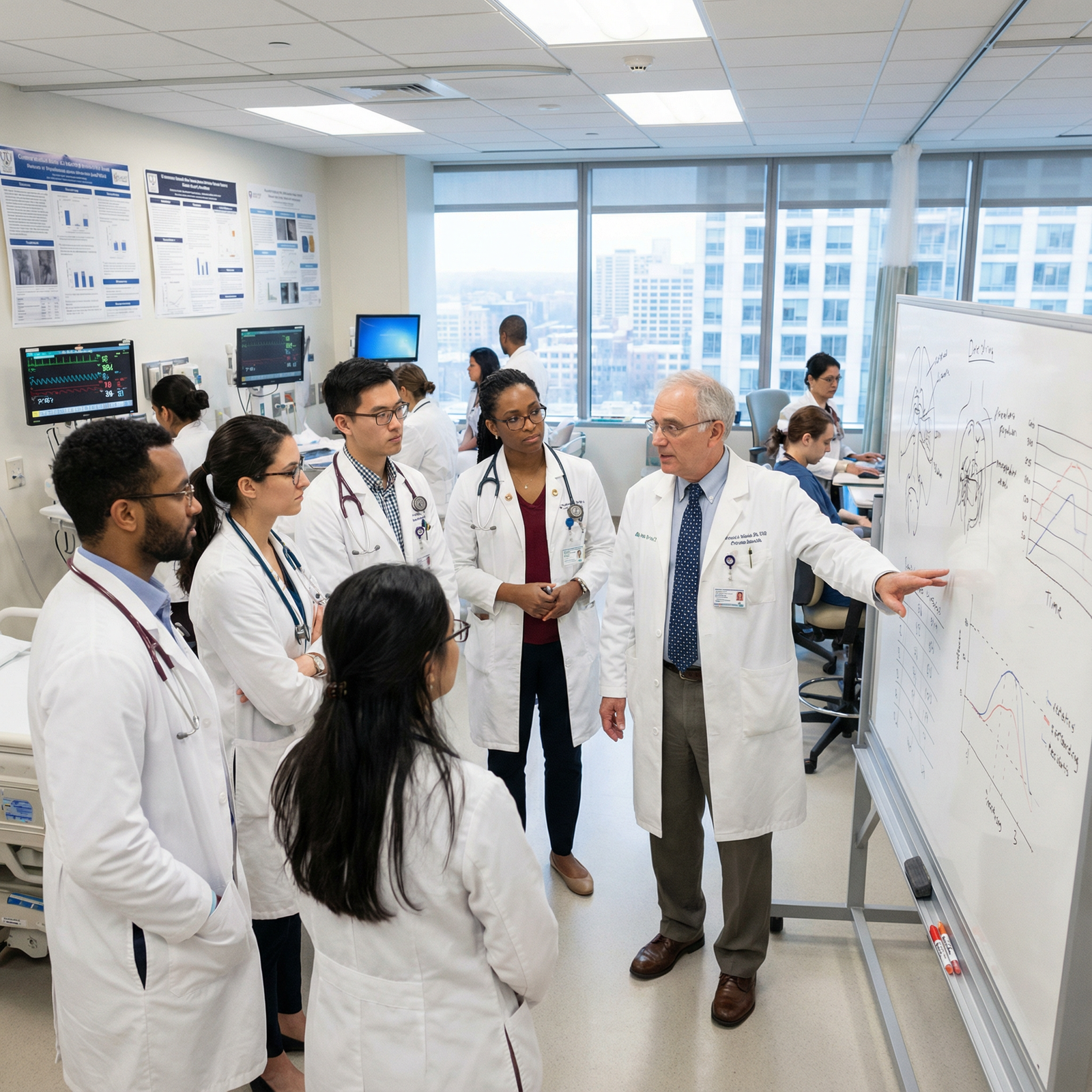
Academic programs often have robust didactic schedules, including morning reports, grand rounds, journal clubs, morbidity and mortality conferences, and simulation labs.Research Opportunities Built into Training
Many programs expect or strongly encourage residents to participate in scholarly work: original research, quality improvement (QI) projects, systematic reviews, curriculum development, or educational research.Frequent Collaboration with Specialists and Thought Leaders
Residents interact with national and international experts, visiting professors, and subspecialty teams who are often leading guideline committees, large clinical trials, and cutting-edge innovations.Strong Pathways to Fellowships and Academic Careers
Because of the density of mentors, subspecialty divisions, and research infrastructure, academic programs often serve as launchpads for competitive fellowships and academic faculty positions.
Key Benefits of Academic Residency Programs
For many applicants, academic programs are attractive because they promise rigorous medical education, rich research opportunities, and strong career development pathways. Below are the main advantages, with concrete examples of how they play out in real training environments.
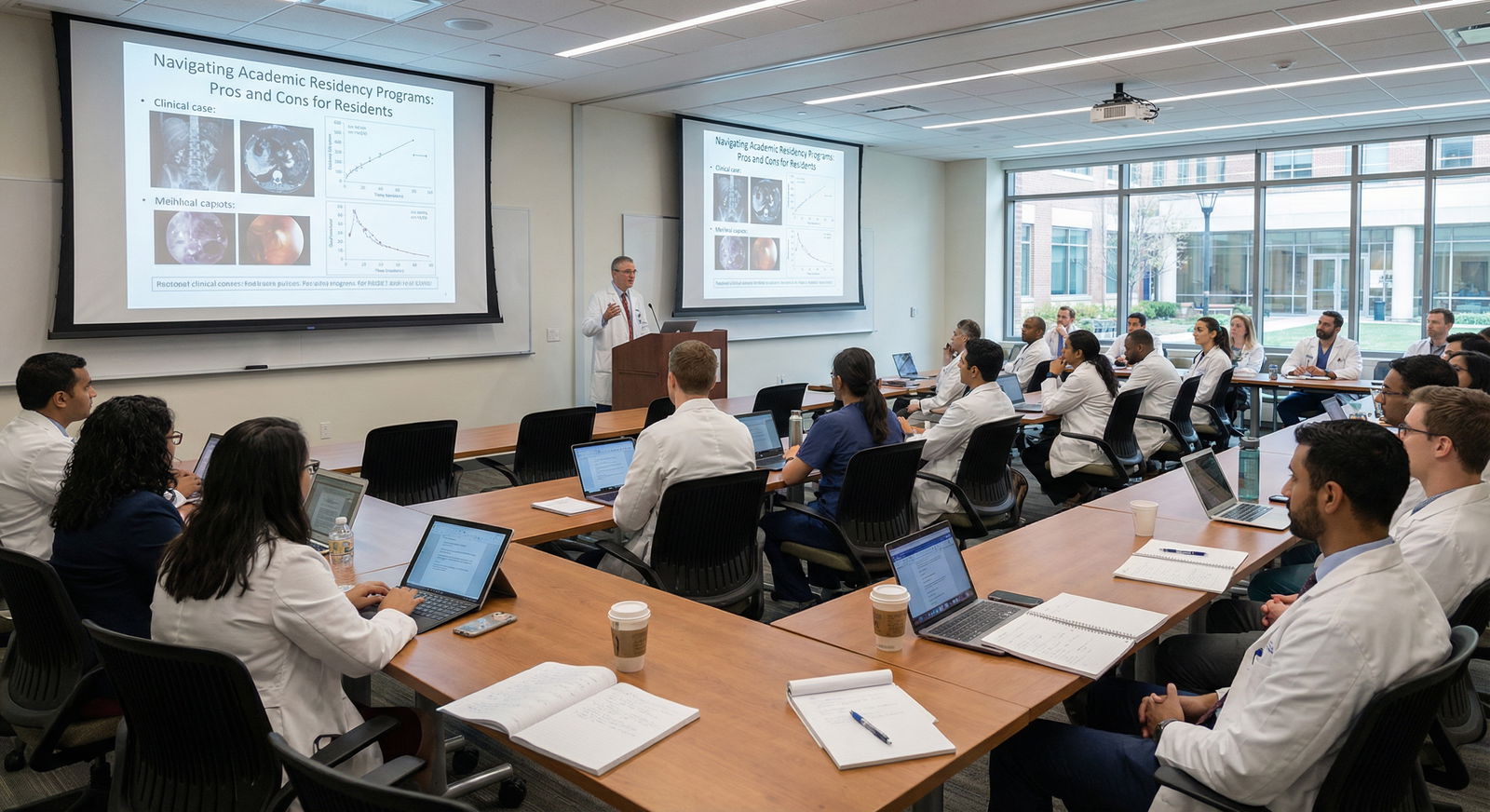
1. Strong Educational Framework and Teaching Culture
Academic programs tend to prioritize structured learning and formal medical education, which can be a major advantage if you value organized teaching and consistent feedback.
Comprehensive Didactic Curriculum
You are likely to find:
Regular Lectures and Case Conferences
Daily or weekly conferences cover core topics, board review, and complex cases. For example, an internal medicine academic program may have:- Morning Report (case-based discussion)
- Noon Conferences (core topics)
- Weekly Grand Rounds (expert speakers)
- Monthly Journal Club (critical appraisal skills)
Simulation-Based Learning
Many academic centers use high-fidelity simulation labs for:- Code blue training
- Procedures (central lines, intubations, LPs)
- Difficult communication scenarios (breaking bad news, conflict management)
Interdisciplinary Teaching
Residents often learn alongside fellows, advanced practice providers, and interdisciplinary teams, which reinforces systems-based practice and team-based care.
Emphasis on Evidence-Based Medicine
Academic programs typically embed evidence-based practice into daily workflow:
- Attending physicians may challenge you to justify decisions using current guidelines or landmark trials.
- Journal clubs teach you to interpret study design, bias, and applicability.
- You become fluent in evaluating new literature—a critical skill if you plan to pursue subspecialty practice, health policy, or academic medicine.
This approach can translate into stronger performance on in-training exams, boards, and lifelong clinical decision-making.
2. Abundant Research Opportunities and Scholarly Activity
If you’re even considering a fellowship, academic medicine, or a role in clinical trials or health policy, research opportunities within academic programs can be invaluable.
Research Infrastructure and Mentorship
Academic centers usually provide:
- Access to Ongoing Projects in basic science, clinical trials, translational research, population health, medical education, and quality improvement.
- Research Mentors and Divisional Research Directors who help connect you to projects aligned with your interests.
- Resources and Support Services such as:
- Biostatistics and data analysis cores
- IRB and regulatory support
- Grant-writing workshops
- Medical librarians and research coordinators
Residents can contribute to:
- First-author publications in peer-reviewed journals
- Poster presentations at national and international conferences
- Clinical practice guidelines or consensus statements
- Educational curricula or innovations presented at medical education meetings
How Research Enhances Career Development
Academic research can:
- Strengthen your fellowship application by demonstrating scholarly productivity.
- Position you as a content expert early on (e.g., in sepsis management, point-of-care ultrasound, or health disparities research).
- Help you build a national network with collaborators, mentors, and potential employers.
Even if you do not pursue a traditional “academic” career, having research skills and scholarly work on your CV signals to future employers that you can lead quality improvement efforts and understand data-driven practice.
3. Networking, Mentorship, and Long-Term Career Development
Academic programs can be powerful engines for career development well beyond residency.
Access to Leaders in Your Field
You are more likely to:
- Work with faculty who sit on national boards, guideline committees, and editorial boards.
- Meet visiting professors who are thought leaders in their specialties.
- Attend large academic conferences sponsored or supported by your institution.
These connections can later:
- Lead to letters of recommendation for fellowships or jobs.
- Open doors to multicenter research collaborations.
- Provide opportunities for speaking engagements, workshops, or leadership roles within professional societies.
Built-In Career Development Resources
Many academic programs offer:
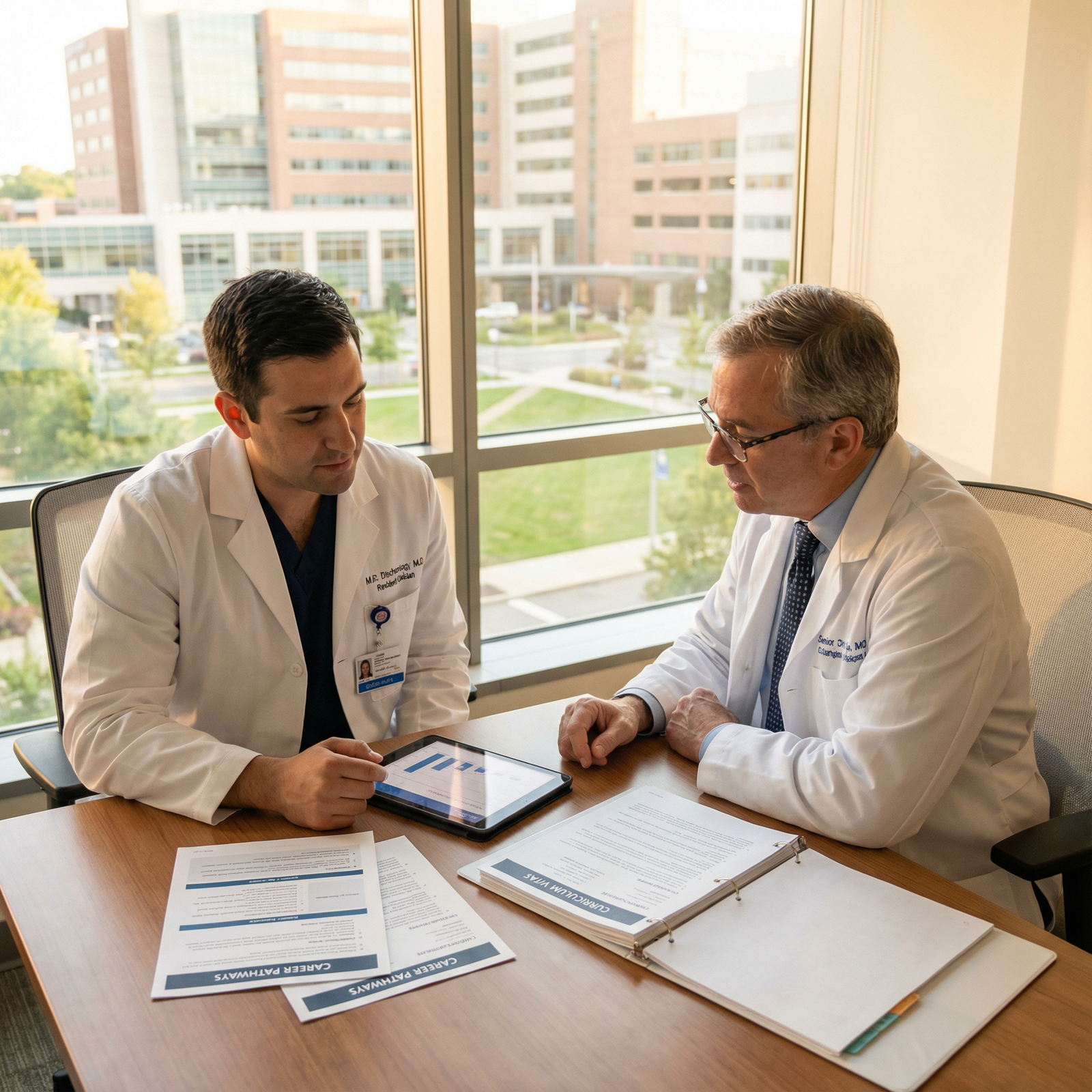
- Formal Career Advising: One-on-one sessions to map careers in generalist practice, subspecialty training, academic medicine, industry, global health, or health policy.
- Faculty Mentorship Programs: Assigned mentors (and sometimes mentorship committees) who guide your progress, help shape your research agenda, and provide feedback on CVs and personal statements.
- Professional Skills Workshops: Sessions on:
- Negotiating contracts
- Building an academic portfolio
- Time management and burnout prevention
- Teaching skills (for those interested in medical education)
These resources can help you clarify whether you see your future in academia, private practice, hybrid roles, or non-clinical leadership.
4. Broad and Complex Clinical Exposure with Advanced Resources
Clinical exposure in academic programs often looks different from that in community settings, with distinct advantages depending on your specialty and goals.
Diverse and Complex Patient Populations
Academic hospitals tend to serve:
- High-acuity patients referred from community hospitals and smaller clinics.
- Rare and complex diseases less commonly seen in purely community environments (e.g., unusual autoimmune disorders, multi-organ transplant patients, advanced malignancies).
- Socioeconomically and culturally diverse populations, which can deepen your understanding of social determinants of health.
This diversity helps you:
- Build confidence in diagnosing and managing complex pathologies.
- Develop skills in multidisciplinary care coordination and systems-based practice.
- Prepare for careers in tertiary centers, quaternary care, or subspecialty practice.
State-of-the-Art Technologies and Subspecialty Services
Academic programs often feature:
- Cutting-edge imaging and procedural suites (e.g., advanced MRI, interventional radiology, robotic surgery).
- Highly specialized clinics (e.g., cystic fibrosis centers, transplant clinics, advanced heart failure programs).
- Access to clinical trials, offering patients novel therapies and giving you insight into experimental treatments and research protocols.
For residents interested in cardiology, oncology, critical care, neurosurgery, or other technology-intensive fields, this exposure can be a major advantage.
Drawbacks and Challenges of Academic Residency Programs
Despite their many strengths, academic programs are not ideal for everyone. Understanding potential drawbacks will help you assess whether this environment truly fits your learning style and long-term goals.
1. High Competition and Intense Performance Pressure
Academic programs often attract highly driven applicants and faculty—creating both opportunity and pressure.
Competitive Environment
You may encounter:
- High-achieving co-residents with extensive research backgrounds.
- Intense competition for prime research projects, presentations, and leadership roles.
- Pressure to “stand out” academically, especially if you’re aiming for top-tier fellowships.
This can be motivating, but it can also:
- Increase stress and imposter syndrome.
- Lead to burnout if you try to keep up with peers without setting healthy boundaries.
- Make it challenging to maintain work-life balance, particularly if you have family or personal commitments.
Admissions and Match Competitiveness
Securing a position in a top academic program can be difficult:
- Programs often prioritize high board scores, strong letters, and research experience.
- International medical graduates (IMGs) may face additional competitiveness due to visa constraints and limited positions.
If joining a highly prestigious academic center becomes your sole goal, you might overlook excellent mid-sized academic or hybrid programs that fit your learning style better.
2. Possible Emphasis on Research Over Practical Clinical Autonomy
While not universal, some academic programs can lean heavily toward research and didactics, which may not align with every resident’s interests or learning needs.
Risk of Reduced Hands-On Clinical Experience
In certain settings:
- Fellows may perform many of the complex procedures, with residents observing more than leading.
- Residents may rotate through large teams where autonomy is carefully graduated and slower to increase.
- Time demands from lectures, research, and scholarly activity can compete with time on the wards or in clinic.
For residents who prioritize:
- High procedural volume
- Early independent decision-making
- Primarily clinical careers in community practice
…these dynamics can feel frustrating or misaligned.
Balancing Academic and Clinical Responsibilities
You might find yourself juggling:
- Full inpatient or call schedules
- Mandatory didactics and conferences
- One or more research or QI projects
- Teaching responsibilities for medical students
Without good time management, you may feel pulled in multiple directions, with less time for direct bedside teaching or reflective practice.
3. Bureaucracy, Institutional Complexity, and Resource Constraints
Large academic health systems can be exciting, but they also come with organizational complexity.
Slower Decision-Making and Administrative Layers
Because academic institutions often have multiple committees, departments, and oversight bodies:
- Implementing changes (e.g., to call schedules, rotations, or curricula) can take time.
- Navigating policies and approvals for research, QI, or electives may feel cumbersome.
- Residents may experience variability in how quickly problems (like workflow issues or learning environment concerns) are addressed.
Resource Allocation and Competing Priorities
Although academic centers often have advanced technology, you may still encounter:
- Constraints on clinic time, OR time, or ICU beds due to high demand.
- High patient volumes and service needs that at times overshadow educational priorities.
- Budget pressures that affect staffing, ancillary support, or conference funding.
Learning to work effectively within this system is part of professional development—but it’s important to know that the environment can sometimes feel less nimble than in smaller community settings.
Real-World Case Examples: Who Thrives in Academic Programs?
Case examples can help illustrate how different residents experience the same type of environment in different ways.
Case Study 1: Dr. Sarah – Future Academic Clinician-Scientist
Dr. Sarah matched into an academic internal medicine residency with a strong research track. She entered residency with a clear interest in diabetes outcomes research and medical education.
During her training:
- She joined a longitudinal research project examining health equity in diabetes management.
- With mentorship from an endocrinologist and a population health researcher, she published multiple papers and presented at national meetings.
- She took advantage of a medical education track, leading case-based teaching sessions for students and working on simulation curricula.
By the end of residency:
- Sarah matched into a highly competitive endocrinology fellowship.
- She entered fellowship with a solid portfolio of research, teaching evaluations, and a clear trajectory toward an academic faculty role.
Impact: The academic program’s research infrastructure, mentorship, and educational tracks aligned perfectly with Sarah’s long-term goal of becoming an academic clinician-scientist.
Case Study 2: Dr. James – Clinically Focused Surgeon Seeking Hands-On Practice
Dr. James chose an academic general surgery program for its name recognition and reputation. He appreciated the structured teaching but quickly realized his primary passion was hands-on operative experience and direct patient care.
During residency:
- He noticed that complex cases and advanced procedures were often handled primarily by fellows, with residents assisting rather than leading.
- He had to balance lab time and research requirements with his desire for more time in the OR.
- While he gained exposure to rare and intricate surgeries, he sometimes felt unprepared for the more common, bread-and-butter operations he expected in community practice.
After graduation:
- James joined a community-based surgical group to gain more operative autonomy and volume in common procedures like laparoscopic cholecystectomies and hernia repairs.
- He valued his academic background but realized he would have been equally—if not more—satisfied in a strong community or hybrid program with more early operative independence.
Impact: James’s experience underscores that a highly academic setting is not necessarily optimal if your priorities center on procedural volume and practical autonomy rather than research or academic prestige.
How to Decide if an Academic Program Is Right for You
Choosing between academic and community programs (or hybrid models) should be a deliberate process grounded in self-reflection and careful research.
Step 1: Clarify Your Career Goals
Ask yourself:
- Do I see myself in academic medicine (teaching, research, leadership) or primarily in clinical practice?
- Am I strongly considering a subspecialty fellowship that is highly competitive (e.g., cardiology, GI, heme/onc, surgical subspecialties)?
- How important are publications, presentations, and research training to my vision of success?
- What balance of clinical, research, and teaching feels sustainable and fulfilling?
Your answers can help you determine how heavily to prioritize academic programs.
Step 2: Evaluate Program Culture and Fit
During interviews, away rotations, and virtual visits, explore:
- How residents describe their experience (Are they supported? Burned out? Enthusiastic?)
- The attending-resident dynamic (Is there graded autonomy? Supportive supervision?)
- The program’s educational philosophy (Service vs. education balance, protected didactic time)
- Availability of research mentors and whether residents actually complete projects and publish.
Red flags might include:
- Residents discouraged from attending conferences due to service needs
- No clear research mentorship structure despite heavy expectations
- Culture of excessive competition rather than collaboration
Step 3: Ask Specific, Targeted Questions
Consider asking:
- “What proportion of residents present at regional or national meetings?”
- “How is scholarly work supported—do residents get dedicated time?”
- “How does the program support residents aiming for community practice as well as those pursuing academia?”
- “How are autonomy and procedural opportunities balanced between residents and fellows?”
The answers will reveal how the program’s strengths and expectations align with your own priorities.
Step 4: Compare Academic, Community, and Hybrid Options
Remember that programs are not purely “academic” or “community” in practice. Many excellent hybrid programs combine:
- Strong community-based clinical exposure
- Academic affiliations and some research infrastructure
- Balanced opportunities for both clinically focused and academically focused residents
Consider building a diverse rank list that includes:
- Large university-based academic centers
- Mid-sized academic or hybrid programs
- Strong community programs with selective academic ties
This strategy maximizes your chances of matching into a program that fits your goals while recognizing that multiple paths can lead to fulfilling careers.

Frequently Asked Questions About Academic Residency Programs
1. What are the main differences between academic and community residency programs?
Academic programs:
- Are usually affiliated with medical schools or university hospitals.
- Emphasize research, teaching, and structured medical education.
- Offer extensive research opportunities, subspecialty exposure, and strong pathways to competitive fellowships.
- Tend to see more complex and rare cases, often in tertiary or quaternary care settings.
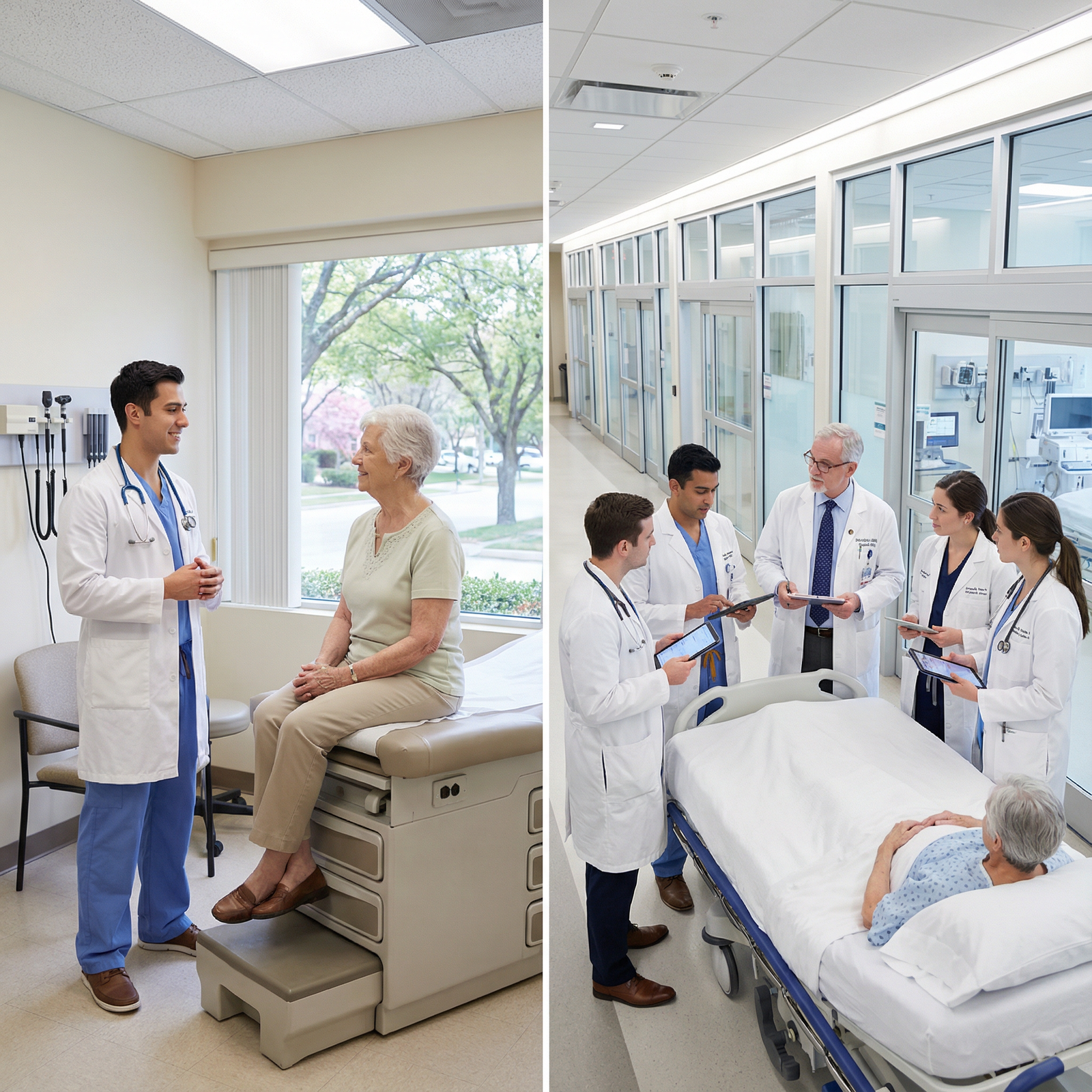
Community programs:
- Are typically based in non-university hospitals or community health systems.
- Focus more on high-volume practical clinical experience and community-based care.
- May have fewer formal research requirements but often strong hands-on autonomy, especially in procedural and operative specialties.
- Often provide excellent preparation for generalist or community-based careers.
Many programs exist along a spectrum, combining features of both.
2. Are academic residency programs always more prestigious or better?
Academic programs are often perceived as prestigious due to their association with major universities and their emphasis on research and scholarship. However, “better” is highly individual:
- A strong community or hybrid program may better match your learning style, career goals, and need for clinical autonomy.
- Fellowship directors and employers increasingly look for fit, competence, professionalism, and performance, not just the brand name of your training program.
- Some community programs have outstanding faculty and fellowship match records, especially in certain specialties.
Prestige should be only one factor—consider educational quality, culture, mentorship, and how well the program supports your desired path.
3. If I choose a community program, can I still pursue research or a fellowship later?
Yes. Many residents from community programs successfully match into competitive fellowships and engage in scholarly work. To do this effectively:
- Seek out local research or quality improvement projects, even if the infrastructure is smaller.
- Connect with academic collaborators (e.g., through regional academic centers, professional societies, or virtual research groups).
- Present at regional or national conferences and maintain a strong academic CV.
- Highlight your clinical strengths and any unique projects you undertook during residency.
While some highly academic fellowships may favor university-based residency graduates, well-prepared and motivated residents from community programs regularly succeed in the fellowship match.
4. How can I tell during interviews whether an academic program is truly supportive of residents?
Look for:
- Honest resident feedback: Ask current residents directly about workload, burnout, and mentorship.
- Evidence of protected education time: Are residents actually excused from clinical duties for conferences?
- Clear structures for mentorship and research support.
- A track record of graduates: Where do they go—fellowships, academic jobs, community practice? Does that match your goals?
- Program leadership that is approachable and responsive to resident concerns.
If residents appear exhausted, hesitant to speak, or vague about support systems, that may indicate a mismatch between the program’s mission statements and reality.
5. How should I decide if an academic program is my best fit?
Consider these guiding points:
Choose an academic program if you:
- Are strongly interested in research opportunities, teaching, and academic medicine
- Want robust subspecialty exposure and a clear path to competitive fellowships
- Thrive in structured, evidence-based educational frameworks
Consider community or hybrid programs if you:
- Prioritize procedural volume, autonomy, and practical clinical training
- Envision your future primarily in community-based practice
- Prefer a smaller environment with closer-knit teams and potentially less bureaucracy
Ultimately, the “right” program is the one that best supports your growth, aligns with your values, and positions you for your preferred future—whether that’s as a clinician-educator, researcher, subspecialist, or community-based physician.
By understanding the benefits and drawbacks of academic residency programs—and comparing them thoughtfully with community and hybrid options—you can make a deliberate, informed choice during the Residency Match. Your decision does not have to lock you into one type of career forever, but aligning your training environment with your evolving goals will set you up for a more satisfying and successful medical career.