Academic Medical Programs: Understanding Their Unique Advantages for Your Career
Choosing between community-based and academic programs is one of the most consequential decisions you’ll make as a medical student or residency applicant. Both offer rigorous clinical training, but academic programs come with a distinct set of strengths that can shape your long-term career opportunities, particularly if you’re interested in research in medicine, subspecialty training, or academic careers.
This guide breaks down what truly differentiates academic programs, how they function, and how to decide whether their unique advantages align with your goals in medical education and beyond.
What Are Academic Medical Programs?
Academic medical programs are residency or fellowship programs (and often associated medical schools) that are based at or closely affiliated with universities and large teaching hospitals. They are typically part of an academic medical center (AMC), which combines:
- A university or medical school
- One or more teaching hospitals
- Research institutes or centers
- Allied health professional schools (nursing, pharmacy, public health, etc.)
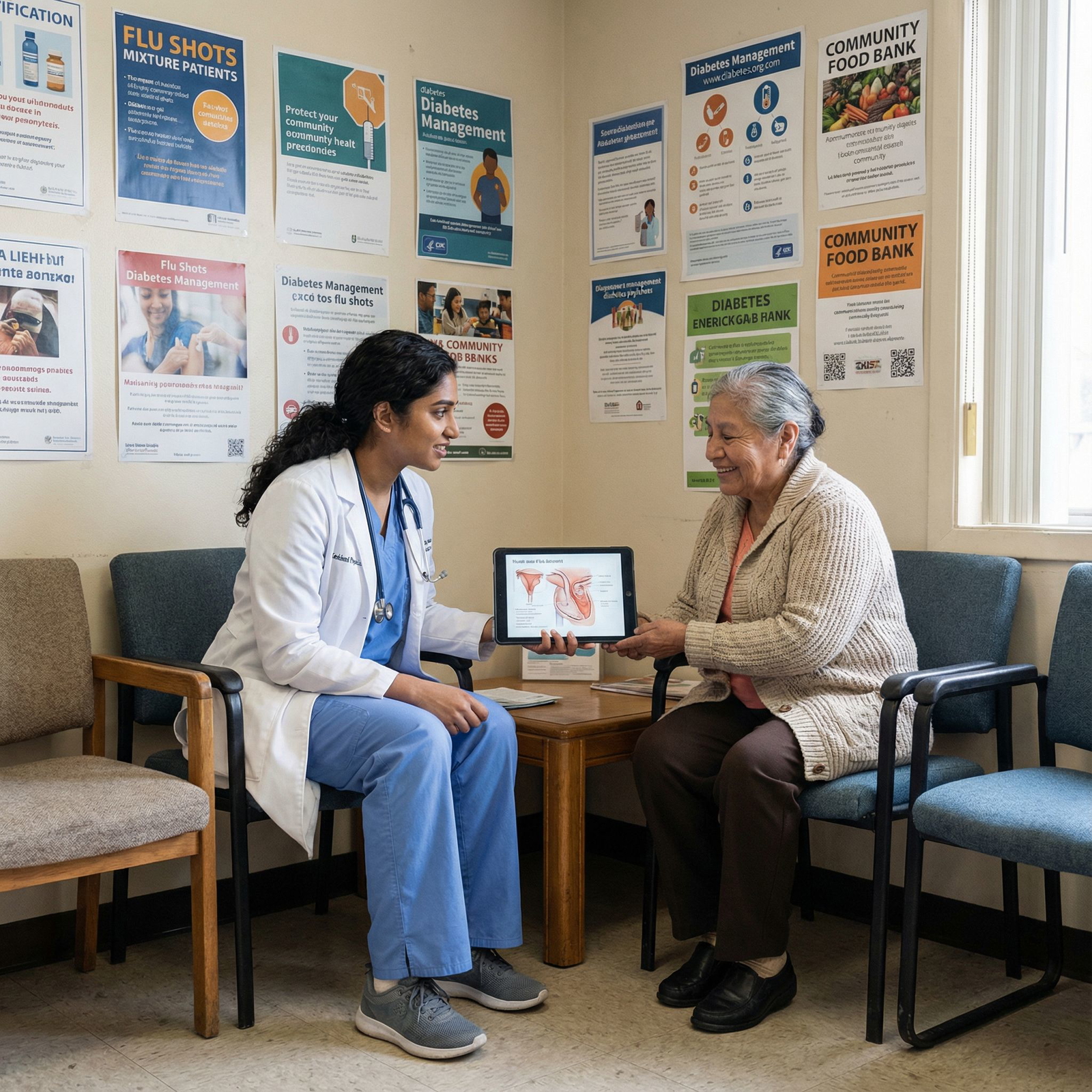
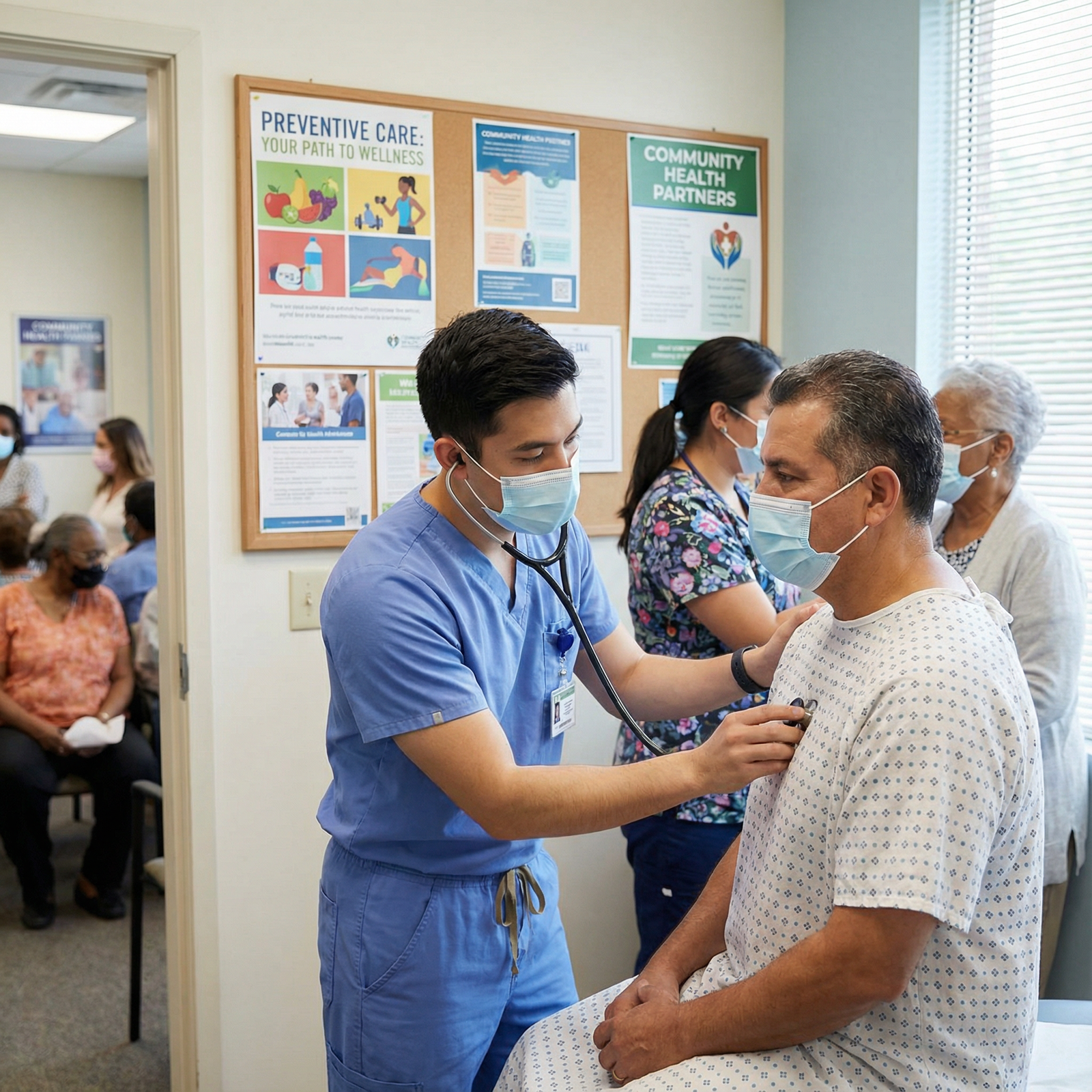
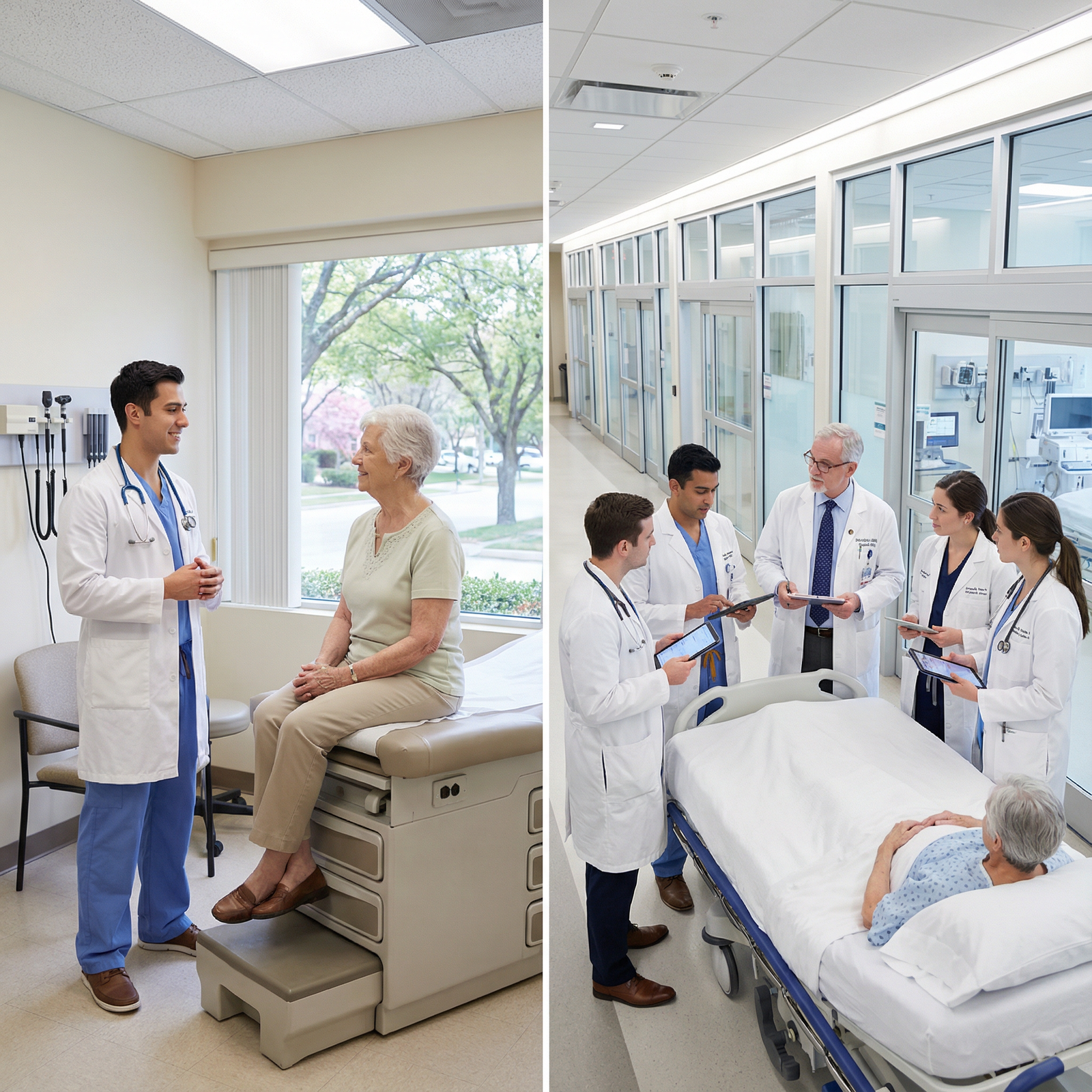
Compared with community programs—which are often based in regional or community hospitals and focus intensely on service and hands-on clinical training—academic programs integrate:
- Advanced research in medicine
- Multidisciplinary collaboration across specialties and professions
- A strong education mission for students, residents, and fellows
- A culture of innovation and continuous improvement
Both pathways can produce excellent clinicians. The real question is: which environment best matches how you want to practice and grow over the next decade?
Core Features That Define Academic Programs
Before unpacking the advantages, it helps to understand the typical characteristics of academic programs:
Robust research infrastructure
Institutional Review Boards (IRBs), biostatistics support, core labs, and established research groups are common. This environment makes it easier to participate in ongoing projects or start your own scholarly work.University-based curriculum and oversight
Academic programs are typically integrated with medical schools and graduate schools, which means your education is embedded within broader academic standards and resources.Faculty with diverse roles
Attendings often serve as clinicians, researchers, and educators. You’re learning from people who are actively producing new knowledge, writing guidelines, or leading national committees.Large, complex patient population
Academic medical centers often function as tertiary or quaternary referral centers, drawing complex, rare, and multi-system cases from wide geographic areas.
These defining elements translate into specific, tangible advantages for your training and future career.
1. Deep Emphasis on Research and Evidence-Based Medicine
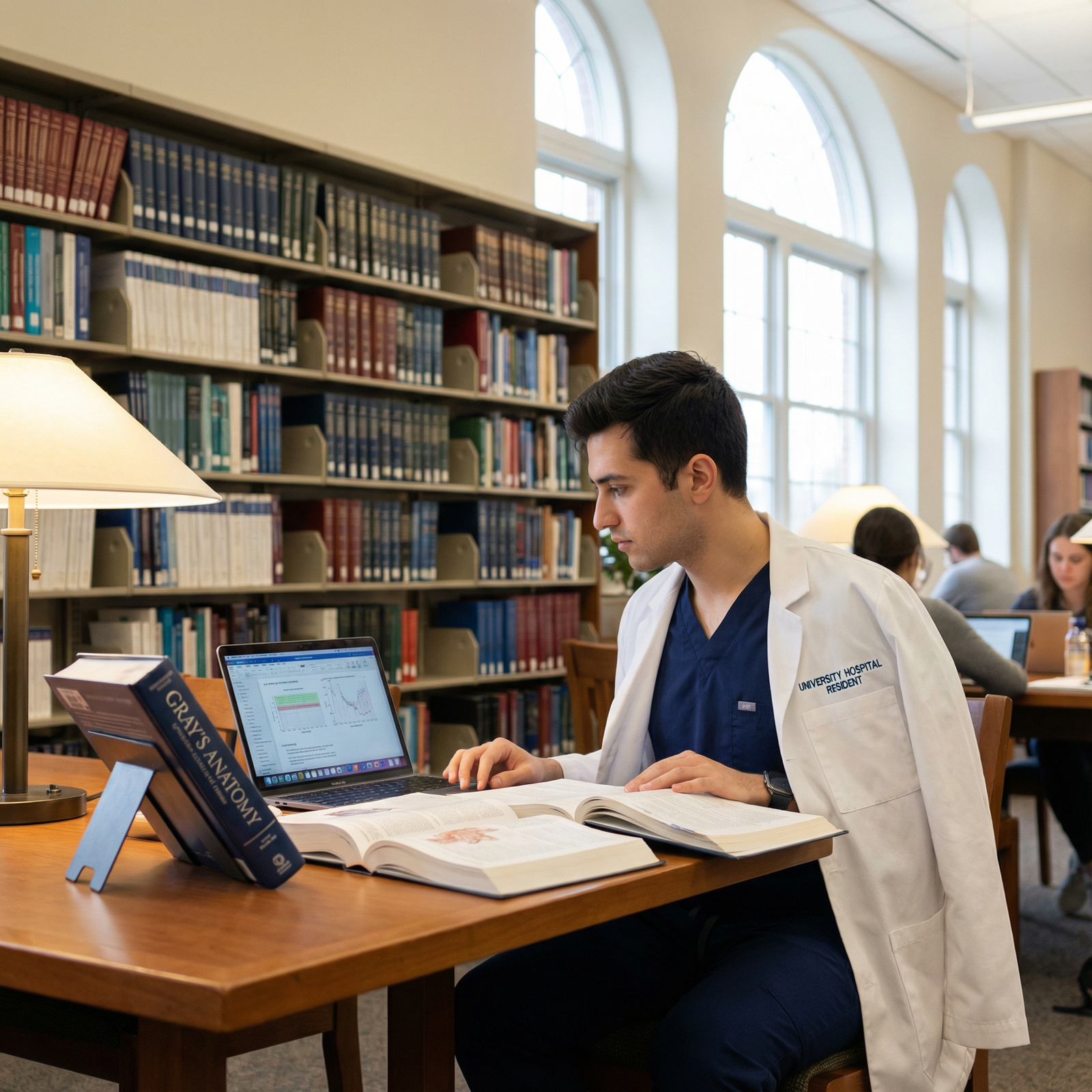
One of the most celebrated strengths of academic programs is their integration of research in medicine into everyday training. This doesn’t just mean doing a lab project—it means learning to think like an investigator in your clinical practice.
Types of Research Opportunities You’ll Commonly Find
Academic programs typically offer a spectrum of research options, ranging from introductory to highly advanced:
Clinical research
Chart reviews, prospective cohort studies, clinical trials, quality improvement projects, outcomes research.Basic and translational science
Laboratory work, molecular biology, genetics, immunology, and bench-to-bedside projects that connect lab discoveries to clinical questions.Health services and population health research
Projects focusing on health systems, health disparities, cost-effectiveness, and public health interventions.Medical education research
Studies examining teaching methods, assessment tools, and curriculum development—ideal if you’re drawn to teaching and academic leadership.
For residency and fellowship, many academic programs carve out:
- Protected research time (e.g., 2–6 months of dedicated research blocks)
- Optional research tracks or “physician-scientist” pathways
- Access to master’s programs (e.g., MPH, MS in Clinical Investigation, MEd in Medical Education)
Why This Matters for Your Career
Engaging in research in medicine builds skills that are valuable regardless of whether you become a physician-scientist:
- Critical appraisal: You learn to evaluate study design, bias, and statistics, which is essential to practicing evidence-based medicine.
- Scholarly productivity: Publications, abstracts, and presentations strengthen your residency or fellowship applications and your CV for future jobs.
- Academic identity formation: Early exposure can help you discover whether an academic career (with a mix of clinical, teaching, and research roles) suits you.
For example, a resident who leads a quality improvement project to reduce catheter-associated infections may present the work at a national conference, co-author a manuscript, and later become a hospital quality leader. That trajectory often begins in an academic training environment.
2. Access to Advanced Technology, Innovation, and Specialized Care
Academic medical centers are typically early adopters of new technology and treatment paradigms, which are then woven into their academic programs.
Technological and Clinical Advantages in Academic Settings
You’re more likely to encounter:
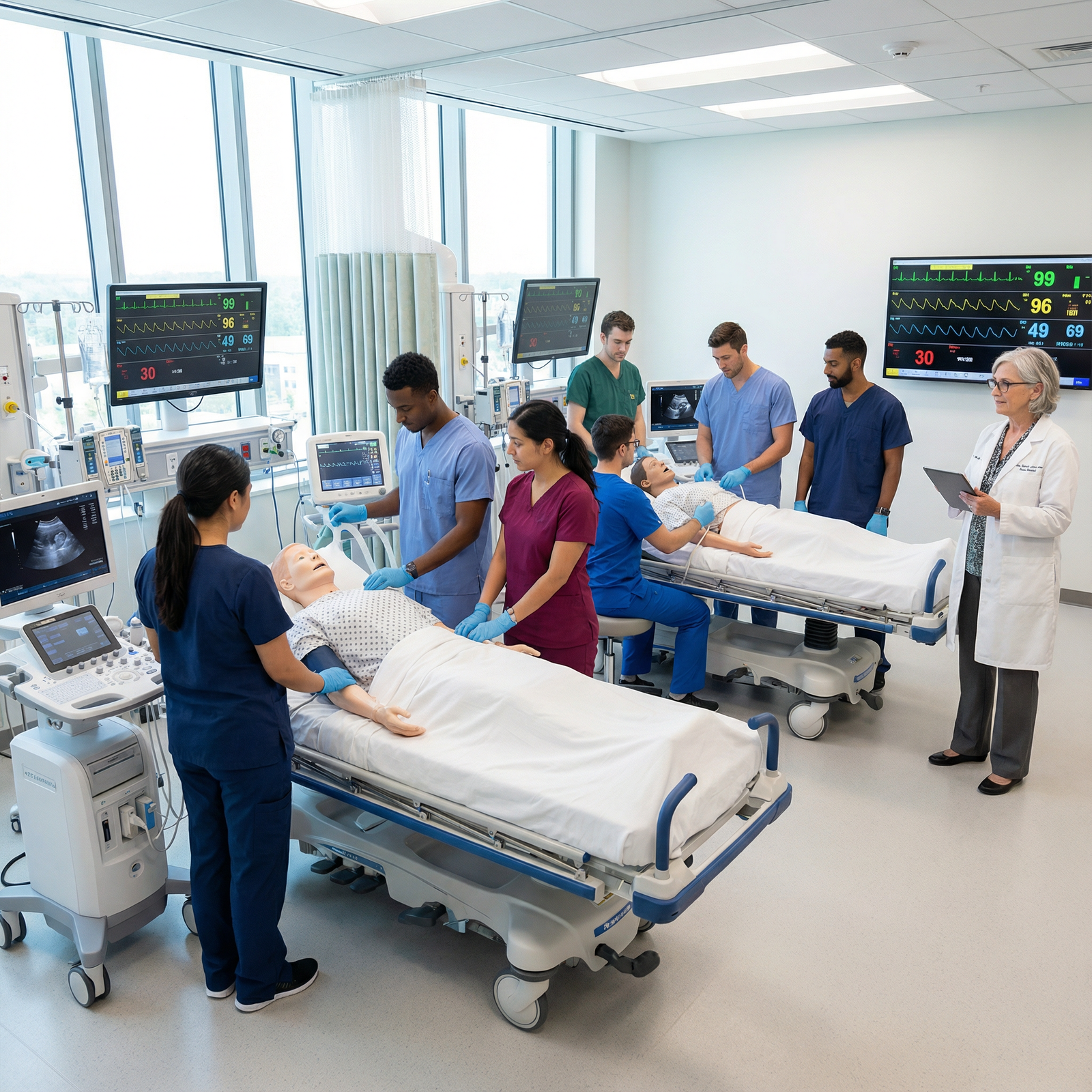
Simulation and skills centers
High-fidelity mannequins, task trainers, and virtual reality (VR) platforms allow you to practice procedures, codes, and communication scenarios in a safe, controlled setting before seeing real patients.Cutting-edge diagnostic and therapeutic tools
Examples include advanced imaging (PET-MRI, interventional radiology suites), robotic surgery platforms, intraoperative navigation tools, and specialized lab diagnostics.Digital health and informatics integration
Experience with advanced electronic health record (EHR) systems, decision-support tools, telehealth platforms, and remote monitoring technology.Experimental and novel therapies
Participation in clinical trials offers exposure to therapies that might not yet be available in community settings—such as CAR-T therapies in oncology or first-in-human device trials in cardiology.
This environment helps you become comfortable with the rapid evolution of medicine, increasing your adaptability and competitiveness in a changing healthcare landscape.
Concrete Example: Training in a High-Tech Environment
Imagine an academic surgery resident:
- Practicing laparoscopic and robotic techniques in a simulation lab
- Reviewing 3D reconstructed CT images with radiology
- Participating in a trial comparing new minimally invasive approaches to conventional open surgery
This level of exposure not only improves your technical skills but also positions you as a future leader in implementing new technologies within healthcare systems.
3. Multidisciplinary Collaboration and Team-Based Training
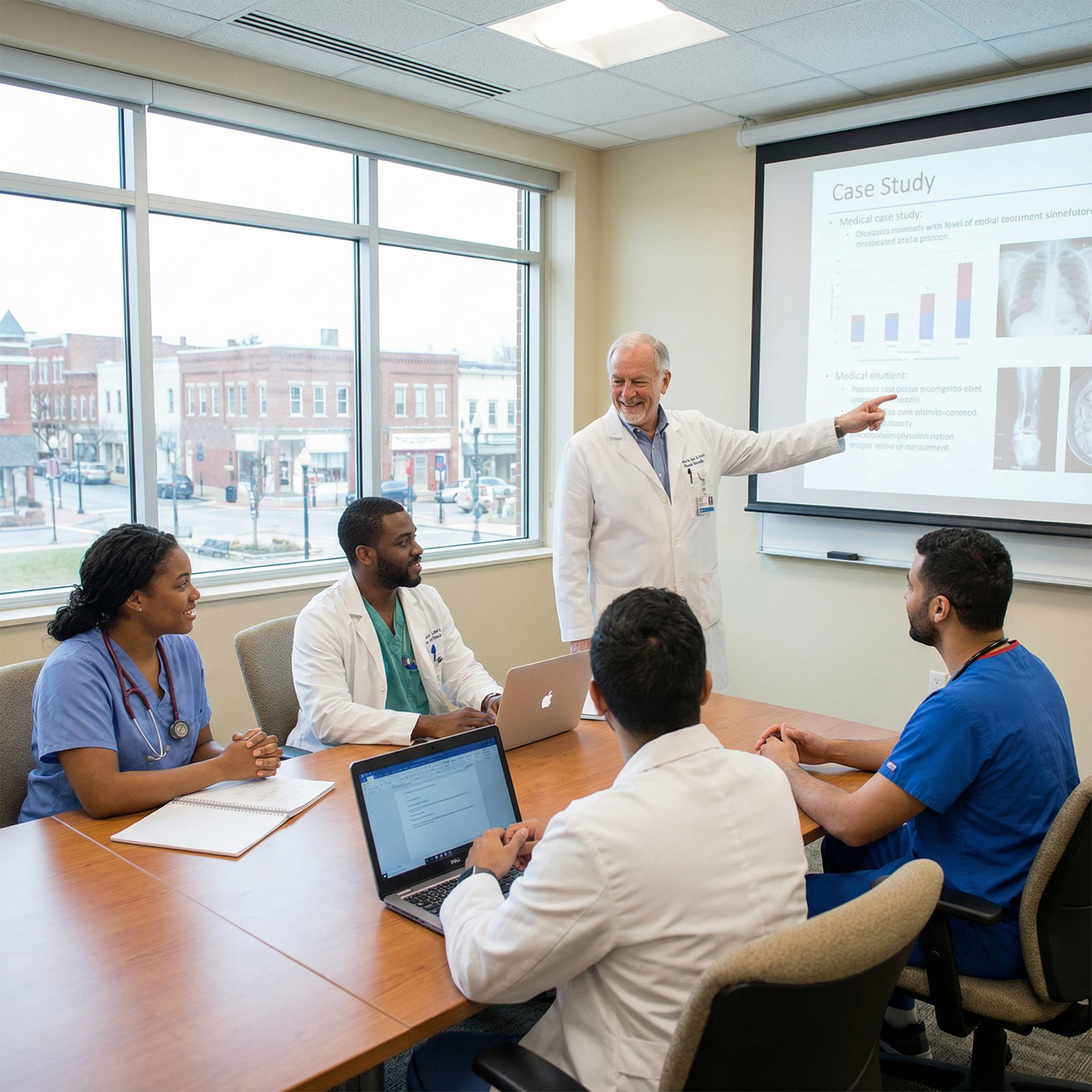
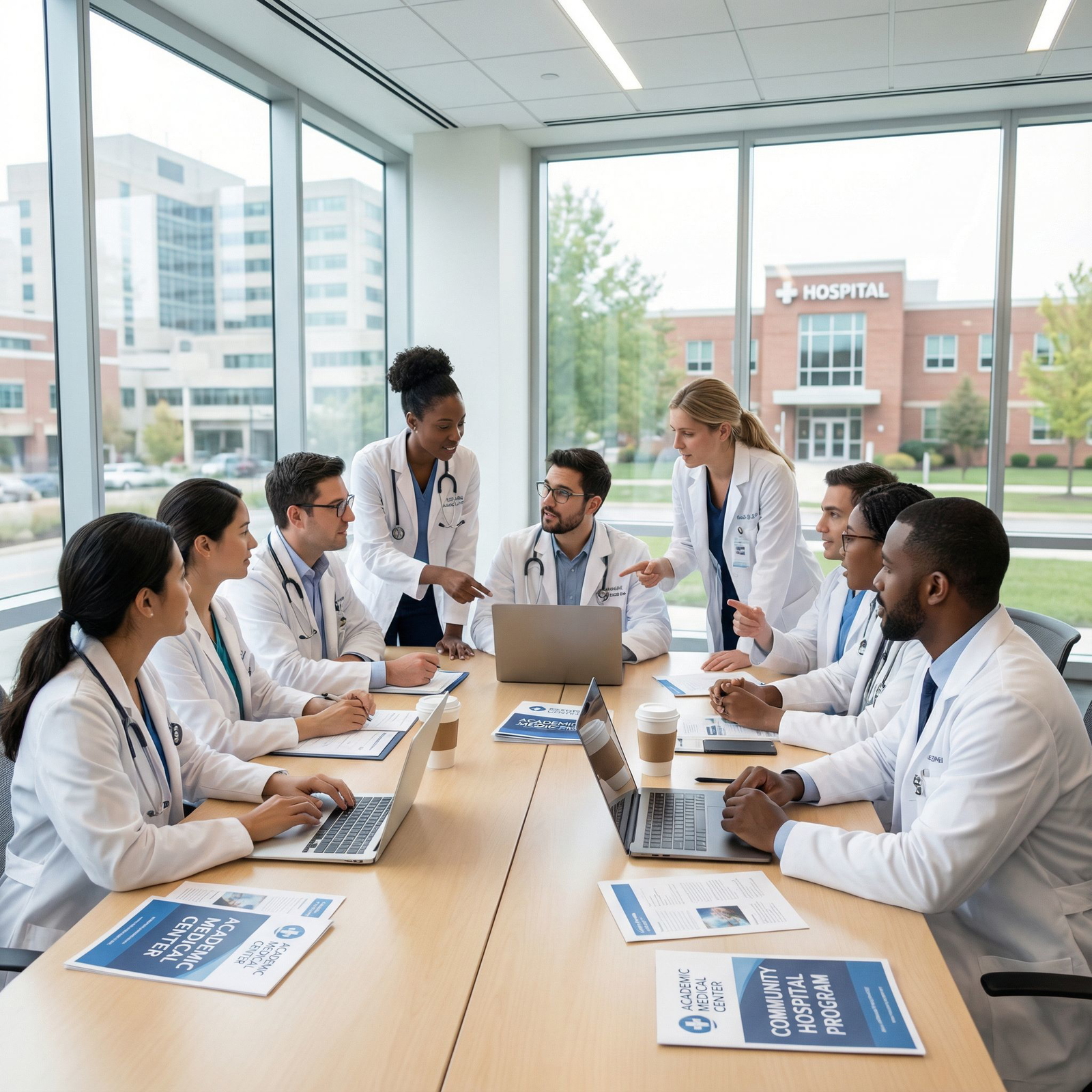
Modern healthcare is inherently team-based. Academic programs are uniquely structured to teach you how to function effectively within complex healthcare teams.
How Multidisciplinary Collaboration Is Built Into Academic Programs
You’ll frequently encounter:
Interprofessional education (IPE)
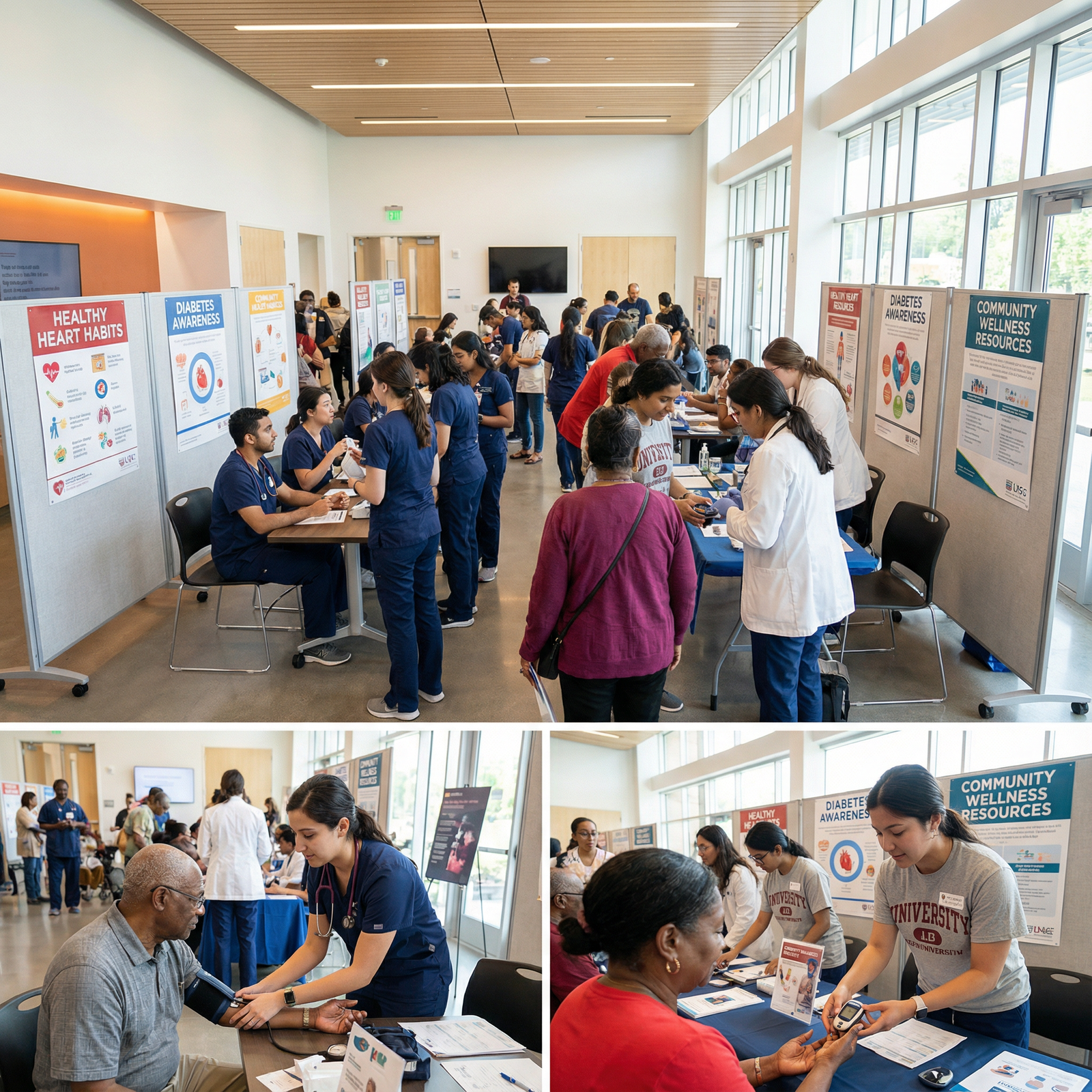
Shared learning activities with nursing, pharmacy, physical therapy, social work, and public health trainees. These may include case conferences, simulation scenarios, and quality improvement projects.Multidisciplinary clinical rounds
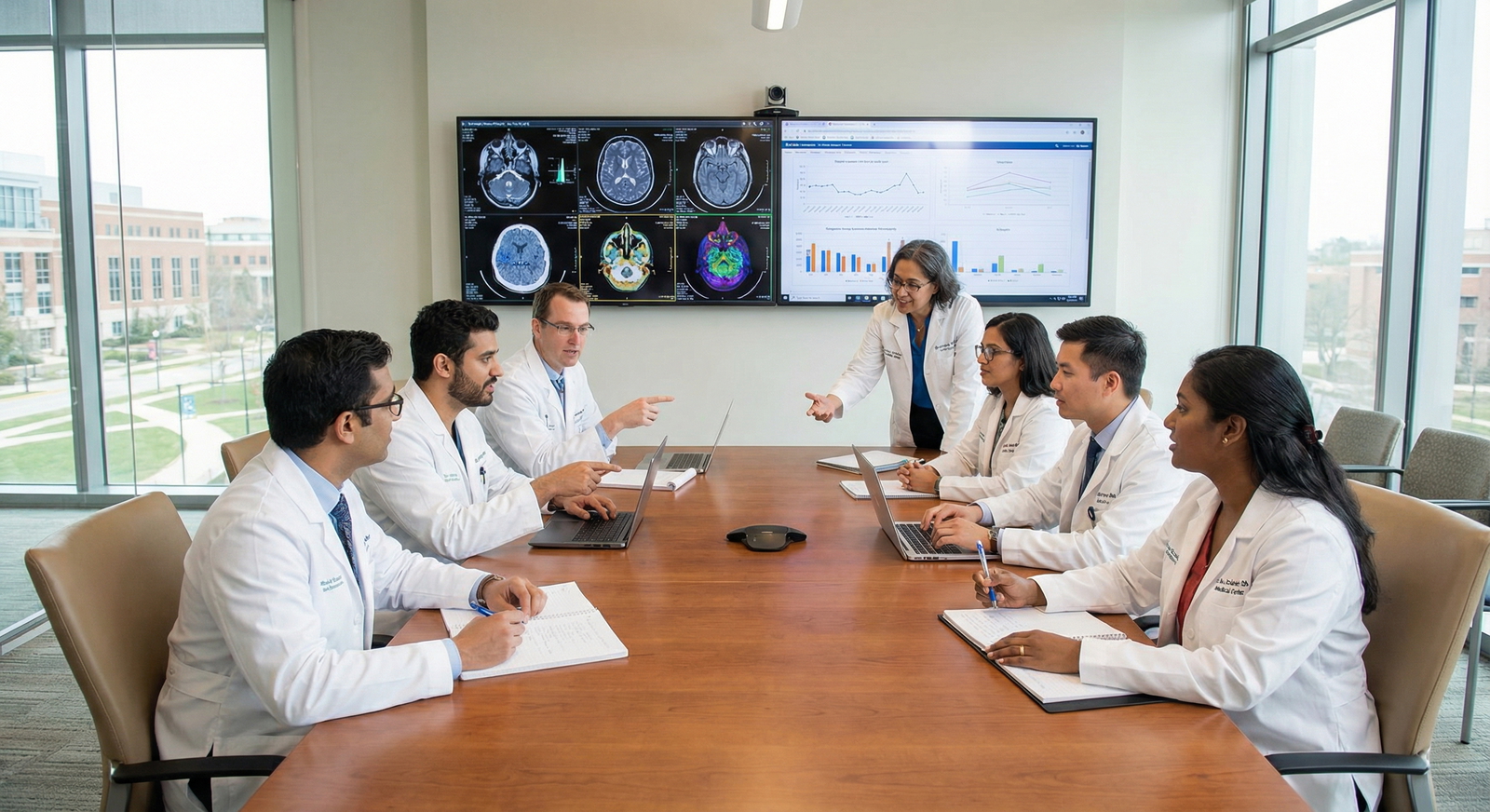
Rounds with attendings, residents, pharmacists, dietitians, case managers, and consultants, highlighting how each discipline contributes to patient care.Specialty conferences and tumor boards
Regular forums where surgeons, oncologists, radiologists, pathologists, and others jointly review complex cases and formulate treatment plans.
This type of multidisciplinary collaboration teaches you to:
- Communicate clearly and respectfully with professionals from different backgrounds
- Understand the full spectrum of a patient’s needs beyond the primary diagnosis
- Coordinate care across specialties and settings
Why This Matters for Your Development
Residency and early career will demand strong skills in:
- Negotiating care plans with multiple consultants
- Understanding system-based practice and the patient’s journey across different settings
- Leading or participating in healthcare teams that span multiple disciplines
Academic programs, by their nature, place you in rich environments where you can observe and practice these skills daily.
4. Comprehensive Curriculum, Accreditation, and Educational Structure
Academic programs are usually tightly integrated with medical schools and graduate medical education (GME) offices, resulting in highly structured and continuously evaluated curricula.
Components of a Strong Academic Curriculum
Expect a combination of:
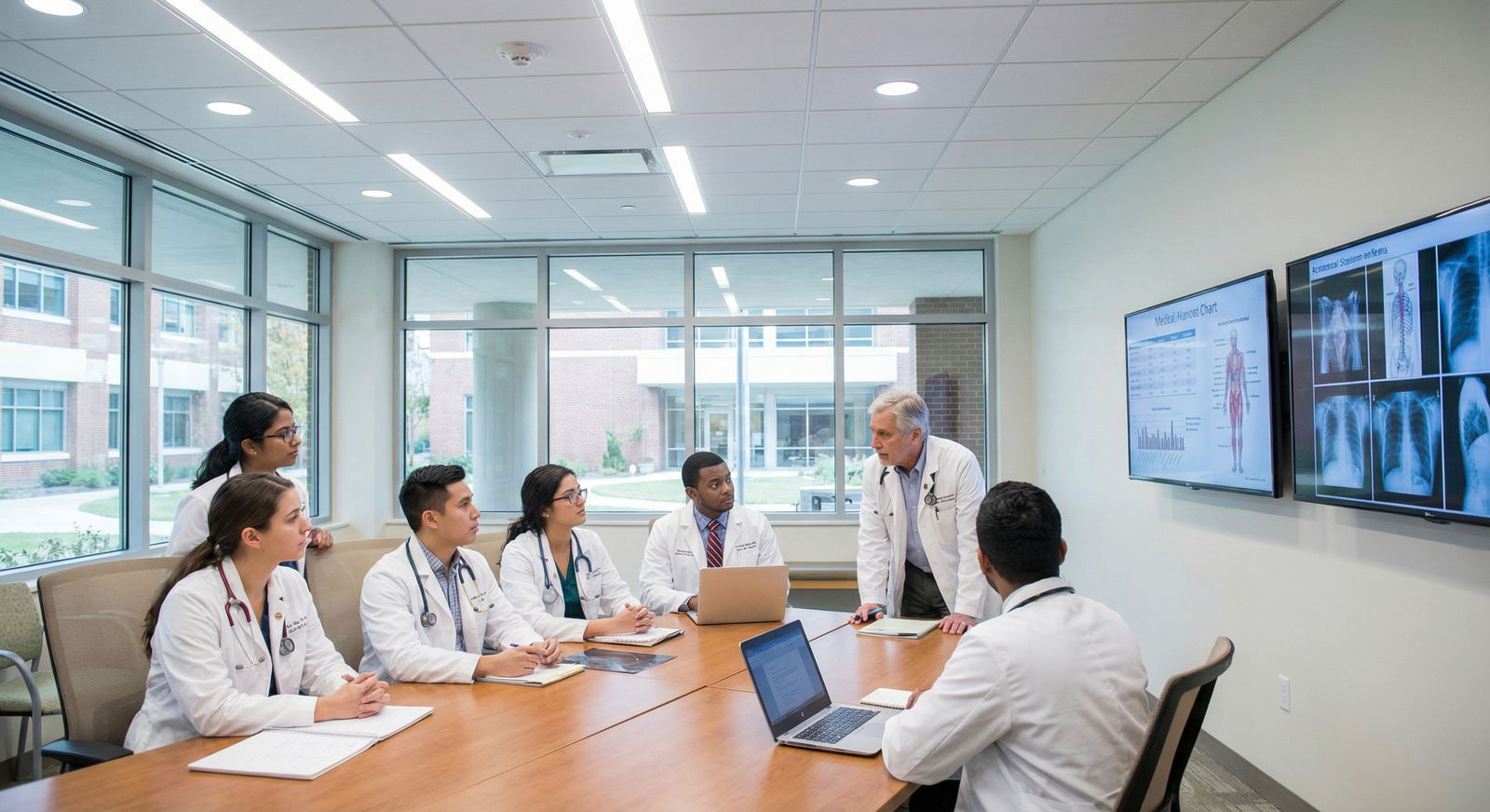
Didactic teaching
Grand rounds, subspecialty conferences, board review sessions, morbidity and mortality (M&M) conferences, journal clubs, and case-based learning.Formal competency-based training
Clear milestones and Entrustable Professional Activities (EPAs) guide progression in clinical skills, professionalism, communication, and systems-based practice.Ongoing assessment and feedback
Regular evaluations, direct observation, workplace-based assessments (e.g., mini-CEX), and structured feedback sessions help you continuously refine your skills.Elective and track options
Academic programs often offer specialized tracks in global health, medical education, research, healthcare leadership, or bioethics.
Importance of Accreditation
Academic residency and fellowship programs are accredited by bodies like:
- For MD residency programs in the U.S.: ACGME (Accreditation Council for Graduate Medical Education)
- For medical schools: LCME (Liaison Committee on Medical Education)
Accreditation ensures that:
- The program meets national standards for curriculum, supervision, and trainee well-being
- Your training is recognized for board eligibility and state licensure
- You can compete for fellowships and academic positions without barriers
For residency applicants, graduating from an accredited academic program simplifies subsequent career steps and opens doors to more competitive subspecialties.
5. Mentorship, Networking, and Long-Term Career Opportunities
One of the greatest, and sometimes underappreciated, strengths of academic programs is the density of mentors and the depth of professional networks you gain access to.
Forms of Mentorship in Academic Settings
You’ll often find:
Clinical mentors
Faculty who guide your growth as a clinician, help you navigate challenging cases, and model professional behavior.Research mentors
Investigators who involve you in projects, help you develop scientific questions, and guide you through abstract submissions and manuscripts.Career and specialty advisors
Faculty or designated advisors who help you decide on specialties, plan away rotations, and strategize for residency, fellowship, or job applications.
Mentorship in academic environments is often formalized through:
- Assigned advisors or mentoring committees
- Faculty–resident matching programs based on interests
- Protected time for mentor-mentee meetings and professional development workshops
Networking Within and Beyond Your Institution
Academic programs naturally connect you with:
- Alumni networks in competitive fellowships and academic positions
- Visiting professors and national leaders who give grand rounds or collaborate on projects
- National organizations and conferences through presentations and committee work
These connections can directly influence:
- Residency and fellowship match outcomes
- Early-career academic appointments
- Collaborative research and quality projects
- Leadership opportunities within hospital systems and professional societies
A common scenario: A resident presents at a national meeting, connects with a fellowship program director from another institution, and later matches there in a highly competitive subspecialty. That trajectory is made more likely by the academic environment and its built-in networking channels.
6. Who Thrives in Academic Programs—and How to Decide if It’s Right for You
Not every applicant needs or wants an academic career, but it’s important to understand what kind of learner and future physician tends to thrive in academic environments.
Profiles That Often Align Well with Academic Programs
You may be particularly well suited to an academic program if you:
- Enjoy asking “why” and “how” beyond immediate clinical tasks
- Are drawn to research in medicine, teaching, or curriculum development
- Want to work in a large teaching hospital or tertiary/quaternary care center
- Aspire to a career that mixes clinical work, research, and medical education
- Hope to pursue a highly competitive subspecialty fellowship
- Value strong mentorship and a wide variety of career opportunities
Key Questions to Ask Yourself as an Applicant
As you compare community vs. academic programs, consider:
How important is research to my long-term goals?
If you see yourself in academia, program leadership, or subspecialty research, the infrastructure of an academic program can be critical.Do I prefer a large, complex system or a more intimate environment?
Academic medical centers can be big and busy. Some learners prefer the tighter-knit feel of a smaller community program.How much do I value exposure to rare and complex cases?
Academic centers typically provide more of these, which can be invaluable for preparing for fellowships or tertiary-care careers.What kind of mentorship do I need?
If you’re seeking highly specialized mentors or national leaders in a field, academic programs are more likely to offer them.Where do I imagine myself in 10 years?
Teaching? Running a clinic? Doing clinical trials? Leading a division? Your long-term vision should guide your program choice.
Balancing Academic and Community Strengths
It’s worth noting that many programs are “hybrid”—academic programs with community affiliates, or community programs with strong academic ties. When evaluating programs:
- Look for affiliated medical schools, teaching hospitals, and research expectations.
- Review program websites for scholarly activity, fellowship match lists, and multidisciplinary collaboration initiatives.
- Ask current residents how they experience the “academic” side of their program in day-to-day training.
FAQs: Academic Medical Programs and Your Career Path
1. What exactly qualifies a residency as an “academic program”?
An academic residency program is typically based at or formally affiliated with a university and an academic medical center. It has a strong emphasis on teaching, research, and scholarly activity, often includes multiple subspecialty services and fellows, and is led by faculty who hold academic appointments. The presence of structured didactics, research infrastructure, and a clear educational mission are hallmark features.
2. Are academic programs always better than community programs?
Not inherently. They are different, not universally better. Academic programs often excel in research opportunities, subspecialty exposure, and networking. Community programs can offer higher clinical volume in bread-and-butter cases, more autonomy early in training, and a close-knit environment. The “better” choice depends on your personal learning style, career goals, and preferred practice setting.
3. Do I have to love research to succeed in an academic program?
No. Many residents in academic programs focus primarily on clinical excellence and teaching rather than research careers. However, you should at least be open to engaging in some scholarly activity—such as quality improvement, case reports, or educational projects—since most academic programs expect residents to contribute in some way. Strong critical appraisal skills and comfort with evidence-based medicine are essential.
4. Do academic programs improve my chances of getting a competitive fellowship?
Often, yes. Academic programs usually provide more exposure to subspecialties, easier access to subspecialty mentors, and stronger support for research and conference presentations. These factors can significantly strengthen your fellowship applications. That said, outstanding trainees from community programs can and do match into competitive fellowships—especially if they seek out research and strong letters of recommendation.
5. How can I demonstrate fit for an academic program on my application?
You can show alignment with academic programs by:
- Highlighting any prior research, quality improvement, or scholarly work
- Describing specific interests in teaching, curriculum development, or health systems
- Requesting letters from academic mentors who can speak to your curiosity, initiative, and teamwork
- Using your personal statement to connect your long-term goals (e.g., academic medicine, leadership, innovation) with what academic programs offer
During interviews, ask thoughtful questions about research support, mentorship structures, and multidisciplinary collaboration to signal genuine interest in the academic environment.
By understanding the distinctive strengths of academic medical programs—research infrastructure, advanced technology, multidisciplinary collaboration, structured curricula, and extensive networking—you can make a more informed, strategic decision about where to train. Aligning your choice of program with your evolving goals in medical education and long-term career opportunities will position you not just to succeed, but to lead in the next generation of healthcare.