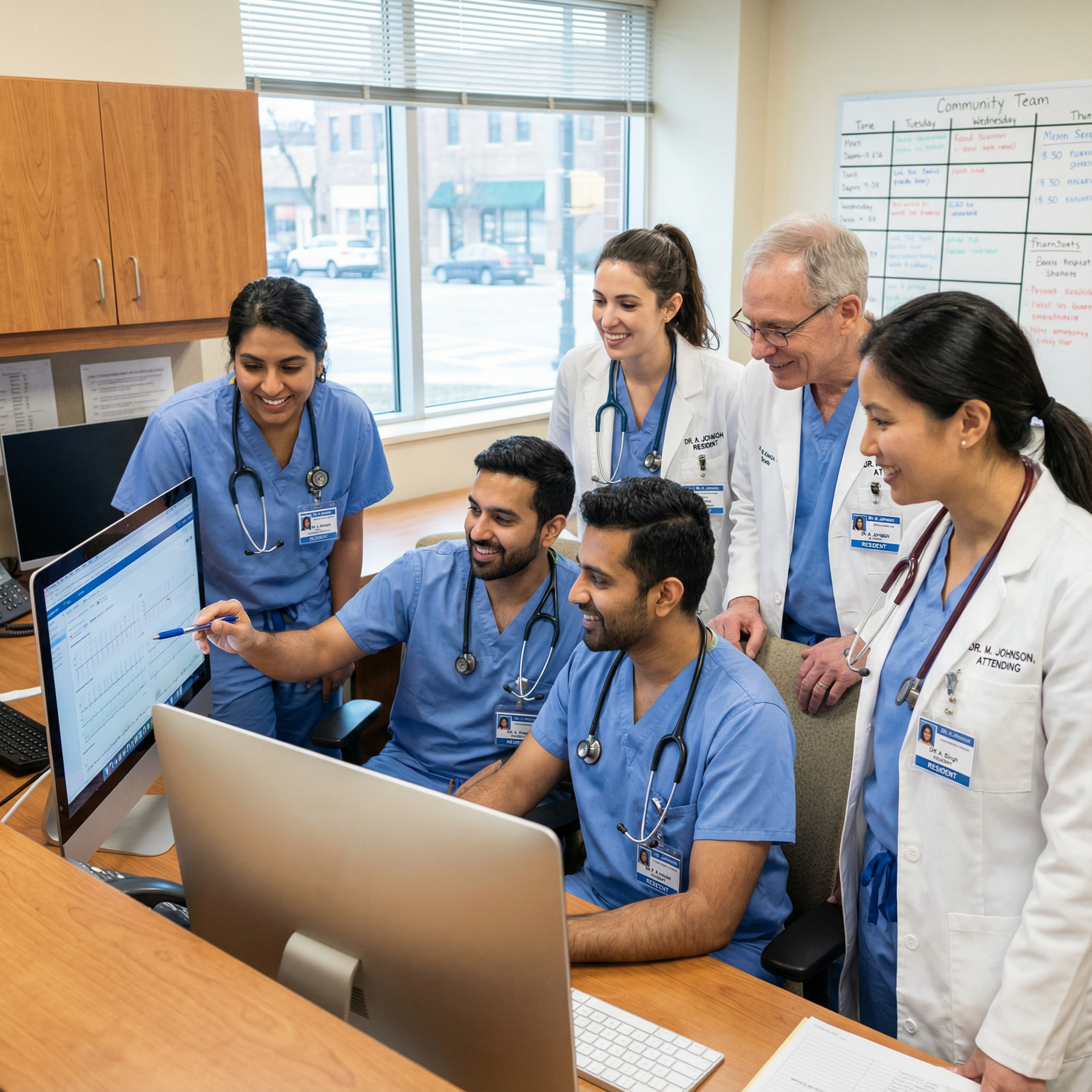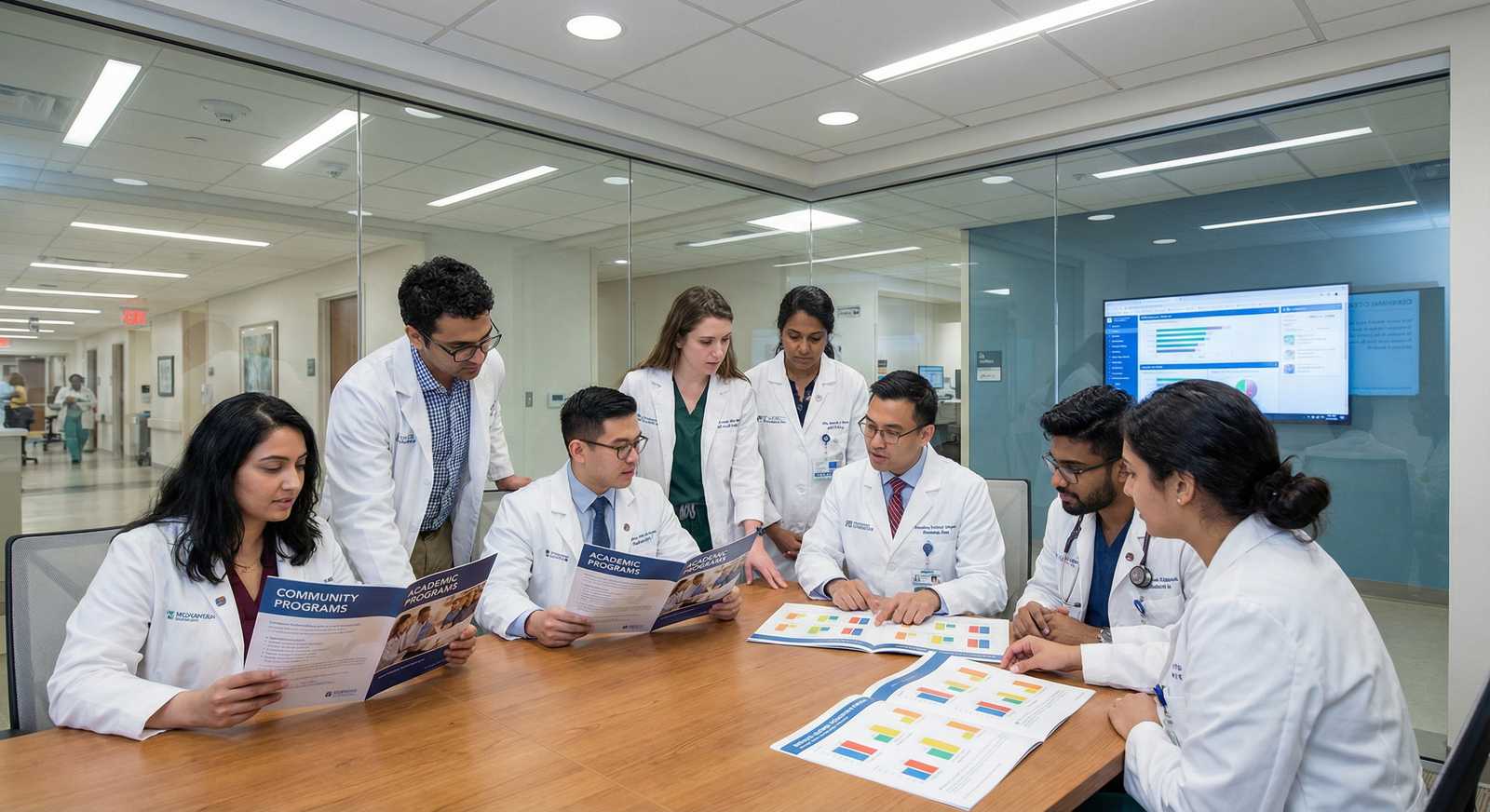
Choosing between Academic Programs and Community Programs for residency is one of the most consequential decisions in your early medical career. Academic Programs, in particular, offer a range of benefits that go far beyond name recognition or university affiliation. They can profoundly shape your clinical skills, research profile, mentorship network, and long-term Career Development trajectory.
Below, we unpack the hidden advantages of training in an academic Medical Residency program, especially for applicants weighing differences between community and academic programs as they prepare for residency applications and the Match.
Understanding Academic Residency Programs in Context
Before comparing options, it helps to clarify what “academic program” actually means and how it differs from a community-based program.
What Defines an Academic Program?
An academic residency program is typically:
- Affiliated with a medical school or university
- Based at one or more teaching hospitals
- Embedded in an institutional culture that prioritizes:
- Formal teaching and curriculum
- Research Opportunities
- Scholarly activity (publications, presentations, quality improvement)
- Interdisciplinary collaboration
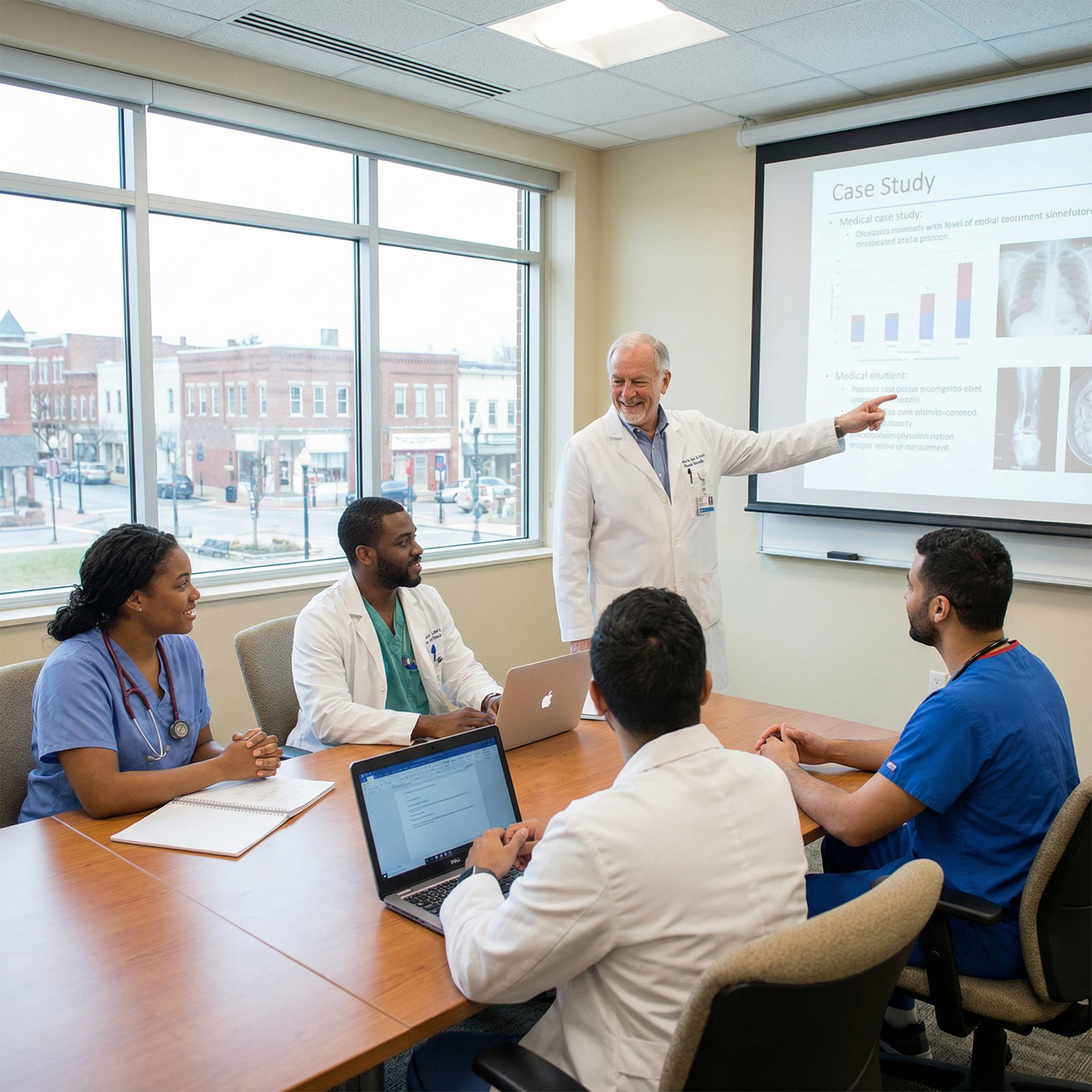
In these settings, you’ll work closely with:
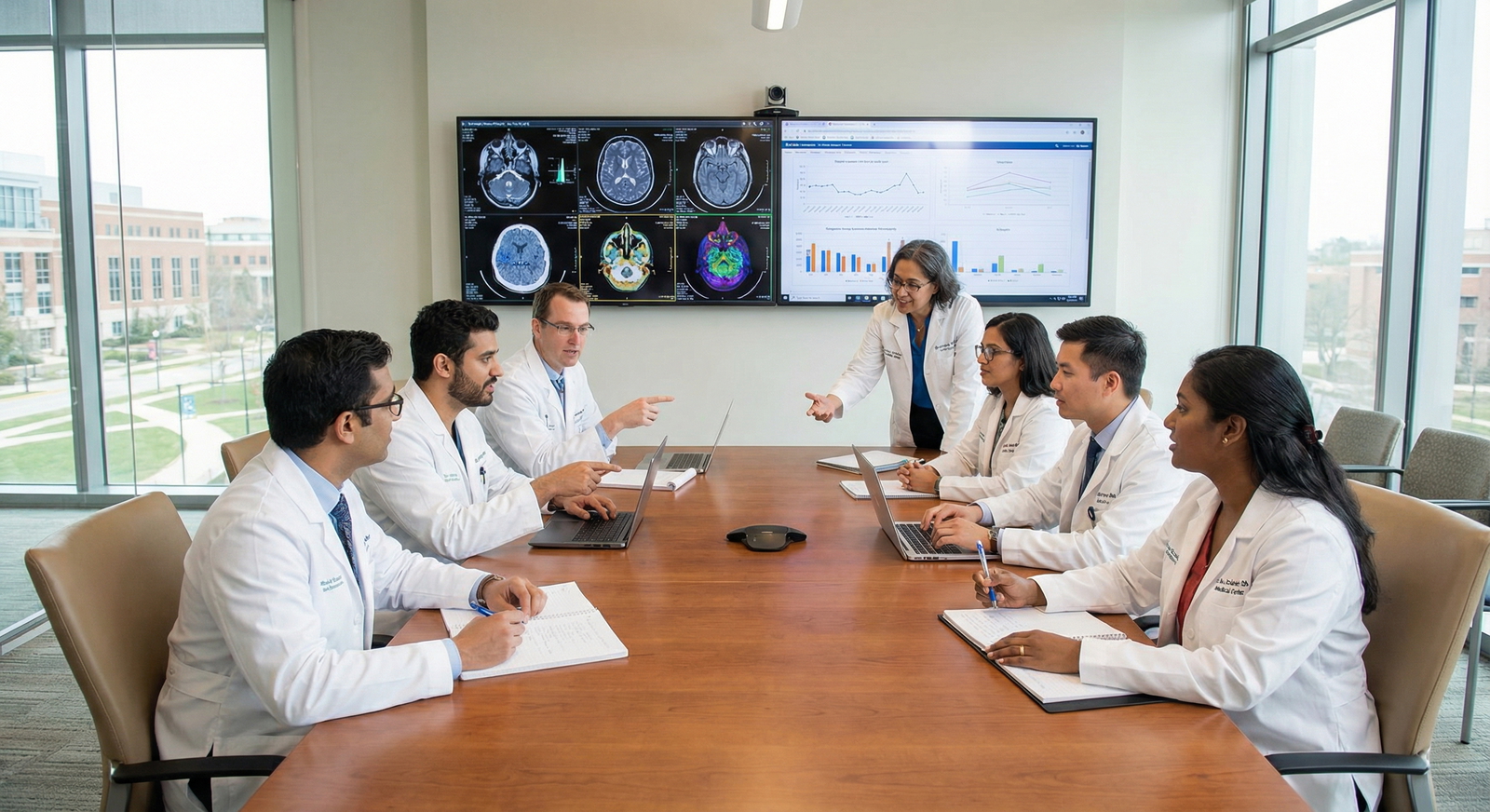
- Full-time faculty who are clinician-educators or clinician-scientists
- Fellows in various subspecialties
- Medical students, PhD students, and other trainees
- Staff supporting education, research, and simulation
You’re not just learning how to practice medicine—you’re being trained to think, question, critique evidence, and contribute to the field.
How Academic and Community Programs Differ
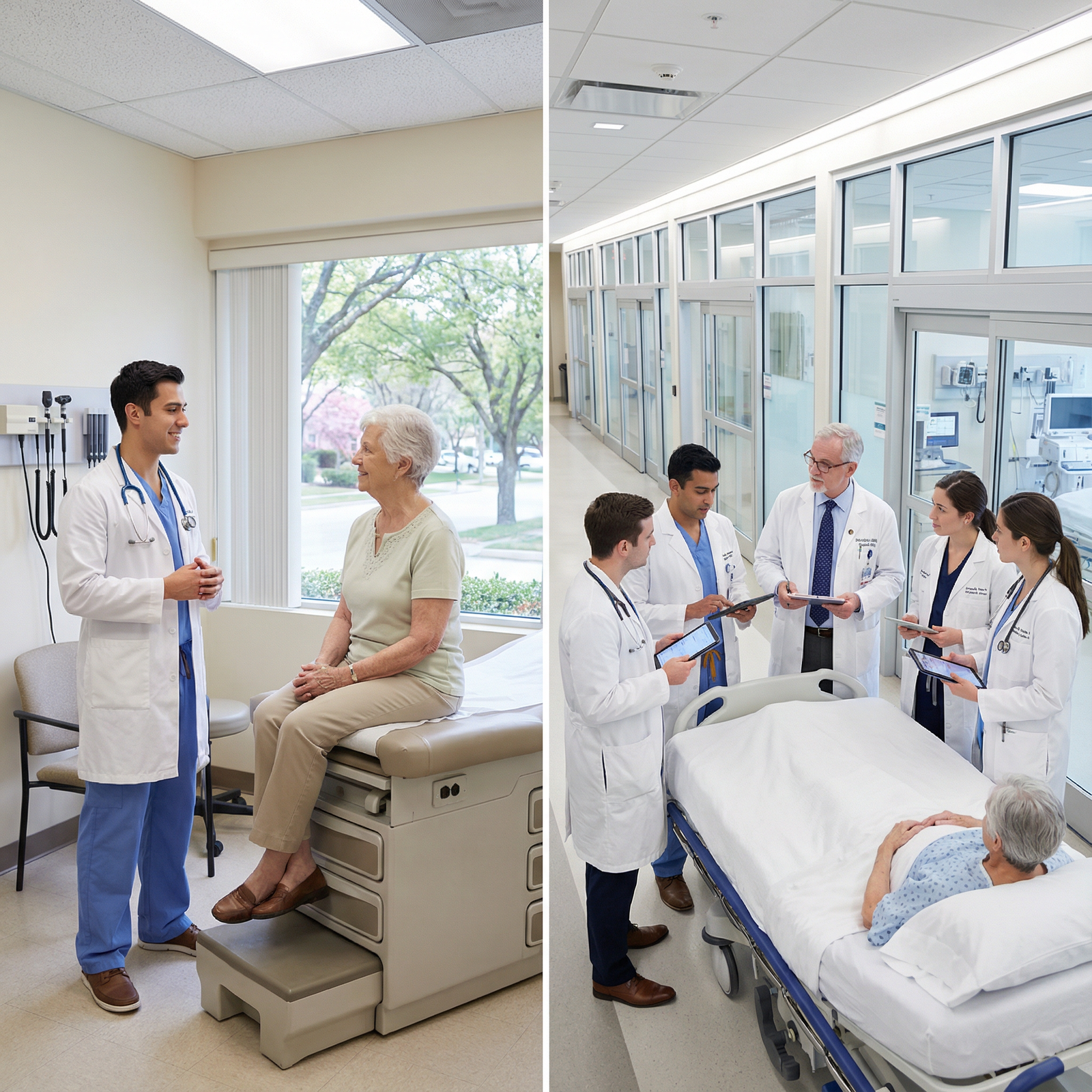
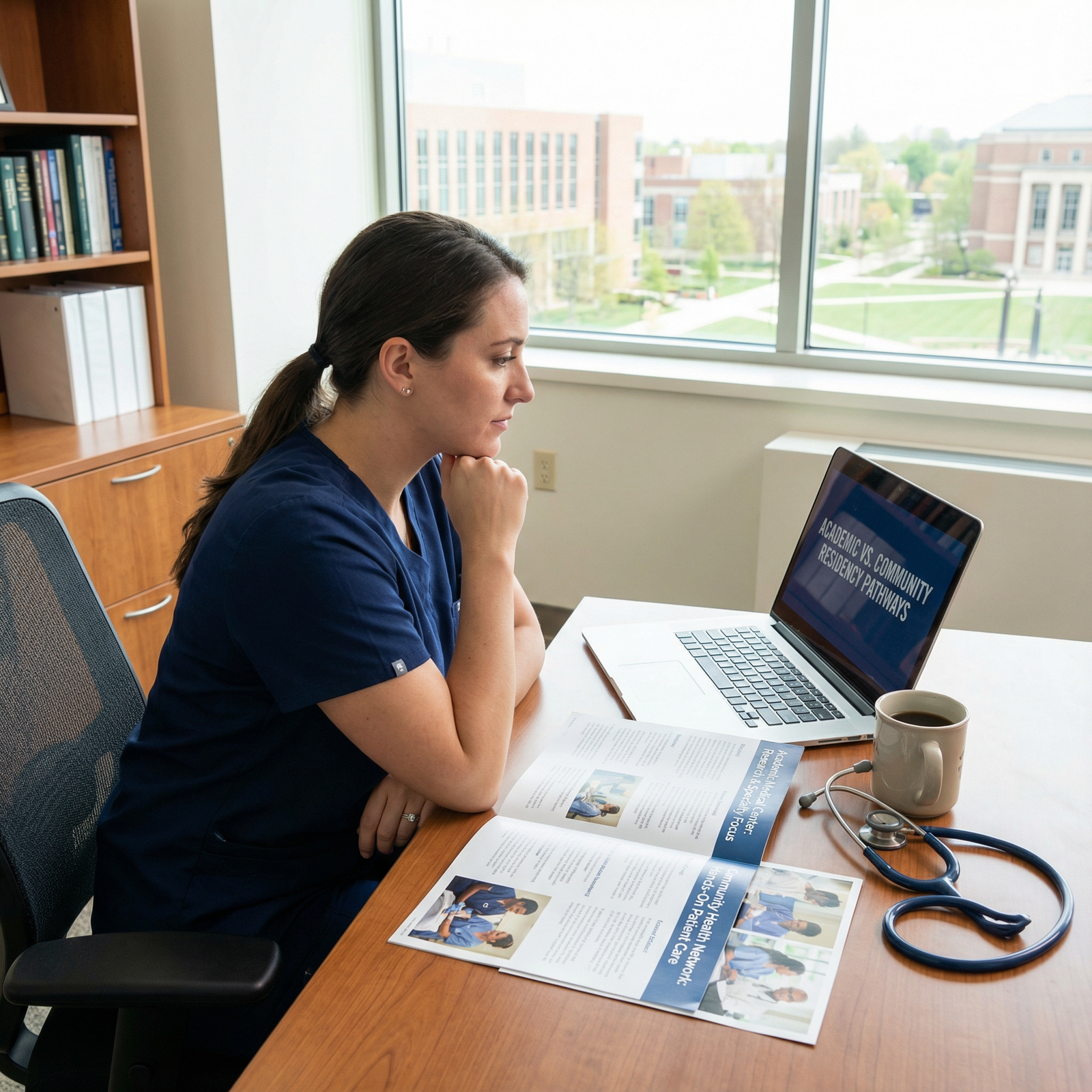
Academic and community programs are not a “better vs worse” choice; they often suit different learning styles and career goals. In broad strokes:
Academic Programs
- Strong emphasis on education and structured didactics
- Robust research opportunities
- Subspecialty and complex case exposure
- More layers of supervision (students, residents, fellows)
- Often located in large urban centers or regional hubs
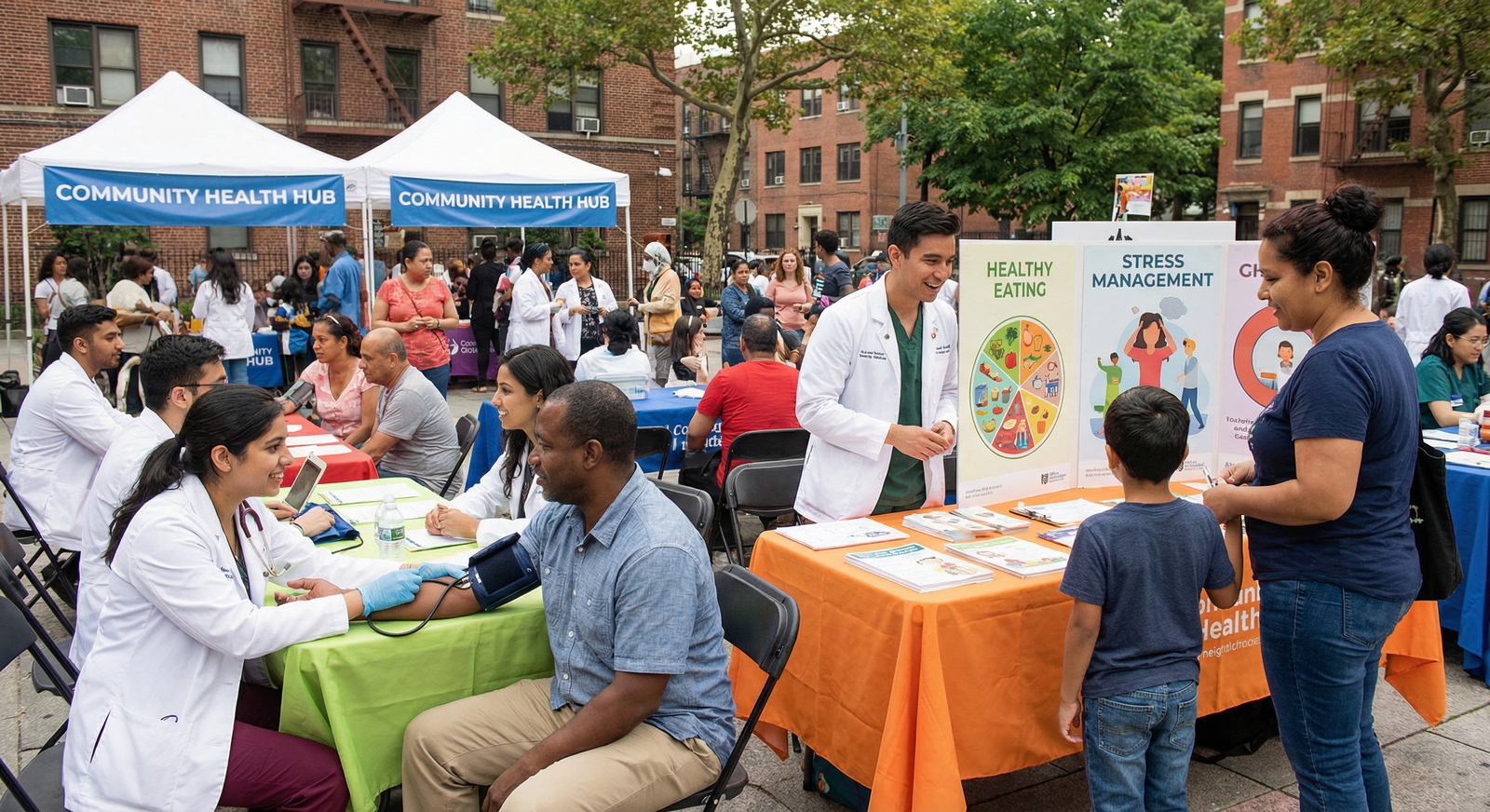
Community Programs
- Typically more focused on high-volume clinical care
- May offer more autonomy earlier in training
- Often in smaller cities or suburban/rural communities
- Less emphasis on research; variable didactic structure
- Strong exposure to “bread and butter” clinical medicine
Many residents thrive in community settings. But if you are drawn to research, academic medicine, subspecialty practice, or leadership roles, the hidden benefits of Academic Programs can be career-defining.
1. Research Opportunities: Building Your Scholarly Foundation
Access to Cutting-Edge Research Infrastructure
One of the hallmark advantages of an academic Medical Residency is systematic access to research:
- Established investigator-led labs and clinical research groups
- Institutional review board (IRB) and biostatistics support
- Data warehouses and registries for clinical research
- Protected time for scholarly projects in many programs
- Internal grants or seed funding for trainee initiatives
This environment makes it substantially easier to move from “I’d love to do research” to actually completing a project with a reasonable chance of publication or presentation.
Types of Research Residents Commonly Engage In
In academic programs, residents can explore a variety of scholarly pathways:
- Clinical research – Observational studies, retrospective chart reviews, prospective trials
- Quality improvement (QI) – Reducing readmission rates, improving sepsis bundle adherence, optimizing discharge summaries
- Medical education research – Curriculum development, simulation outcomes, assessment strategies
- Basic or translational science – Bench research, animal models, biomarker studies (more common if you have prior experience or plan a physician-scientist career)
- Health services and outcomes research – Studying health disparities, utilization patterns, or cost-effectiveness
For example, an internal medicine resident might:
- Join a cardiology outcomes group and co-author a paper on heart failure readmissions
- Present an abstract at a national society meeting (e.g., ACP, ACC, ATS)
- Use that work to strengthen a fellowship application in cardiology or critical care
How to Leverage Research During Residency
If you match into an academic program, you can optimize your research experience by:
- Asking early: During orientation or first weeks, ask chiefs and faculty, “Who are the most resident-friendly researchers in X field?”
- Starting small: Begin with a manageable retrospective project or case series before committing to a complex prospective study.
- Protecting your time: Put research blocks, deadlines, and meetings on your calendar as seriously as clinical duties.
- Aligning with your goals: Choose projects that support your long-term interests (e.g., pediatrics hospitalist medicine vs pediatric oncology).
Research experience from an academic program can significantly enhance your career development, whether your goal is fellowship, academia, hospitals leadership, or even industry roles in pharma or health tech.
2. Mentorship, Teaching, and a Culture of Learning
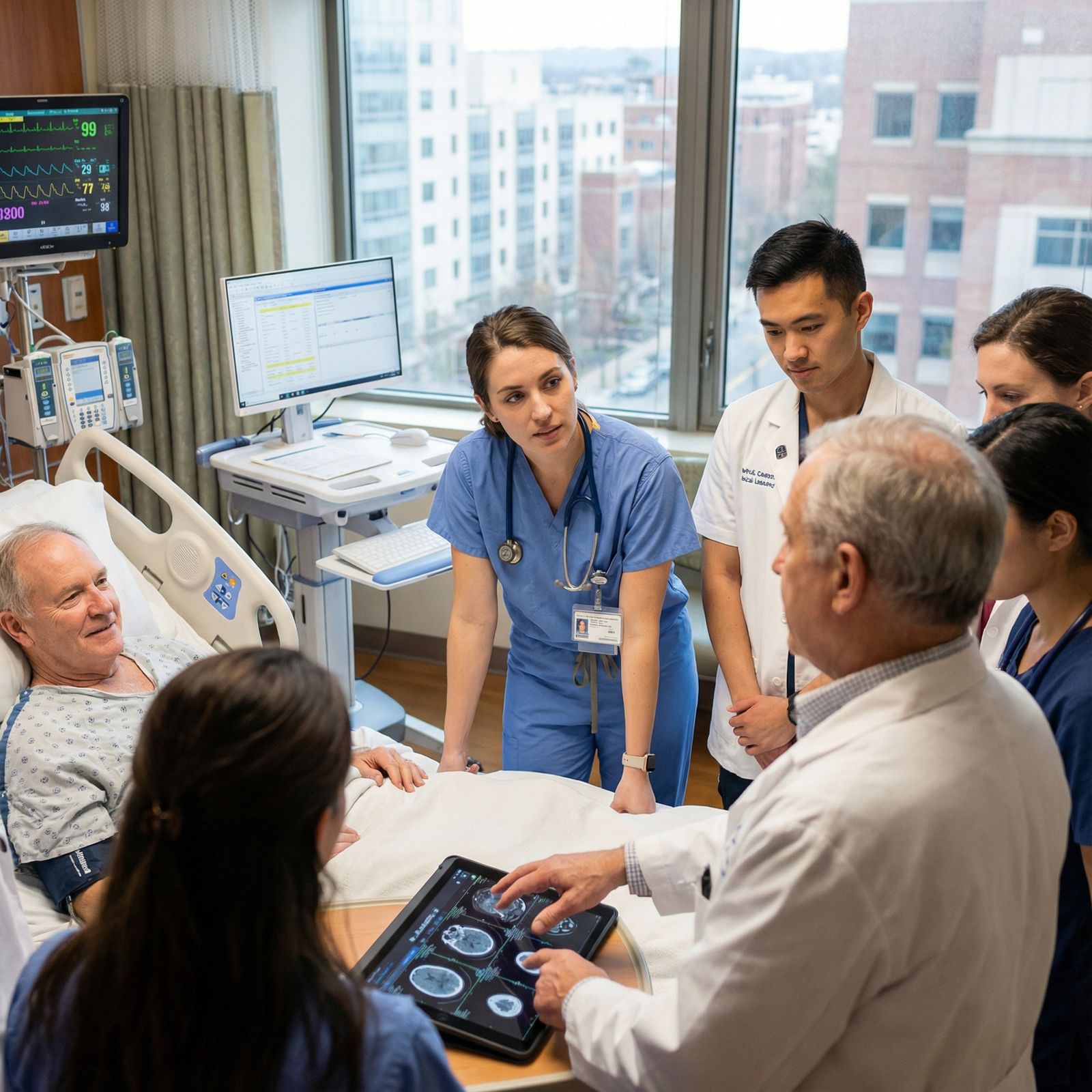
Deep, Structured Mentorship Networks
A major strength of Academic Programs is robust mentorship:
- Multiple faculty role models across subspecialties
- Formal advisor assignments (e.g., residency advisor, research mentor)
- Career-development committees or mentorship programs
- Near-peer mentorship from senior residents and fellows
Mentorship in academic residency goes beyond learning how to admit patients or manage overnight pages. Strong mentors can help you:
- Strategize your career development plan (fellowship vs hospitalist vs academic clinician-educator)
- Build a CV that aligns with your goals (e.g., research, QI, education)
- Prepare for fellowship or job interviews
- Navigate challenges like burnout, imposter syndrome, or switching tracks
Comprehensive Teaching and Structured Didactics
Academic Programs are built around formal education:
- Regular didactics: morning reports, grand rounds, noon conferences
- Subspecialty conferences: tumor boards, journal clubs, morbidity & mortality (M&M)
- Simulation-based training for critical scenarios and procedures
- Faculty with dedicated educator roles (program directors, clerkship directors, simulation directors)
This structured environment means you move through residency with a clear educational roadmap, not just “learning on the fly.” Over time, this can sharpen your:
- Diagnostic reasoning
- Evidence appraisal skills
- Comfort with complex, multi-system disease
- Ability to teach others—critical for leadership roles
Building Your Teaching Portfolio
Academic residency also gives you early and frequent chances to teach:
- Leading small groups or board review sessions for medical students
- Supervision and bedside teaching of junior residents and interns
- Giving brief talks at morning report or interdisciplinary rounds
- Contributing to curriculum or simulation cases
Documenting these experiences (e.g., teaching evaluations, certificates, role descriptions) strengthens your future applications for academic positions, clinician-educator tracks, or teaching awards.
3. Networking, Collaboration, and Career Development Pathways
Networking Within and Beyond Your Institution
Academic Programs naturally embed you in an extensive professional network:
- Daily interactions with subspecialists and thought leaders
- Visiting professors and invited speakers at grand rounds
- Multicenter research networks and collaborative groups
- Alumni who have gone on to fellowships and positions nationwide
These connections matter when:
- You’re applying for fellowships in competitive fields like cardiology, GI, ortho, or dermatology
- You’re seeking letters from well-known faculty
- You want to participate in multi-institution studies
- You’re exploring non-traditional paths (public health, policy, medical education, industry)
For example, attending a national conference with your research mentor might introduce you to a future fellowship program director—or a collaborator at another academic center.
Career Development Resources in Academic Programs
Academic institutions often invest heavily in career development services for residents:
- CV and portfolio workshops
- Mock fellowship and job interviews
- Seminars on negotiation, contracts, and academic promotion
- Sessions on non-clinical career options (health policy, biotech, informatics, global health)
Many academic residency programs also support:
- Dedicated “career-development” rotations
- Shadowing experiences with hospital leadership or subspecialists
- Mentoring programs that connect you with alumni in your chosen field
This infrastructure can significantly smooth your transition from residency to your next role—especially if you’re aiming for competitive fellowships or academic positions.
4. Advanced Resources, Subspecialty Exposure, and Diverse Patients
State-of-the-Art Clinical and Educational Resources
Academic hospitals often function as tertiary or quaternary referral centers, equipped with:
- Advanced imaging (PET-CT, cardiac MRI, interventional radiology)
- Cutting-edge treatment modalities (ECMO, advanced oncologic therapies, transplant services)
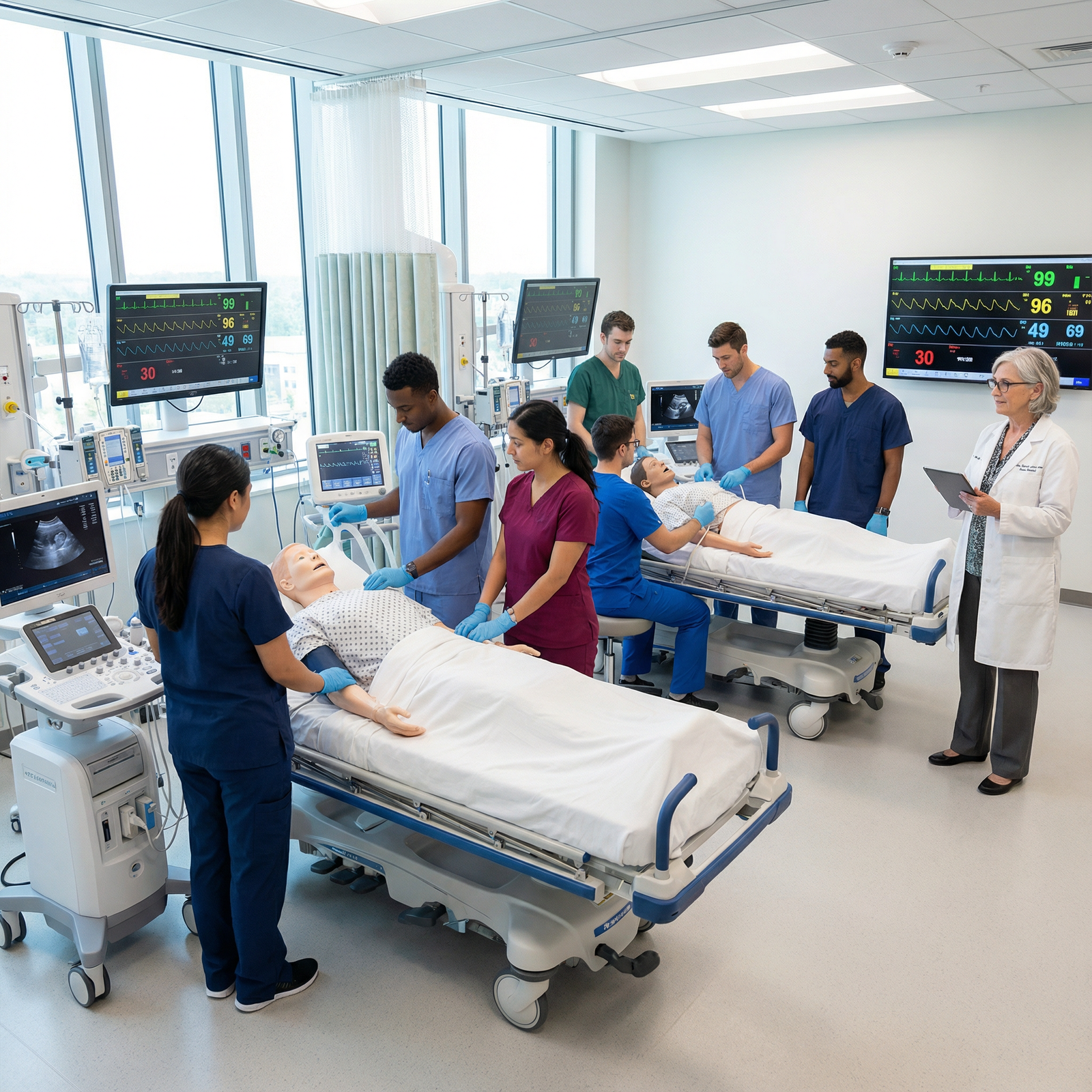
- Comprehensive simulation centers with high-fidelity mannequins and procedural task trainers
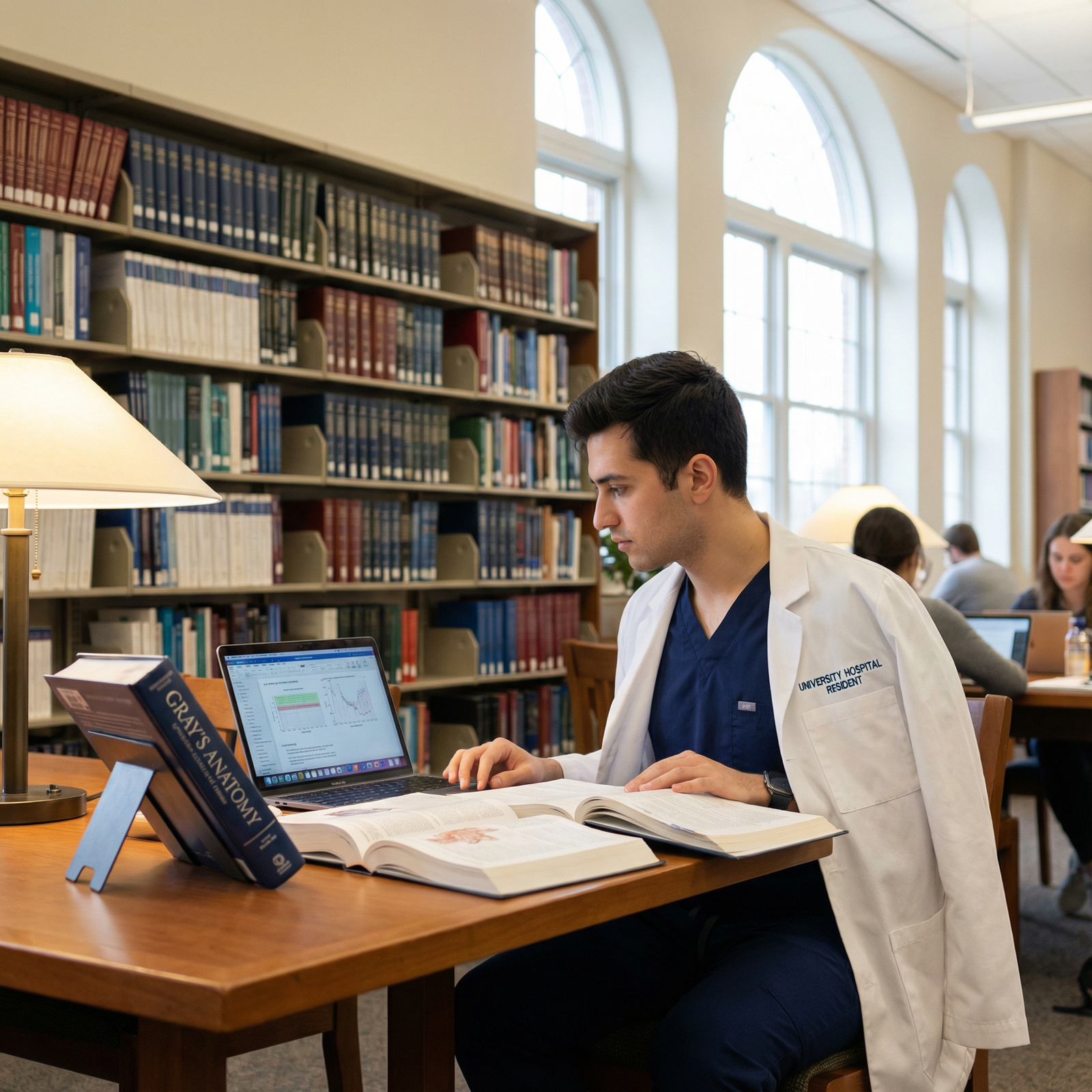
- Robust library services, including access to major journals, databases, and librarians for literature searches
Training in this environment allows you to:
- See rare diseases and complex presentations that broaden your differential diagnosis
- Master advanced diagnostic and therapeutic options
- Practice high-stakes procedures in simulation before performing them on patients
For instance, an emergency medicine resident in an academic program may simulate managing a multi-trauma code or pediatric cardiac arrest repeatedly in a sim lab—before encountering it in real life.
Broad Subspecialty and Interdisciplinary Exposure
Academic centers are often organized into specialty divisions:
- Cardiology, electrophysiology, heart failure, interventional cardiology
- Hematology/oncology, stem cell transplant, palliative care
- Neonatology, pediatric critical care, pediatric subspecialties
- Surgical subspecialties with fellowship programs
As a resident, you may rotate through many of these divisions, providing:
- Exposure to cutting-edge subspecialty practice
- Insight into the daily reality of each field (workflow, patient population, lifestyle)
- Opportunities to work with fellows and see their training path
If you’re undecided about your future direction, this variety is invaluable. It lets you test your interest in, say, nephrology versus endocrinology, or general surgery versus surgical oncology, before you commit to a subspecialty path.
Training with a Diverse and Complex Patient Population
Academic hospitals often serve as regional or national referral centers and safety-net institutions, caring for:
- Patients with rare or advanced disease
- Underinsured or uninsured populations
- Culturally and linguistically diverse communities
- Individuals with significant social determinants of health challenges
This exposure sharpens:
- Your ability to manage complex, multi-morbidity cases
- Cultural competence and communication skills
- Understanding of healthcare systems, access barriers, and health inequities
Such training prepares you not only to pass boards, but to practice effectively in any setting—academic or community—after graduation.
5. Leadership Development and Pathways to Academic Careers
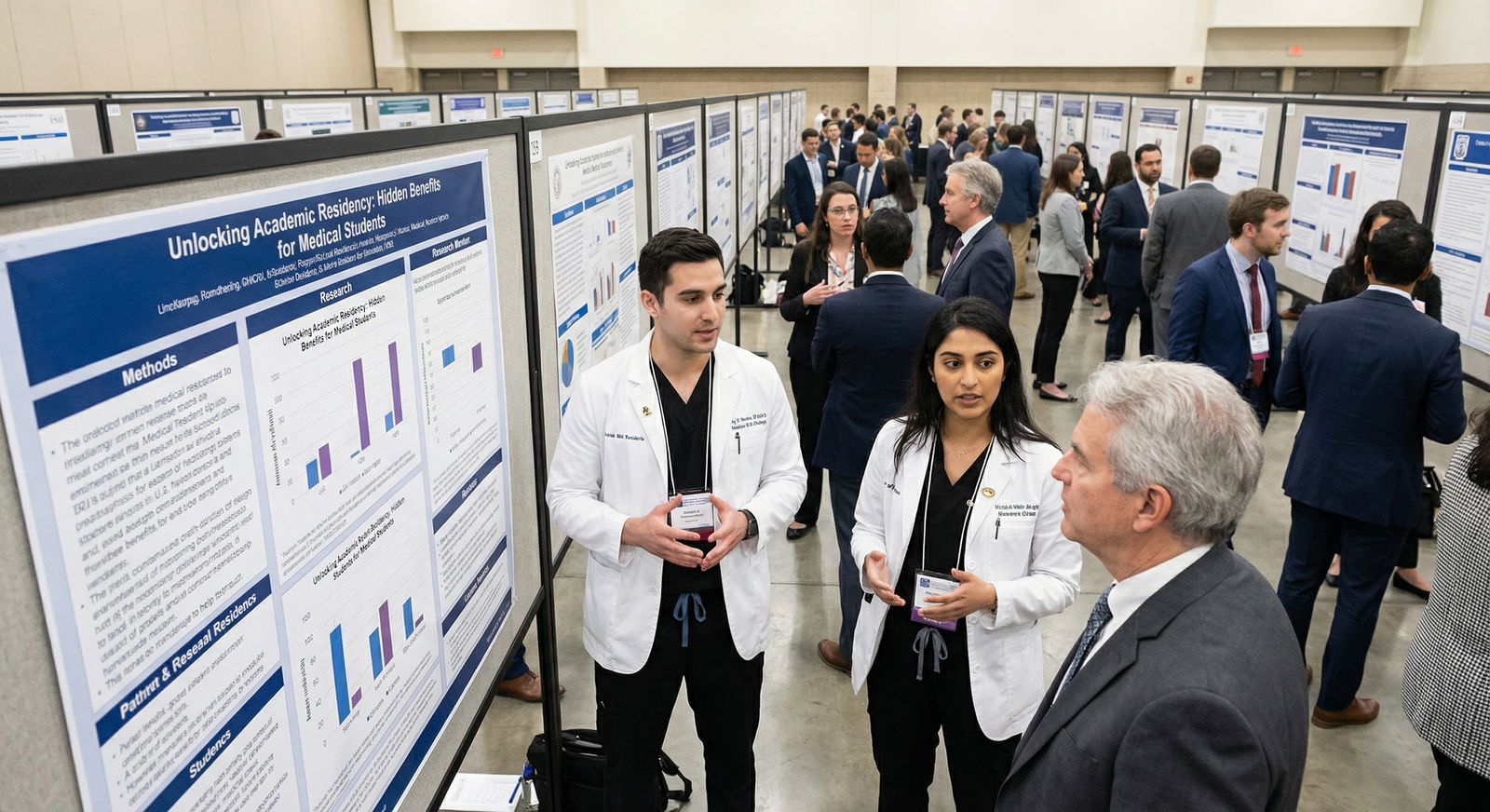
Early Leadership Roles in Academic Programs
Residency in an academic setting routinely offers leadership opportunities, including:
- Chief resident positions
- Committee membership (e.g., patient safety, diversity and inclusion, QI councils)
- Residency program or curriculum subcommittees
- Roles in resident wellness initiatives or advocacy groups
These experiences build skills in:
- Team management and conflict resolution
- Meeting facilitation and project management
- Communication across disciplines
- Strategic planning and systems-based practice
Documented leadership experience can be a major differentiator when applying for fellowships, hospital leadership tracks, or faculty positions.
Pathways to Academic Medicine and Clinician-Educator Roles
If you’re drawn to academic career development, an academic residency provides a natural pipeline:
- You’ll meet clinician-educators, clinician-investigators, and administrative leaders
- You can pursue med-ed projects (curriculum design, assessment tools, simulation cases)
- You may receive formal training in education (teaching certificates, masters in education, faculty development programs)
After residency, common academic career paths include:
- Clinician-educator: Majority clinical duties with significant teaching responsibilities
- Clinician-scientist: Protected research time supported by grants or institutional funds
- Program leadership: Residency/fellowship program directors, clerkship directors
- Hospital administration: Roles in quality, safety, informatics, or medical staff leadership
Completing residency in an academic environment helps you understand how these paths work—and positions you to step into them more easily.
6. Long-Term Advantages: Job Placement, Credibility, and Flexibility
Enhanced Job Placement and Fellowship Competitiveness
While community programs also produce excellent physicians, graduating from a well-regarded Academic Program can:
- Increase your visibility and credibility with fellowship selection committees
- Provide letters from recognized leaders in the field
- Offer a track record of research, presentations, and teaching that stands out
- Give you access to alumni networks that know your program’s rigor
Employers—both academic and community—may perceive academic training as a marker of:
- Strong evidence-based practice
- Comfort with complex cases
- Commitment to ongoing learning and improvement
Flexibility to Move Between Academic and Community Settings
One underappreciated advantage: training in an academic environment keeps future options open:
- You can go directly into a community practice or hospitalist role after residency.
- You can pursue fellowship and then work in either an academic or community setting.
- You can shift later into academic roles (part-time teaching, affiliate faculty, or full-time faculty).
It tends to be easier to move from an academic training background into a community role than the other way around—especially if you later decide you want a more research- or education-focused career.
Matching Program Type to Your Personal Goals
Despite all these advantages, an Academic Program is not the right fit for everyone. You may be better served by a community program if:
- You strongly prefer high-volume, independent clinical practice
- You are certain you do not want research, teaching, or subspecialty training
- You value a smaller, more intimate program environment
As you prepare your residency applications, be honest with yourself about:
- How much structure, mentorship, and research you want
- Whether you’re leaning toward subspecialty training or primary care/generalist practice
- How important academic prestige is to your long-term goals
The best program is the one that aligns with your career aspirations, learning style, and personal life—not just the one that seems most prestigious on paper.
FAQs: Academic Residency Programs and Career Decisions
1. What is an academic residency program, and how is it different from a community program?
An academic residency program is affiliated with a medical school or university-based teaching hospital. It places strong emphasis on:
- Formal teaching and didactics
- Research opportunities and scholarly work
- Mentorship and structured career development
- Exposure to complex and rare cases, plus subspecialty services
A community program is usually based in non-university-affiliated hospitals, often in smaller cities or suburban areas. These programs may offer:
- High-volume clinical exposure
- Earlier autonomy in managing patients
- Less focus (or fewer resources) for research and academic activities
Neither pathway is inherently superior; the choice should be guided by your career goals, preferred learning style, and desired scope of practice.
2. Do I need to be “research-oriented” to benefit from an academic residency?
No. While research is a major asset of Academic Programs, you don’t need to be research-focused to benefit. Academic residency also provides:
- Strong teaching and feedback
- Structured mentorship and career guidance
- Diverse patient populations and complex cases
- Opportunities for teaching and leadership
Many residents in academic programs do little or no traditional research and instead concentrate on clinical excellence, education, quality improvement, or leadership.
3. Can I transition from a community program to an academic career later on?
Yes, but it may require more intentional steps. Physicians from community programs can enter academic roles by:
- Engaging in research or QI projects later in their career
- Pursuing fellowships at academic centers
- Building a teaching portfolio (precepting students, giving lectures)
- Attending conferences and networking with academic faculty
That said, starting in an Academic Program generally makes the path smoother by embedding you in mentorship networks and infrastructure from day one.
4. How can I tell if a specific academic program is strong in mentorship and research?
When evaluating Academic Programs during the application and interview process, ask:
- How many residents publish or present at conferences each year?
- Is there protected time for research or scholarly work?
- Are research mentors formally assigned, or do residents find them informally?
- What types of career development sessions or advising are available?
- How often do residents match into their desired fellowships or jobs?
Also, talk to current residents candidly (away from faculty) about:
- Responsiveness and accessibility of mentors
- Realism of achieving research goals alongside clinical work
- Support for wellness and work-life balance
5. If I’m unsure about subspecialty training, is it still worth choosing an academic program?
Often, yes. Academic Programs can be particularly helpful if you’re undecided because they provide:
- Broad exposure to many subspecialties and divisions
- Easy access to informational interviews and shadowing
- Mentors who can help you explore options and reflect on fit
- Flexibility to pivot—toward fellowship, hospitalist roles, or academic careers—based on what you discover during training
Even if you ultimately choose a generalist or community-focused career, the skills—critical thinking, evidence appraisal, communication, leadership—you gain in an academic environment will serve you well in any setting.
Choosing between Academic Programs and community-based Medical Residency options is not just about where you will spend the next three to seven years; it’s about how you want to shape your identity as a physician. For many applicants, the hidden benefits of academic programs—research opportunities, mentorship, networking, structured teaching, and strong career development support—provide a powerful foundation for a flexible, impactful career in medicine.